


Breathing new life into a historic home
A protected heritage terraced house becomes a personalized family home
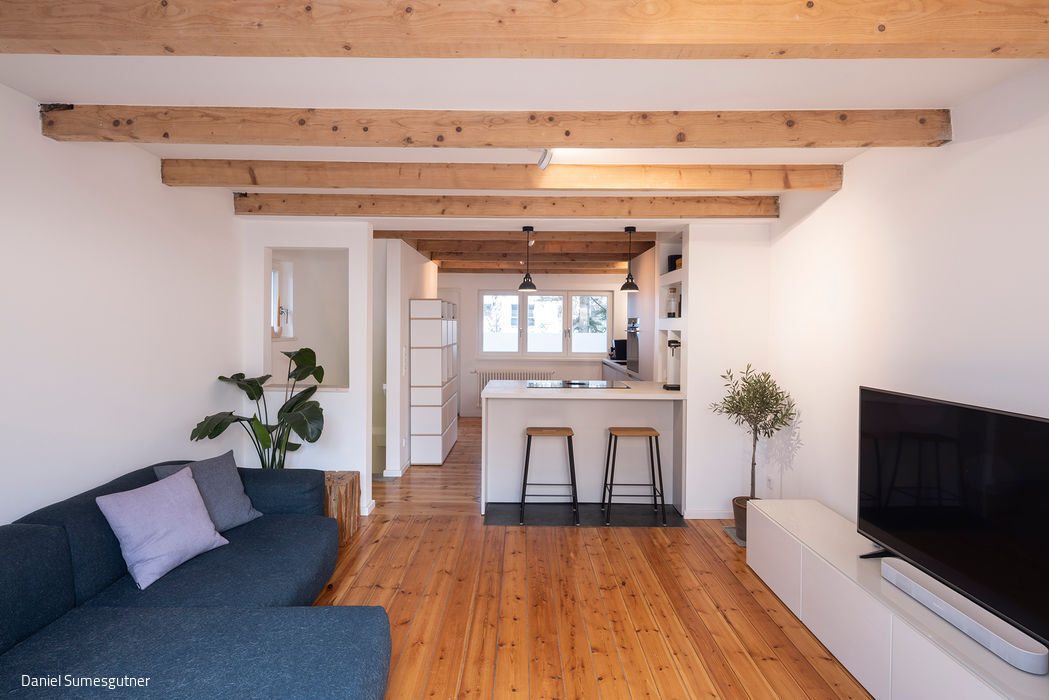
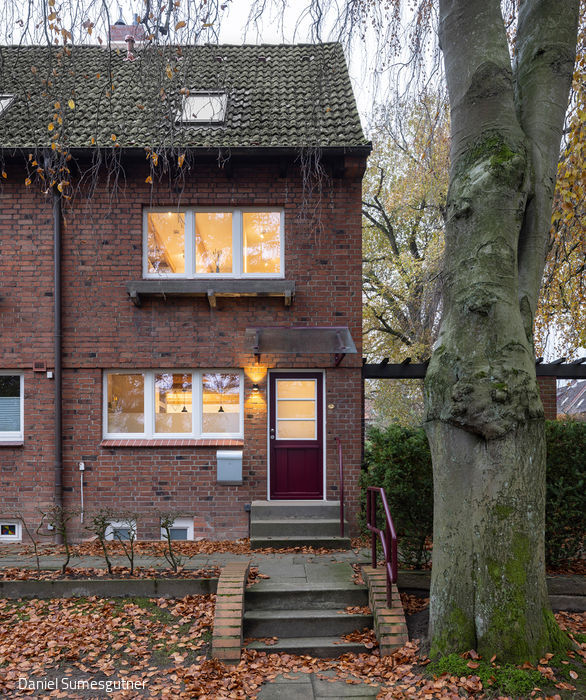
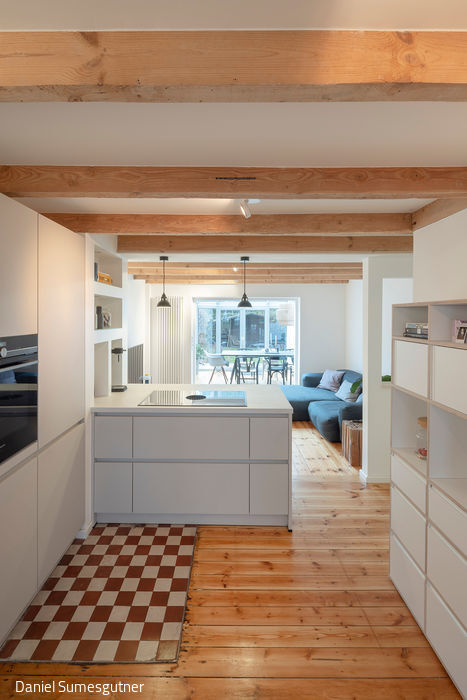
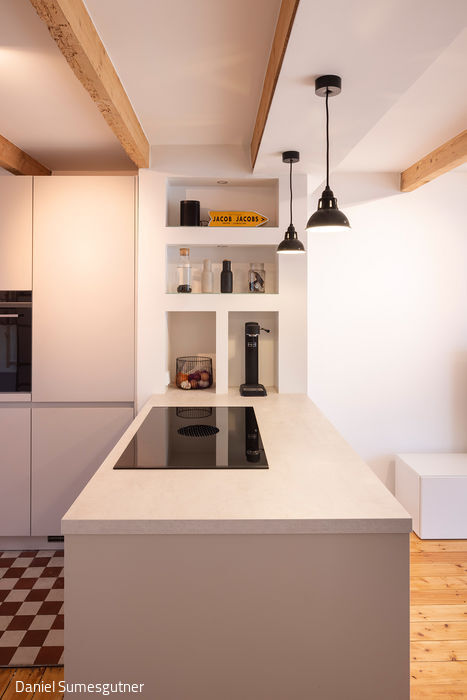
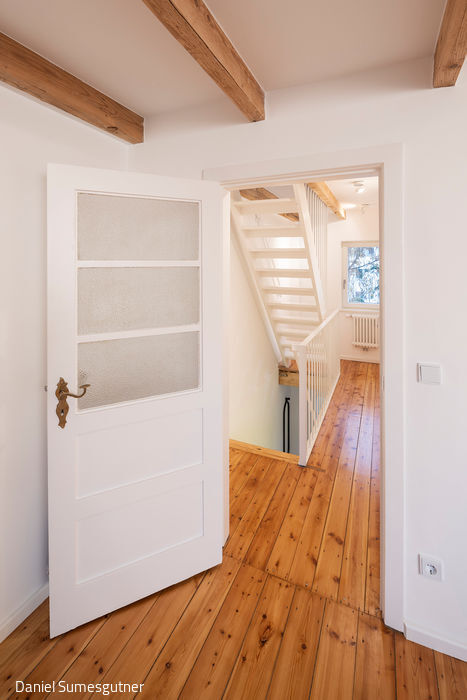
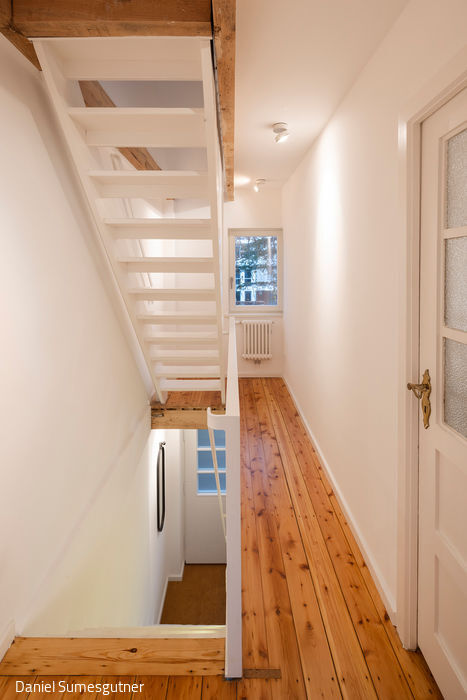
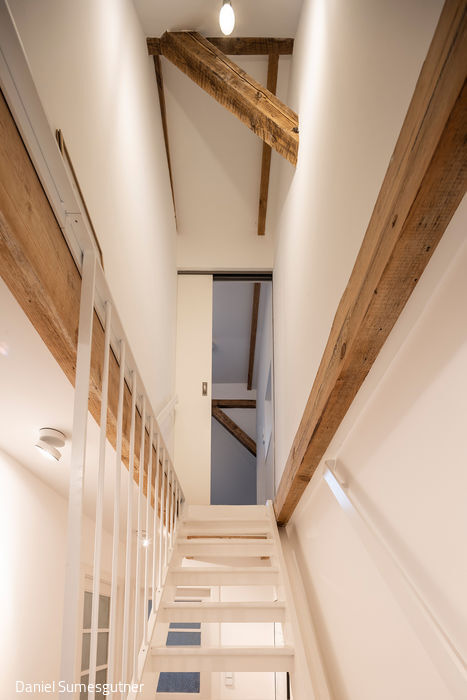
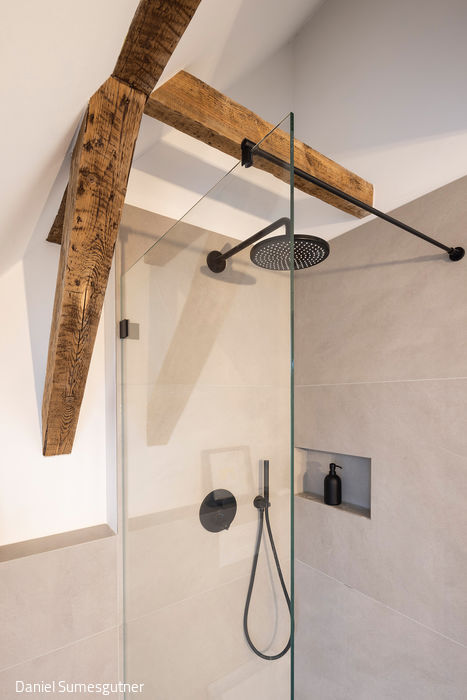
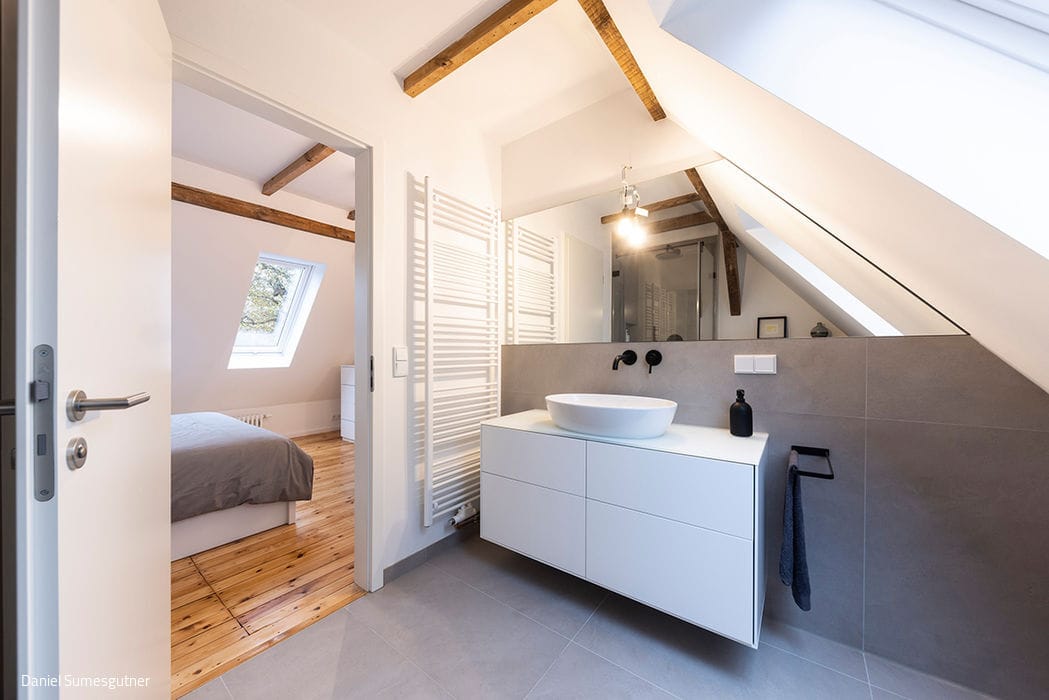
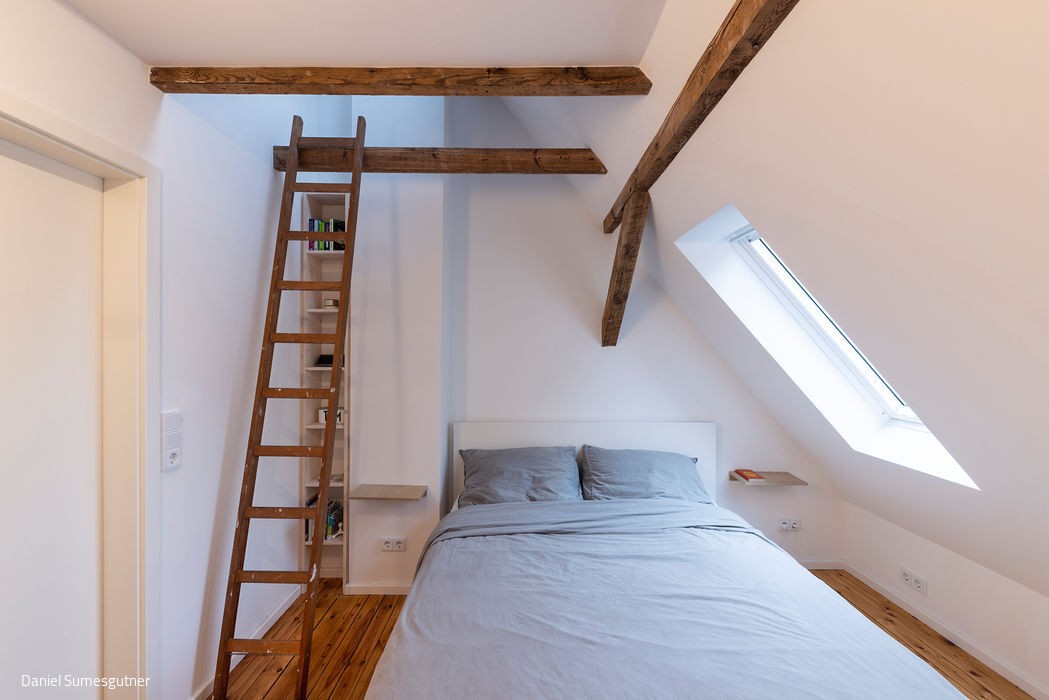
The Frank settlement in Klein Borstel is a fully listed complex and a remarkable chapter in Hamburg's housing history. Built between 1934 and 1939 by housing pioneers Paul and Hermann Frank, this terraced community originally comprised 545 compact red-brick homes. Paul Frank, an architect who worked closely with Fritz Schumacher during the era of reform housing, designed the distinctive pergola houses found in Dulsberg, Barmbek-Nord, and Jarrestadt. The settlement's relaxed, intimate character drew inspiration from the garden city movement while masterfully blending New Building principles with the Heimatschutzstil aesthetic favored at the time. What made it truly pioneering was its unprecedented standardization: every house featured identical floor plans, windows, doors, cornices, stairs, walls, and landscaping—an innovation reflected across all 547 structures. The ownership model was equally forward-thinking: residents purchased hereditary use rights rather than outright ownership, with the settlement company retaining title. This arrangement shifted in the 1970s when houses were sold to their occupants. This corner terraced house, located in the eastern section of the settlement, underwent a comprehensive renovation by architect Helge Tischler, thoughtfully adapted to the owners' specific needs. At just 4.25 meters wide, these historic homes originally offered four rooms across two floors totaling 59 m²—expanded to 74 m² through attic conversion. The original basement bathroom, constrained by a mere 1.85-meter ceiling height, was transformed into a generously proportioned family bath with 2.20 meters of clearance achieved by lowering the entire ground level. Strategically removed and opened walls on the ground floor create an expansive, flowing living environment where kitchen and living areas share visual continuity. Original floorboards and ceiling beams were carefully restored; existing concrete floors were refinished. Tiles salvaged from the former fireplace were seamlessly reintegrated into the redesigned interior. The stairwell paneling was removed, steps restored, and completed with a refined steel railing. Bespoke cabinetry and kitchen solutions enhance the home's refined, light-filled character—a testament to thoughtful adaptive design.
Photography Credits:
Daniel Sumesgutner
www.sumesgutner.de
(Published in CUBE Hamburg 02|23)
A striking presence
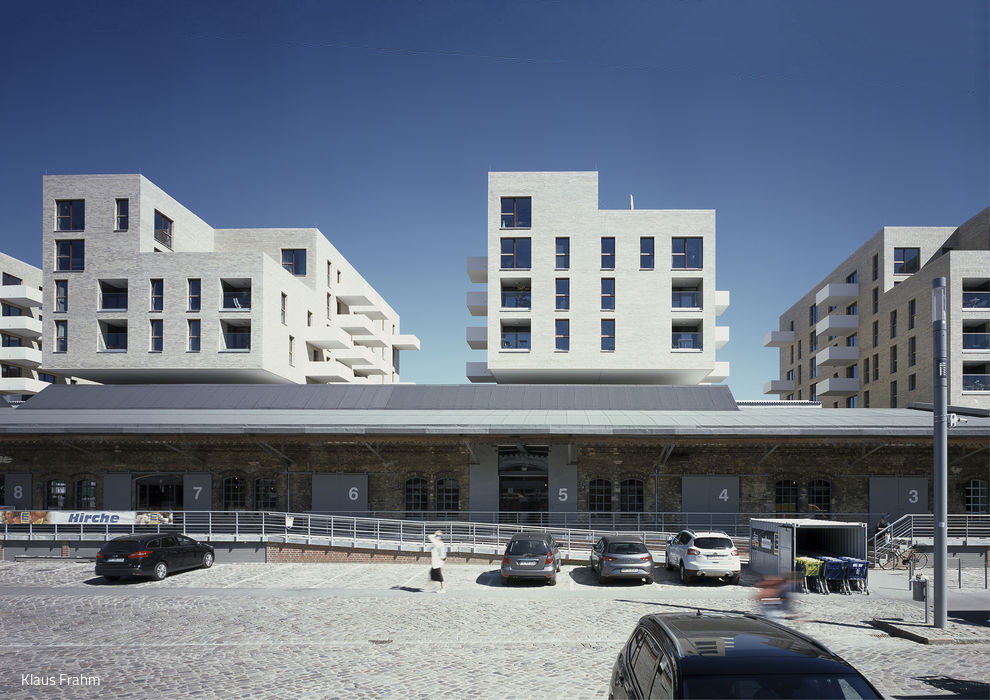
These six houses masterfully weave together old and new.
Where Heritage Meets Innovation
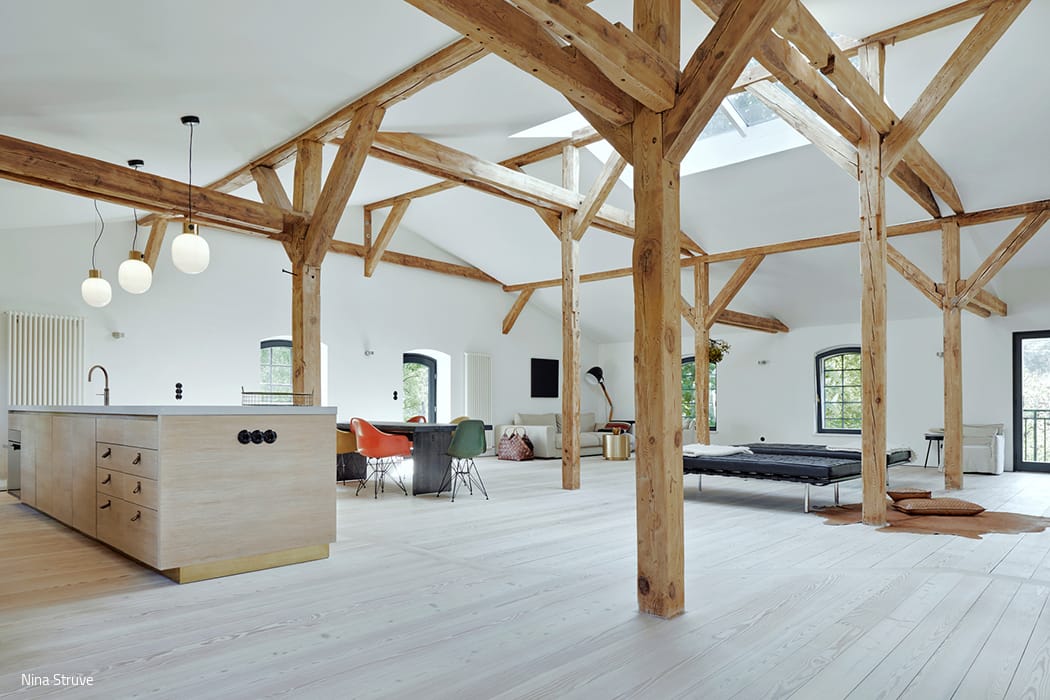
Where Heritage Meets Home: A Protected Watermill Transformed with Reverence for Its Past
Refined Simplicity
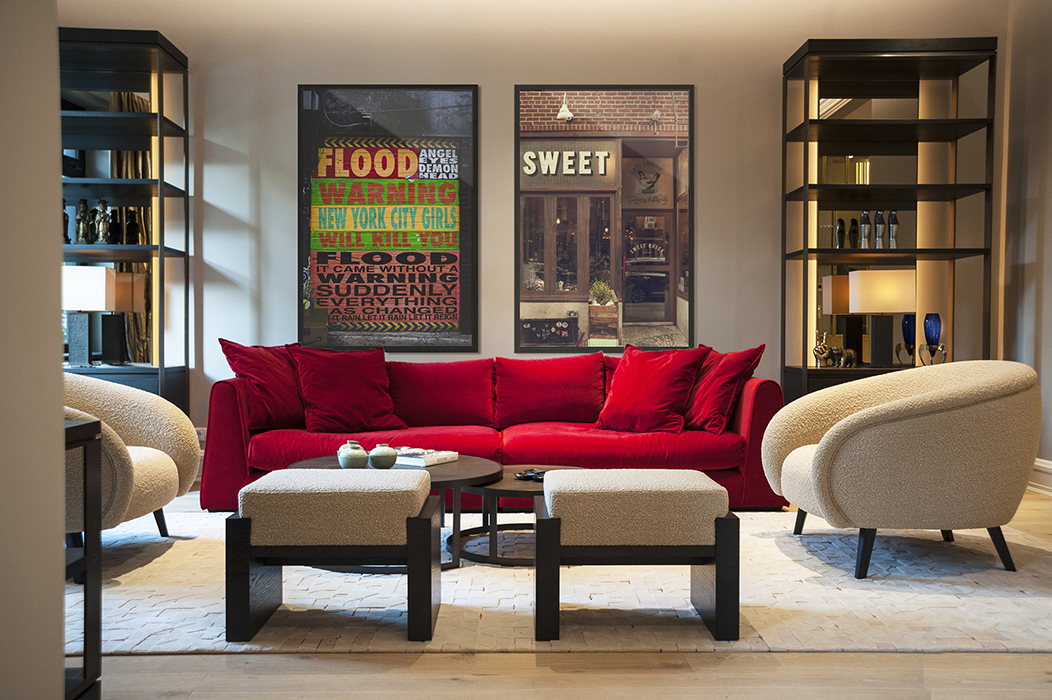
An Uhlenhorst Townhouse Where Hamburg Sophistication Meets French Elegance

Restrained Confidence
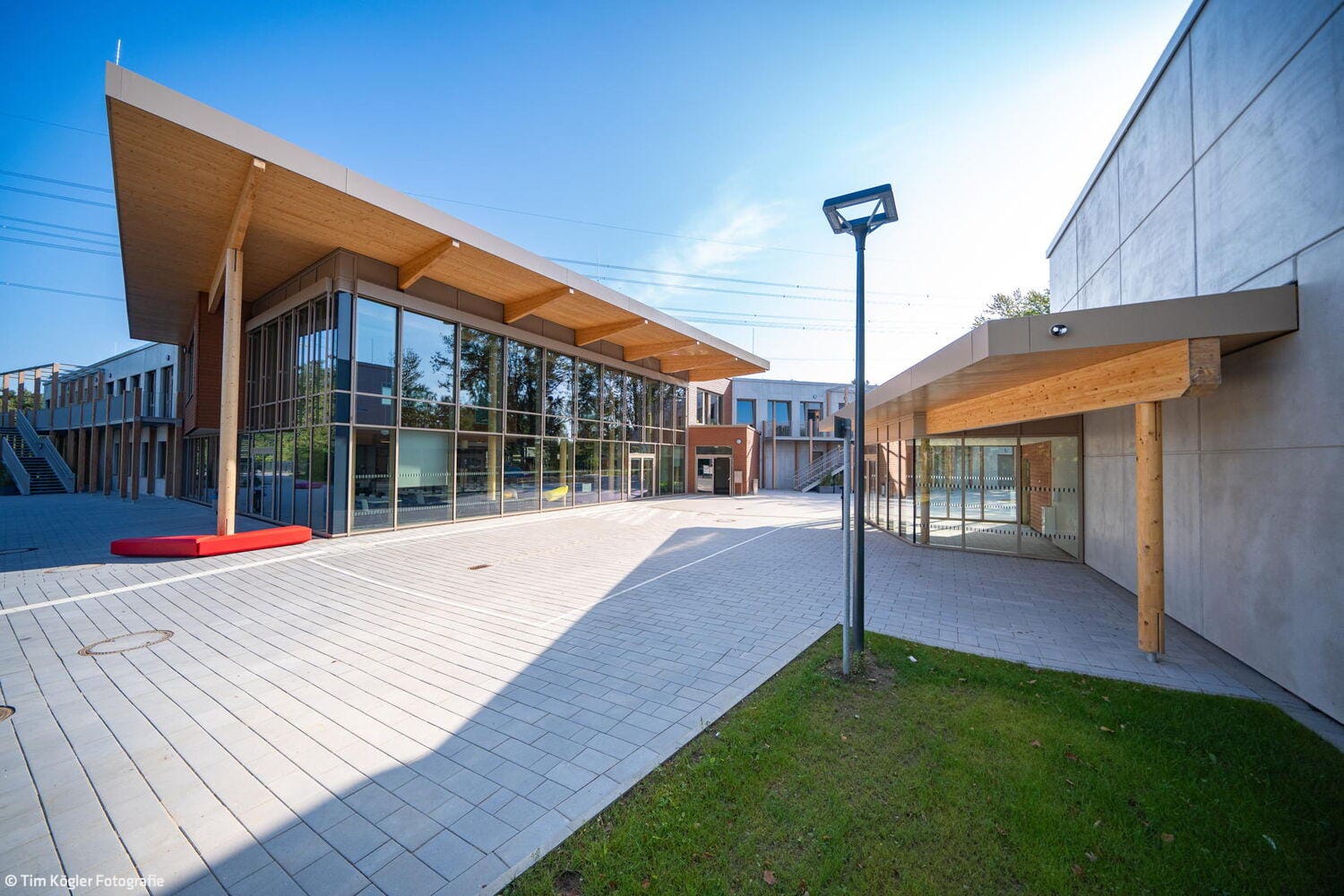
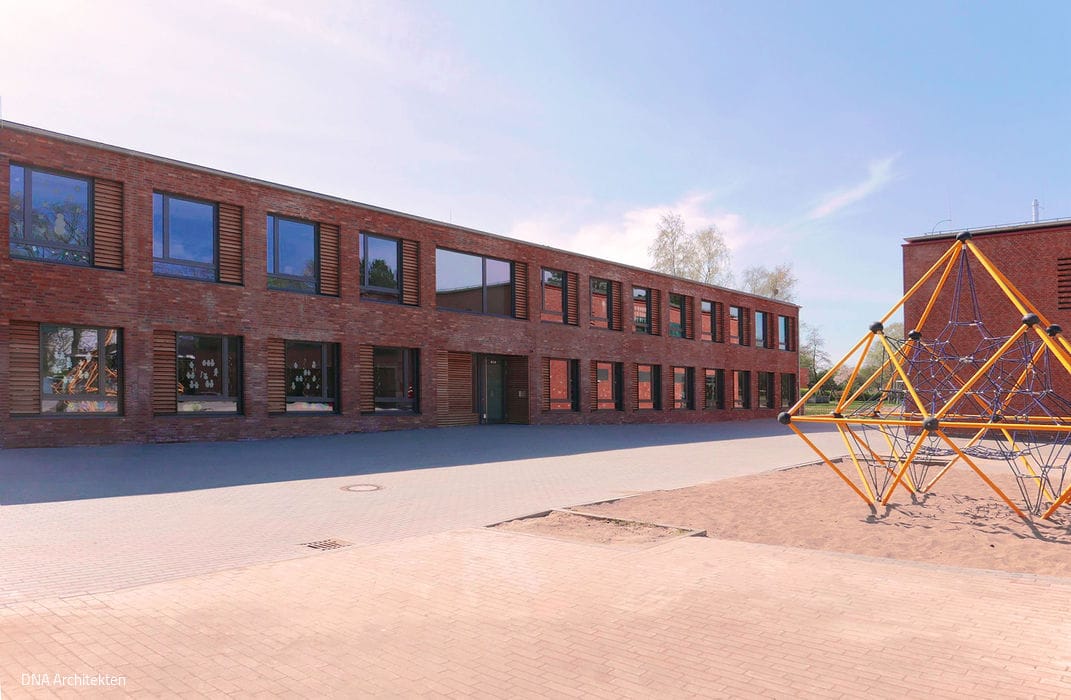
The new school building and its heritage counterpart create a harmonious architectural whole.