


Two Become One
After merging two flats, the top floor now showcases a generous, light-filled apartment.
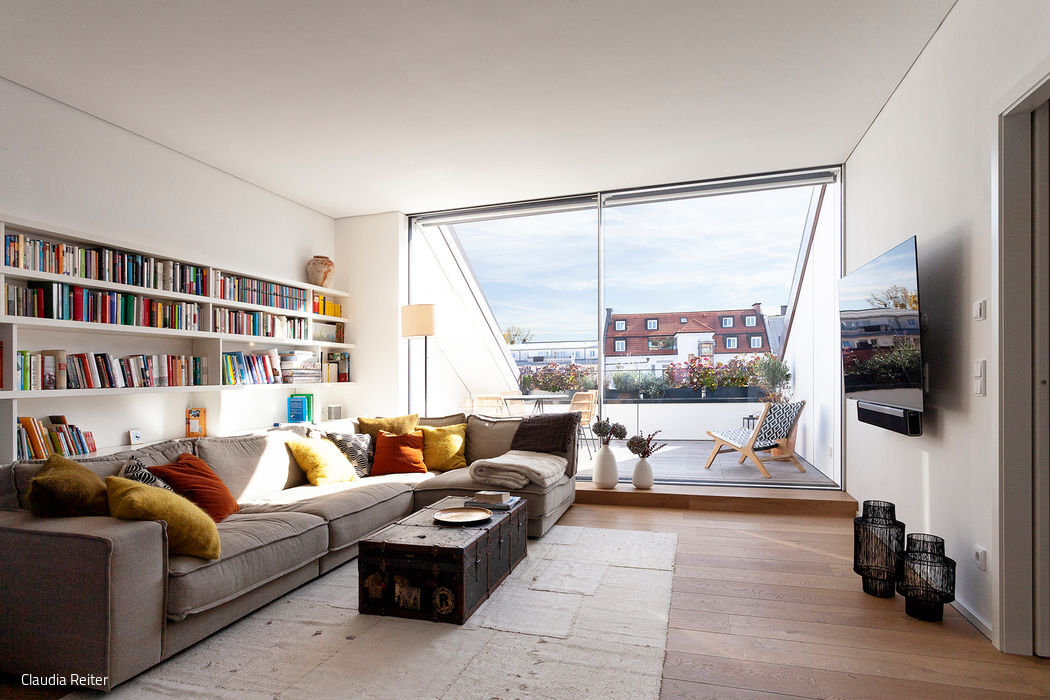
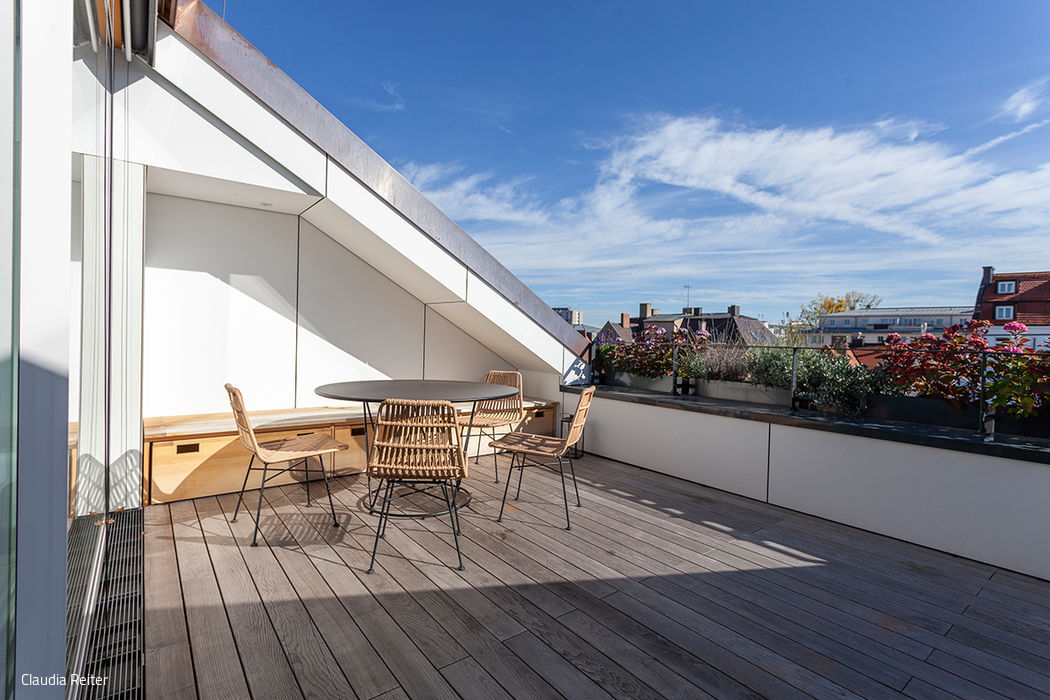
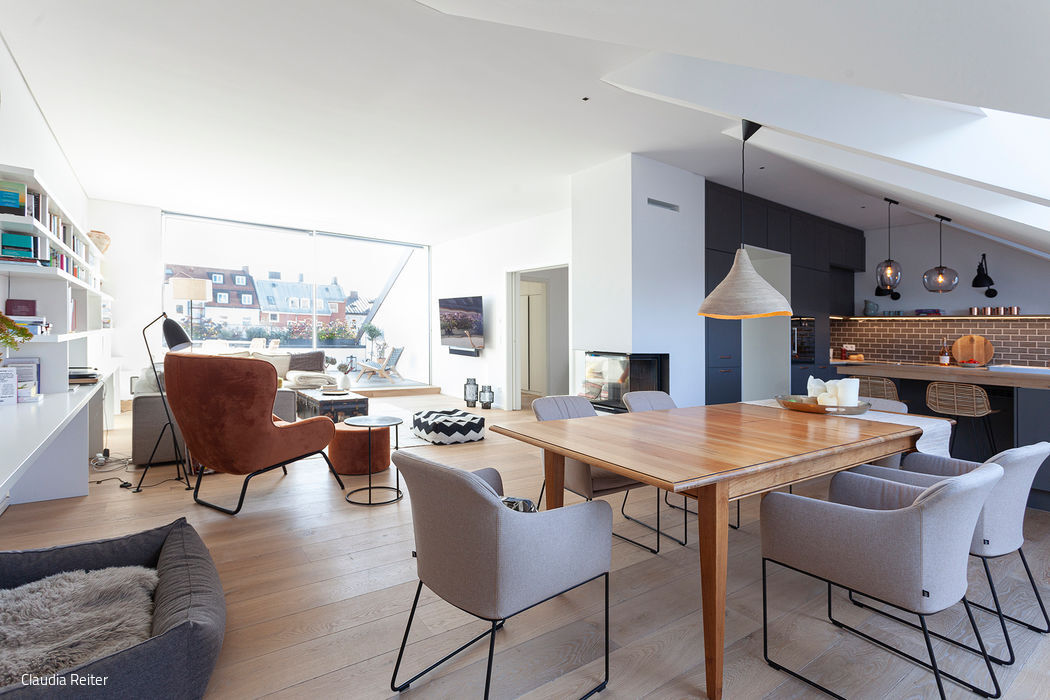
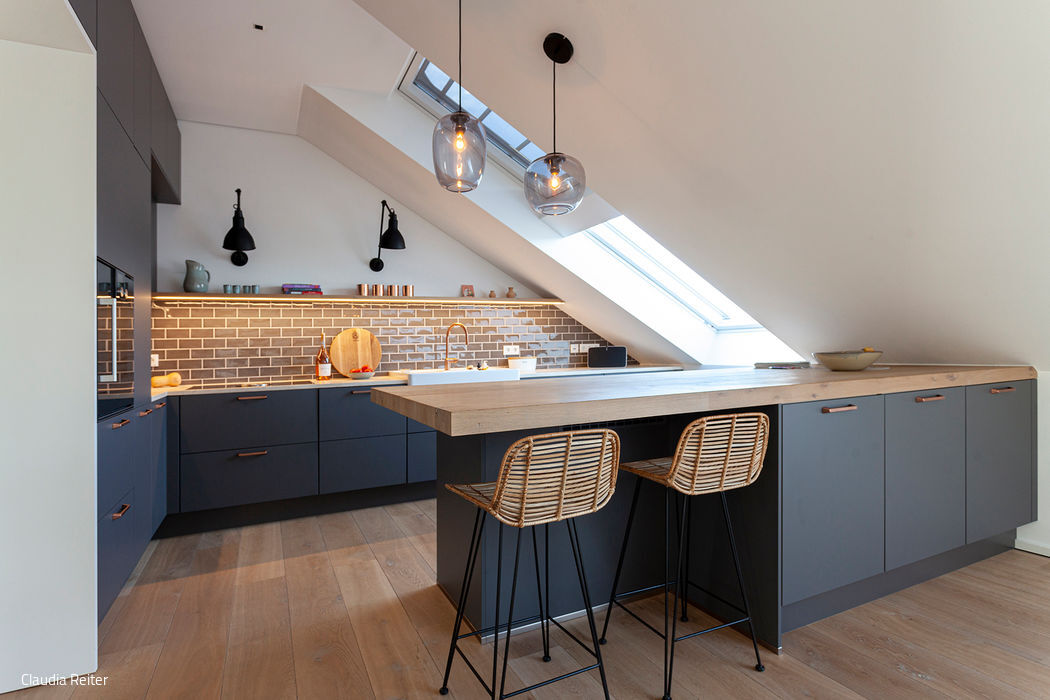
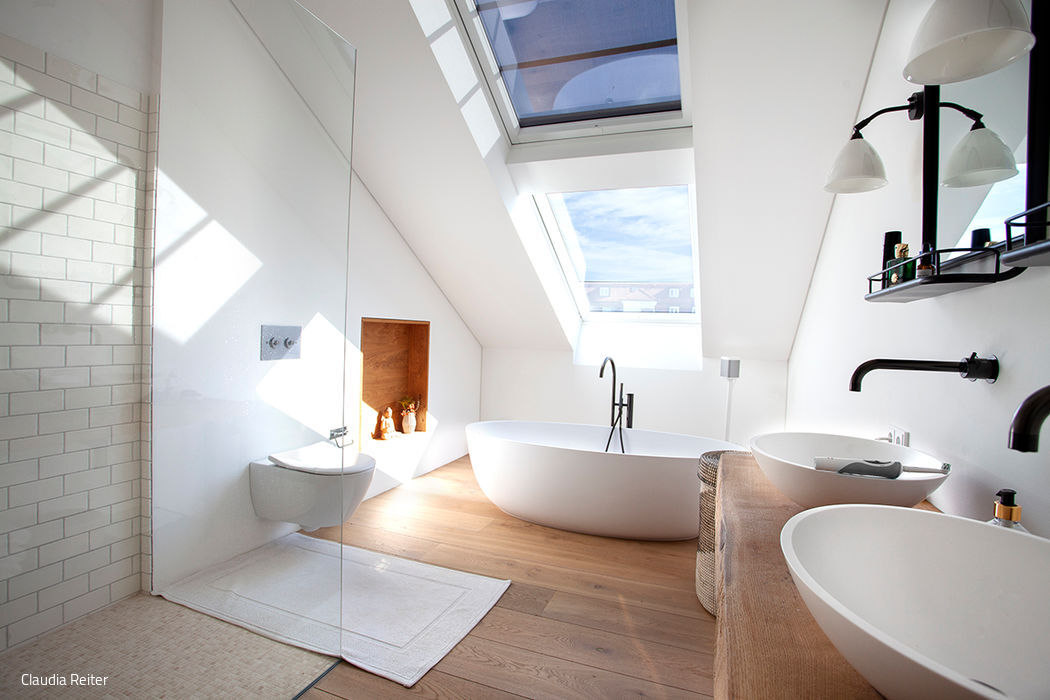
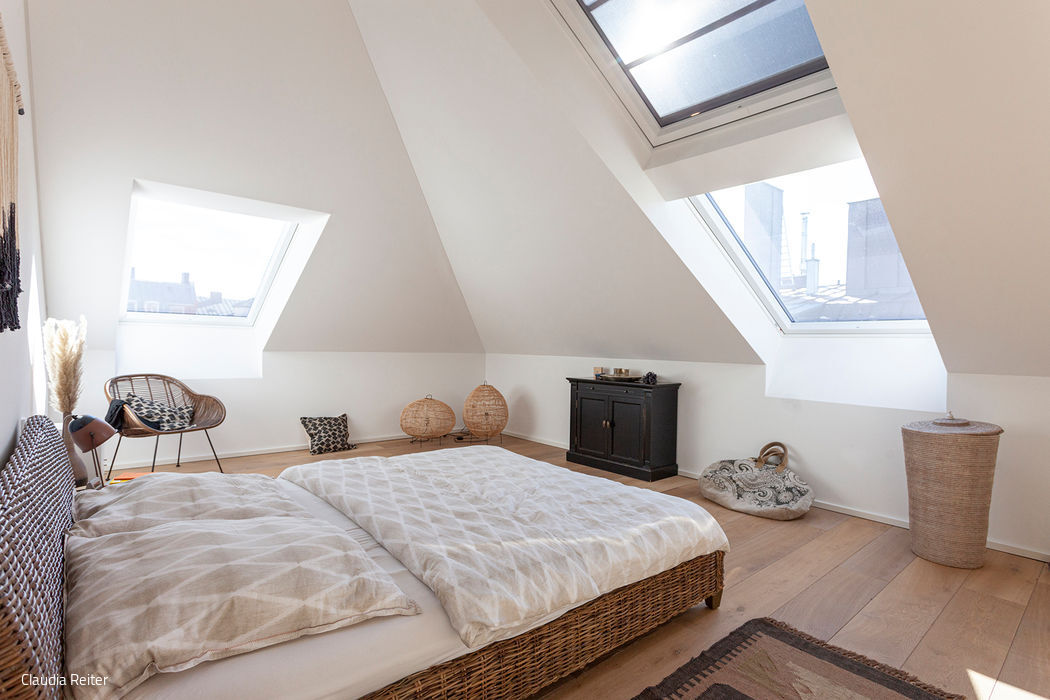
At a friend's recommendation, the homeowner contacted Clemens Frosch Architekten to transform two cramped apartments with dormers into one expansive, light-filled home. Built in 1877, the entire structure is a protected landmark. The roof structure had suffered significant damage and required substantial restoration. Rather than simply repair it, the architects seized the opportunity to reconstruct the roof with its ridge raised by one meter—eliminating the dormers entirely and introducing large roof windows instead. This approach honored the building's original, understated roofline while flooding the spaces with natural light and giving them distinctive character.
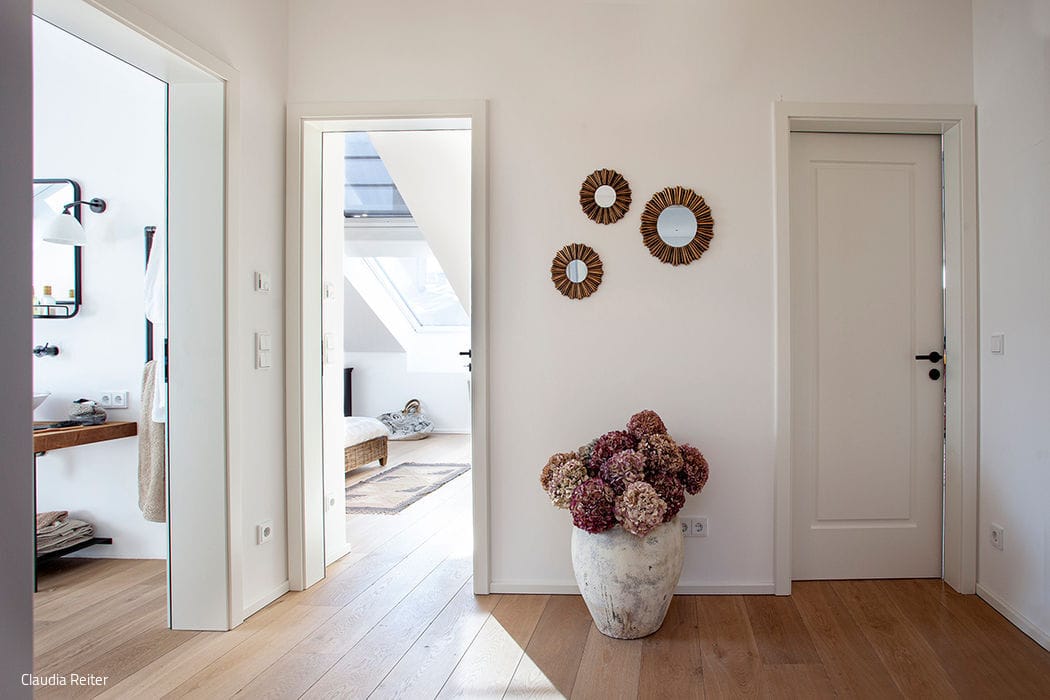
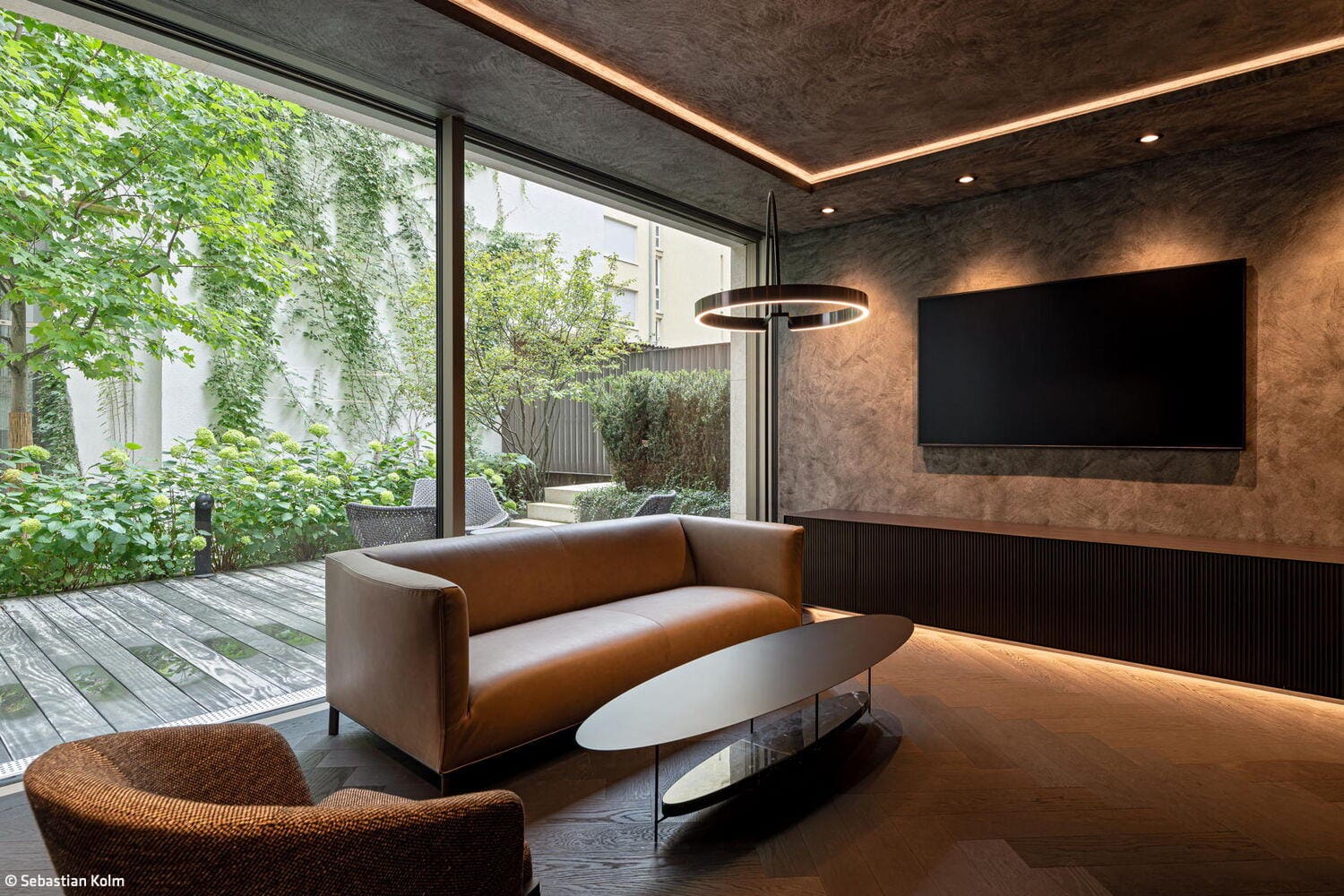
A glazed lift was added to the courtyard side, gracefully connected to the building by slender bridges. The renovation itself presented considerable logistical challenges, as the apartments below remained occupied throughout construction. The expertise and coordination of carpenter Frank and NHP Bau AG proved invaluable in managing this complexity. The result is a striking testament to thoughtful design: a spacious, contemporary residence awash in daylight, defined by refined, understated spaces that frame numerous sightlines and views. Large-format Sky-Frame sliding doors open to the terrace, while strategically placed skylights create layered lighting throughout the day—yet the apartment never loses its warm, inviting character. This consistency owes much to the honey-toned parquet that flows through every room, including the bathrooms, tying in beautifully with the custom natural wood furniture on steel frames designed by the architects. The material palette is deliberately restrained, with lime-based paint chosen for all wall surfaces to support healthy indoor air quality.
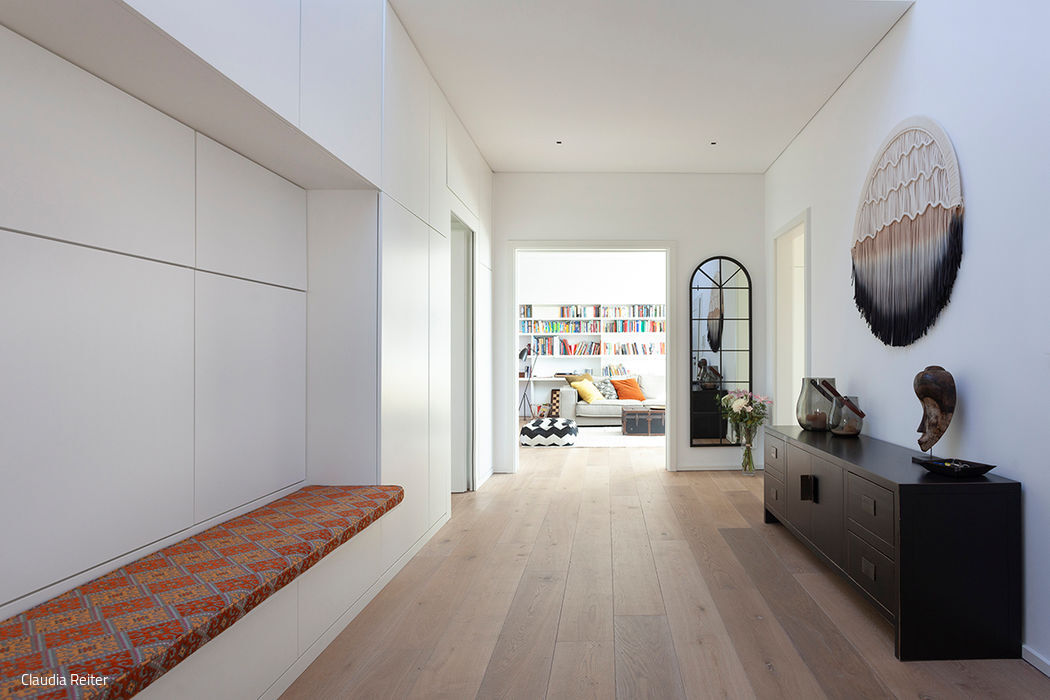
The spatial layout centers on a generous entrance hall crowned by large skylights—a clever hub with integrated wardrobes and a seating bench woven into the wall surfaces. This hall orchestrates the floor plan, simultaneously connecting and dividing the apartment into two distinct zones. To the south, a modest corridor provides access to private quarters—bedrooms and bathrooms—while the opposite side of the hall opens directly into the expansive living and dining areas and kitchen. From the living room, the eye travels effortlessly through the expansive glazing toward the outdoors and, on the western exposure, toward the Maximilianeum.
www.frosch-architekt.de
www.zimmereifrank.de
Photography Credits:
Claudia Reiter
www.foto-reiter.de
(Published in CUBE Munich 01|21)
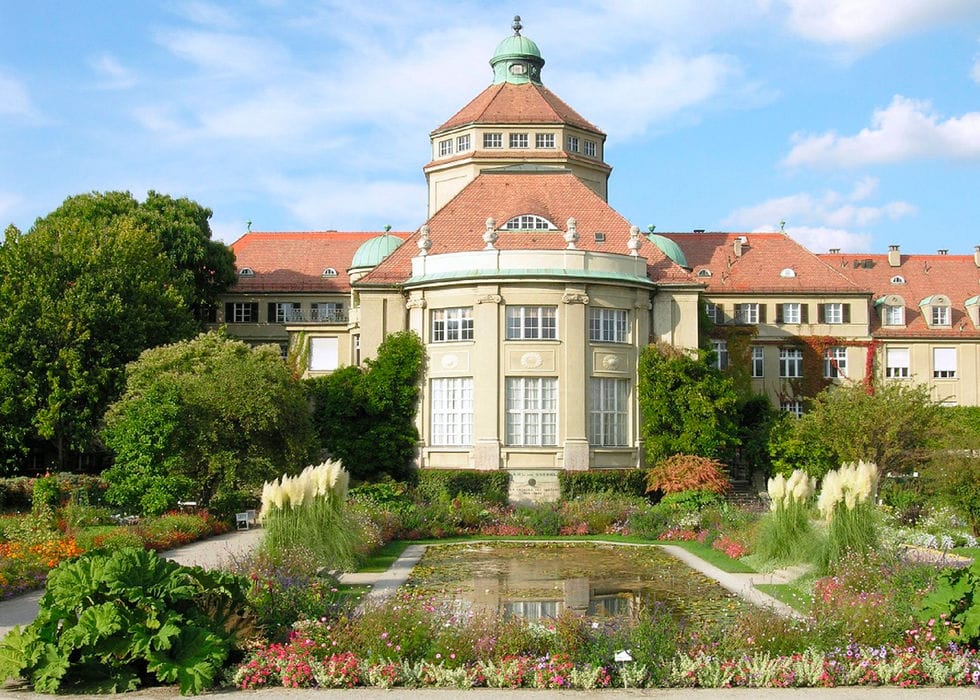
Diving into a Sea of Plants
A garden for everyone – the Botanical Garden in Nymphenburg is magnificent
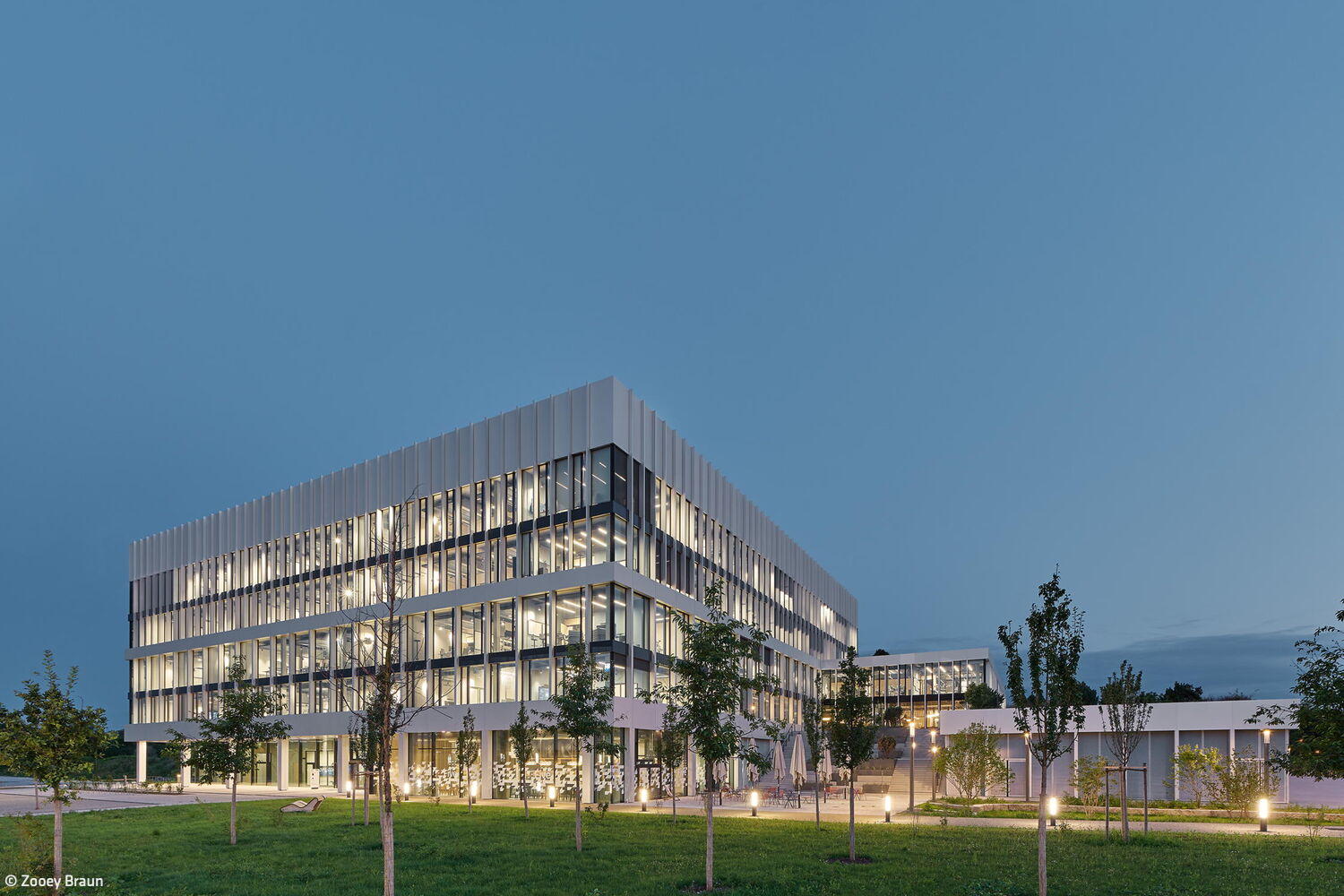
Campus in Miniature
A striking new architectural ensemble enriches Science City Munich
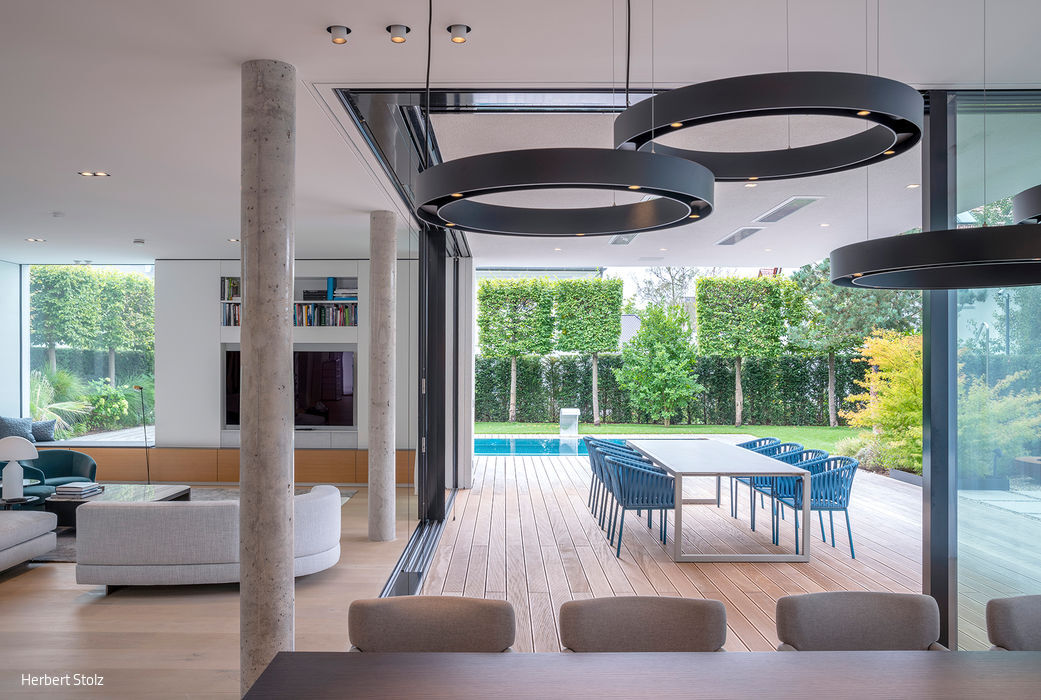
Stone Leporello
Purist Avant-Garde in the Tradition of Classical Modernism
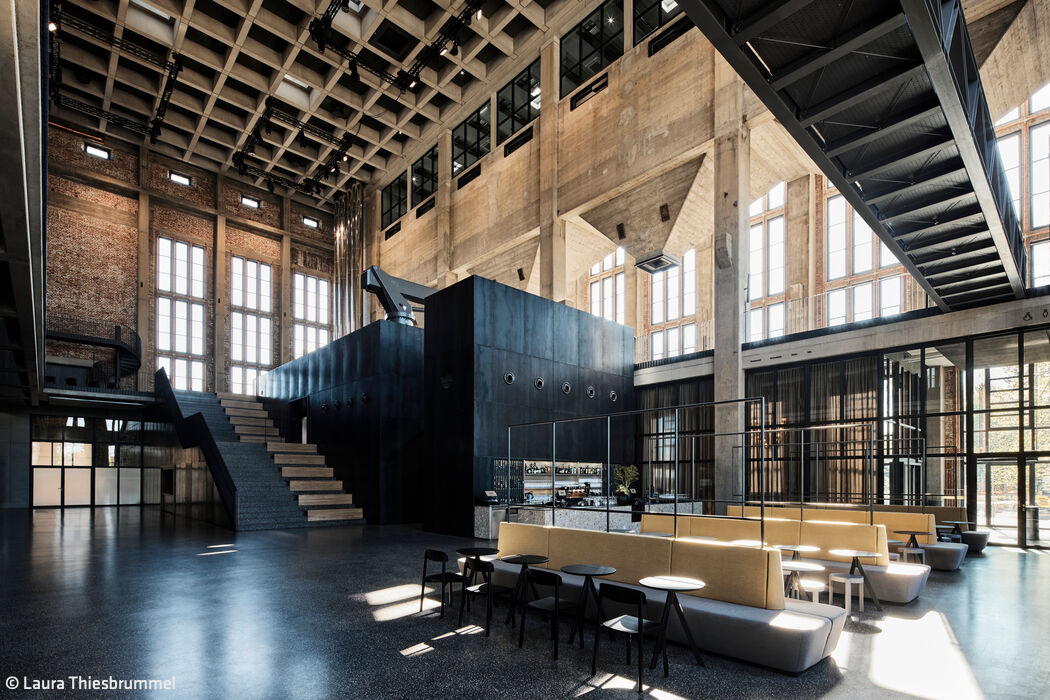
Big, Bigger, Bergson
A likeable, megalomaniacal art and culture centre