


Radical Reduction
A wooden new construction for a family focused on the essentials
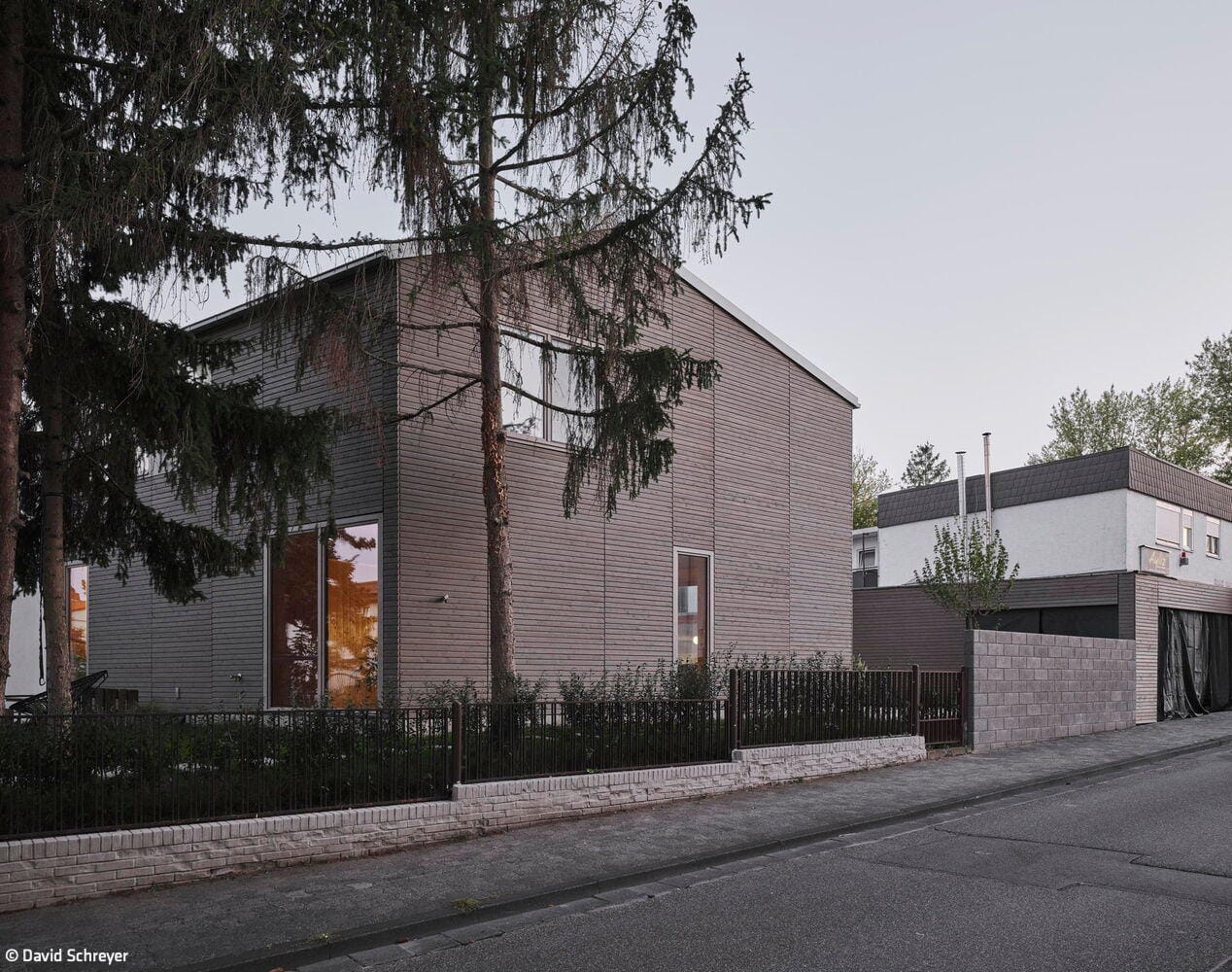
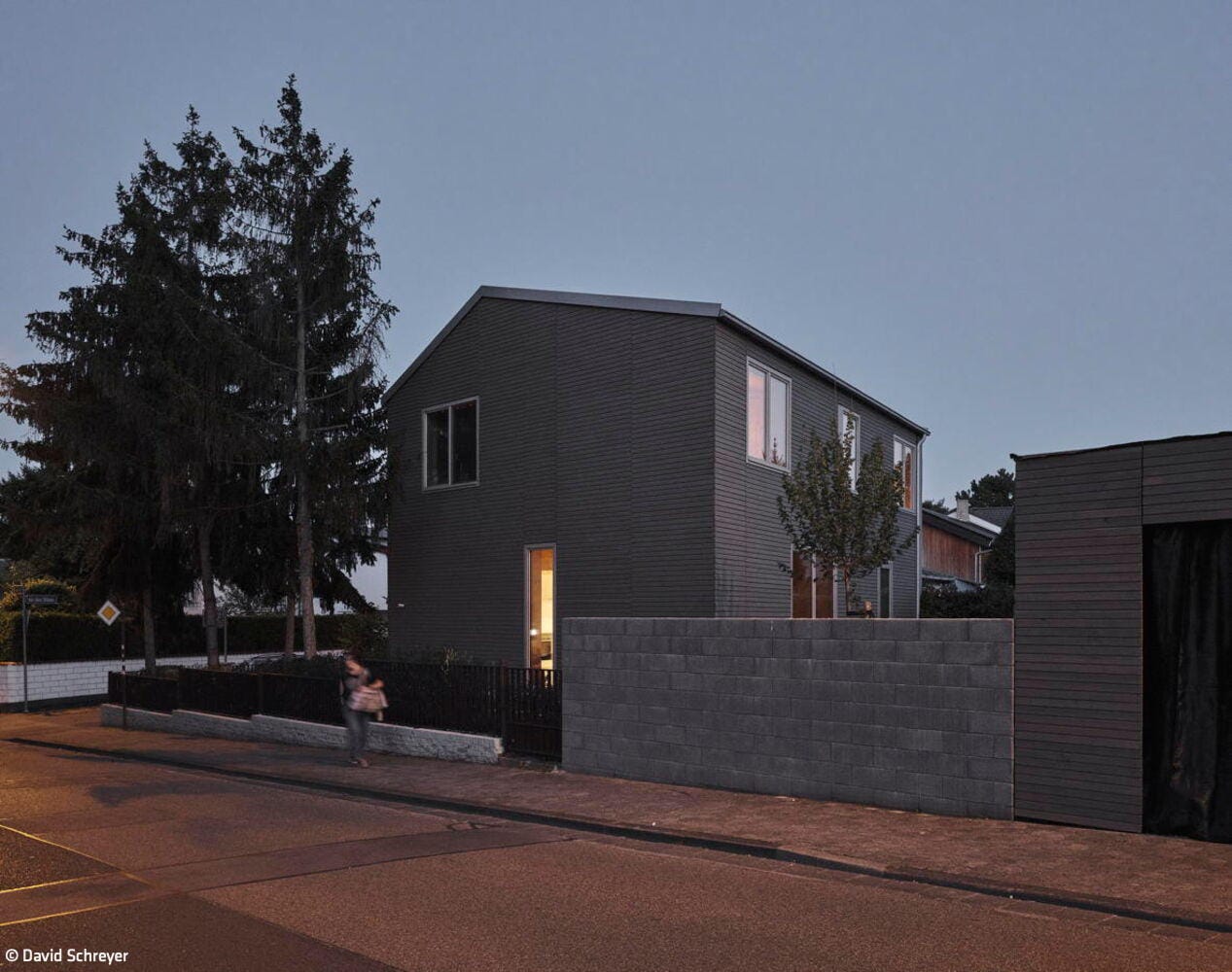
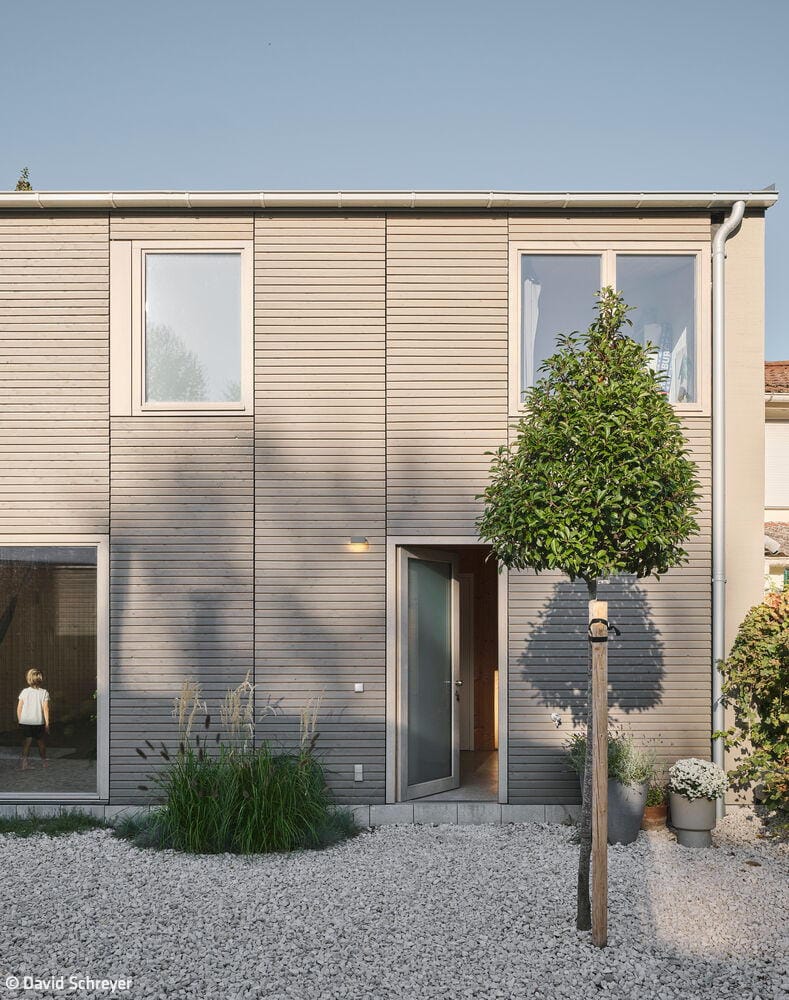
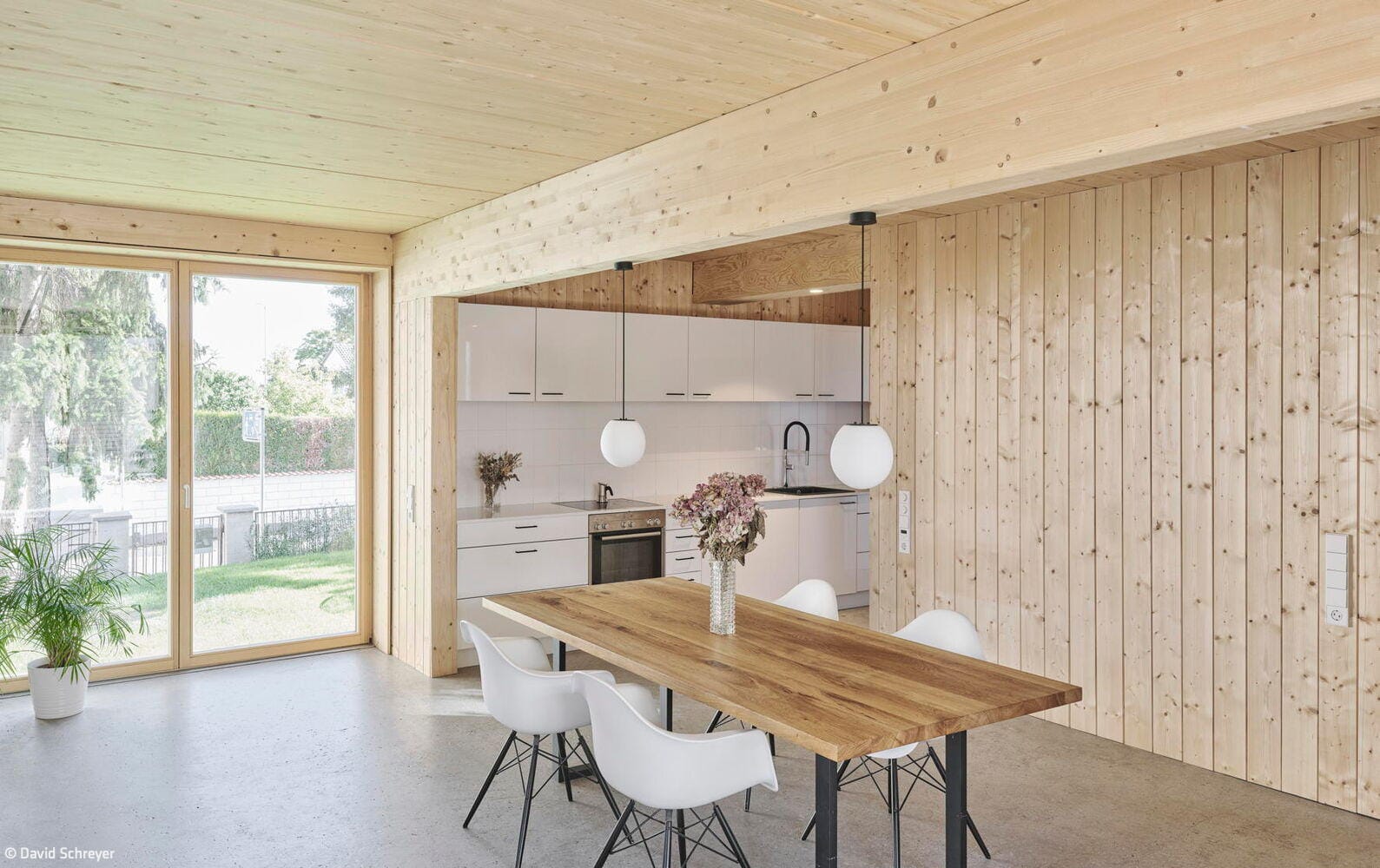
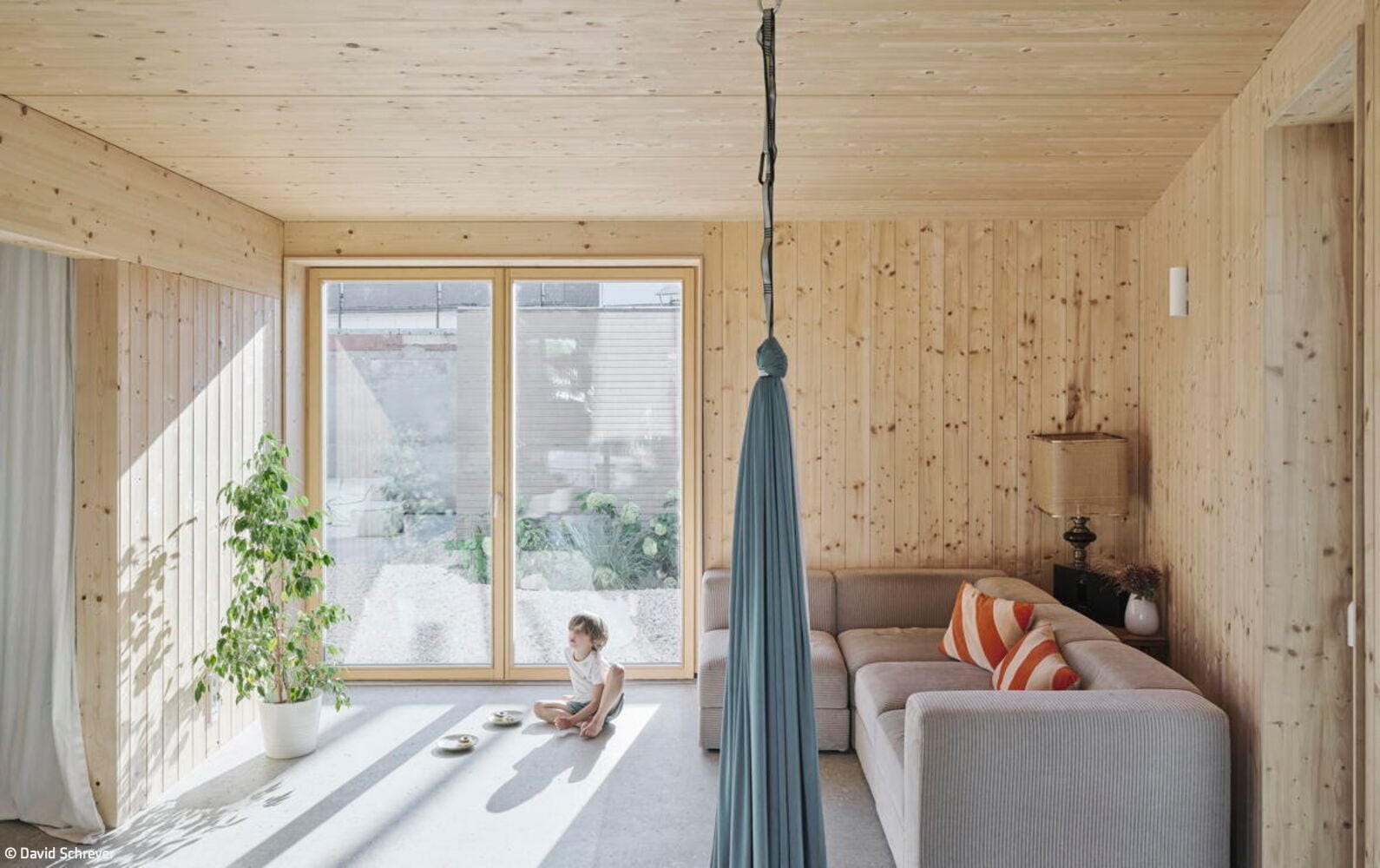
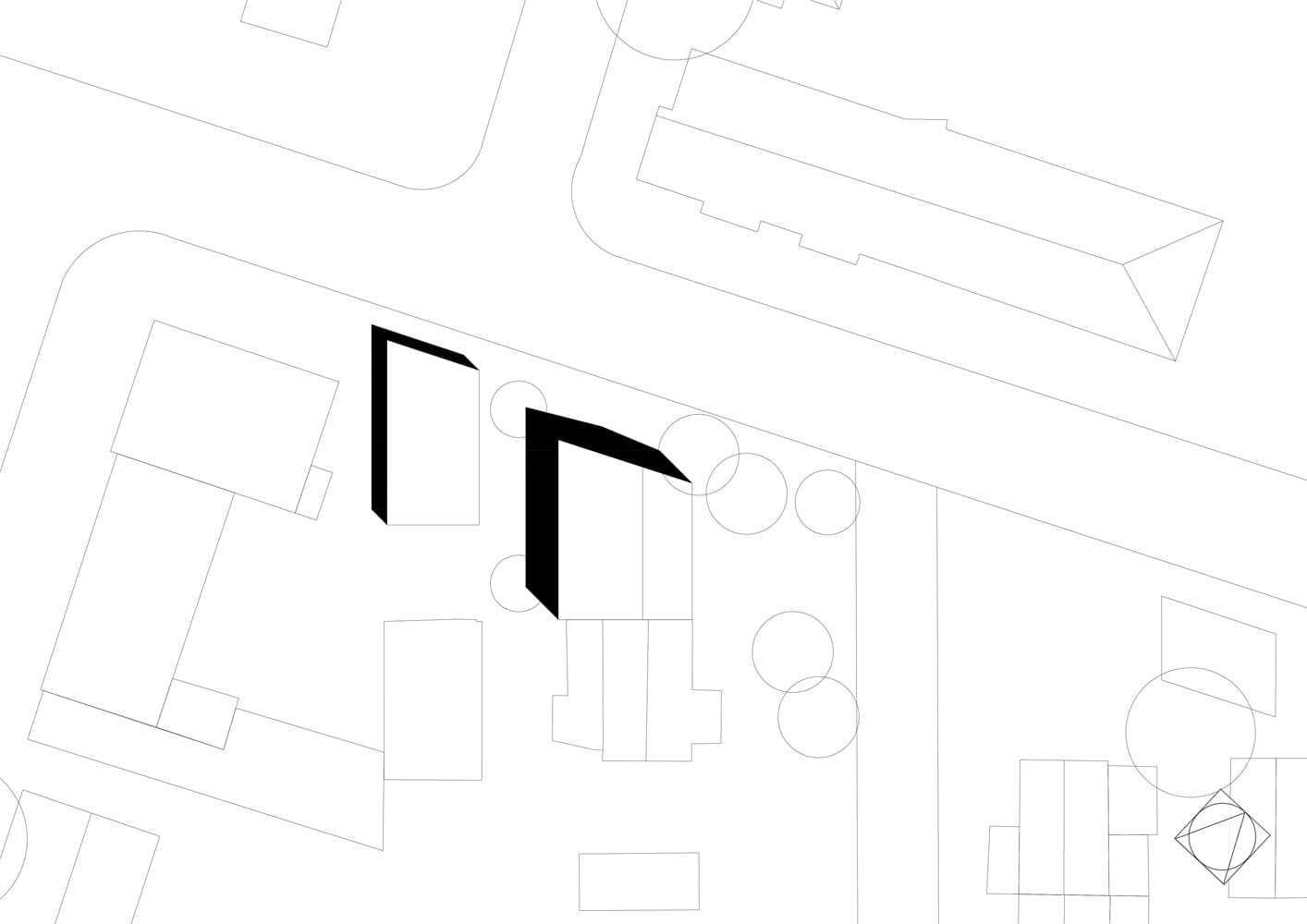
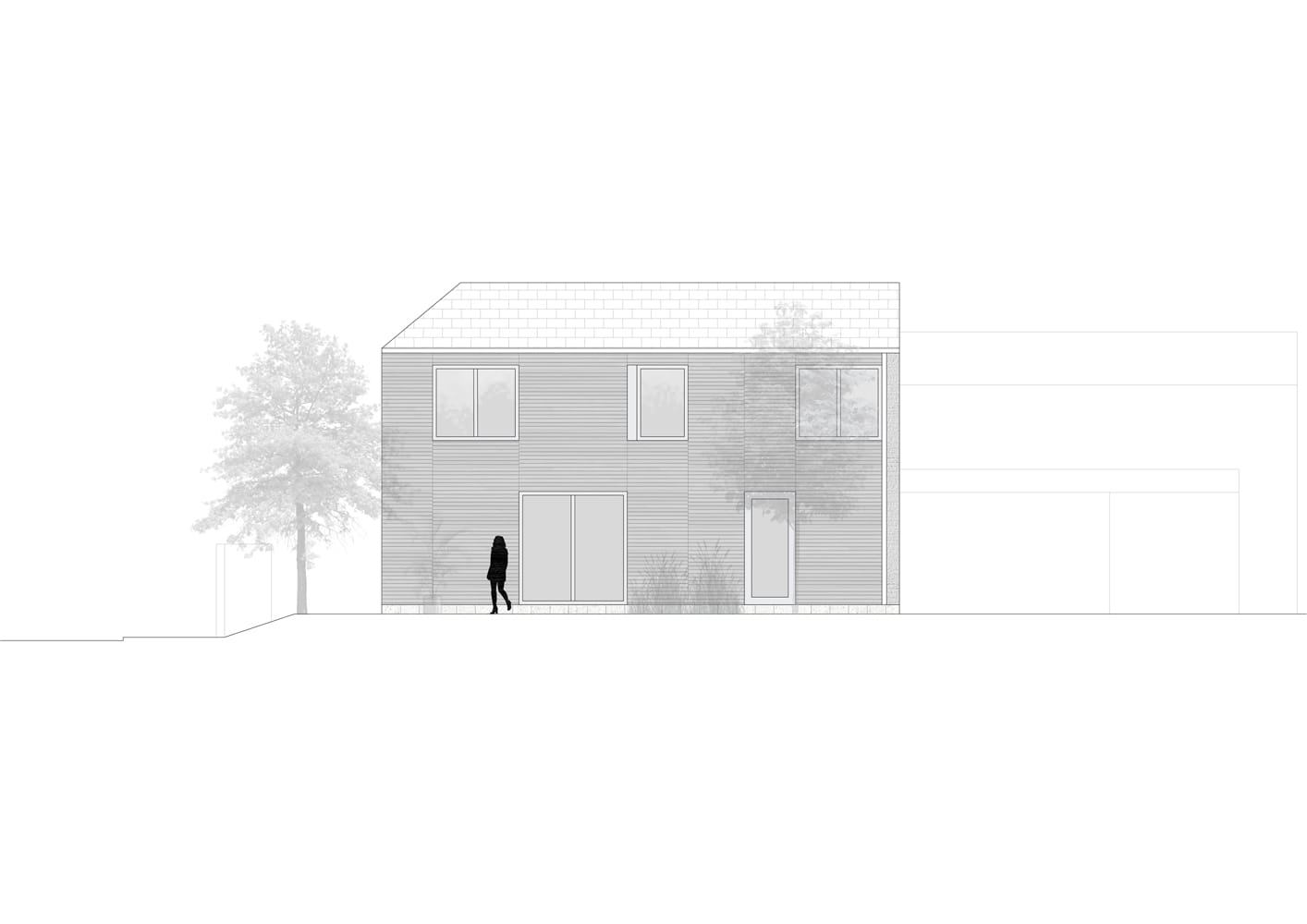
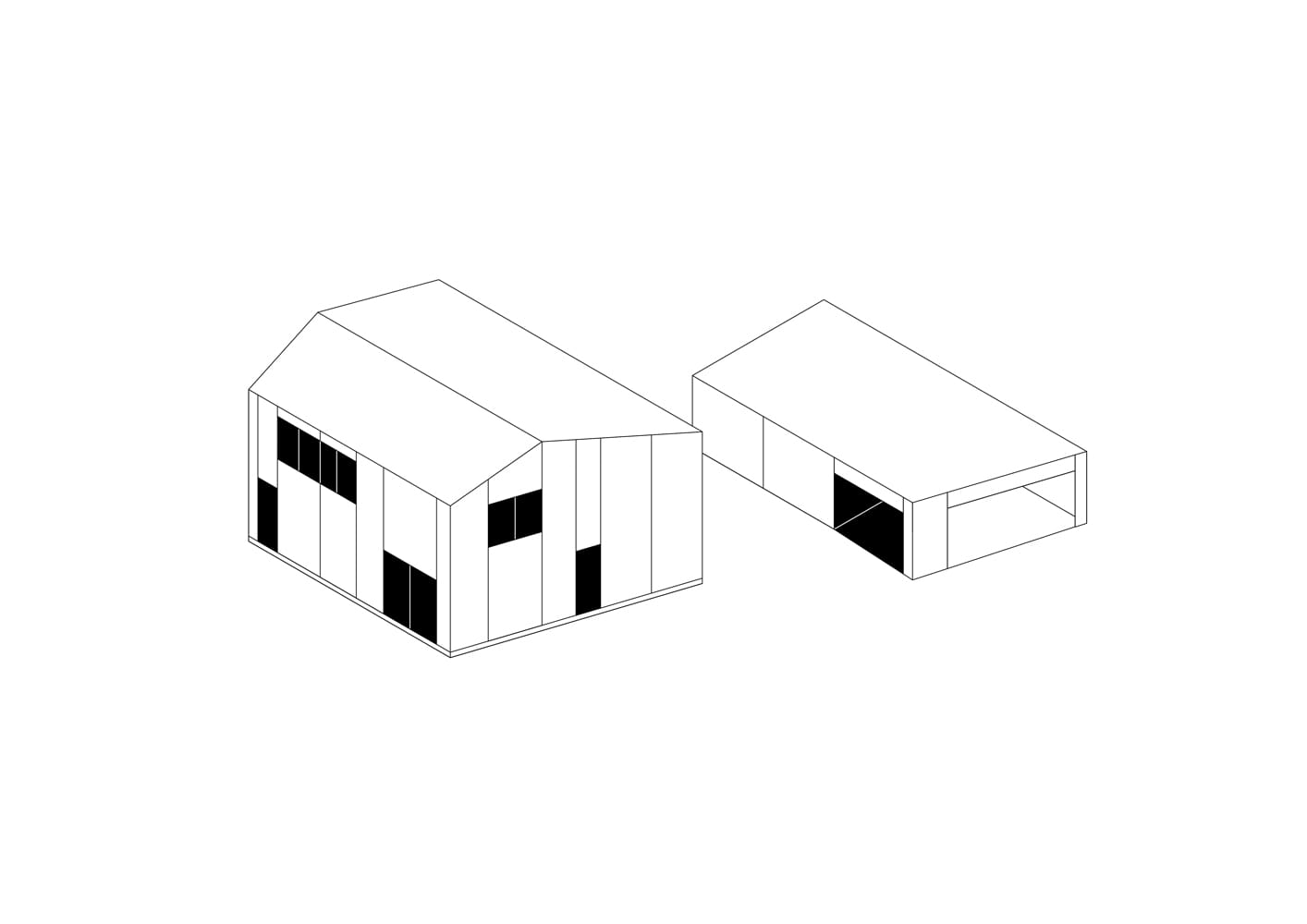
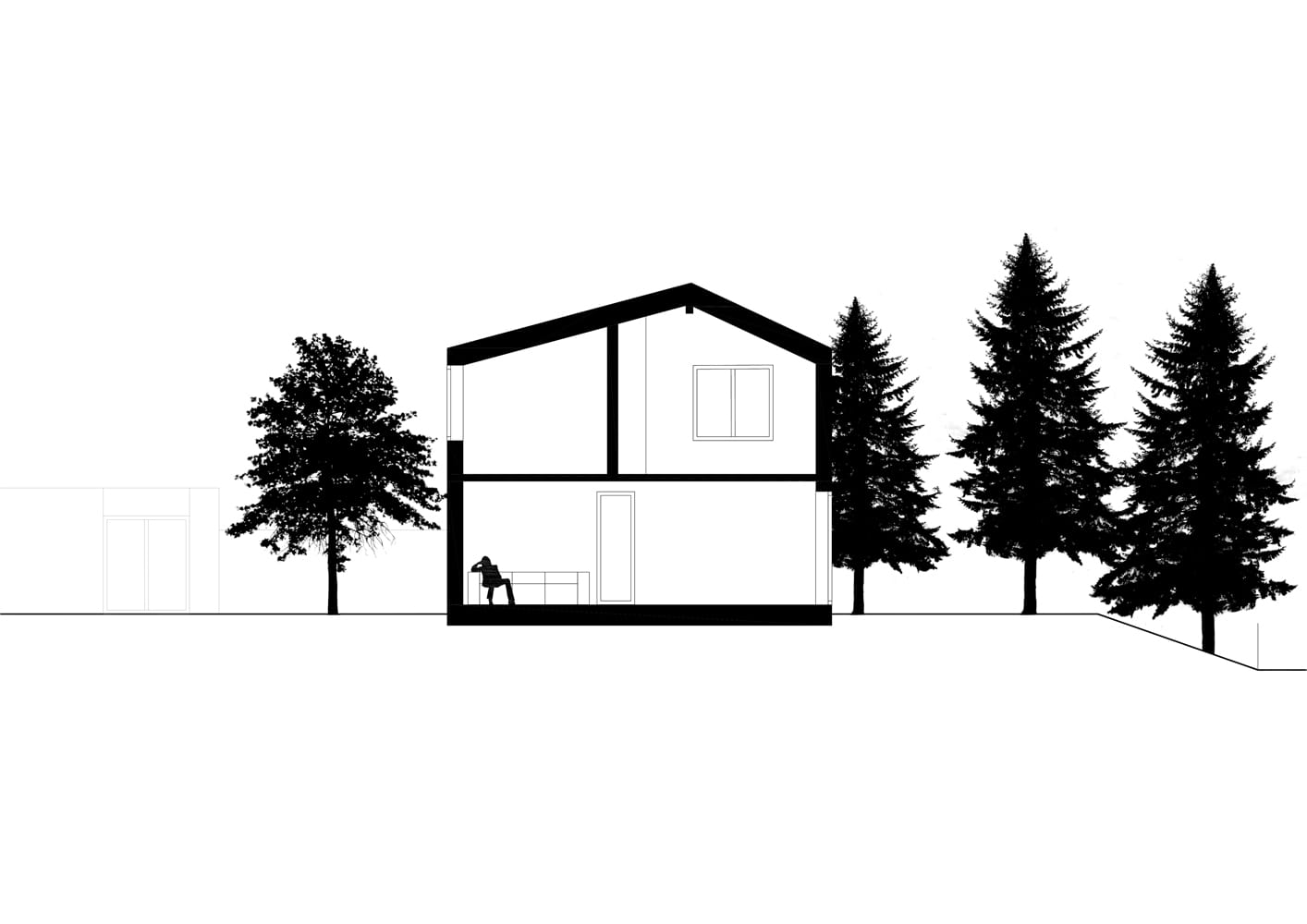
In Mainz's urban fabric, nestled among post-war row houses, detached single-family homes, and echoes of Gründerzeit block perimeters, a new timber structure has emerged that speaks softly yet with quiet confidence. Where a dilapidated semi-detached house once stood—marked by low ceilings, structural damage, and significant contamination—the office of Henning Grahn Architektur designed a precisely articulated timber building. The architects responded to the heterogeneous surroundings with a deliberate placement: the compact building mass integrates itself as a semi-detached structure with a pitched roof, aligned with the neighboring detached houses. Staggered floor-by-floor wooden windows, set flush with the façade, reference the area's architectural vocabulary. The façade, clad in pre-weathered larch, reveals rather than conceals what lies within—the timber structure is immediately evident, celebrating the building's wooden essence. Even the adapted existing garage receives the same material treatment, and together the house and outbuilding form a small ensemble that radiates calm toward the street.
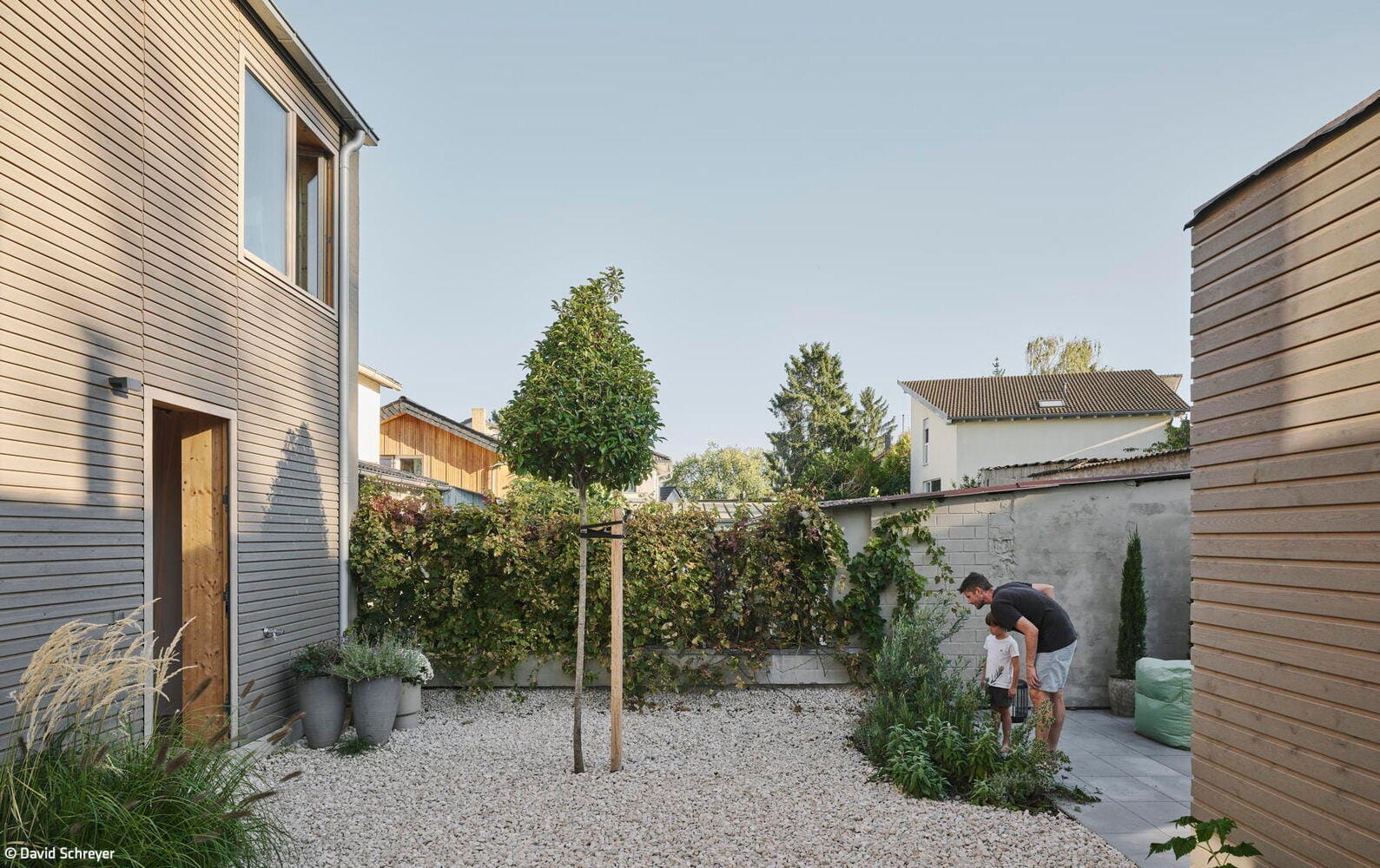
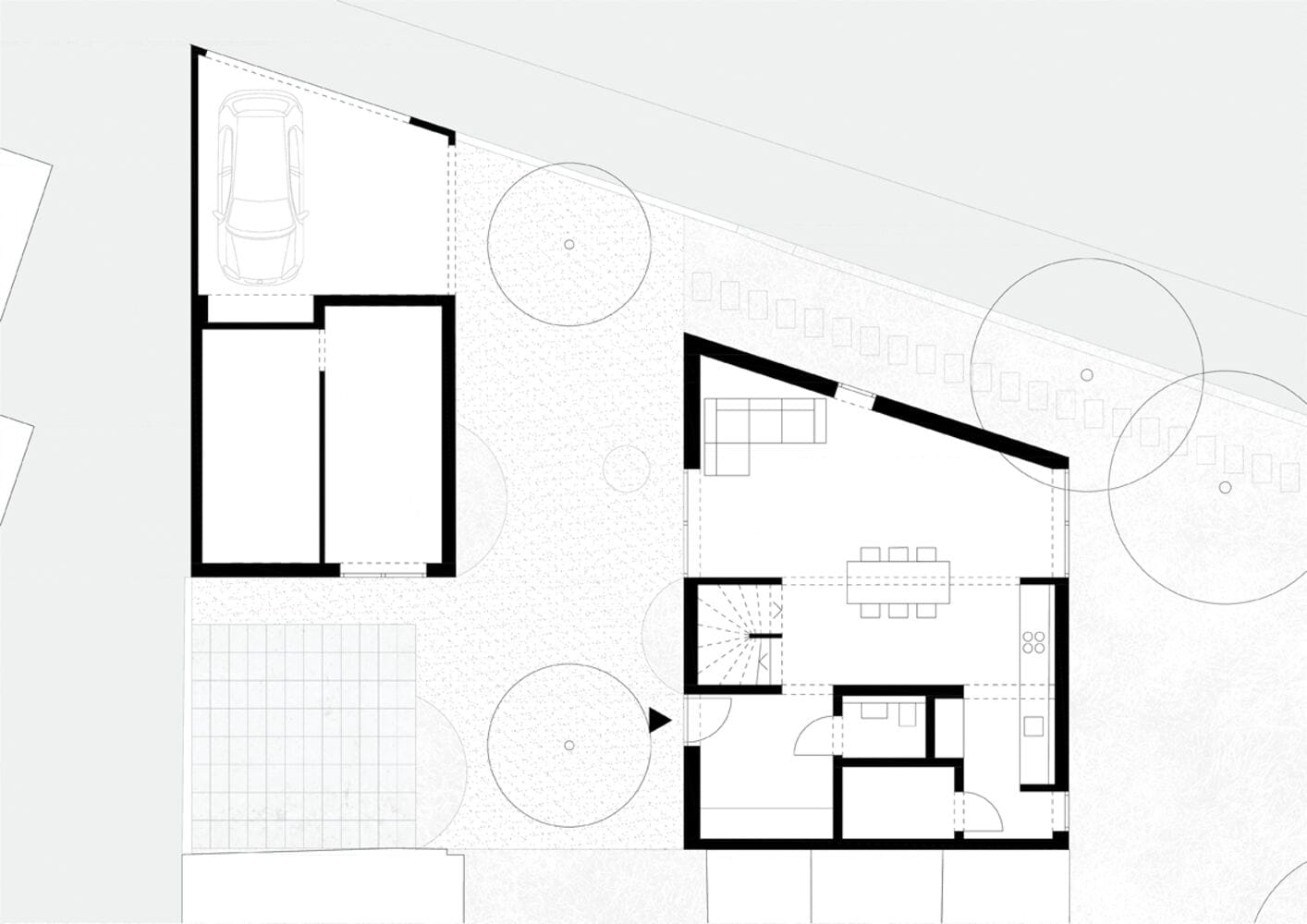
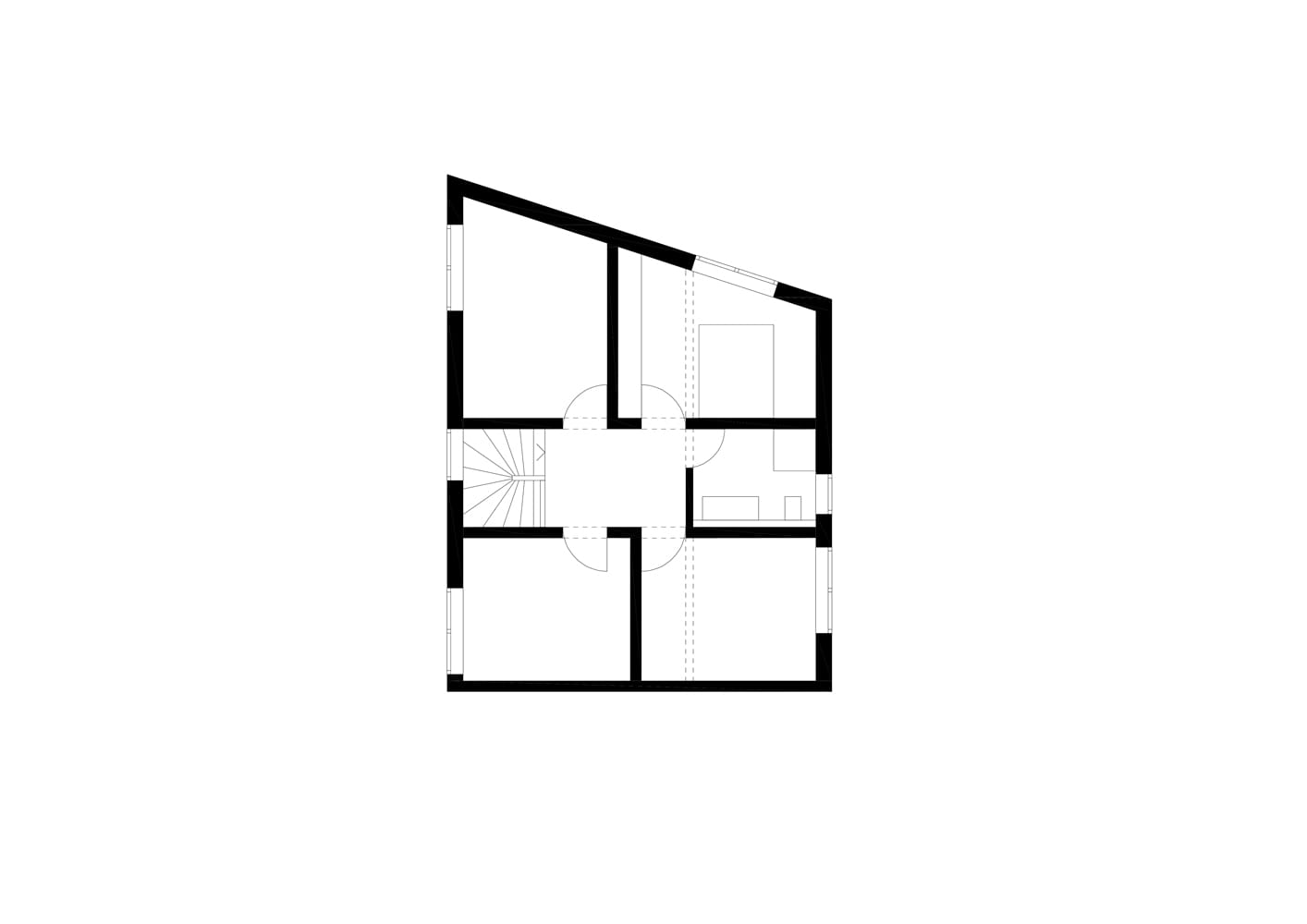
Positioned centrally, the building mass divides the plot into two distinct outdoor spaces: a verdant garden side with lawn and a functional service and court area that conceals a sheltered terrace. The challenging, tapering property boundary became a design tool itself: its sloping edges shape the floor plan and create a spatial sequence of variously proportioned rooms—from a more compact entry area to an open living space with views into both garden zones. Varied sight lines and circulation paths enable flexible daily routines—from breakfast in the morning sun to the protected refuge of the terrace in the evening. Inside, the architectural precision with which the office responded to the five-person family's needs becomes apparent. The requirement was a sustainable home with minimal floor area per capita—without compromising individuality. Despite its compact volume, the building accommodates four distinct private retreats.
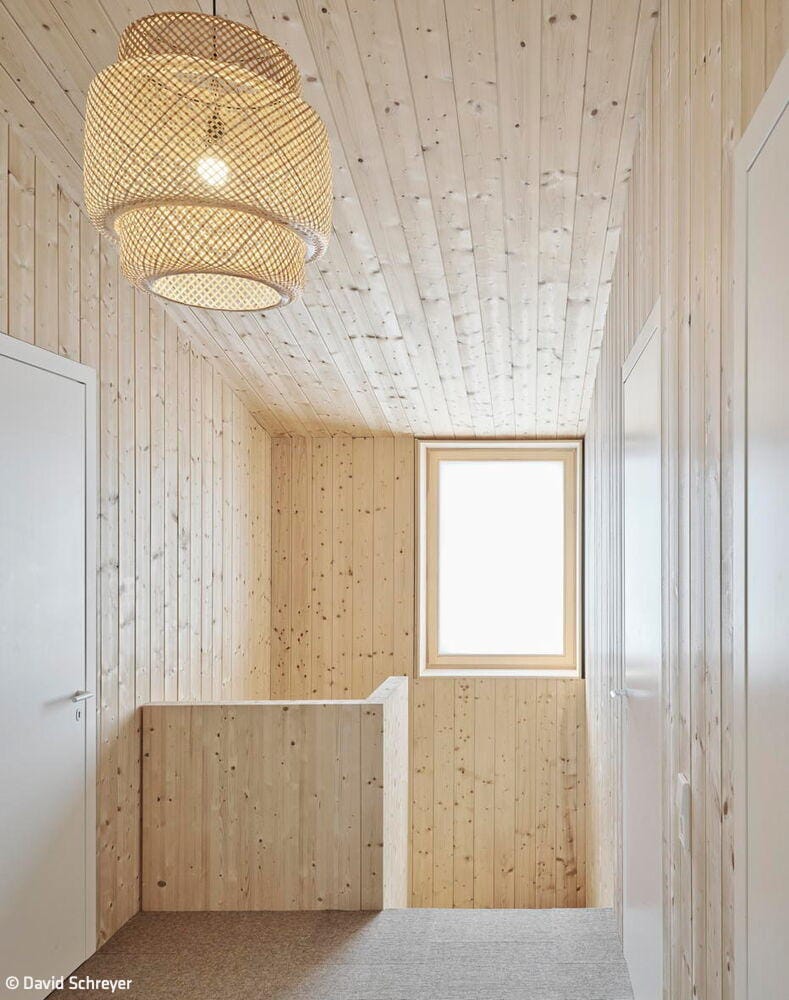
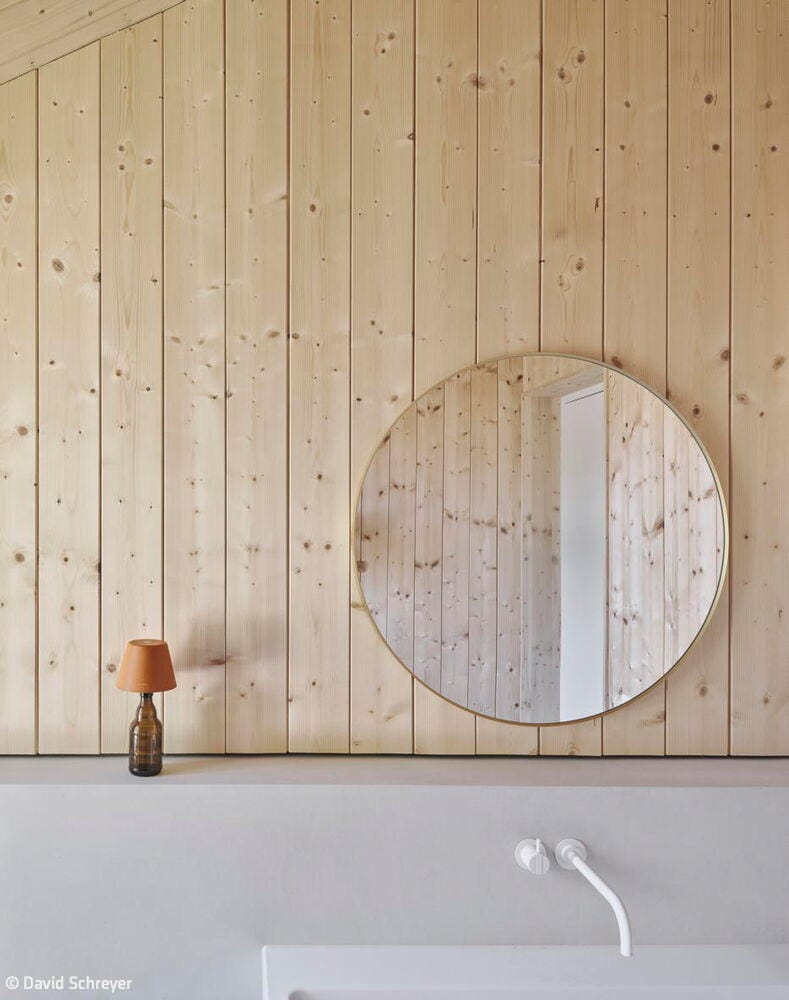
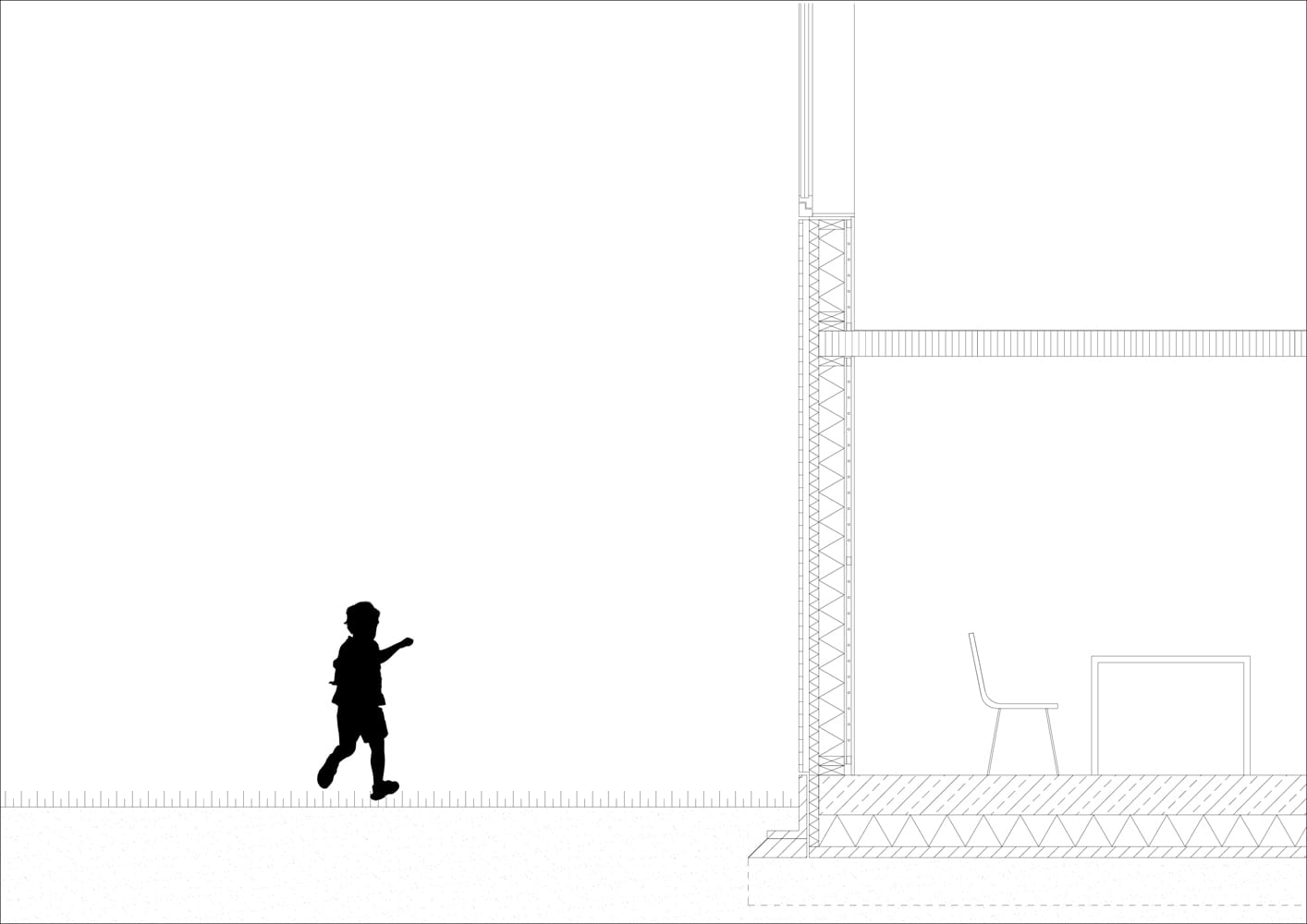
In their construction approach, the architects focused on essentials: few materials, used in their pure form, unglued and readily recyclable. The ground floor utilizes the insulated concrete slab directly as the finished floor—robust and eliminating unnecessary layers. The upper stories were built in timber-frame construction with prefabricated components assembled on-site. Even the carpet sits directly on the wooden elements. The entire building consistently avoids unnecessarily complex intermediate layers. And behind the natural spruce wood wall hides modern heating technology. The wood thus radiates a welcoming warmth that occupants can immediately feel within the space.
Photography:
David Schreyer
www.schreyerdavid.com
(Published in CUBE Frankfurt 01|26)
Growth Potential
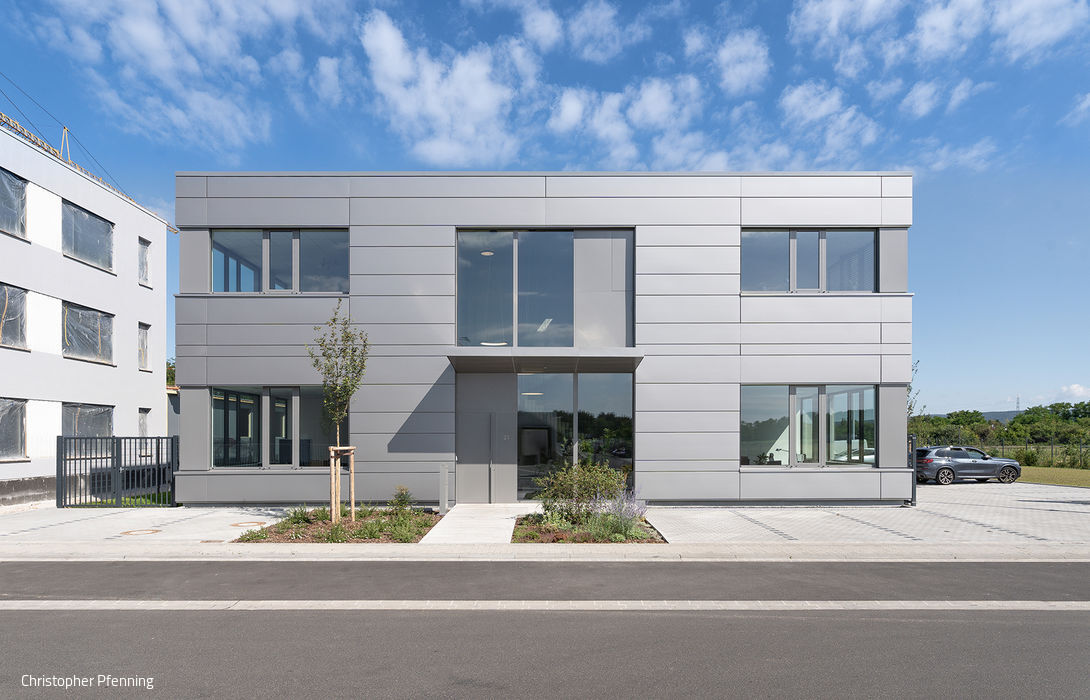
Two-storey commercial property designed to adapt—simply and smartly
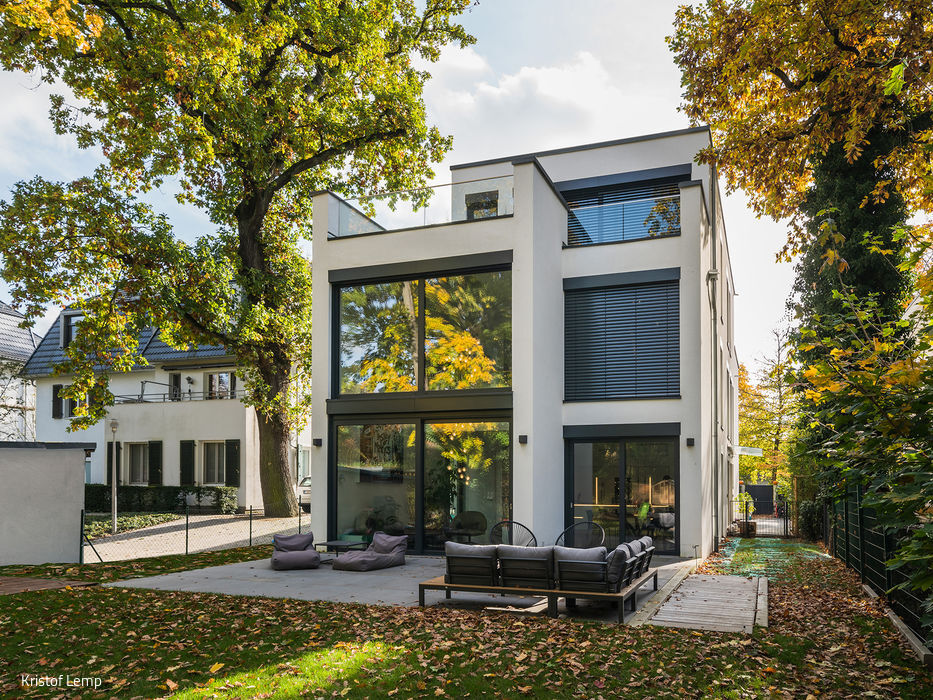
Unadorned
Spacious, Contemporary Two-Family Home on a Narrow Plot
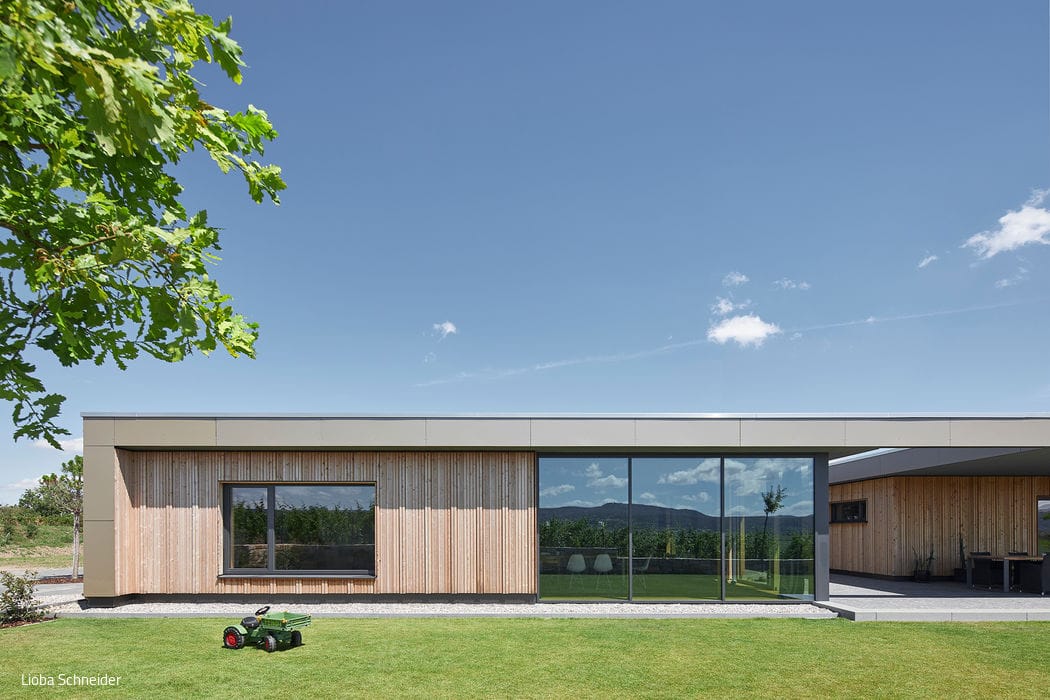
Exceptional Location
Generous New Residence Atop the Freinsheim Winery
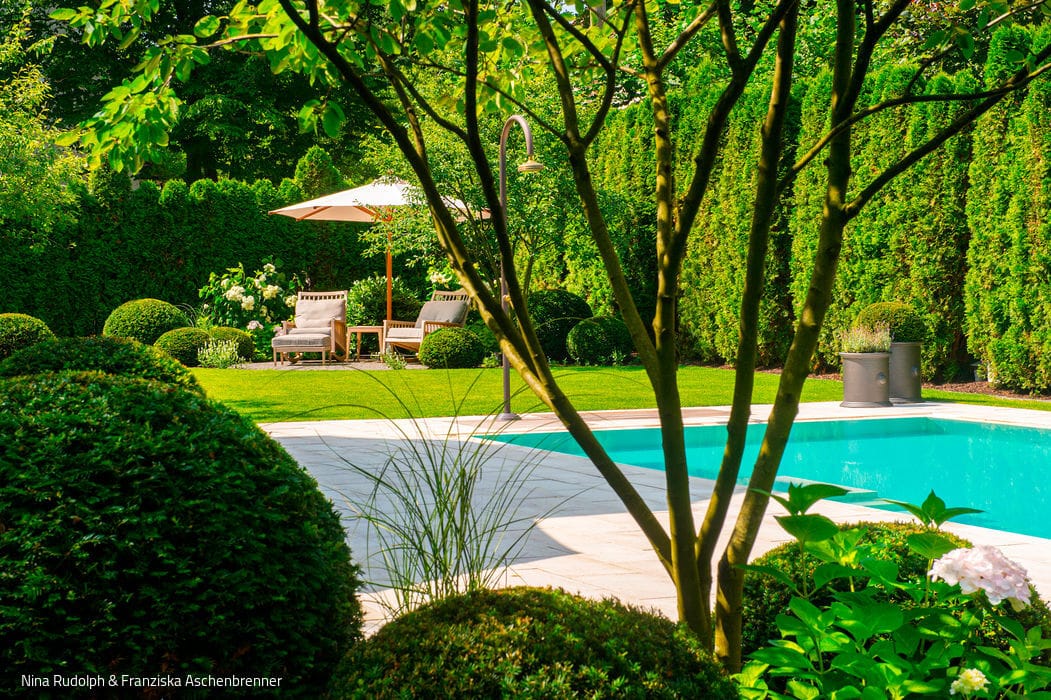
Oasis of Tranquility
Garden Design as an Art: Crafting Visual Beauty and Creating Beloved Spaces