


Dive into a world of plants
A garden for all – the Nymphenburg Botanical Garden is a botanical treasure
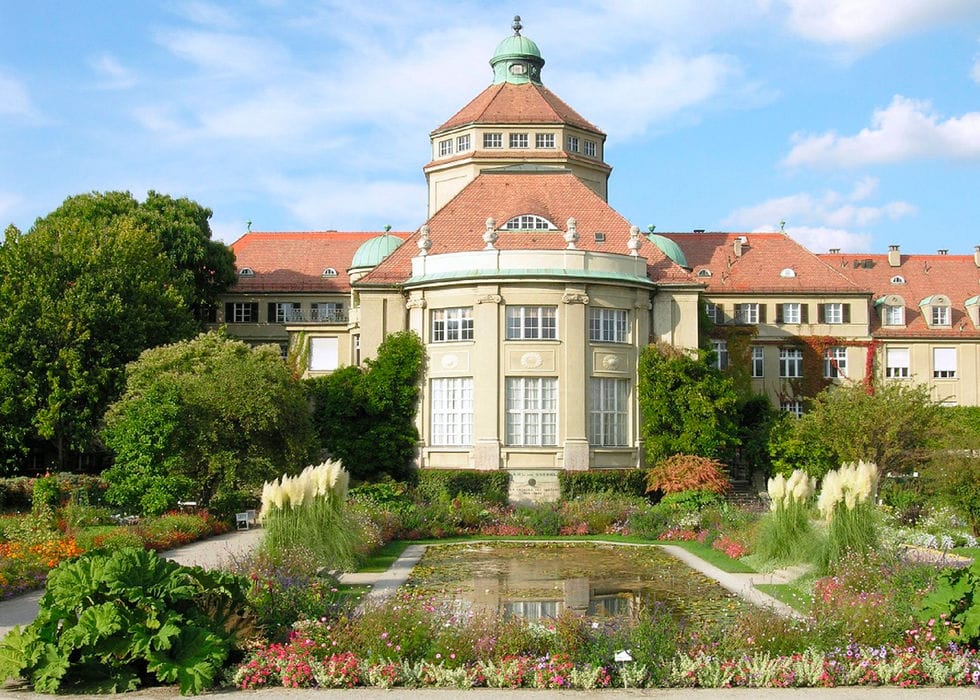
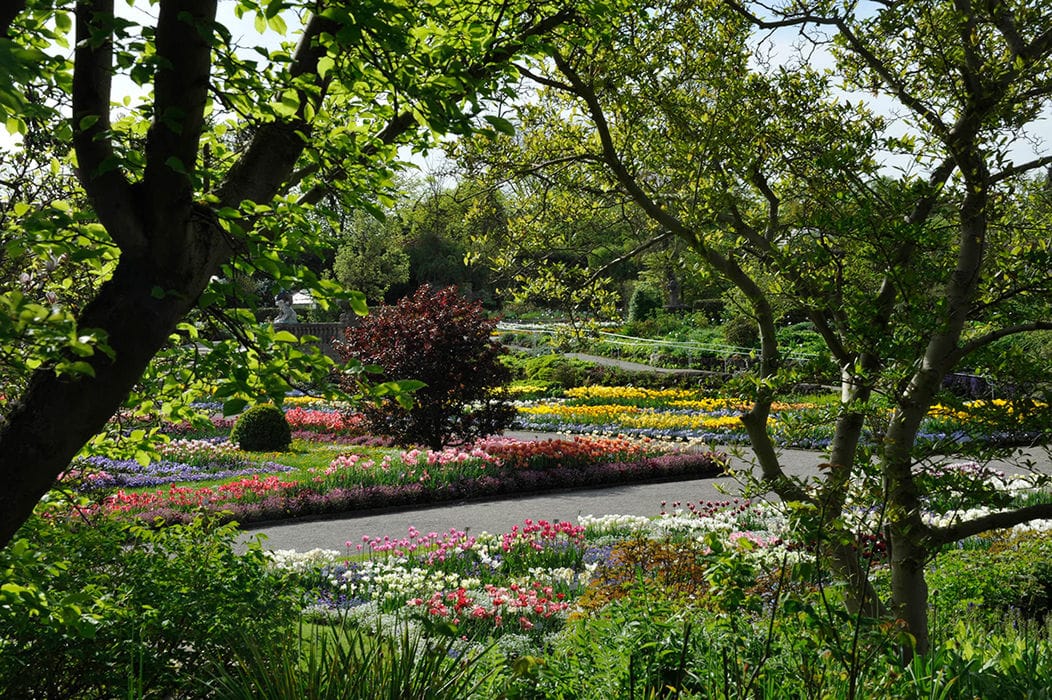
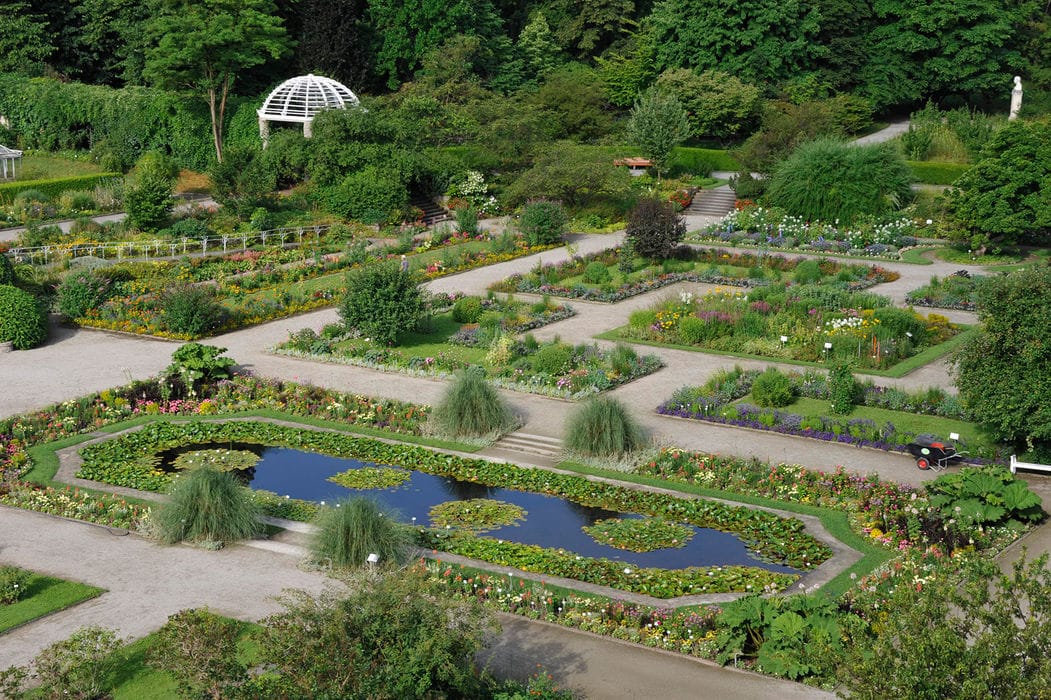
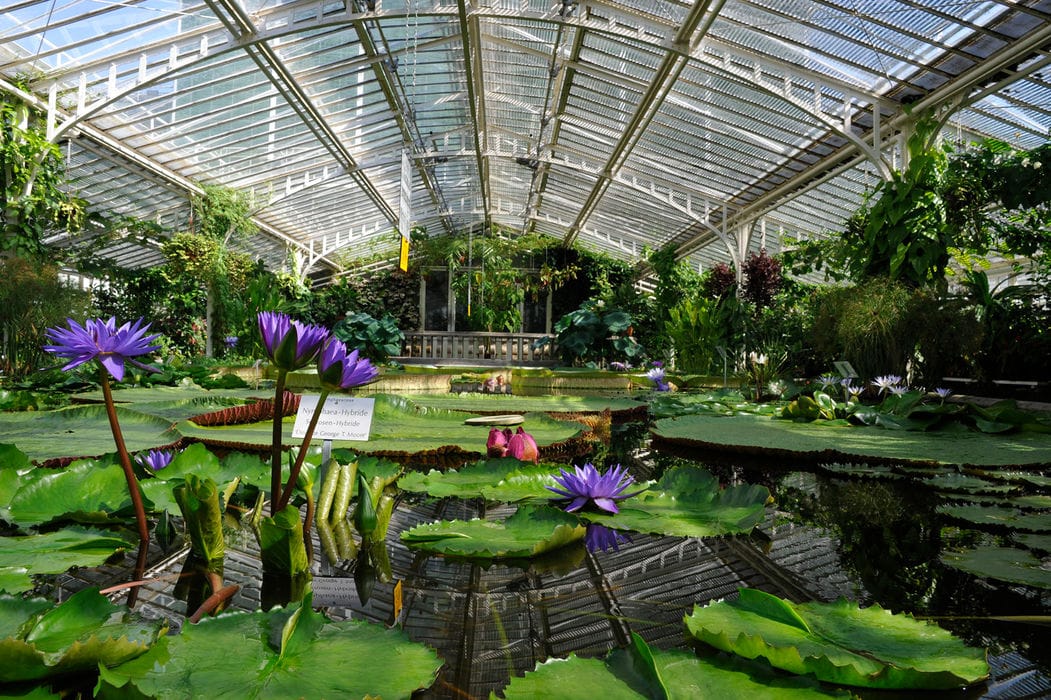
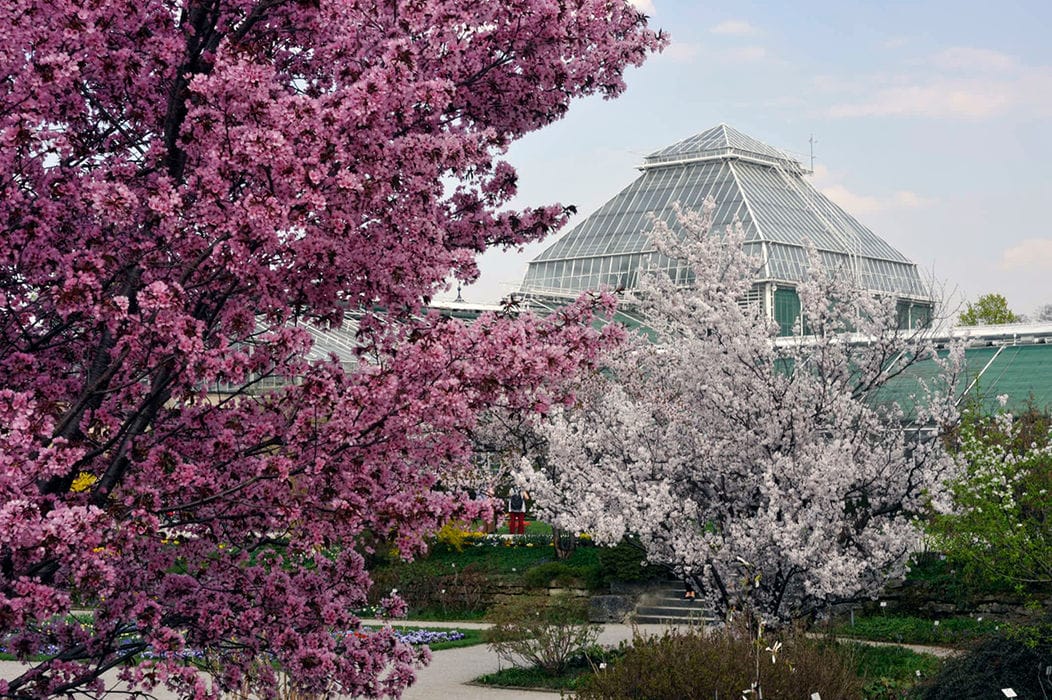
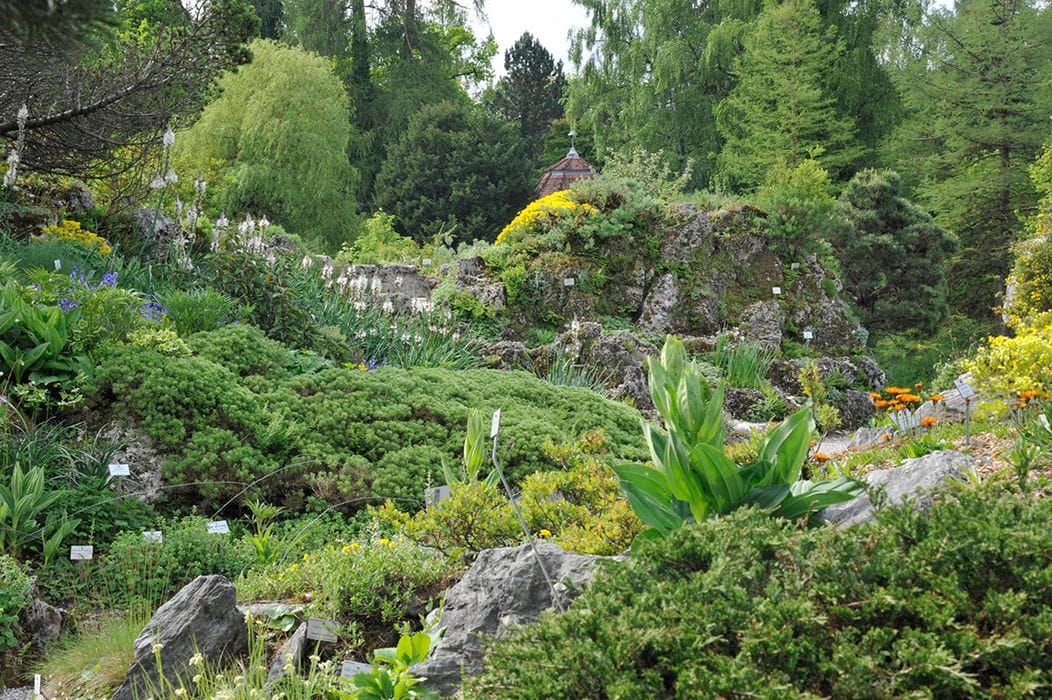
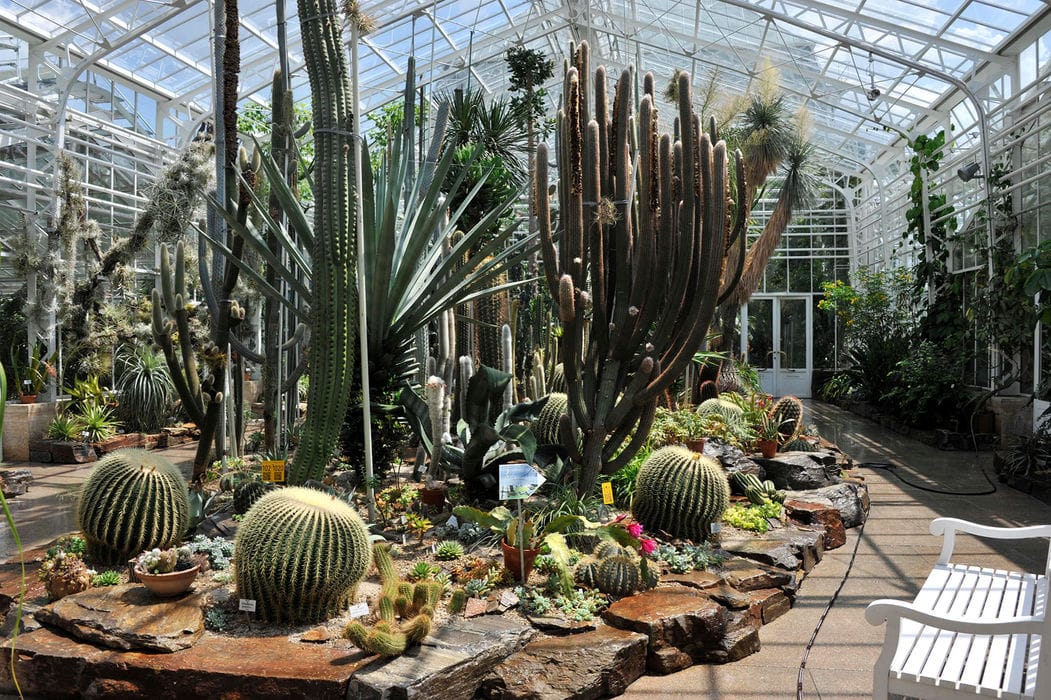
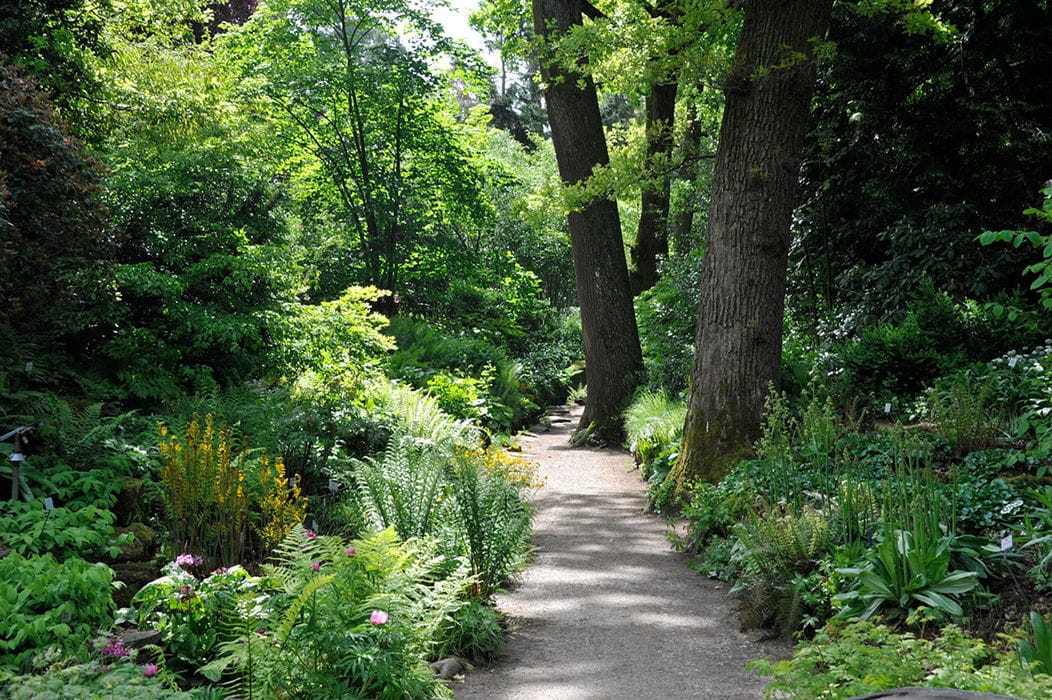
A garden for everyone – and a garden that sets itself apart with remarkable achievements: Munich-Nymphenburg Botanical Garden – distinctly different from the Old Botanical Garden downtown – spreads across 21 hectares in Munich's west, near Nymphenburg Palace. The earlier Old Botanical Garden at Stachus eventually outgrew its space, though it remains open to visitors as a public park. The "larger sibling" is home to one of Germany's most diverse plant collections, featuring over 19,000 species and subspecies that are carefully maintained, curated, displayed and cultivated. Throughout the year, outdoor flowering highlights punctuate the seasons across the garden's landscape. The historic greenhouses here, dating from 1910–1912 and designed by Ludwig Ullmann, showcase a delicate architectural language of iron, wood and glass across 4,500 m². Inside, visitors find cacti, succulents, tropical plants, mountain forest species and even desert flora. One tropical greenhouse remarkably hosts 400 different species of free-flying butterflies. Since its inception, the Botanical Garden has been paired with scientific research, currently focused on climate change impacts in the Alps and wild bee conservation, alongside database management and scholarly publications.
The garden marked its 100th anniversary in 2014. As part of the celebration, decorative roof vases that had been removed for safety reasons were carefully reconstructed and reinstalled on the main building. Designed according to garden reform principles, the space features meticulously arranged ornamental gardens and beds—rose gardens, herb and medicinal plant collections—alongside specially created landscape settings: heathland, wetland, and marsh environments, even a moorland. Visitors discover an artificially formed limestone rock landscape, a fern ravine, an alpine garden, and an Arctic zone—the variety is seemingly endless. The winter hall hosts regular exhibitions, while the highly cherished ornamental garden sits directly beside the institute. The magnificent majolica parrots by Joseph Wackerle stand as signature attractions here. A café offers respite as you explore the botanical abundance. The main entrance lies on Menzinger Straße to the north, though direct access from Nymphenburg Palace grounds is available to the south—entry fees apply for this route.
Photography Credits:
BGM
(Published in CUBE Munich, Issue 01|22)
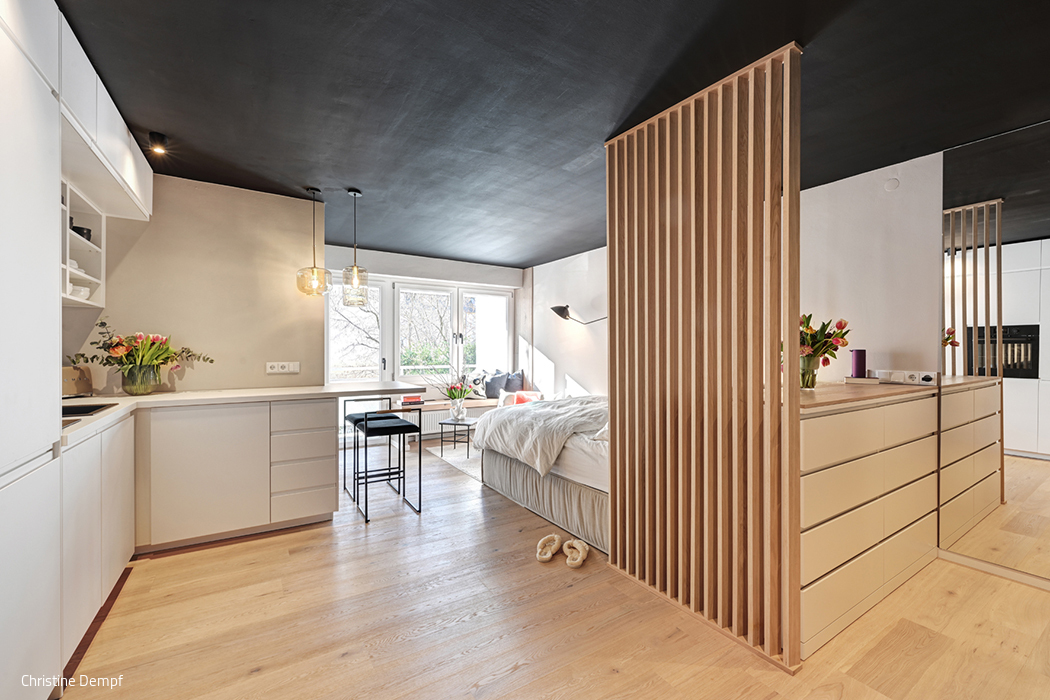
Like in the Universe
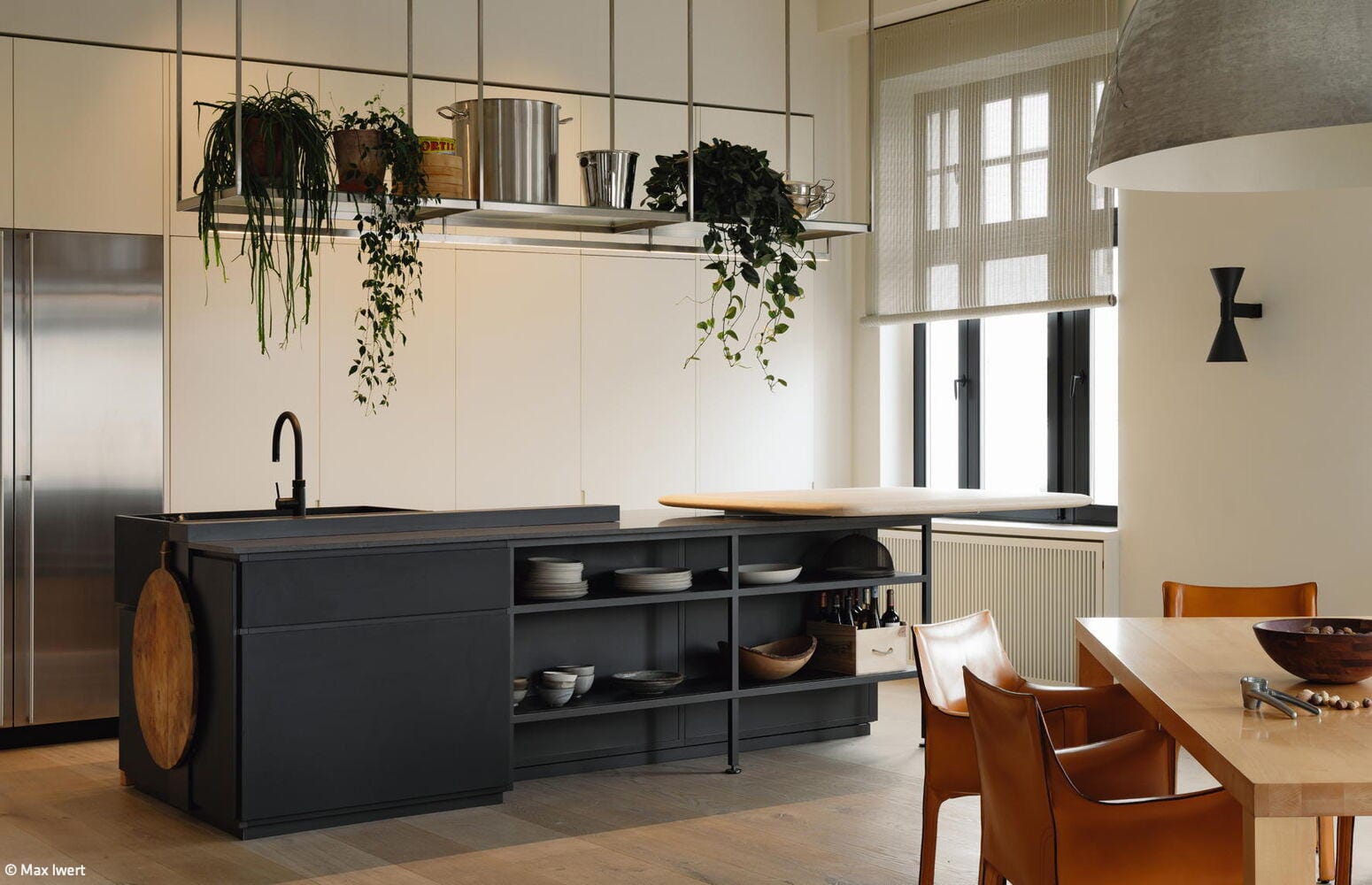
How a Tiny Laim Apartment Became an Urban Marvel
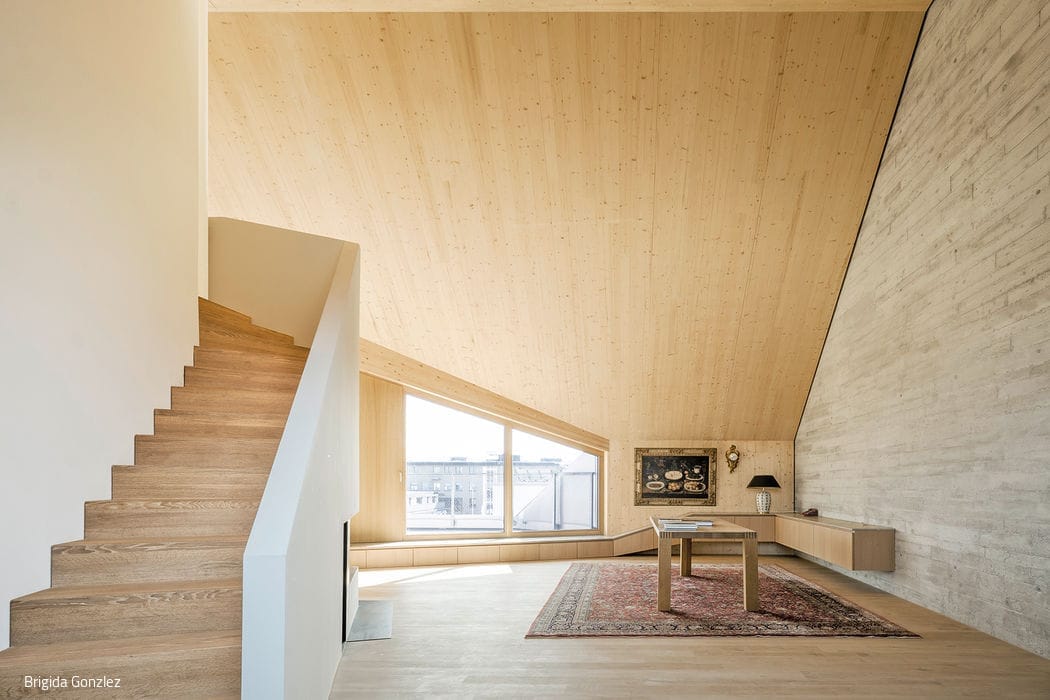
Successful Timber Solution
A Roof Extension That Opens Up: Expanded Interiors and Generous Terraces
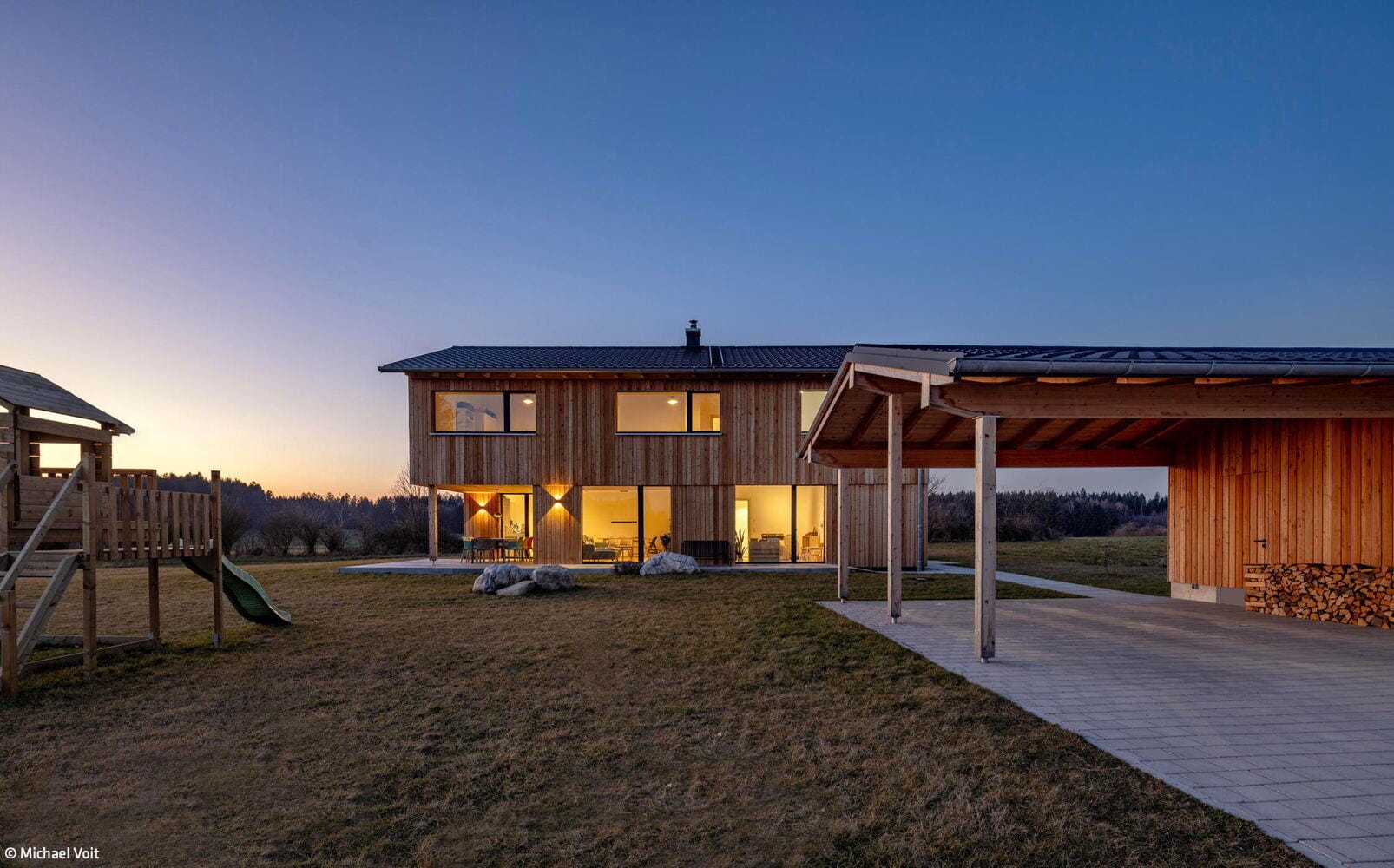
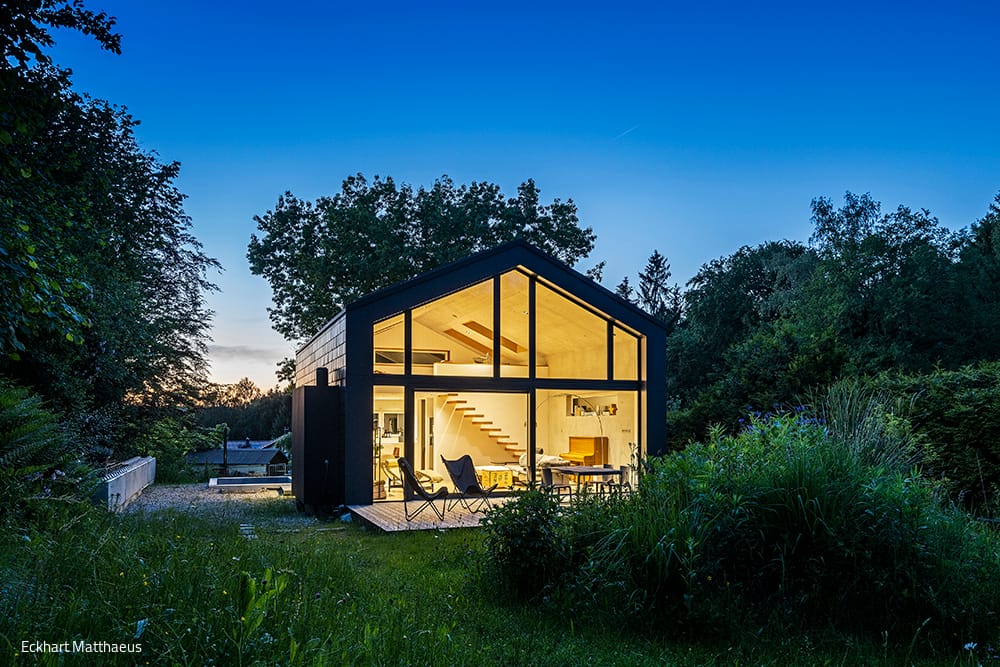
Wooden House at Obsthain
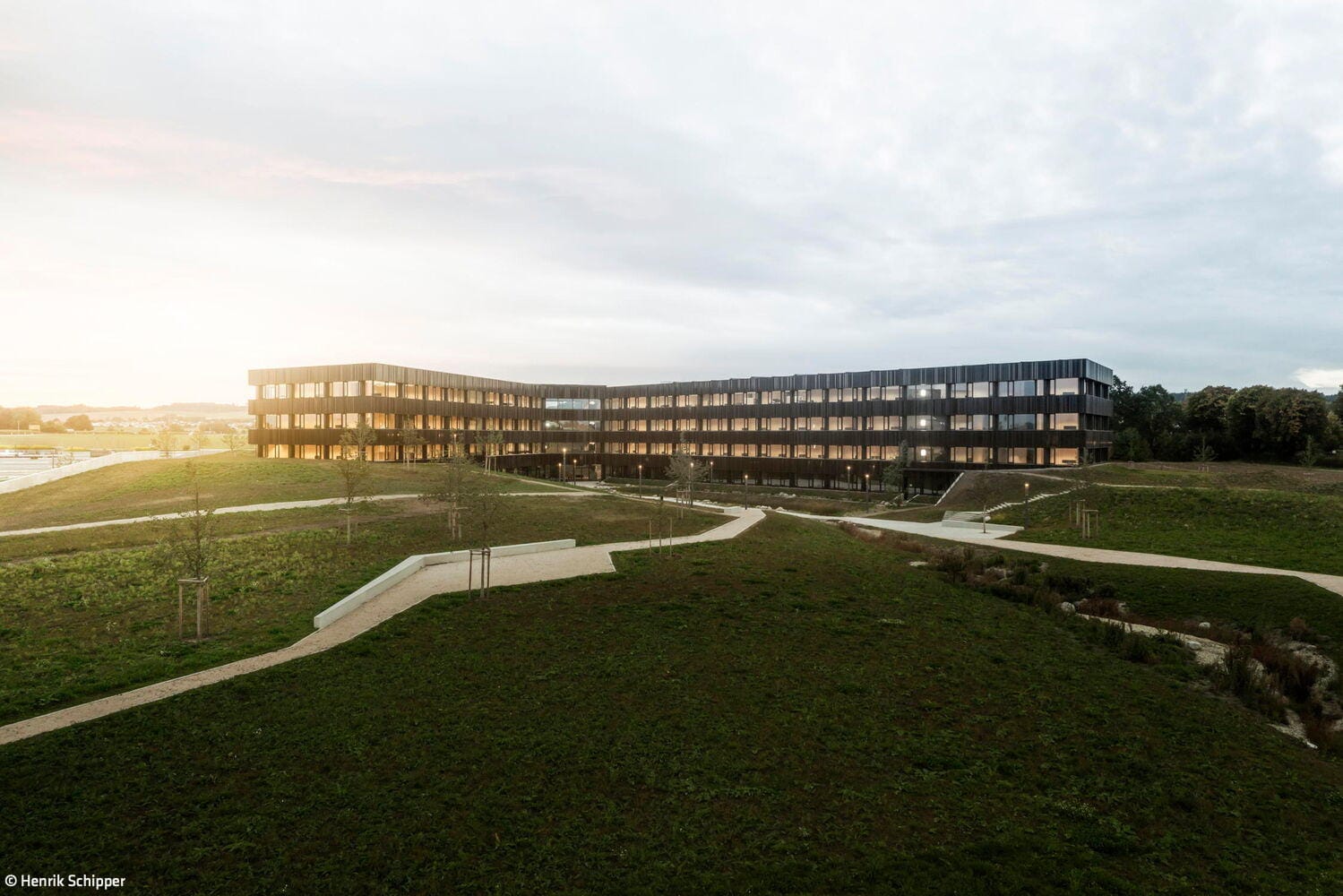
Two complementary structures in dialogue with the landscape
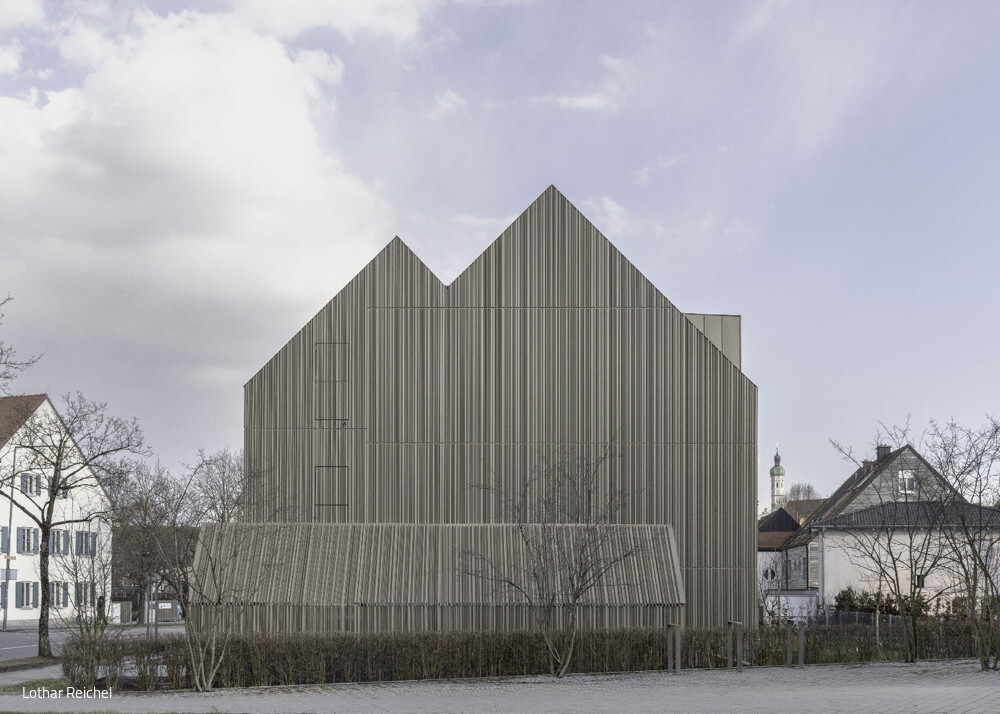
House in aluminum dress
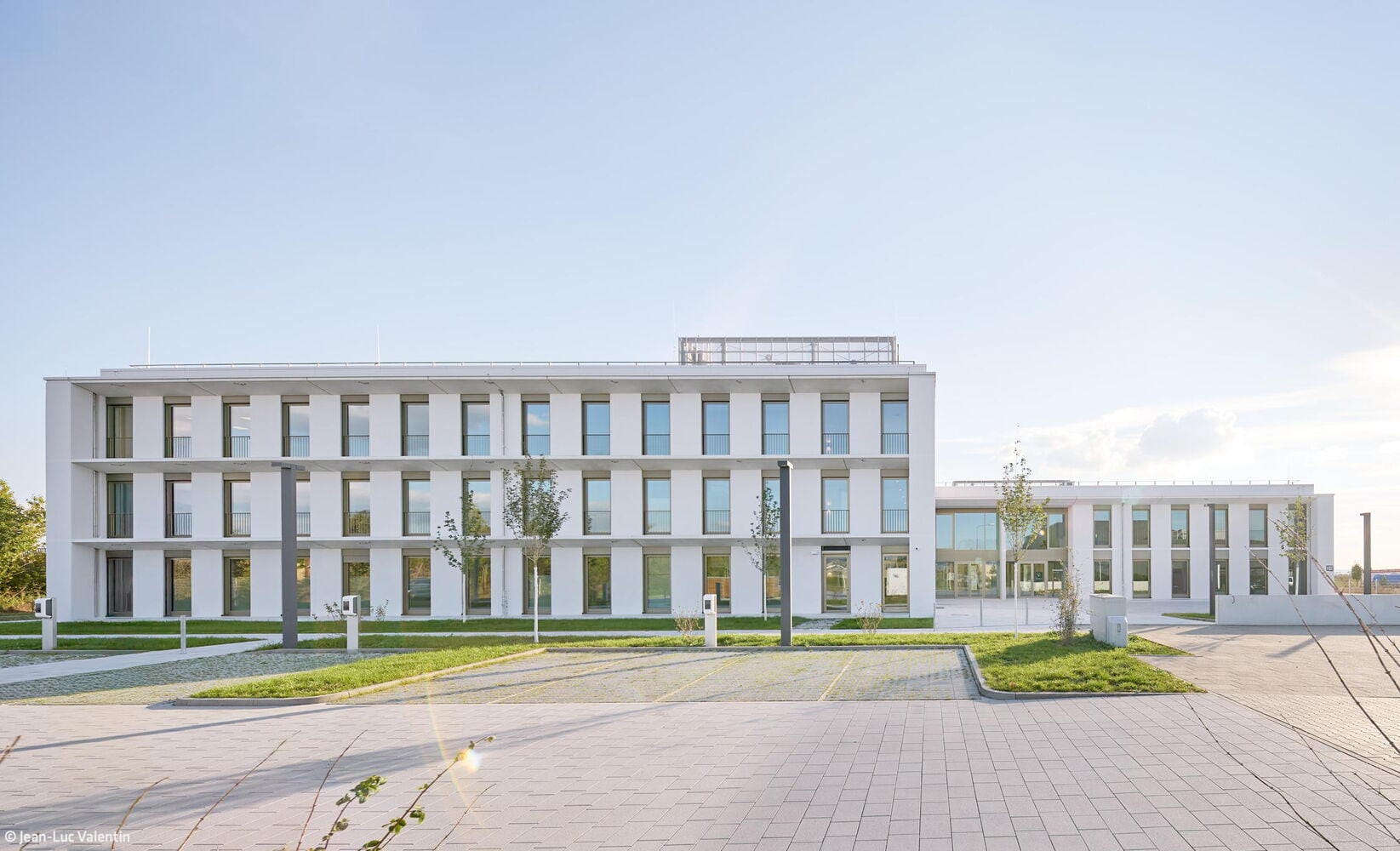
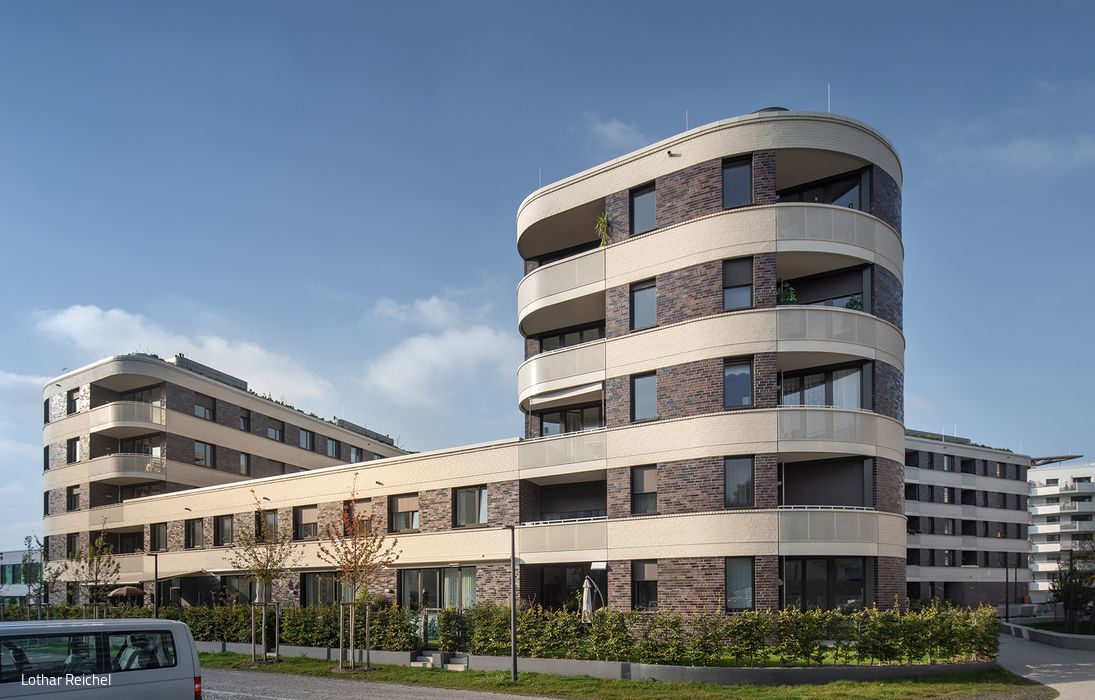
An award-winning façade that commands attention—the signature feature of this apartment building on Weiherweg.