


A Tribute to Schumacher
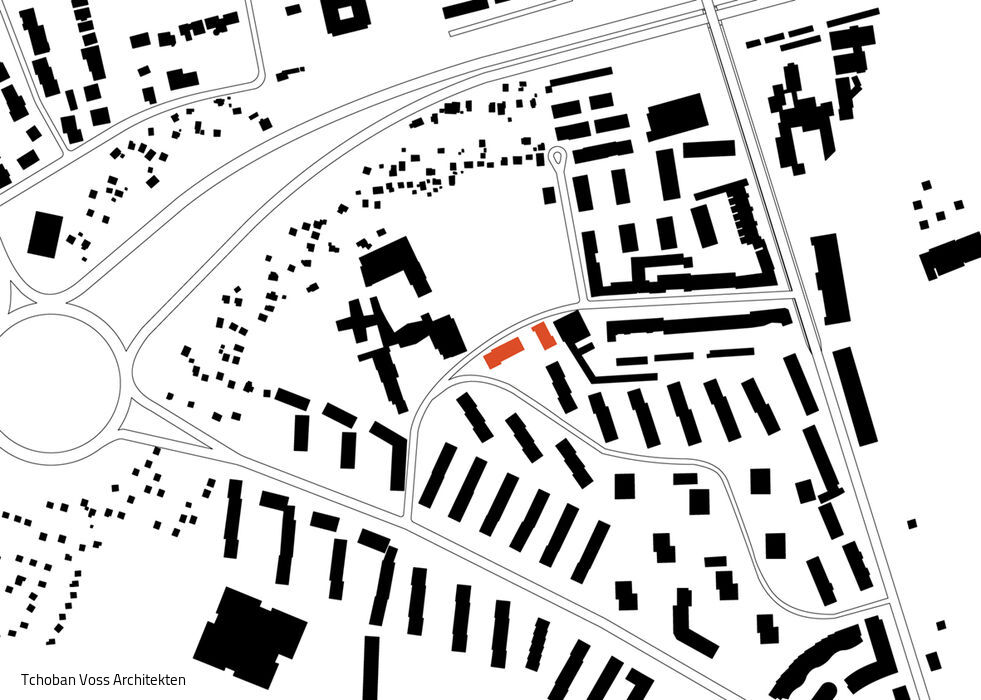
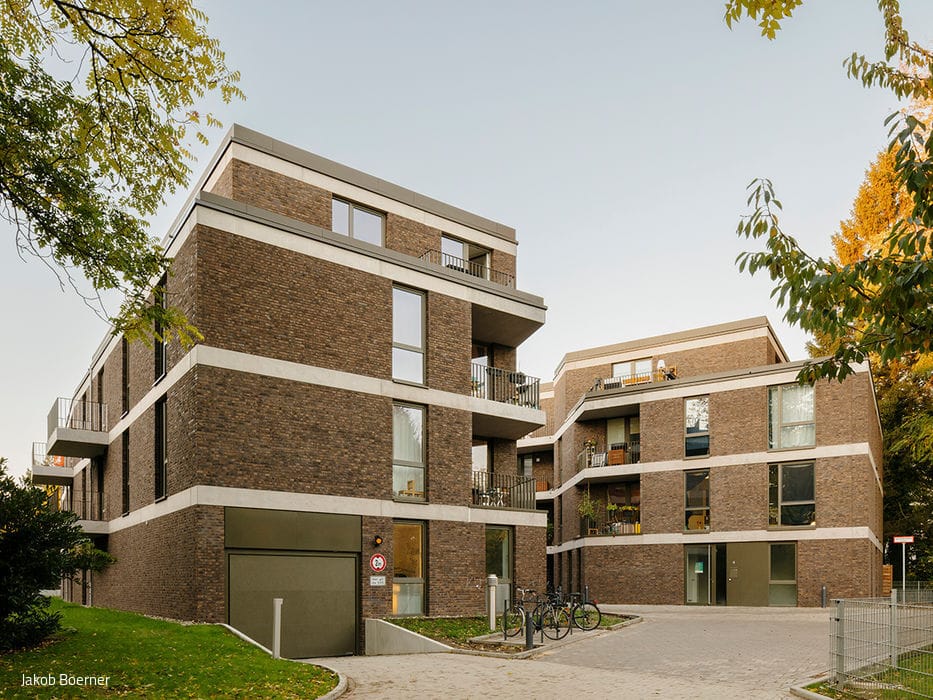
The two three- and four-storey buildings define a spatial terminus for the northern sports field at the settlement's edge.
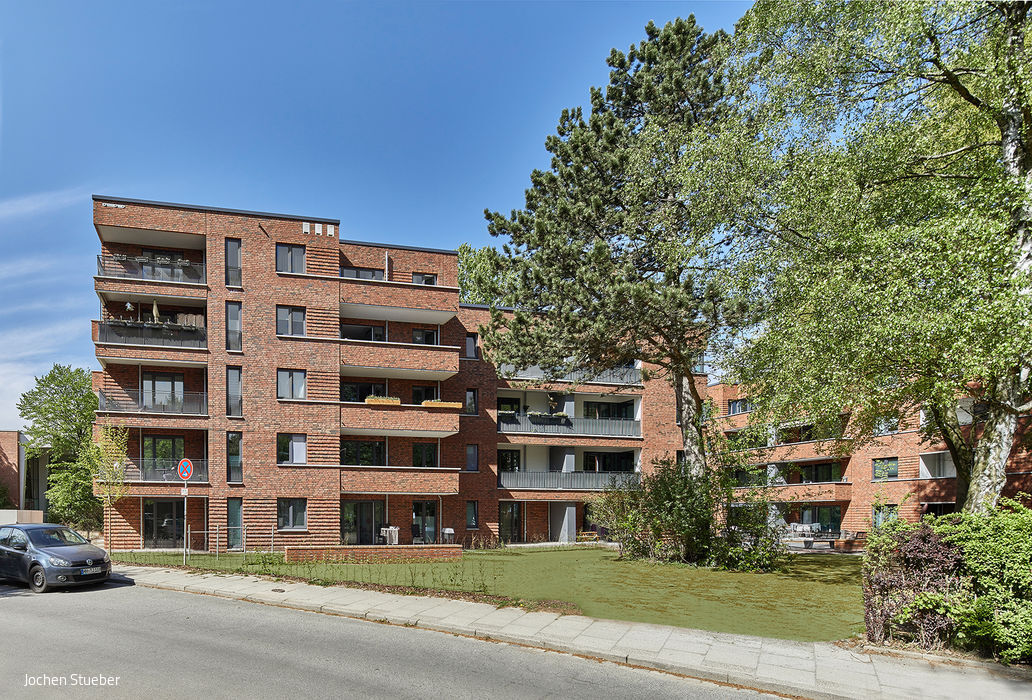

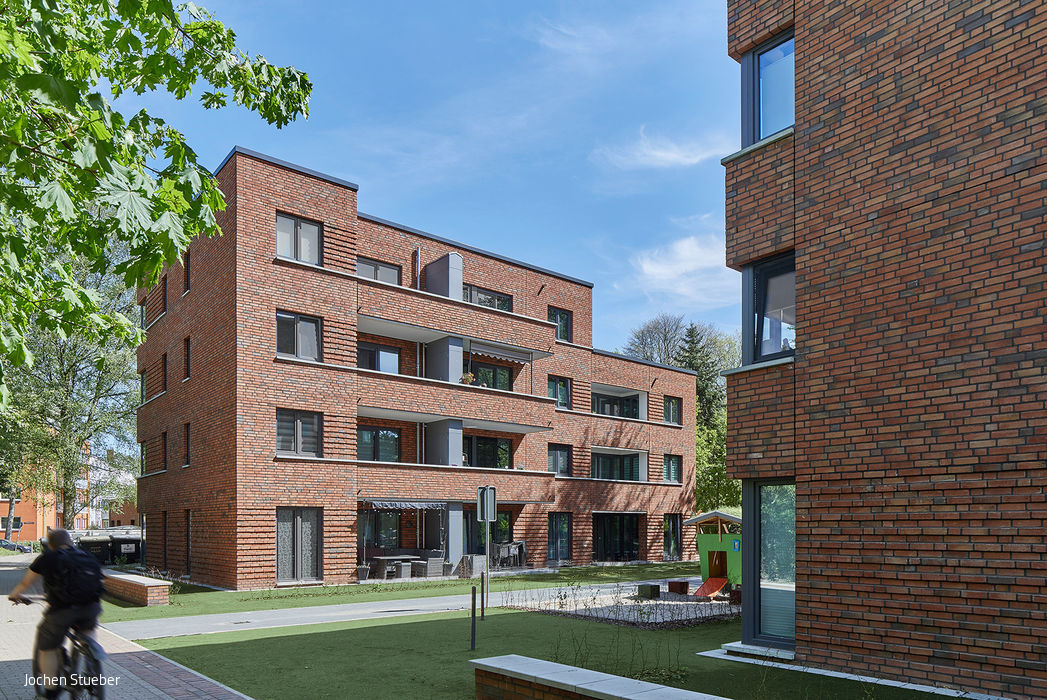



Tchoban Voss Architects designed this brick ensemble of two buildings on Rhiemsweg in Horn, comprising 34 residential units. Situated near the Horner Rennbahn—where thoroughbred racing has taken place since 1869—the project enjoys proximity to an important recreational hub that doubles as a public park with ponds, playgrounds, and sports facilities. The "Wohnen am Rhiemsweg" project was conceived with a clear objective: to echo Hamburg's distinguished 1920s residential building tradition while advancing it for contemporary living. Horn exemplifies this era, having been shaped by Fritz Schumacher's reformist mass housing initiatives in East Hamburg. Regrettably, little remains from that period, as the eastern districts fell largely to destruction in 1943. Today's Horn is defined by the red brick row houses of the 1950s and '60s.
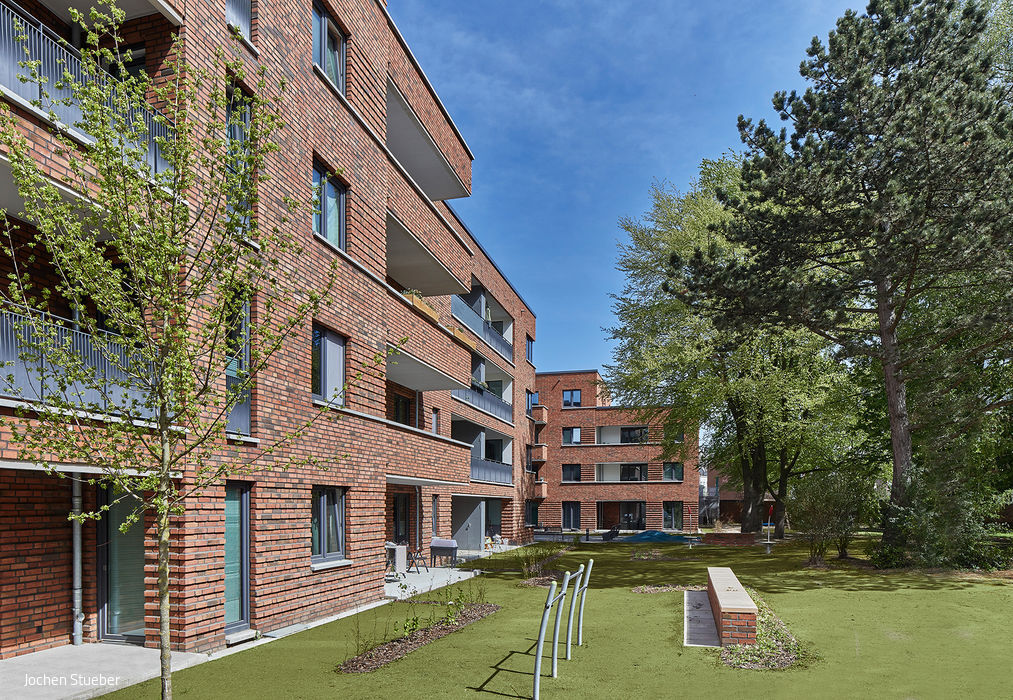
In material, colour, and texture, the new buildings engage with the brick architecture of their context. The classically proportioned façades, marked by horizontal lines, convey calm restraint, while recessed loggias and balconies introduce rhythm and sculptural depth. The thoughtfully staggered storeys further temper the buildings' mass.
Replacing the original single-storey structures, the two three- and four-storey buildings define a spatial edge along the northern sports area at the settlement boundary. The existing settlement pattern is maintained and the site's established tree stock preserved. The development integrates seamlessly with its surroundings, adopting the neighbourhood's grain and echoing the buildings to the south. The two structures' configuration creates a dynamic plaza experience with clearly defined spatial edges and compelling visual pathways. The result is a distinctive ensemble of notable urban design quality.
Built for the Saga Group, the 34 publicly subsidised units accommodate households of one to four persons. Ground-floor apartments are fully wheelchair accessible with private terraces. All other units comply with IFB Hamburg's latest accessibility standards and include generous balconies. The northern Rhiemsweg access optimises floor plans and natural light. Both buildings feature basements housing tenant storage, bike parking, and technical facilities. Green roofs and professional landscape design complete the ensemble. Quente Schwartz Architects led the project from design development onwards.
Photography Credits:
Jochen Stüber
www.jochenstueber.de
(Published in CUBE Hamburg 03|20)


The office as possibility
At Beiersdorf Campus, every activity finds its perfect setting.
Open and Light
A Modern Interpretation of the Classic Suburban Home

Charming and welcoming
Renovation honours tradition while delivering contemporary comfort

Creating Counterpoint
How a cubic extension brings new life to a historic home