


Open and Inviting
The building embodies the distinctive spirit of community and shared purpose.
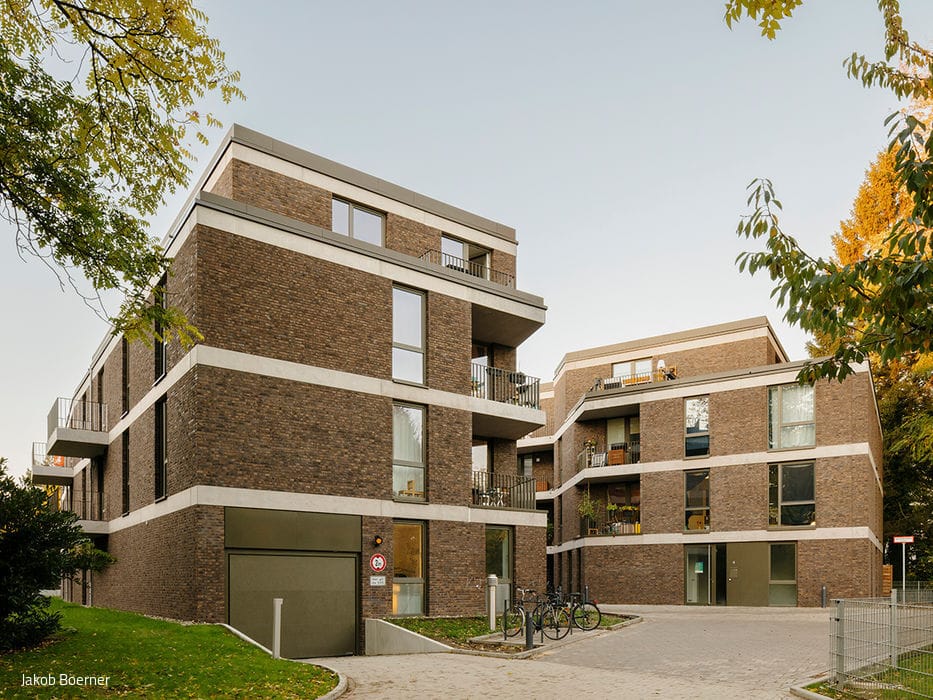
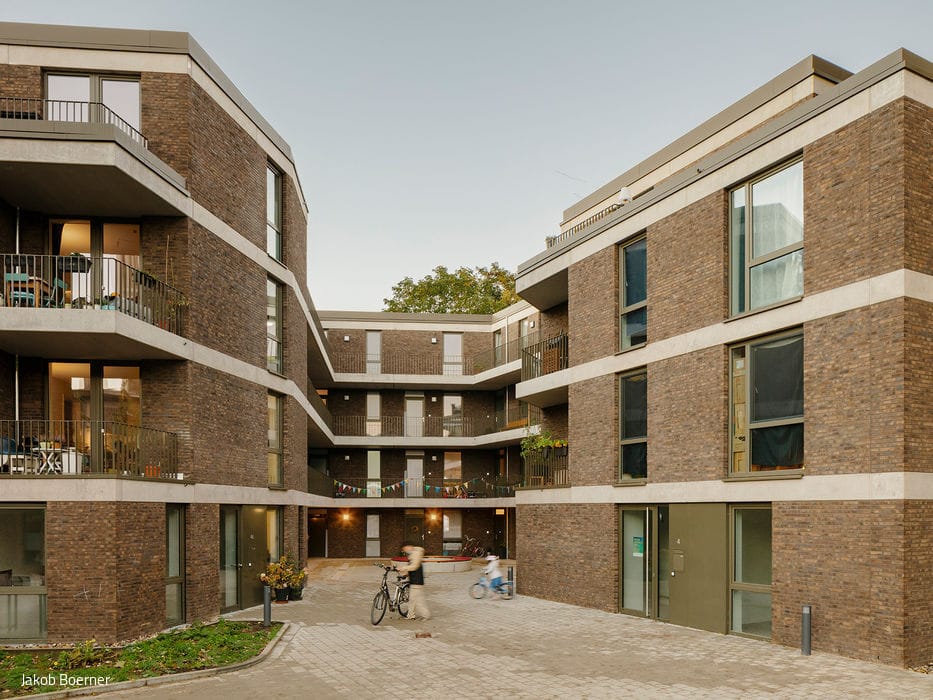
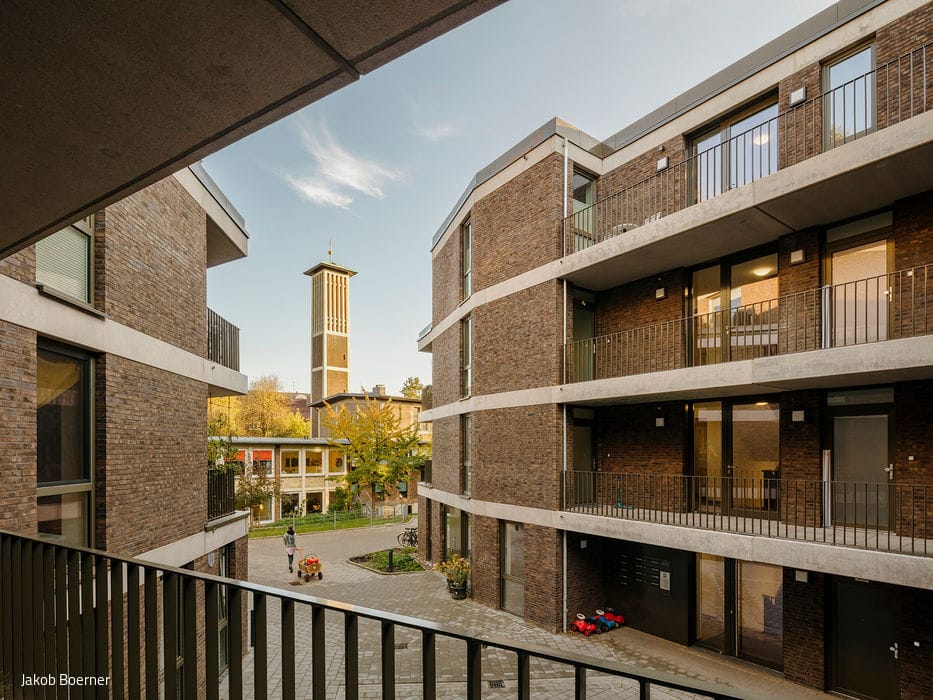
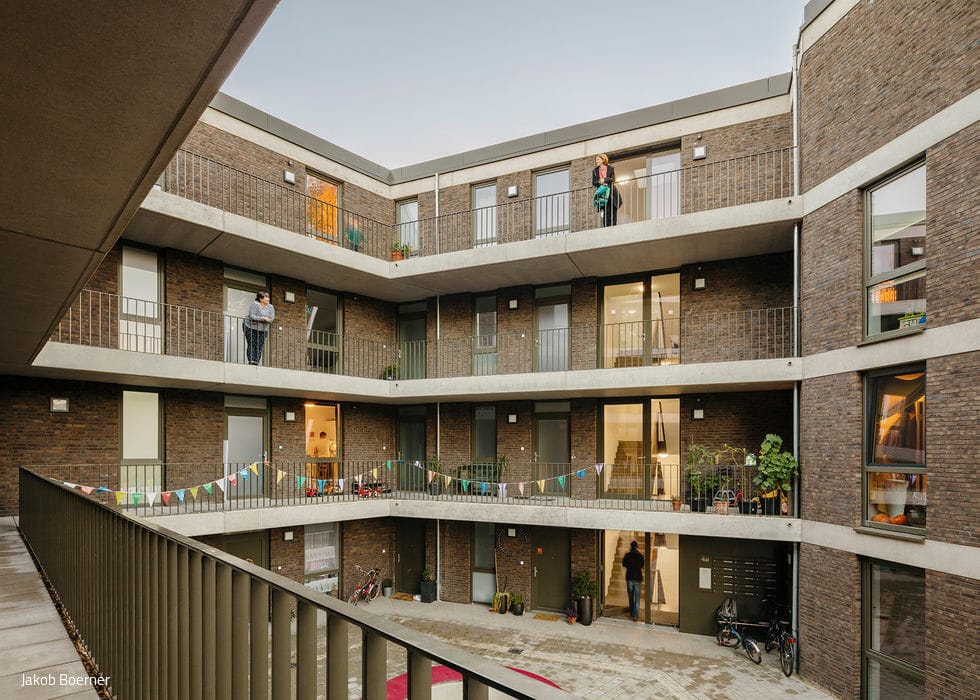
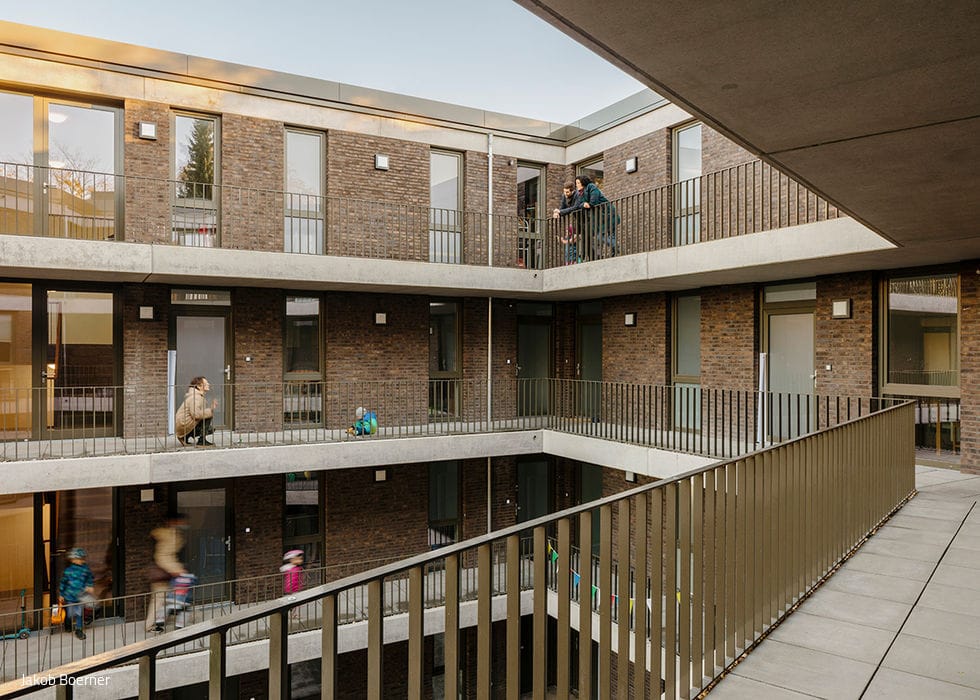
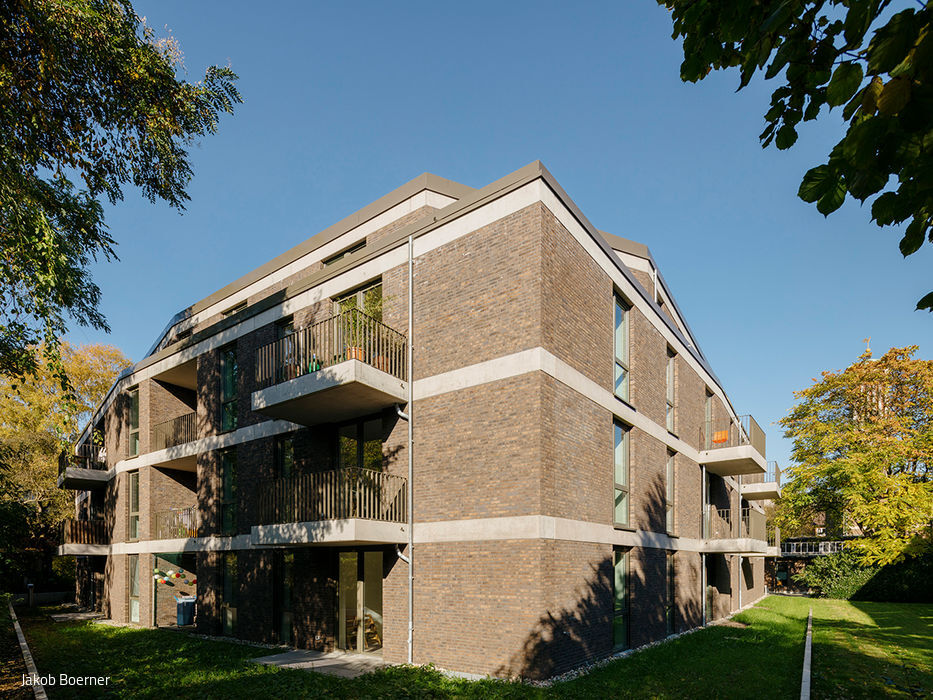
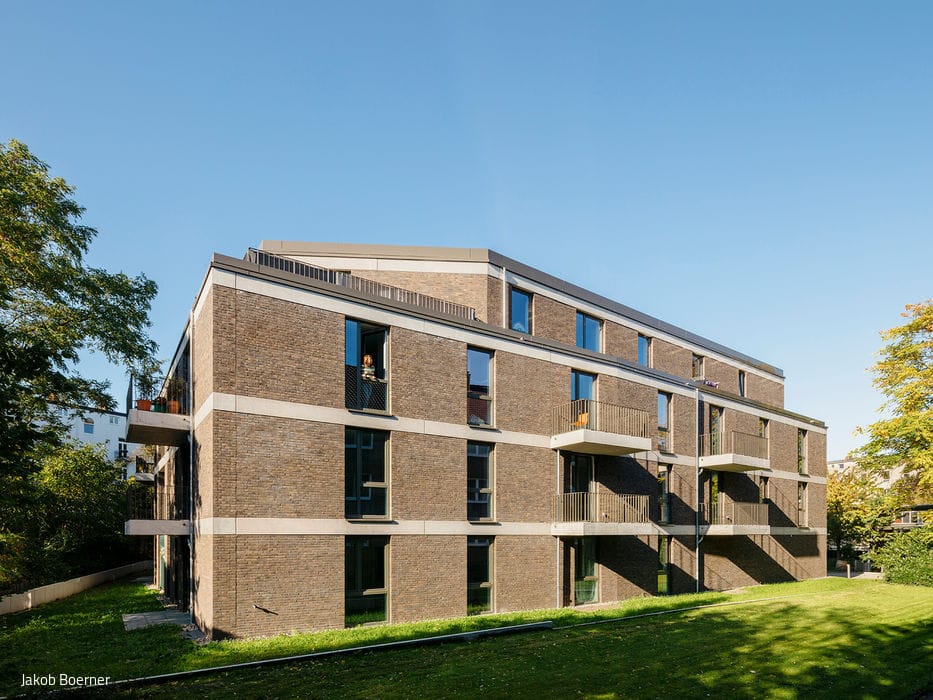
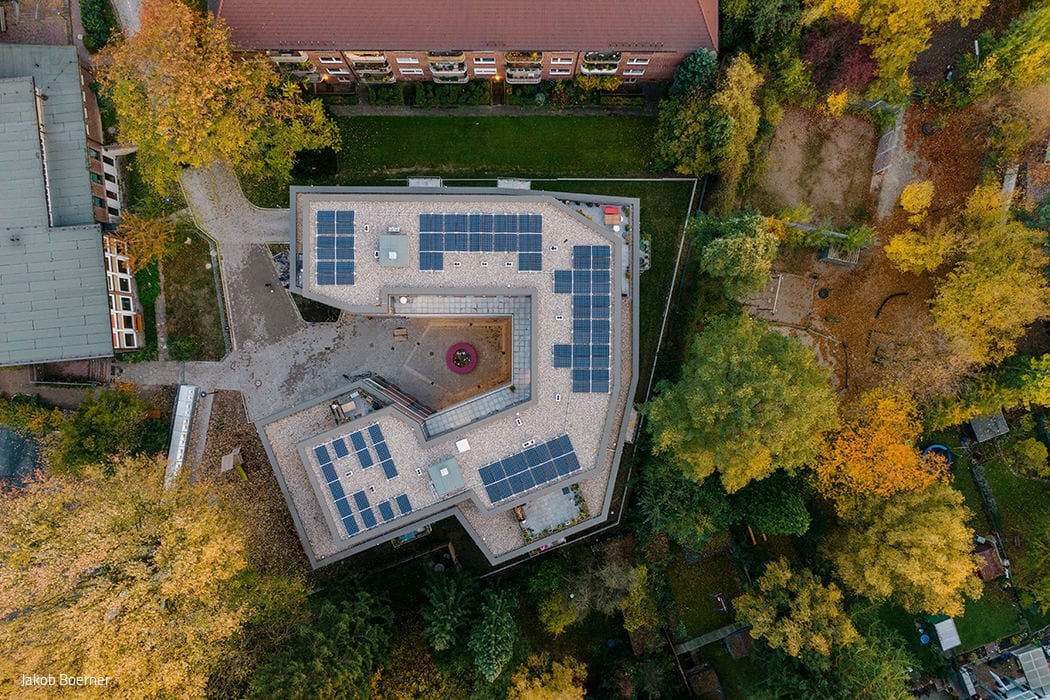
Set behind the Paul Gerhardt Church in Bahrenfeld—a landmark erected in 1956—Schaltraum Architects have designed a striking residential complex comprising two vicarages and communal spaces. The church sits at the heart of a carefully composed urban ensemble: Wilhelminian-era perimeter blocks frame the site along Daimlerstraße and Bahrenfelder Steindamm, while a row-housing development from the 1950s completes the architectural conversation. Into this tree-lined precinct, the architects have introduced an independent U-shaped structure that sits with quiet respect for its context. The building's focal point—a central courtyard—creates a transparent dialogue with Otto Andersen's heritage-listed church and its iconic tower, a spatial and symbolic anchor for the entire neighbourhood. This deliberate openness embodies the project's essential ambition: to cultivate genuine community and mutual belonging. The communal facilities occupy the western pavilion at ground level, offering immediate accessibility. A generous meeting hall, reception zone, and parish office all face the welcoming courtyard. The pastoral offices and spaces for church musicians and sextons are oriented north and west, overlooking the surrounding greenery. The eastern wing accommodates support services for the adjacent daycare and partner organizations, along with an additional meeting space. Every detail reinforces the vision of fostering a vibrant community within these walls.
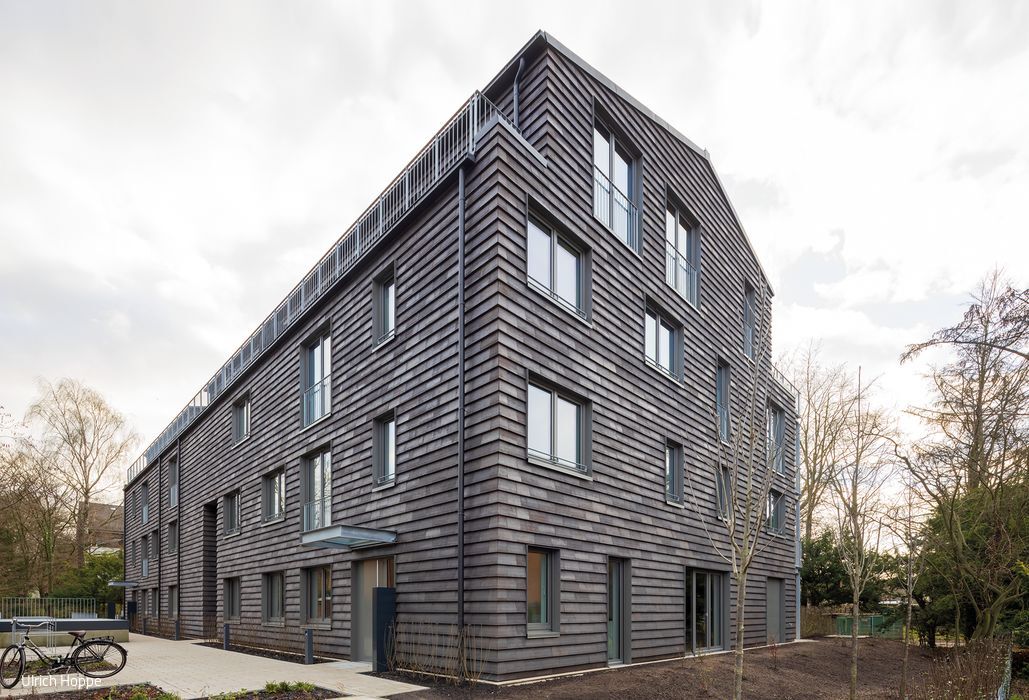
Two stairwells flank the composition, linked by a generous open colonnade that wraps three sides of the courtyard and distributes residents to all dwellings. This architectural gesture—marked by exceptional transparency—enables social connection while preserving personal sanctuary. The predominantly accessible apartments fan outward to the east, south, and west, with service rooms tucked discretely along the colonnade. The spatial experience unfolds with measured sophistication: semi-private thresholds transition thoughtfully into private retreats. The interior design remains deliberately restrained, inviting residents to imprint their own identity onto the spaces. The load-bearing walls are strategically positioned to allow future adaptations without structural intervention, future-proofing the building against evolving needs. The parsonages occupy a staggered upper level, maximizing privacy through strategic placement. Expansive terraces ascend to the south and southwest, opening onto verdant views while remaining screened from public sight. The church's façade vocabulary has been respectfully reinterpreted in contemporary terms. Horizontal floor plates are articulated through light-coloured precast concrete, while rich reddish-brown masonry and floor-to-ceiling glazing bind the new building visually with the existing ecclesiastical structures, composing them as a unified architectural family.
Photography Credits:
Jakob Börner
www.jakobboerner.com
(Featured in CUBE Hamburg 01|22)
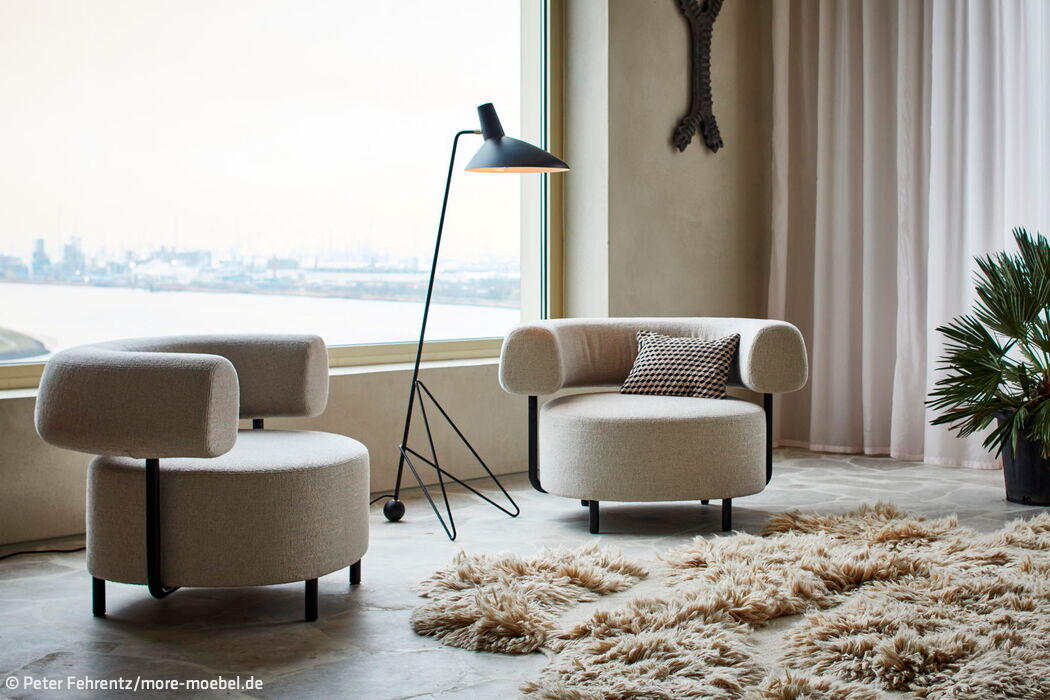
Aesthetic Refinement
On Peter Fehrentz's Design Philosophy
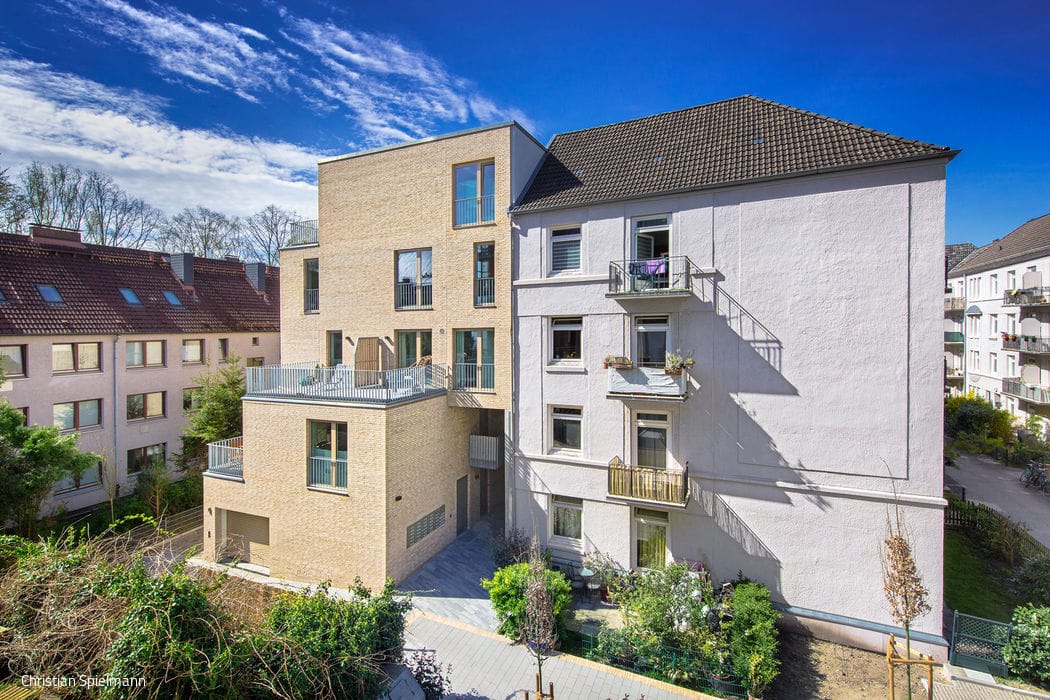
A Treasure in the Backyard
How to get densification right: lessons from this housing project
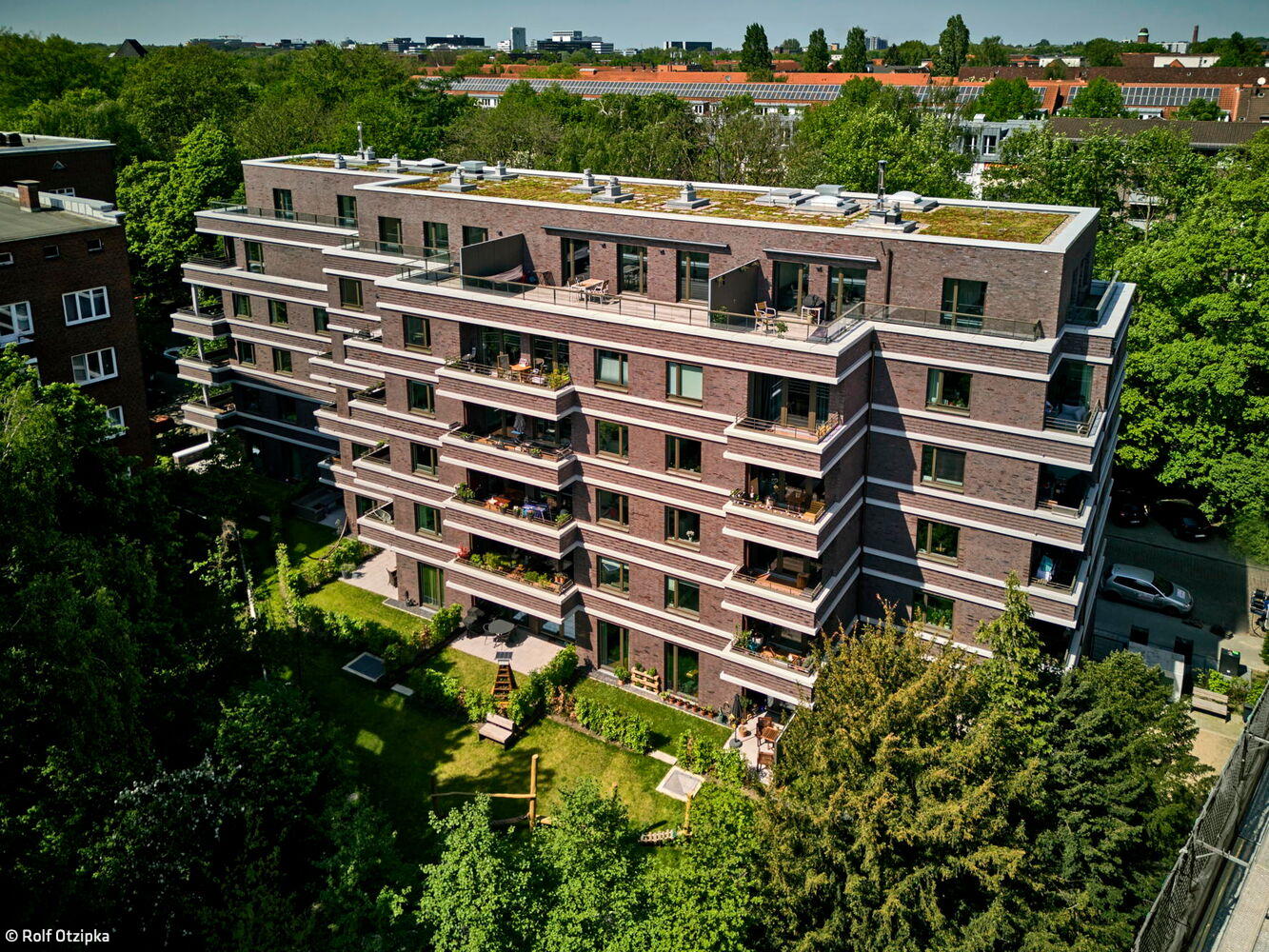
A true Barmbek native
The new building honors architectural tradition through contemporary design while restoring urban coherence.
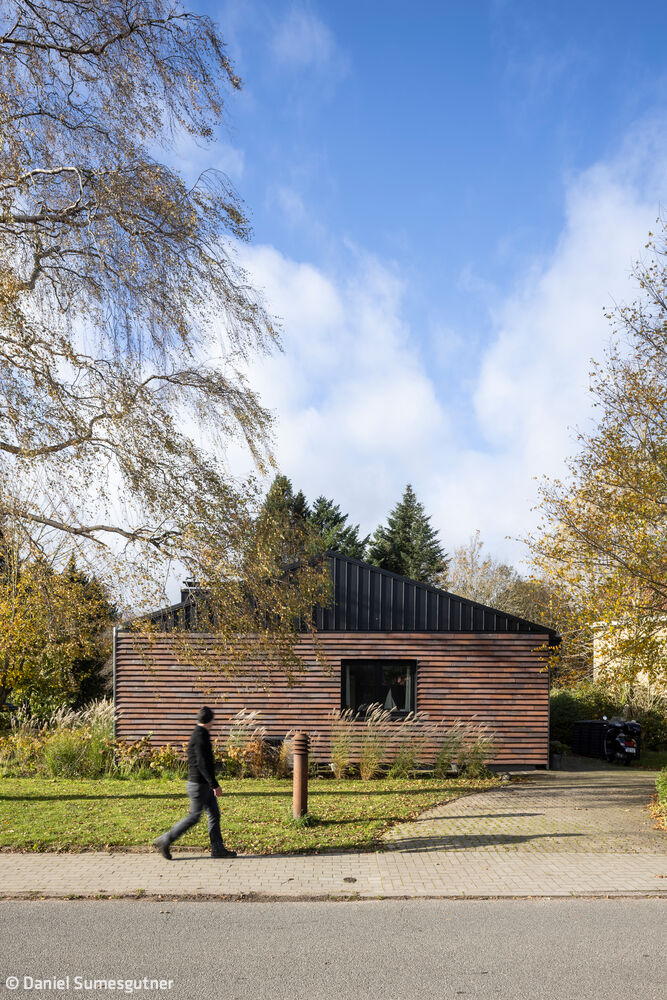
Dream Location
Reimagining a Settlement House: How Thoughtful Renovation and Extension Create Space for Growing Families