


Filling the Gap with Purpose
Smart infill development creates new housing and restores urban fabric
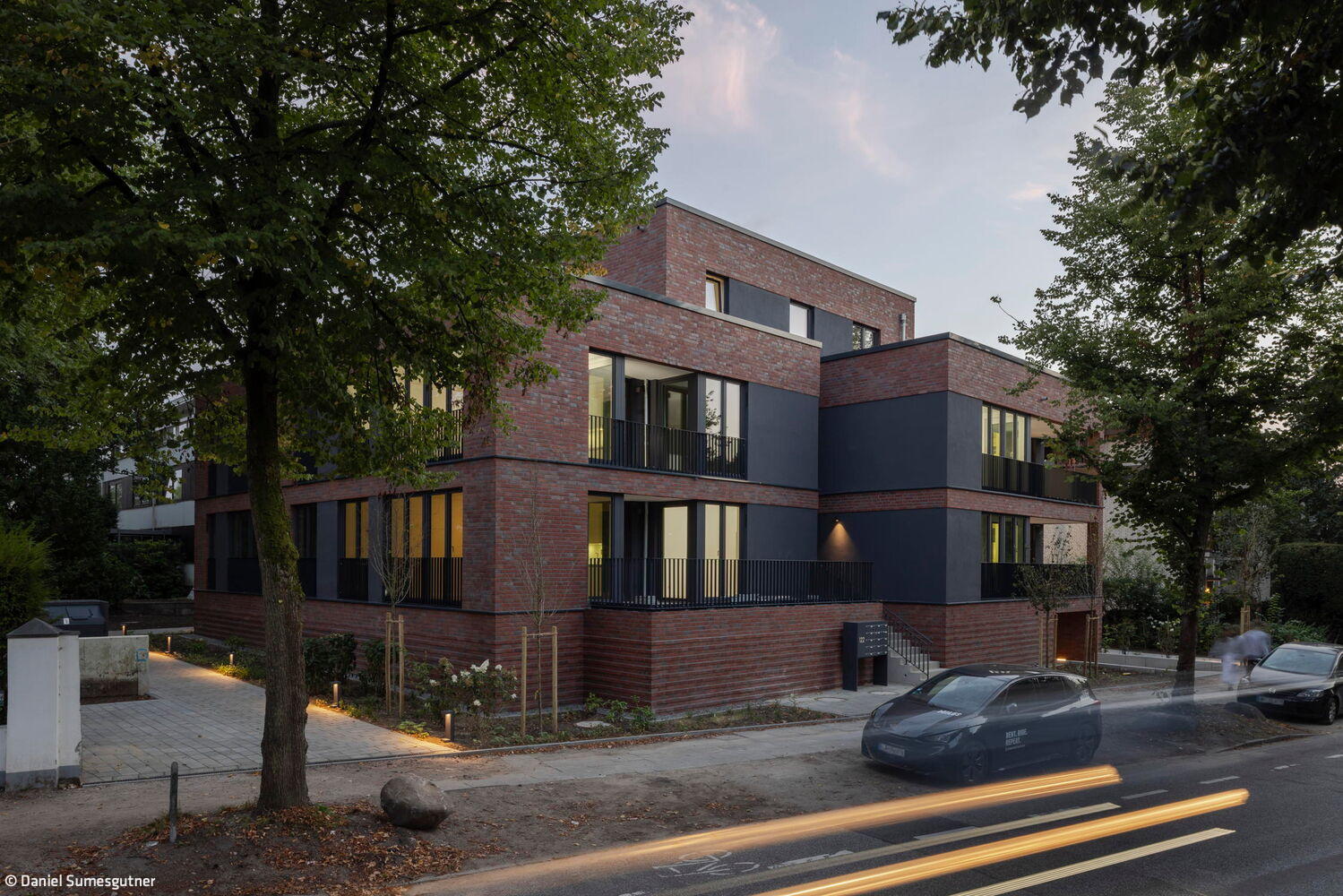
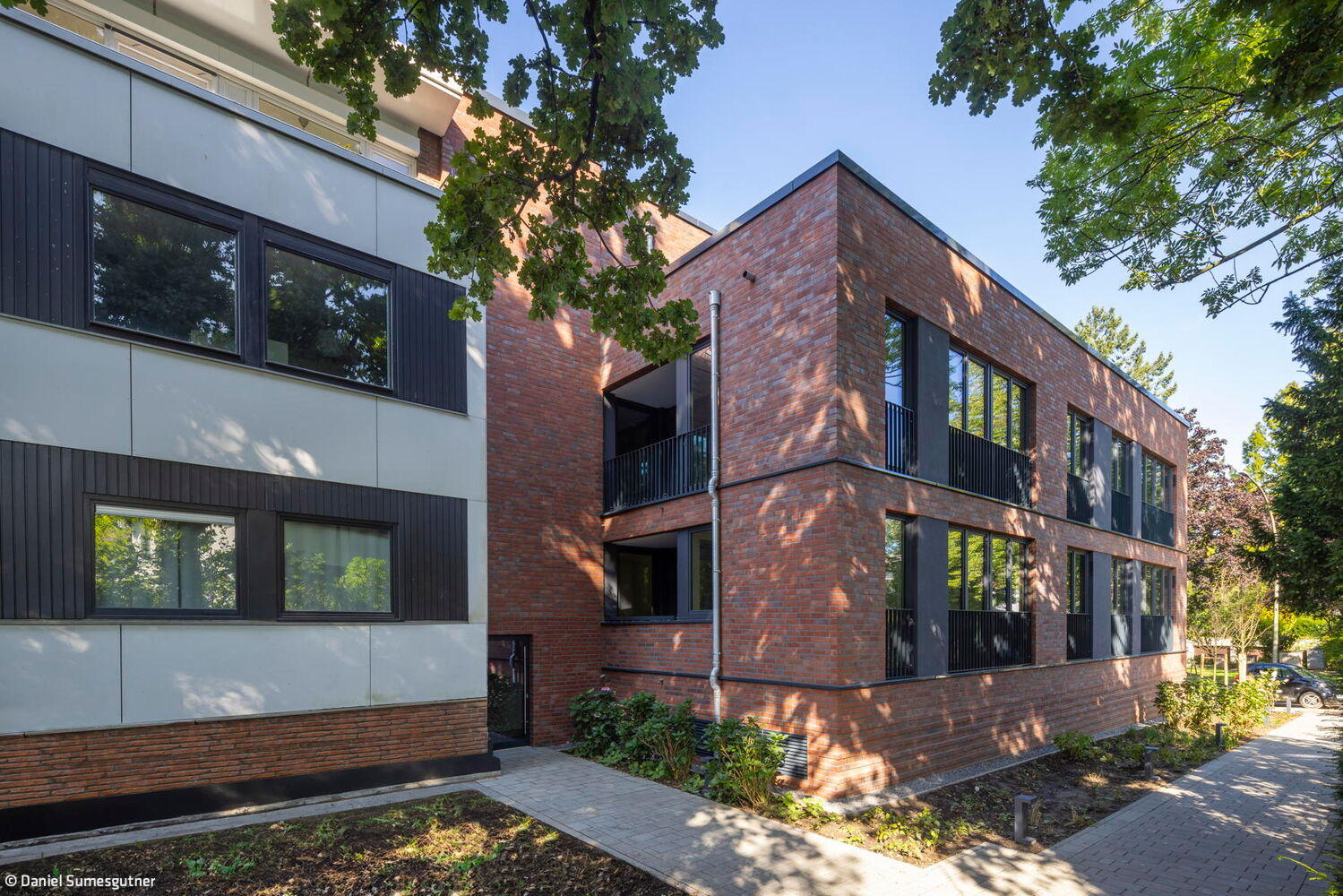
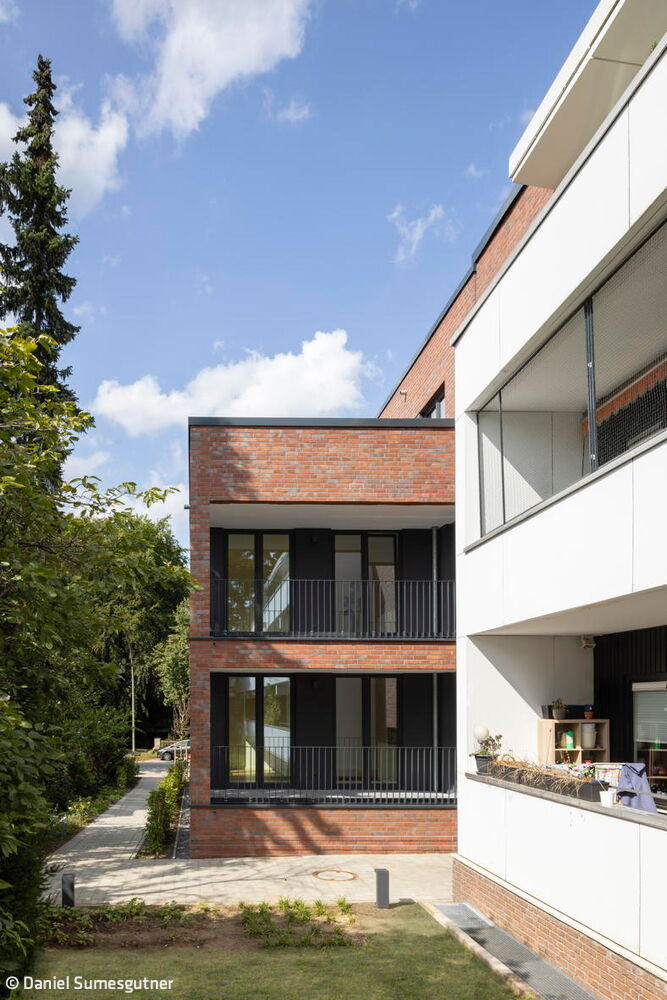
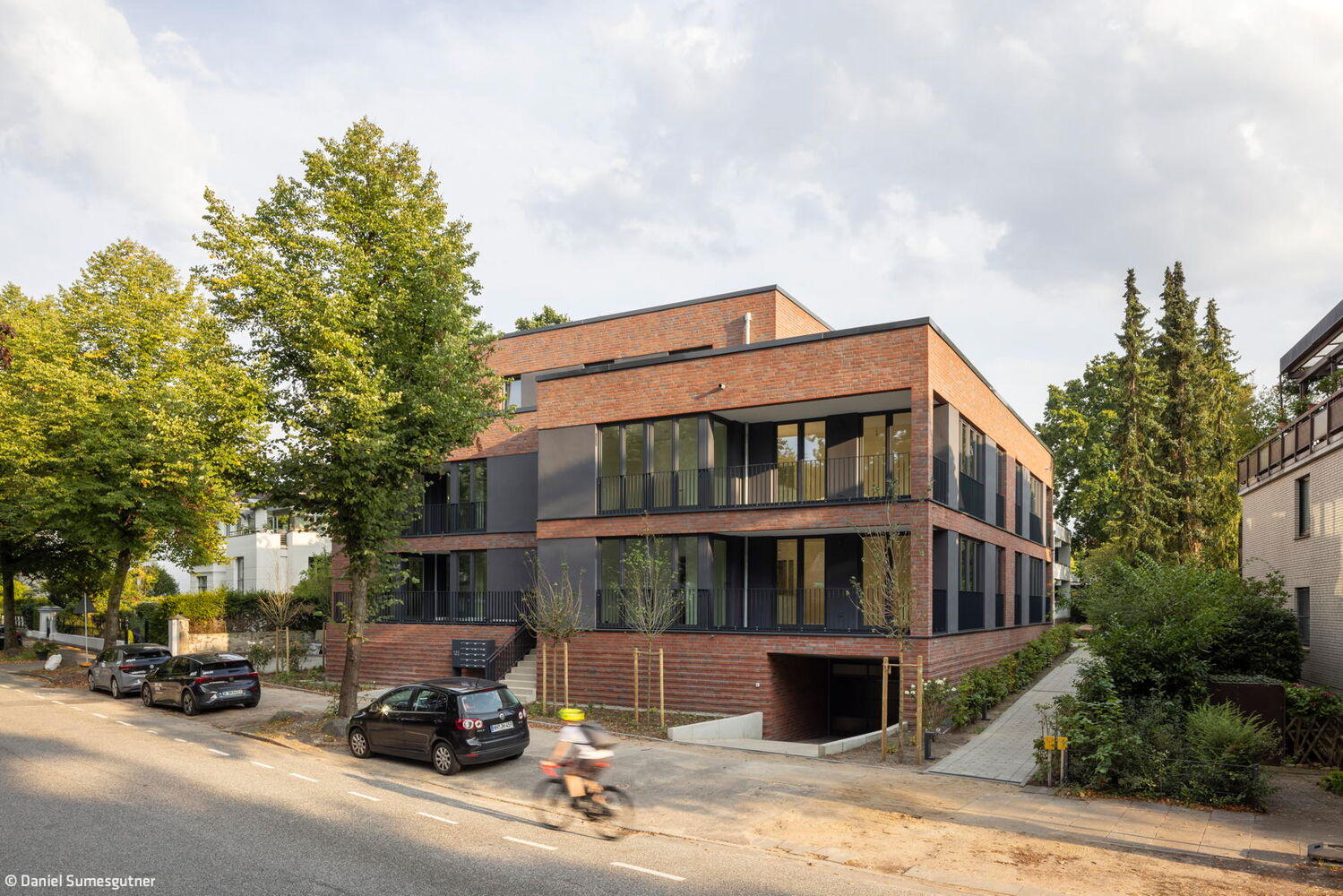
Bebelallee emerged after World War I following Fritz Schumacher's designs and formed part of Hamburg's urban expansion, which coincided with the canalisation of the Alster beginning in 1870. Today, the street is defined by elegant townhouses and villas, many of them red-brick structures designed by prominent Hamburg architects like Fritz Höger and Elingius & Schramm in the 1920s. In 1975, a 12-unit residential block was inserted in the Alsterdorf section—a stark contrast to its neighbours, angled sharply and set back considerably from the street with a covered parking structure at its entrance. The building felt decidedly out of place within the cohesive fabric of the surrounding neighbourhood.
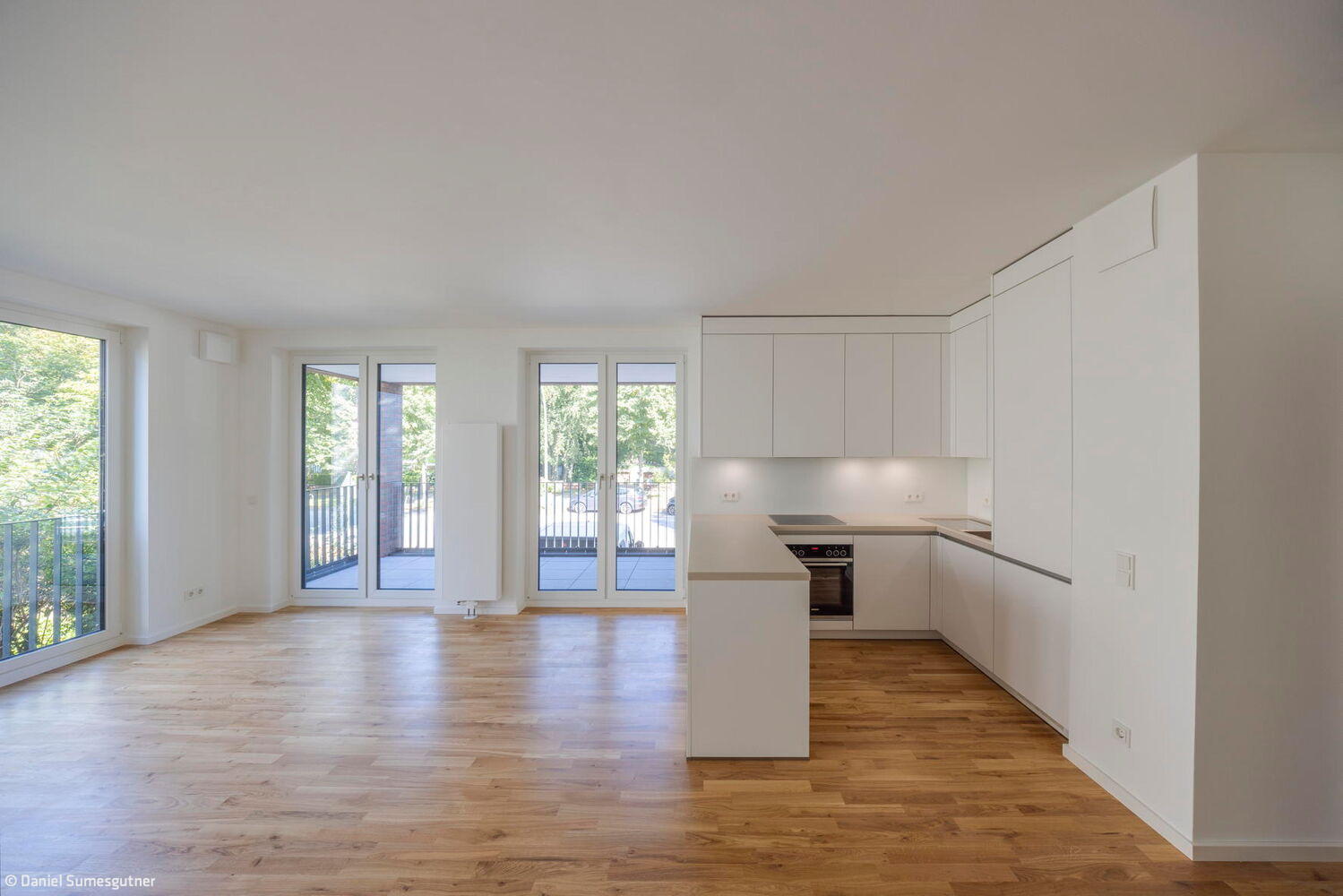
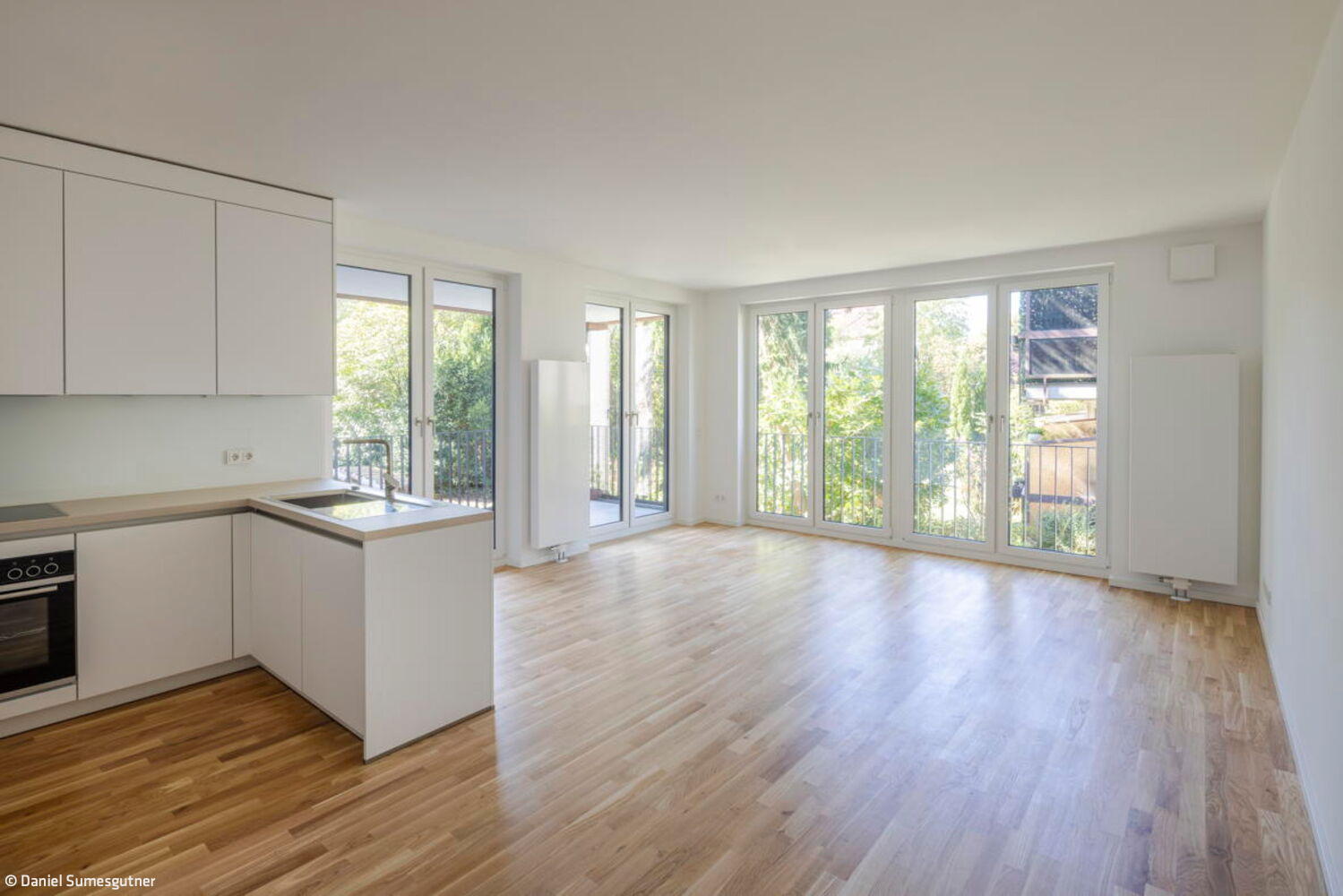
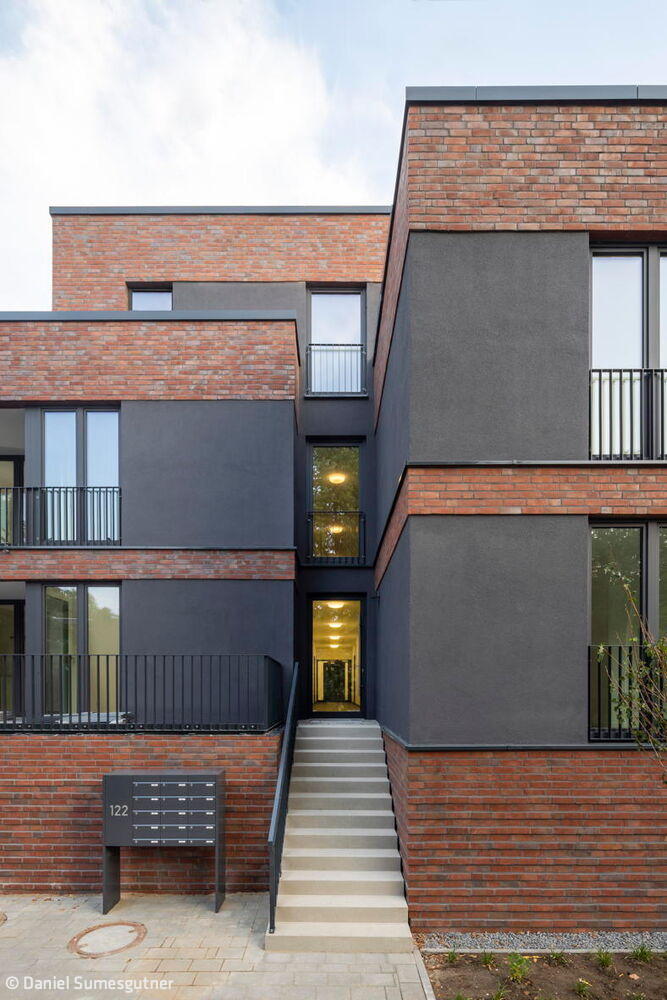
Prasch Buken Partner Architekten BDA masterfully bridged this gap with a design that is both aesthetically refined and functionally intelligent. The new structure extends the existing building toward Bebelallee while respecting the street alignment of neighbouring properties. Articulated as two distinct villa-scaled volumes separated by a careful joint, the building reads as a harmonious continuation of the street's character. The stepped upper floors pull back substantially, preserving the two-storey scale that defines the avenue. The architects thoughtfully echoed the existing building's red-brick palette, proportions, and material language—reinterpreting these elements with contemporary restraint. The result: ten new residential units ranging from two to three rooms (60–85 m²) developed on a private basis. An underground garage replaces the dated surface parking, completing a transformation that respects what came before while meeting today's urban needs.
Sustainable synergies were achieved through targeted modernisation of the building services, utilisation of the infrastructure and preservation of the grey energy of the existing building. The existing staircase now connects the old and new sections, and the lift has been redesigned to provide barrier-free access to the existing and new flats. The quality of living in the existing building has been improved. The new building was constructed using masonry and in accordance with the requirements of the Building Energy Act. A retention roof and a photovoltaic system were installed, and valuable building materials were used that can be reused. The project received an award at the Callwey Award "Residential Buildings of the Year 2024" in the "Redensification" category.
Photography:
Daniel Sumesgutner
www.sumesgutner.de
(Published in CUBE Hamburg 01|25)
Wood Takes Center Stage
The courage and openness of all involved created something truly extraordinary.
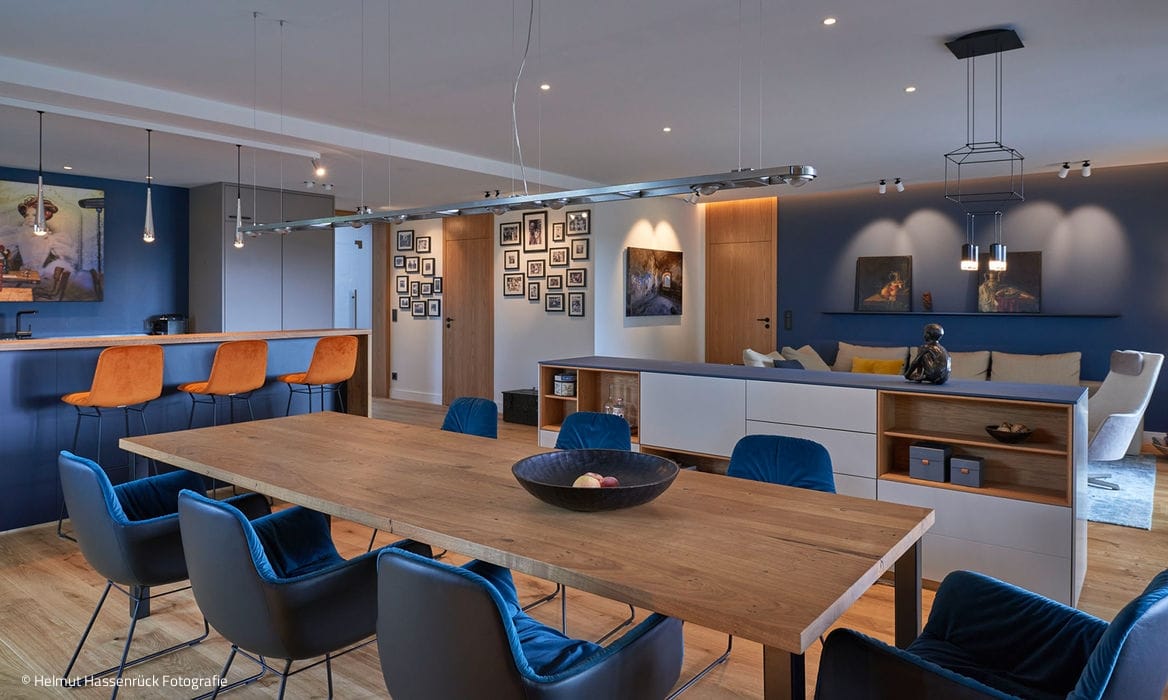
A place to feel at home
A serene retreat filled with light, open movement, and thoughtful storage
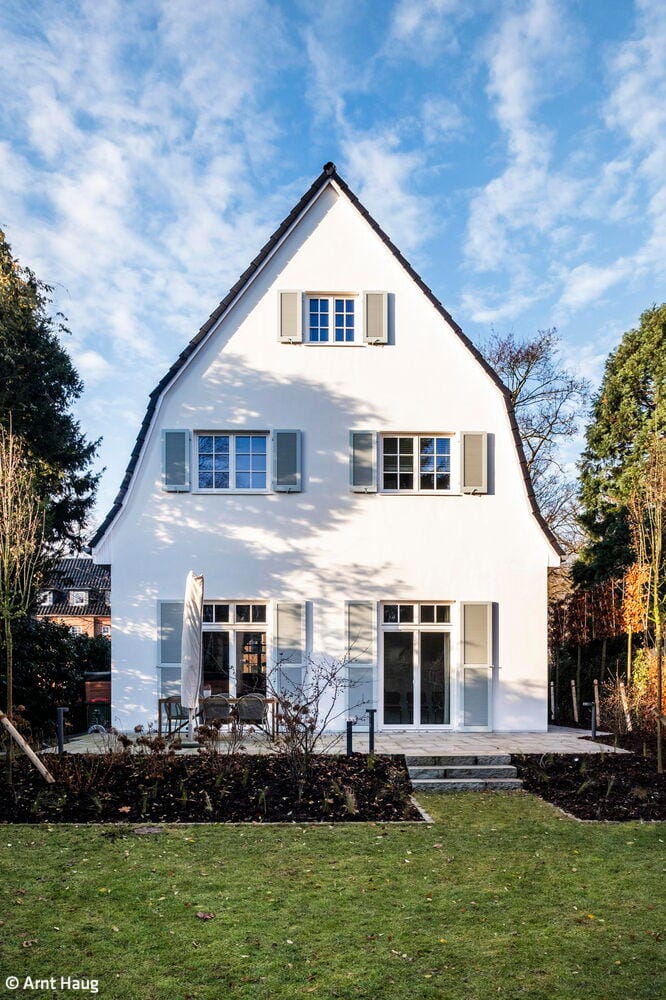
Awakened to New Life
Historic building fabric reimagined for the contemporary age
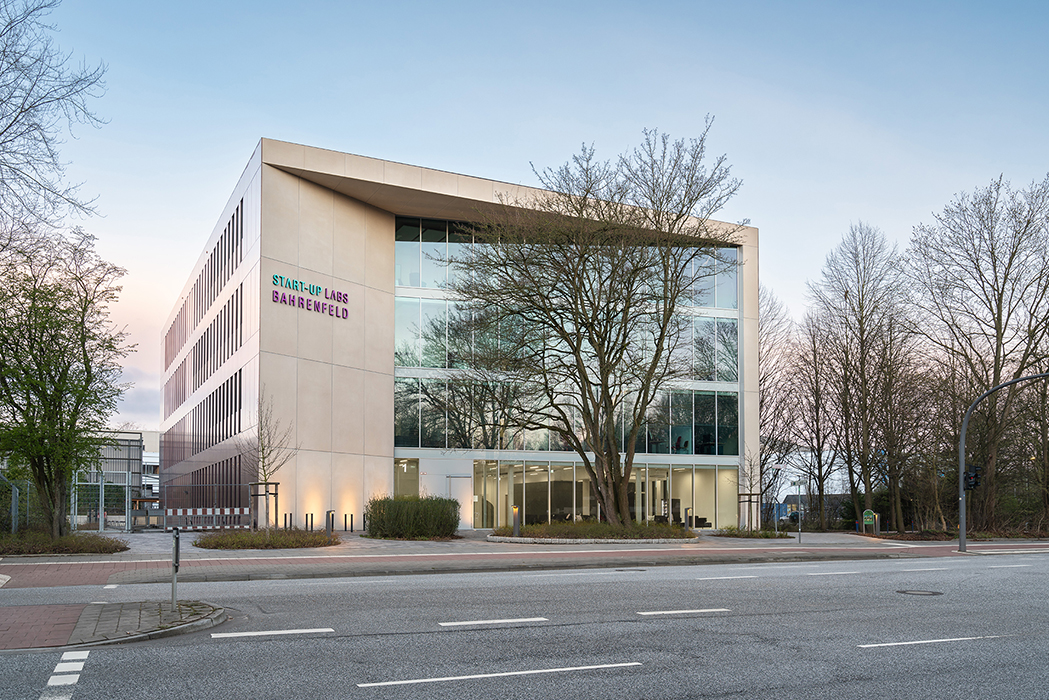
High-Tech Incubator
Start-up Labs marks the first milestone in the Science City Bahrenfeld vision.