


Simple, elegant, and impactful
The city's open spaces preserved and evolved as defining features
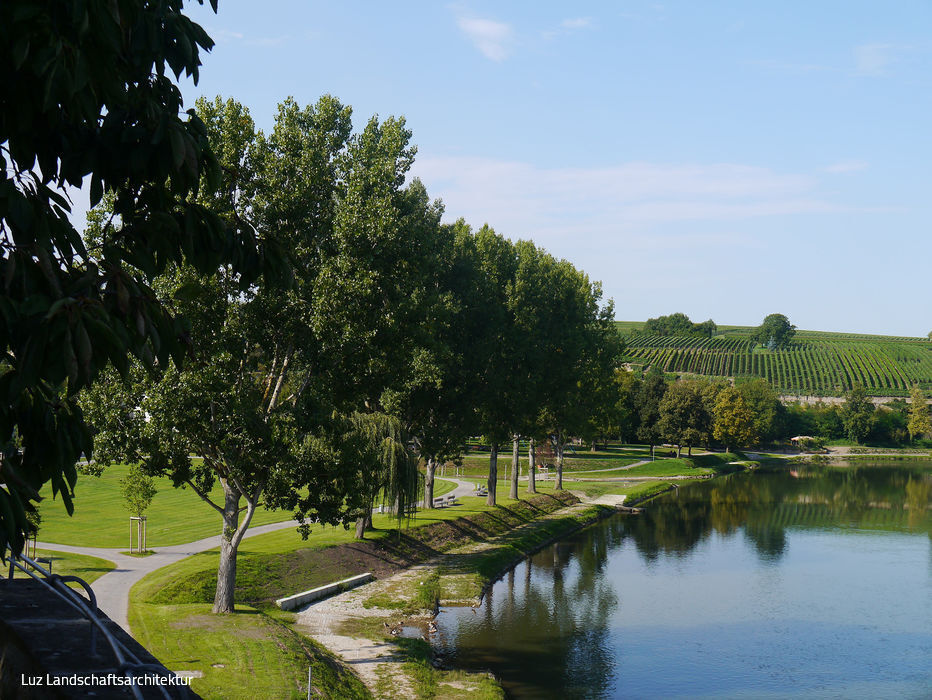
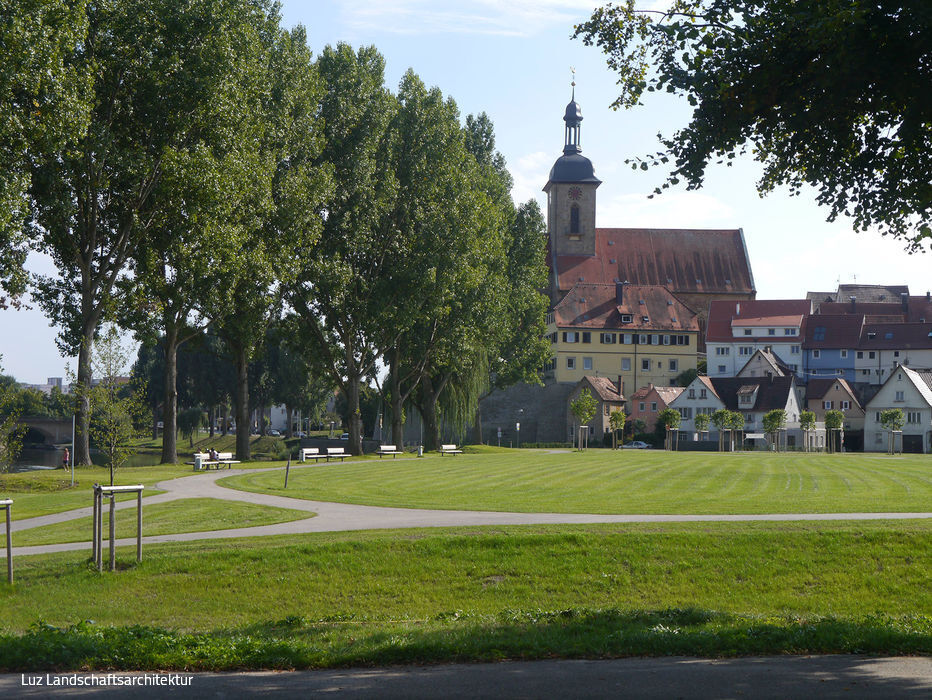
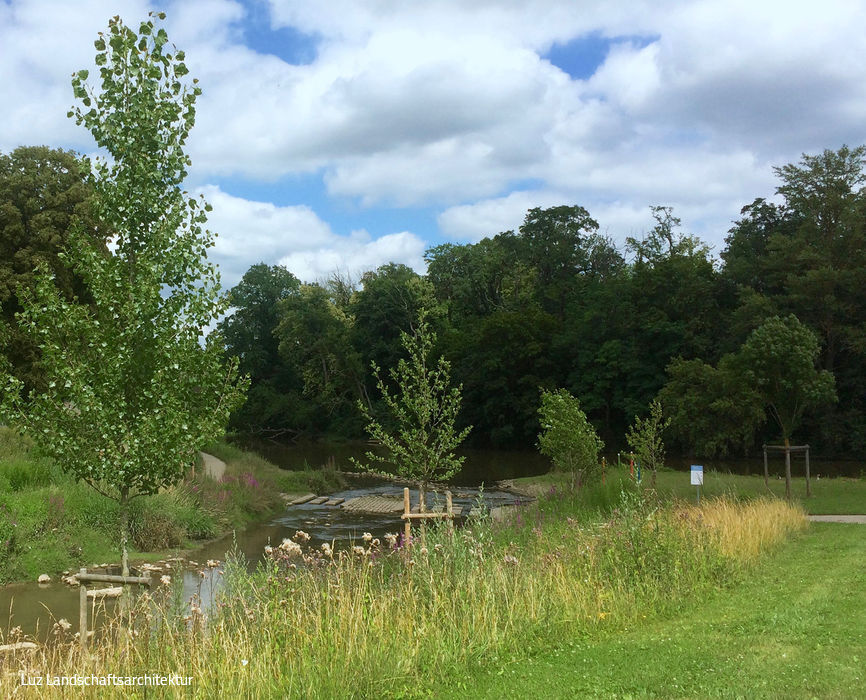
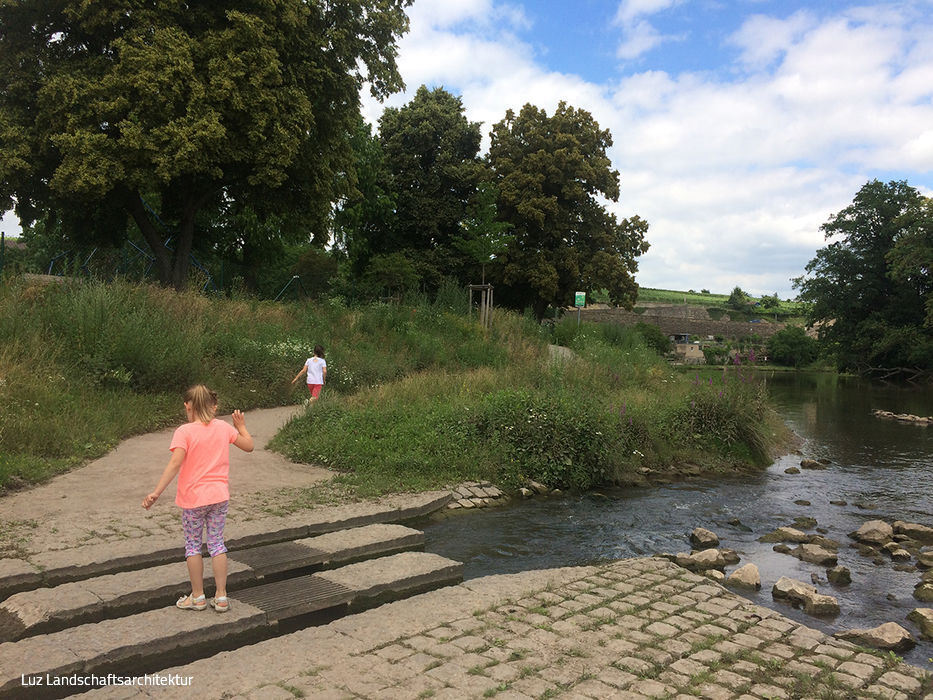
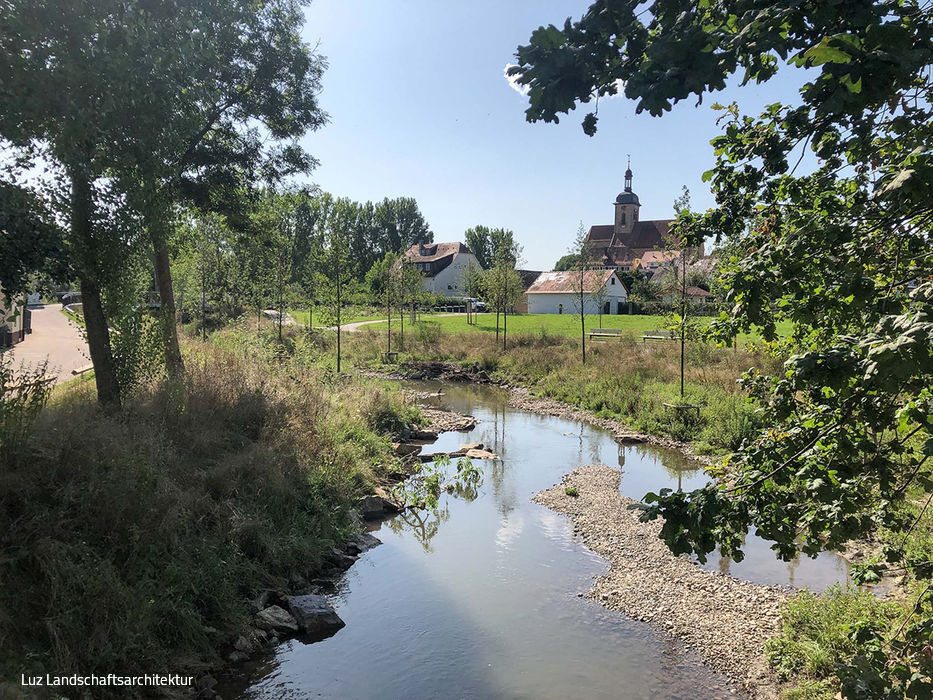
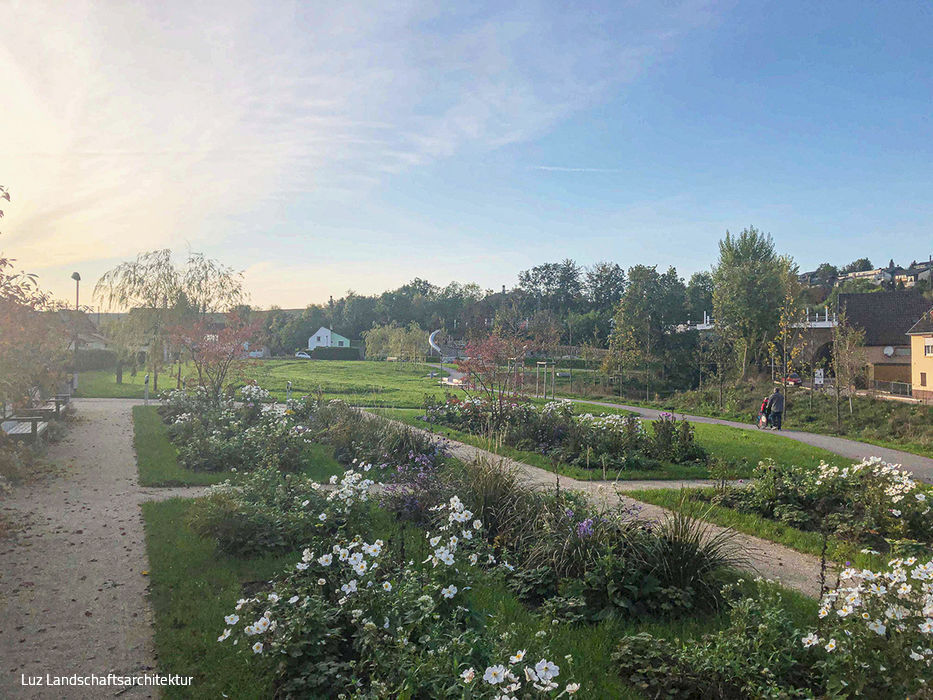
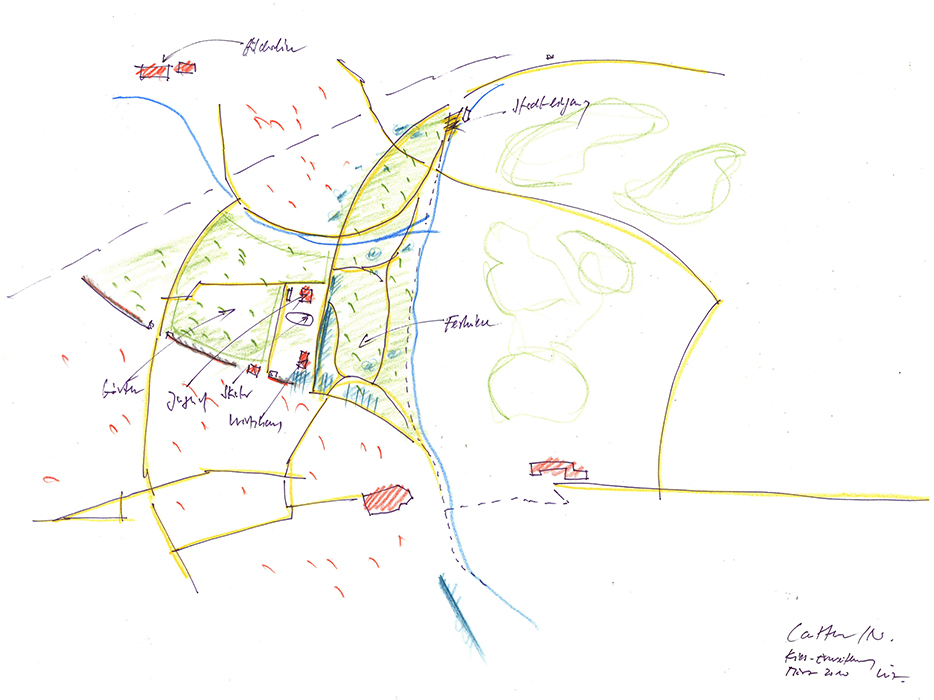
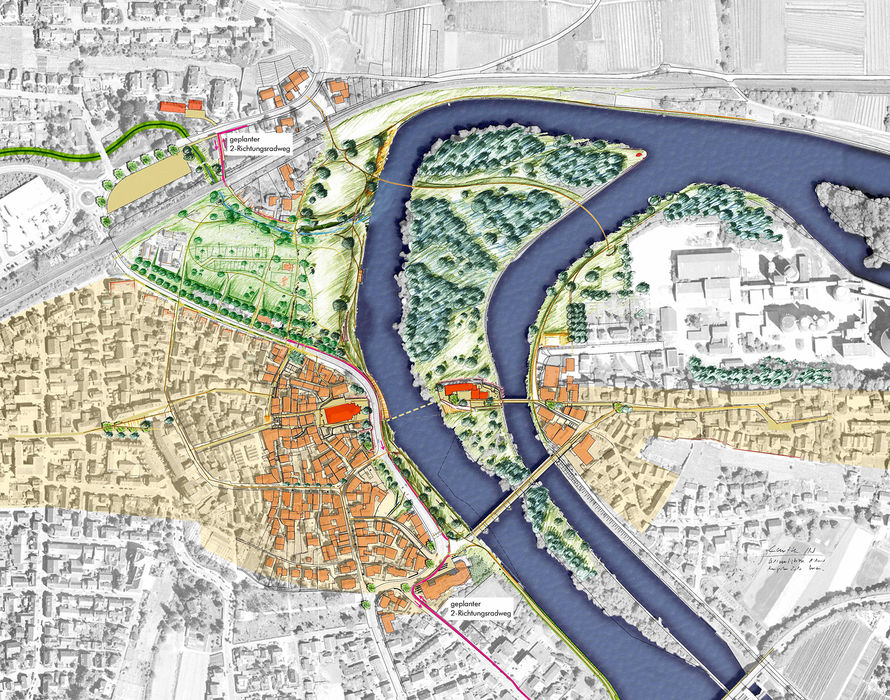
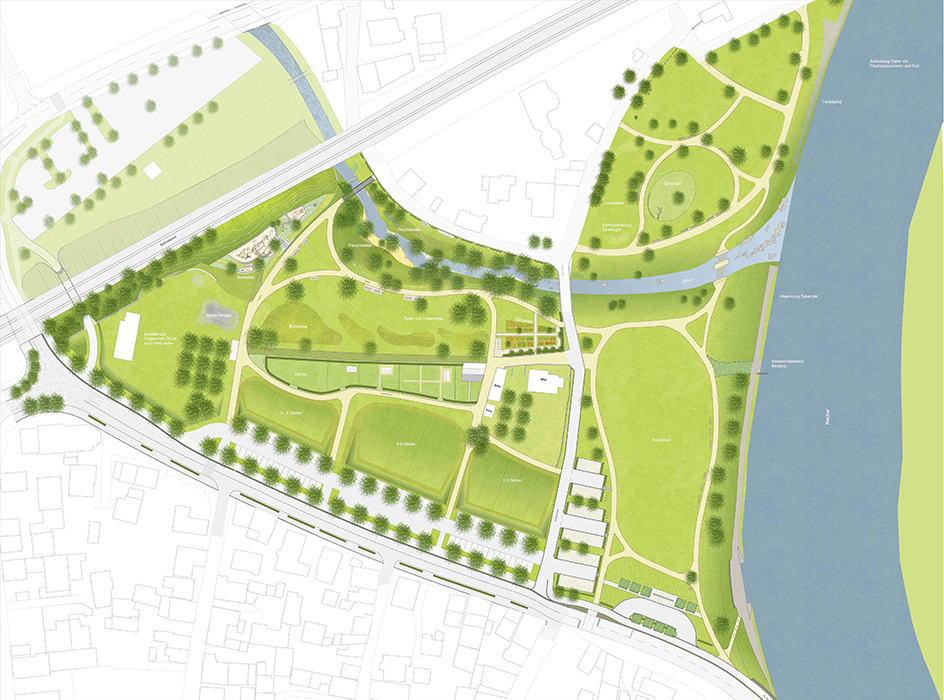
Where the Zaber meets the Neckar, worlds converge: two rivers, urban and natural landscape, infrastructure and park, culture and nature, festival grounds and biotope, flood protection and urban renewal, past and present. Luz Landscape Architects met this complex challenge with precise yet fundamentally simple interventions—each remarkably effective.
The approach fundamentally safeguards and develops the town of Lauffen am Neckar's open spaces as its defining character. These have become integral to the town's identity, seamlessly weaving together ecology and community, form and function. The open space concept's building blocks are strategically integrated into the urban fabric. New connections and spatial relationships have been established, with an entire neighbourhood reconfigured to achieve robust flood protection through landscape design and topographical reshaping. The result is a network of thoughtfully designed, genuinely usable open spaces.
The festival grounds—centrally located on the Neckar's banks—became the natural starting point. Refined pathways and selective vegetation management transformed what was once sealed urban fabric into something akin to a garden. By selectively opening the tree canopy and gently sloping the riverbanks, new sightlines emerged, revealing spatial relationships that create an almost singular experience. The landscape now supports diverse activities on both sides of the Zaber, with the newly built ford elegantly connecting them. The Zaber itself has been substantially widened; steep, inaccessible slopes have been thoughtfully reclined, enhancing both access and ecological resilience. This vision extends westward into the Lamparter Park, where an extensive residential area has been reimagined through careful terrain remodelling. Generous park spaces now define the landscape, while effective flood management has been seamlessly integrated—achieved through design rather than engineered structures. The Zaber plays a central role here too, extensively restored to ecological health. This section is now open and functional, with plans to continue its refinement toward a distinguished waterfront edge that honours the city's core.
www.luz-landschaftsarchitektur.de
Photography Credits:
Luz Landscape Architecture
(Published in CUBE Stuttgart 01|22)
Fully Optimized
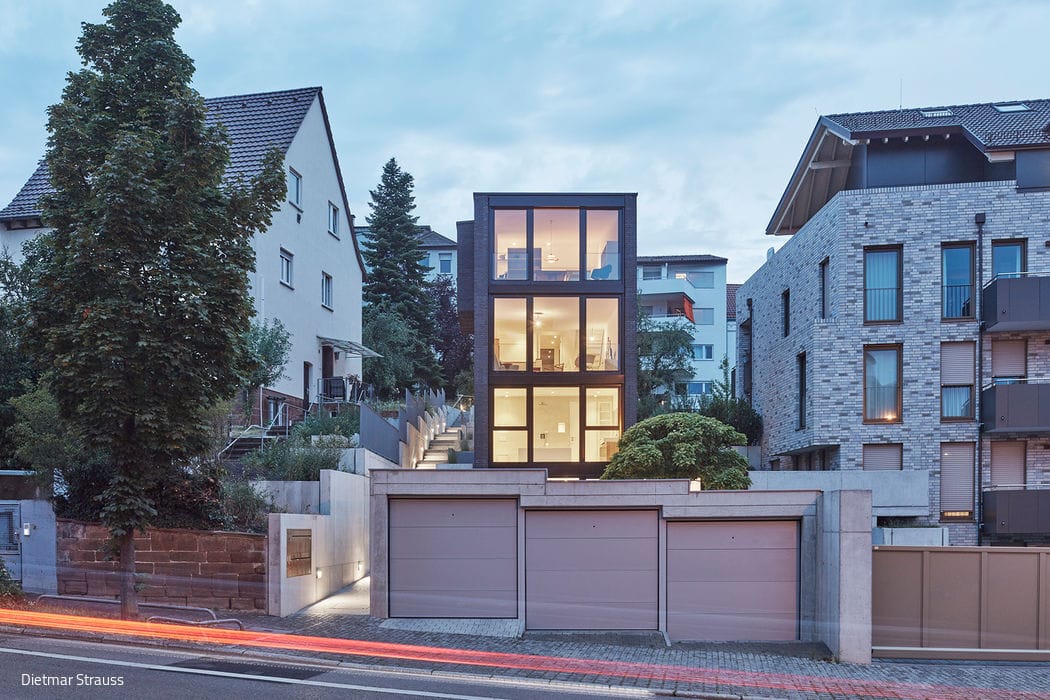
Office and residential building on a steeply sloped, ultra-narrow plot with distinctive brickwork
Guided by Light
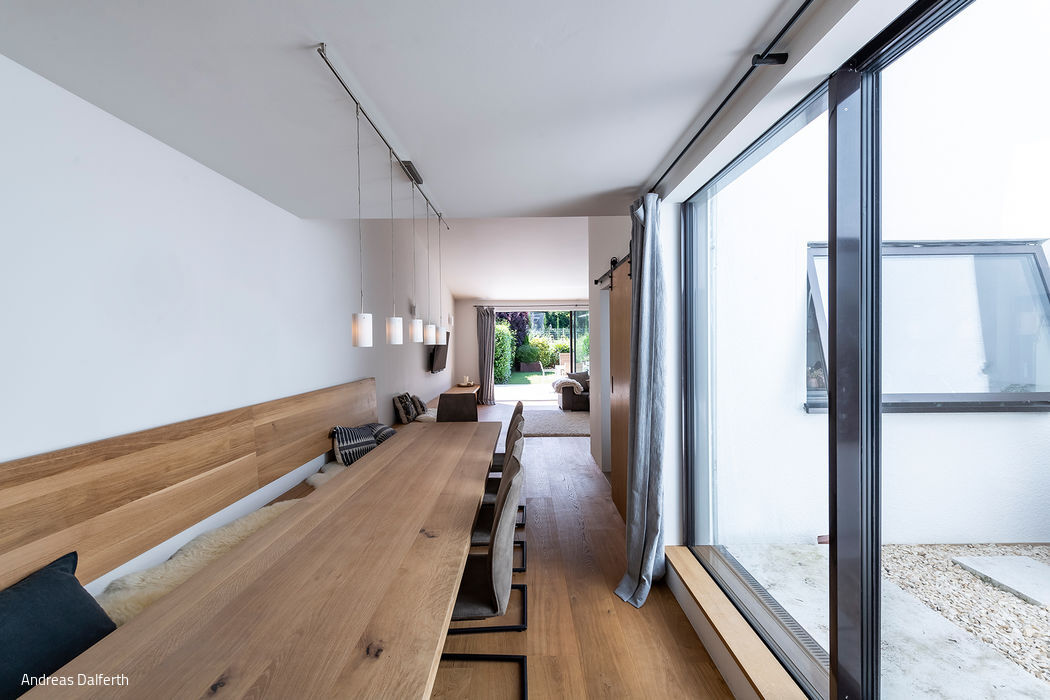
Long and narrow need not mean dark—this terraced house proves it.
The Wait Was Worth It
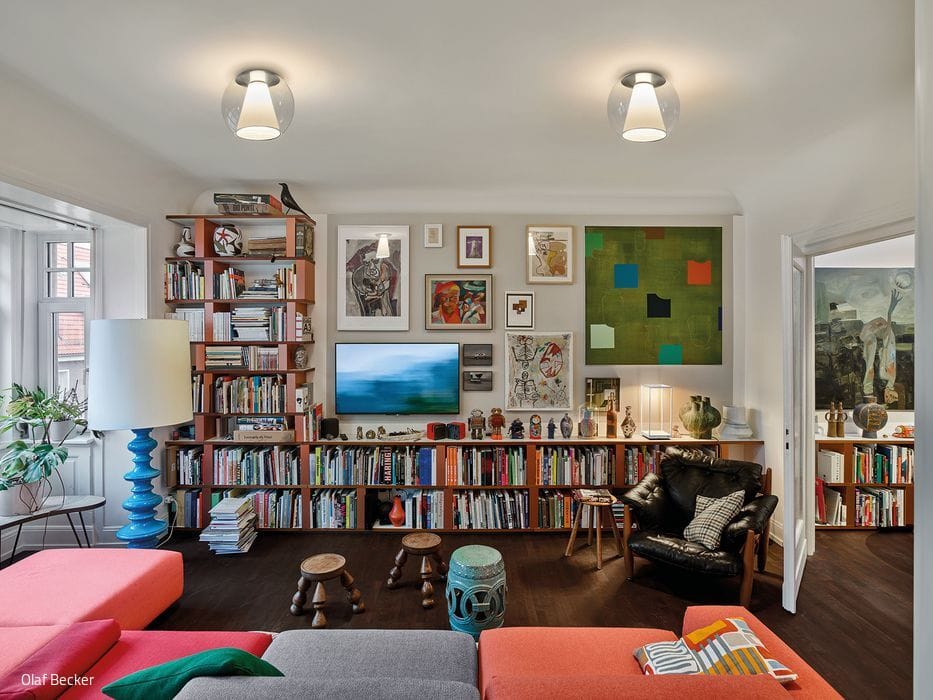
A custom-renovated urban apartment in a historic 1912–13 listed building
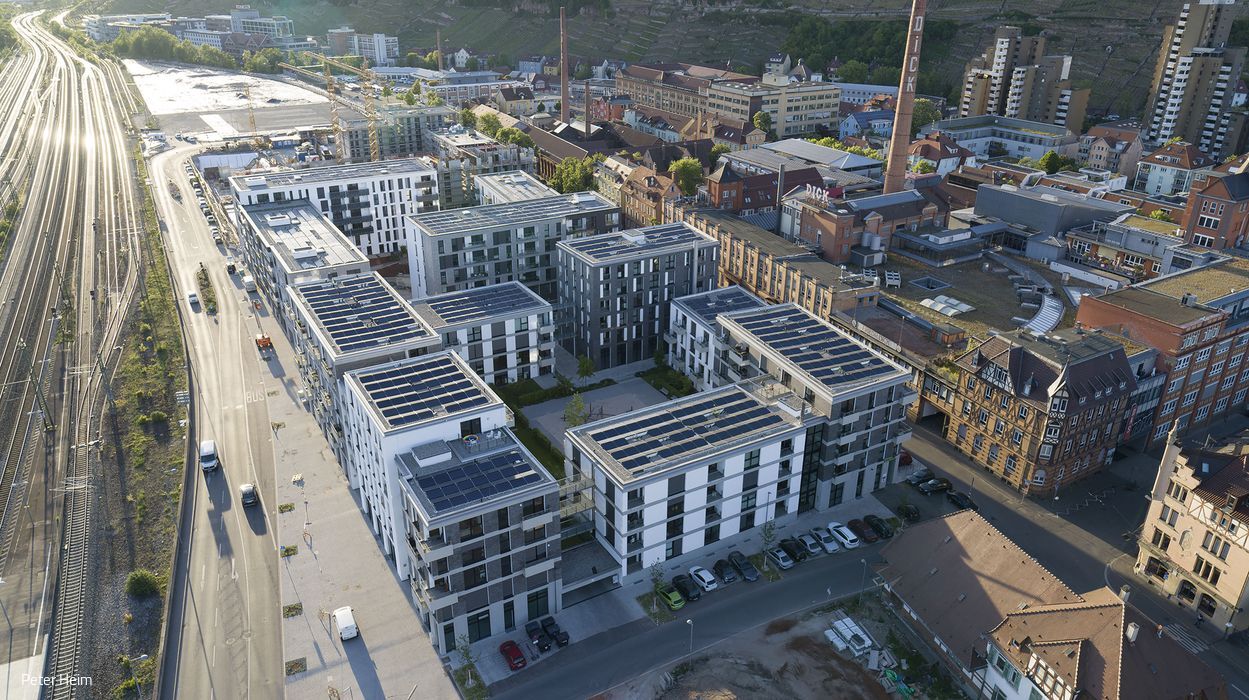
Climate-neutral district
Innovative residential complex completed in Esslingen's Neue Weststadt