


Climate-Neutral District
An innovative residential complex has been completed in Esslingen's Neue Weststadt district.
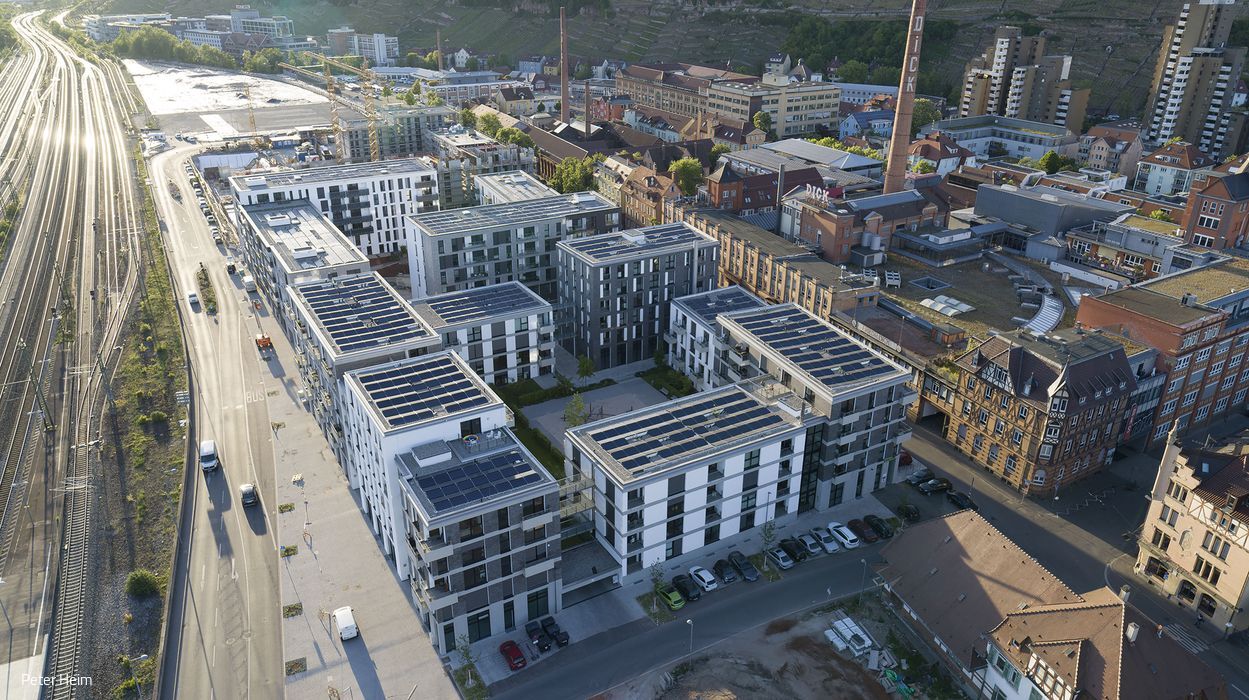
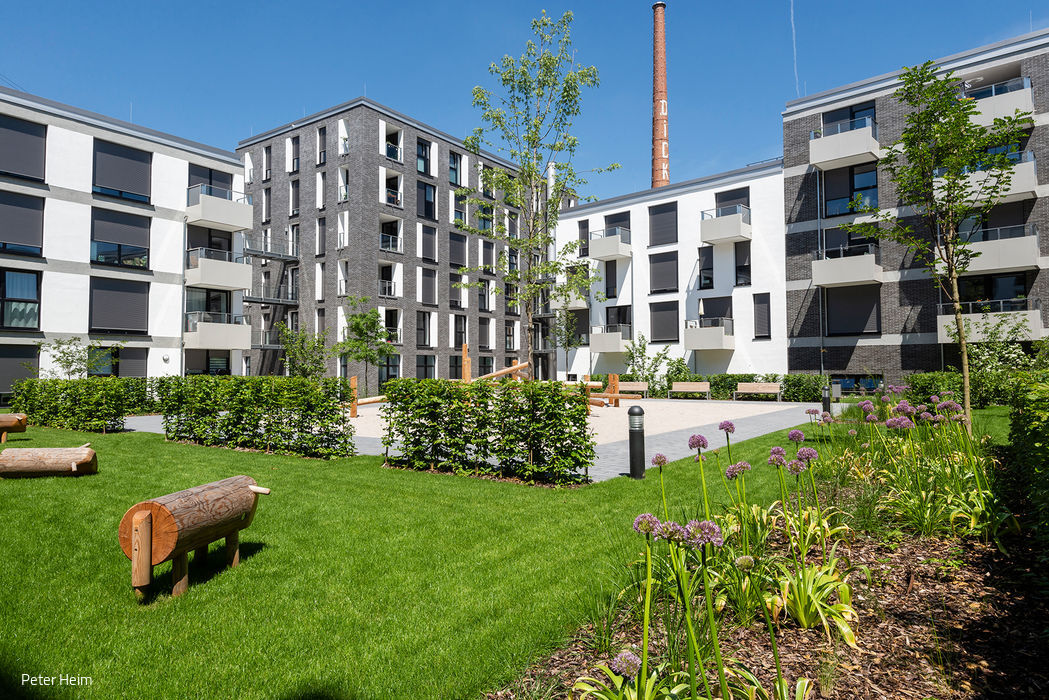
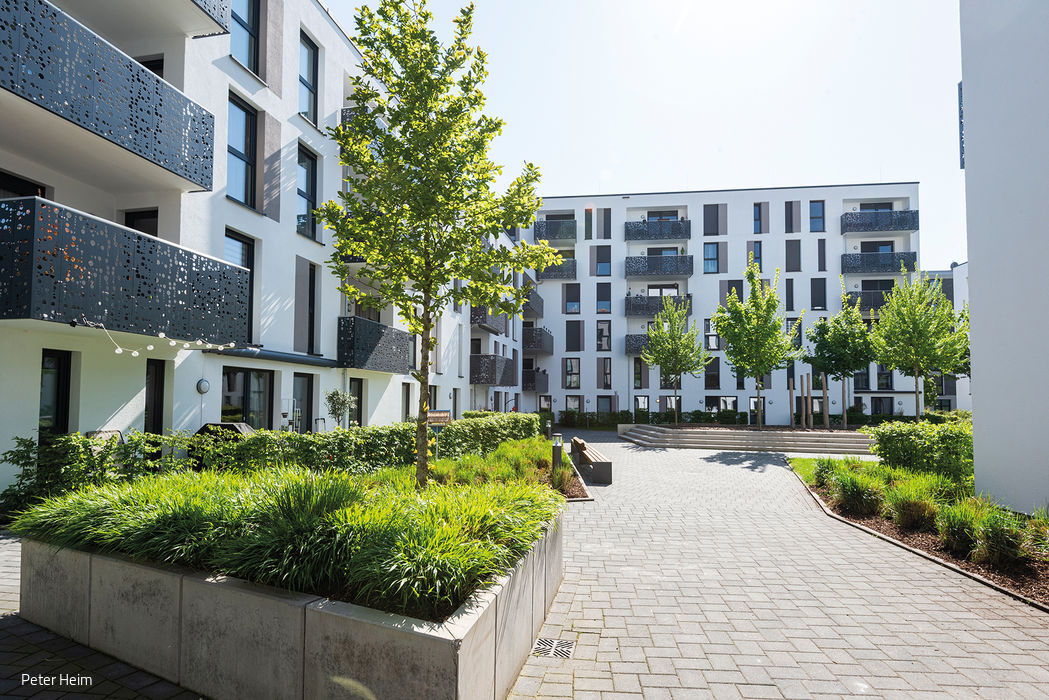
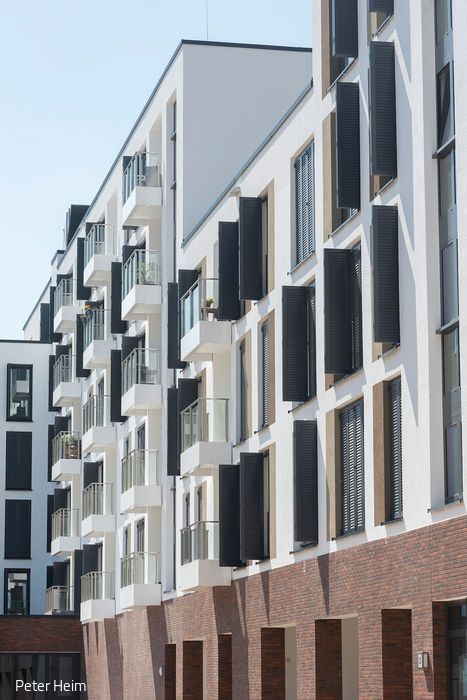
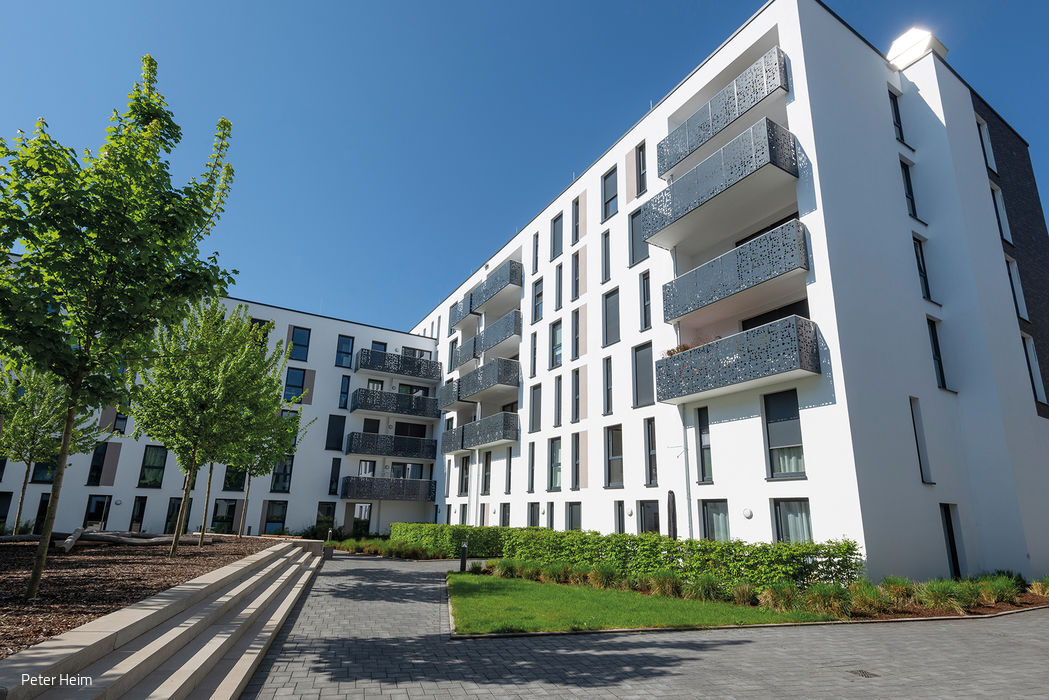
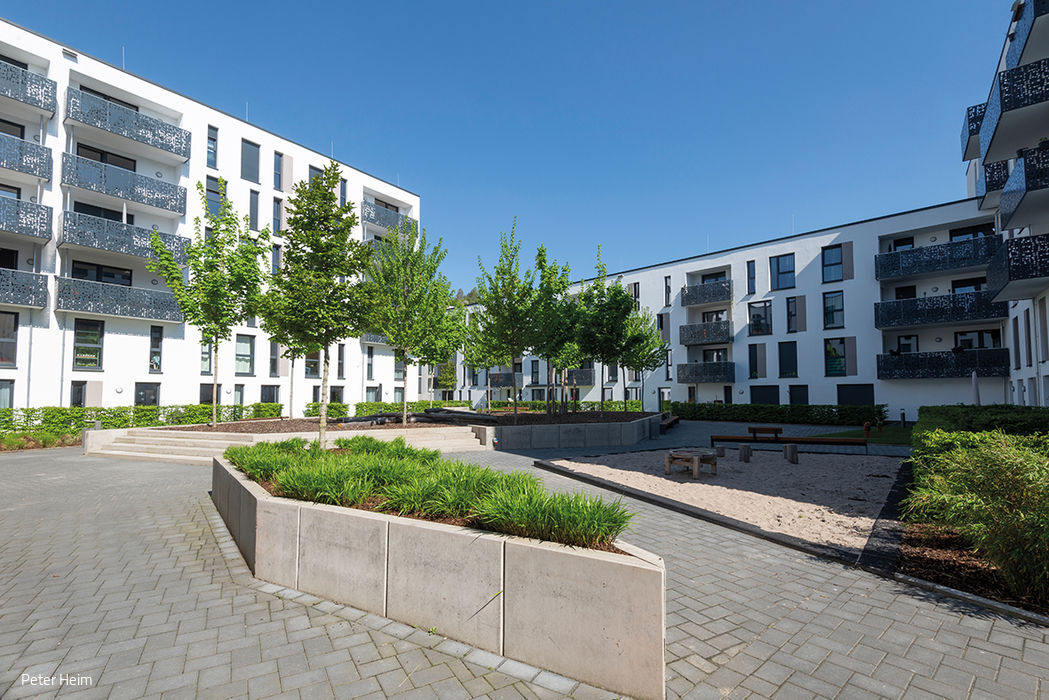
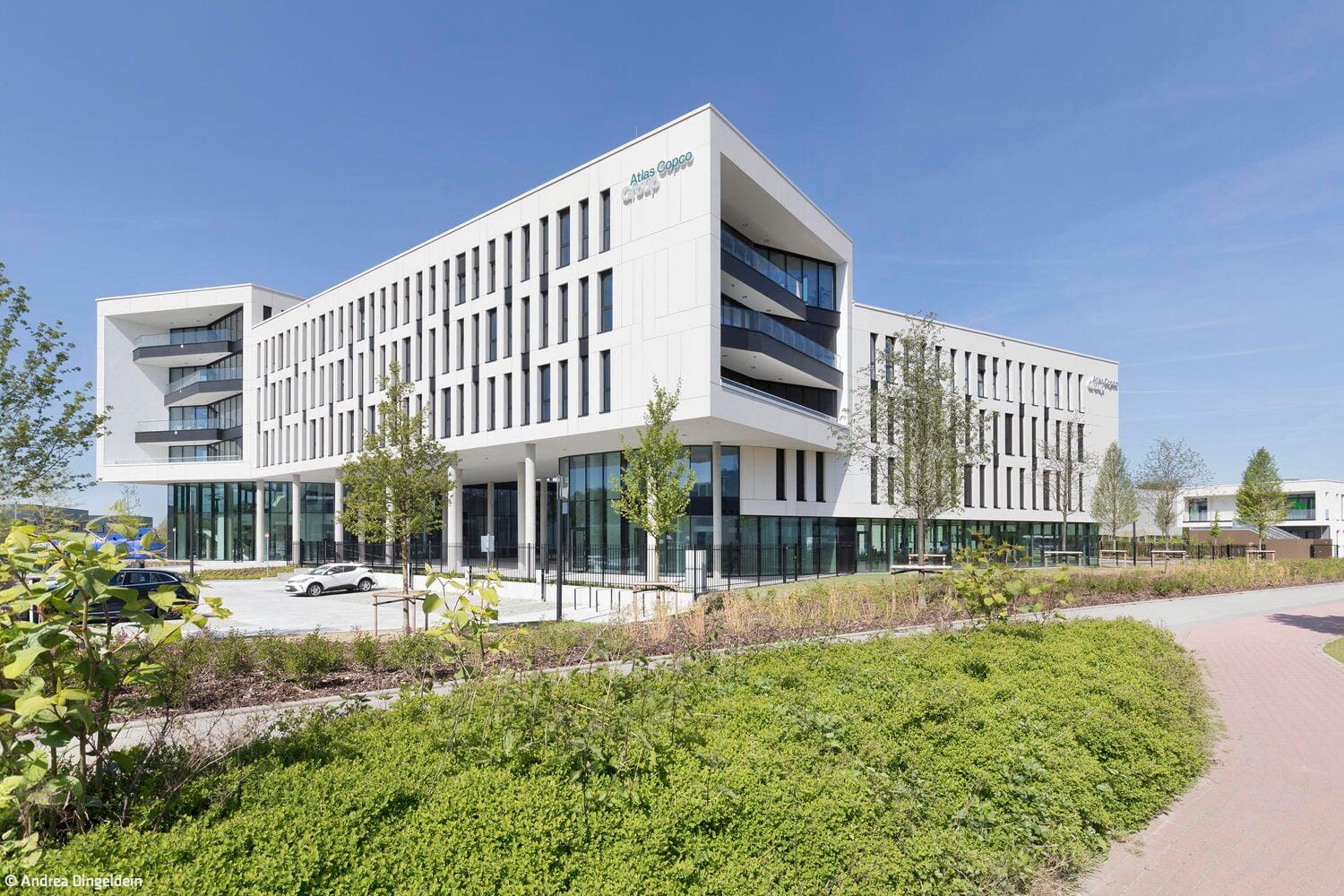
Esslingen's former freight yard is being reimagined as a research district. The innovative, sustainable Neue Weststadt urban quarter now rising on 12 hectares combines residential apartments, office and commercial space, and a new campus for Esslingen University of Applied Sciences. The entire district operates on a climate-neutral model, strategically integrating green hydrogen into its urban design to achieve annual CO₂ emissions below 1 tonne per resident for housing and mobility. RVI, a Saarbrücken-based developer founded in 1973, partners on this flagship urban project, constructing five climate-neutral residential and commercial buildings between Fleischmannstraße and Eugenie-von-Soden-Straße as part of the "Lok.West" complex. Together they provide over 450 units, each named after historic locomotives and trains—a nod to the site's industrial heritage.
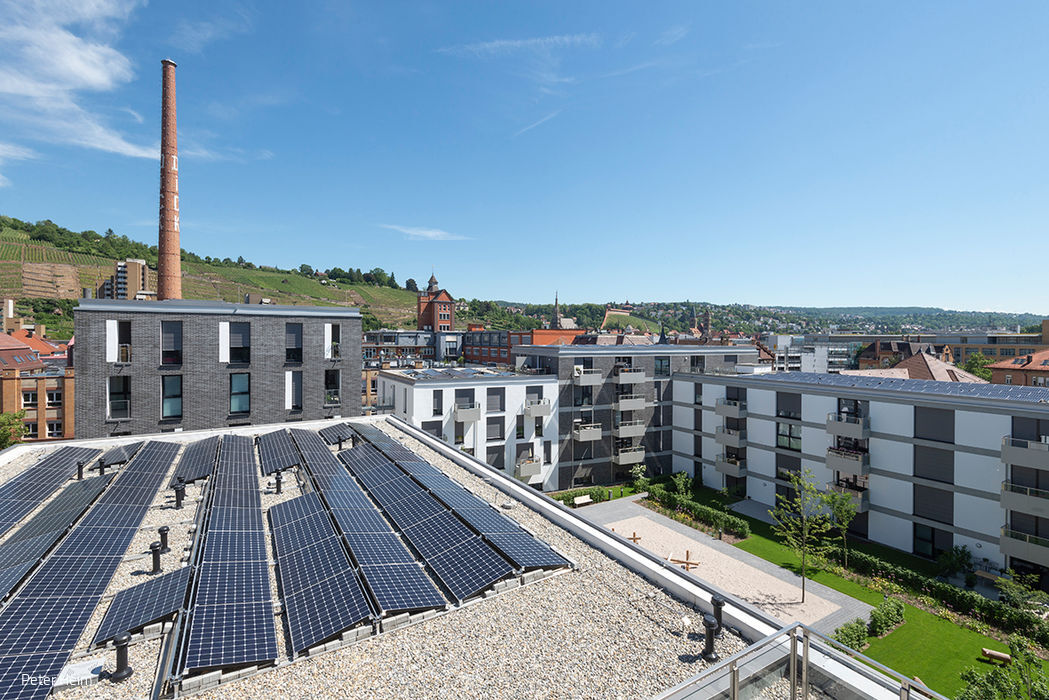
Nestled among green spaces, local amenities, and a vibrant neighbourhood square, the new buildings create an appealing urban fabric that blends modern workplaces, diverse residential options, and varied leisure opportunities. The Béla, Citadis and Desiro blocks are already occupied, with an additional subsidised housing unit and a landmark office tower expected by 2026. All RVI buildings participate in the Federal Ministry for Economic Affairs and Climate Protection and the Federal Ministry of Education and Research's "Solar Construction/Energy-Efficient City" initiative, which tests urban CO₂ neutrality in practice. The district's technological core is an integrated energy system coupling electricity, heating, cooling, and mobility. An electrolyser transforms surplus renewable power—sourced locally and regionally—into green hydrogen (H₂), converting intermittent energy into storable fuel. When the neighbourhood needs electricity again, the hydrogen can be rapidly and cleanly converted back through combined heat and power plants. Excess hydrogen feeds into the city's natural gas network for long-term seasonal storage and sector decarbonisation, while additional quantities support industry and transportation beyond the district's boundaries. Planned infrastructure includes an H₂ filling station, charging facility, and gas network connection point. This forward-thinking energy concept recently earned the Neue Weststadt climate district the 2022 Reallabore Innovation Prize in the sustainability category.
Photography Credits:
Peter Heim
(Published in CUBE Stuttgart 03|22)
A Hotel Takes a Stand on Color
A Reimagined Design Hotel in Stuttgart with Unmistakable Character
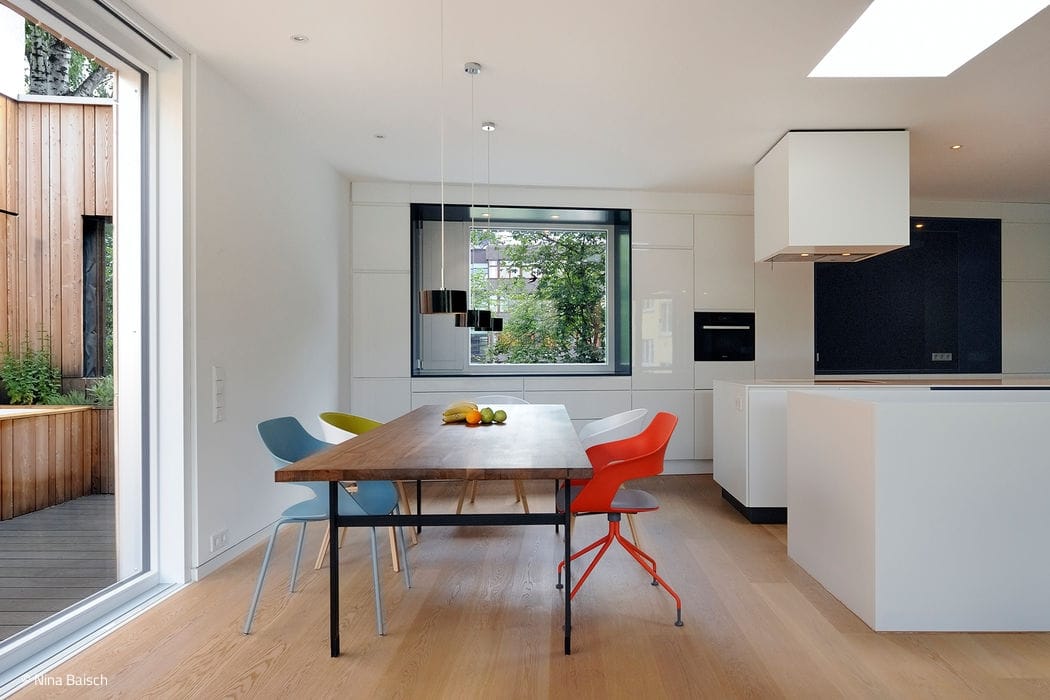
Timber Home in a Turn-of-the-Century District
An open staircase serves as the focal point of this residential and commercial building, drawing light from the skylight down through to the ground-floor entrance and...

Las Vegas in Stuttgart
Upscale renovation of a single-family home
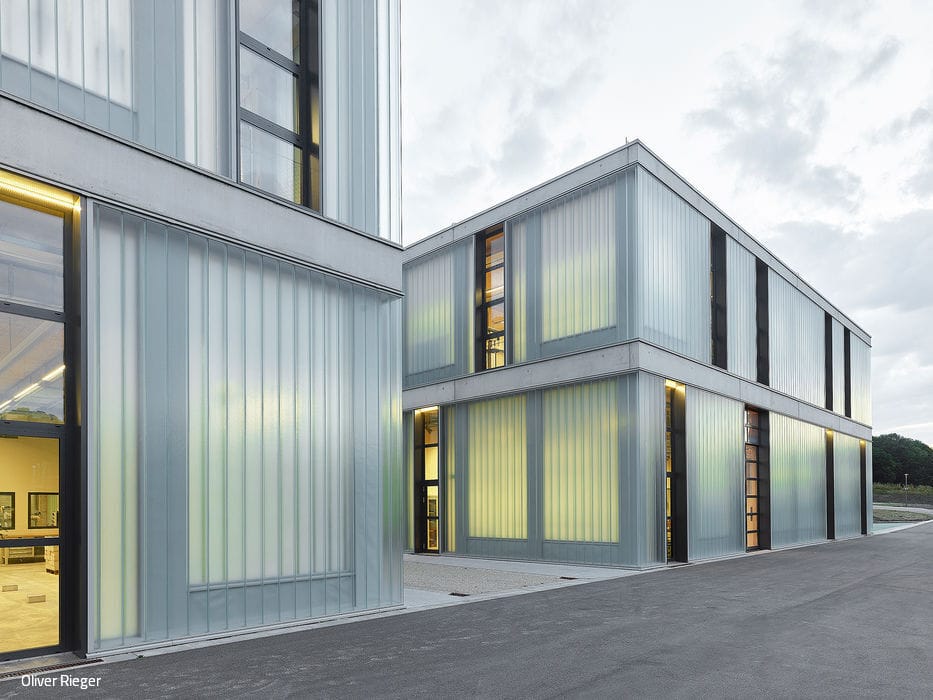
Effortlessly United
Expansion buildings with recyclable profiled glass facades elevate school campus design