


Open-Plan Living
Reinterpreting the Berlin Block through Contemporary Housing Design


Situated south of the Spree on Ackerstraße, this residential complex reimagines the archetypal Berlin block. The scheme comprises a frontage building on Arcostraße alongside five detached rear pavilions, housing 111 apartments in total – half of which are subject to rent controls. The ground floors feature a shared courtyard that combines small-scale commerce and a daycare facility.
Breaking with the monolithic form of late 19th-century Berlin blocks, competition winners Bruno Fioretti Marquez replaced rigid perimeter walls with parallel gallery walkways – creating a more permeable and cohesive ensemble. When construction commenced, Hamburg-based firm blrm (formerly "blauraum") took over as lead architect for Gewobag, the municipal housing authority. Their design strategy was clear: dismantle the fortress-like rigidity of the traditional Berlin block. The street-facing frontage transforms into a staggered sequence of five interconnected houses, varying between four and six storeys. Behind this protective barrier, five pavilions are deliberately offset from one another, replacing what would have historically been side wings. The eastern perimeter building shields the rear residences from street noise while serving a dual purpose – the "front houses" appear conventionally accessible via stairs and lifts, yet from the first floor upward, gallery passages thread through to the garden houses, blurring the distinction between public and private. The freed-up site accommodates generous lawns and a playfully designed playground, complete with a sculptural metal slide descending from the first floor to the sandpit. These galleried walkways achieve something vital: they create a light, open weaving of buildings that naturally encourages resident interaction and establishes genuine shared space.
The result is refreshingly unconventional urban living – a relaxed environment where gardens and terraces become natural gathering points for community and connection.
Photography:
Joshua Delissen
www.joshuadelissen.de
(Published in CUBE Berlin 02|24)


Glass sculpture with a mind of its own
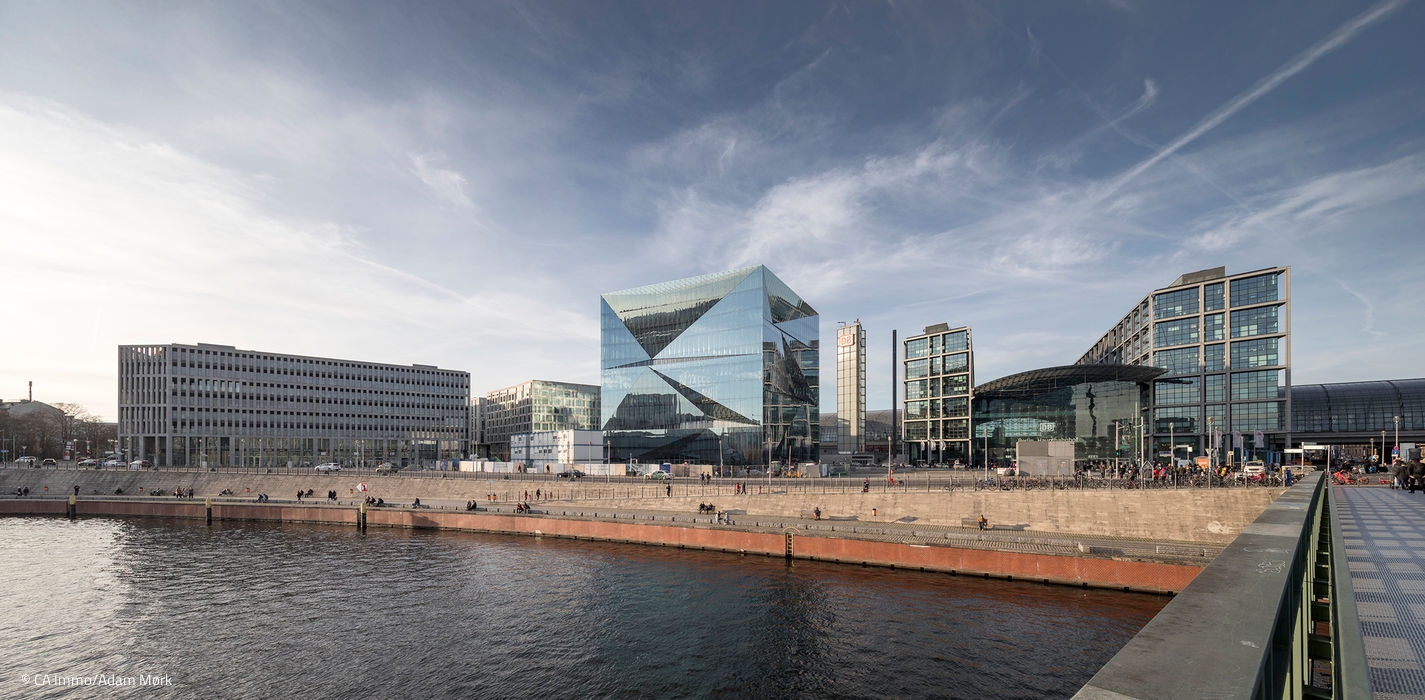
This cube-shaped structure reads as an abstract modern sculpture from every angle. Its folded glass façade captures the surrounding streetscape in kaleidoscopic fragments...
The Future of School Design
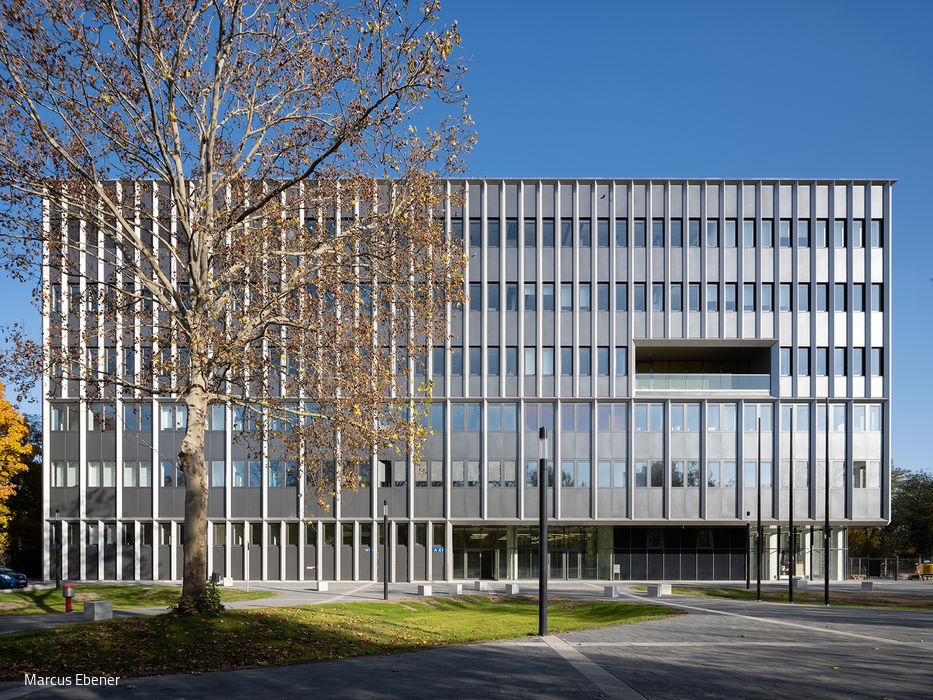
A daring approach to a compact, six-storey square building where circulation patterns and spatial organization are thoughtfully configured...
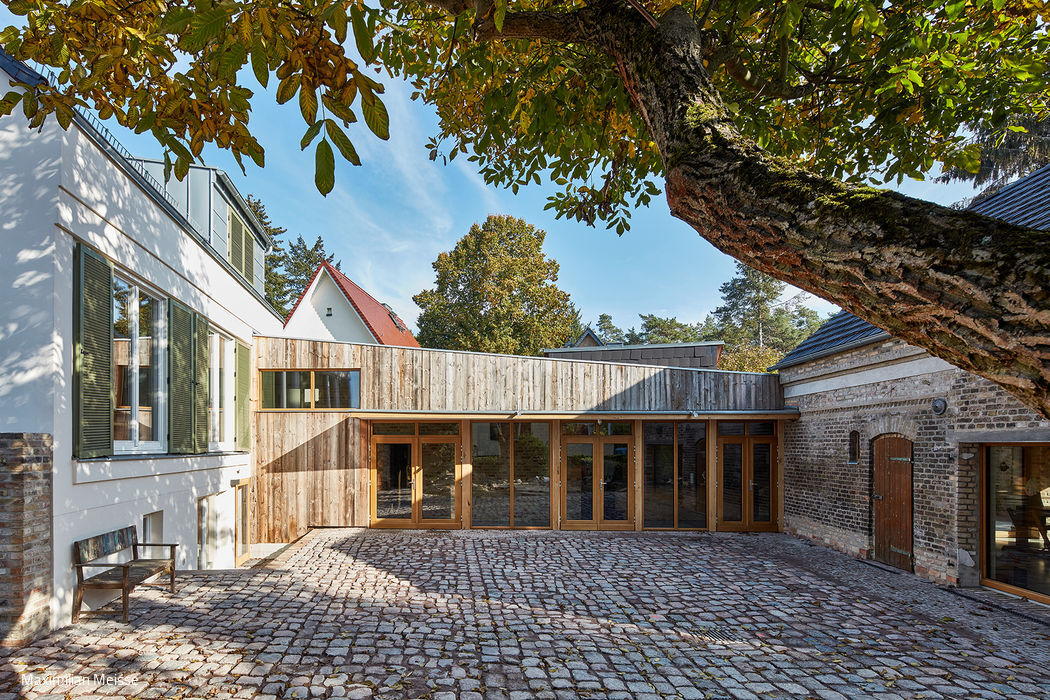
A Village Gem Restored
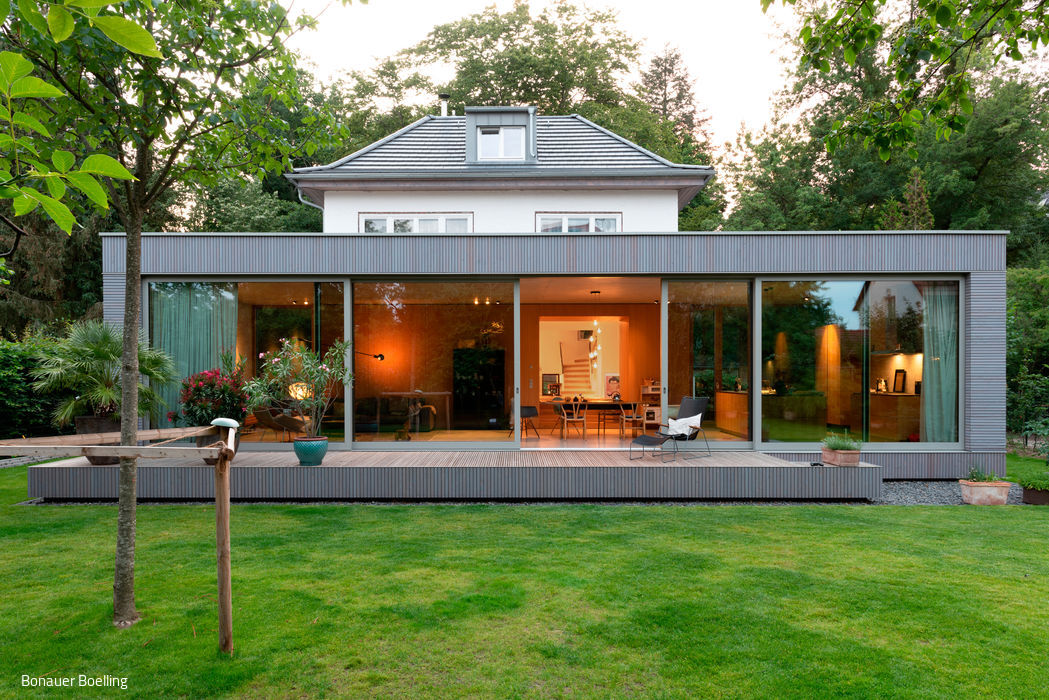
The front building and carriage house were linked by a third flat volume, freeing the primary residence from everyday functions like cooking and dining, leaving it almost entirely...
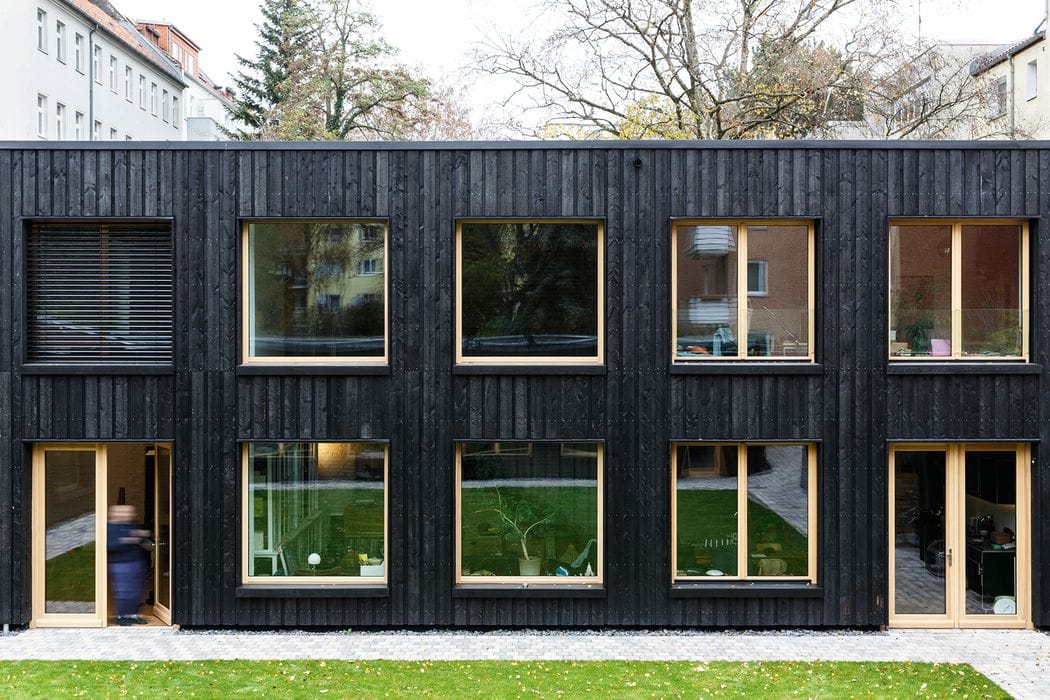
Courtyard Within a Courtyard
Converting Backyard Garages into Creative Studios and Living Spaces