


Colour doesn't have to mean bright
Atmosphere in urban spaces, architecture, and interior environments profoundly affects human well-being

CUBE: Why did you never consider pursuing a career as a classical architect?
Prof. Dr. Axel Buether: The day-to-day reality of architectural practice was rather disillusioning for me. While working as an assistant on residential and social housing projects at Brandenburg Technical University, I had to teach my students how to design. The truth is, there simply isn't a systematic tool for professionally shaping atmospheric spaces. It's more of a gut feeling—one person likes it colorful, another prefers something more understated—but understanding why atmosphere matters in the first place, what it does to us, how we perceive color, and how to systematically integrate all of that into the design of architecture, urban spaces, buildings, and interiors—these crucial aspects were almost completely absent from architectural education.
CUBE: So your decision to move away from classical architecture wasn't about standing out, but rather about finding a way to do it better and develop new tools beyond the conventional approaches available to you?
It was less about standing out and more about understanding. I pursued a doctorate at the intersection of perceptual psychology and neuroscience because I wanted to understand how we perceive space. Today we know that views of green outdoor spaces and the sky are beneficial for our health. People with access to these views have better health outcomes, live healthier lives, and report greater well-being. When urban spaces are designed monotonously or with jarring, purposeless color schemes—both equally problematic—people feel uncomfortable. These spaces are often avoided and frequently marked by high crime rates, poverty, and related issues. This taught me that through thoughtful atmospheric design in urban spaces, architecture, and interiors, I can actually influence how people behave and experience their environment. I can enhance their well-being, health, and motivation.
You're recognized as a leading global color expert and renowned color researcher in the German-speaking world. What draws you to the subject of color?
Initially, it was pure curiosity. I never imagined I'd dedicate my entire career—now going on 25 years—to this field. Currently, Germany's entire hospital landscape is being redesigned, which has enormous implications for my research. There's a significant gap in classical color theory, which is primarily rooted in artistic traditions, and what we need is evidence-based, scientifically verifiable, functionally-driven color design that moves beyond subjective aesthetics.
How did you come to the conviction that you wanted to understand what colors truly are and what makes them work, moving beyond conventional assumptions and clichés?
Color doesn't always have to mean vibrant. For me, achromatic colors are equally important colors. Black, white, and gray are essential. We work with, for example, 30 to 40 shades of white and several hundred variations of gray. Sunlight itself isn't pure white—it shifts throughout the day, correlating directly with hormonal activity in our brains. When we produce bright light with a more bluish tone—cool white—serotonin is released. We become more alert and can tackle focused tasks more effectively. Our entire world is inherently chromatic. In architecture, every element requires a color decision: flooring, walls, ceilings, furnishings. It's extraordinarily complex because we often work with objects that have 40, 50, or even 60 color decisions while maintaining a non-garish aesthetic. If designers shy away from this complexity—and that's where classical training falls short because of fear of color—they can easily make costly mistakes.
Could you elaborate on that?
My initial evidence-based research was conducted in hospital settings. By redesigning the color schemes in several intensive care units, we achieved a 30 percent reduction in staff sick leave and a 35 percent reduction in psychotropic medication consumption. Since then, we've continued seeking empirical evidence and setting specific goals. That, I believe, is what architectural design is fundamentally about: determining what you want to achieve with a space and for the people who inhabit it. Every project begins with intensive conversations with user groups. When those groups aren't yet identified, we research representative user profiles that can guide the design process.
Professor Buether, thank you for your time today.
Interview by Kelly Kelch
Photo:
Martin Jepp
www.martinjepp.de
Click here to listen to the full interview as a podcast.
(Featured in CUBE Berlin 04|24)

Brilliantly Conceived
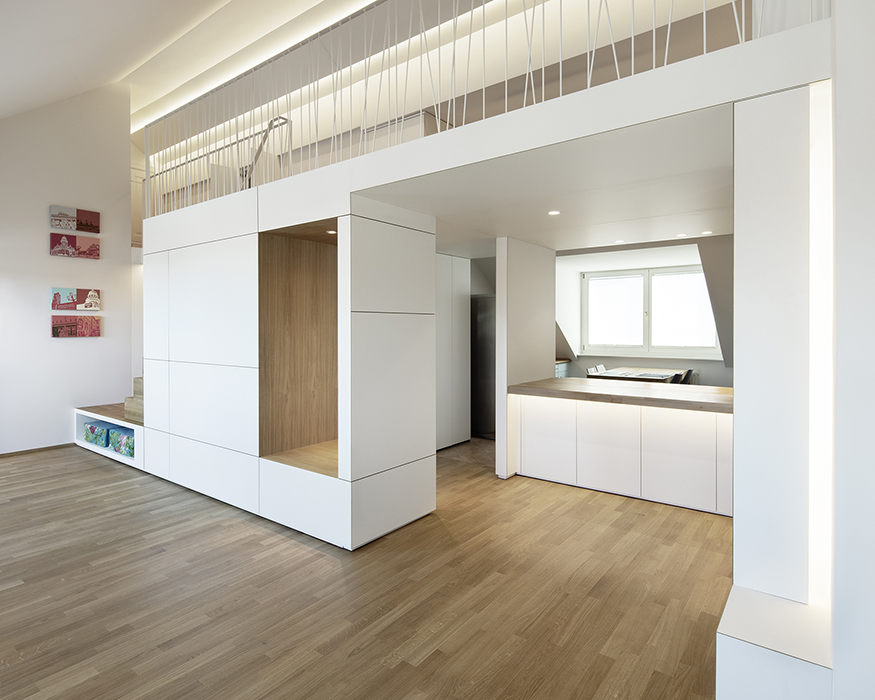
Add one smart piece of furniture, remove a few unnecessary walls—and the magic happens.
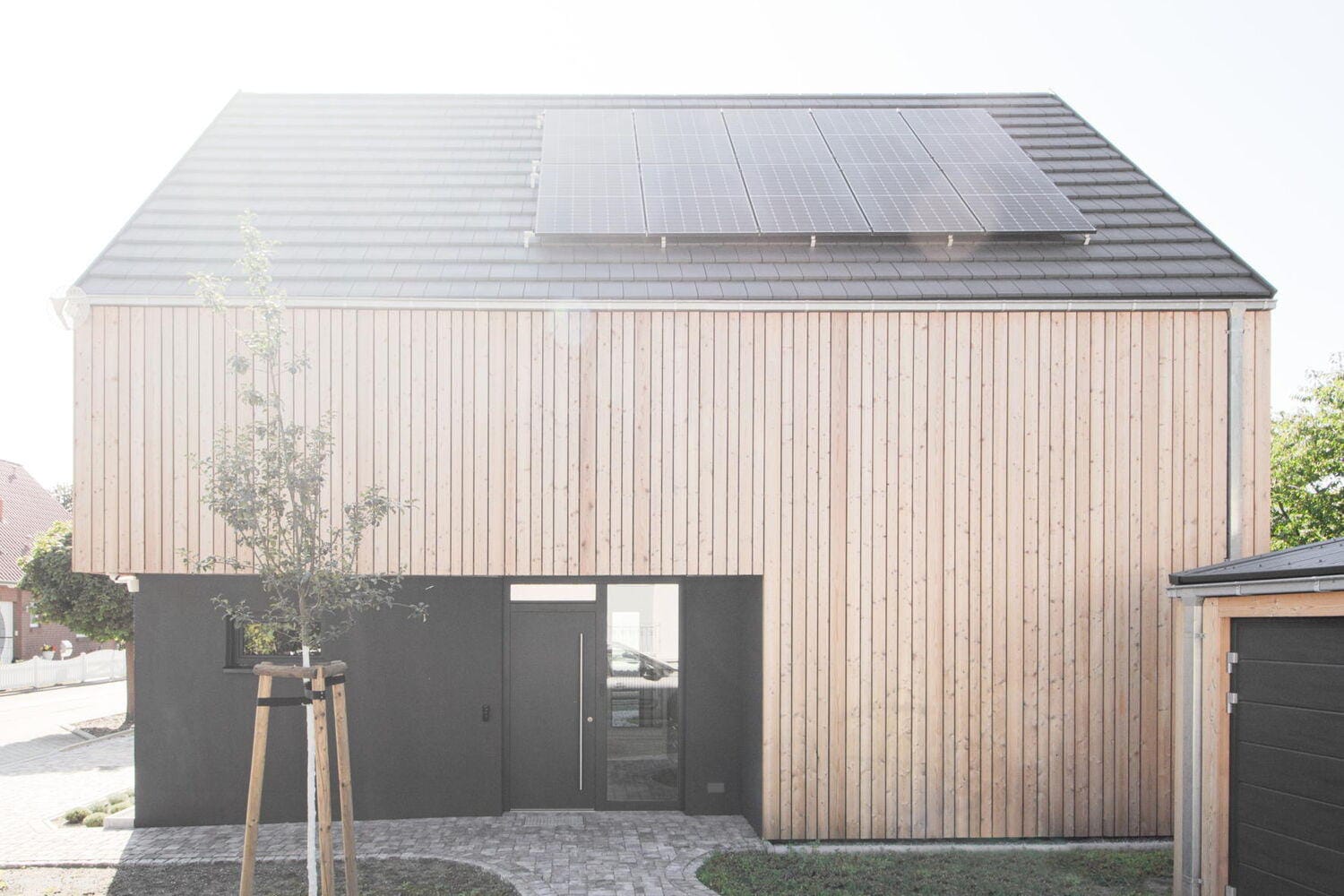
Camouflage
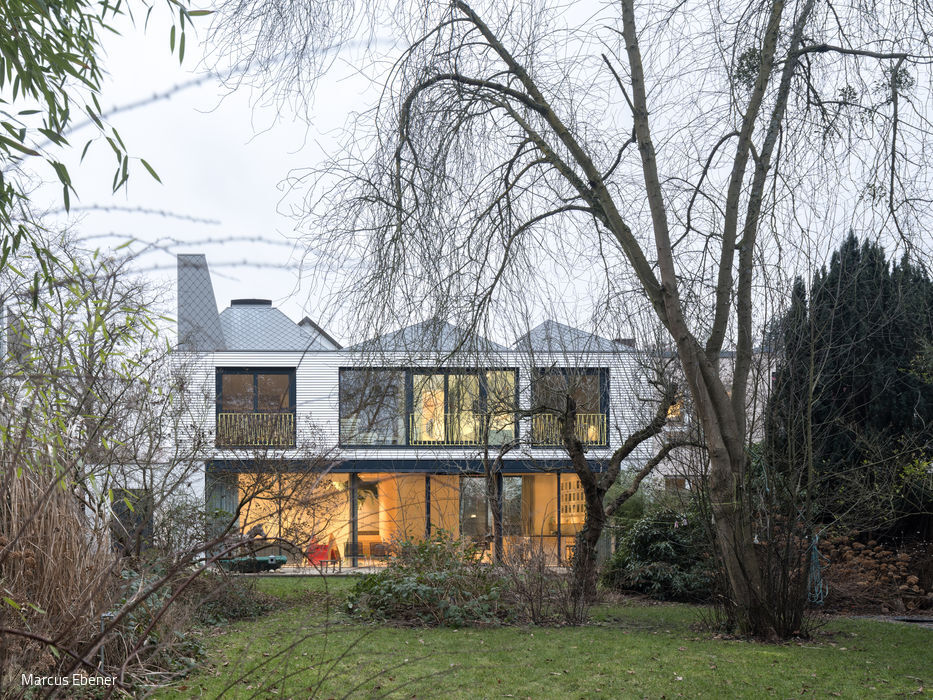
What appears to be solid construction reveals itself as an ecologically thoughtful timber house
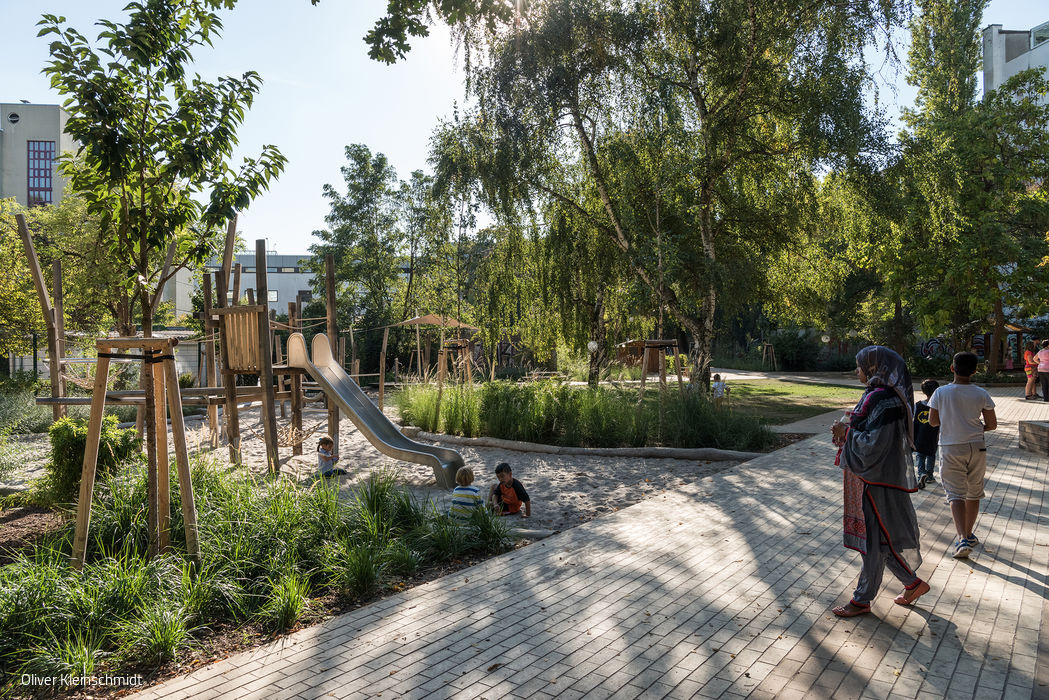
Play, Explore, Create & Learn
A Holistic Garden Design for Children of Every Age
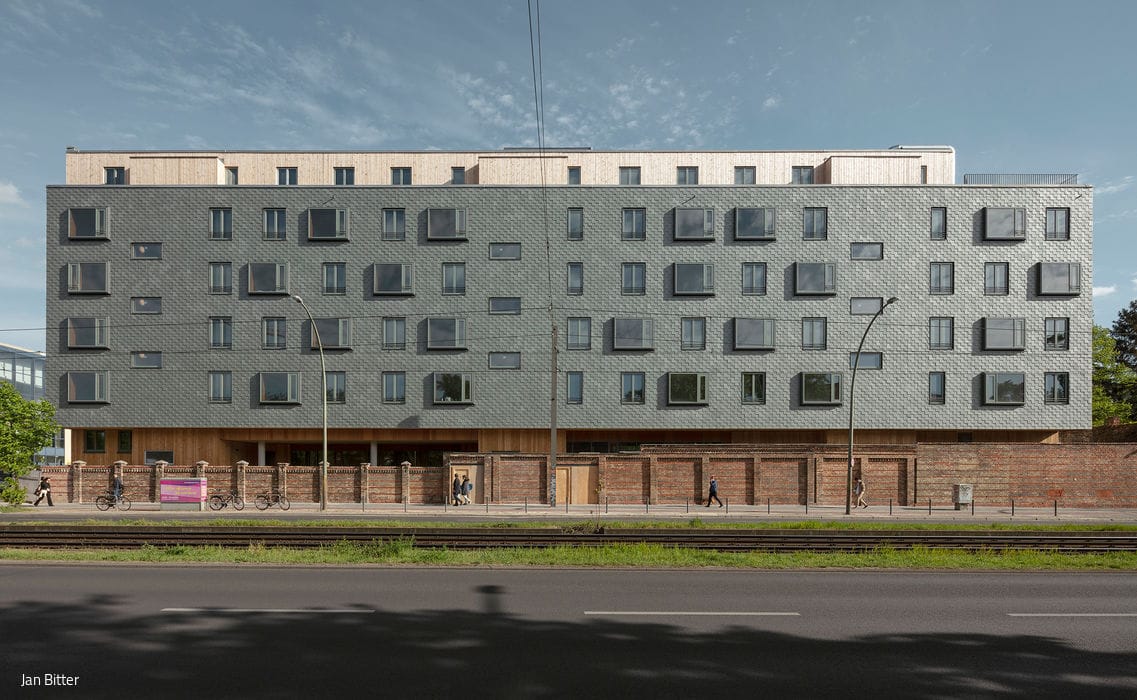
Building with Wood
One of Berlin's largest timber buildings takes shape in Friedrichshain.