


People, Nature, Architecture
A corporate headquarters transformed—where nature becomes part of the design and creates meaningful identity
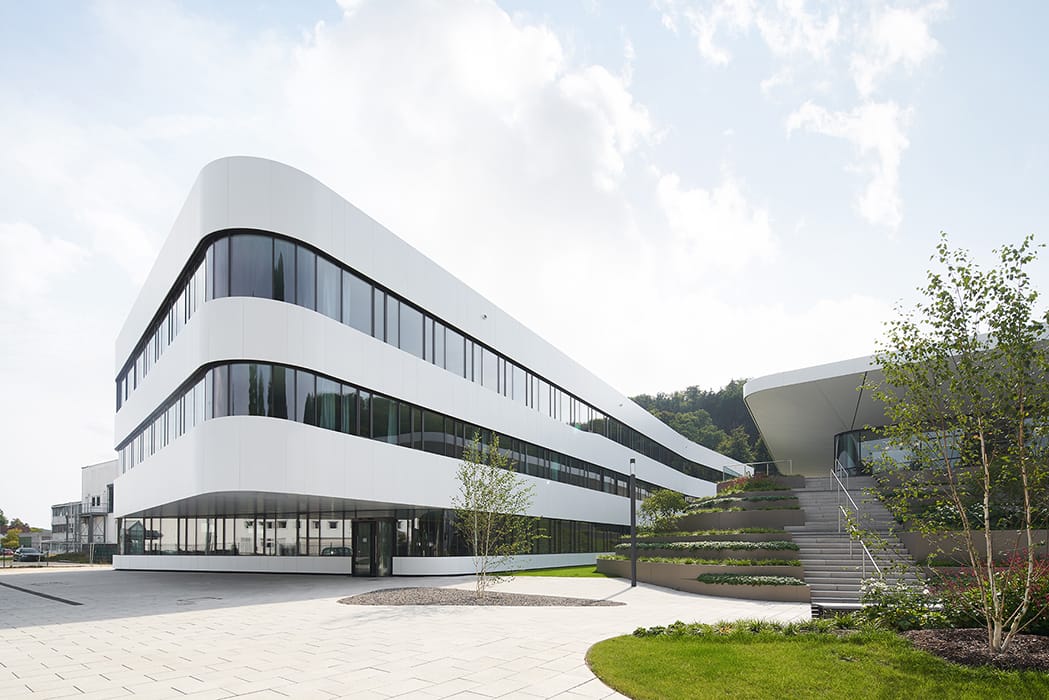
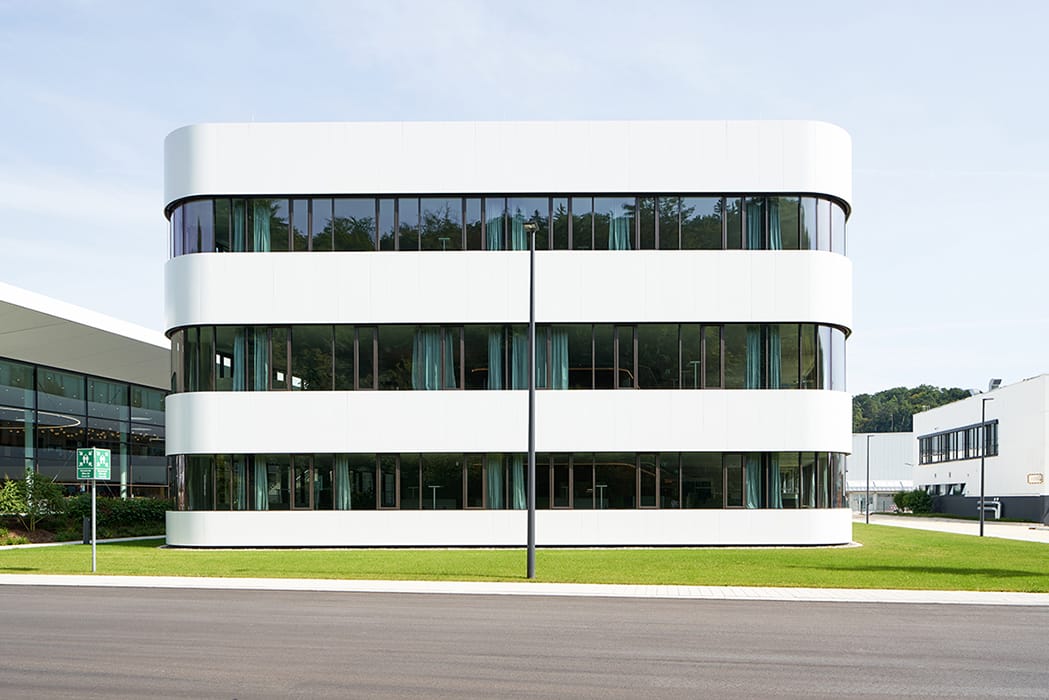

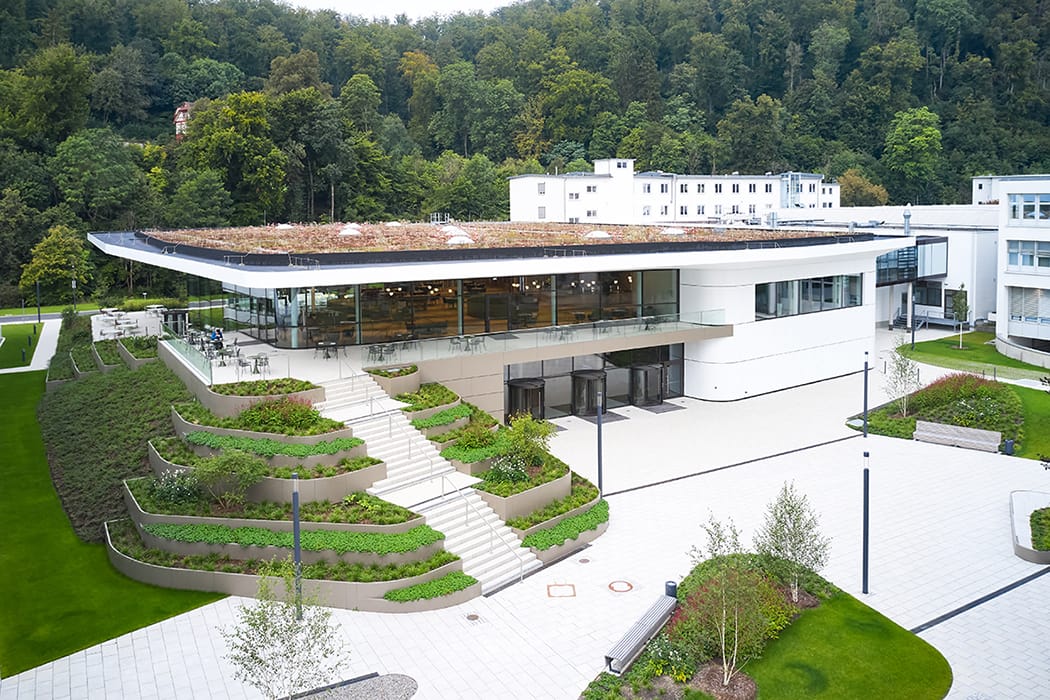
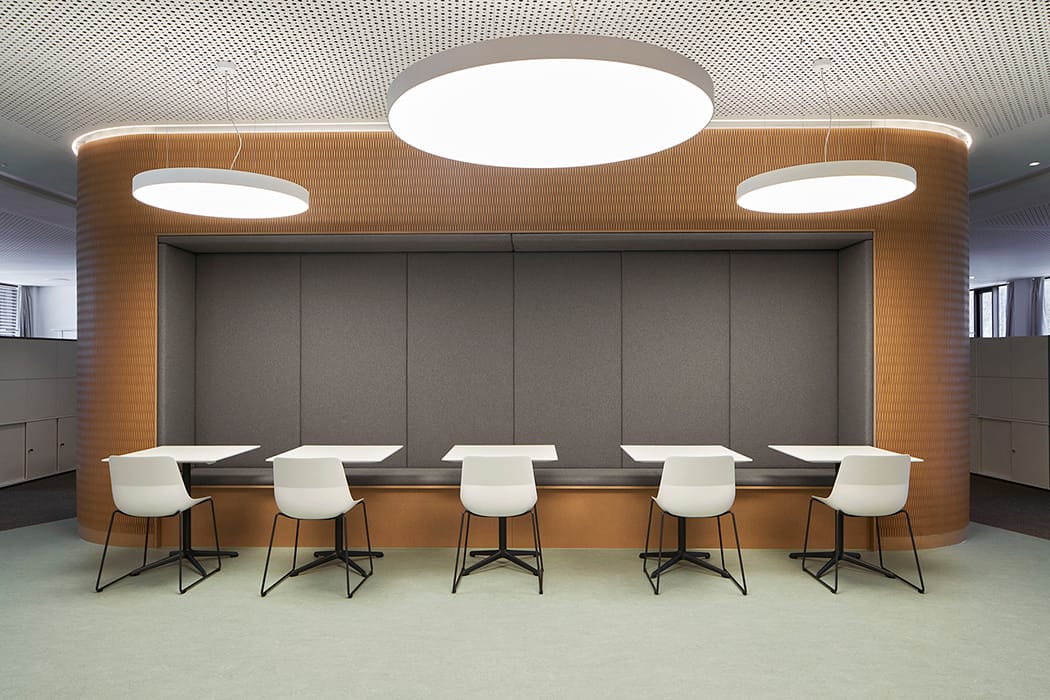
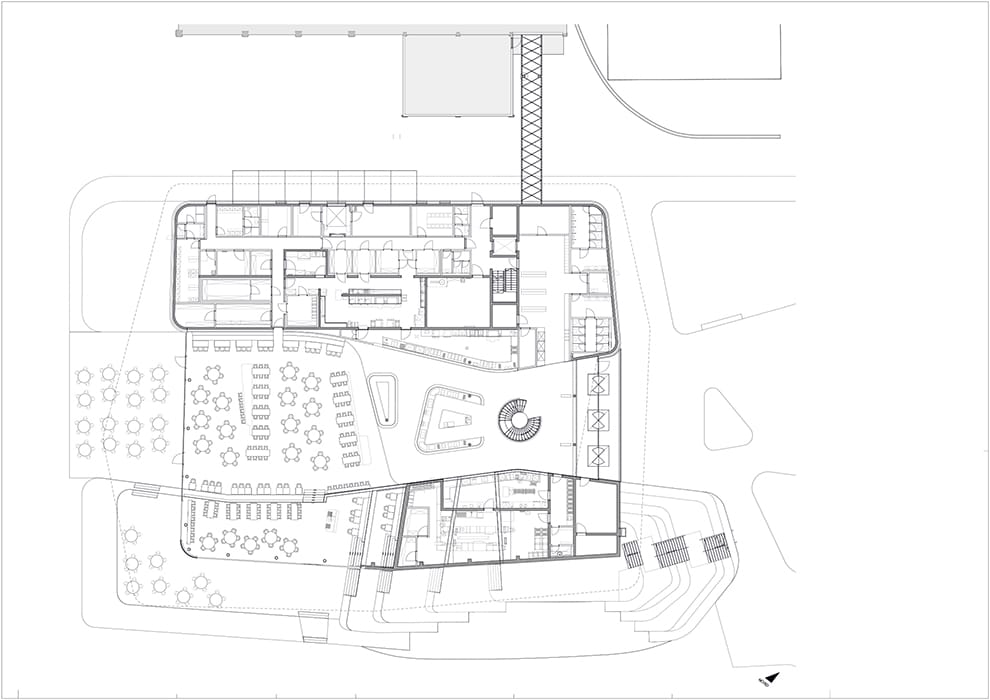
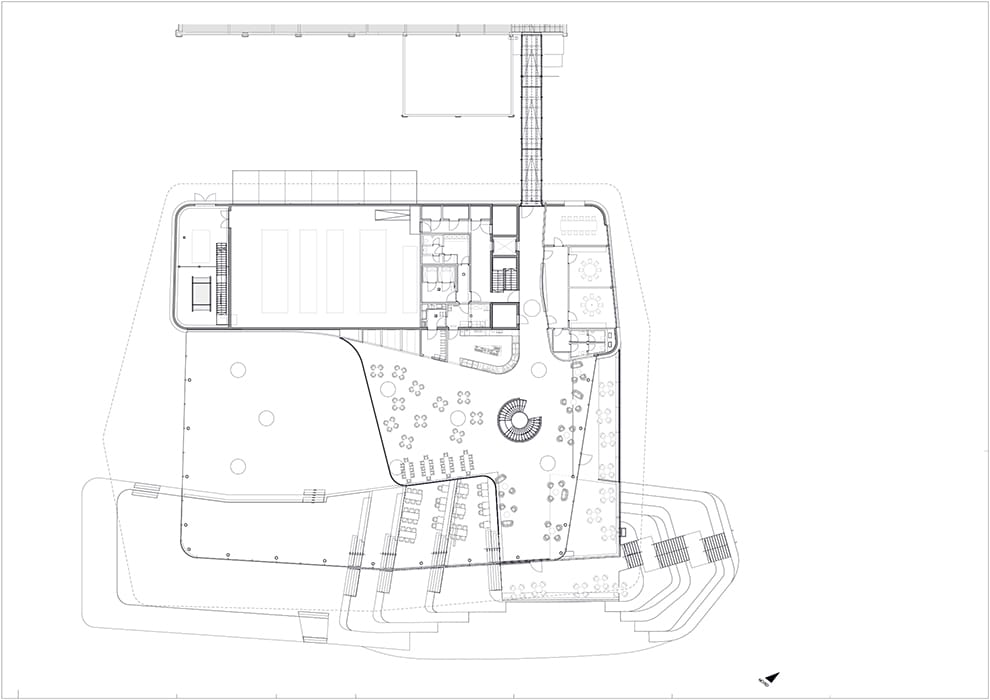
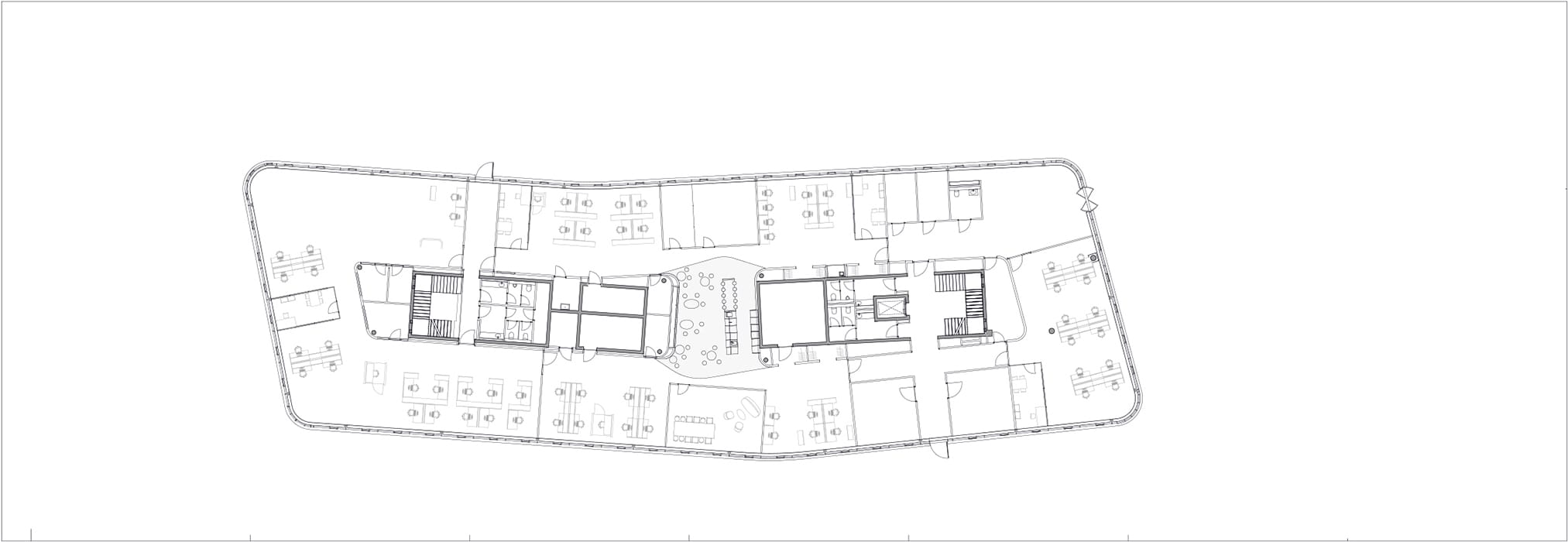
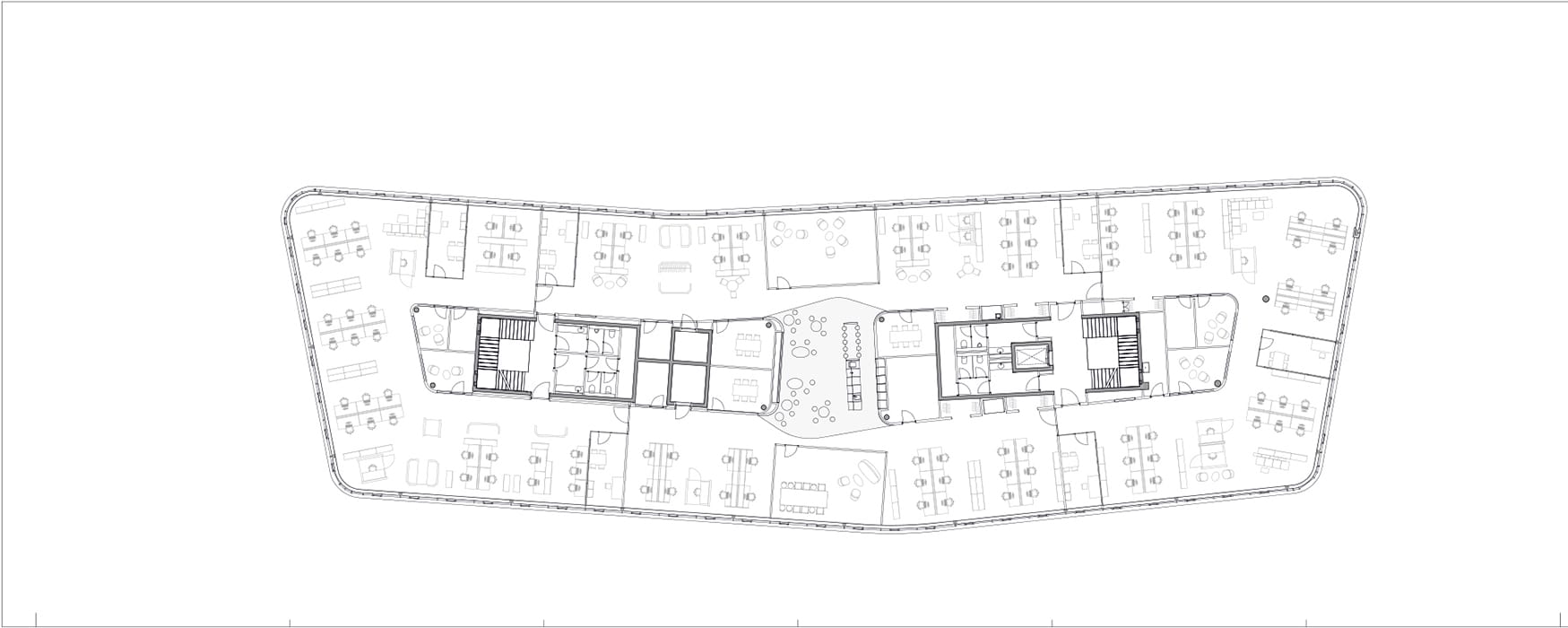
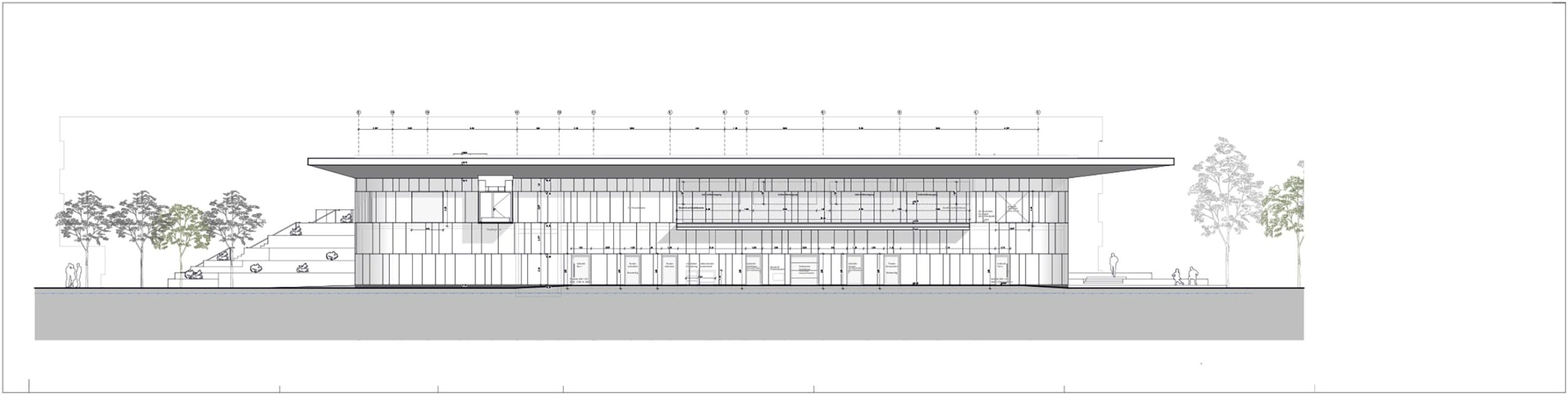
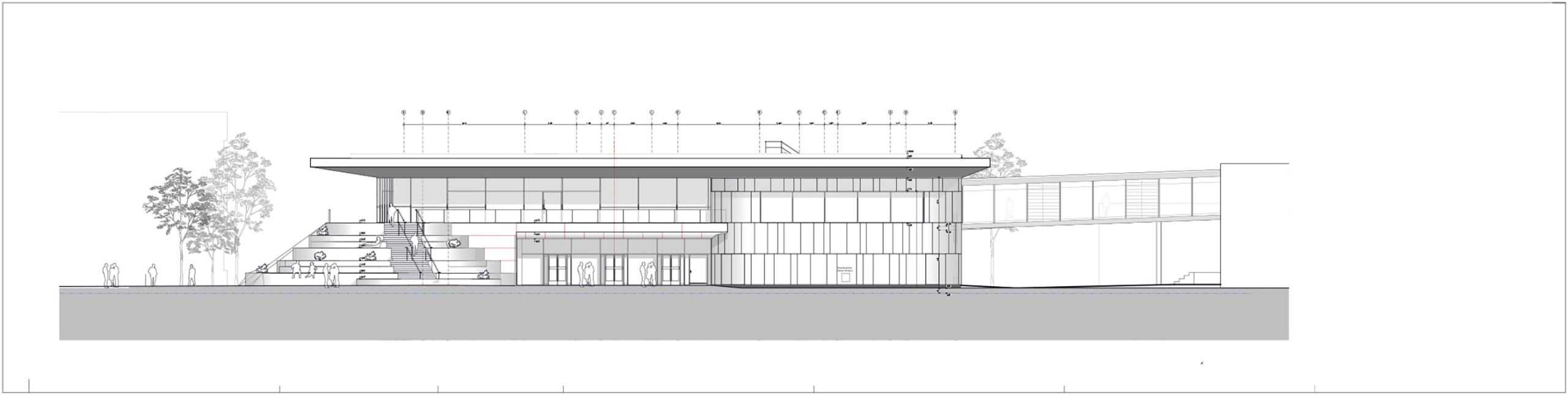
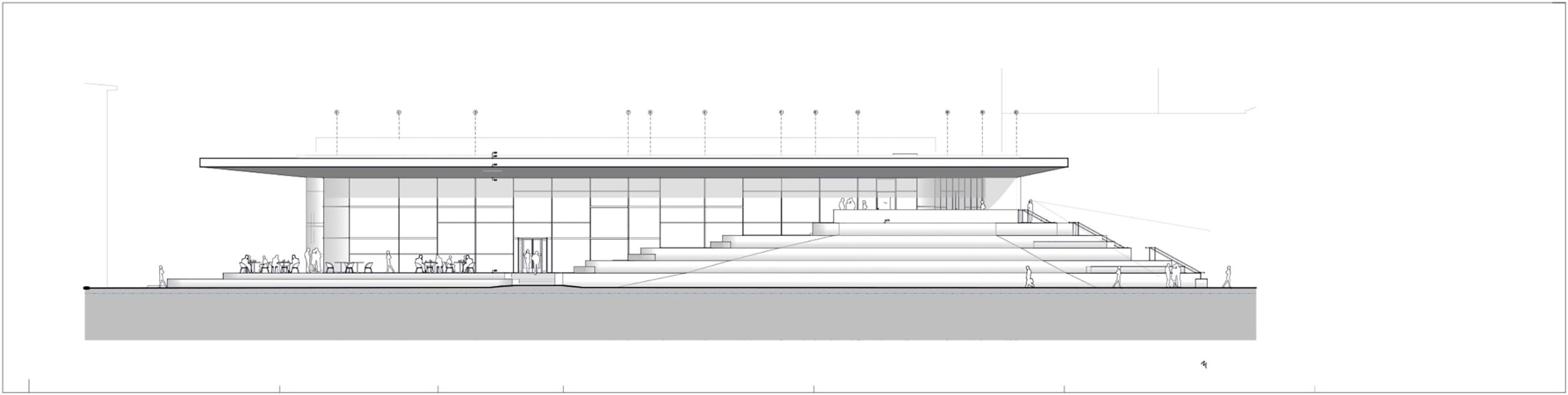
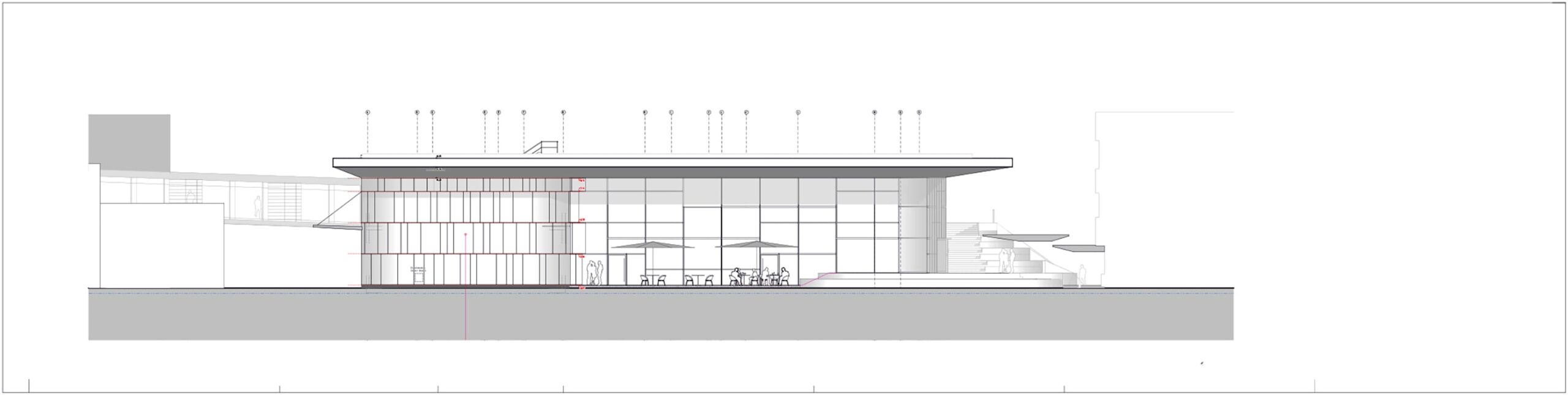
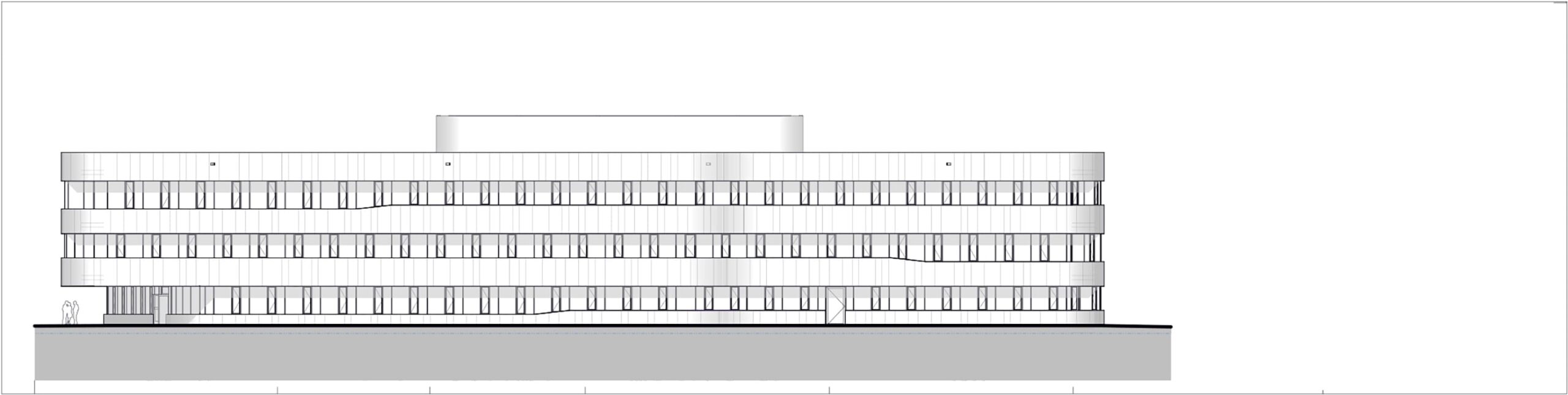
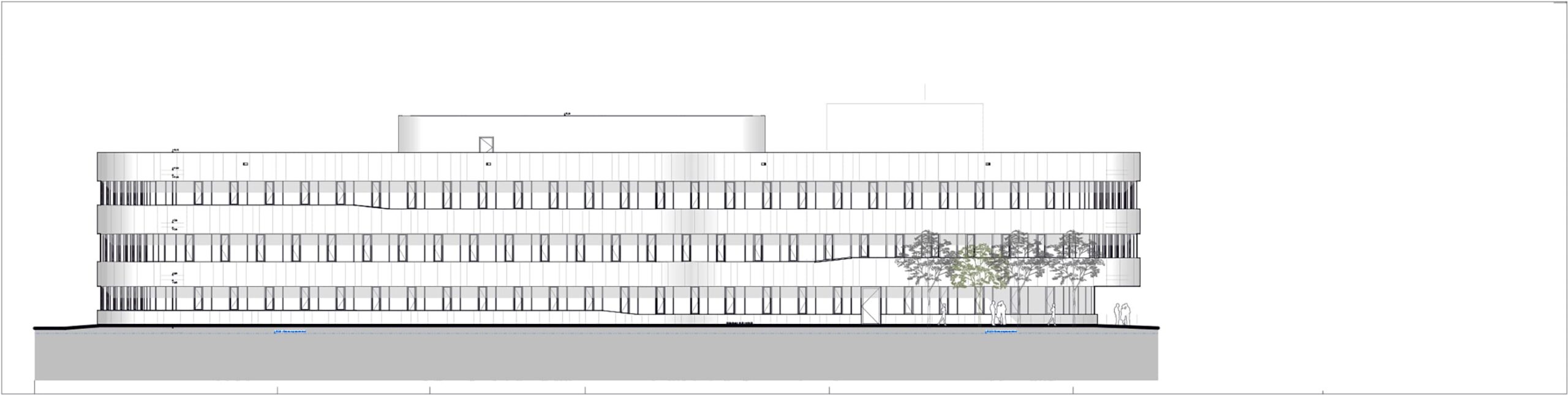
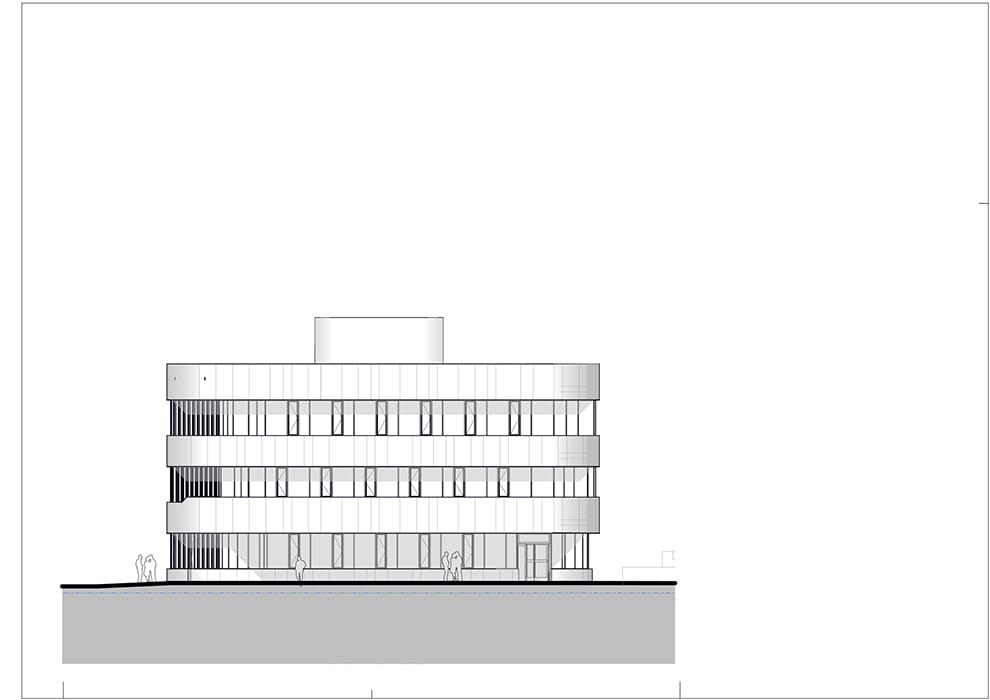
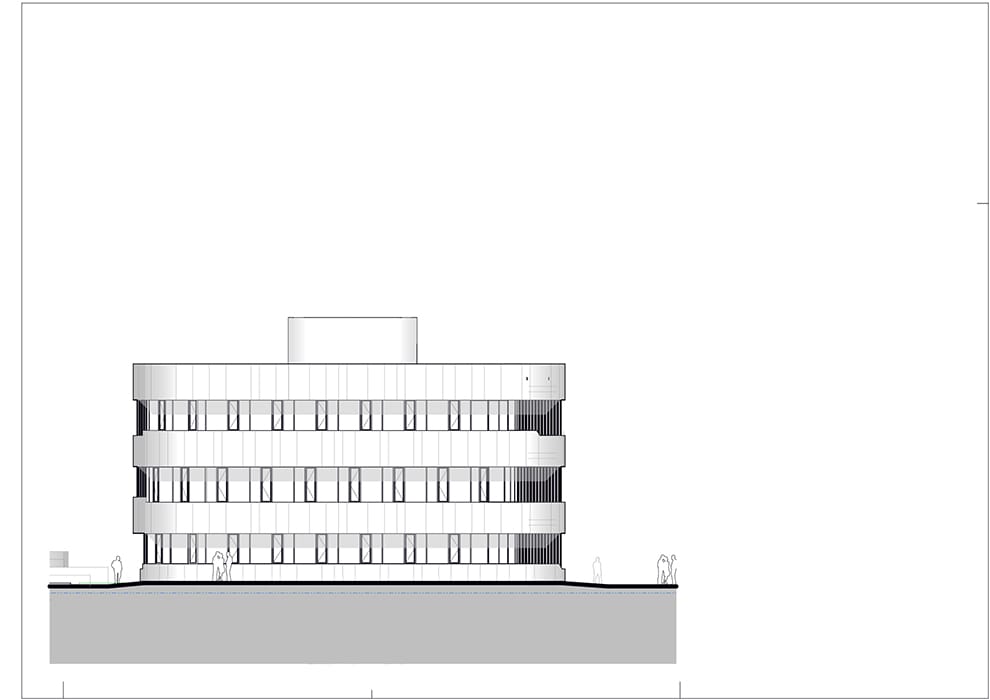
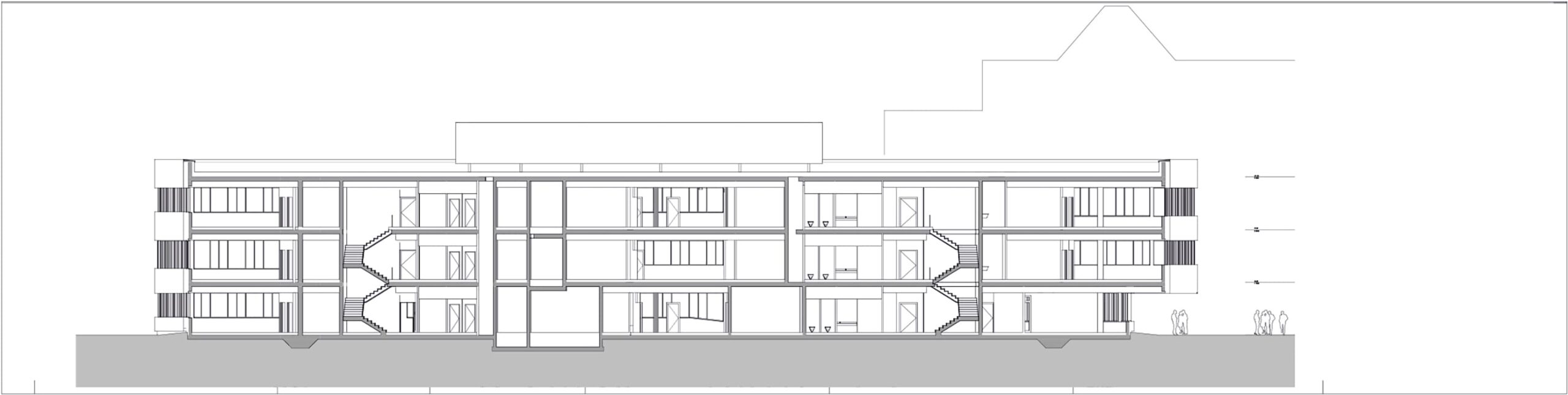
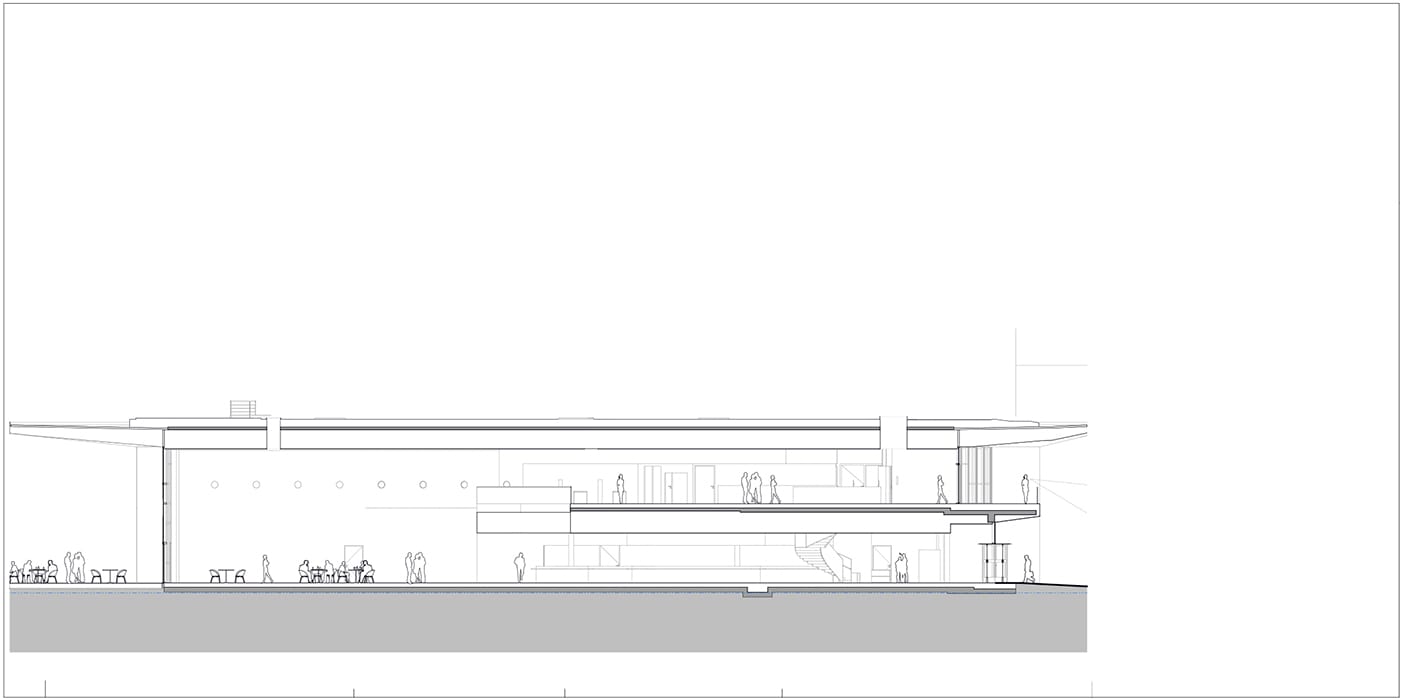
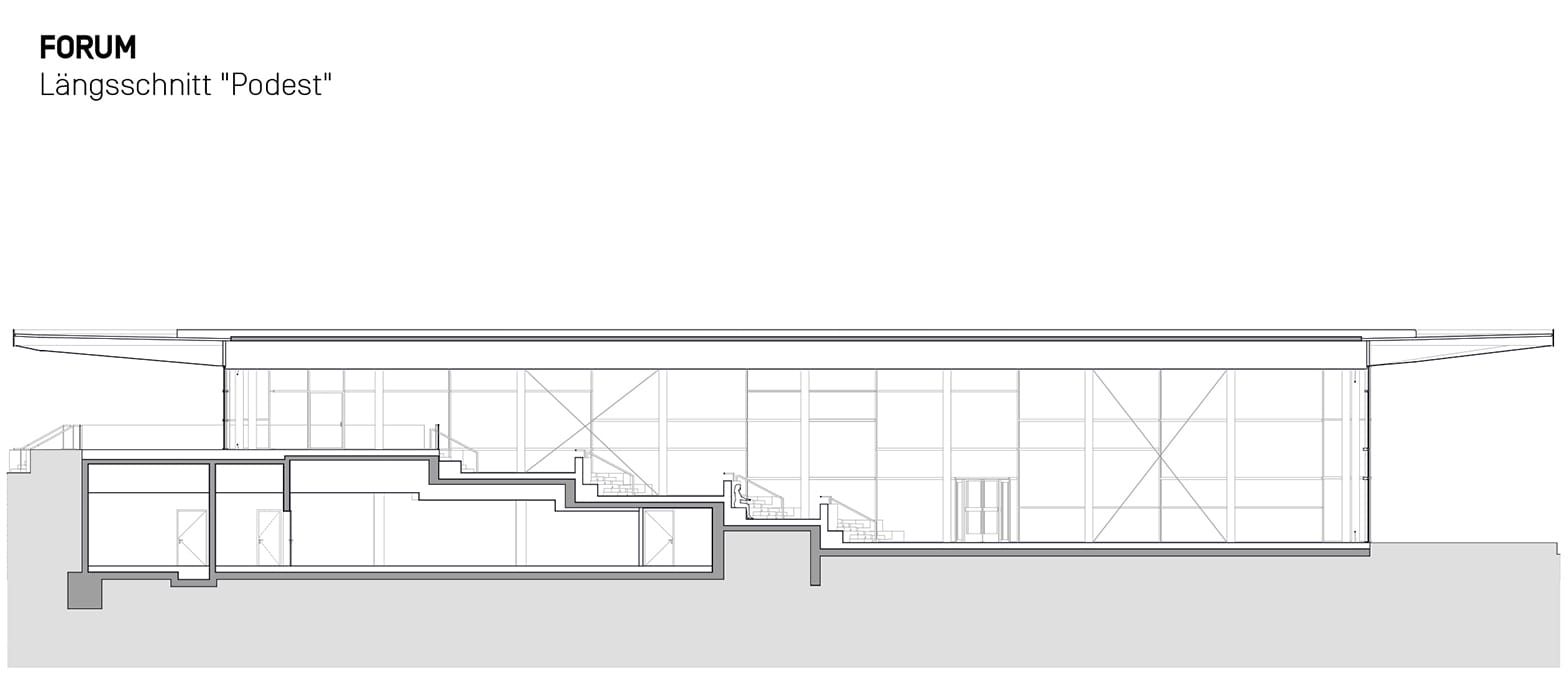
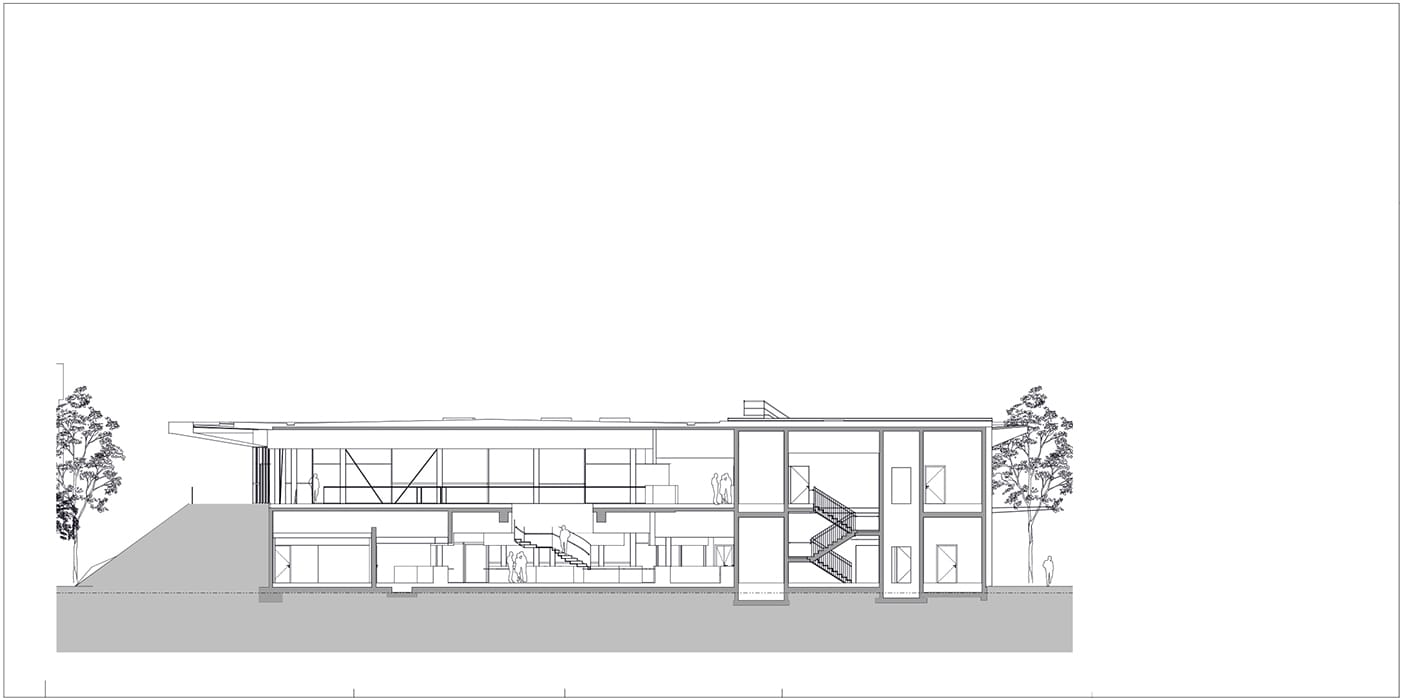
After clearing the premises through selective demolition, the medical and care products company Hartmann had the opportunity to reimagine and expand its 200-year-old headquarters. Working with architectural firm Nething, they crafted a forward-thinking master plan that breaks the project into independent phases, allowing flexibility in implementation. A central spine connects all new construction to existing buildings, with its flowing curves creating seamless transitions between old and new. The first phase—completed in mid-2021—delivered both the office building and the forum.
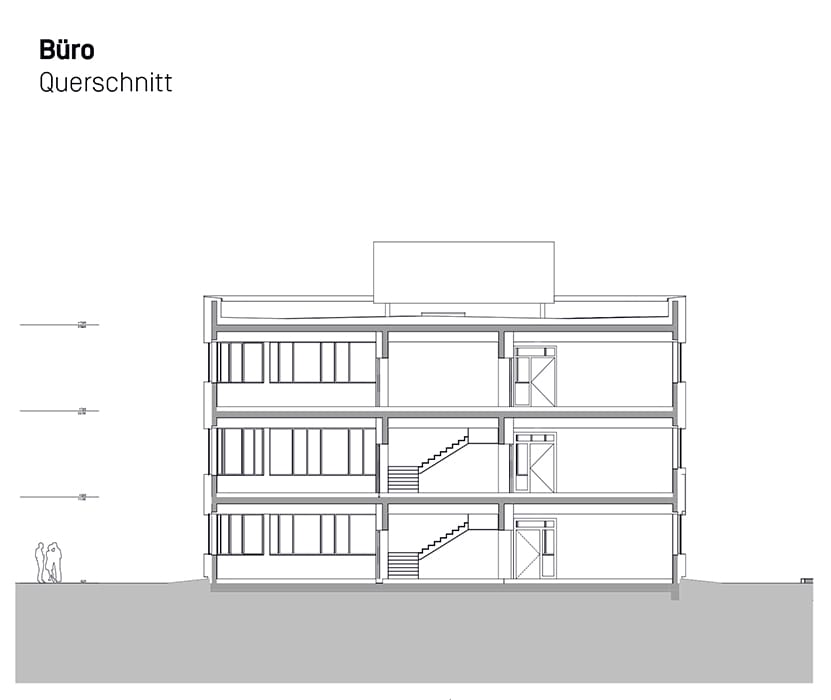
The office building provides 330 workstations and, together with the forum, anchors employee identity while fostering creative collaboration. Its soft, organic form conveys care and a commitment to serving people—a striking contrast to the building's sophisticated, matte-reflective white metal façade. The main entrance sits on the northeast side, where cantilevered upper floors create a covered threshold that welcomes visitors toward both the gatehouse and forum. Internally, a functional core runs through every floor, organizing meeting rooms, focus areas, restrooms, and a kitchenette while maintaining the organic language of the exterior. The office spaces are designed for flexibility—adaptable to open-plan, cubicle, or private office configurations. A smart mechanical infrastructure allows individual offices to be added later at regular intervals, ensuring the building evolves with the company's needs.
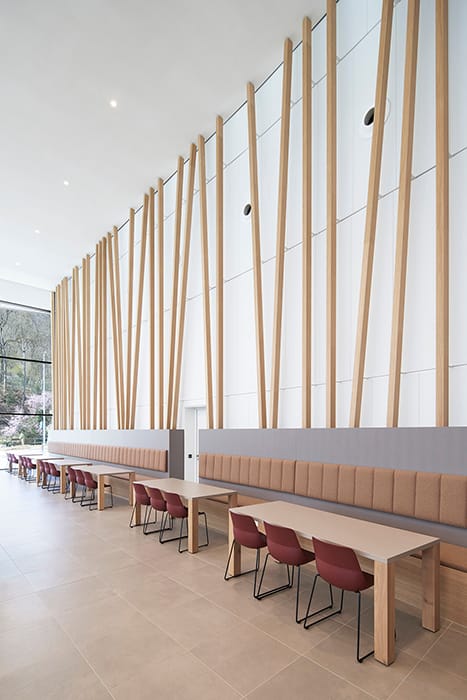
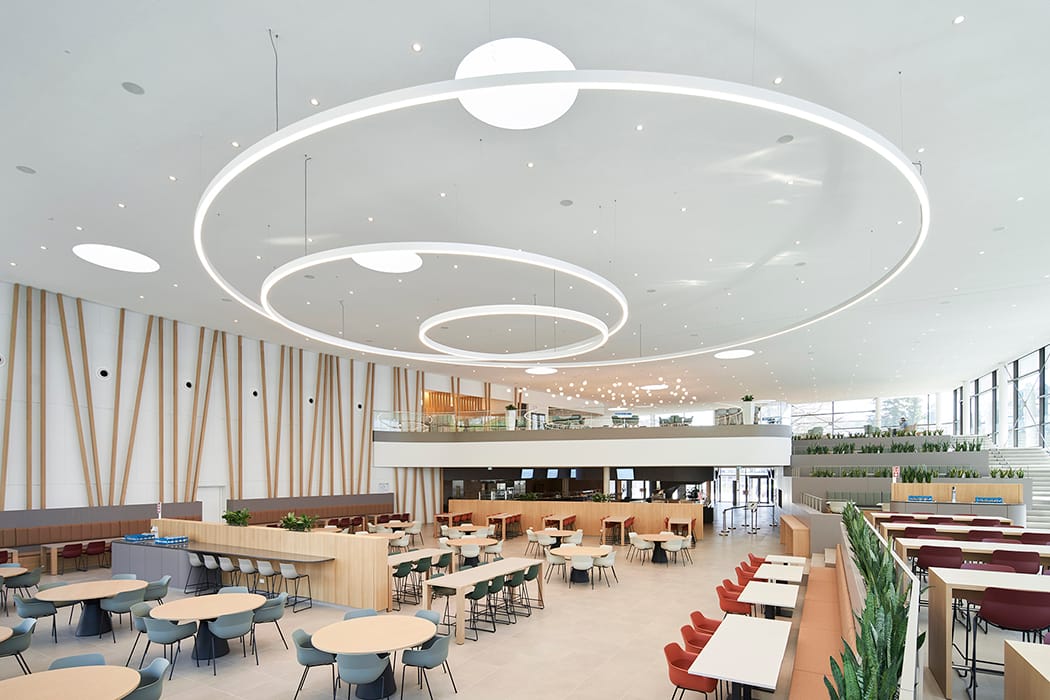
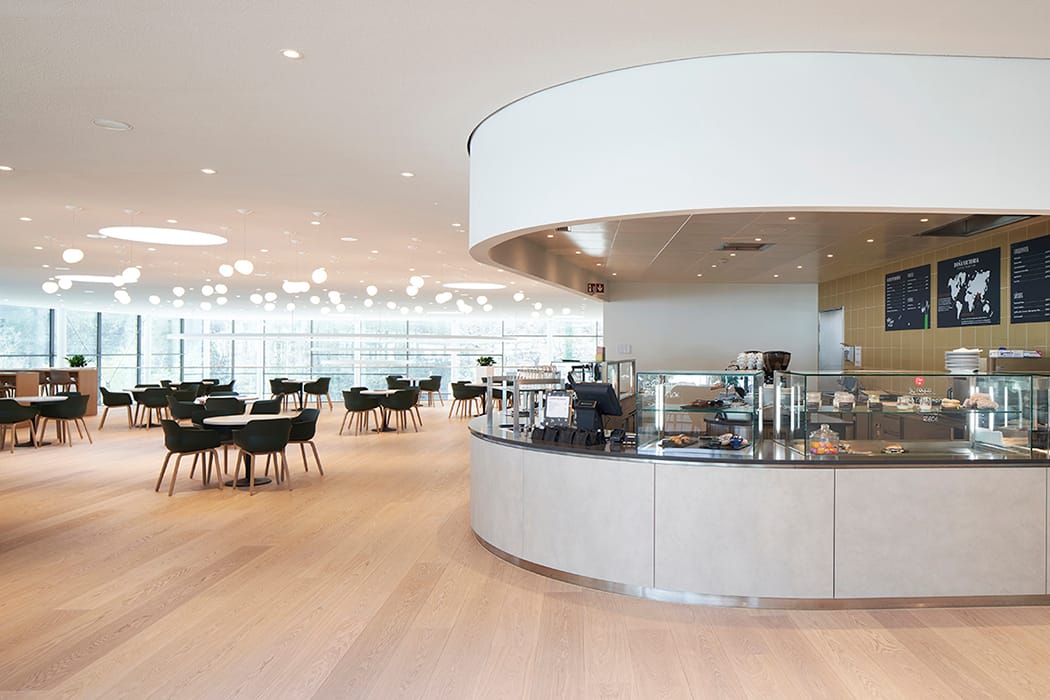
Where the spinning mill's historic wheels once turned 200 years ago now stands the Forum—a welcoming hub that honors the past while embracing the future. It brings together a staff restaurant, cafeteria, and meeting spaces in a design centered on merging interior and exterior, with nature—particularly the nearby Brenz river—playing a defining role. Multiple levels create a sense of movement: the ground-floor restaurant flows into the upper-level cafeteria via terraced platforms, while an artificial hill leads visitors through the interior. A sweeping glass wall, reaching up to 8.15 meters high, dissolves the boundary between inside and out, drawing the river and landscape directly into the heart of the space.
Photography Credits:
Matthias Schmiedel
www.matthiasschmiedel.de
(Published in CUBE Stuttgart 04|22)


Under Three Roofs
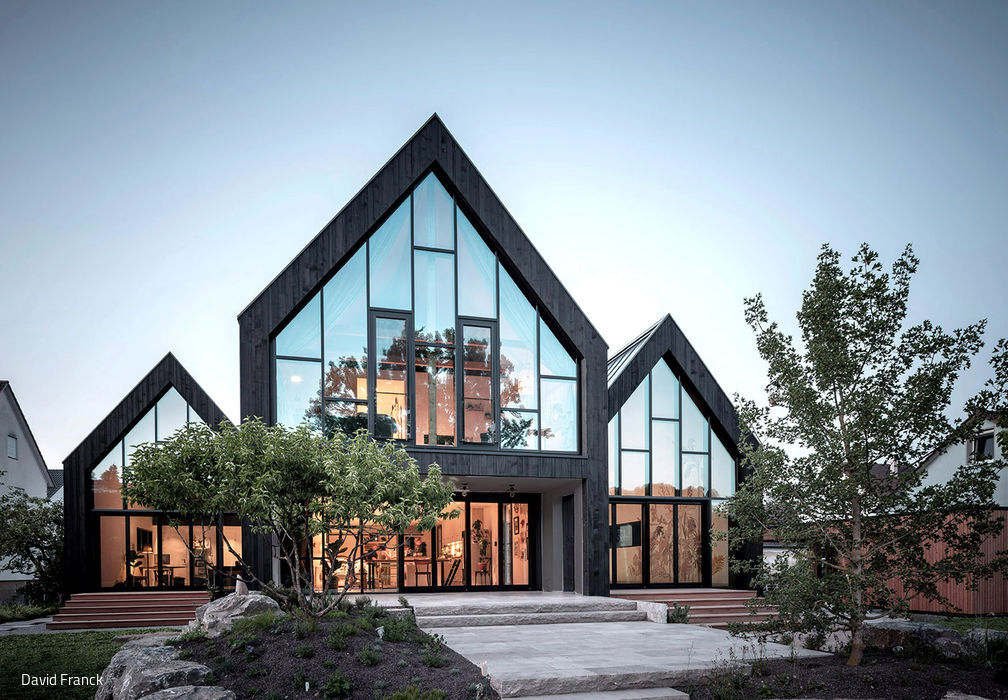
Living, Creating, and Exhibiting: A Family Home with Indoor Pool
Audible
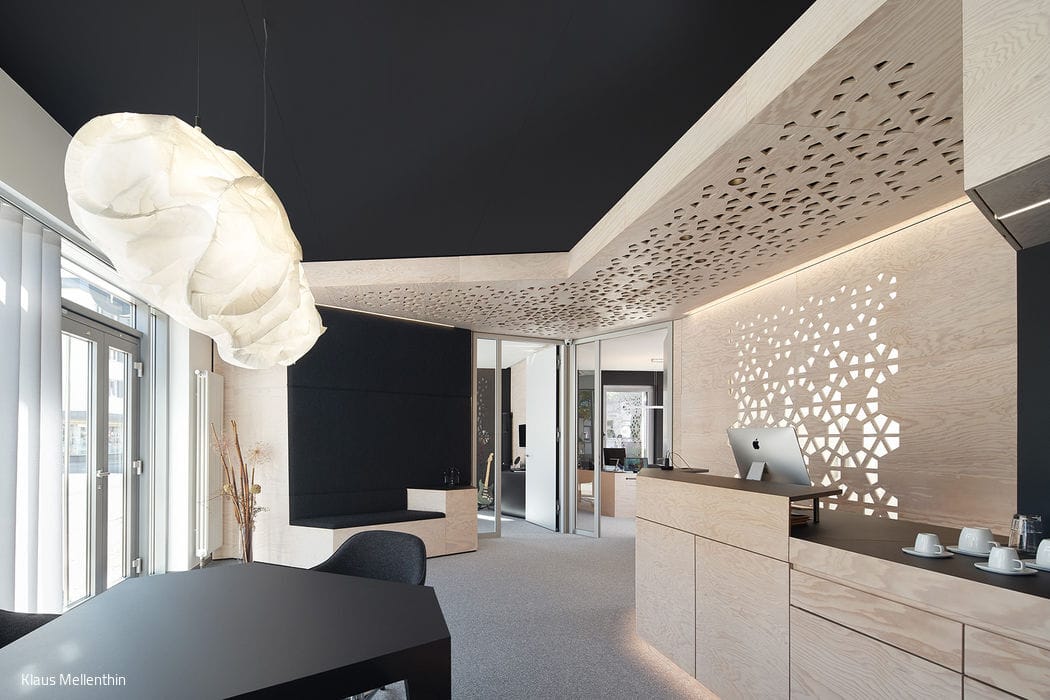
Inspiring, high-contrast spatial design with acoustic performance—a specialist hearing aid shop reimagined
Refined Beauty
A Timeless Masterpiece for Living

Function Meets Form
Redesigned city library creates identity-building space for communication and learning