


Maison Miroir
A house in a metal skin mirrors its natural surroundings
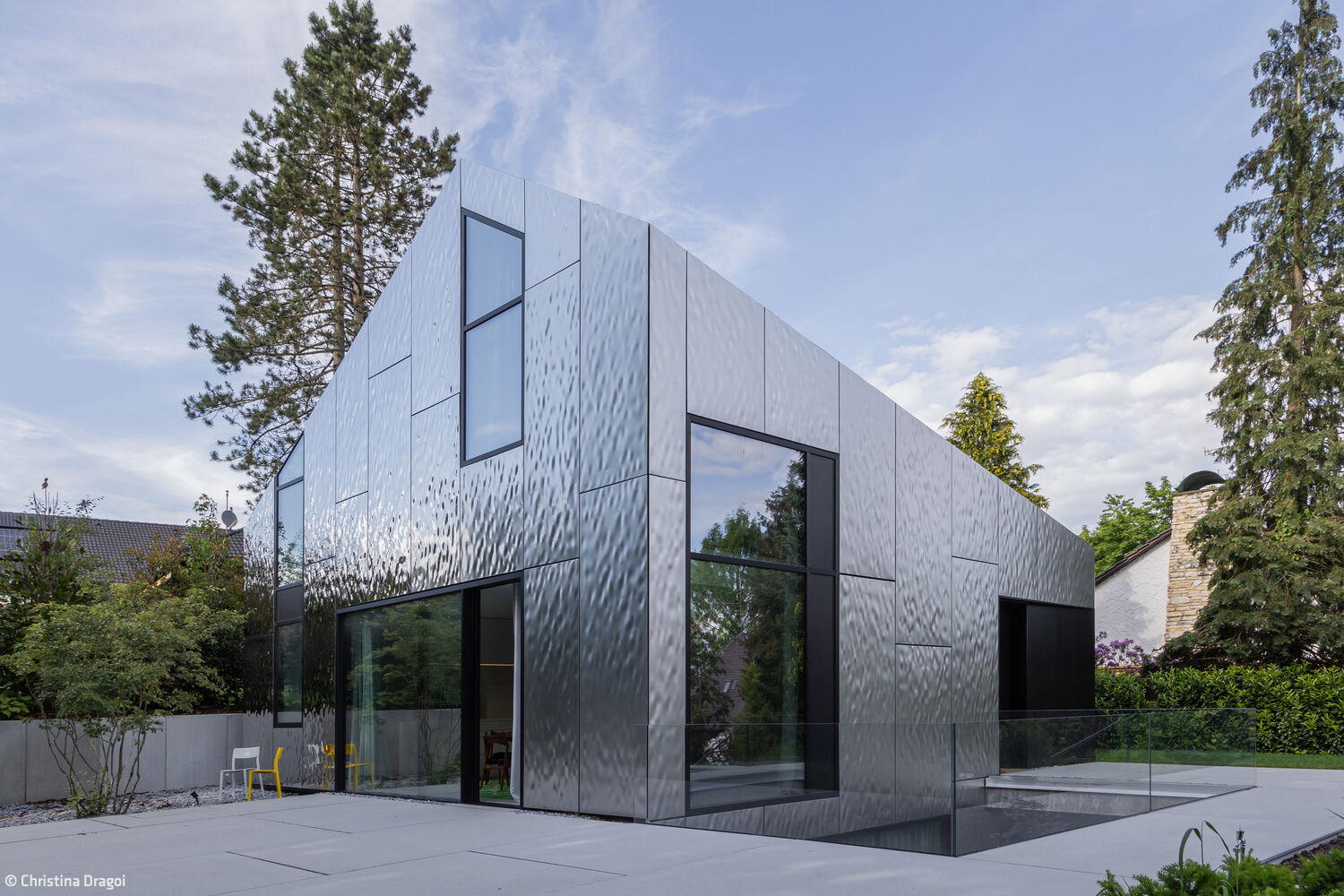


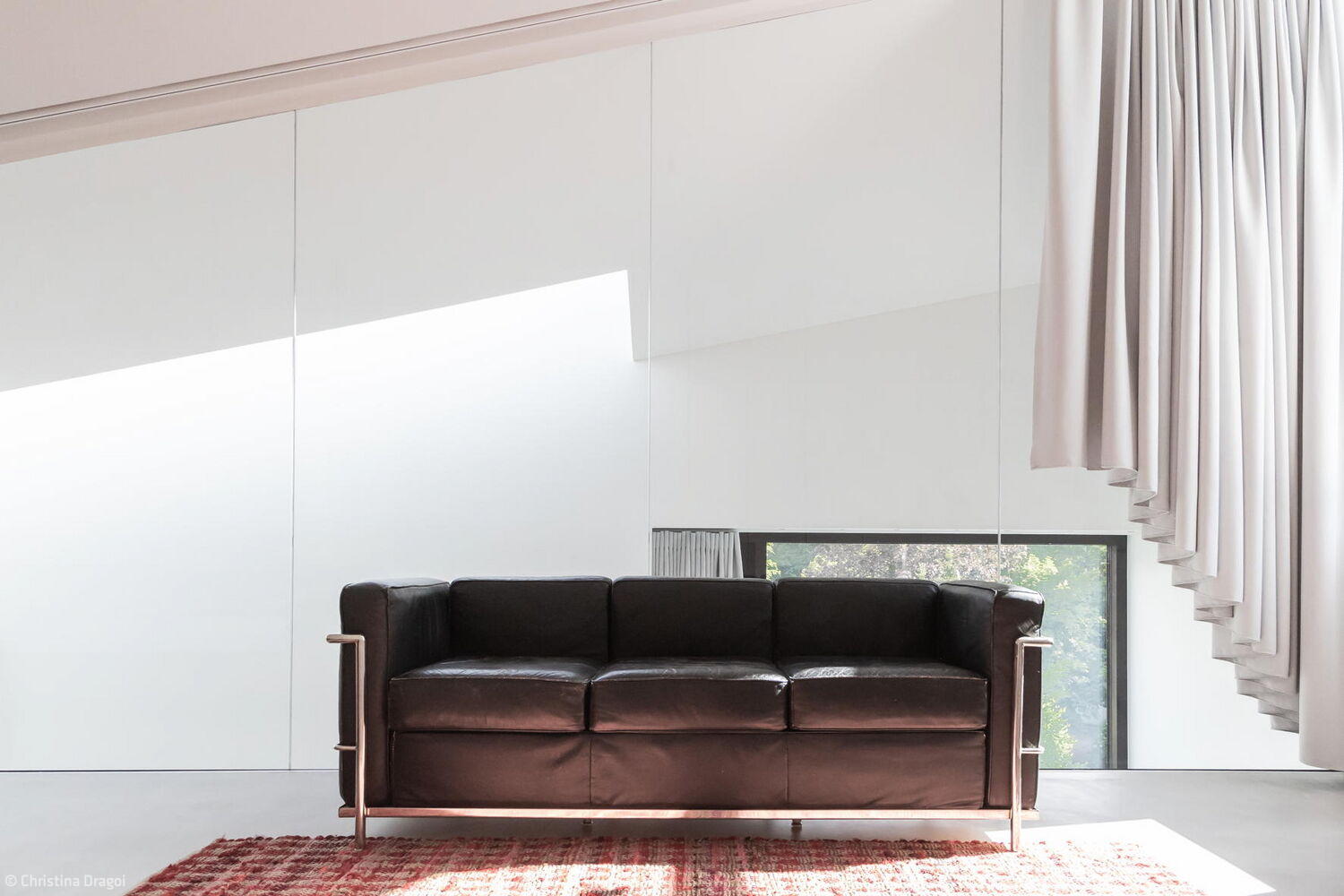


First 9×9, then 11×11, and now, logically, 10×10: Augsburg architect Titus Bernhard continues his remarkable series of sculptural residences with another striking work. House "10×10" gleams in the sunlight, wrapped in a shimmering silver metal coat. Like its predecessors, it stands as a singular artistic statement. Where House "9×9" (2003) was rendered in stone and its successor "11×11" (2011) in timber, this new residence employs timber frame construction clad in an exceptionally thin stainless steel envelope. Nestled into a hillside neighborhood of single-family homes, the design is guided by a principle of camouflage—the shell reflects its surroundings across all seasons and weather conditions. It essentially dissolves into its environment, becoming invisible.
Steps ascend from the garage to the residence, whose cubic form remains subtly elusive at first glance—a quality born from the deliberately twisted roofline that subverts expectations of a conventional gabled house. Expansive windows on all four sides and both floors flood the interior with natural light. The 216 m² of living space unfolds across three levels in an open, flowing sequence. The architect partnered with specialized fabricators in South Tyrol and Ingolstadt to realize the intricate metal façade. The stainless steel panels undergo a continuous transformation from south to north—brushed, blasted, and mirror-polished—creating a shimmer reminiscent of gently rippled water.
The "skin" was shaped using advanced 3D modeling, with window openings strategically positioned to frame the most compelling views outward. Between the exposed concrete garage and residence lies a light-filled atrium that extends brightness into the basement level, where a flexible guest or children's room, utility spaces, and a sauna with bath are situated. The ground floor, embraced by expansive terraces on the south and west, accommodates the living, dining, and kitchen zones. Above, bedrooms, two workstations, dressing room, and master suite occupy the upper levels, their generous ceiling heights amplified by the asymmetrical roof geometry. The façade design documents reveal the sophisticated computational work required to realize the metal shell: six surfaces—four walls and two roof planes—are clad in ultra-thin metal panels just 0.8 millimeters thick. Their varied surface finishes—some matte, others polished—are strategically oriented according to solar exposure, minimizing heat gain while orchestrating the mirroring effect on shadier elevations.
The metal skin is suspended five millimeters from the structure to accommodate weather-related movement. Like contemporary best practices, energy efficiency is paramount: a 14 kW air-source heat pump manages thermal comfort, while the façade's exceptional U-value of 0.14 W/m² reinforces the building's positive energy balance. The result is a sustainably designed residence of which the architect can justifiably be proud—one that is nearly 84 percent recyclable.
Living space: 206 m²
Plot size: 620 m²
Construction period: 2022–2023
Construction method: Timber frame construction
Energy concept: Air-source heat pump, KfW 40
Photography:
Christina Dragoi
Titus Bernhard
(Published in CUBE Munich, Issue 04|24)
Room O
Steel sculpture in dialogue with antiquity
Stacked Cubes
A Modern Villa Emerges from the Pond
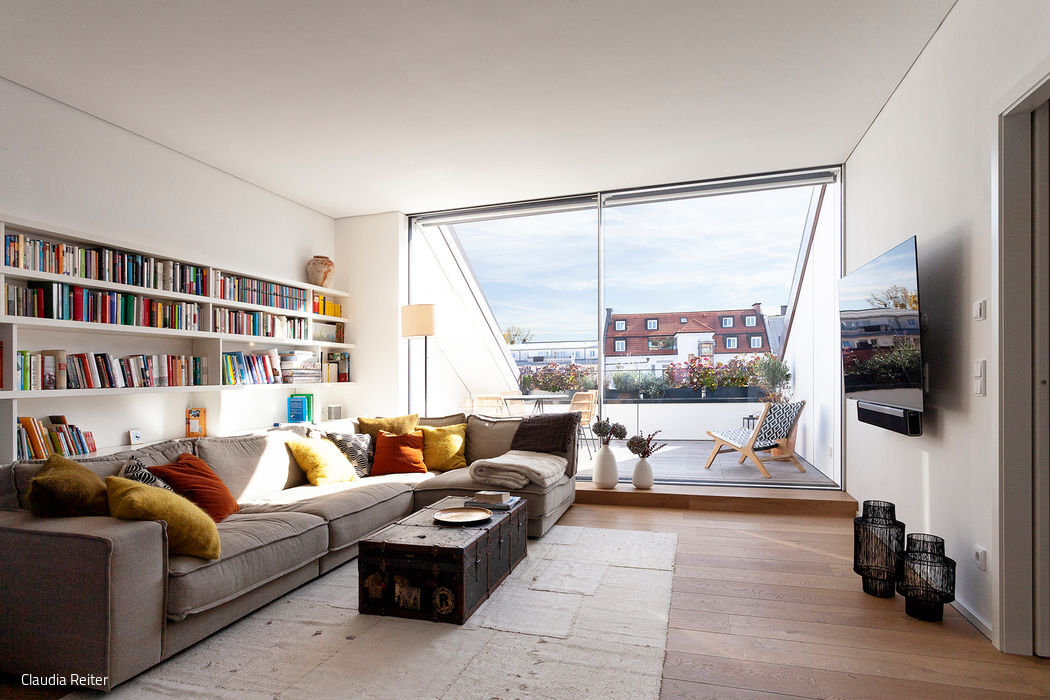
Two Become One
A merger of two apartments transformed the attic into a generous, luminous single residence.
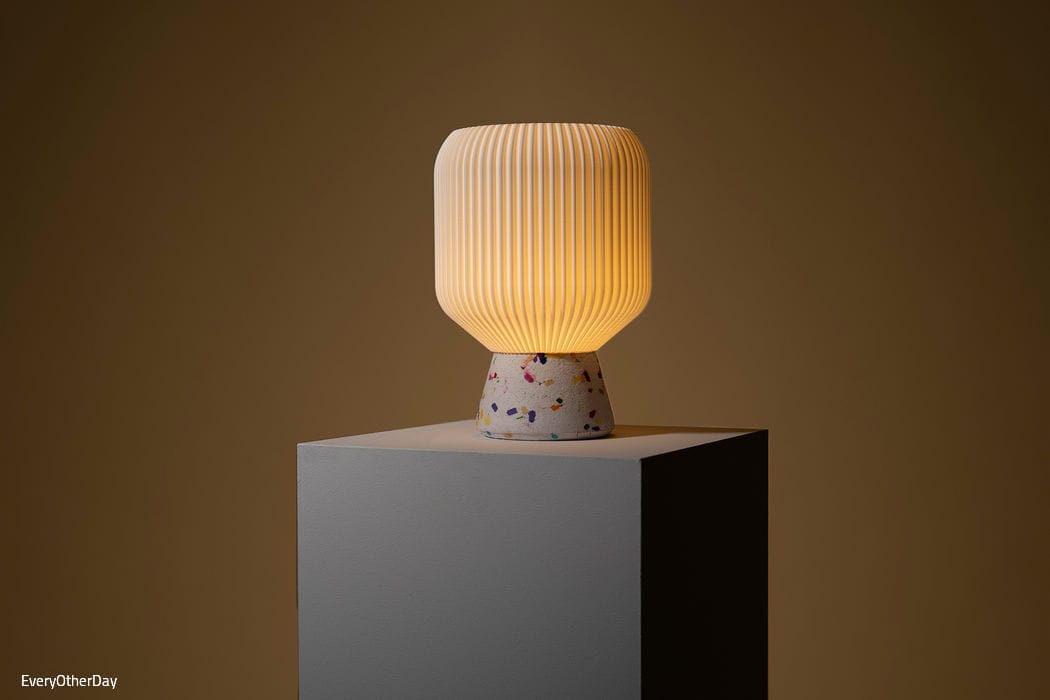
With attention to detail
Frederik Rasenberger: Designing Sustainable Products and Furniture