


From Sacred to Secular
A protected historic vicarage transforms into a modern residence
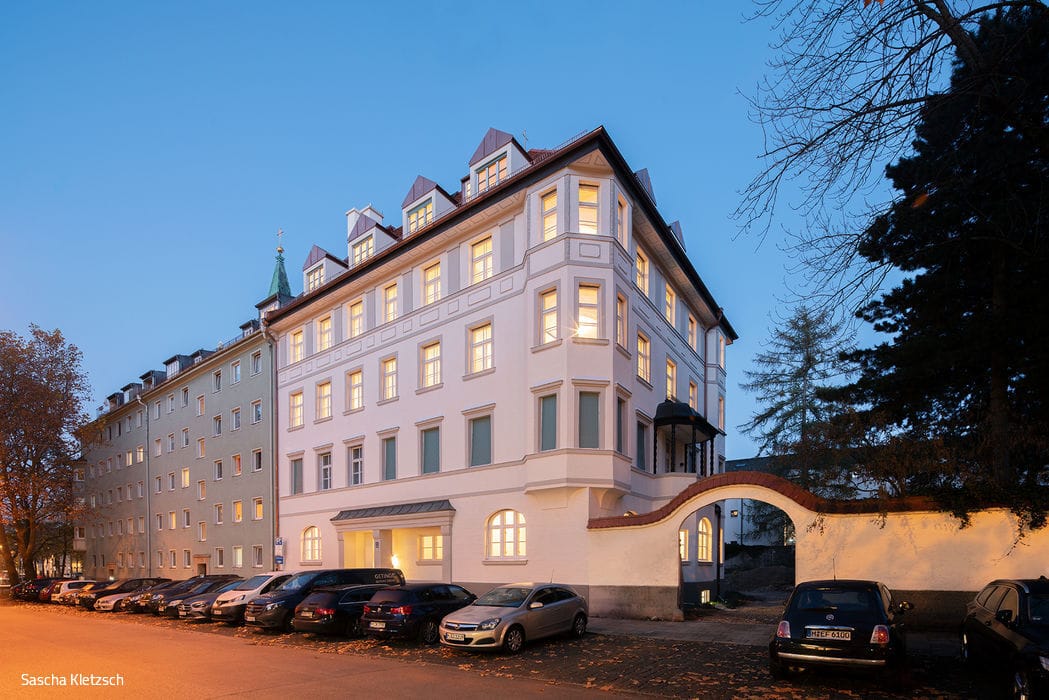
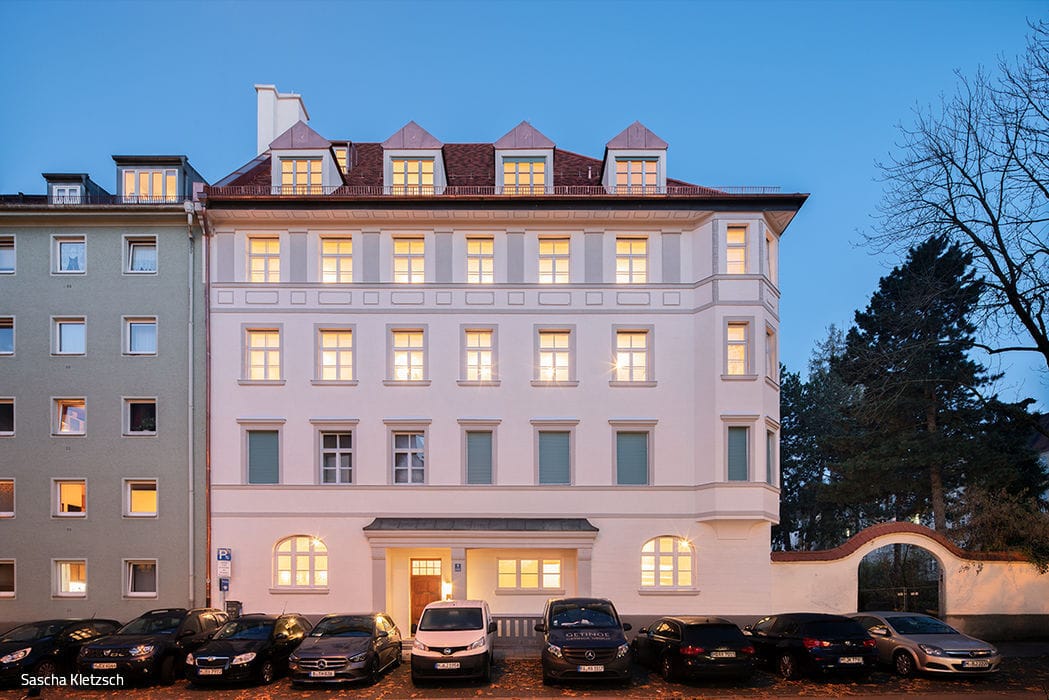
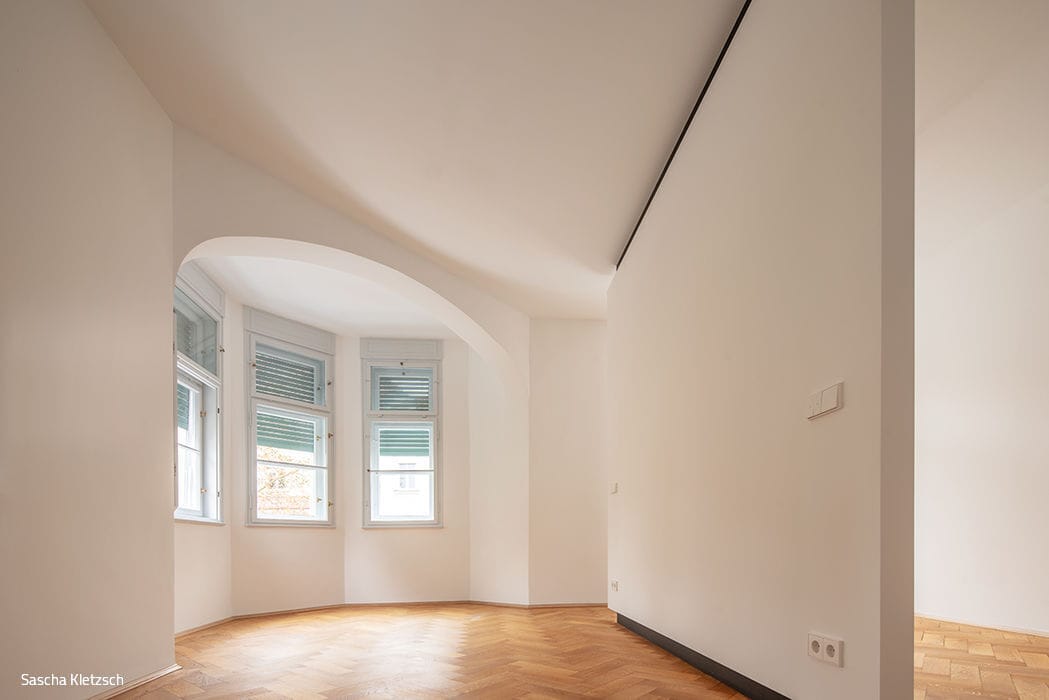
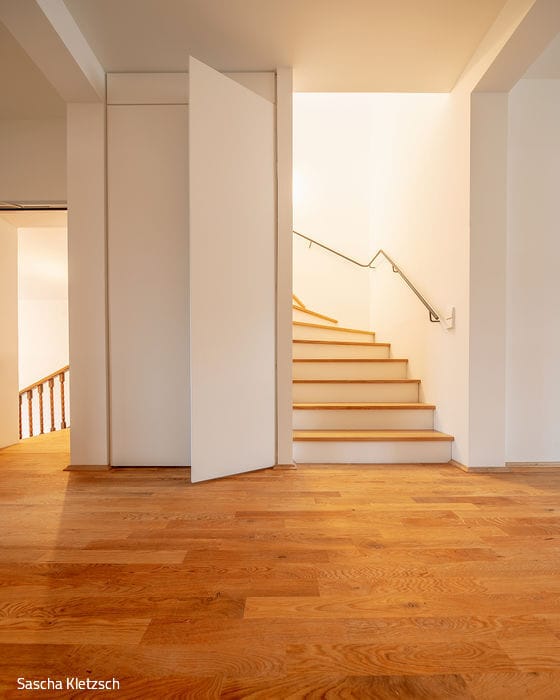

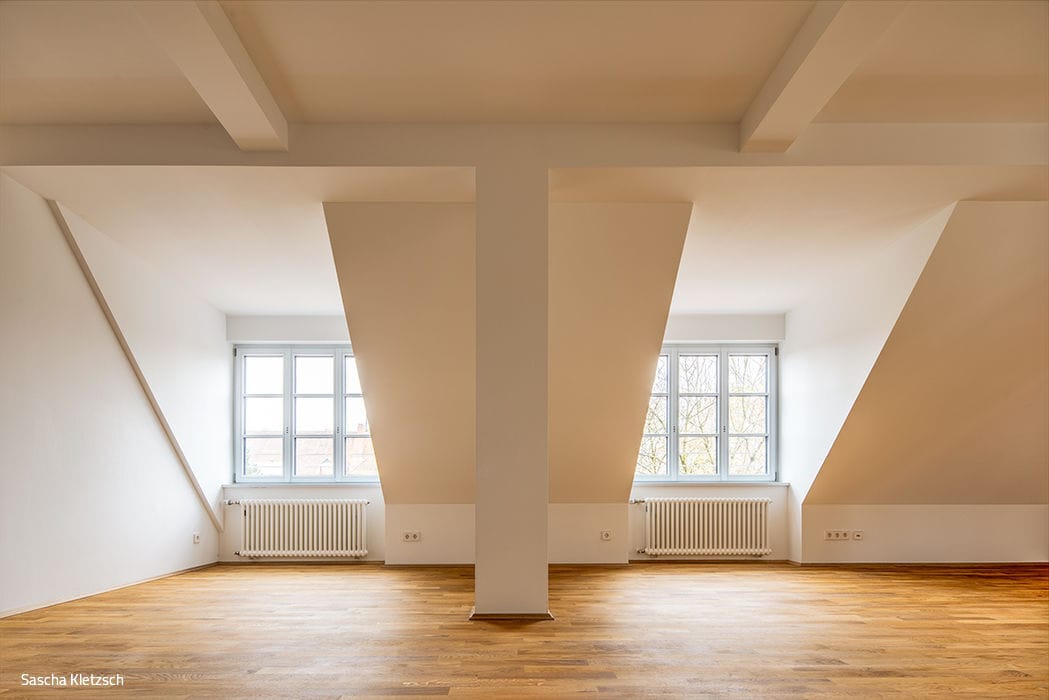
When St. Margaret's Church in Sendling relocated its parish to a new building, its protected historic vicarage required a new purpose. Built during the church's construction phase (1902–1913), the vicarage itself was completed in 1911/12 and designed by Munich architect Franz Xaver Boemmel. The architectural firm kandlerundmack undertook a comprehensive renovation, conversion, and extension of the attic space. The central challenge lay in balancing heritage preservation with contemporary living standards—a careful dance choreographed with the local monument authority to honor the building's structure, respect its history, and meet modern residential requirements including fire safety and acoustic performance.
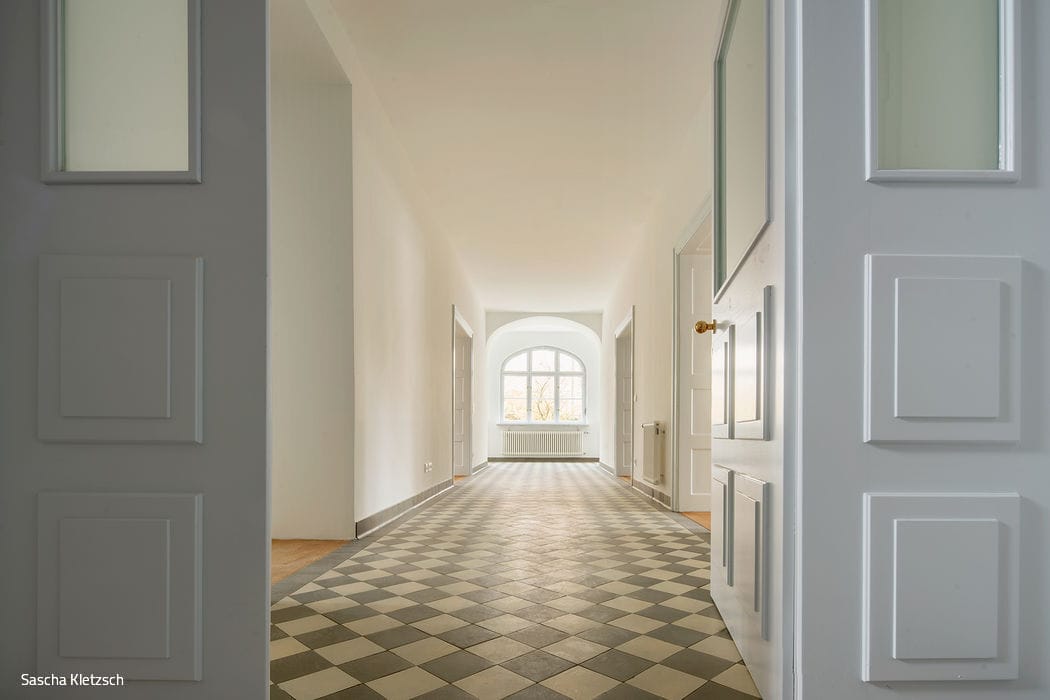
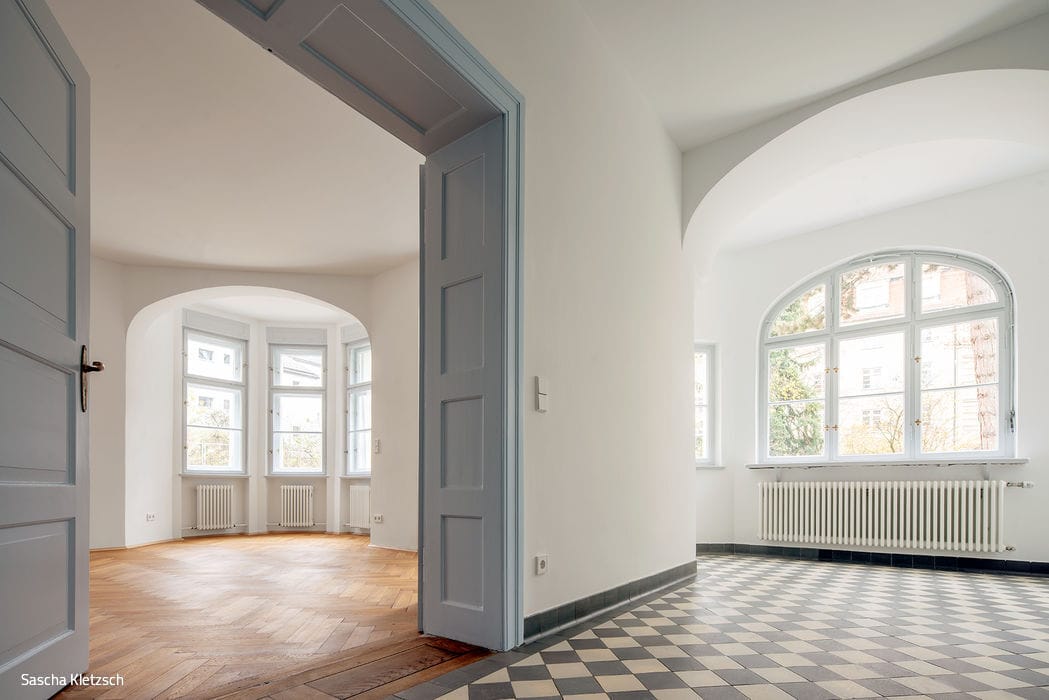
Initially, the building seemed sound. Deeper investigation, however, revealed numerous areas requiring repair and restoration. The existing masonry, beam connections, and roller shutter mechanisms all demanded careful attention. One particularly complex task involved opening the floor structures from below to integrate sound and fire protection systems—a workaround necessary to preserve the original herringbone parquet. Paving slabs were inserted between the beams, and the ceiling closed from below using a drywall system. Original double doors were meticulously restored or faithfully reconstructed by hand, as were the historic windows. The decorative tile stoves were also preserved, though heritage regulations render them non-functional today. In total, eleven residential units were carved from approximately 1,095 m², with the previously unused attic fully developed. The conversion required reimagining a mansion-like home—with its palatial corridors, soaring ceilings, and sprawling rooms—into apartments meeting today's standards. The vision embraced diversity: studios through four-bedroom units, ranging from 67 to 88 m² (two-bed), 123 to 131 m² (three-bed), a 41 m² attic apartment, and two double-height four-bedroom units at 123 and 137 m². The larger units suit families well, particularly given the generous courtyard space for children. An elevator was initially proposed but ultimately rejected due to heritage constraints. Wall panels function as room dividers, allowing large spaces to serve as living areas while keeping the original spatial logic legible—a solution that honors the past while embracing the present.
Photography Credits:
Sascha Kletzsch
www.sascha-kletzsch.de
(Published in CUBE Munich 04|21)
Retro Charm
Edwin Roth Metallbau + Systeme of Grafrath brings extraordinary window solutions to life
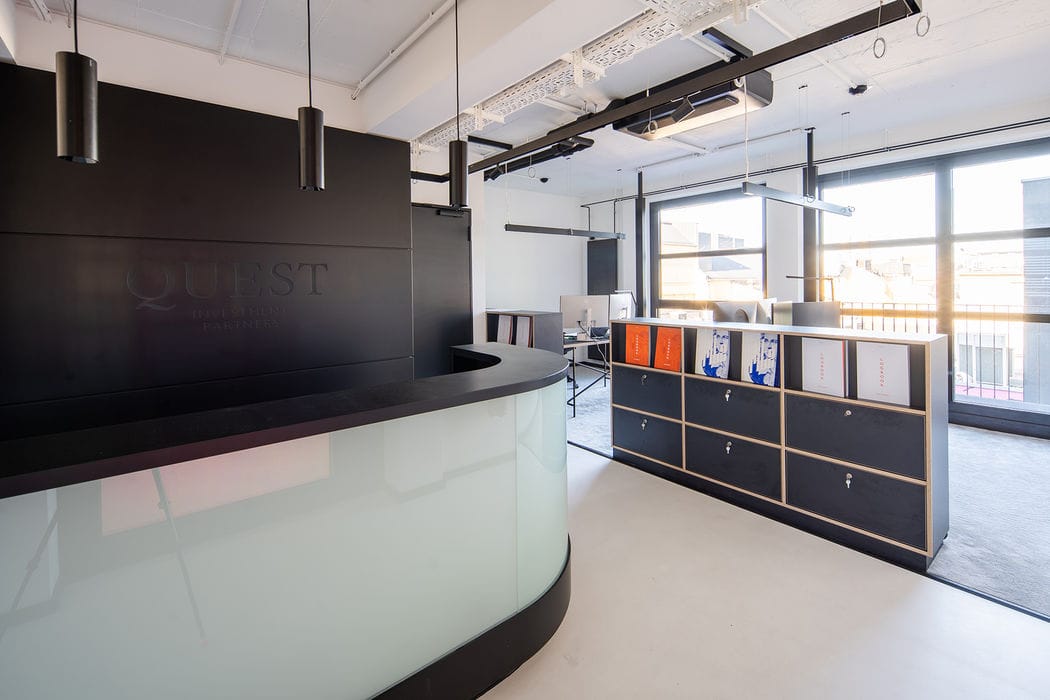
Demolition Is Not an Option
How a 1970s Office Building Became a Prime Destination
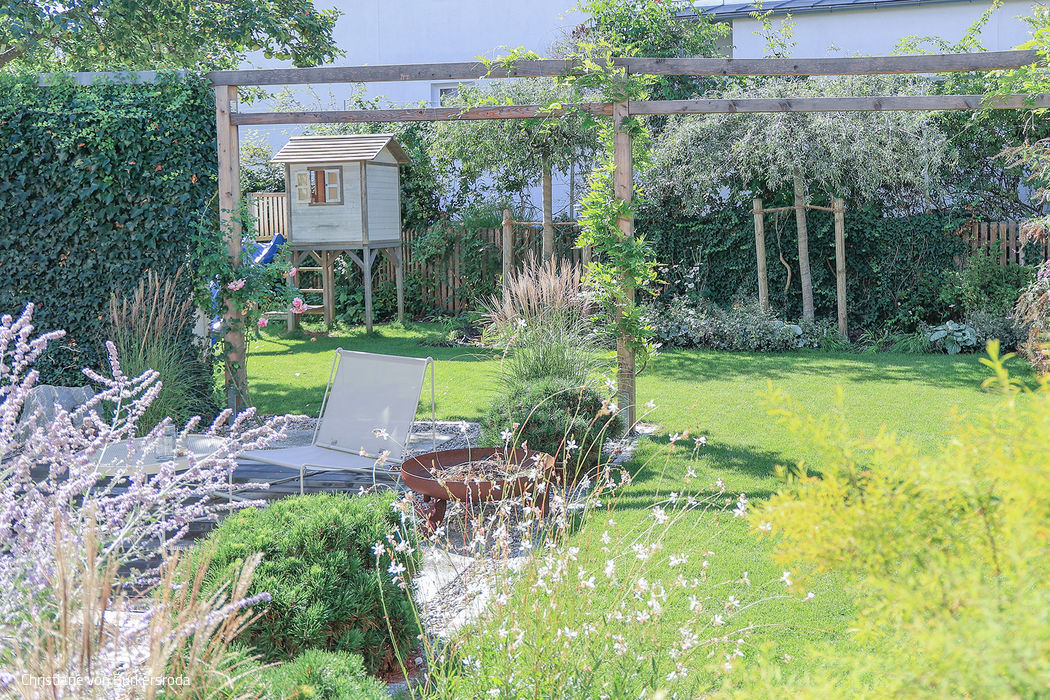
Scandinavian Garden World
Mature trees paired with Nordic plantings
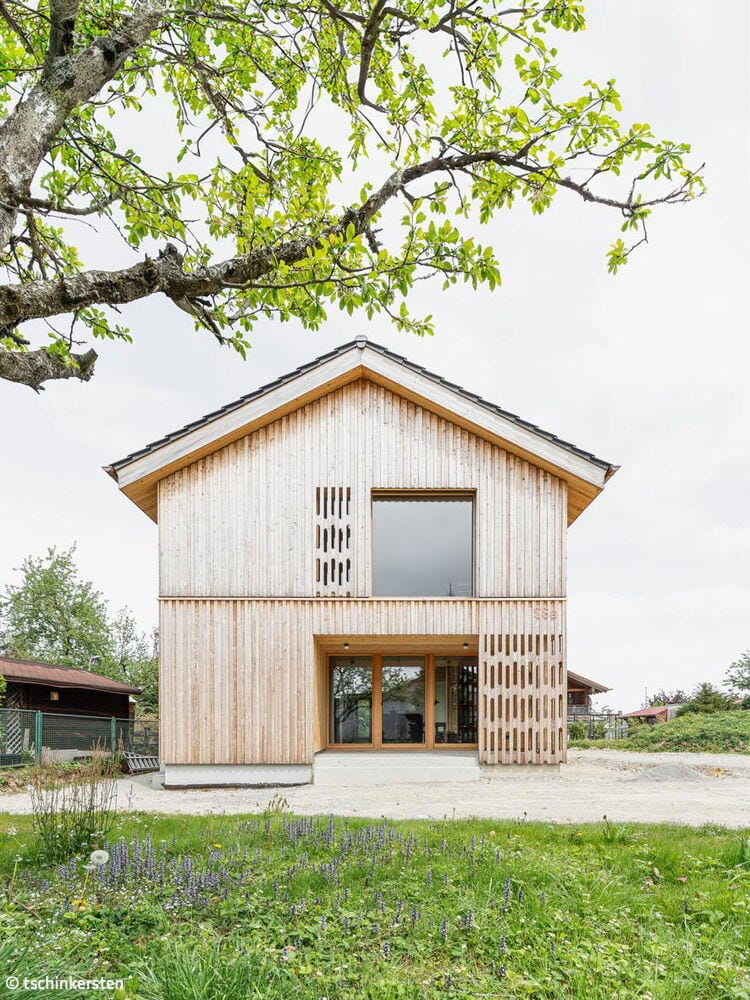
Traditional and Contemporary
Solid Timber Home Wins Over the Audience at the Rosenheim Timber Construction Award