


How are evolving mobility concepts reshaping parking requirements in new construction?
An interview with Marian von Mitschke-Collande
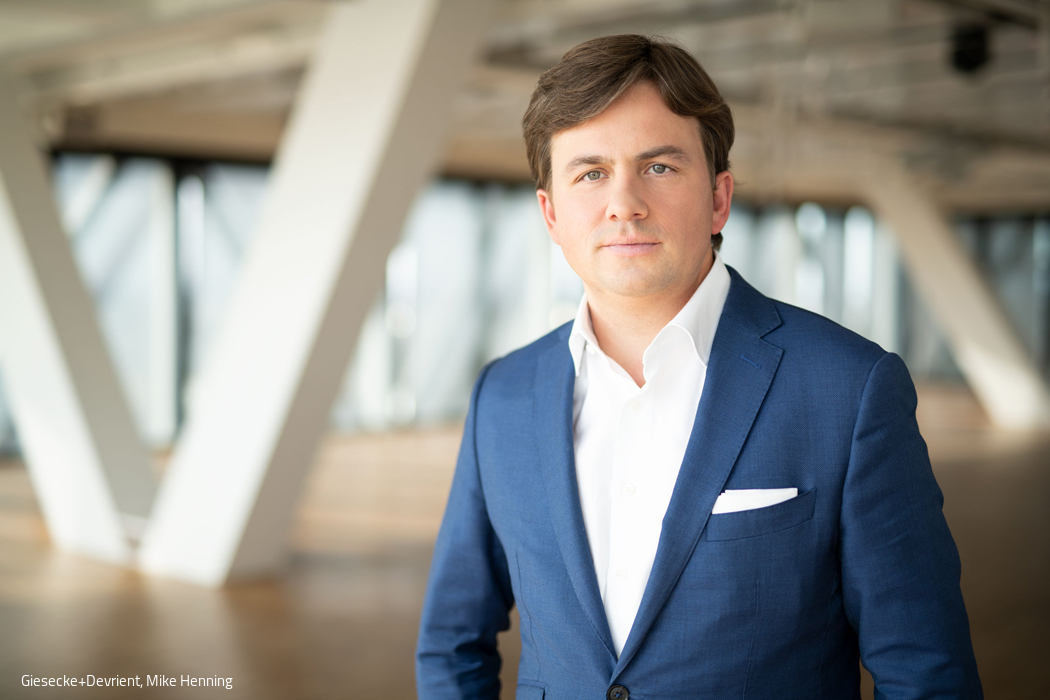
As shared mobility gains traction and more people opt for (e-)bikes, the car's role in urban centers will continue to diminish. This shift raises an important question: will parking demands change accordingly – and if so, how? CUBE explored this question at a current Munich development project. By the end of 2024, Giesecke+Devrient Immobilien Management GmbH will complete DER bogen, a 42,000 m² commercial campus at the Munich headquarters of the global corporation founded in 1852. Designed by Munich-based architecture firm HENN, the development features two sculptural buildings interlocked in an infinite loop, creating a distinctive ensemble that combines flexible office space, verdant courtyards, retail, and dining venues. Matteo Thun crafted an equally remarkable interior design concept to complement the architectural vision.
CUBE: How significant is employee parking in shaping new building concepts today?
Marian von Mitschke-Collande, managing partner of the property developer DER bogen GmbH & Co. KG: It really depends on the tenant profile. Law firms, for instance, typically value dedicated parking spaces as part of their corporate culture. Start-ups and tech companies, however, prioritize different amenities at their office locations – reliable public transit, car-sharing programs, and bike parking tend to matter far more.
What innovative parking solutions have you incorporated into your project, and how are they being deployed?
Marian von Mitschke-Collande: Our business campus "DER bogen" in Munich-Bogenhausen is designed to appeal to diverse tenants – both established enterprises and innovative companies. That's why we're taking a balanced approach: 400 car parking spaces alongside 300 bicycle parking spaces.
Tenants enjoy round-the-clock access to parking, while neighbors can use available spaces on weekends, holidays, and nights. A digital parking management system optimizes utilization across the garage. An app lets users reserve spaces exactly when they need them – not before, not after. This strategy enables the landlord to achieve near-perfect occupancy rates in the underground garage. Fixed, long-term leases to individual tenants simply wouldn't deliver the same efficiency.

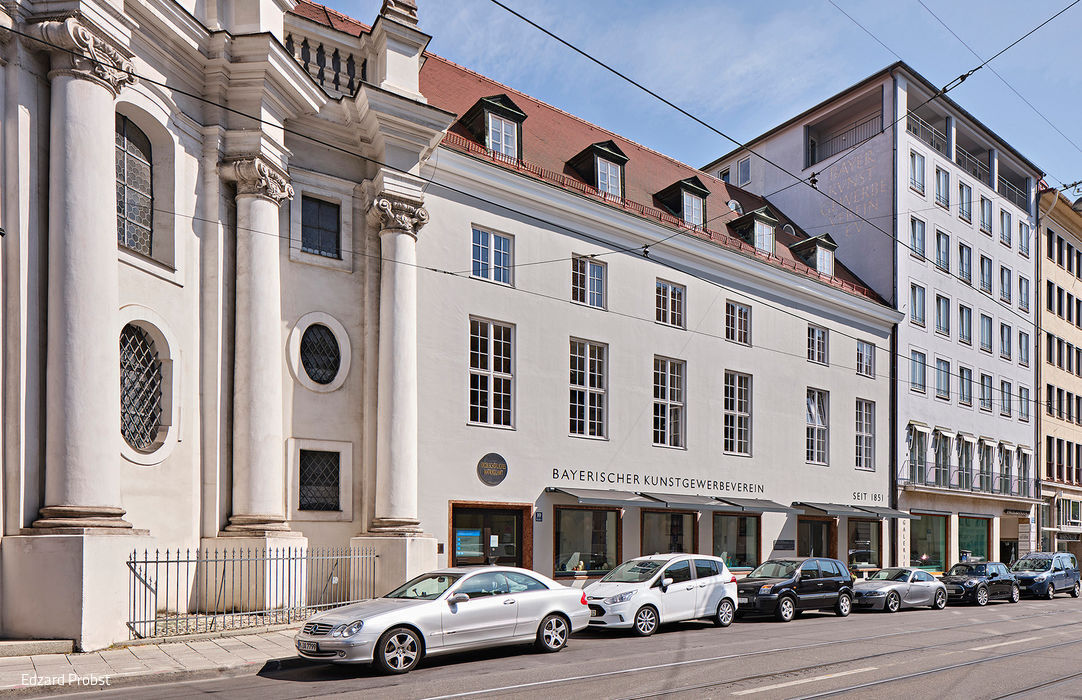
Where Heritage Meets Innovation
Revitalising the Bavarian Arts and Crafts Association
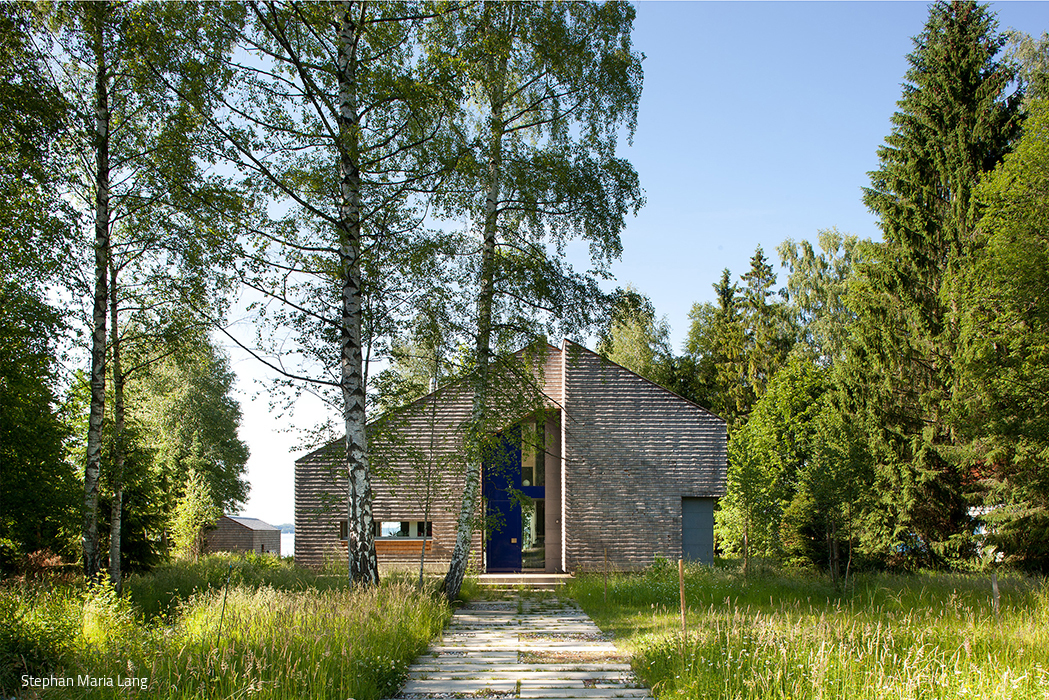
Lakeside Serenity
Where nature and architecture merge, a masterwork emerges.

Colour Brings Life
Vibrant Living: The New Hofmark District in Milbertshofen
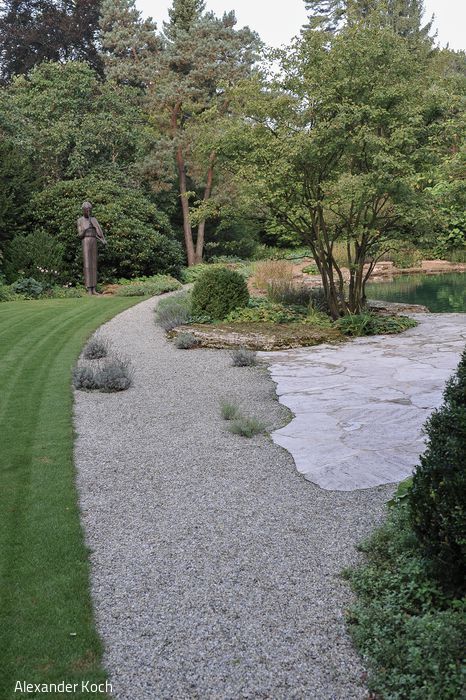
Private Urban Park
What reads as natural is, in fact, the result of meticulous planning and design.