


From Stable to Cherished Home
A Thoughtful Renovation That Celebrates Design Details
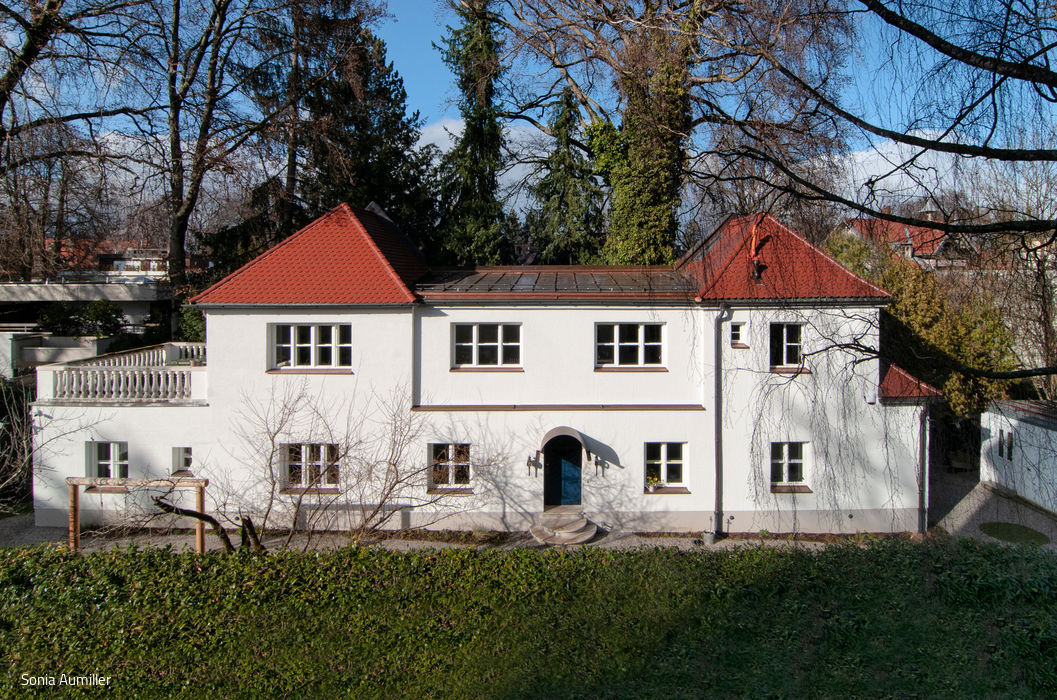
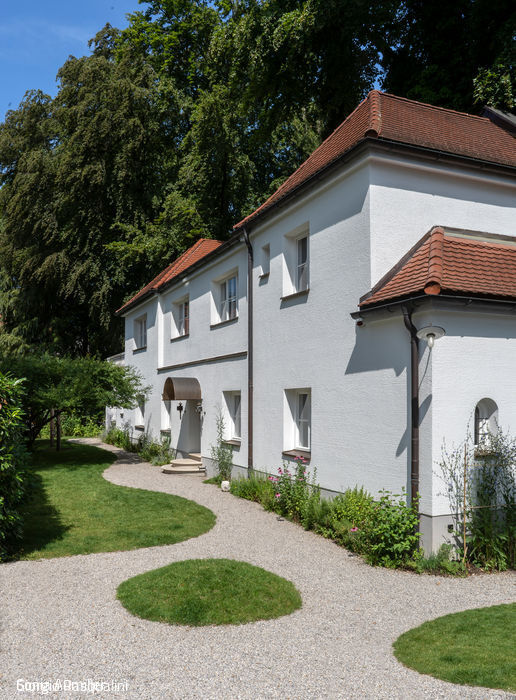
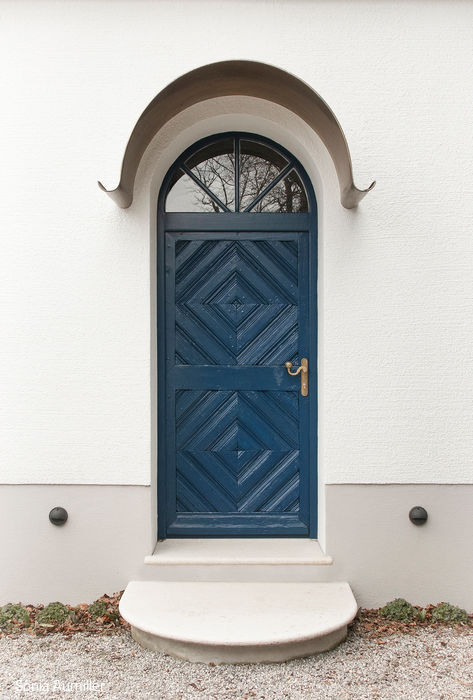
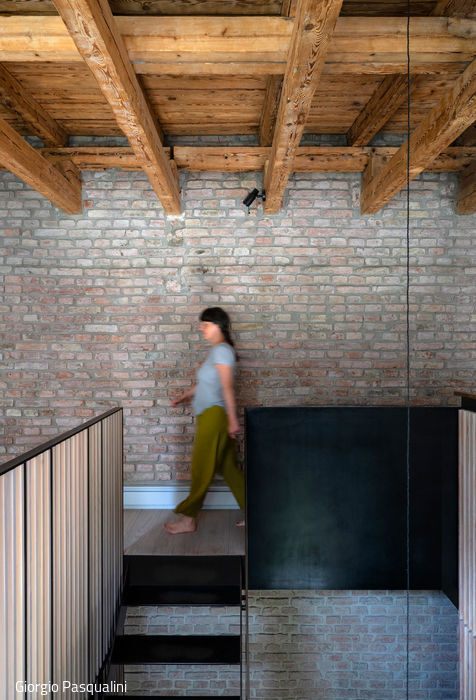
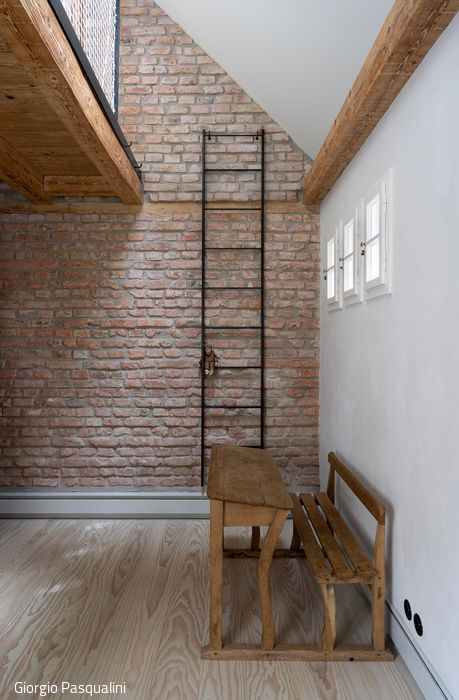
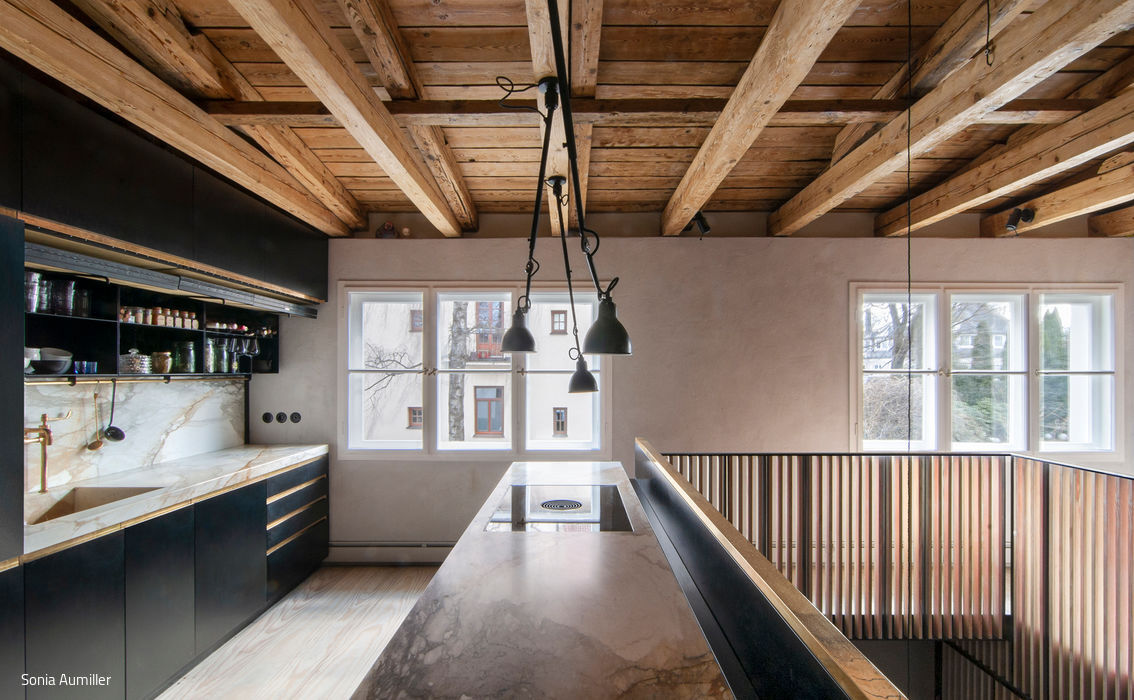
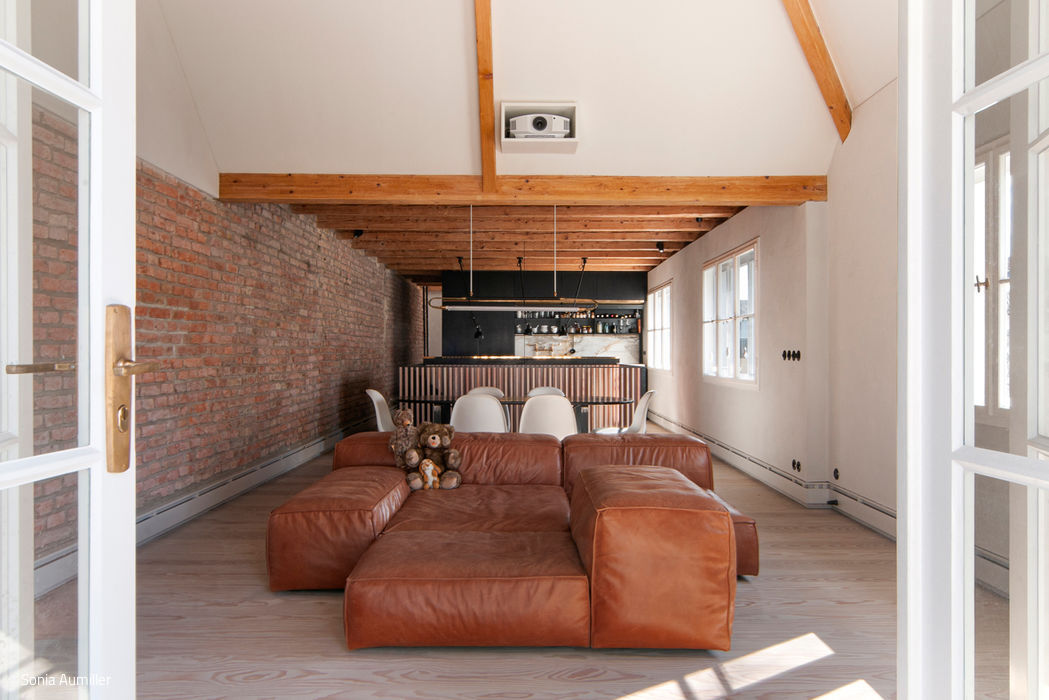
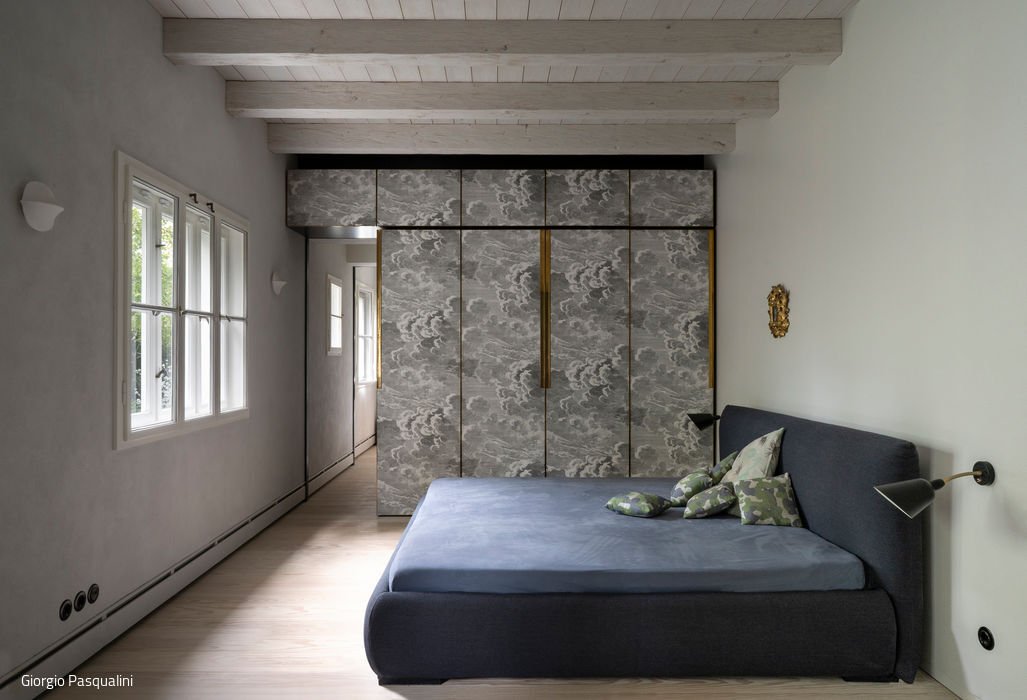
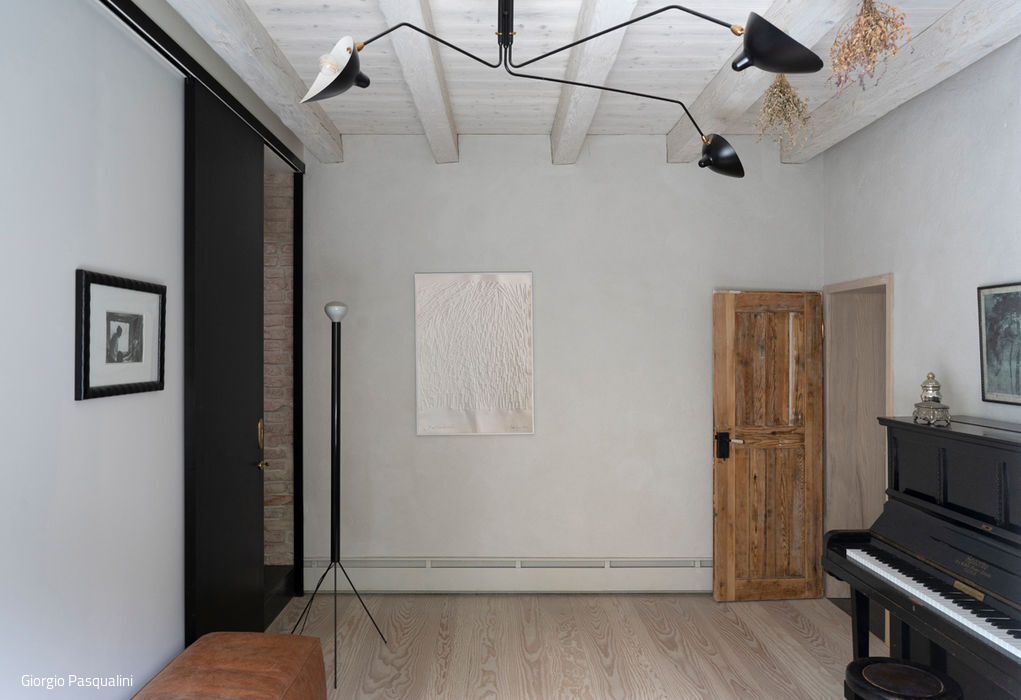
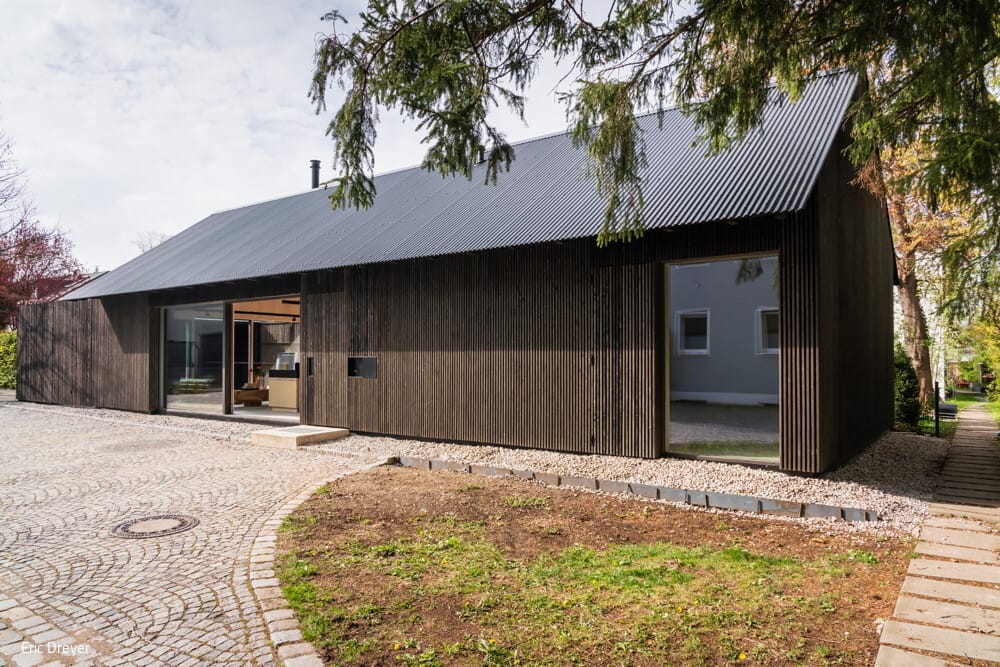
They exist everywhere—architectural treasures from the past, each brimming with character. This particular gem, originally constructed in 1904 as a coach house and stable for a suburban villa, caught the eye of a couple in Solln, a quiet district just outside Munich. "We were immediately drawn to its context and authentic exterior," explains Danilo Lazzari, managing director of visionlab-architekturexport. "But inside, we envisioned something entirely different—a warm, inviting, and contemporary atmosphere."
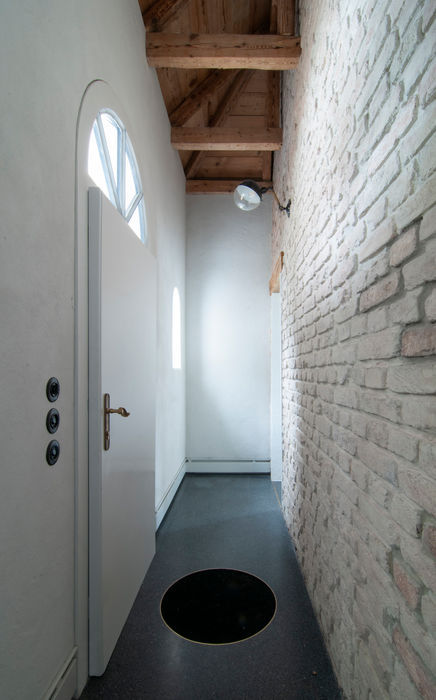
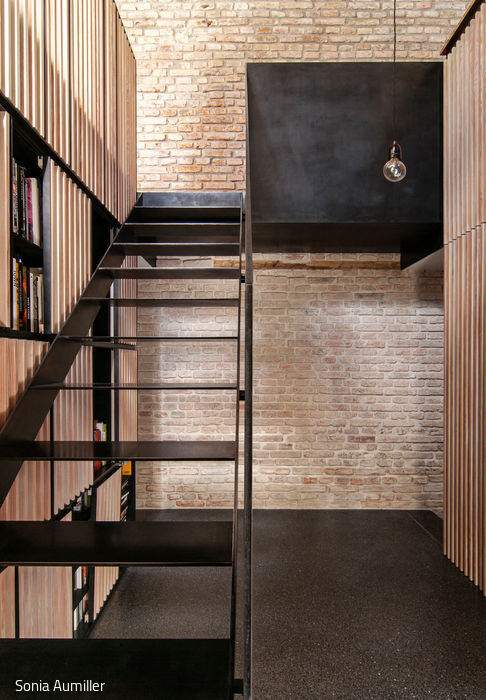
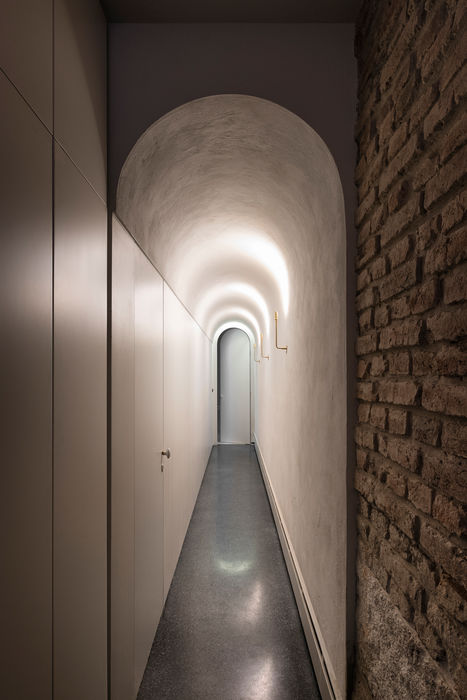
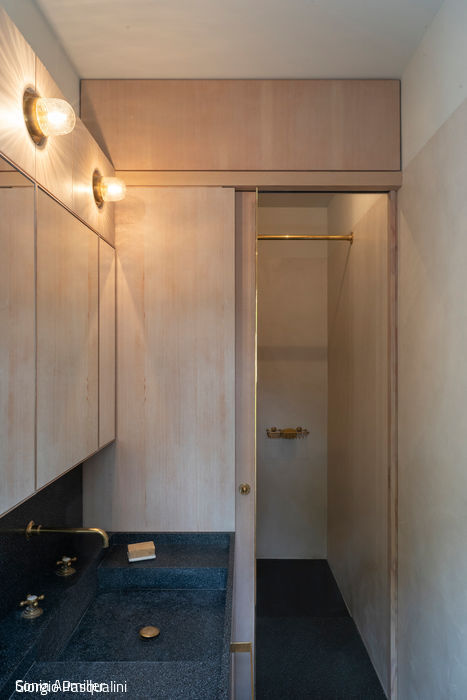
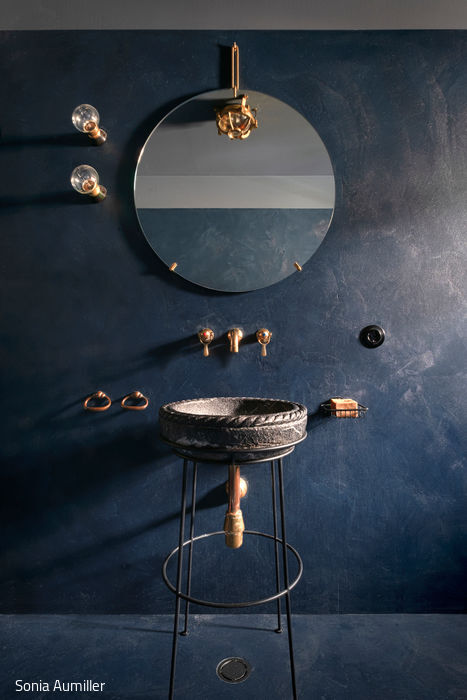
Over the decades, the building had undergone multiple additions, and the stable had already been converted into living space—though not particularly successfully. "The result was uninspiring," notes architect Giorgio Pasqualini, who co-founded Piano B Architetti Associati with Gaia Maria Lombardo. "The interiors had become a bland sequence of rooms: white walls, white ceilings, white floors. The building's original character had virtually disappeared." The challenge, then, was to unearth the history concealed beneath this sterile veneer. Their first move was to restore the structure's rural essence. By removing the dropped ceilings, the architects revealed the original fir beams and boards beneath. The north wall, in turn, exposed a striking brick pattern. With these elements exposed, the design focused on establishing a spatial rhythm that would dance with the sloping beams and load-bearing walls. The solution was an open-plan layout: living spaces above, bedrooms and a study below. A new iron staircase bridges the two levels, connecting the entrance to the upper living area and creating one flowing, unified experience throughout the entire building. "We introduced walls with a deliberately abstract quality," Gaia Maria Lombardo explains, "that contrast with what was already there, highlighting the different textures and materials—essentially revealing the building's layers of time." Except for the exposed brick wall, all perimeter and structural walls were finished with lime plaster and lime paint, while interior partitions received a soft silk-matte enamel. Upstairs, the owners chose Douglas fir parquet flooring, which complements the custom-designed furniture as naturally as the original structure. Downstairs, terrazzo flooring carries the outdoor paving aesthetic inside in an abstract way. Working closely with the owners, the team filled the rooms with artworks and furnishings spanning different eras—a deliberate choice that reflects the idea of allowing the house's story to continue evolving.
Photography Credits:
Sonia Aumiller
www.sonia-aumiller-photographie.com
Giorgio Pasqualini
(Published in CUBE Munich 01|24)
Bringing the Past into the Present
A Postwar Home for Contemporary Living
Newton's Interior
Smarter work, better breaks: how thoughtful design transforms the workplace
Five Apartments with Varied Floor Plans
Variety by Design—Each Unit Tells Its Own Story
A Contemporary Addition to the Historic Center
An elegant new building seamlessly integrates into the streetscape at Oberanger, nestled among postwar structures