


Open Vision—Column-Free Design
A striking new office building in Marsdorf integrates an in-house nursery, cafeteria, and collaborative workspaces
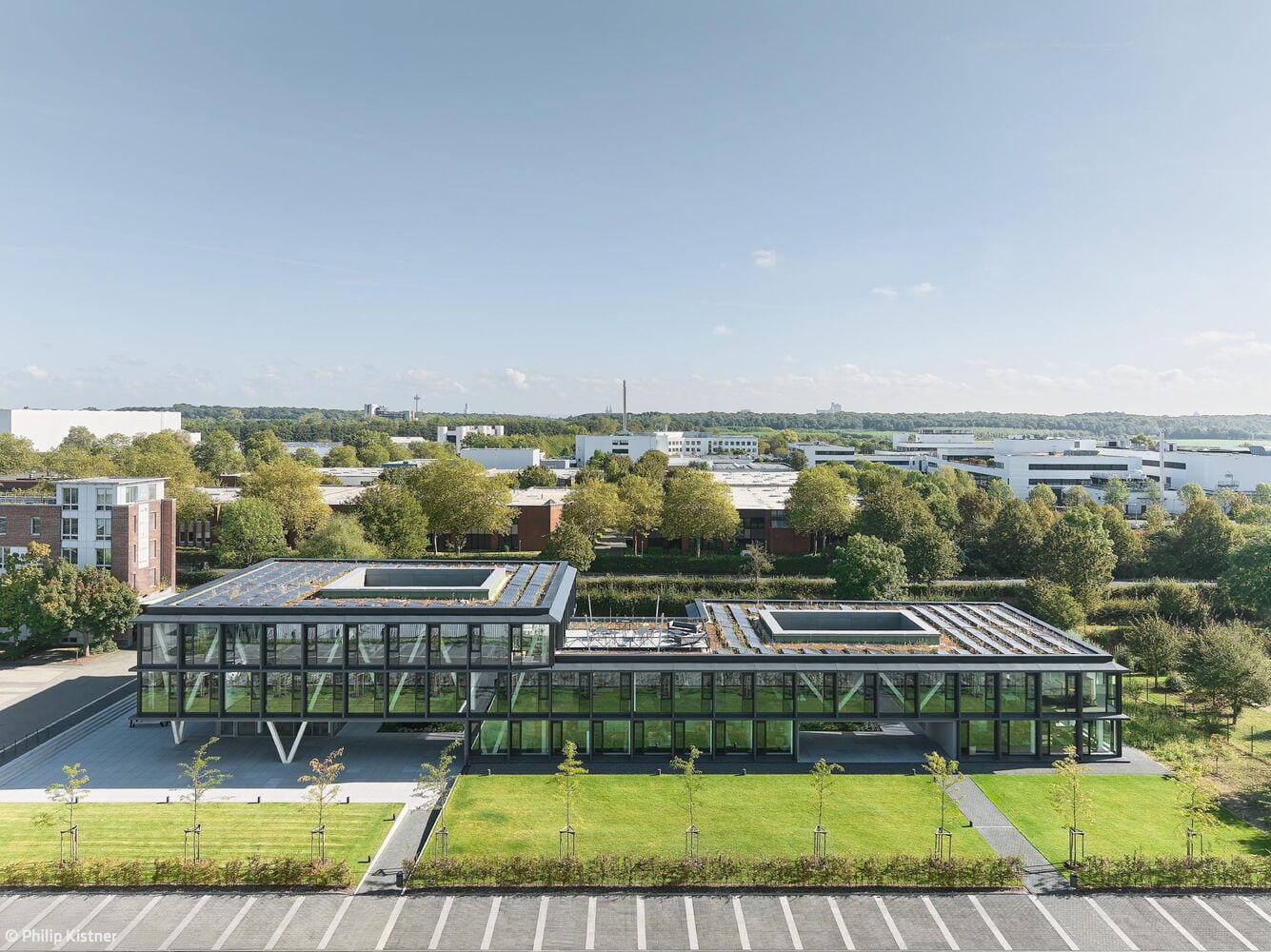
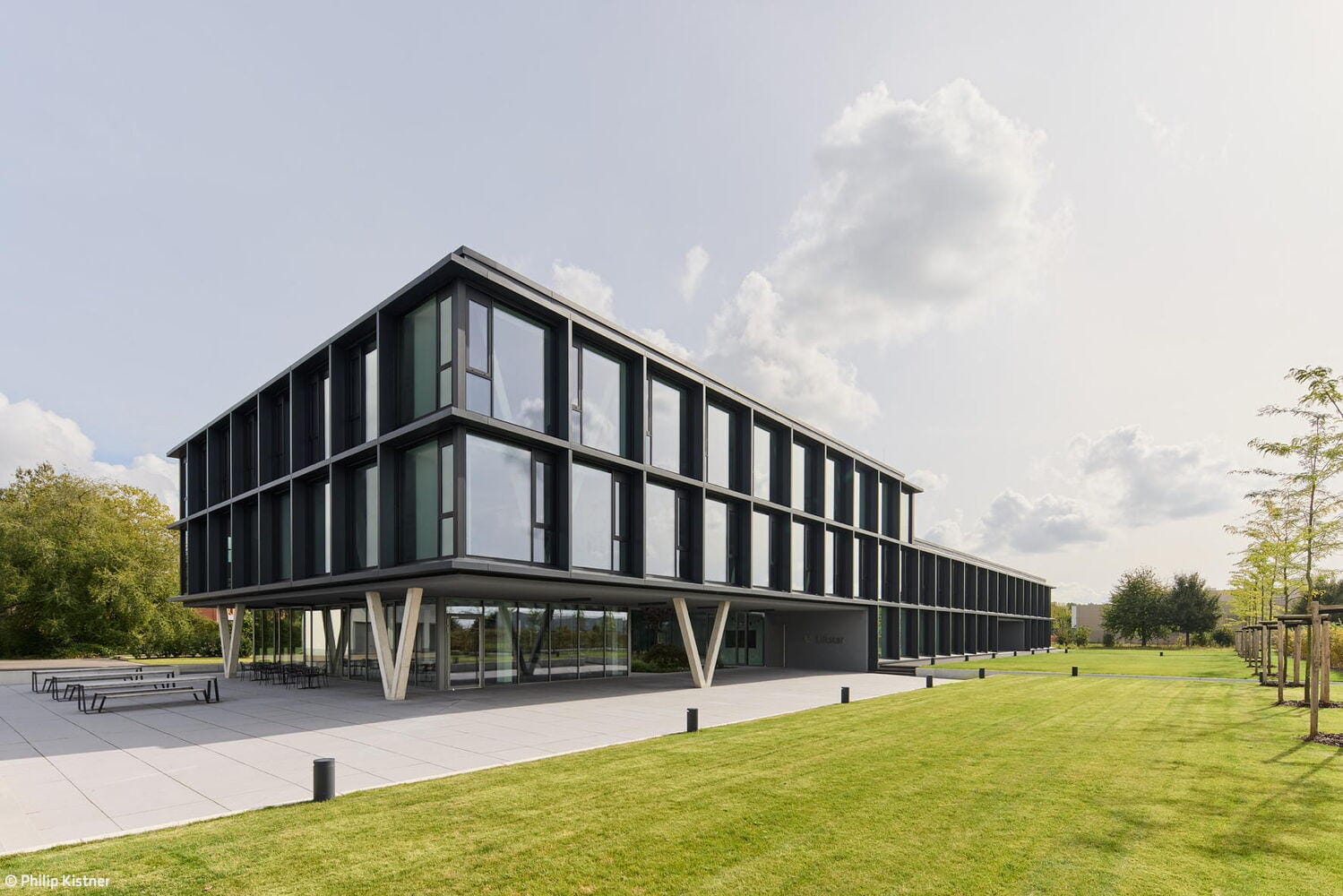
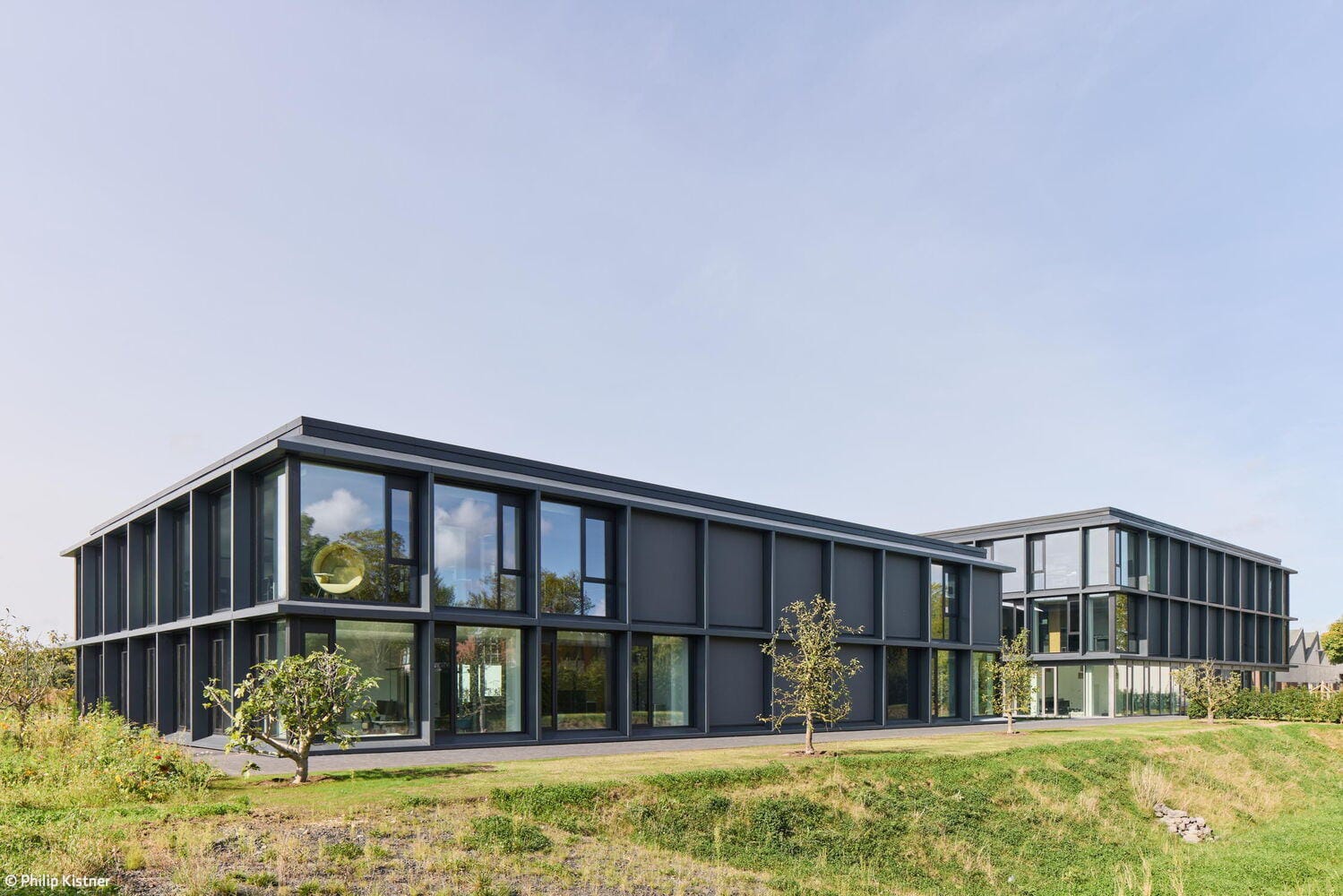
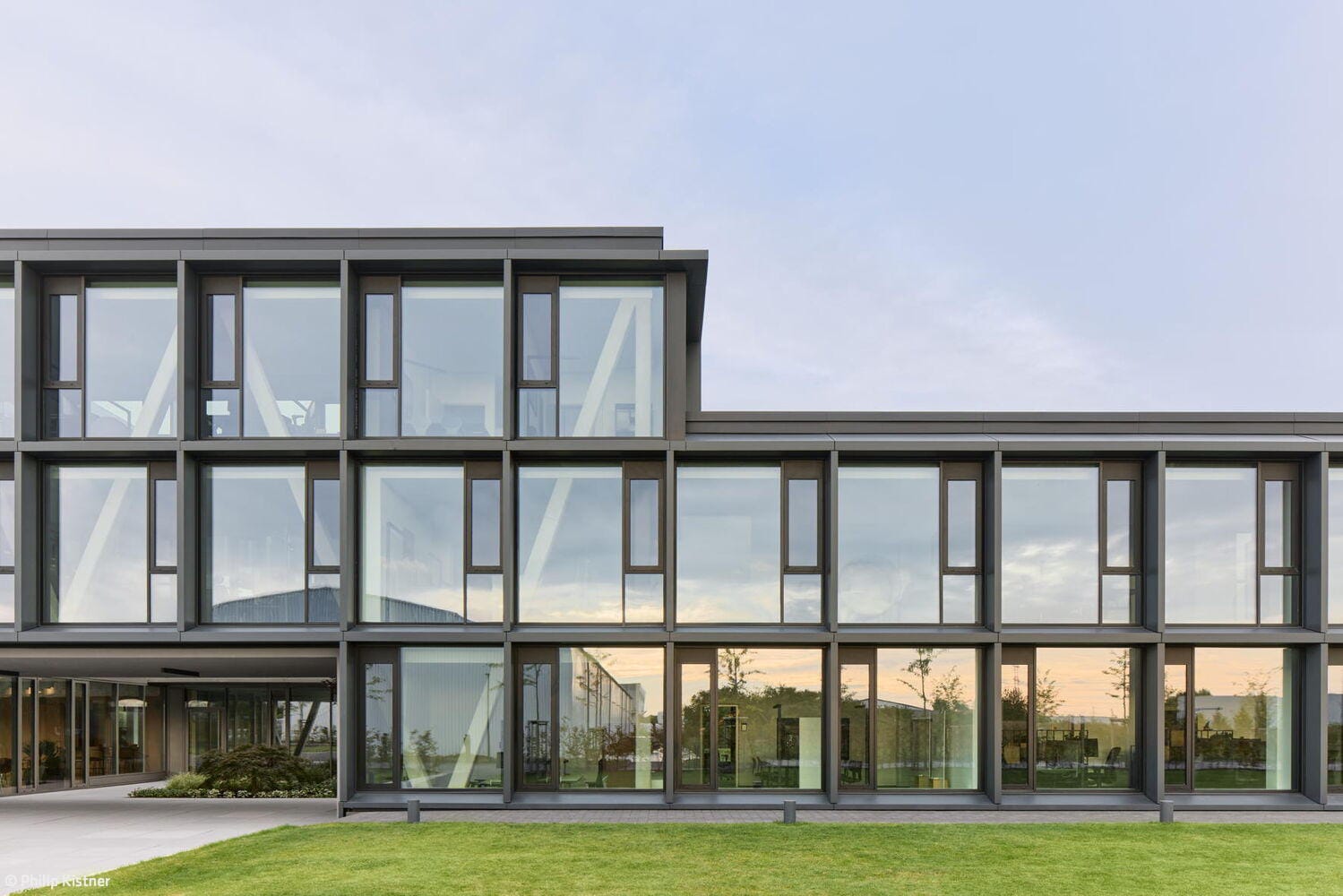
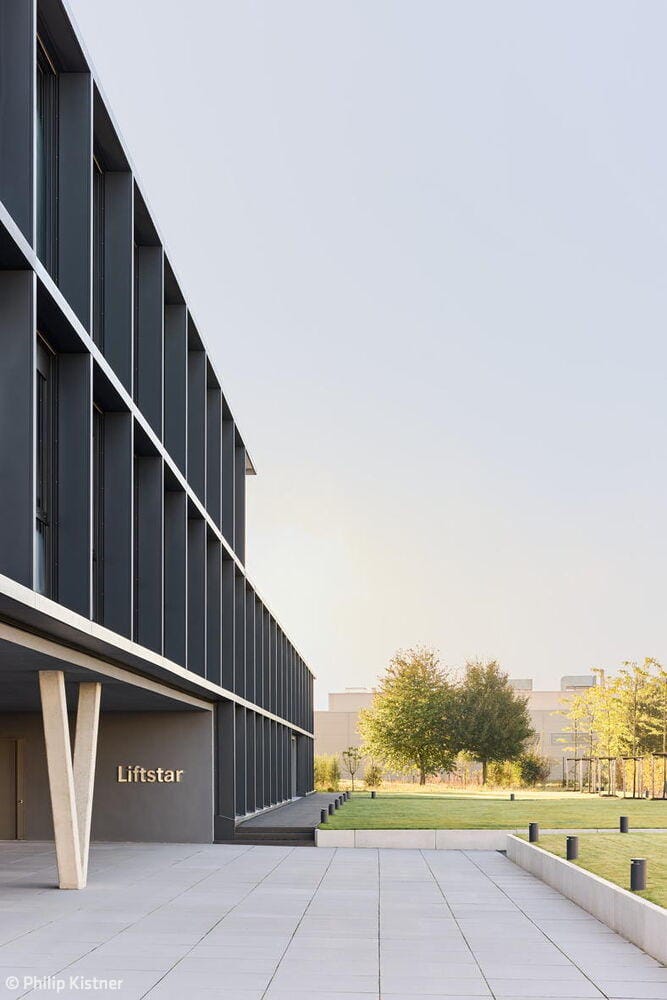
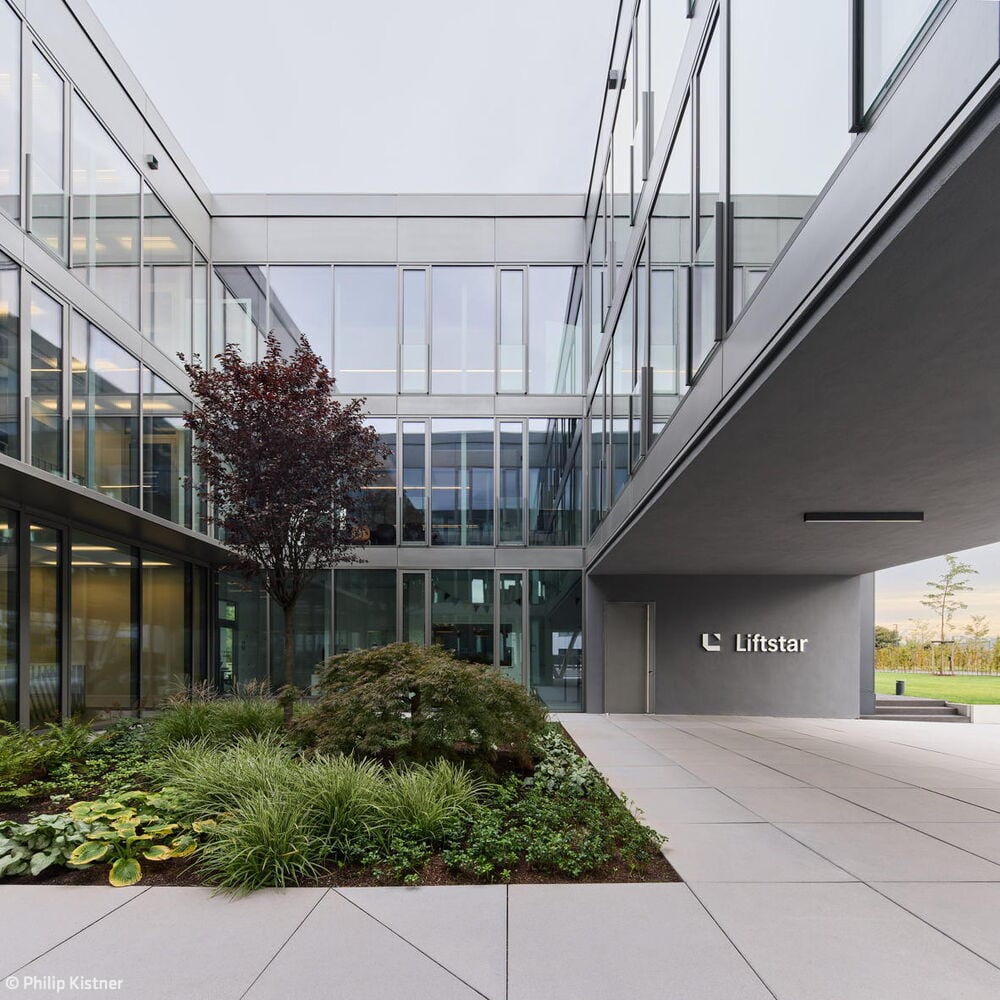
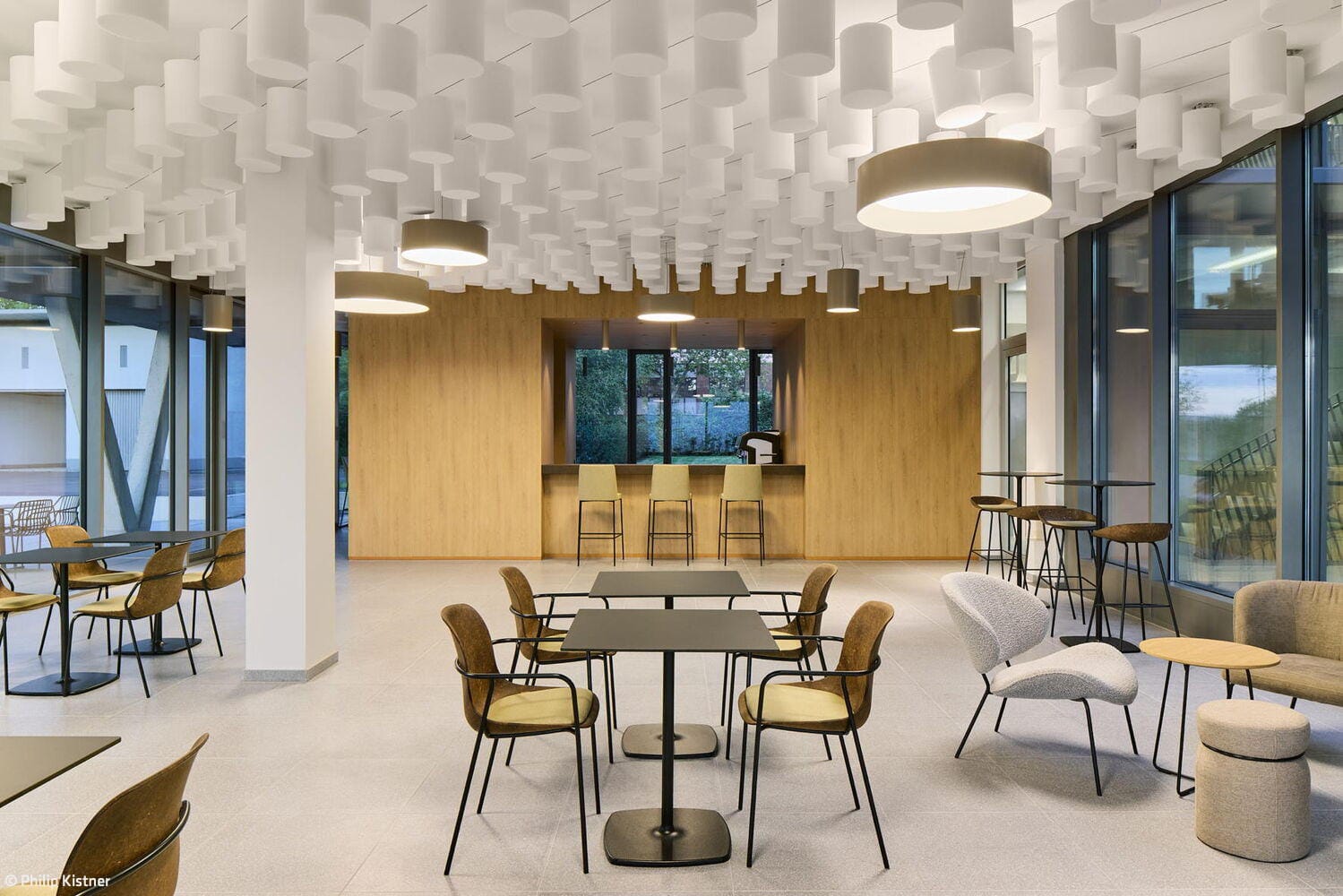
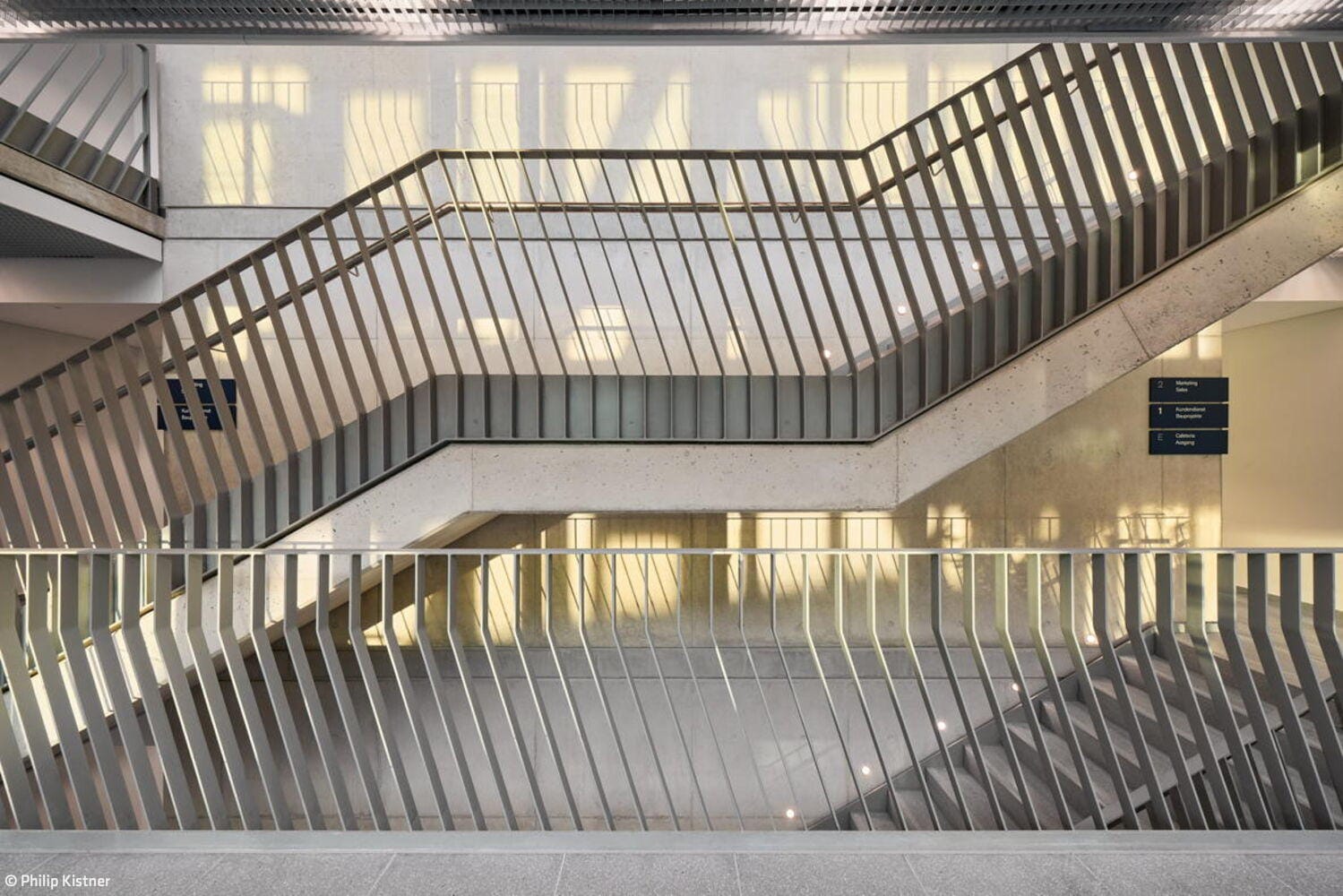
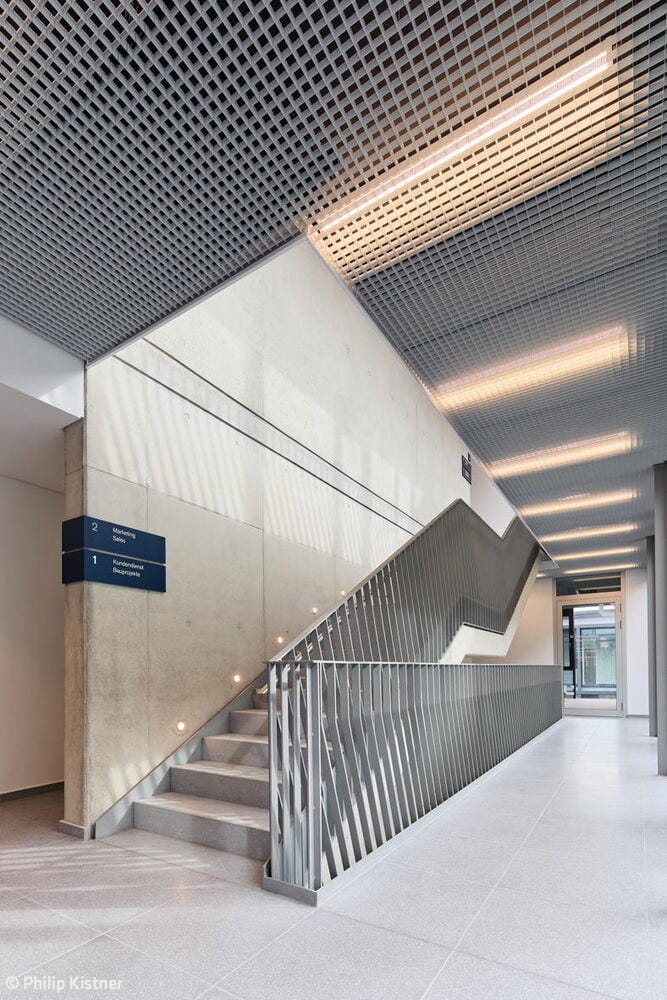
Liftstar Holding in Marsdorf unites several companies specializing in mobility and accessible living under one roof—including manufacturers of stairlifts, home lifts, and platform lifts. This established family business sought to create a vibrant centerpiece for its existing corporate campus. In partnership with Klara Architects, Bruhn Knechtges Müller Architects have designed a building whose architecture radiates distinctive presence—enhancing both the company's identity and the experience of everyone who works here.
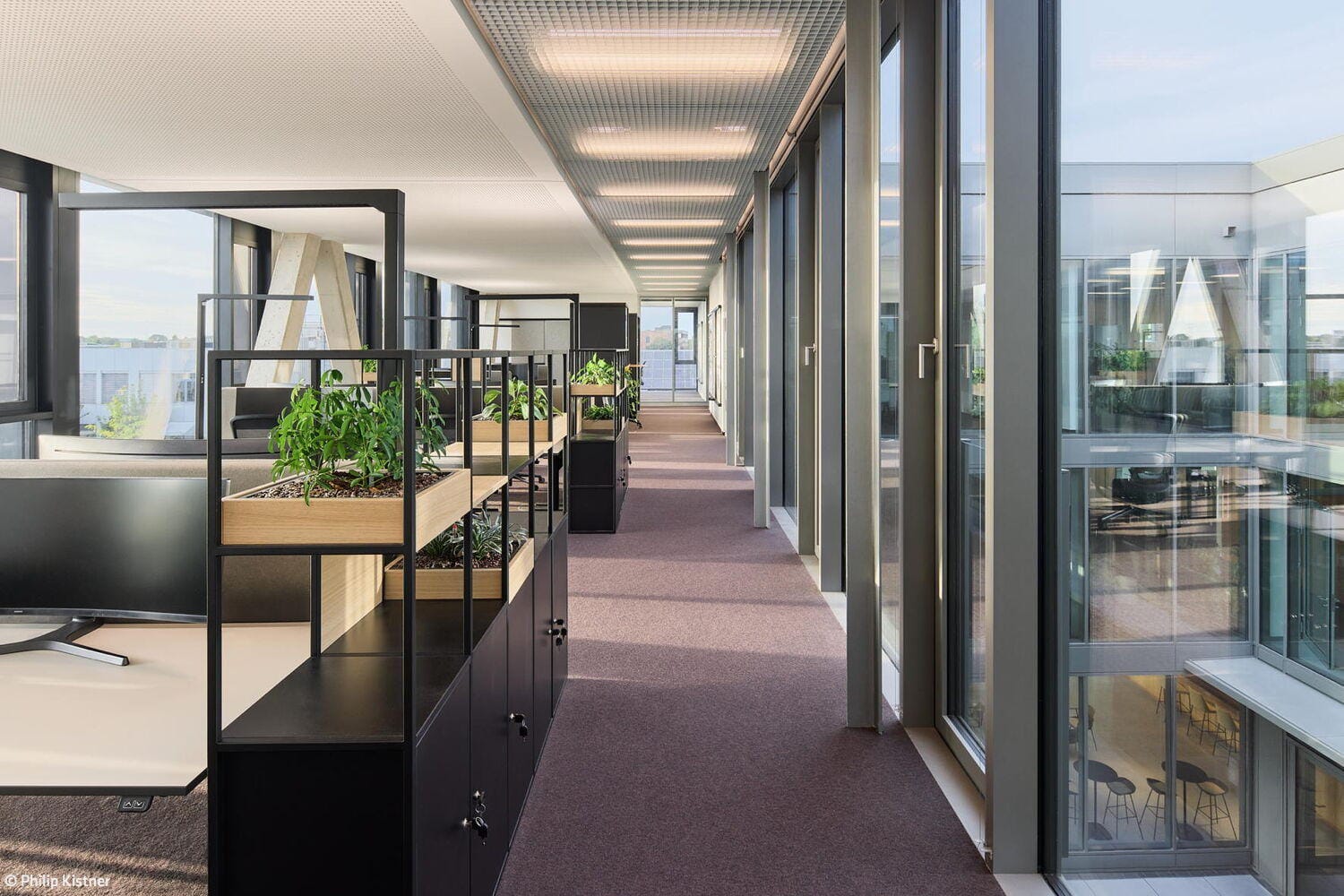
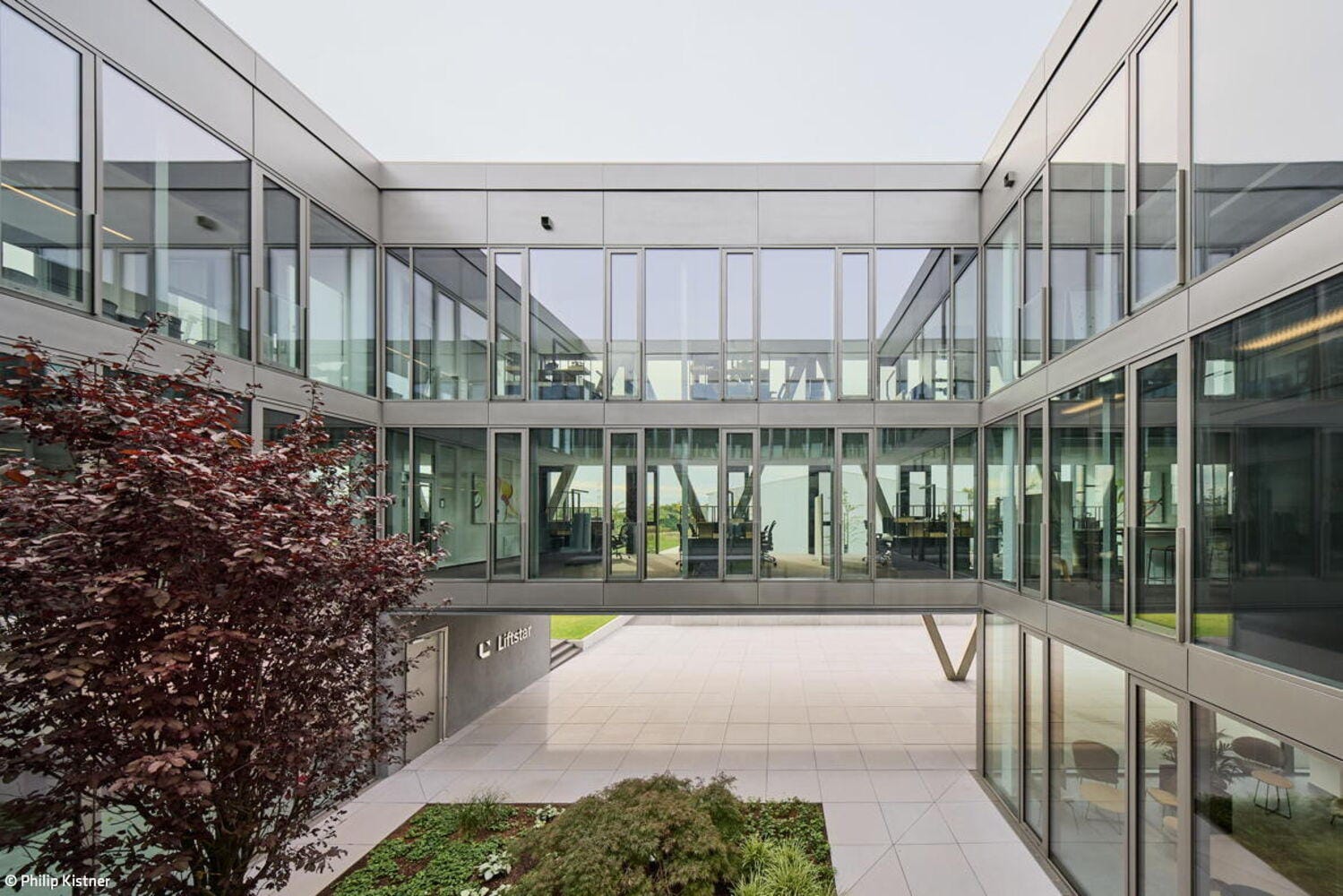
Spanning a decade of conception, planning, and execution, this project navigated significant hurdles. The architects skillfully synthesized extensive employee input gathered through workshops into a coherent design. The timeline proved equally demanding: after an approval phase stretching over 18 months, construction planning halted for nearly three years due to soaring costs in the post-pandemic economy. This setback ultimately prompted a fundamental redesign—a process greatly aided by direct collaboration with the family business's leadership. From the beginning, the vision was clear: a central office building housing an in-house nursery and cafeteria, alongside a workplace that fosters creativity and cross-functional exchange. The result is a sophisticated architectural composition defined by three light-filled atriums, bridge-like connectors, dramatic cantilevers, and recessed sections—all wrapped in floor-to-ceiling glazing and a striking metal framework. The structural solution—reinforced concrete flat slabs and columns—maximizes interior flexibility and visual openness. Column-free zones became a defining principle: ground-floor spaces like the cafeteria, along with the connecting bridges, feature cantilevered decks supported by a multi-story V-column structure. In the inner courtyards, steel hangers anchored to parapet beams maintain the seamless facade line. The entrance experience sets the unconventional tone: visitors and staff are drawn through two verdant atriums into the heart of the building, then guided up an exposed concrete staircase to the upper levels. At the top, the direction reverses—and the full transparency of the new office world unfolds. Open-plan workspaces radiate from the atriums, offering sweeping sightlines and defining the fluid character of the interior. Sleek floor-to-ceiling aluminum-glass partition systems with integrated blinds delineate offices and meeting rooms as needed. Integrated dark textile screens on the exterior provide solar control.
At ground level, the cafeteria and nursery flow seamlessly into landscaped courtyards and green zones—essential gathering spaces where all campus employees can connect, unwind, and recharge. Energy performance is delivered through a combination of radiant heating and cooling ceilings paired with underfloor heating, complemented by a sustainable green roof and extensive photovoltaic installation. A central BUS control system allows for intuitive management and fine-tuning of all building systems.
www.bkm-architekten.de
www.klara-architekten.de
Photography:
Philip Kistner
www.philipkistner.com
(Published in CUBE Cologne Bonn 01|26)


Downslope Extension
Infill development preserves views for all
Kidney Table Reimagined
Mid-Century Design Meets Modern Pharmacy
Cinema-Worthy New Construction
Where an Aging Dwelling Becomes Design Statement
Thoughtfully Complemented
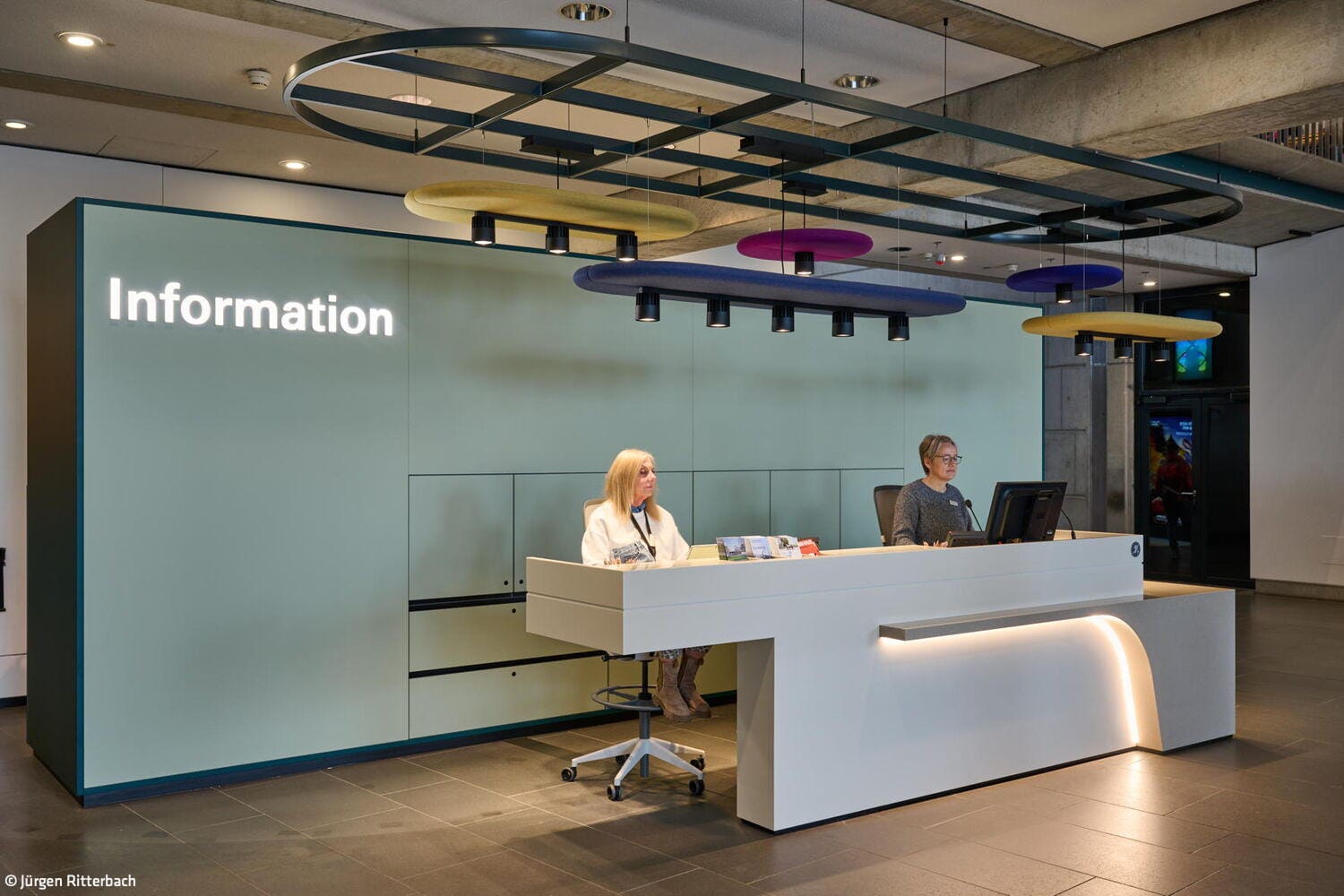
Bonn's House of History has also modernized its public gathering spaces