


Inward Densification
Renovation, Refurbishment and Technical Modernization of the Atrium Houses at Freimann Student Village
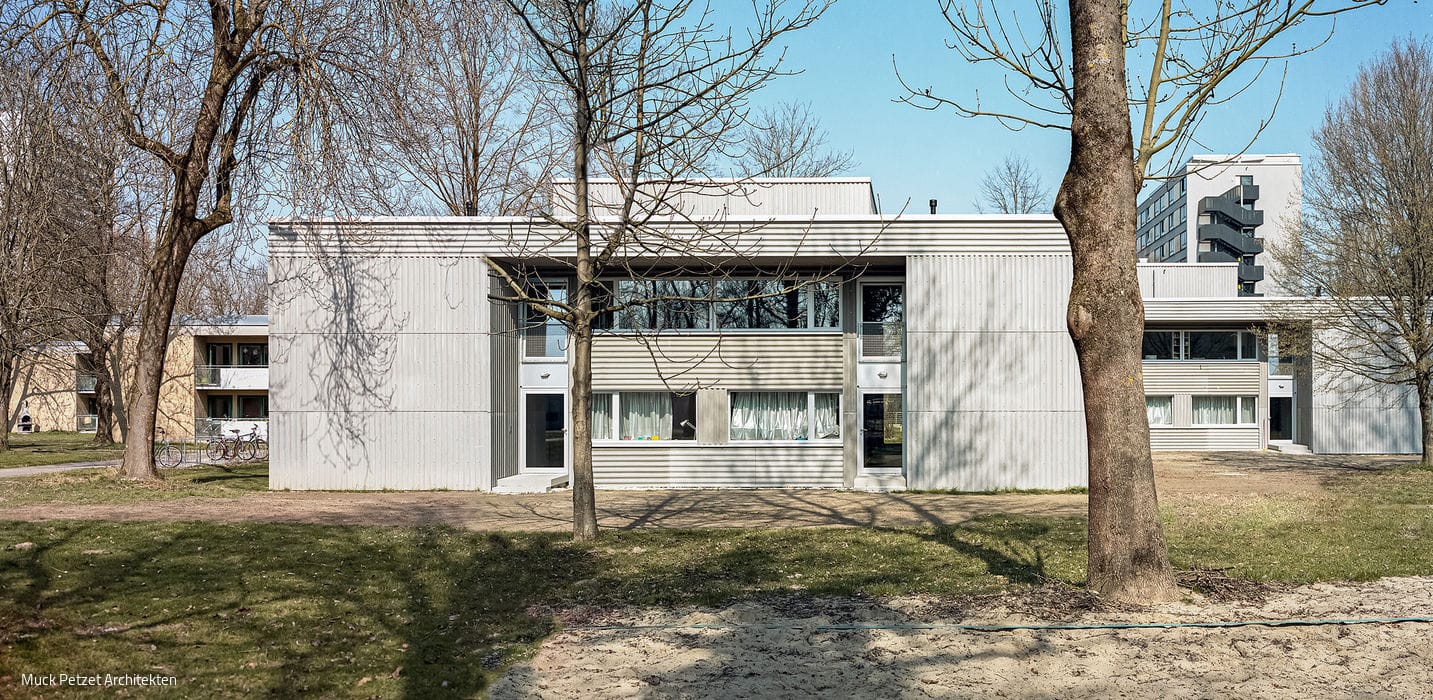
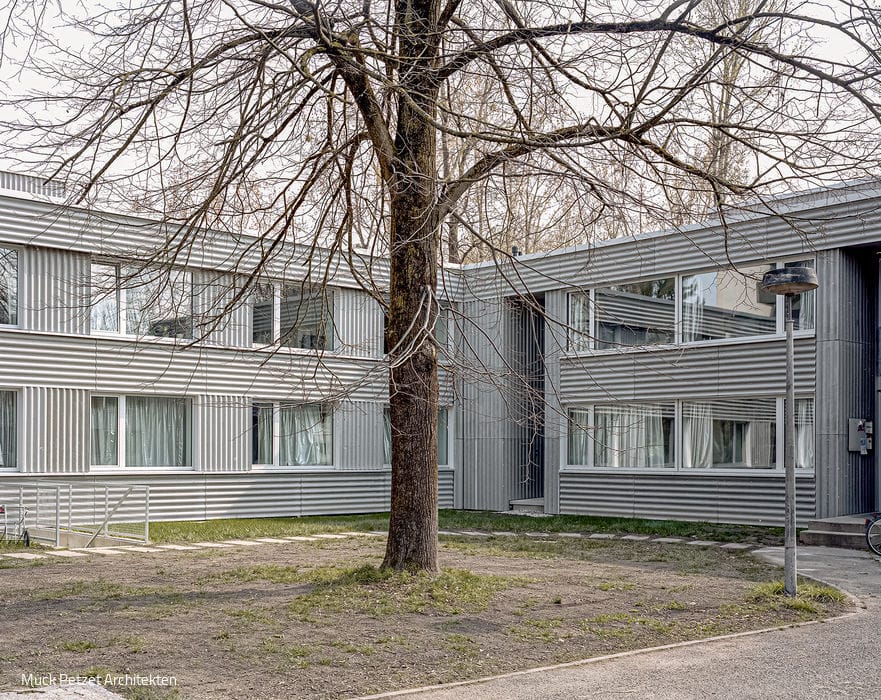
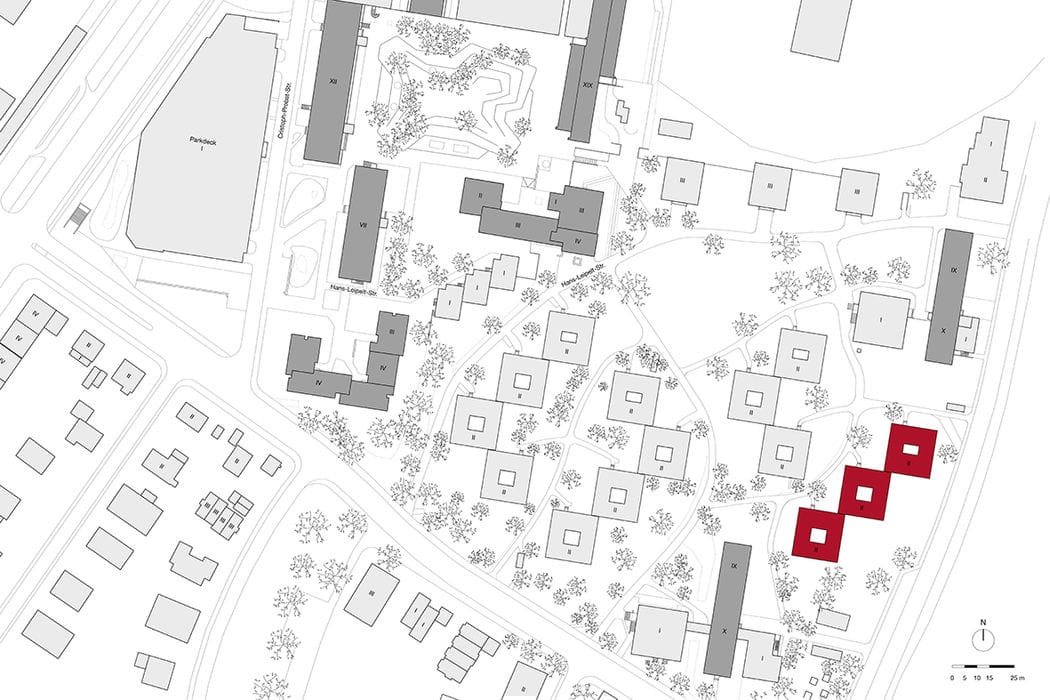
Time moves fast: what was once Germany's most modern student village has aged considerably. The planning began in 1958, with construction on the first phase starting in 1961. Ernst Maria Lang and his partner Sepp Pogadl won the competition. Alongside his celebrated caricatures for the Süddeutsche Zeitung, Lang was renowned for his austere concrete architecture—a style that captured the era's essence. Among the original buildings from that period are the distinctive atrium houses.
After nearly five decades, comprehensive renovation became essential. Architect Muck Petzet has built a career around adaptive architecture and building conservation. His vision crystallized internationally in 2012 when he curated the German pavilion at the Venice Architecture Biennale with his seminal "Reduce – Reuse – Recycle" exhibition—a philosophy that would define his practice.
Built across four phases between 1961 and 1977, Freimann student village became Germany's largest student housing complex. Though the atrium houses lack protected monument status, Petzet's team conducted a comprehensive feasibility study grounded in two core principles: preserve the original character wherever possible and minimize costs. The original façades of the three buildings at Willi-Graf-Straße 3, 5, and 7 featured ochre clinker brick and dark wood; today, light grey Welle-Eternit panels provide a ventilated skin. A thorough technical and energy modernization was imperative.
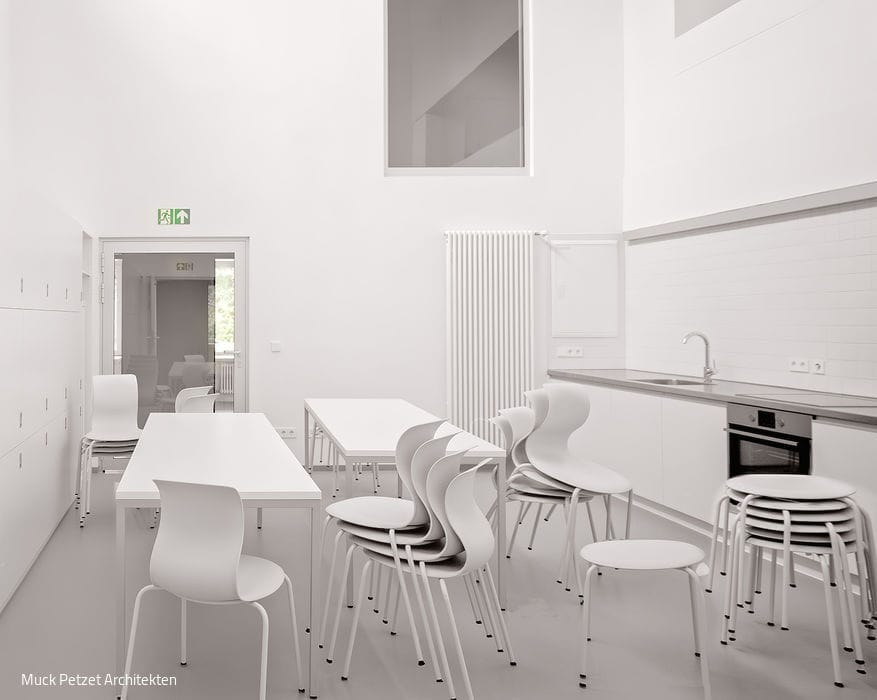
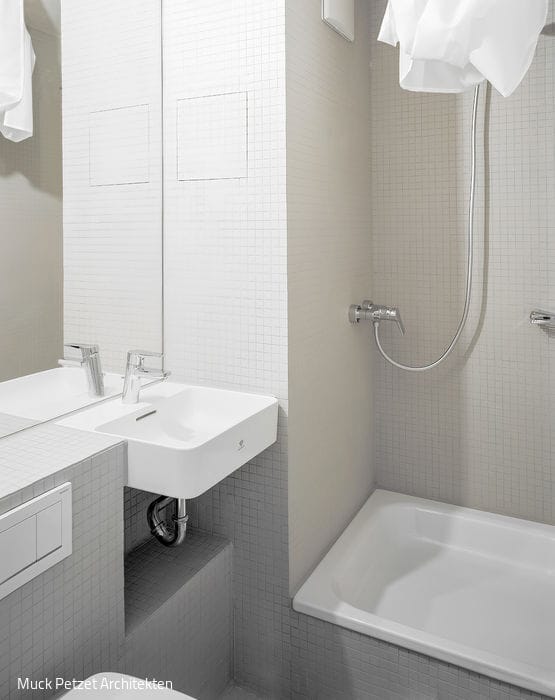
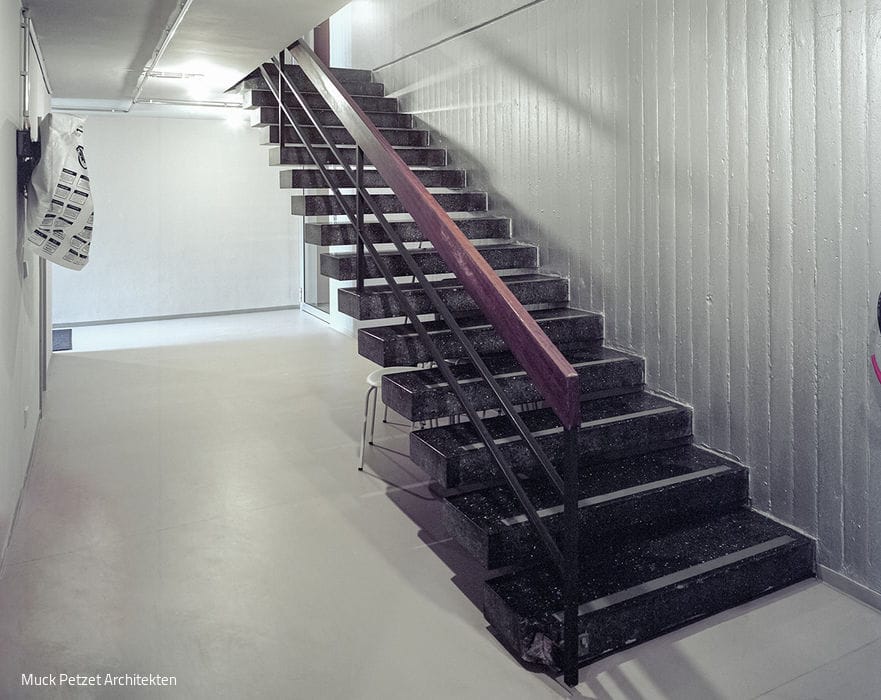
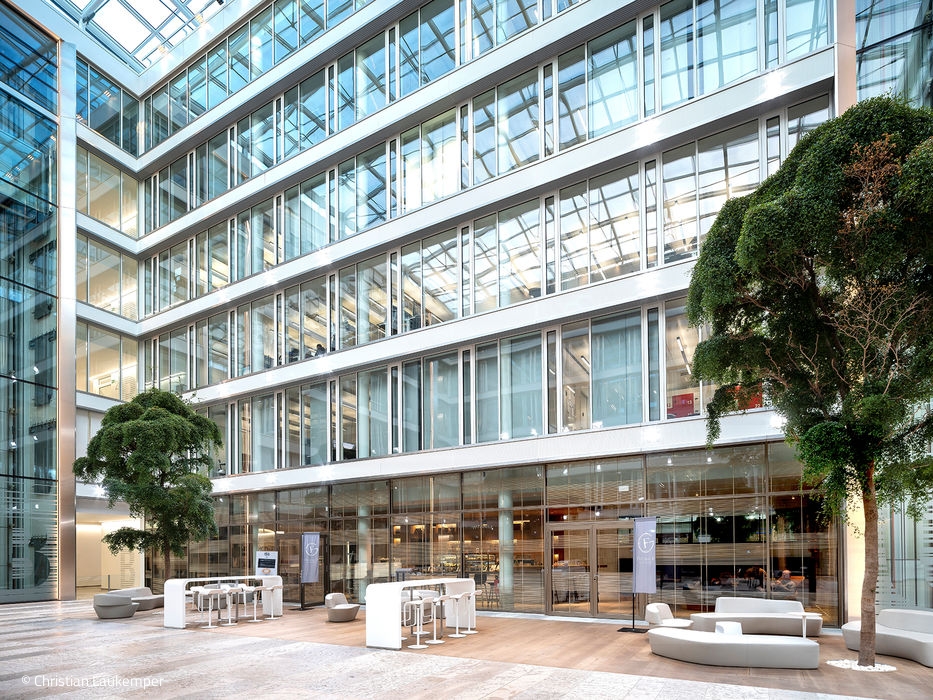
The project's most decisive move: converting the open courtyards into enclosed atriums. What were once underutilized central voids are now integrated as weatherproofed cores, with shared kitchens on the ground floor—fostering community gatherings, meals, and social life. The gained interior space accommodates private bathrooms in each room and expands total living area. The renovated atrium houses now accommodate 74 students, up from 60. Building systems were entirely replaced; original doors and staircases were thoughtfully retained. The final cost came in 30 percent below new construction.
Photography Credits:
Muck Petzet Architects
(Published in CUBE Munich 02|22)


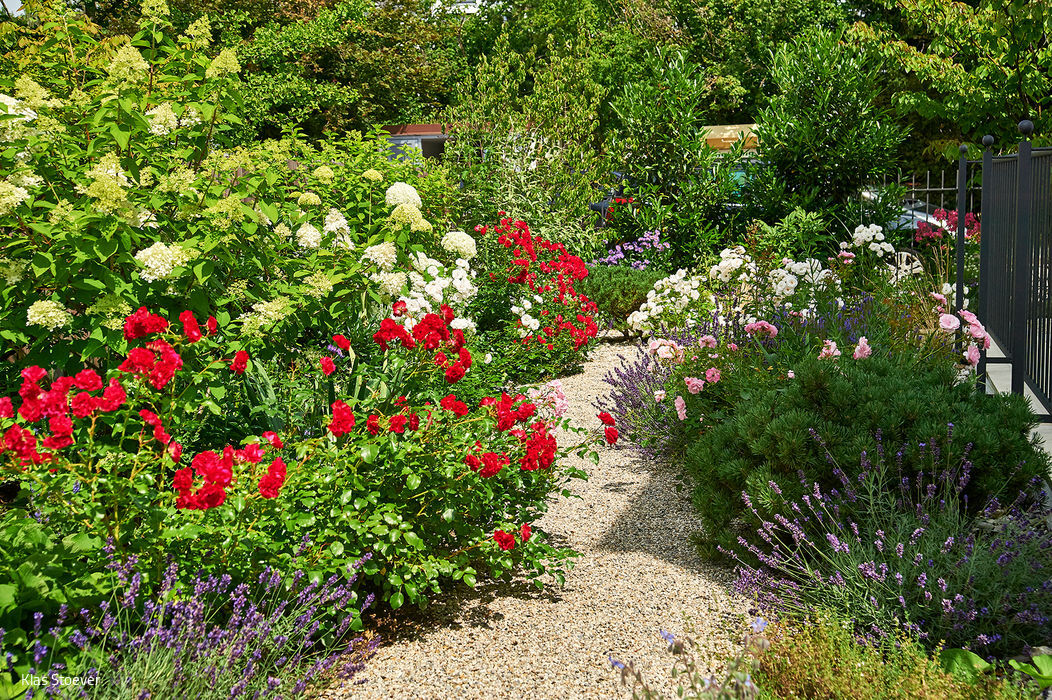
Flowers Over Lawn
A Lenggries Garden Transformed: Flowering Paradise Designed for Two
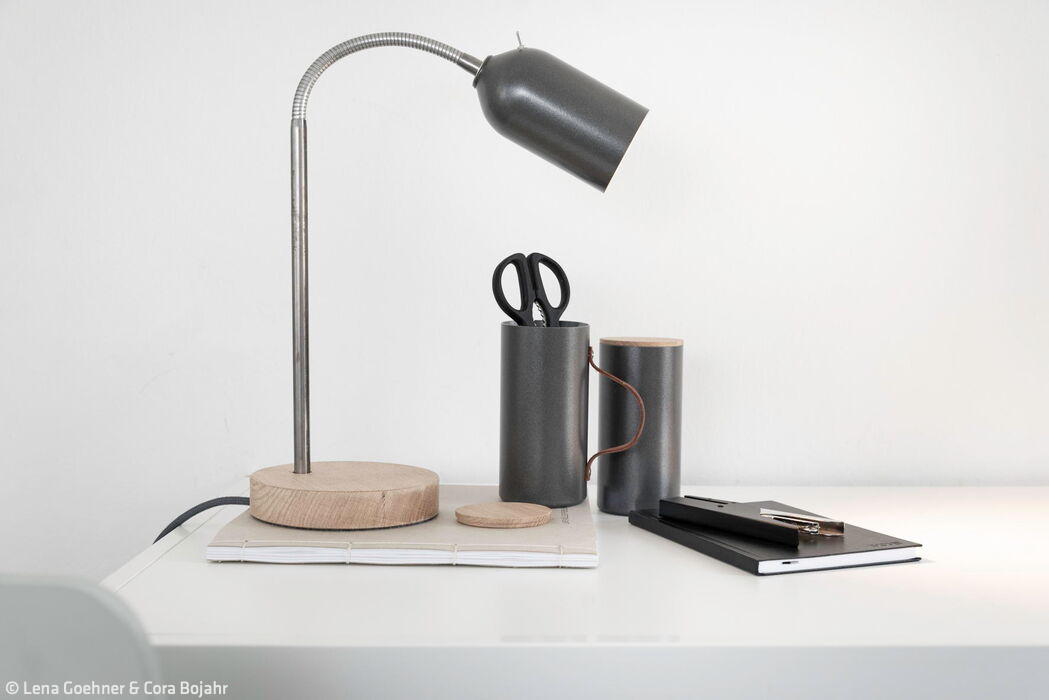
Crafted with Care
Lena Goehner designs and produces sustainable products on Lake Starnberg.
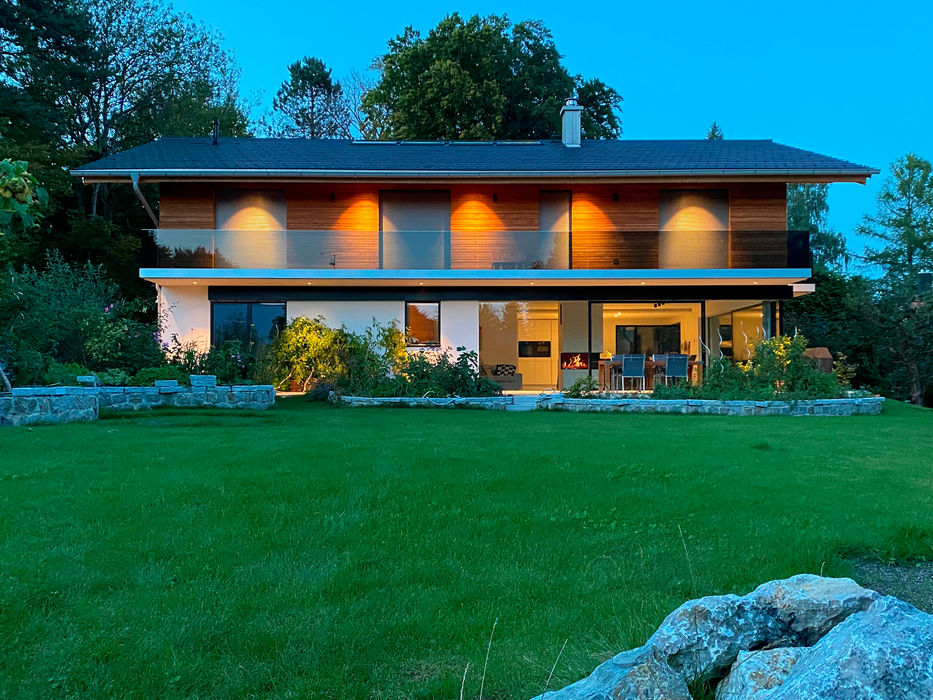
Gabled Disguise
Where Tradition Meets Contemporary Living
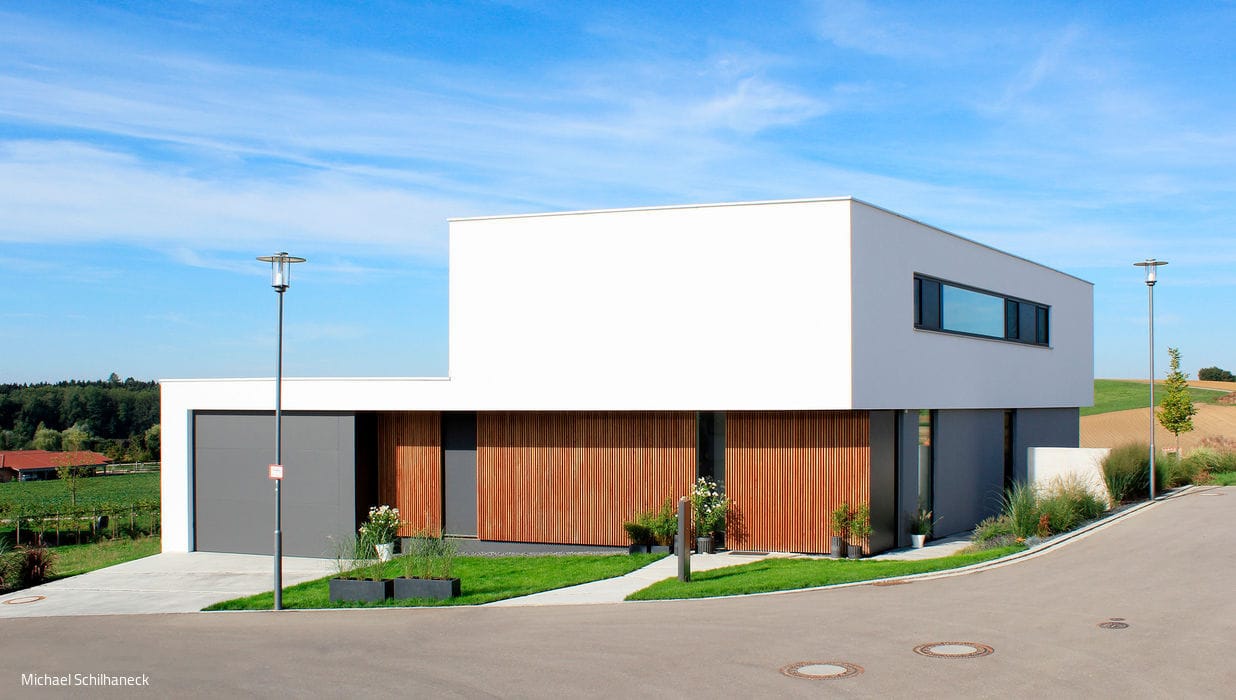
Elegantly Extended
Modern Family Home with Distinctive Presence