


House, garden, furniture – unified
A residential home on a narrow lot, articulated in multiple volumes with compelling outdoor spaces
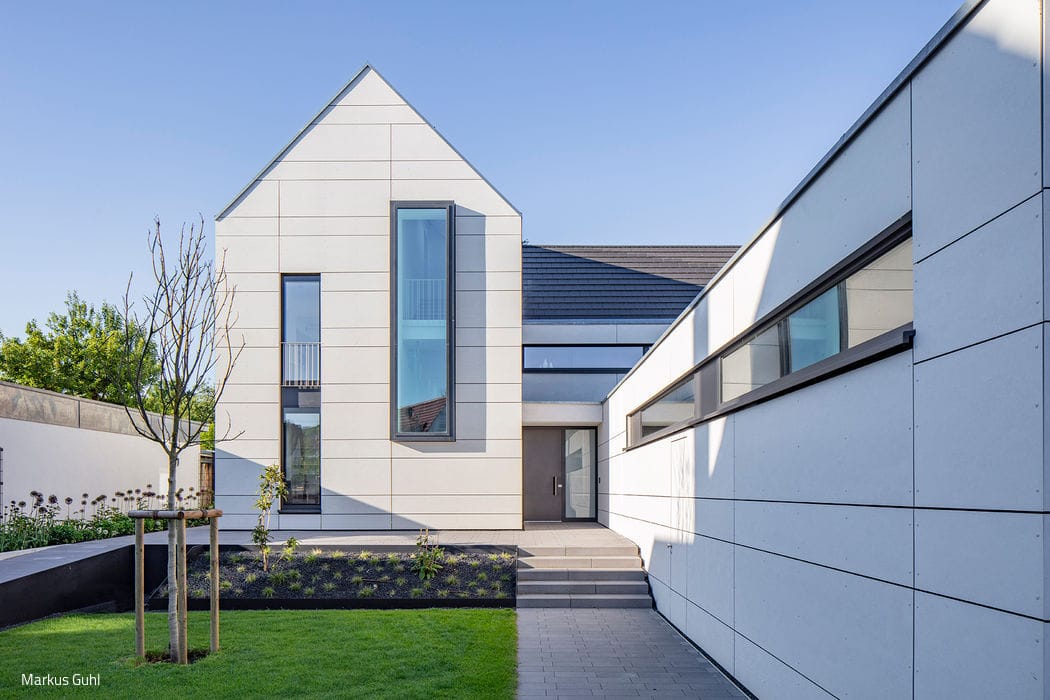
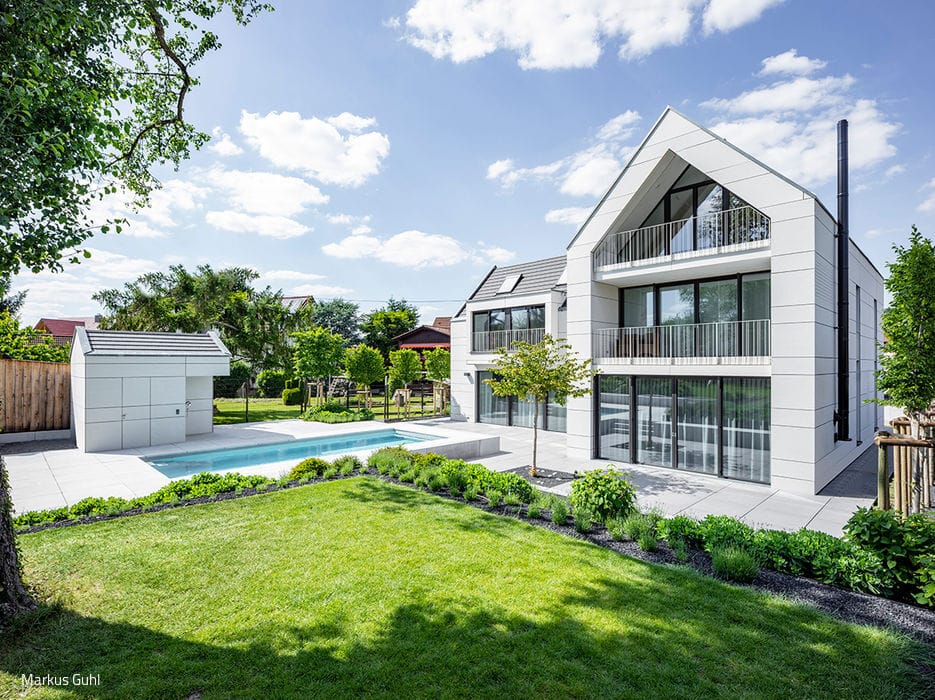
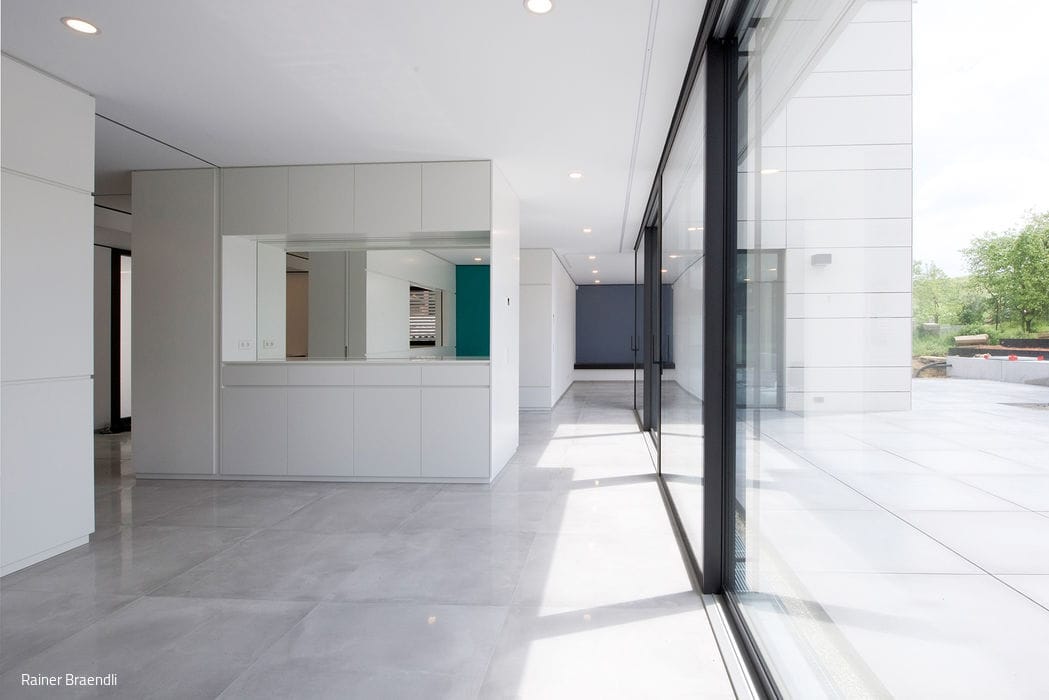
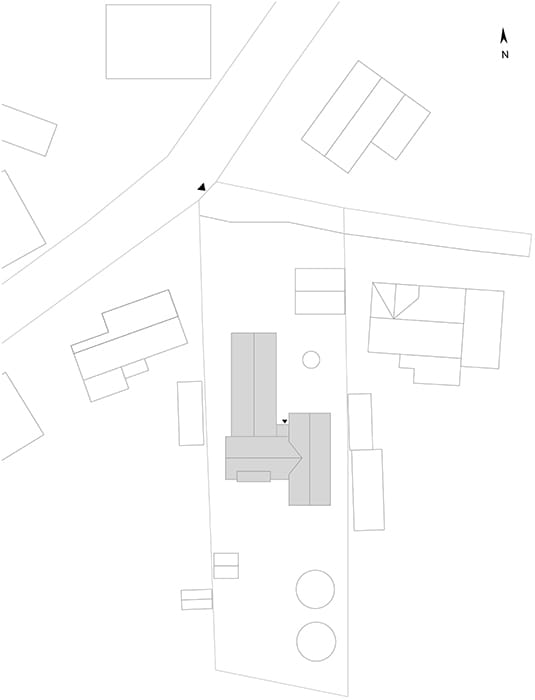
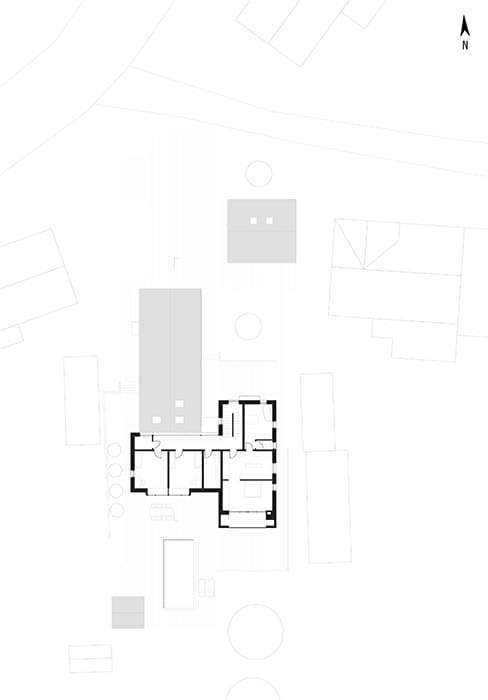
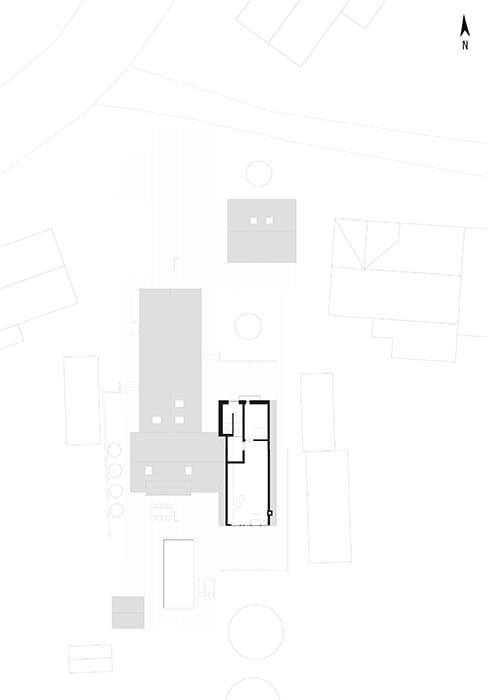
The design began with a distinctive starting point: a narrow plot nestled within a traditional village setting, characterized by gabled roofs and farmhouse architecture. Neighboring buildings sit close to the property lines. To the north lies the driveway; to the south, expansive views of meadows and forest.
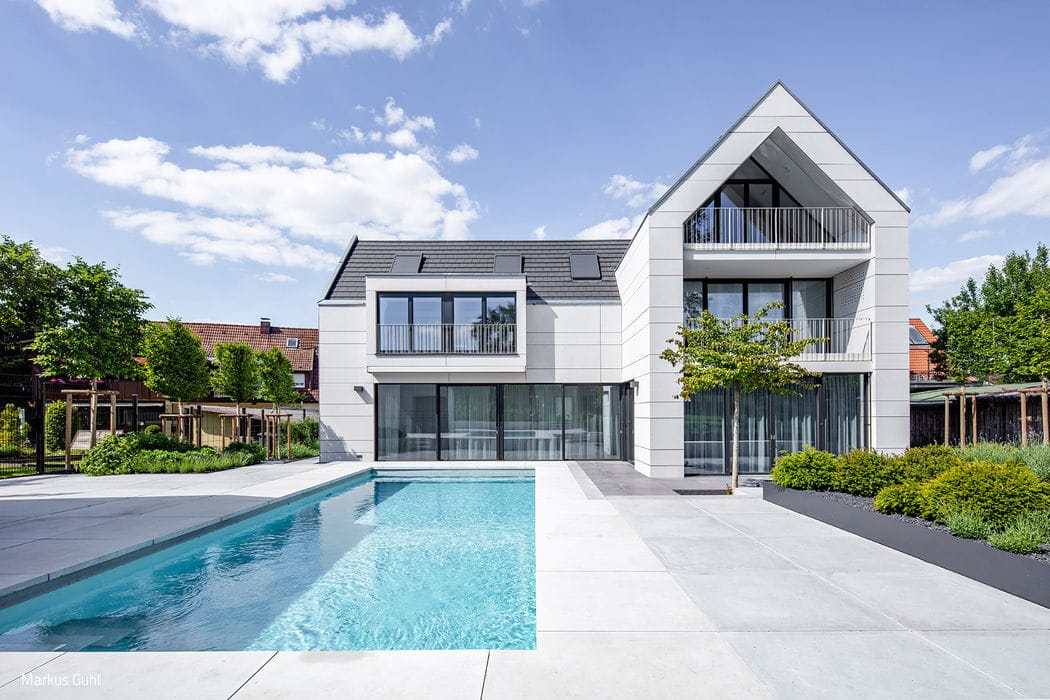
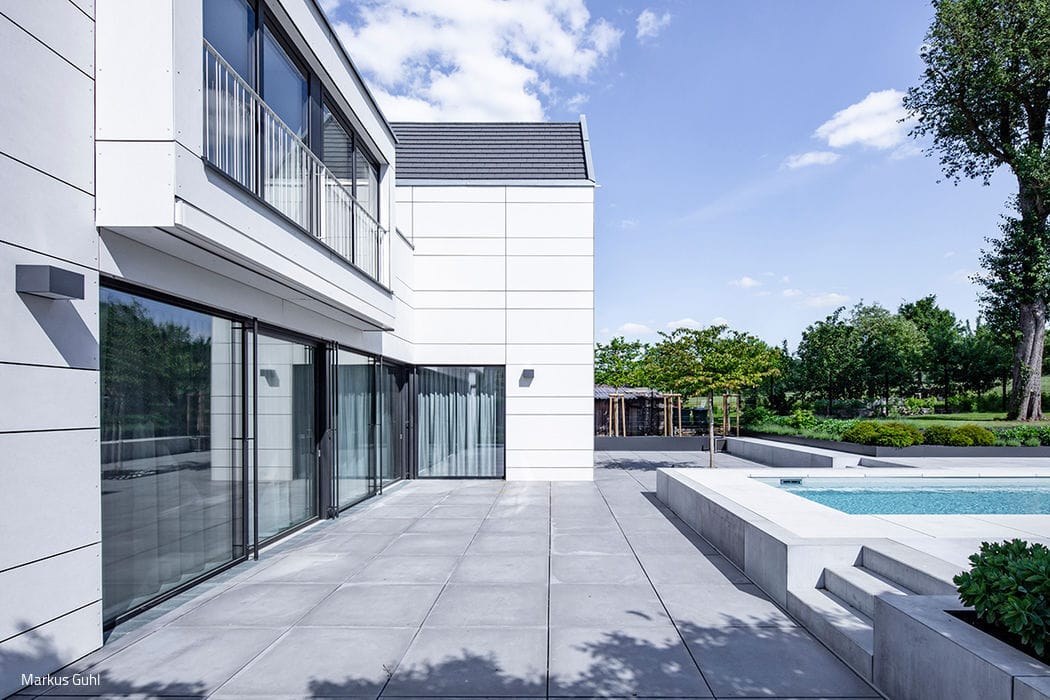
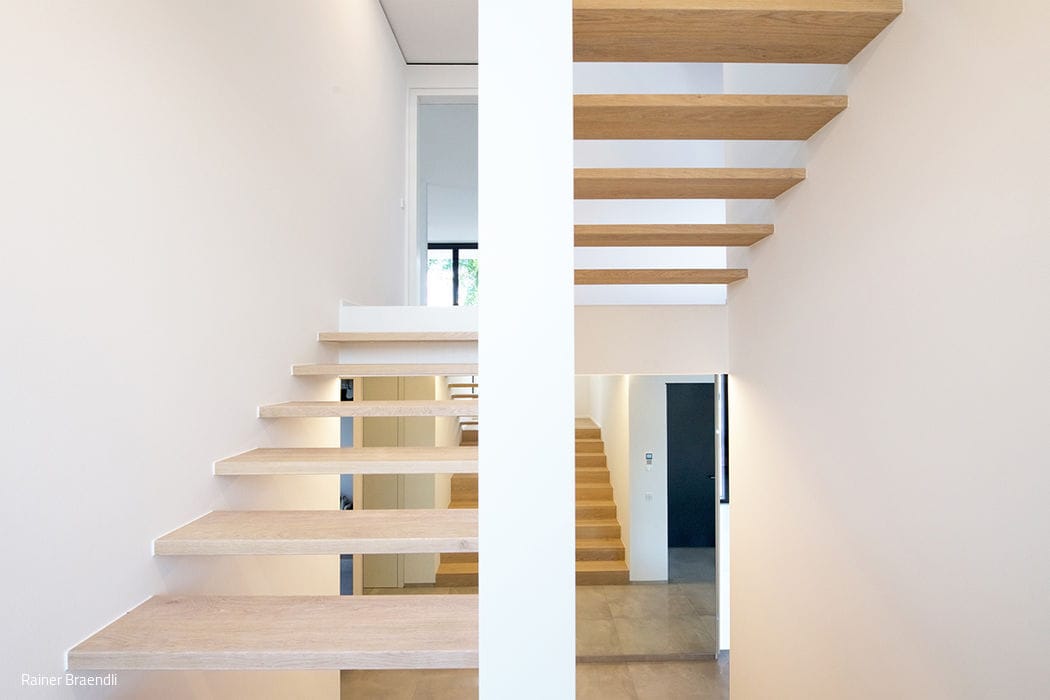
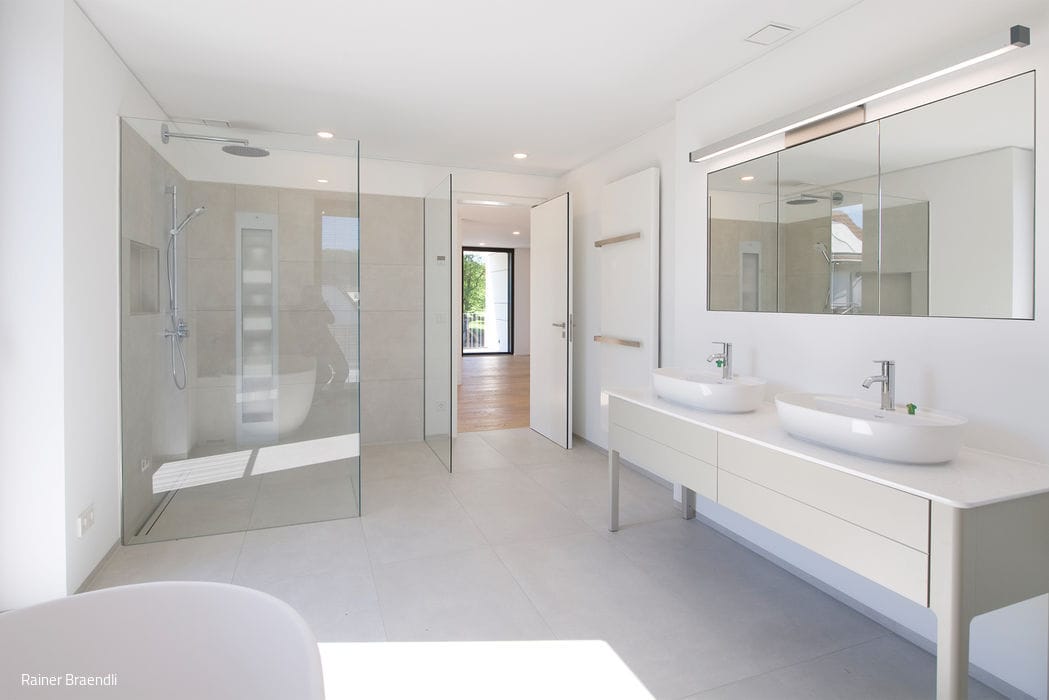
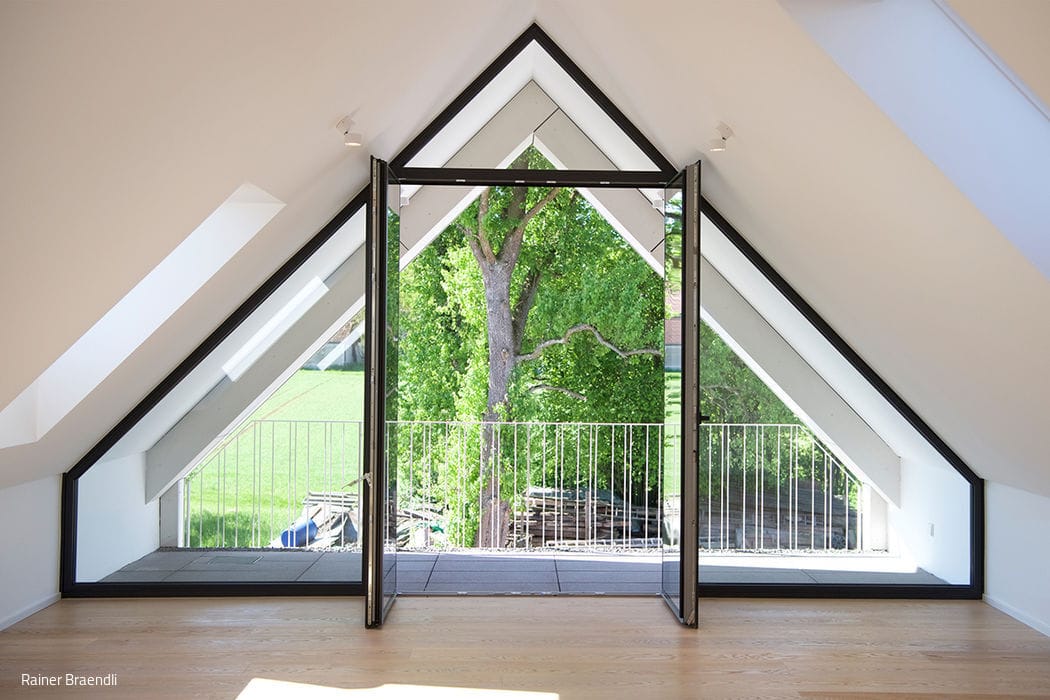
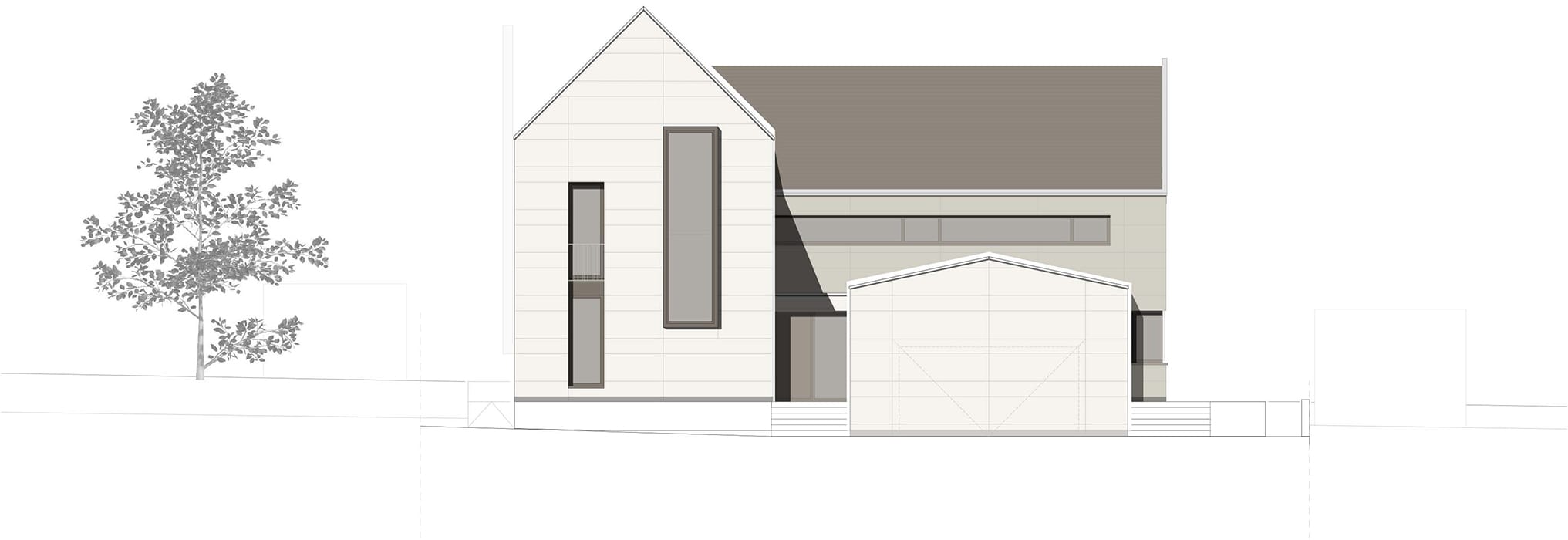
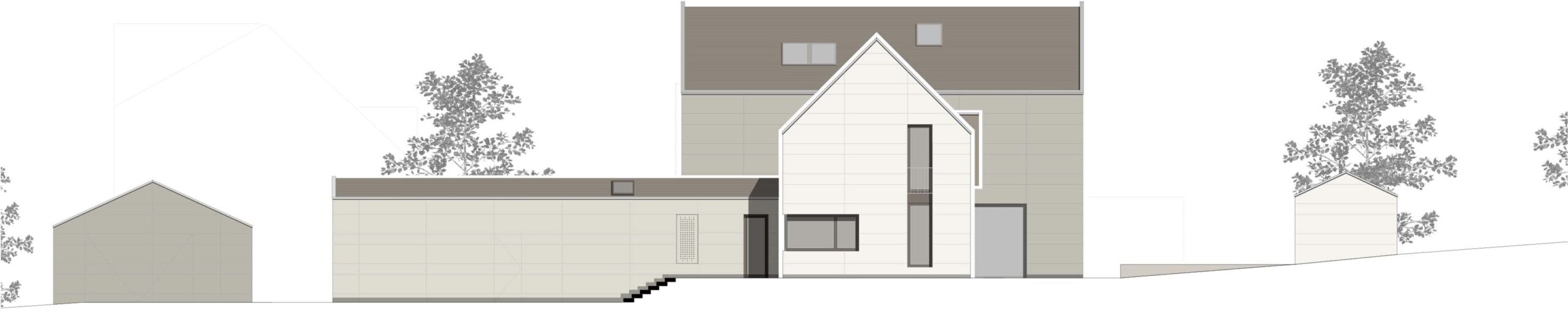
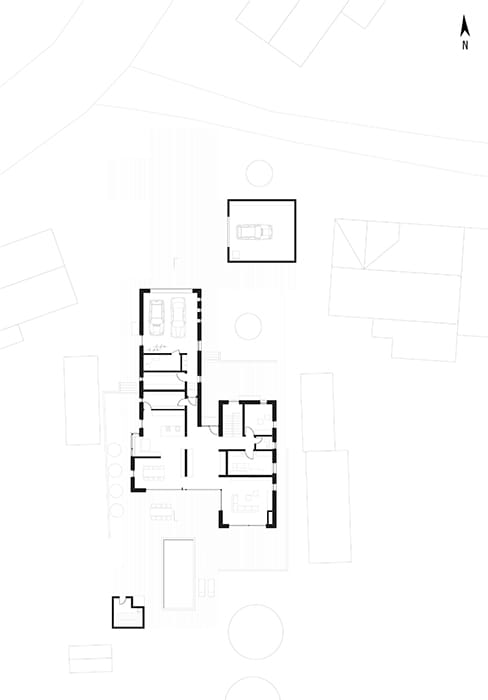
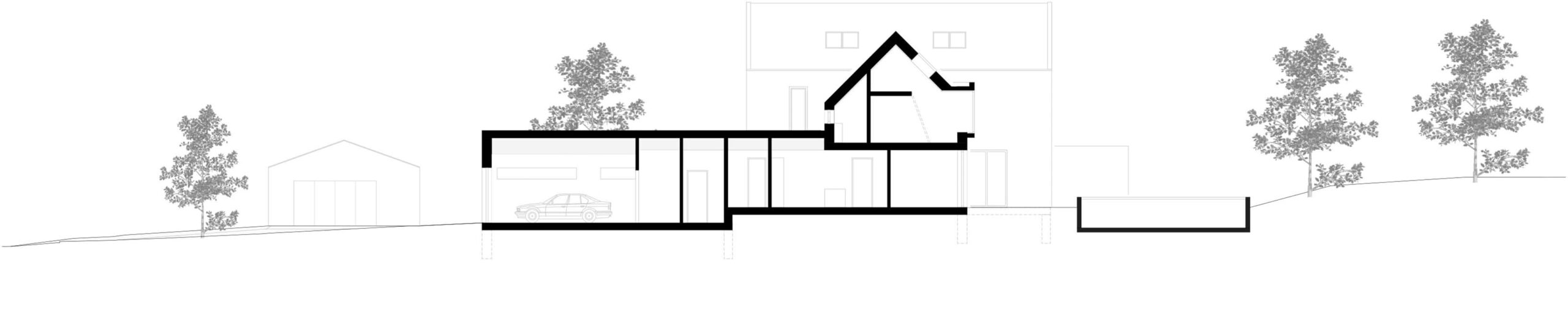
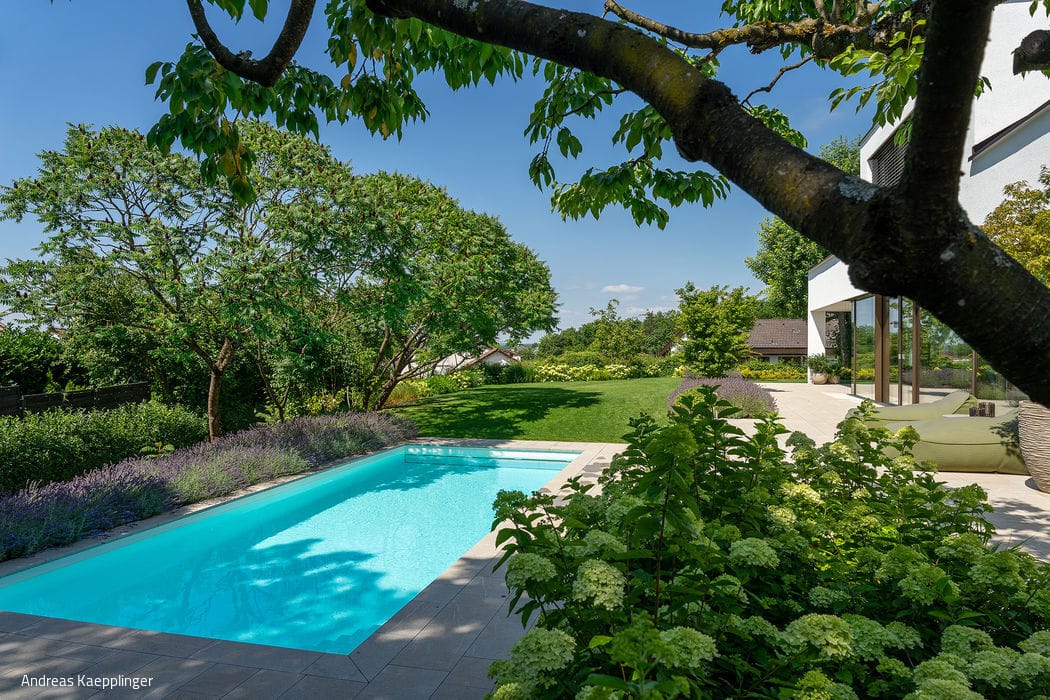
The building envelope's depth enabled the architects to set the structure back while extending it longitudinally. Kiltz Kazmaier Architects distributed the generous spatial program across smaller, distinct volumes—a strategy that grounds the ensemble within its rural context. By positioning two smaller houses and subdividing the main residence into three sections, they crafted dynamic outdoor spaces and intimate courtyards with compelling sightlines. To the north at the entry sits the vehicle court and workshop/hobby zone. Moving south, an entrance courtyard precedes the main residence. The south-facing façade opens to a garden and pool area. This disciplined external articulation flows seamlessly indoors. The central entrance invites you into a compact foyer with framed views across the various living zones and toward the garden. Large expanses of glazing dissolve the boundary between interior and exterior, fostering an open, intuitive spatial experience. A subtle staircase ascends to the upper floor, which divides into a children's wing and parents' wing connected by a bright circulation space—a layout responsive to the building's geometric logic. The attic culminates in a flexible, self-contained unit with an ensuite bath. Here, beneath open rafters and accessed via a sheltered loggia, residents enjoy both seclusion and commanding views of the surrounding landscape.
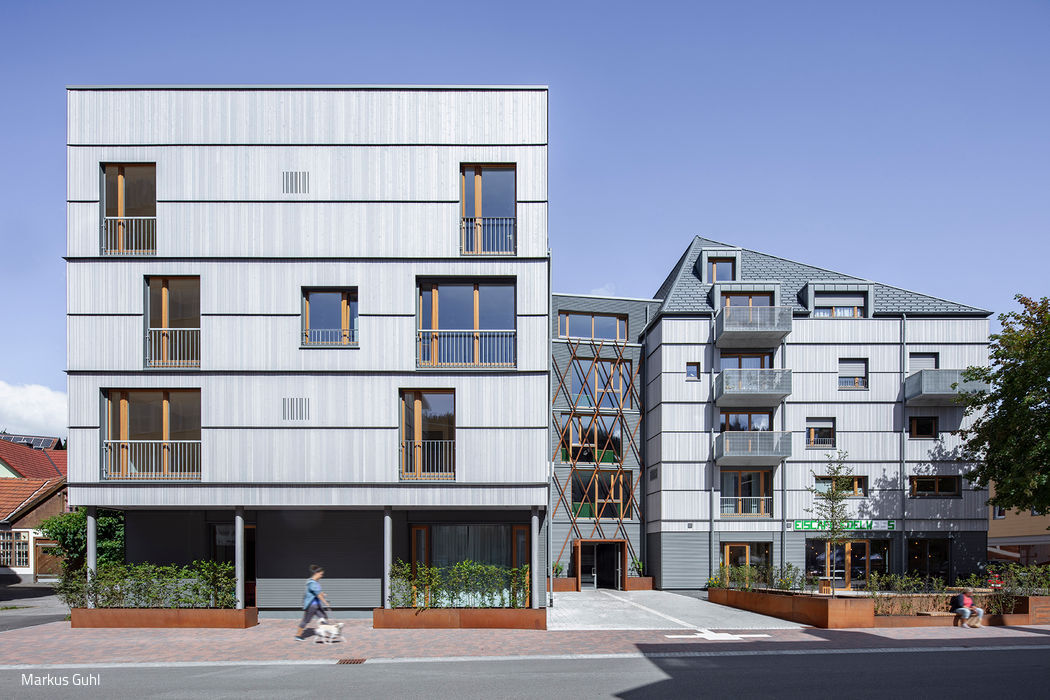
The ensemble achieves an elegant, timeless quality through restrained proportions and measured composition. All structures are clad in light-toned fiber cement panels with rear ventilation, their horizontal joints creating a delicate visual rhythm that emphasizes the building's slender profile. Windows are stacked and banded where possible, reinforcing this sense of weightlessness. Roof edges are eliminated entirely; rainwater drainage remains concealed. Notably, the architect extended his vision beyond the buildings themselves, designing both furnishings and landscape as integral extensions of the architecture. This comprehensive approach ensures that garden design, interiors, and outdoor living form a cohesive whole—with furniture reinforcing the spatial concept through both function and material coherence.
Photography Credits:
Rainer Brändli
Markus Guhl
www.architekturfotograf-markus-guhl.com
(Published in CUBE Stuttgart 01|22)




A Transformation of Atmosphere
A 1930s Semi-Detached Home Reimagined: Spacious, Atmospheric, and Made for Family
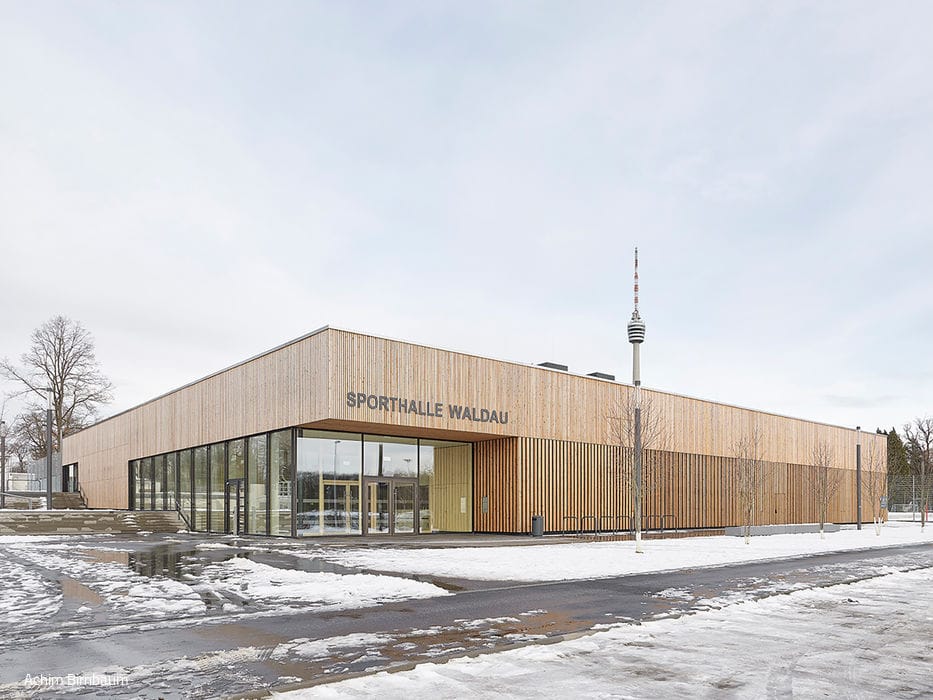
A Blueprint for Sustainable Design
Net-Positive Sports Hall: Powered by Photovoltaics, Geothermal Systems, and District Heating Integration
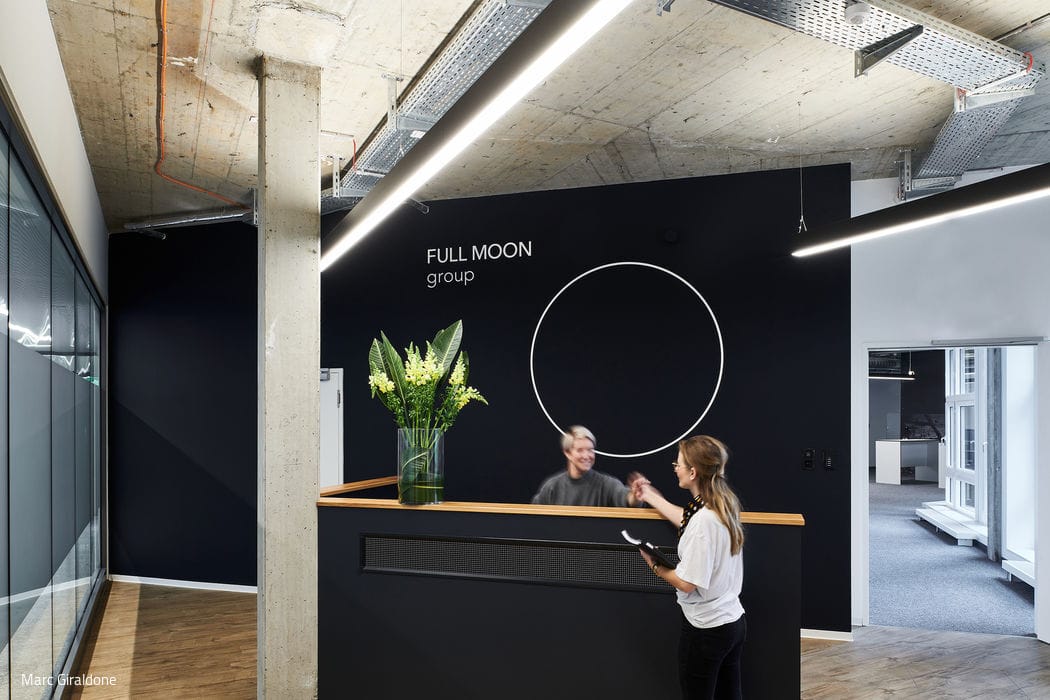
Flexible, Connected, and Active
How 1990s Compartmentalized Office Design Transforms into a Modern, Open-Plan Workspace
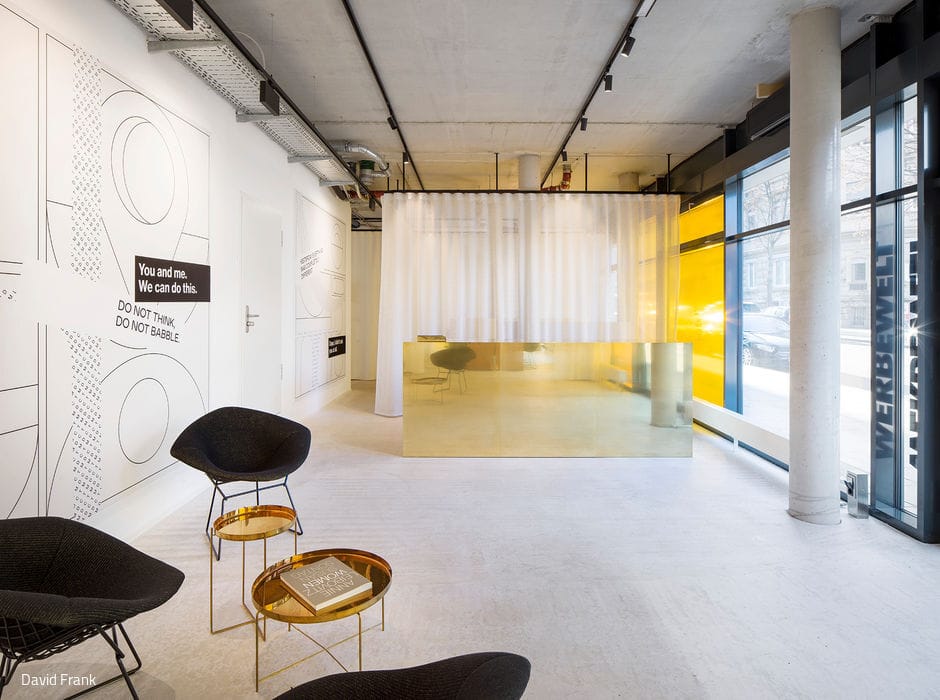
Multifunctional and Flexible
An advertising agency designed to transform—from urban workspace to inspiring event venue