


Reduction as Principle
The architectural vision behind the new Geberit campus

CUBE: What stands out most about the finished campus?
Eberhard Schlag: On one level, the concept itself: our vision has come together exactly as intended. We set out to present the Geberit brand as a complete whole – and that's precisely what you experience here. What made this possible was having control over both the architecture and the exhibition design and scenography. Normally, these responsibilities are split among different teams, but here we were able to develop everything as one integrated vision. Then there's the design approach: everything springs from the square – from the building's form and proportions down to every exhibition piece and media installation. The real challenge was editing. With Geberit, where so much technical complexity must be embedded, the goal was to design everything so thoughtfully that the final space feels calm and uncluttered.
How does this restraint show itself in the finished space?
The room is built from essentially three materials. First, concrete – a powerful, honest material that embodies Geberit itself. Concrete represents the structural foundation where installations begin. You see this idea refined in the flooring. Then there's the understated ceiling plane, and as a warm counterpoint, wood. Oak is inherently refined and elegant. In this particular selection, it creates a profound sense of stillness throughout the space.
What role does light play here?
It's essential. During the day, natural light is the key player. Because the space runs quite deep, we've incorporated light strips that filter daylight and continuously redistribute it throughout the room. This means the atmosphere shifts subtly as the day progresses. For evenings and night events, we focused on creating an inviting environment – equally suited to work and gatherings.
The building feels like a contemporary museum. Intentional?
Absolutely. Museum architecture and exhibition design are where we come from – so that's the lens we applied here. Rather than a conventional showroom for a sanitaryware company, we created a branded experience. Every product is presented as a carefully curated exhibit within a refined space. That was our clear mandate. Sustainability was core to the entire project. The building holds DGNB Gold certification, awarded against rigorous environmental criteria. A key feature is rainwater management: water is collected, stored, and then used to irrigate the generous exterior areas accessible to both staff and visitors. Energy comes from geothermal systems fed by deep boreholes, supplemented by an extensive solar array.
Professor Schlag, thank you for your time today.
Interview conducted by Barbara Brubacher, freelance editor specializing in architecture and interior design.
Prof. Eberhard Schlag, Dipl.-Ing. Architecture, BDA
Eberhard Schlag helped establish Atelier Brückner in 1997 and has been a partner since 2008, serving as President of Atelier Brückner Korea Ltd since 2018. A native of Singen, he studied architecture at the University of Stuttgart and completed his master's degree at the Illinois Institute of Technology (IIT) in Chicago. Since 2010, he has held the chair of Architecture and Design at Konstanz University of Applied Sciences (HTWG), and from 2020 to 2024, served as Vice-Dean of the Faculty of Architecture and Design. With 25 years of experience developing and realizing ambitious, highly complex architectural and exhibition projects at both national and international levels, his portfolio includes the Cyclebowl at Expo 2000 in Hanover, the BMW Museum in Munich, the Hyundai Motorstudio in Seoul, and the Wagenhallen in Stuttgart.
Photo:
Tom Maurer
www.tommaurer.de
(Published in CUBE Munich 01|26)


Modern Jewel
Restoring a Heritage Maisonette in a Historic Building
Residential System from Munich
Thomas Kandler and Robert Kern Create Modular Solutions for Every Space
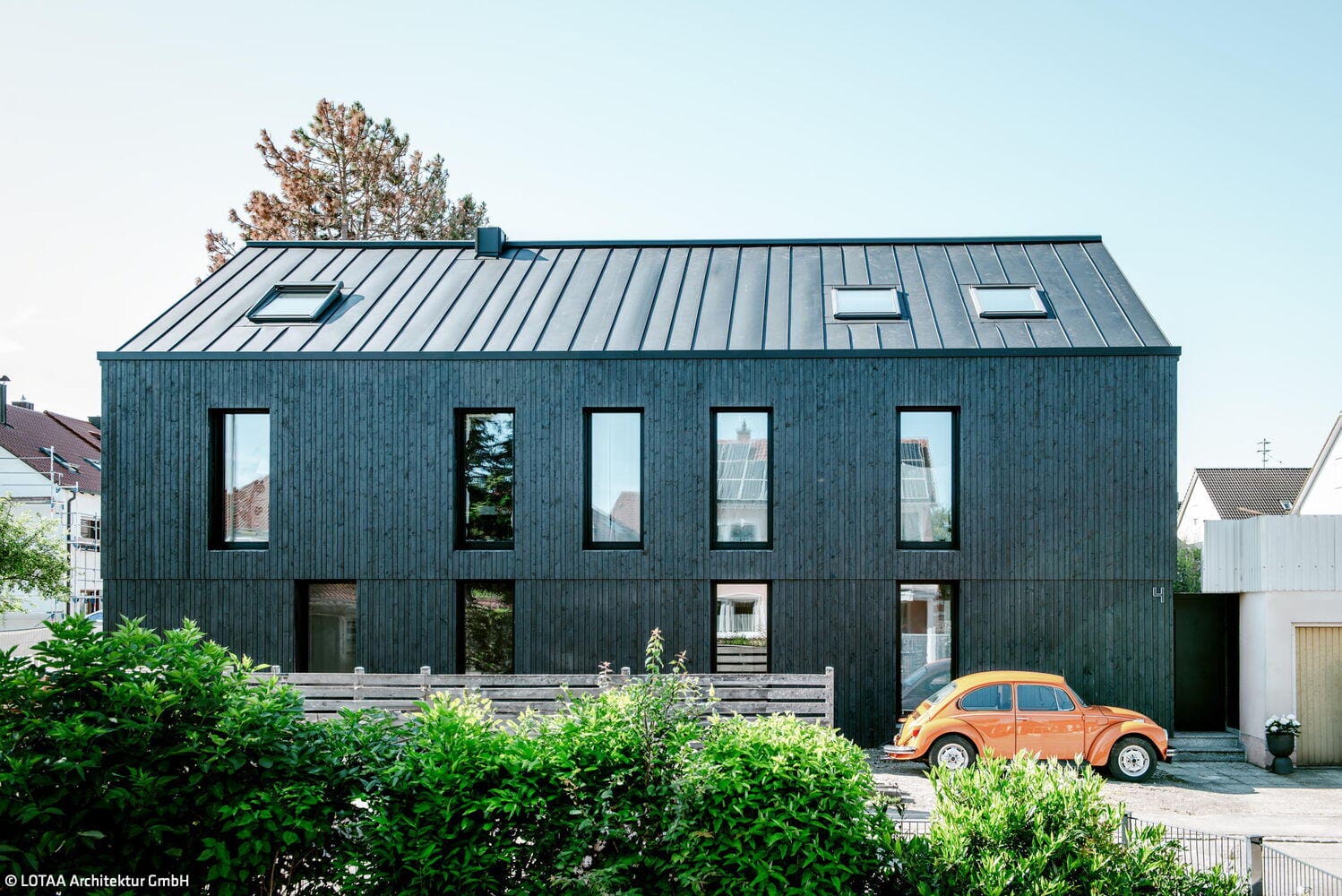
A Striking Transformation
55 Years On: How a Classic 1968 Two-Family Home Got a Complete Makeover
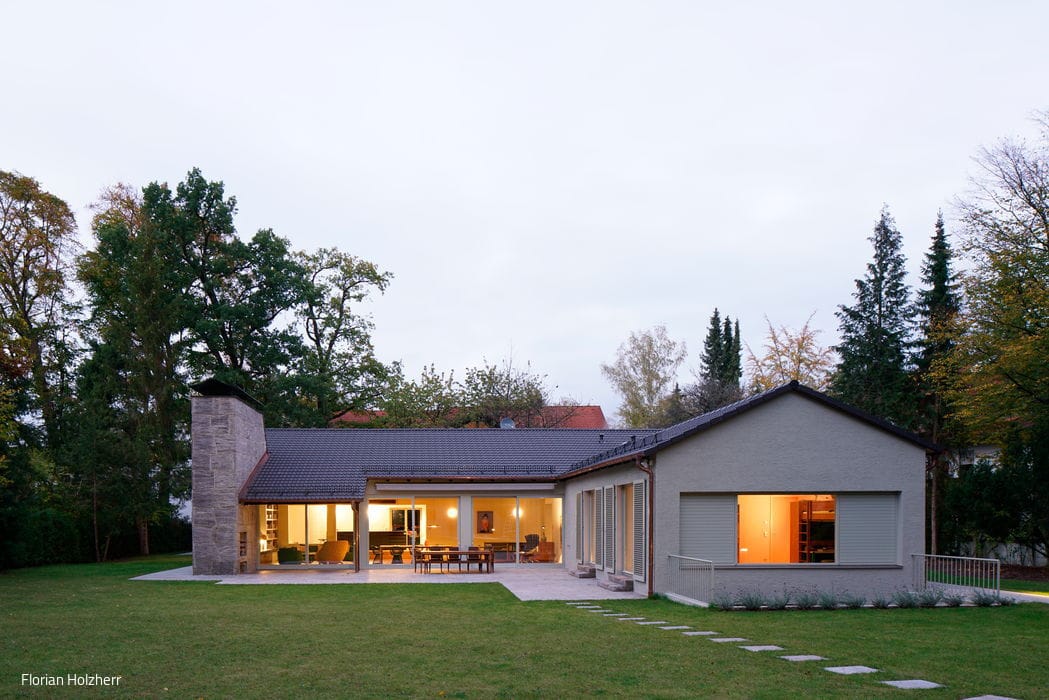
Awakening Results
A masterclass in sensitive architectural renovation