


A Striking Transformation
55 Years Later: Complete Reimagining of a 1968 Two-Family Home
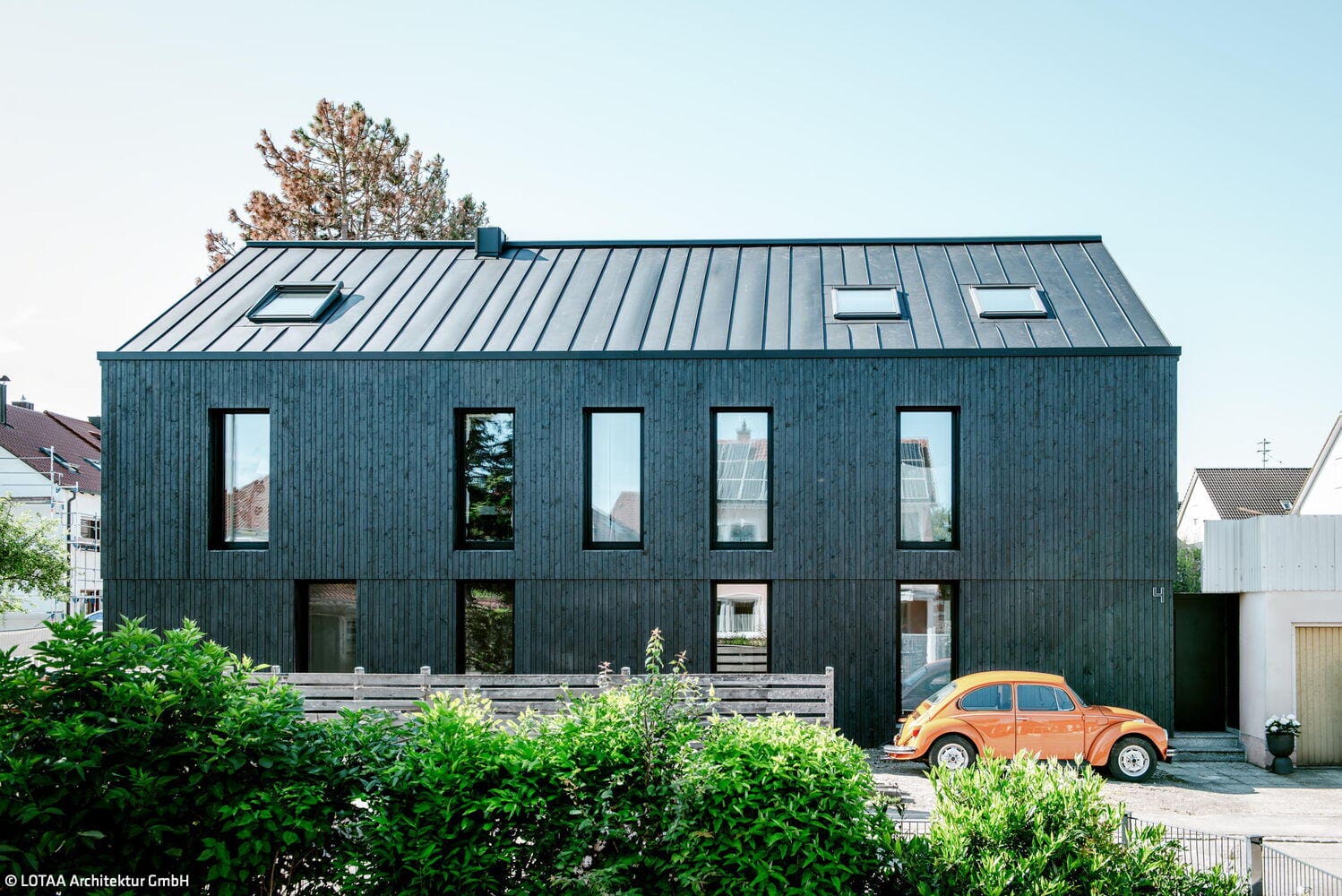
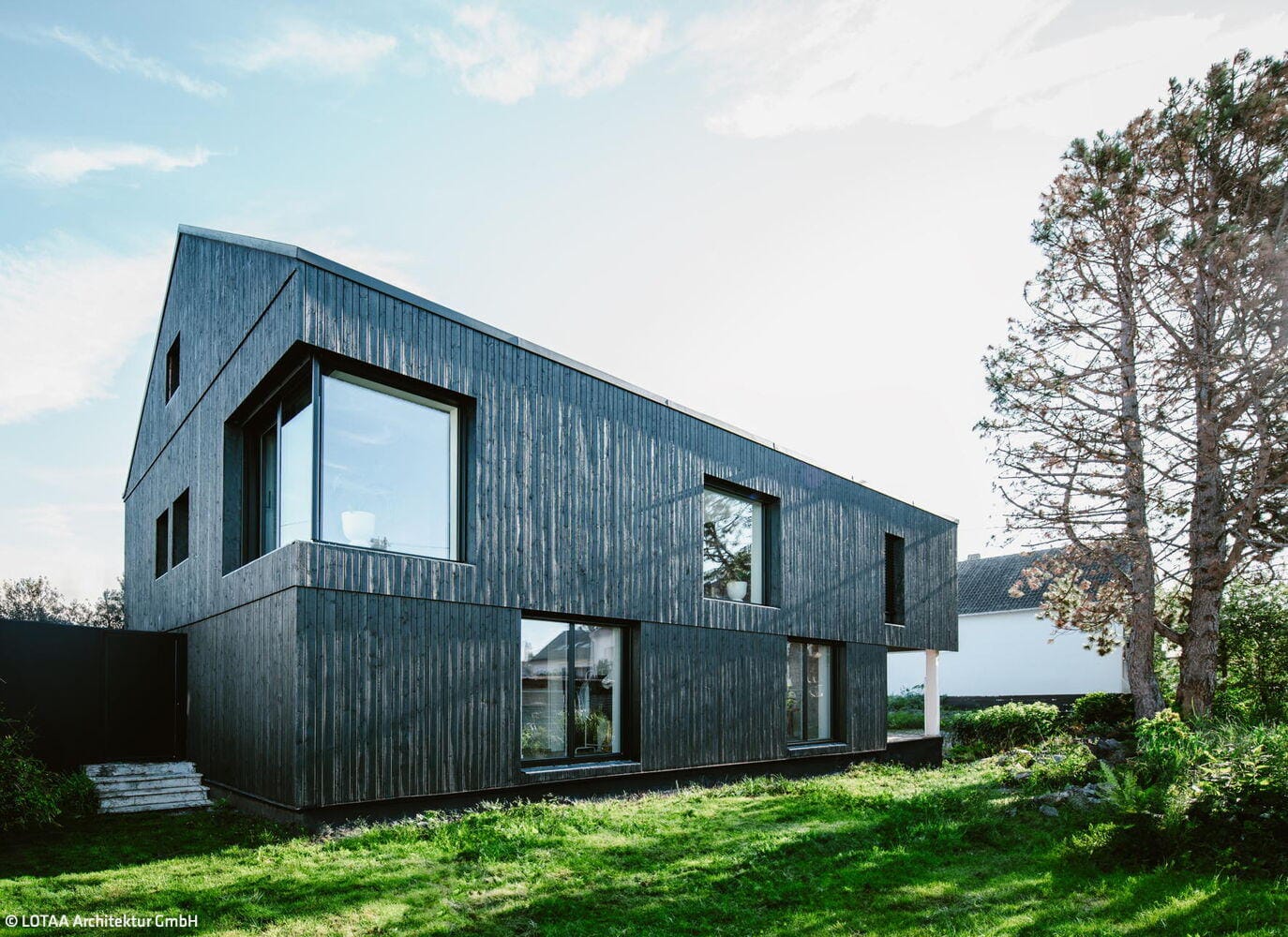
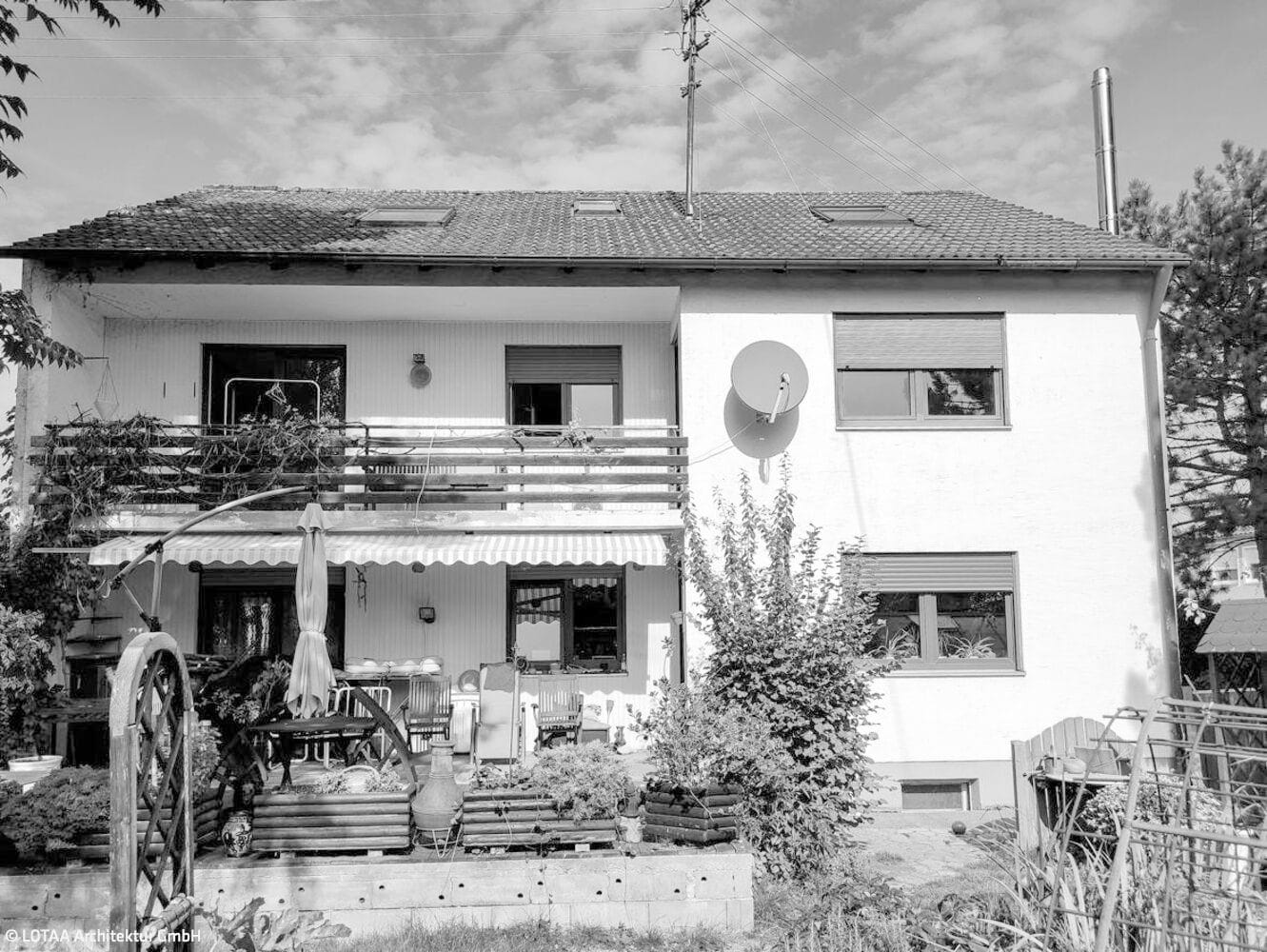
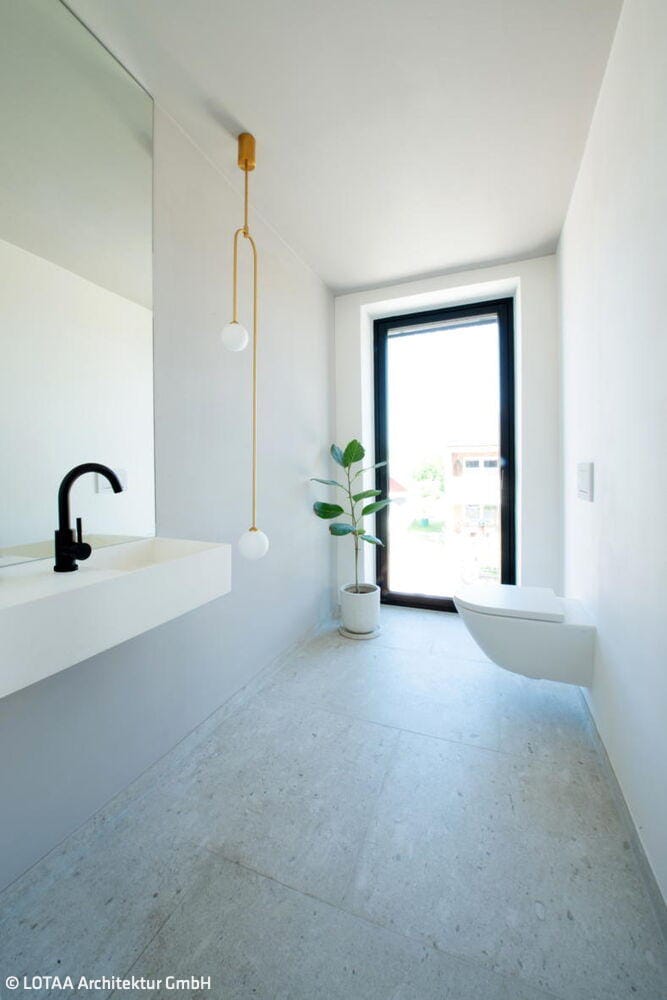
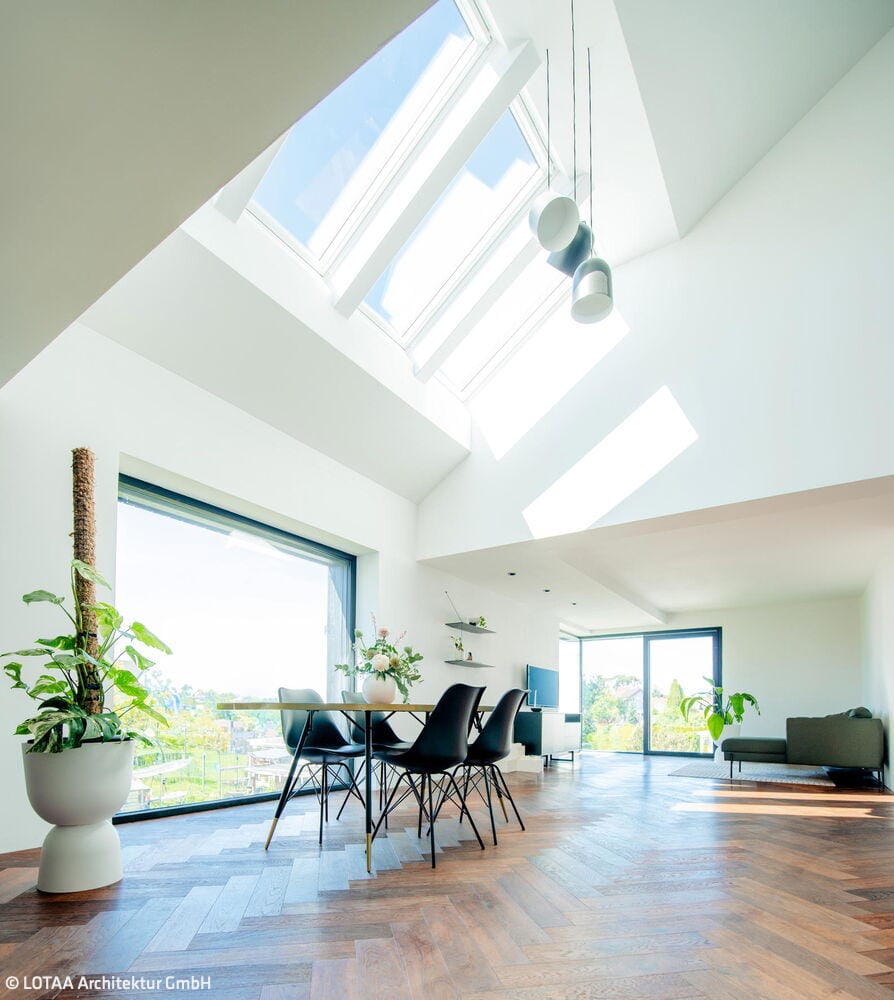
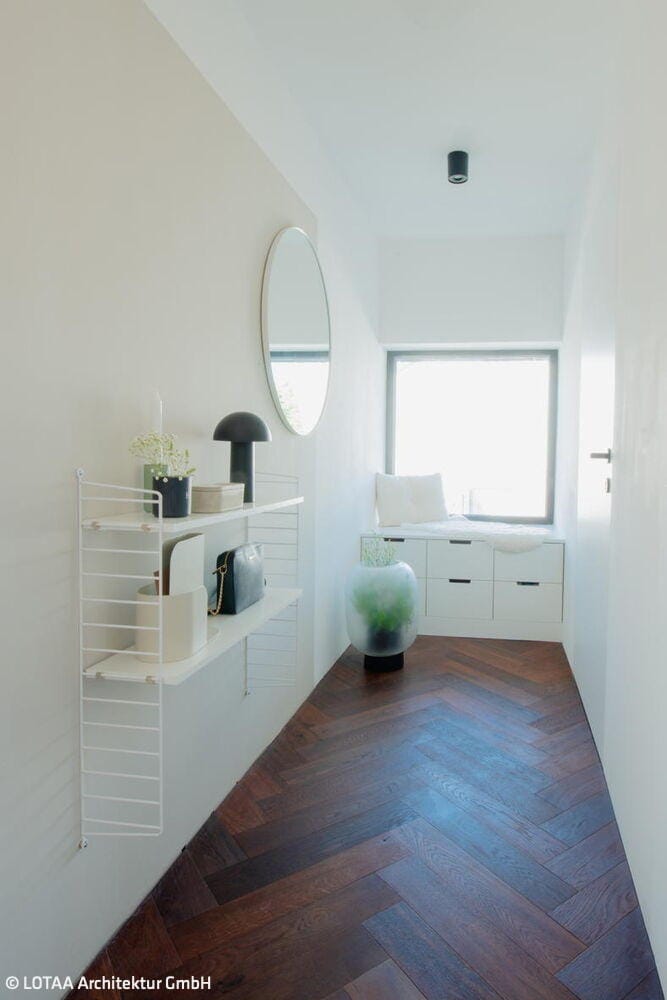
Everyone knows them—the standardized residential settlements that emerged on the edges of cities and villages from the 1950s through 1970s. They have aged considerably and no longer meet contemporary living standards, whether structurally sound or not. A striking example is the transformation of a two-story residential building in Kissing, built in 1968, which was redesigned by Augsburg-based architecture firm Lotaa Architektur and rebuilt to the latest standards as the "Multi-Generational House A4." The famous before-and-after effect can be summed up in just two words: unrecognizable. To generate additional living space, an extension was added to the rear of the property—invisible from the street—to preserve the uniform appearance of the neighboring buildings.
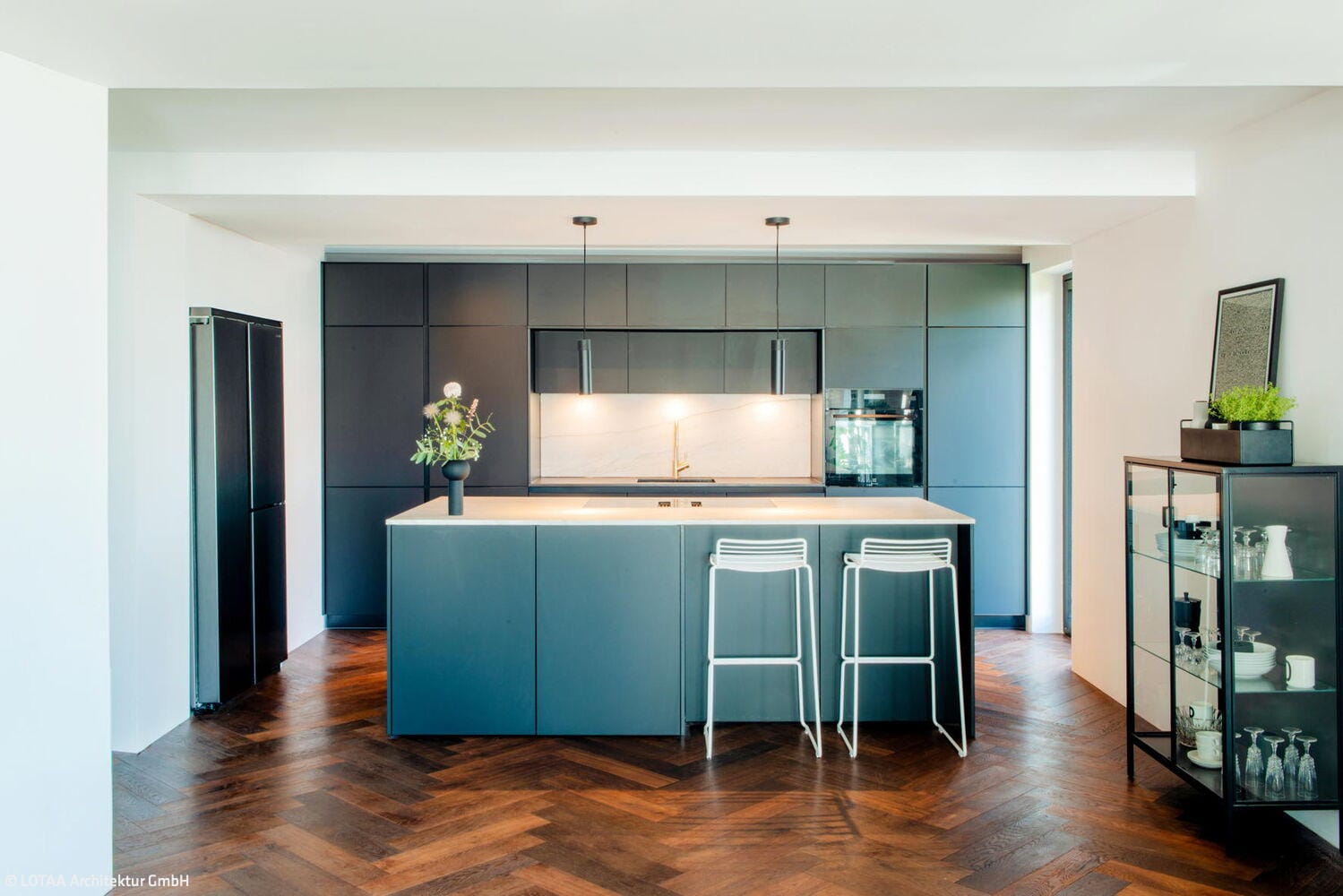
The roof was also raised to accommodate a duplex penthouse apartment. A major challenge was transforming the typical central corridor layout with its fragmented room divisions into open, flowing floor plans. The ground floor now houses a barrier-free, bright, and open apartment, while the upper floor was converted into a gallery-style apartment that can be connected to the apartment above as needed. The building's structural frame was retained; the interior was stripped to its core and rebuilt as a timber-hybrid construction. The original small windows have been expanded to full-height glazing. The traditional roof covering was replaced with lightweight standing seam aluminum panels. By using recycled materials, a resource savings of 80 percent was achieved. The new façade—featuring hematite-black stained larch wood cladding—sets the renovated building completely apart from its original neighbors. Contemporary upgrades and climate-conscious systems were implemented throughout in a sustainable manner: heating is provided by a combination of photovoltaic system and air-source heat pump.
Energy-efficient building systems are managed through an MSR and KNX smart-home system that monitors, controls, and regulates energy supply across all areas. The CO₂ and energy savings of the renovated and rebuilt house, now achieving KfW Efficiency House 55E standards, exceed those of new construction. This successful refurbishment exemplifies an increasingly important building task of significant national priority.
Photography:
Lotaa Architektur GmbH
(Published in CUBE Munich 04|25)
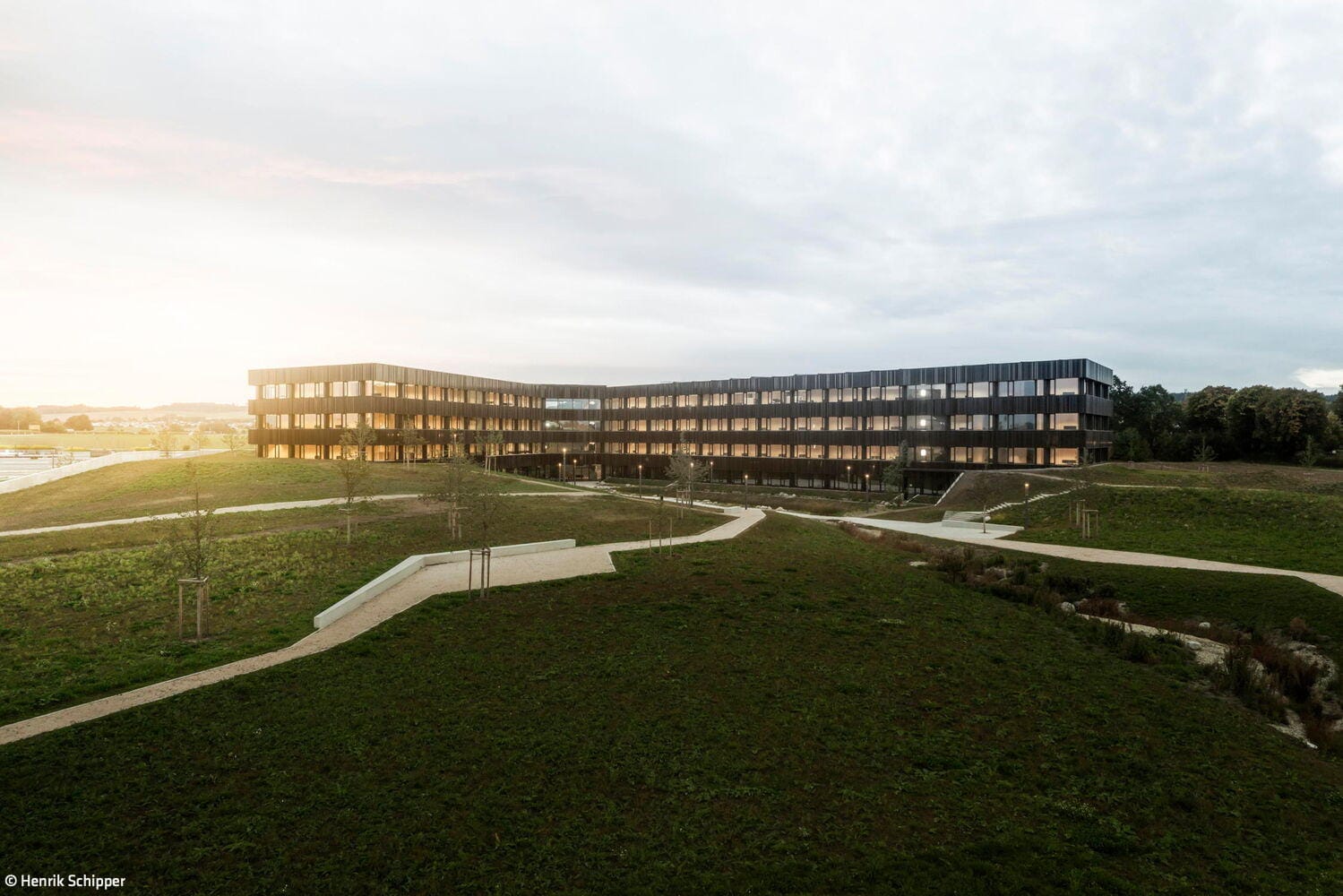

And the Shark, It Has Teeth
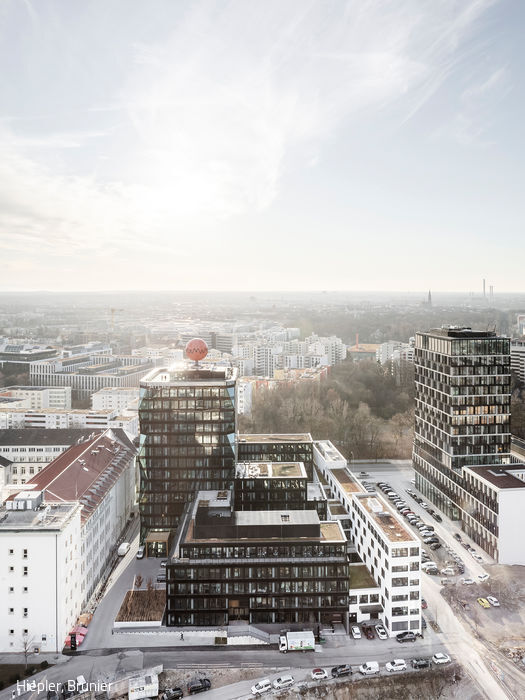
A Munich landmark reimagined and retrofitted for tomorrow
Two Becomes One
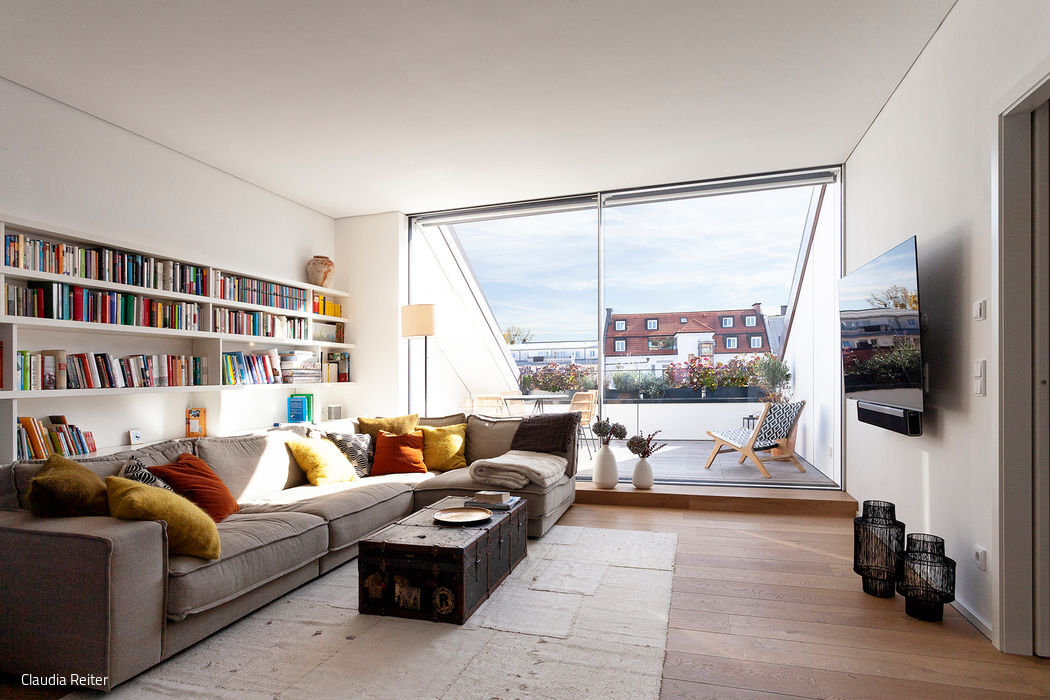
A merger of two apartments transformed the attic into a generous, luminous single residence.
Optimize Your Space
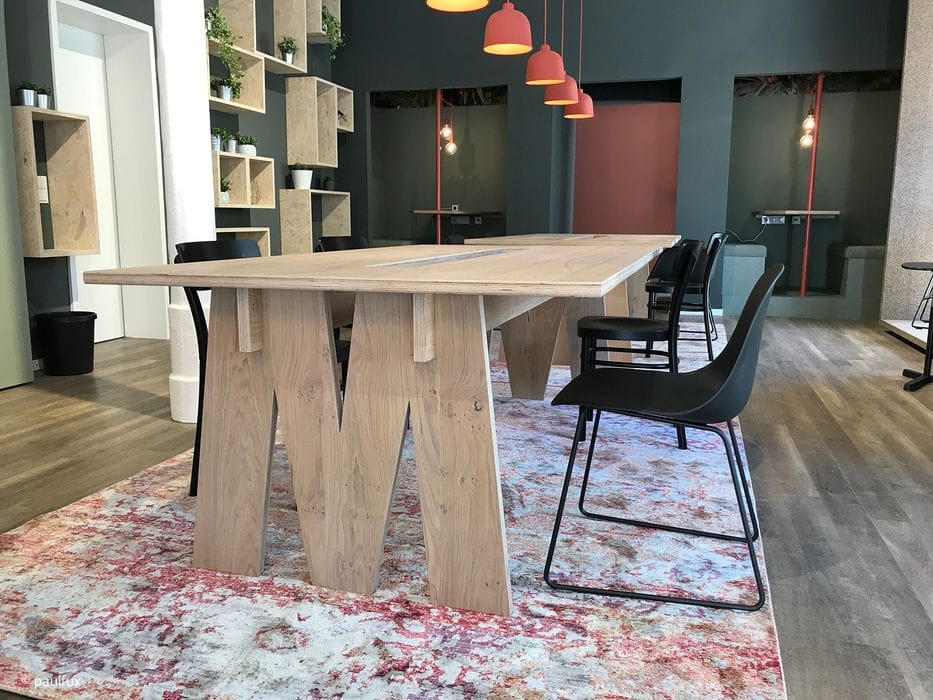
paulfux creates bespoke furniture, designs spatial solutions, and manufactures purposeful products.
Luminous Refuge
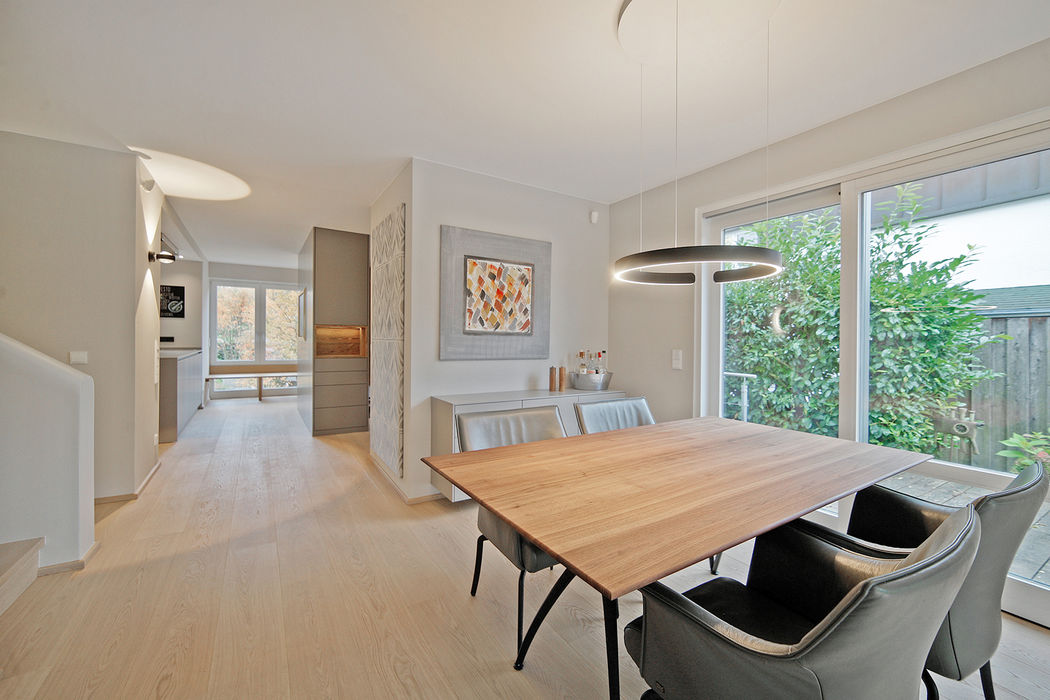
Shedding the '80s: A Semi-Detached Home Transformed