


Campus in Miniature
A striking new architectural ensemble transforms Science City Munich
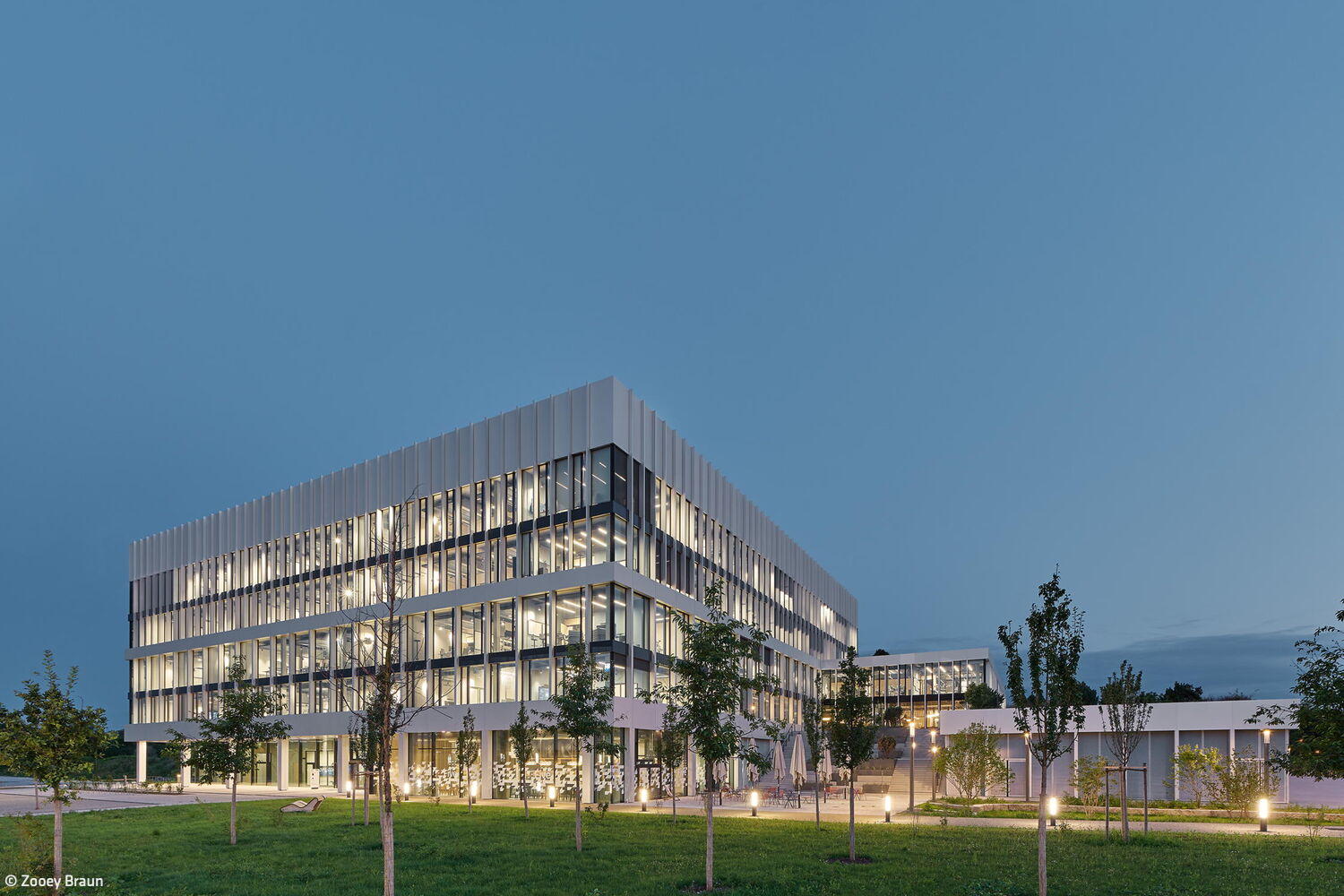
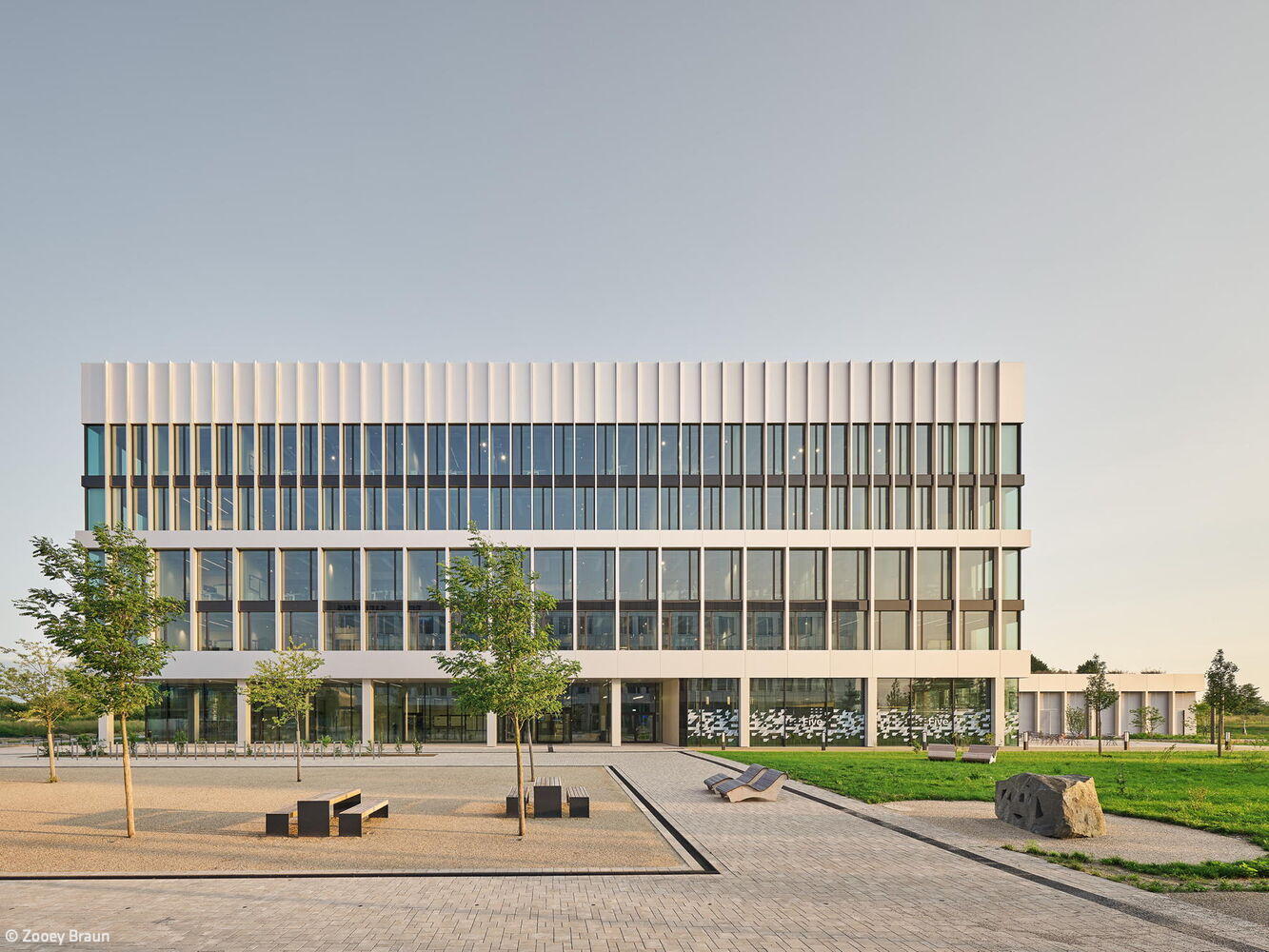
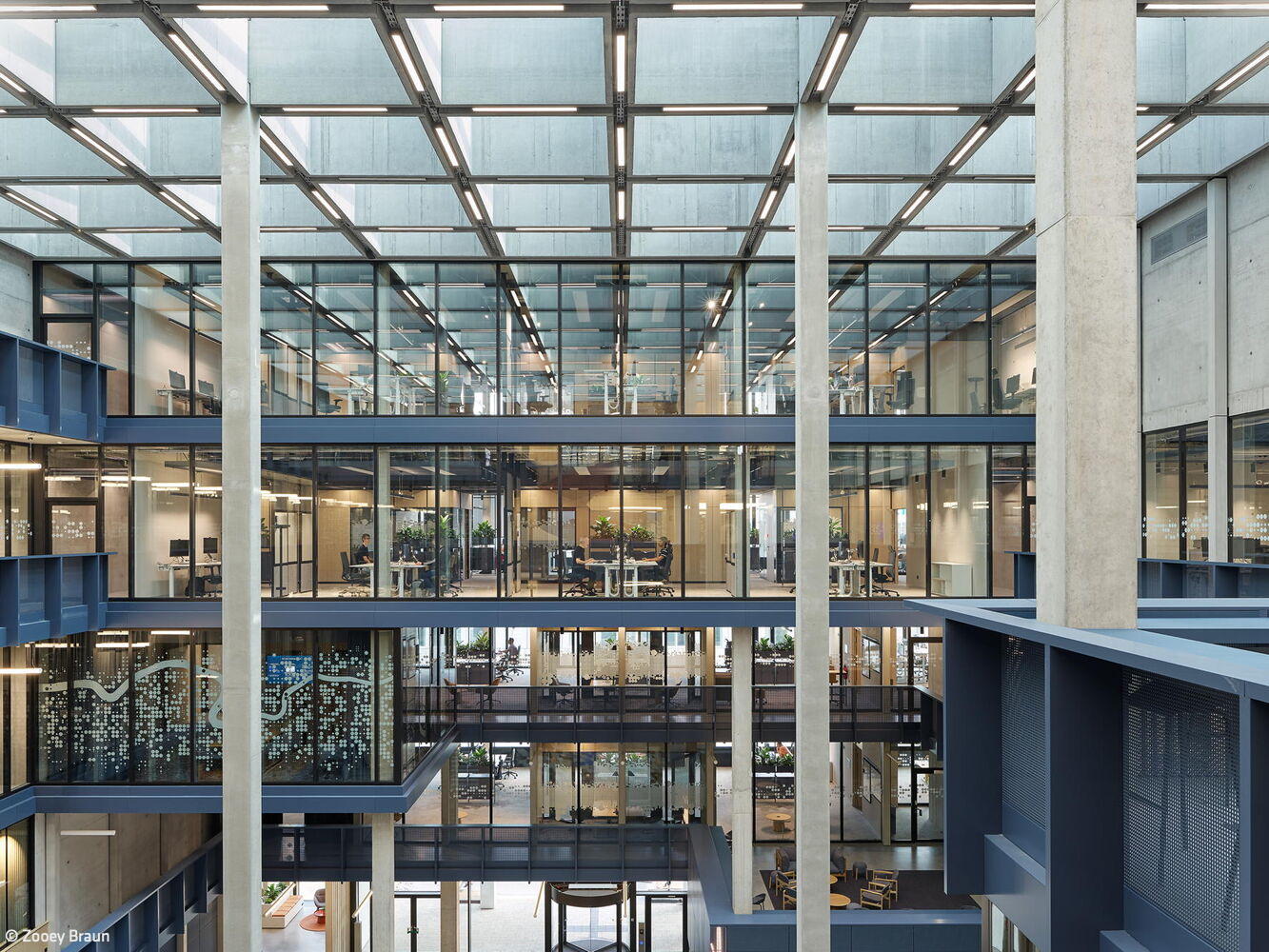
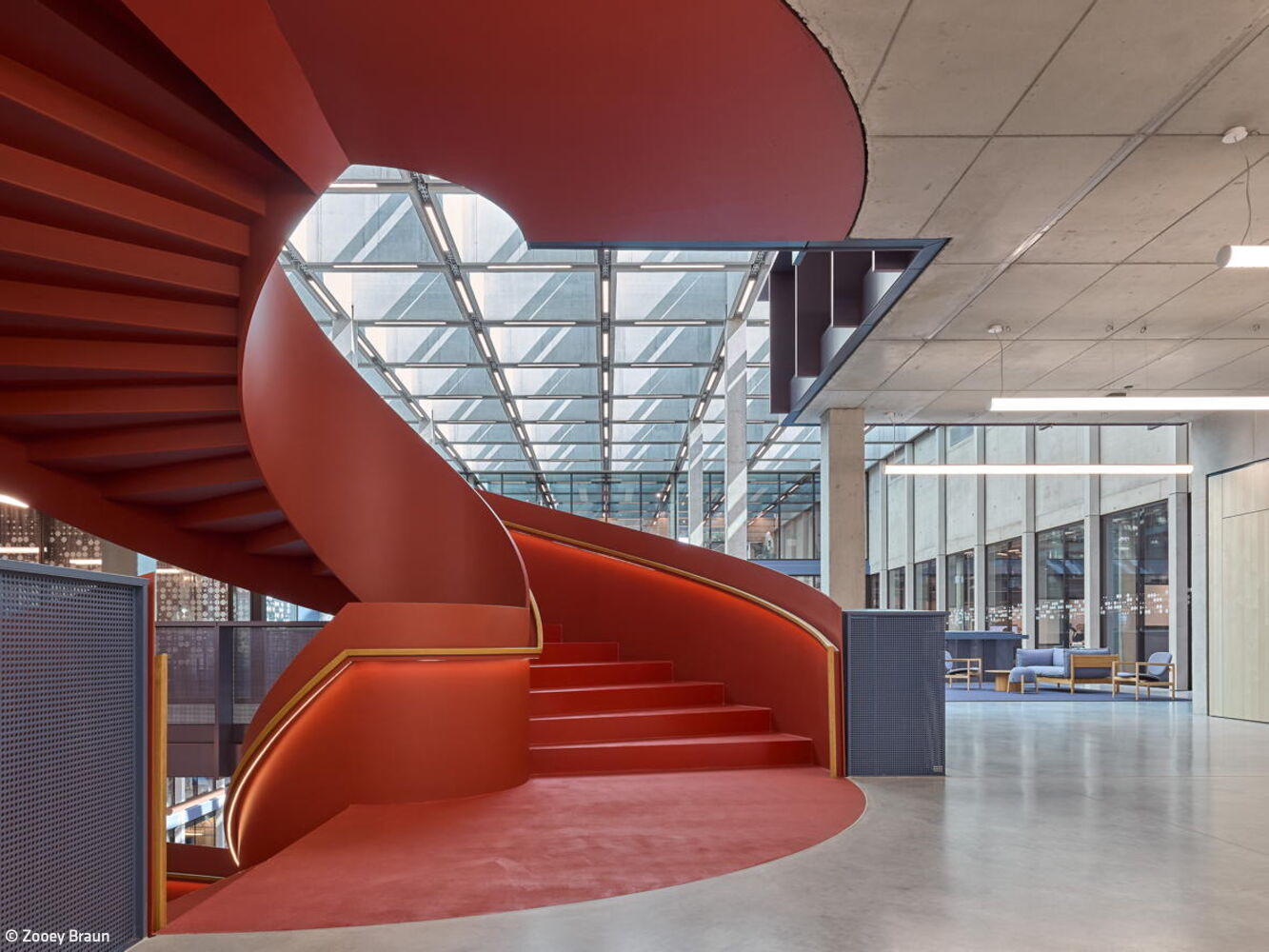
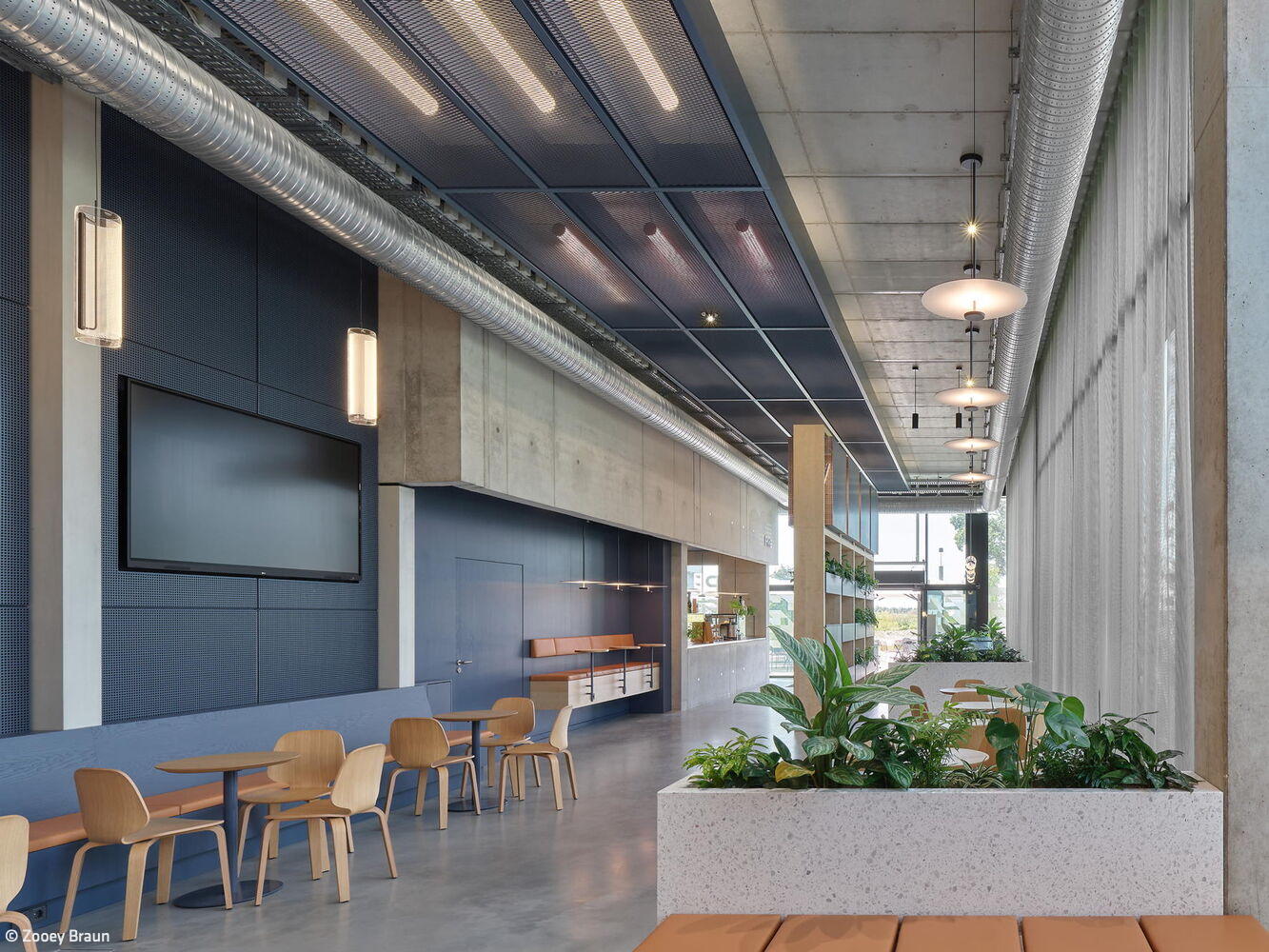
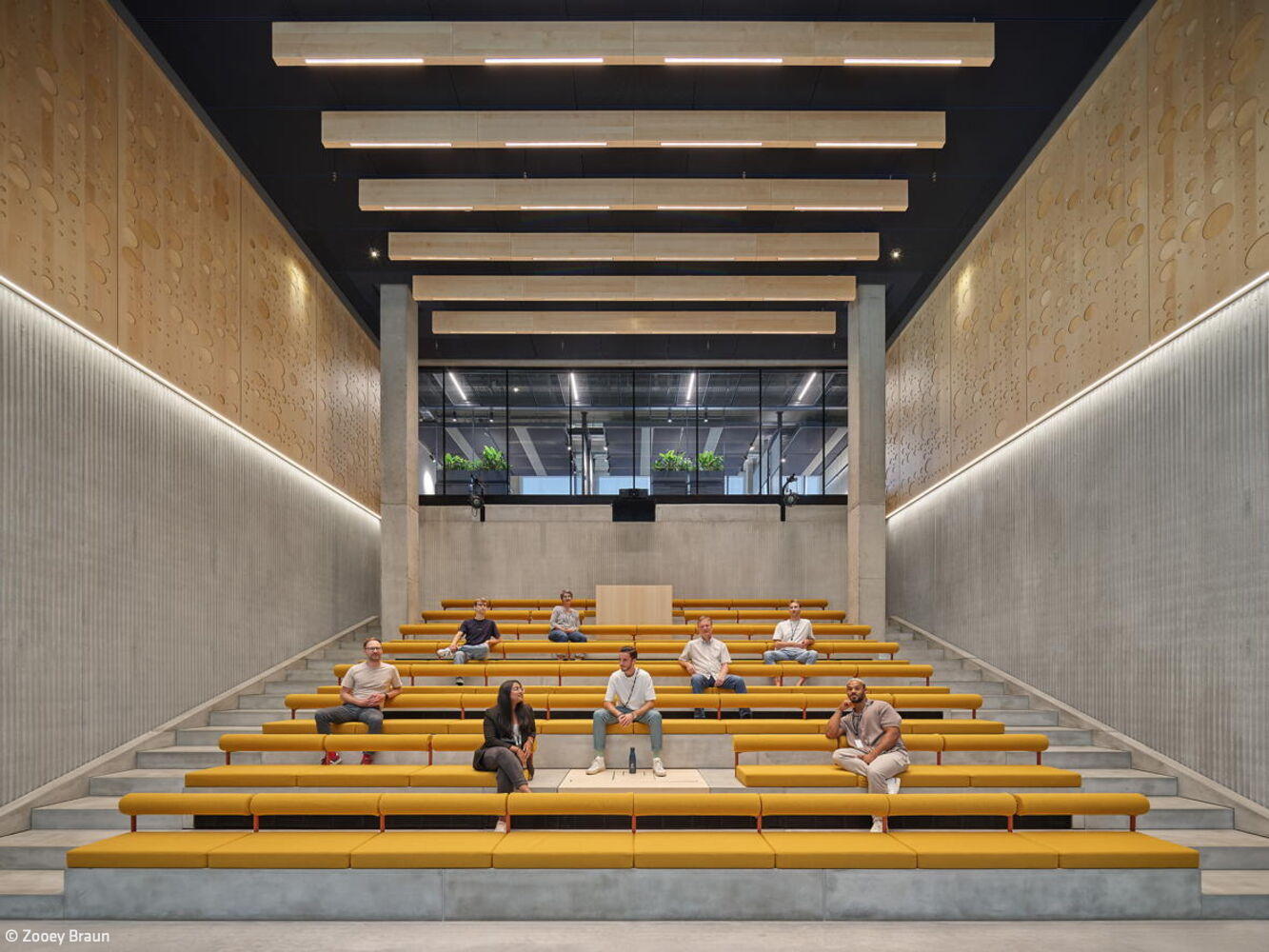
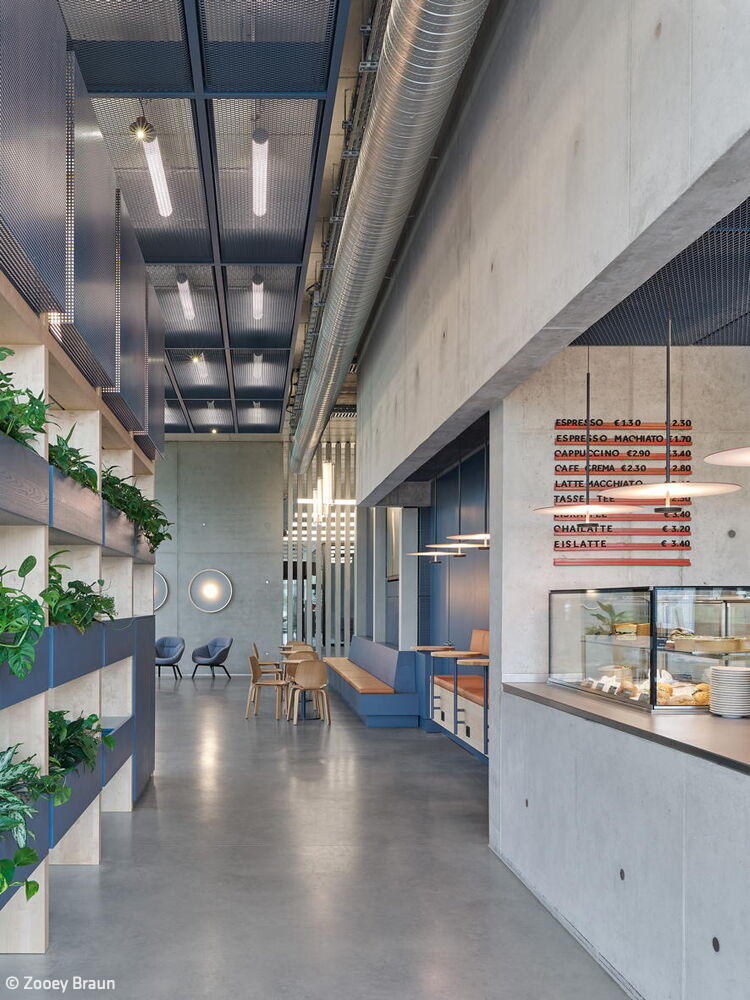
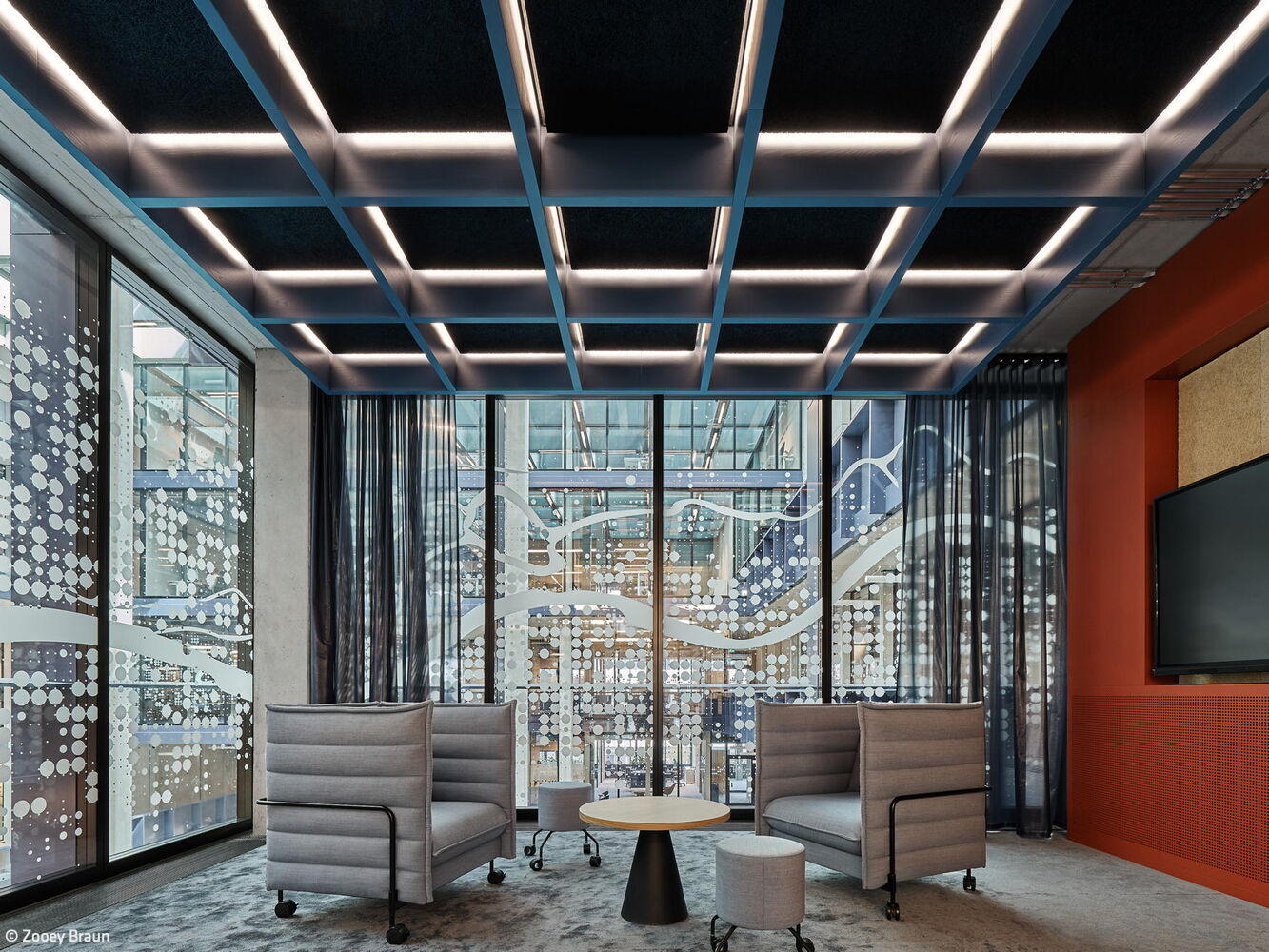
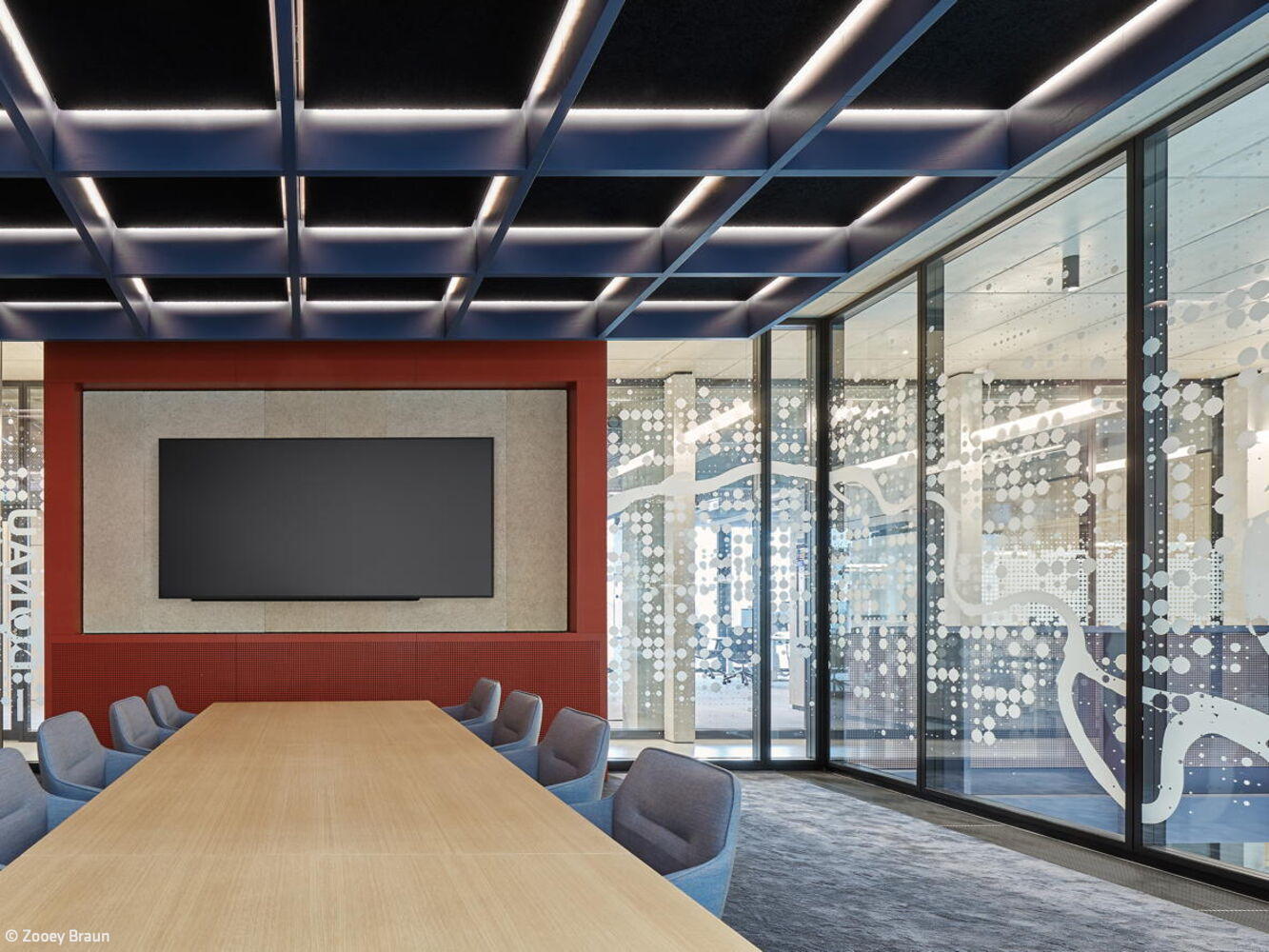
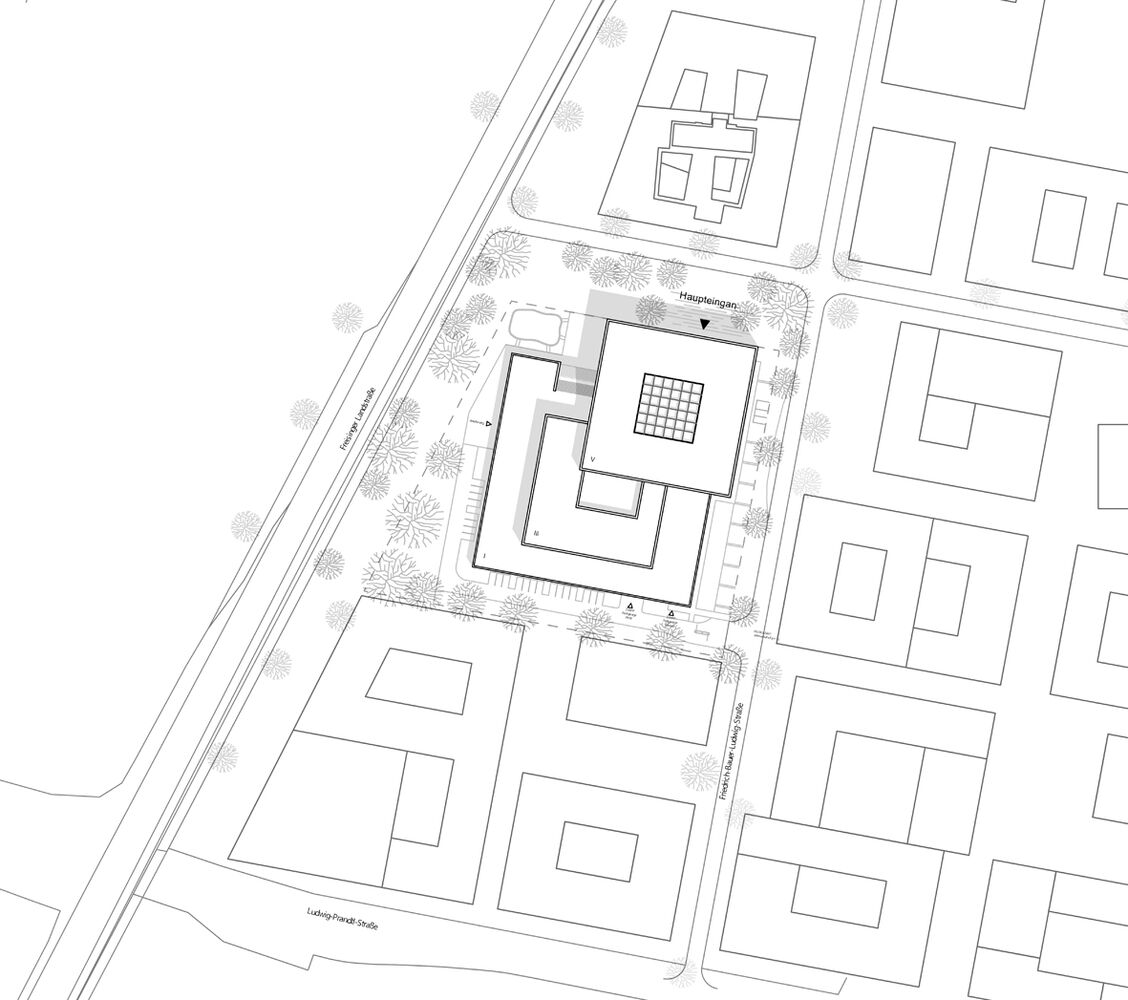
Over the coming years, the Garching research campus will undergo significant expansion. The SAP Labs Munich Campus marks the first milestone. This innovative hub is designed to foster interdisciplinary collaboration and serve as a catalyst for creativity and innovation. Completed in 2024, the building now houses approximately 600 SAP employees and 120 researchers from the Technical University of Munich. The design comes from Scope, a Stuttgart-based architecture firm whose vision extends beyond the building envelope to encompass the entire interior spatial concept.
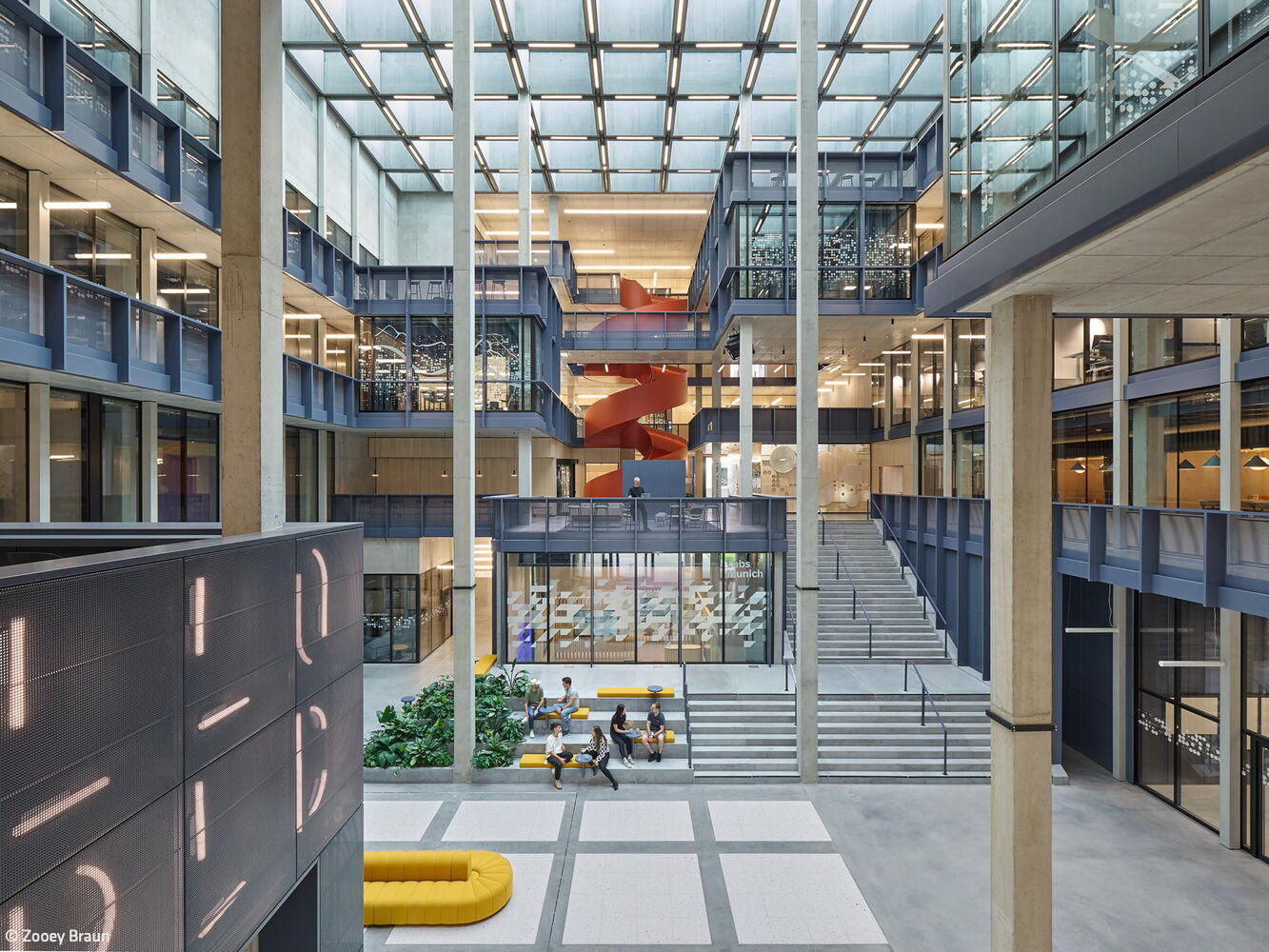
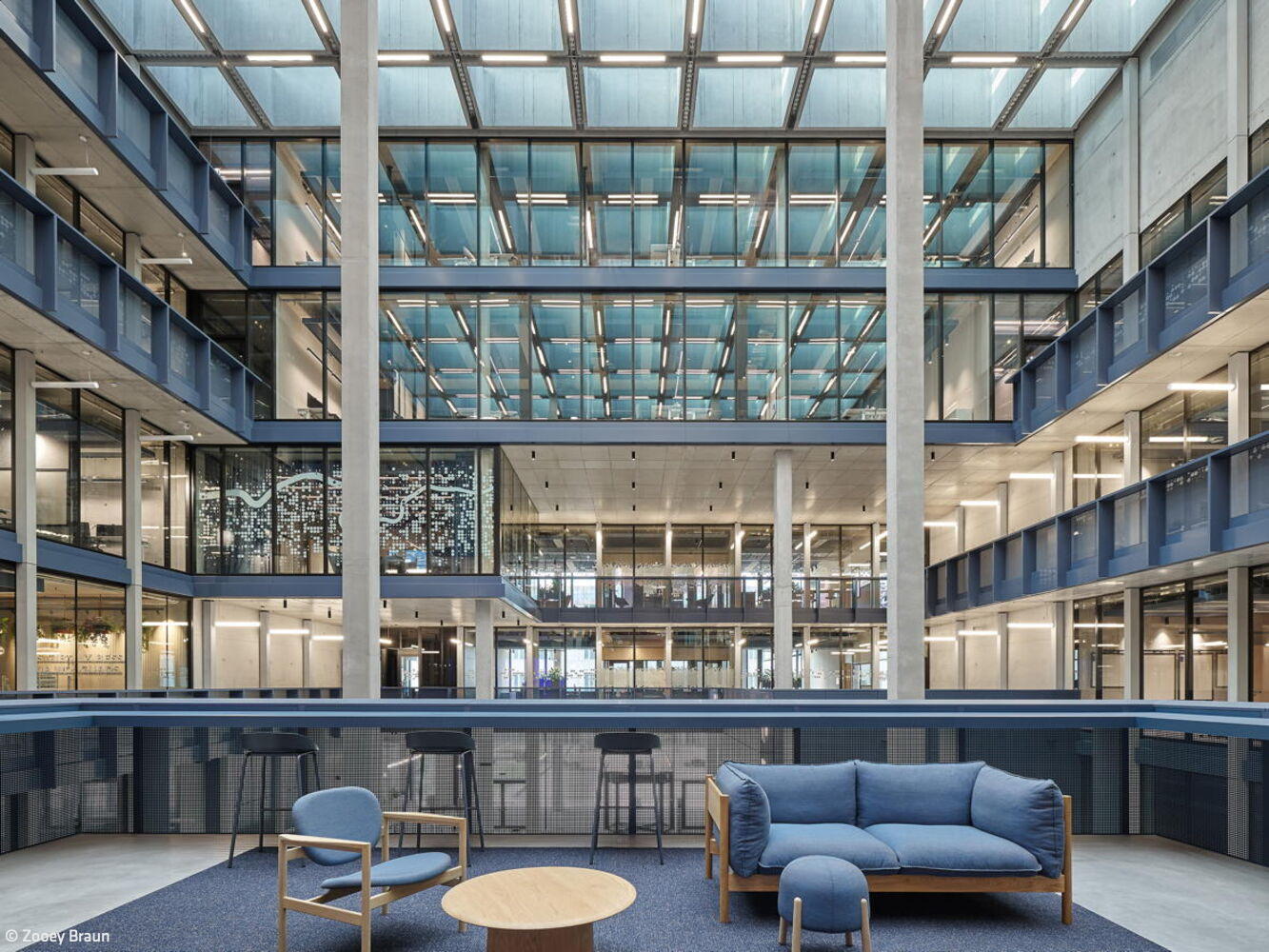
SAP Labs Munich represents a significant addition to Science City: three staggered structures form a clustered composition organized around a central atrium, creating a fluid transition between interior and exterior, public and private realms. Light metal bands unite the three volumes – the lower wing on the left, the commanding central building, and the parking structure with its flat roof on the right. The glass and steel façade, combined with the building's stepped silhouette, creates an impression of striking lightness. The design adheres to rigorous sustainability standards, prioritizing material recyclability through the use of unmixed, single-material components that require no adhesive bonding. Spatial flexibility was equally paramount, enabling multifunctional configurations. The 21-metre-high atrium within the main structure functions as the building's heart – a marketplace and social center around which all floors organize themselves. This five-storey void floods the interior with light and visual transparency. The atrium floor alternates between polished screed and terrazzo, complementing the concrete waffle ceiling that crowns the structure above.
The shared ground floor serves as the building's public domain, welcoming both employees and visitors. Here, the Vitalbar, an auditorium for presentations and events, and the SAP Experience zone showcase current projects and breakthrough innovations. A generous open staircase ascends to the upper floors, while a striking red spiral staircase anchors the rear of the building – connecting private zones while commanding visual attention. SAP and TUM office spaces maintain their own identities yet are woven together through numerous communication zones of varying scale. These open areas organically encourage spontaneous encounters and cross-disciplinary dialogue among occupants. Lindner Group executed a substantial portion of the interior build-out, including custom glass and wooden partitions that provide both acoustic and spatial separation. They also implemented comprehensive fire safety systems throughout.
Sculptural protrusions extend from each floor into the atrium void, preventing visual monotony. Concrete bands – echoing the exterior façade's rhythm – articulate the floor levels throughout. The shared canteen occupies the first floor, where chefs present a global culinary palette from pizzas and salads to vegan and meat specialties, ensuring daily variety. During warmer months, diners can spill onto the terrace crowning the adjacent parking structure, accessible via a generous exterior staircase. On the third floor, SAP staff enjoy an exclusive work café with its own roof terrace – a sanctuary for creative thinking and informal collaboration.
Photos:
Zooey Braun
www.zooeybraun.de
(Published in CUBE Munich 02|25)
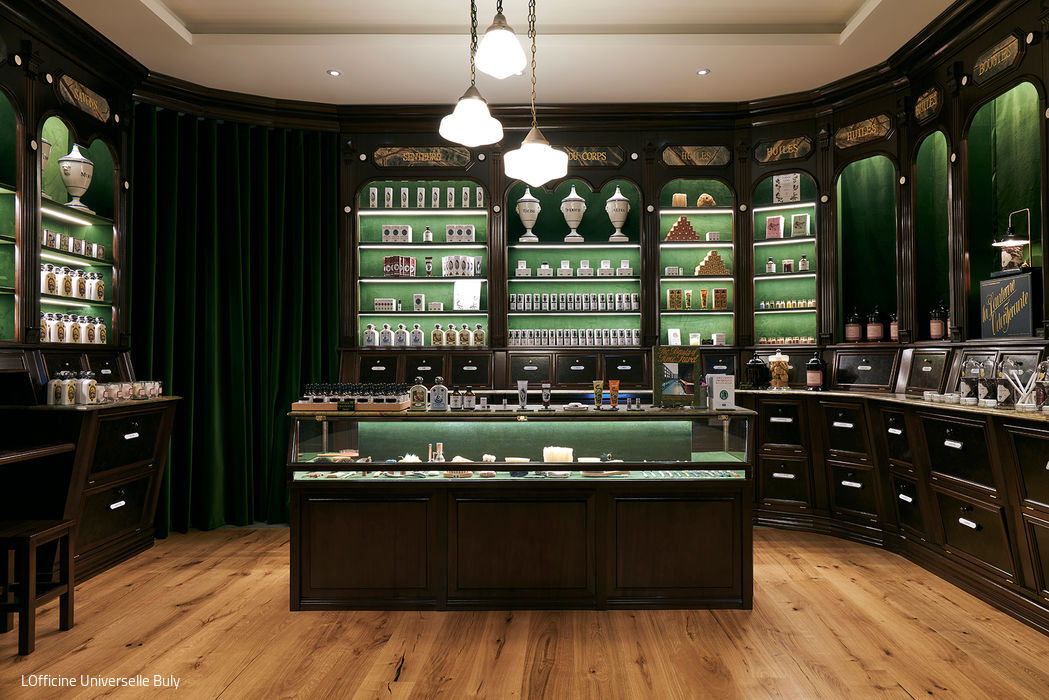
In Retro Style
A Parisian luxury brand awakens the past with a new flagship store
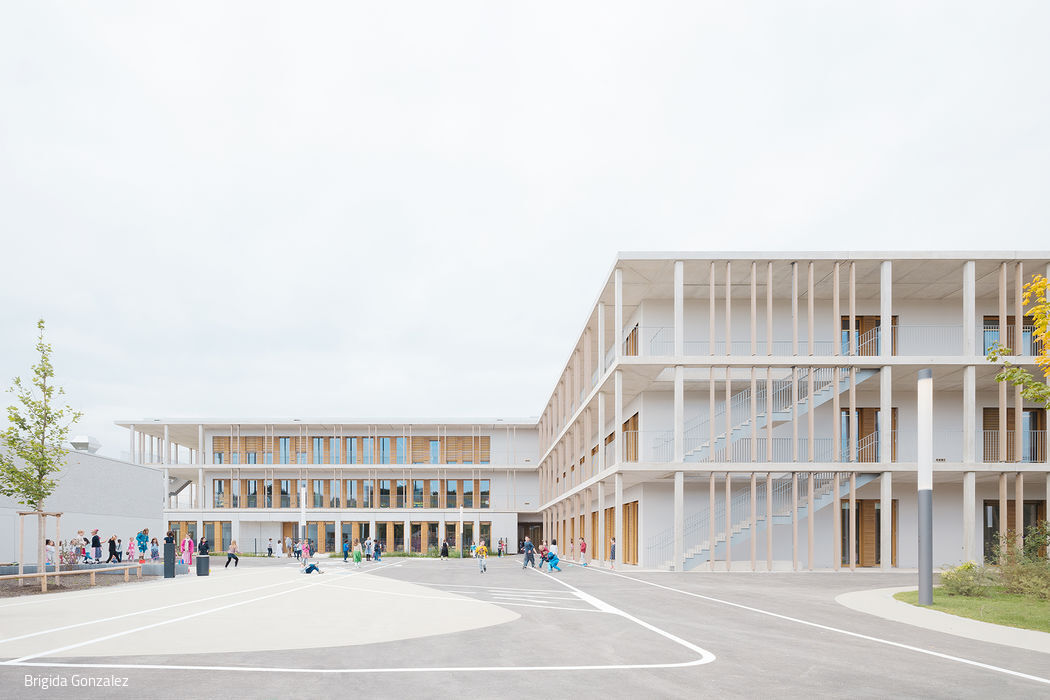
Temporary Home with School
Four Primary Schools, Modular Design—Built Fast, Designed Flexible

From Commercial to Residential
A Model Housing Development for Feldkirchen
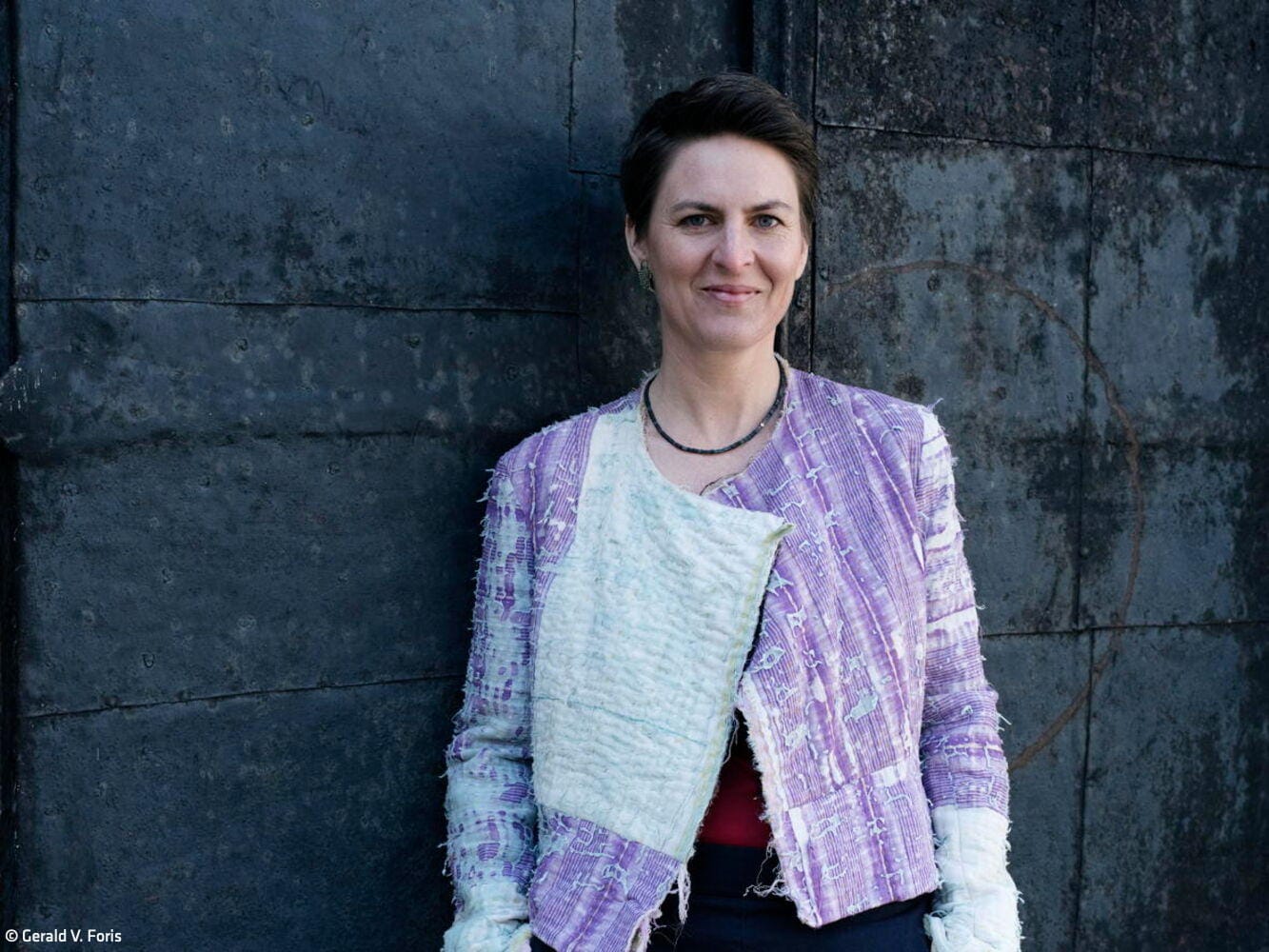
Pioneer of Modern Architecture
Anna Heringer builds internationally with clay and other forgotten building materials