


Preservation over Demolition
A thoughtful renovation transformed the Archaeological Collection into an enhanced museum building
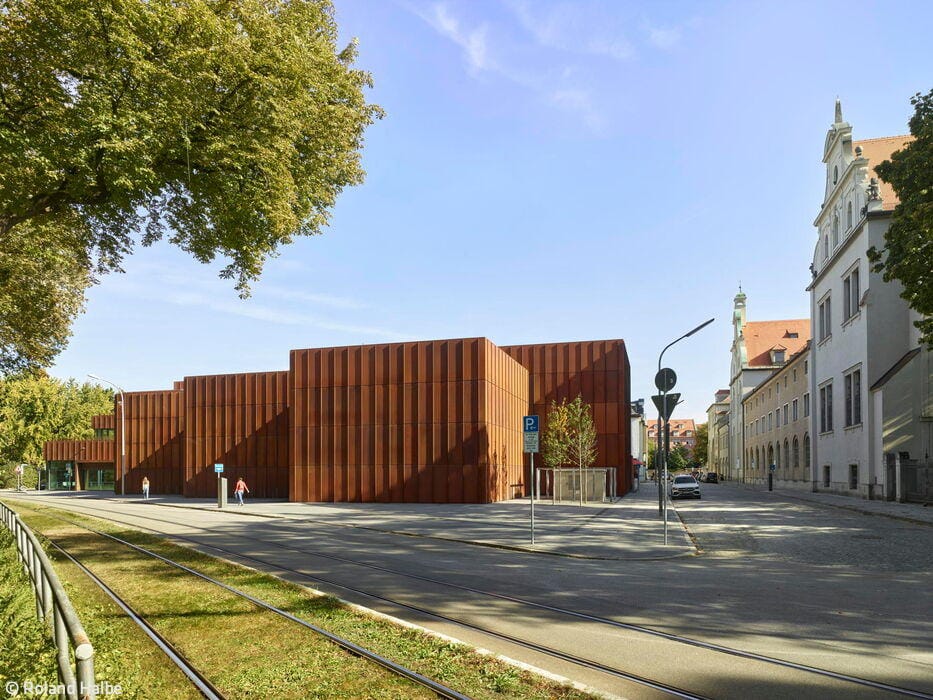
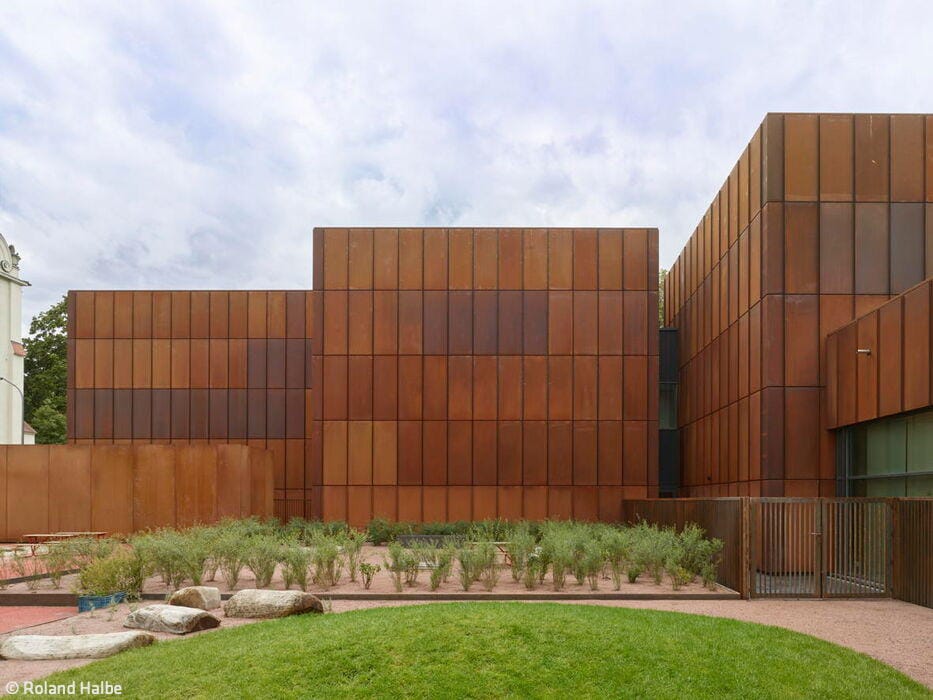
After seven years of meticulous renovation, the State Archaeological Collection at the English Garden welcomed visitors once again. The building's distinctive character was established from the outset: designed in 1976 by architects Helmut von Werz and Johann-Christoph Ottow, this striking composition of cubic volumes was clad in Corten steel—a material that develops a protective rust patina over time. Chosen deliberately for its exceptional durability—ten times more resistant than conventional steel—the weathered facade became a visual metaphor for the ancient artifacts within. The audacious design quickly earned the museum an affectionate nickname: the "Rostlaube," or rust box.
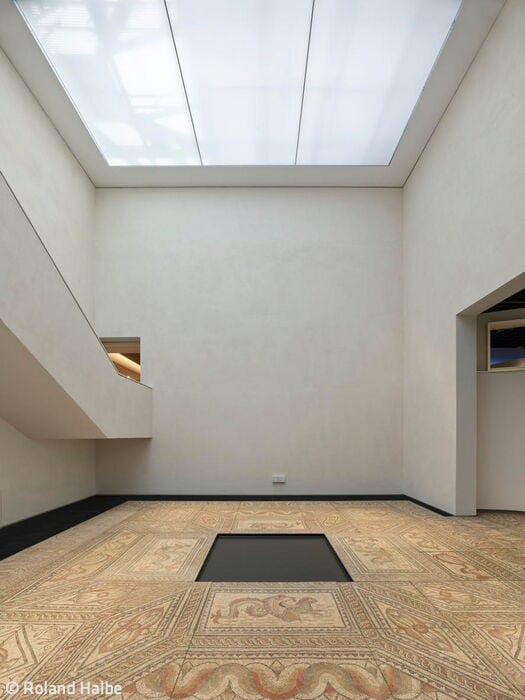
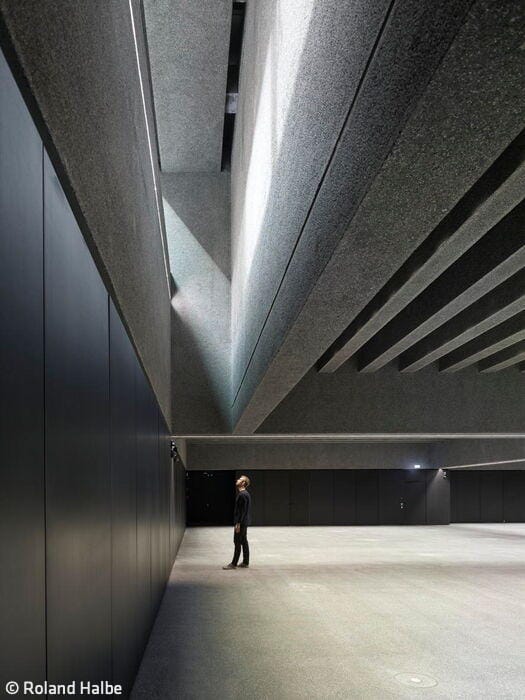
The building closed in 2016, prompting a critical decision: demolish or restore? The exceptional quality of the existing structure made the choice clear. Spanish architects Nieto Sobejano, renowned for their museum expertise worldwide, were brought on board. They undertook a comprehensive renovation that not only restored the building but also significantly enhanced its energy performance. The project encompassed new administrative and conservation spaces, plus a striking 700 m² column-free underground exhibition hall. A cubic volume for events now defines the entrance, while newly planted roofs add ecological value. The result, according to the architects, is an entirely reimagined museum. Each space was transformed with deliberate intensity, guided by a singular principle: "architecture discovers its freedom by working within the constraints that the original building itself establishes." This philosophy—respecting legacy while enabling innovation—defined the project's core approach.
Photography:
Roland Halbe
www.rolandhalbe.eu
(Published in CUBE Munich 03|24)
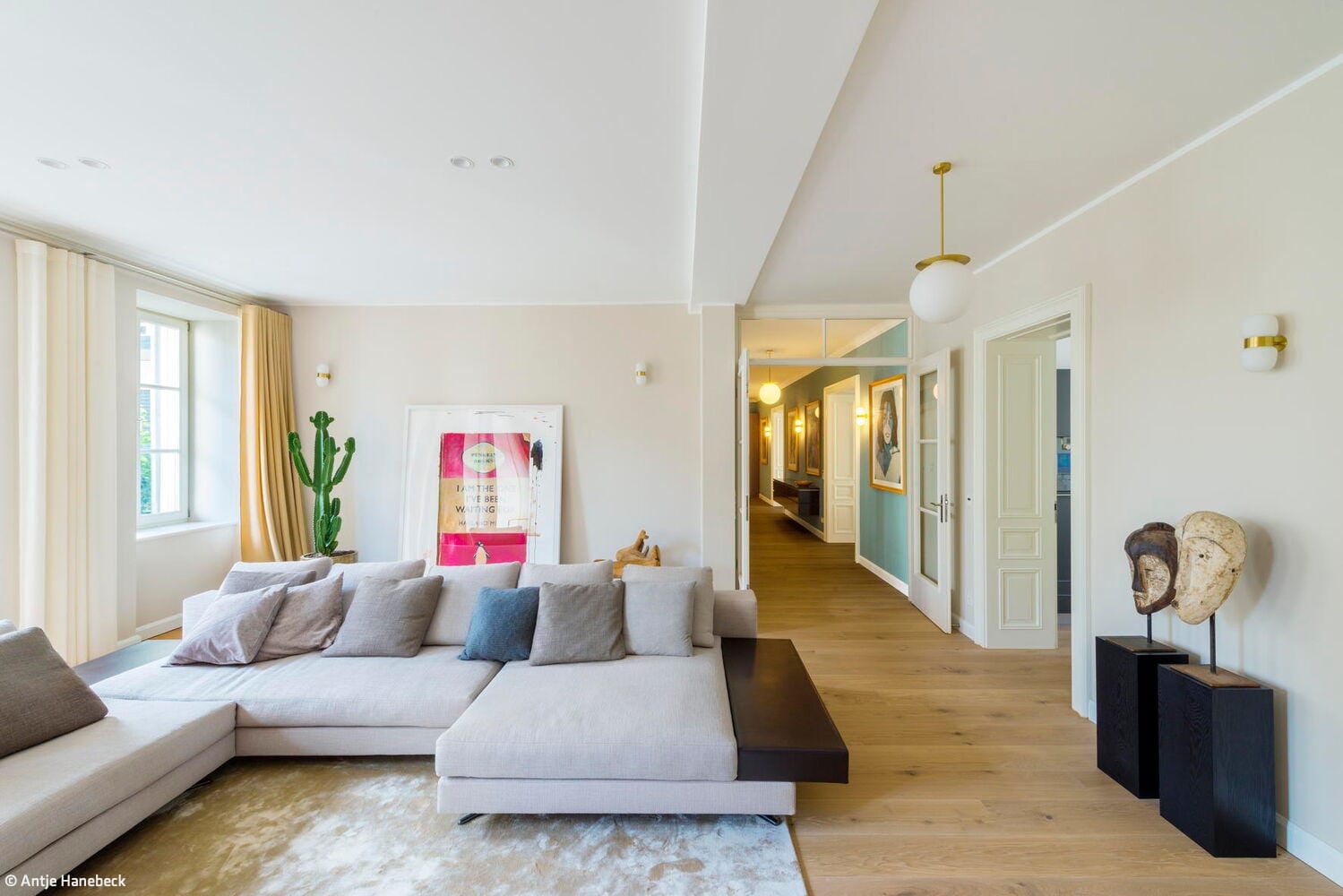
From Aristocratic to Urban
Apartment Restoration – Masterfully Uniting Heritage with Contemporary Living
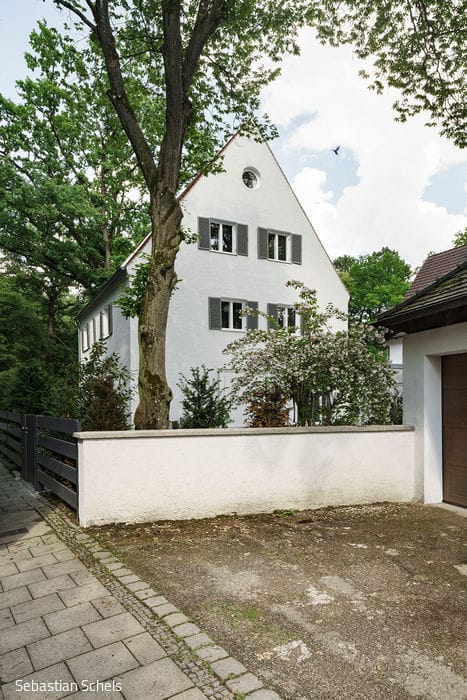
Honoring the Past, Living in the Present
A Postwar Home for Contemporary Living
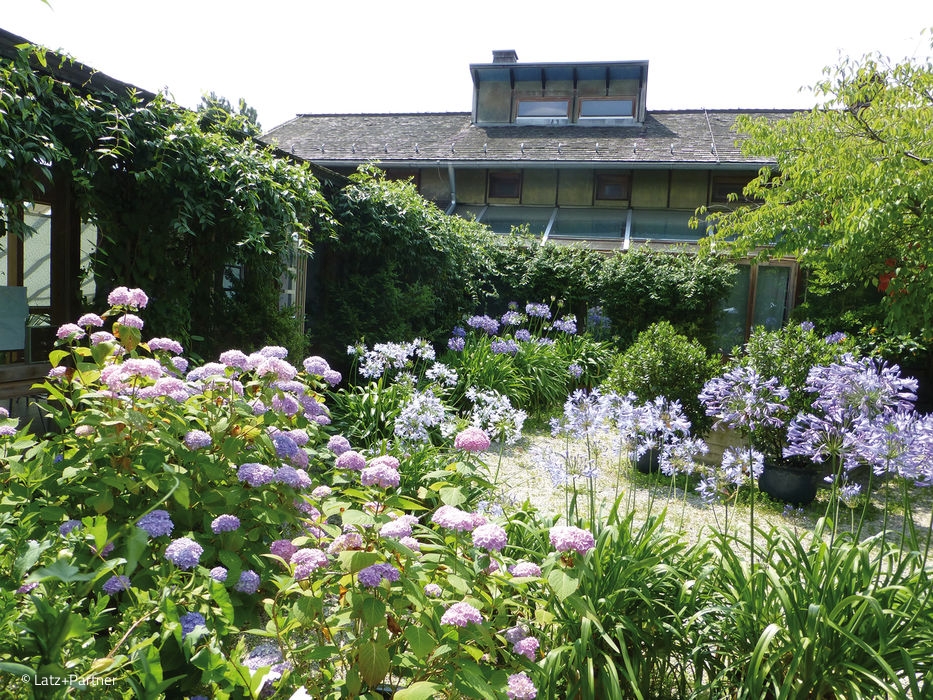
Green Sky on Earth
The Inspiring Vision of a Landscape Architect's Private Garden
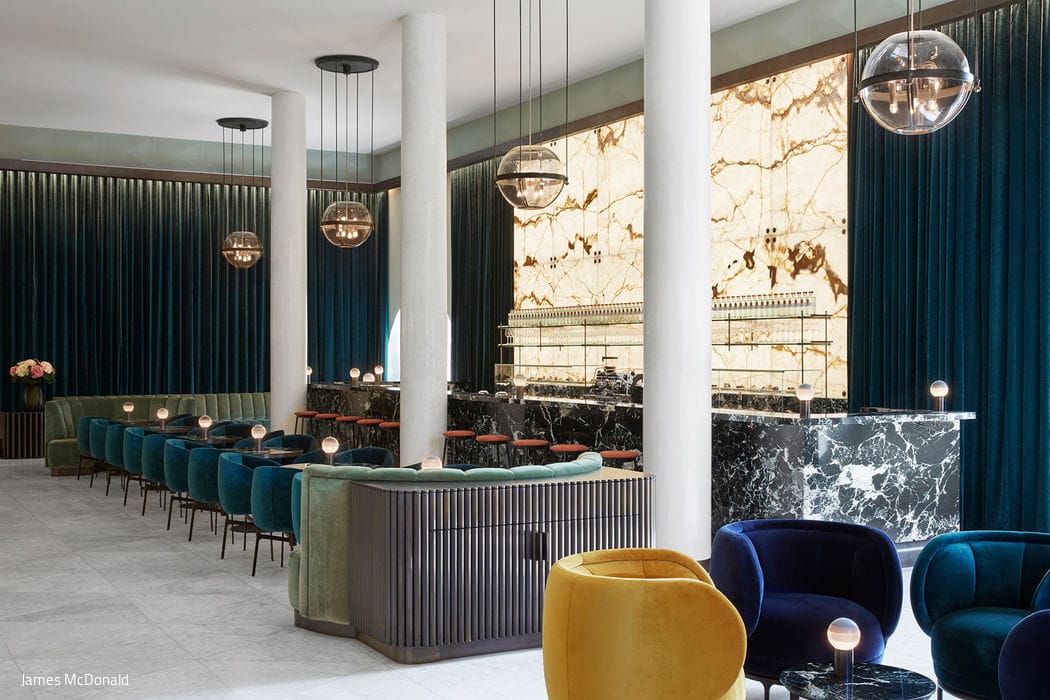
Wagala Weia!
The new Rheingold bar-bistro unfolds as a mystical stage environment.