


Beyond a Tiny House
A Blueprint for Tomorrow's Housing
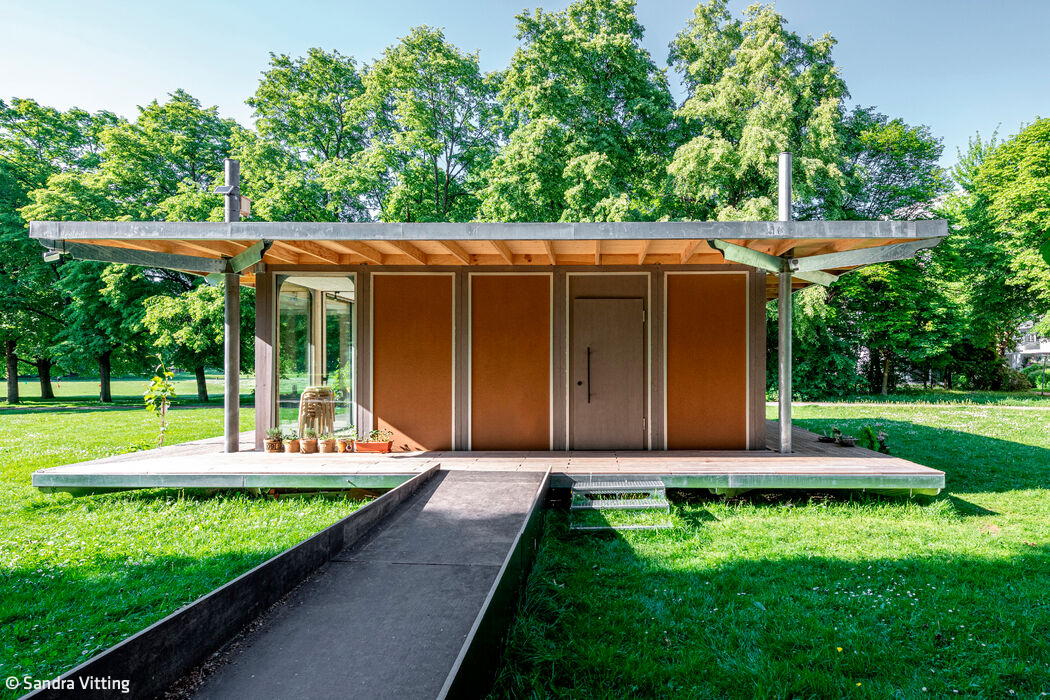


Young designer Timo Weil has created a "house for every purpose" – and it's far more sophisticated than it sounds. Technically, it's a modular wooden construction scaled to container dimensions, making it transportable and deployable anywhere. "WeOn" proves its versatility across residential living, office and practice spaces, exhibitions, trade shows, retail – even emergency shelters in disaster zones.
These modules are remarkably versatile: garden chalets, compact residential units on leased land, student housing, emergency shelters—the possibilities are extensive. Timo Weil's start-up, "WeOn," represents a new approach to flexible living. The company's modular housing solutions respond directly to users' evolving needs and life stages, expanding or contracting as circumstances demand. The concept's elegant adaptability has already captured attention: Weil was selected to build a prototype pavilion for the New European Bauhaus (NEB) flagship initiative in Munich-Neuperlach—positioning WeOn for recognition across Europe. The modules stack, align in rows, and fully disassemble. In Neuperlach, the pavilion serves as both hub and gathering space for the European initiative "Creating NEBourhoods together." Bavaria's distinction as the only German state to secure a flagship project in this Europe-wide competition underscores the project's significance. The focus here encompasses critical themes: the built environment, circular economy, green infrastructure, and sustainable energy and mobility for tomorrow's cities. The WeOn pavilion exemplifies these vital principles, demonstrating how mobility and flexibility will define future housing. Beyond this central role in Munich's NEB initiative, the pavilion's prominent location on a green site in Neuperlach offers the young start-up an invaluable platform for growth. While WeOn remains in its early stages—despite over a year of refinement by Weil and his team—the foundation is solid. The modular design eliminates the need for traditional foundations; instead, an adjustable stilts system enables assembly even on uneven terrain. Weil emphasizes a particular passion: deploying WeOn housing as rapid-response emergency shelter in crisis zones. Assembly is swift, construction relies on sustainable natural materials—primarily wood—with no concrete footprint, and configurations range from linear to stacked. WeOn has already partnered with a regional manufacturer for series production. Yet the company continues to seek project developers, architects for collaborative ventures, and investors committed to sustainable, circular solutions. (Listen to our podcast interview with Timo Weil on our website.)
Photography:
Sandra Vitting
www.vitting-fotografie.de
(Featured in CUBE Munich 02|24)
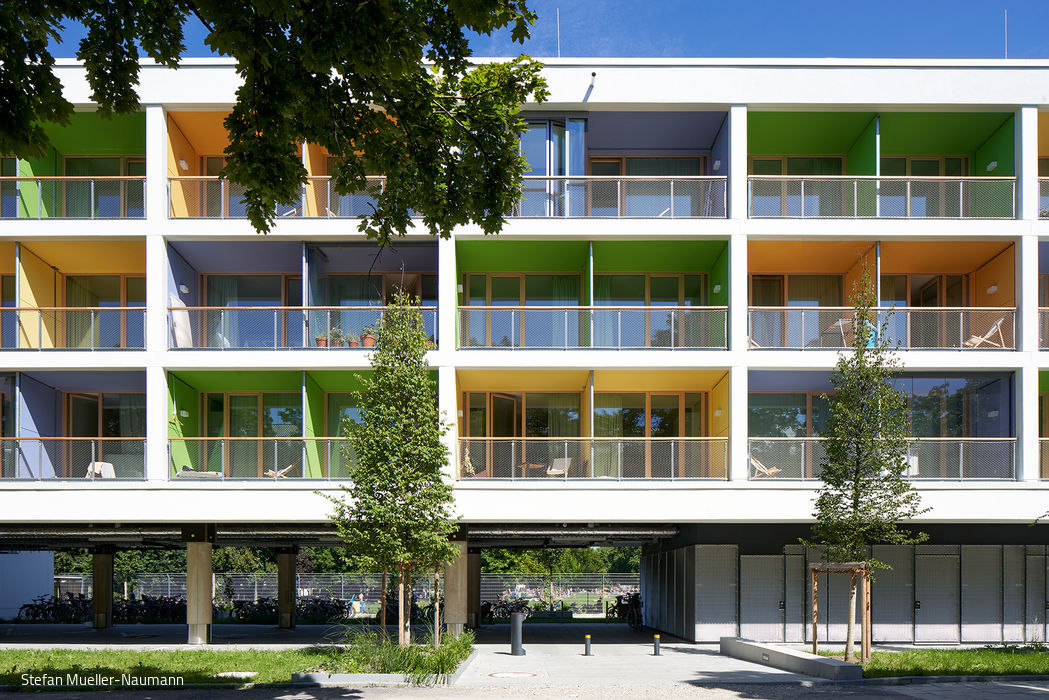
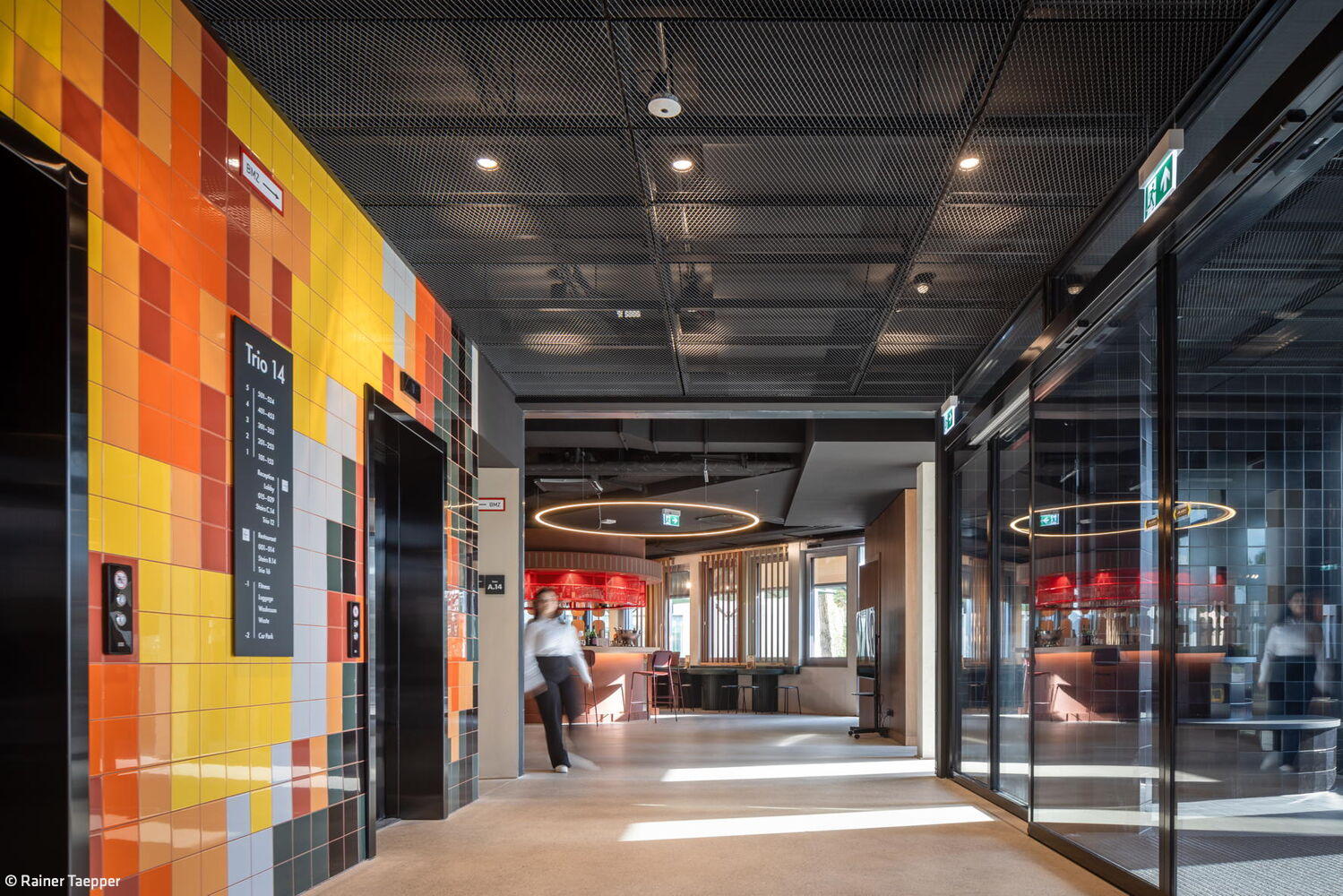
Temporary Retreat Space
The TRI.O Boardinghaus redefines contemporary temporary living in the city
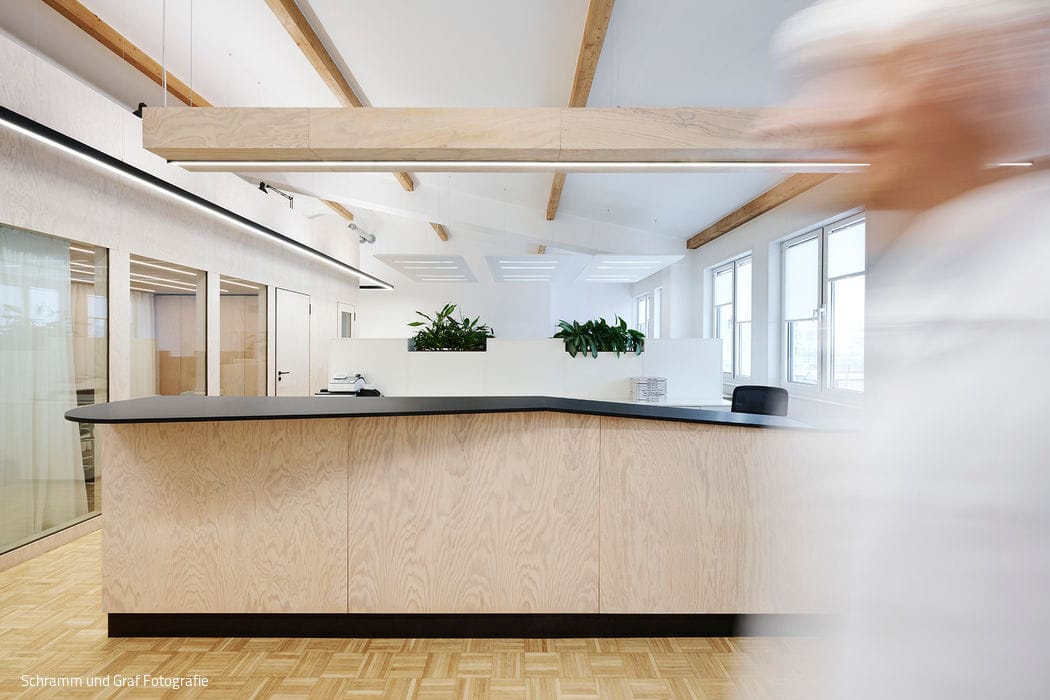
Pizza Meets New Work
A food startup from Geretsried embraces its bold new workspace
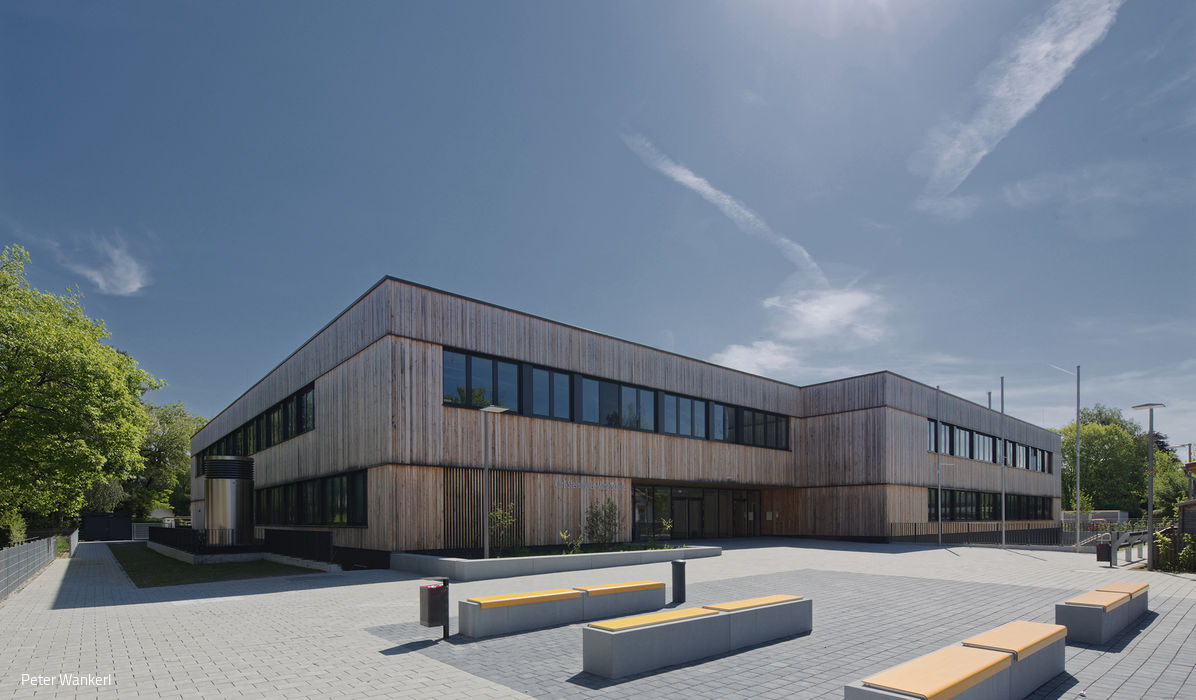
School with a Sense of Well-Being
Award-Winning Secondary School in Hohenbrunn
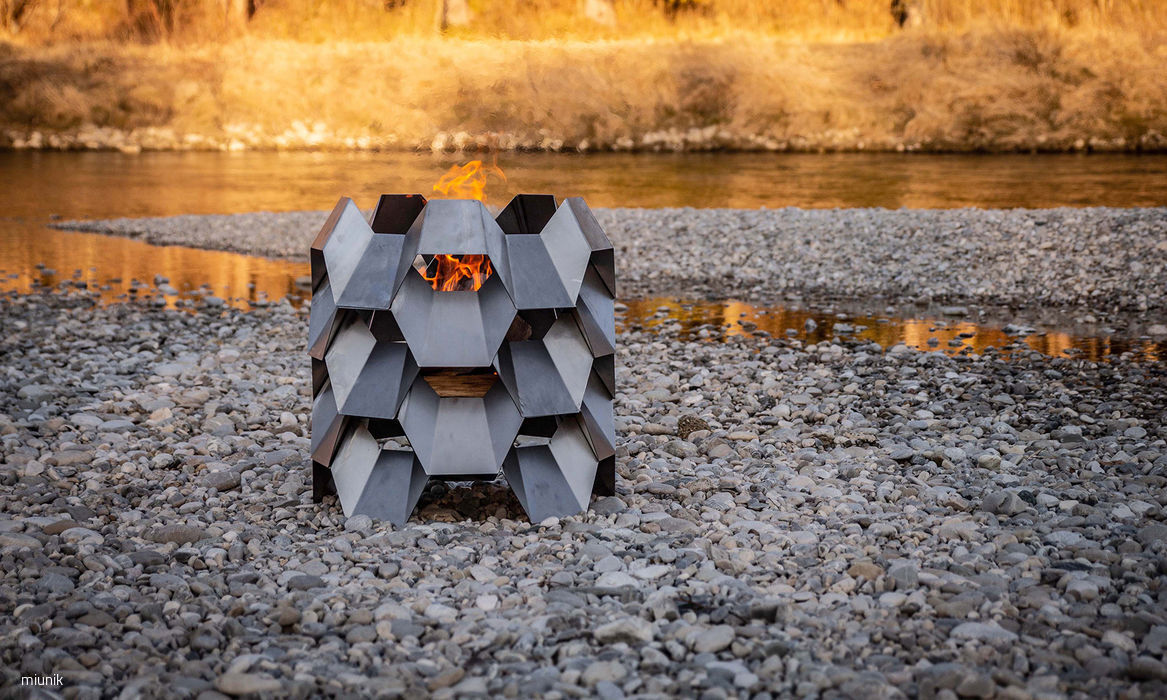
Design on Fire
miunik designs geometrically sophisticated fire bowls available in adjustable heights.