


Reborn
A 1970s villa gets a stunning new life
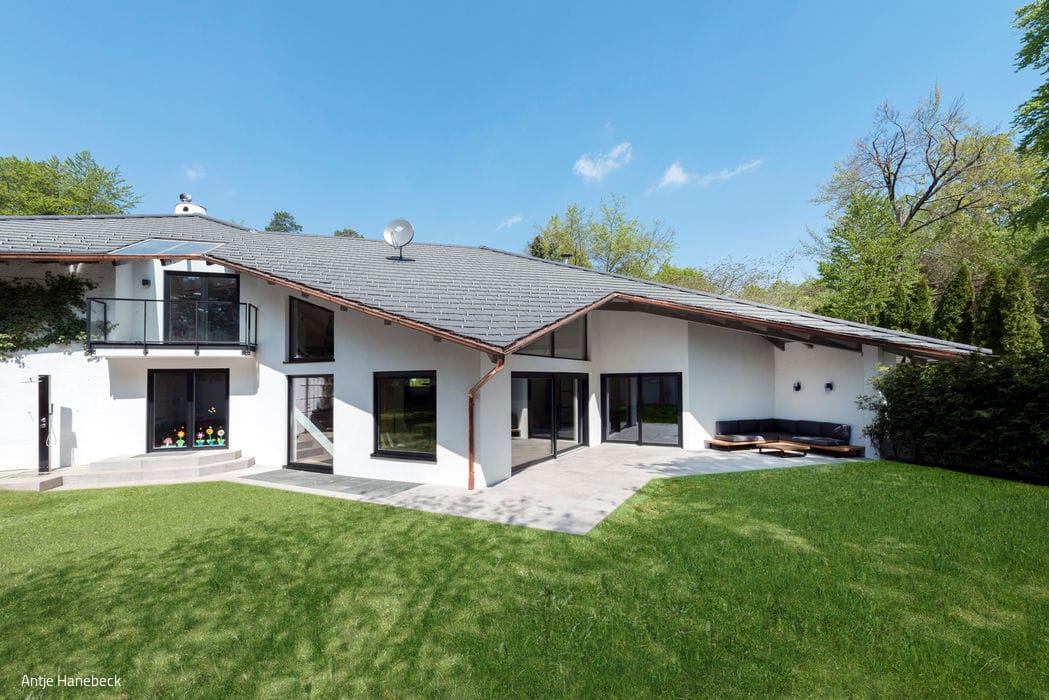
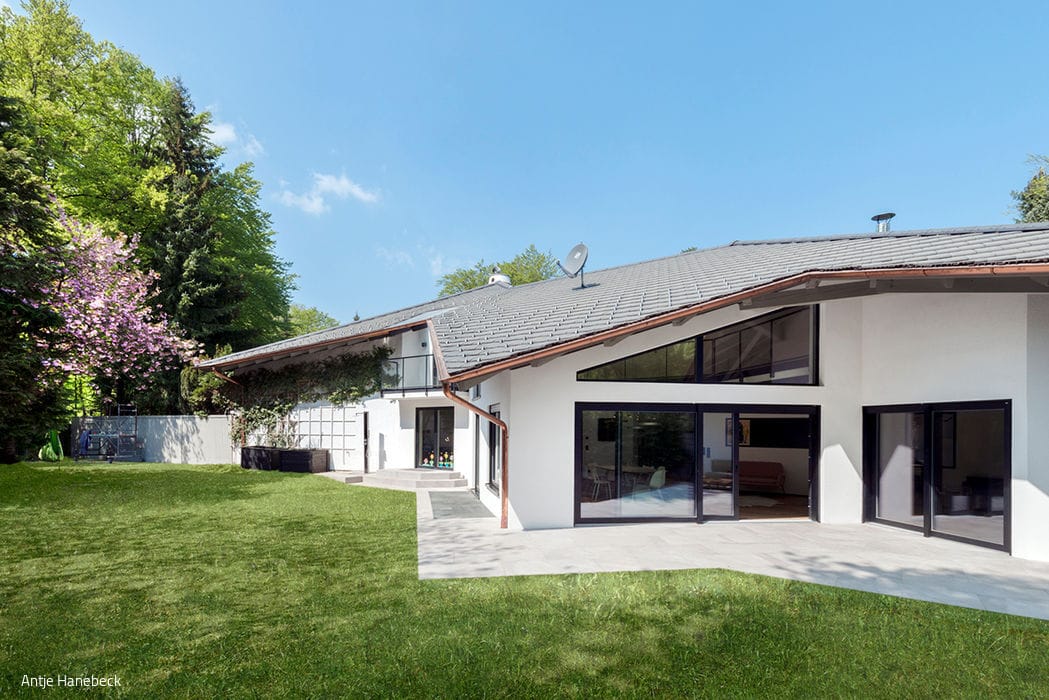
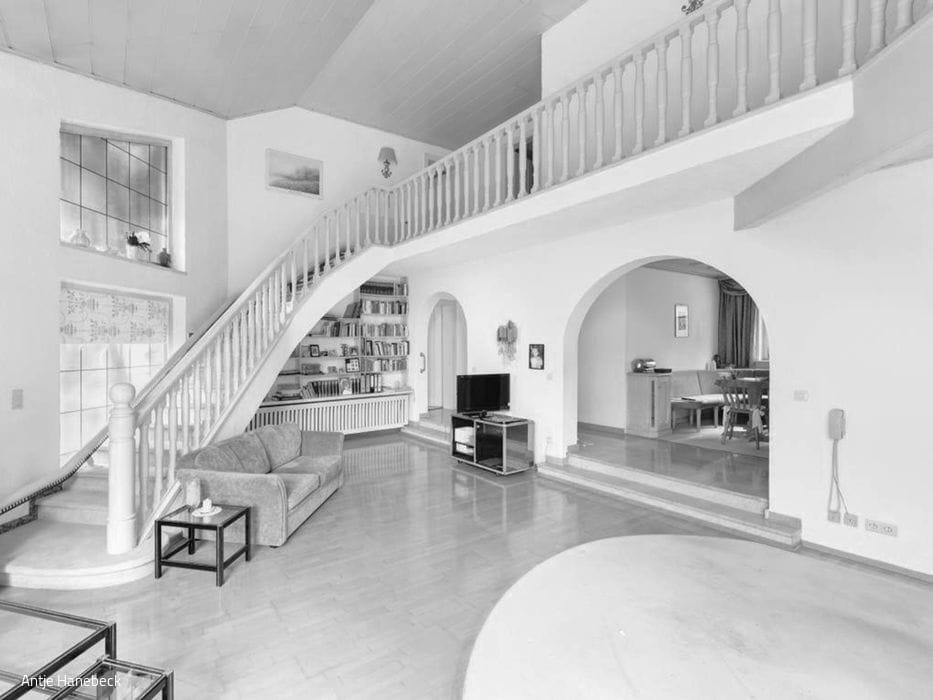
The original villa certainly had its charm – but beauty, as they say, lies in the eye of the beholder. The 1970s style is an acquired taste: intimate compartmentalized interiors, cosy bay windows, rounded arches, and ornate baroque-inspired details. The new owners of this aging Grünwald villa saw it differently. They envisioned something entirely modern – no more warren of small rooms, but flowing, open spaces instead. Seeking an architect equal to the challenge of reinventing their home, they turned to Christian Sandweger and his practice, arcs architekten. Planning began in earnest, but reality soon set in: the owners' ambitions for extensive renovation would strain even a generous budget within their four-month timeline. The architect offered a pragmatic solution: strip away all non-structural fixtures and sidestep costly interventions to the building's skeleton. A recommendation drawn from years of project experience.
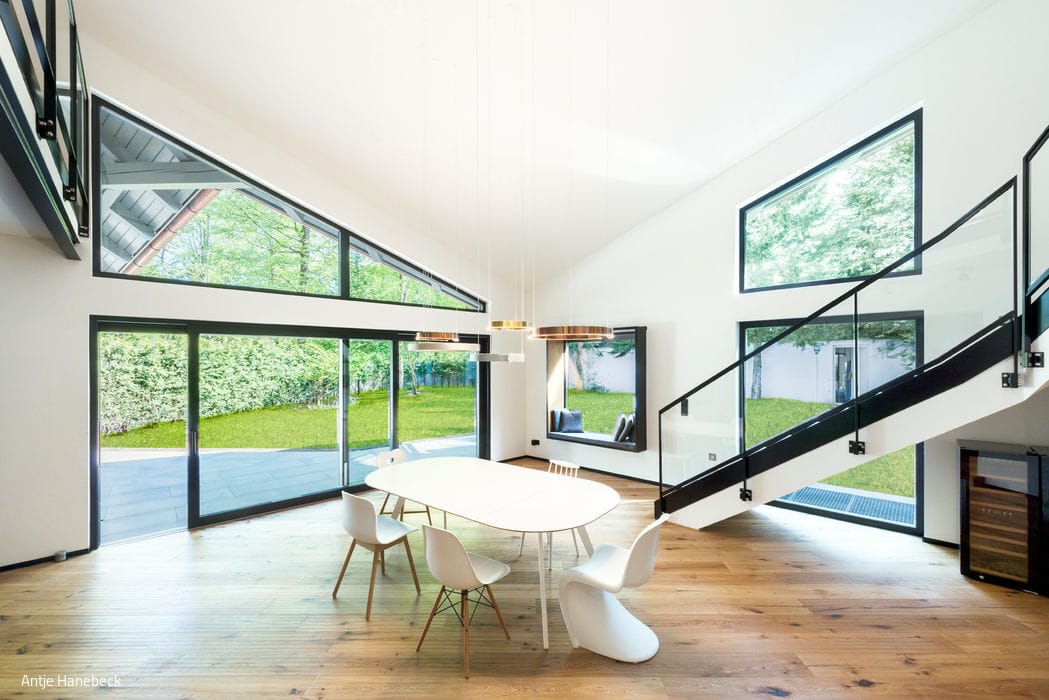
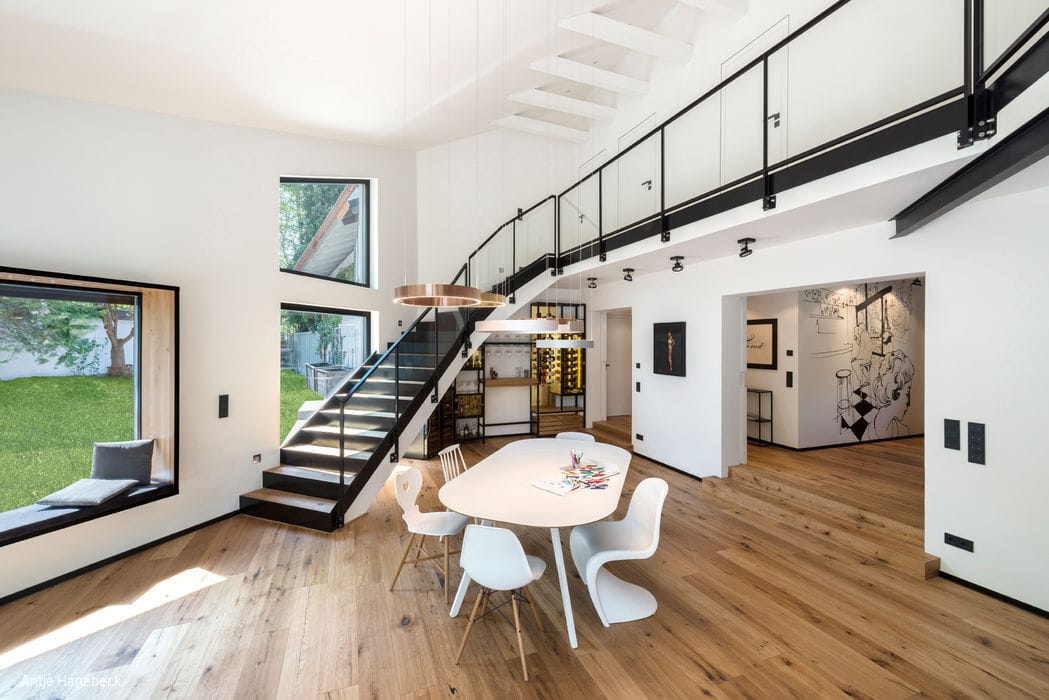
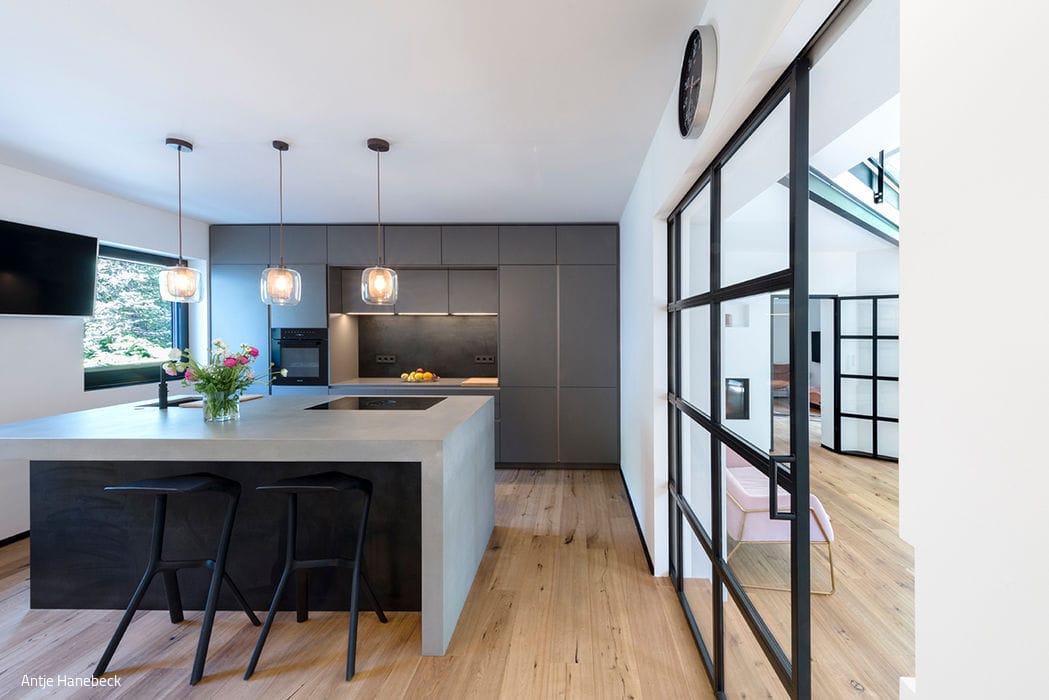
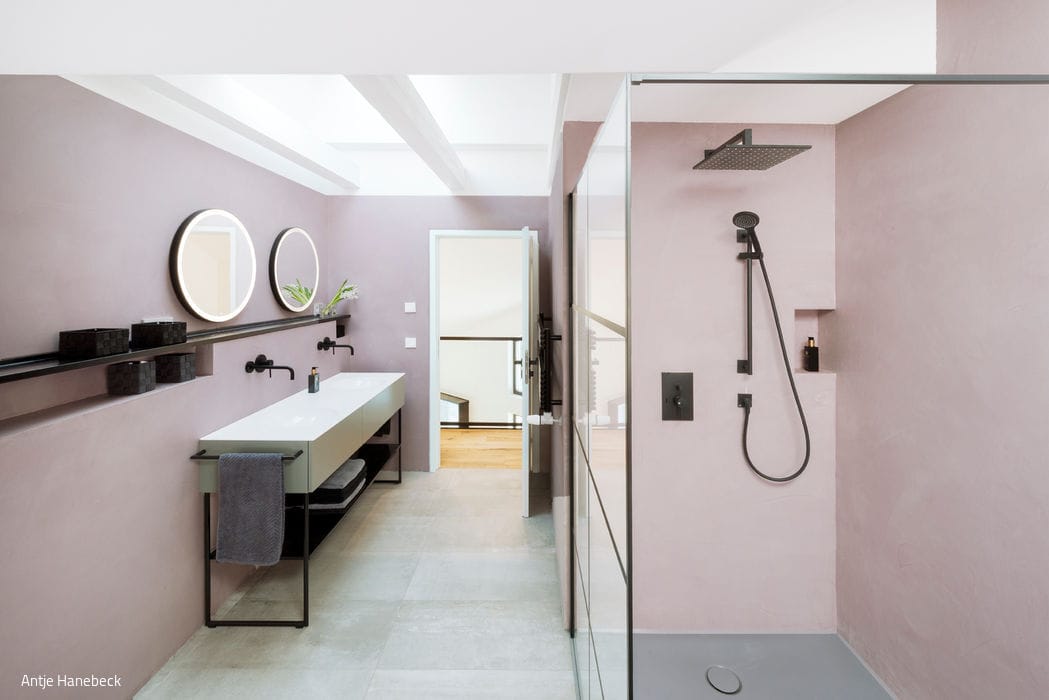
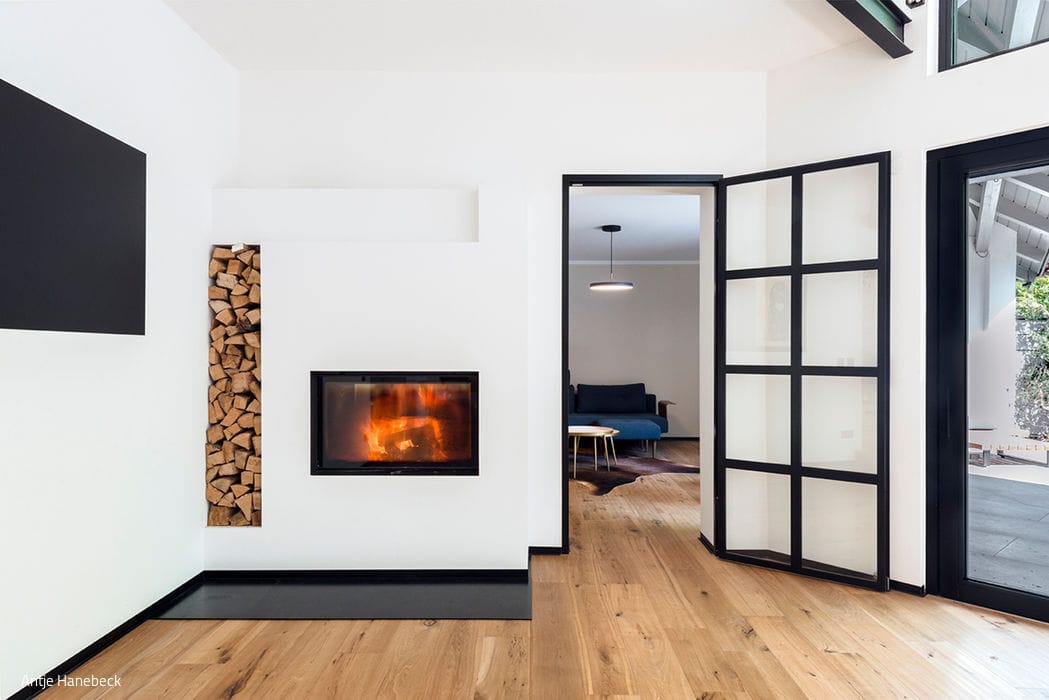
The ground floor was opened up as much as structurally possible. The rounded doorway to the kitchen became a generous rectangular opening, immediately amplifying the sense of space. All new elements – windows, staircase railing, doors – were framed in blackened steel, while every other surface remained clean white. New wooden floors were installed throughout, except in the bathrooms. Sliding doors now articulate the main living area between the living room, hallway, and kitchen, while the expansive garden doors blur the boundary between inside and out. The result: a cramped, maze-like ground floor transformed into loft-like openness. The villa's unusual roof – an extremely shallow gable with acute angles and deep overhangs that double as solar shading – demanded creative window solutions. The sculptural staircase spiraling through the center gains new presence now that its wooden railing has been replaced with blackened steel and glass – it reads as both grander and more refined. Upstairs, bedrooms for parents and two children, plus a bathroom, line the upper level in sequence. Comprehensive upgrades included extensive roof insulation and a conversion to district heating with radiant floor systems. The electrical infrastructure, no longer up to modern standards, was entirely replaced. Through these measured but meaningful interventions, the architects succeeded in creating a villa that feels utterly of our time.
Photography Credits:
Antje Hanebeck
www.antjehanebeck.de
(Published in CUBE Munich 03|20)


Stone Leporello
Purist Avant-Garde in the Tradition of Classical Modernism
Reaching New Architectural Heights
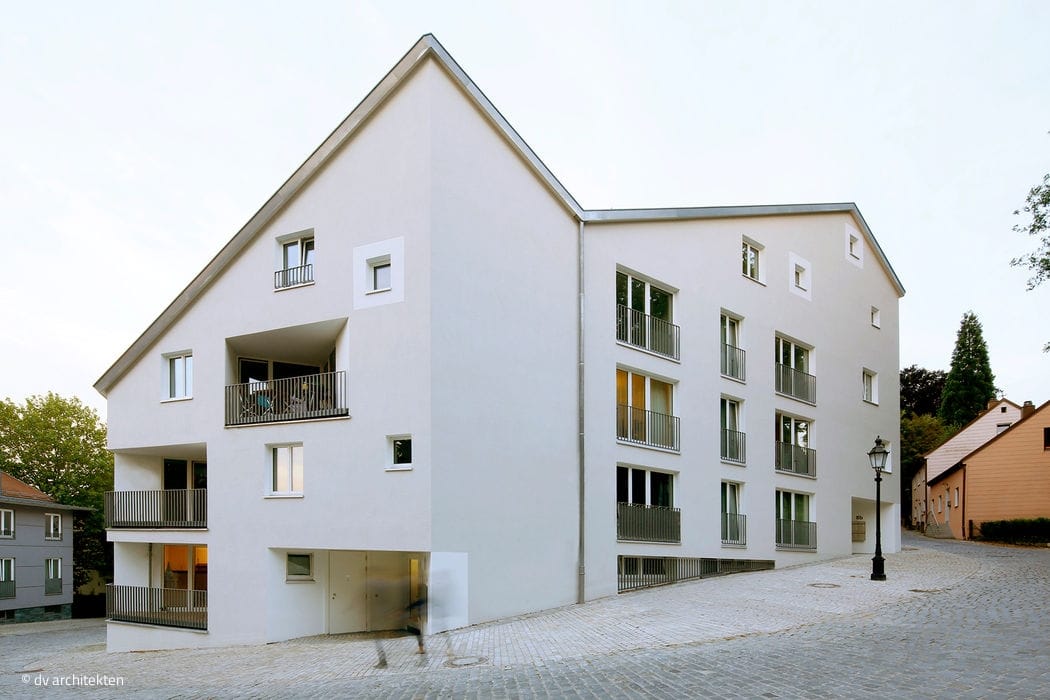
The sloping terrain dictates varied elevations across the apartment building—alternating between three- and four-storey sections with staggered rooflines.
Demolition Is Not the Answer
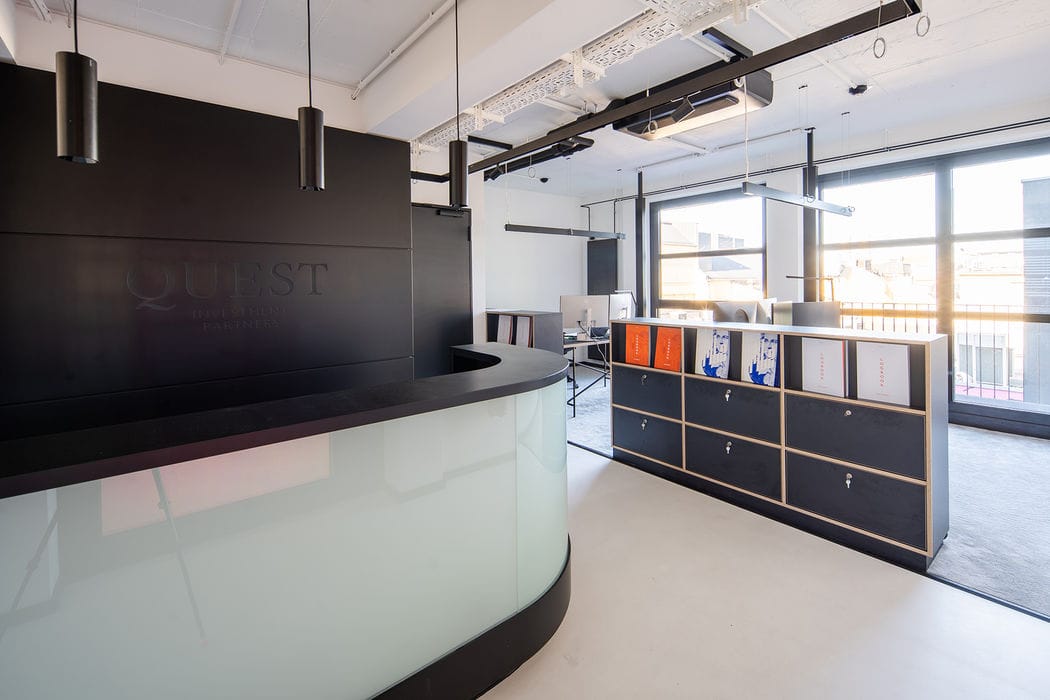
How a 1970s Office Building Became a Prime Destination
Everything Familiar – Yet Entirely New
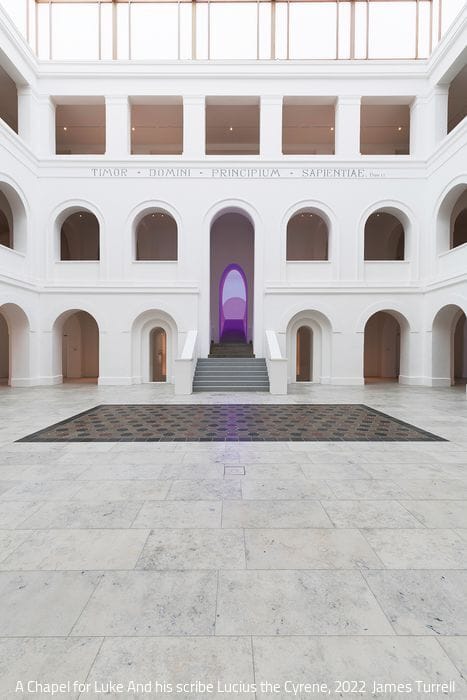
After nine years of renovation, Freising's Diocesan Museum is open once again.