


Shaping the future together
Innovation parks as new areas of development and their role in the city
CUBE: Mr Strittmatter, you are the Managing Director of Hamburg Invest, a one-stop agency that supports companies wishing to set up, start a new business or invest in Hamburg. Could you please explain who is behind it and how this comprehensive and bespoke service is funded?
Rolf Strittmatter: Hamburg Invest is the economic development agency of the Free and Hanseatic City of Hamburg. We support companies throughout their entire relocation and investment process – from the decision on location to implementation – and work closely with the administration, chambers of commerce and other partners.
This service is funded by the city and its institutional shareholders, as successful business relocations create jobs, generate added value and strengthen Hamburg’s economic competitiveness.
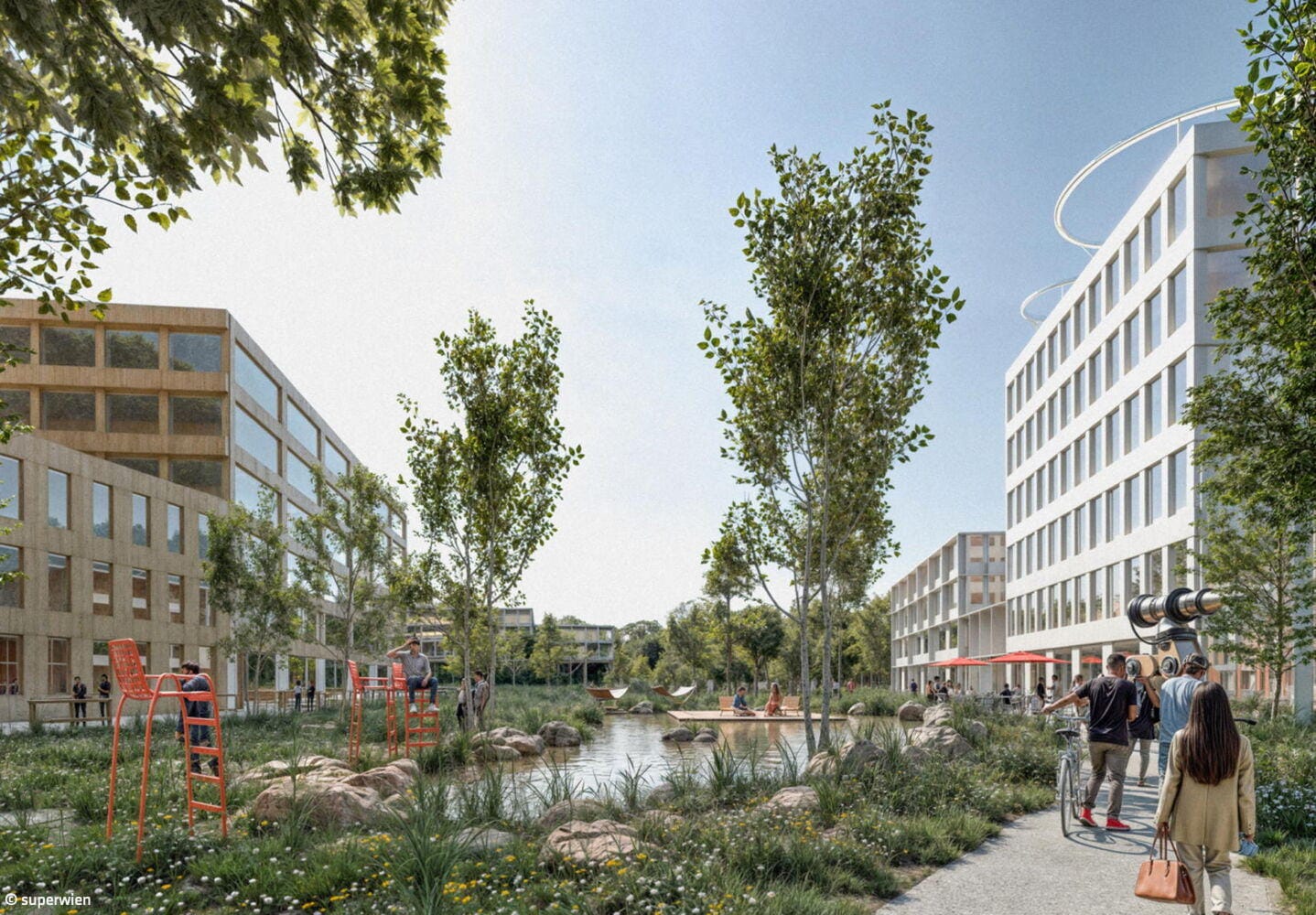
In its strategic planning for city-wide development, Hamburg places a strong emphasis on research and innovation. There are ‘innovation parks’ in Altona, Finkenwerder, Harburg and Bergedorf. Is this just a fancy new term for an industrial estate, or what actually defines an innovation park?
An innovation park is not simply a new label for an industrial estate. The key difference lies in its focus and its environment: Innovation parks are specifically established in close proximity to universities, research institutions and so-called anchor institutions. There, we bring together expertise, space and networks for companies working on clearly defined future-oriented topics such as life sciences or quantum technology in Altona, as part of ScienceCity Hamburg Bahrenfeld. Companies here operate in the immediate vicinity of internationally renowned institutions such as DESY and the European XFEL, as well as the University of Hamburg.
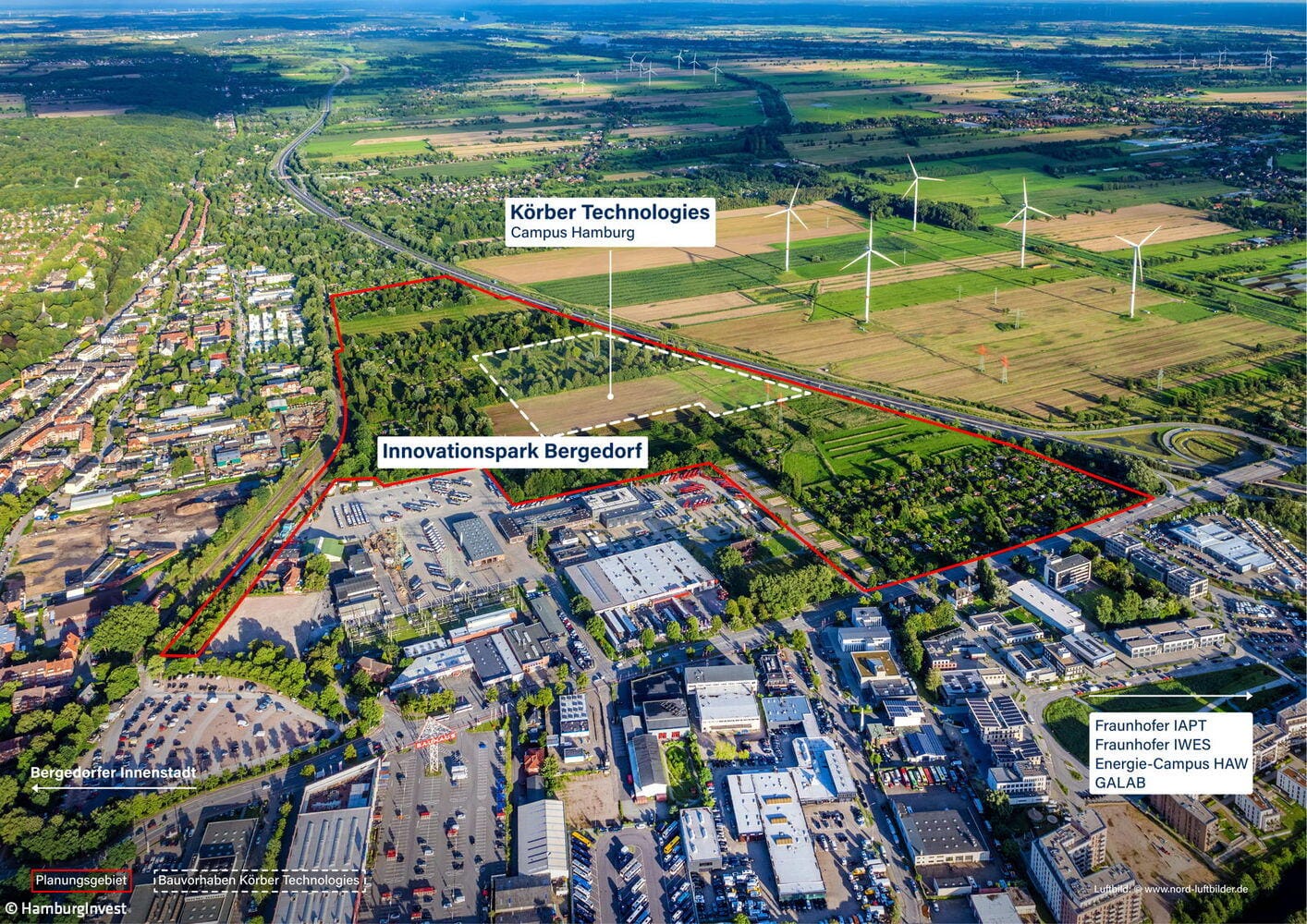
Another example is the Bergedorf Innovation Park, a hub for the future-oriented field of renewable energy. With facilities such as the Energy Campus at the University of Applied Sciences (HAW), the Fraunhofer Institute for Additive Production Technologies (IAPT) and the emerging Körber Technologies Campus, we are making the area a must-visit destination for businesses. The investment volume from both the city and the private sector for this park in Bergedorf alone runs into the hundreds of millions.
Finkenwerder is already fully developed and is entirely dedicated to the aviation industry. In Harburg, the focus is deliberately on creating an innovation district rather than a park: Tech City Hamburg is taking shape around the Technical University of Hamburg, an urban space for companies in the key sectors of green technologies, aviation, maritime applications, medical technology and digitalisation – combining existing facilities with new development areas. Our aim is to offer companies at different stages of development tailor-made spaces in the various innovation parks.
How can we ensure that such developments fit into the city’s urban planning, particularly in a growing city with limited land availability and a tight housing market?
Hamburg Invest is responsible for business development – we do everything we can to attract investment to Hamburg and establish companies here on a long-term basis. In short: we are planning land use today to ensure that Hamburg remains competitive tomorrow. After all, commercial and workspace are a key prerequisite for a city to function in the long term. Jobs generate income and tax revenue, and thus form the financial basis for infrastructure, social services and housing construction.
Hamburg is pursuing an integrated innovation strategy in which commercial areas are not viewed in isolation, but within the context of the city as a whole. The aim is to ensure that places for working, research, living and everyday life are located as close together as possible. A good example is Science City Hamburg Bahrenfeld. Here, research, innovative businesses, housing and urban amenities are deliberately brought together. This creates neighbourhoods with short distances, a high quality of life and a strong economic base – and this is precisely where the future of a growing metropolis like Hamburg lies.
Would it be possible to create such an innovation park using existing buildings?
Yes, in principle it is possible. However, whether converting a building is a sensible option depends heavily on the companies’ requirements. Research, laboratory and production facilities, in particular, have very specific technical requirements. That is why a careful assessment of each individual case is always necessary: sometimes conversion is possible, whilst at other times a new build is the better solution, both economically and functionally.
How is the design regulated? Are there guidelines for climate adaptation? Are there design competitions for the architecture of the buildings and the open spaces within the sites?
Climate adaptation and environmental considerations are an integral part of all planning. Issues such as heat build-up, heavy rainfall, biodiversity, noise and the quality of open spaces are taken into account at an early stage through expert reports and specialist planning, and are already incorporated into the functional planning. The nature of the competitions varies depending on the location: in Altona, for example, we have opted for a transparent urban planning workshop process with intensive public participation. The design is coordinated in cooperation with the respective district offices, whereby we work with design guidelines in the innovation parks to ensure a standard of design quality appropriate to the innovation park.
In your experience, why do companies choose Hamburg – apart from economic reasons?
I don’t want to resort to the stereotype of Hamburg as the most beautiful city in the world. But as someone born in Baden, I can say this: Hamburg combines economic strength with a very high quality of life. The city offers international connections, an excellent science and research landscape, skilled workers and a reliable business environment. Added to this is an open, cooperative attitude towards businesses. Many choose Hamburg because they find here not only a place worth living in, but an environment in which innovation can flourish in the long term.
Mr Strittmatter, thank you for speaking to us.
The interview was conducted by Bettina Schön.
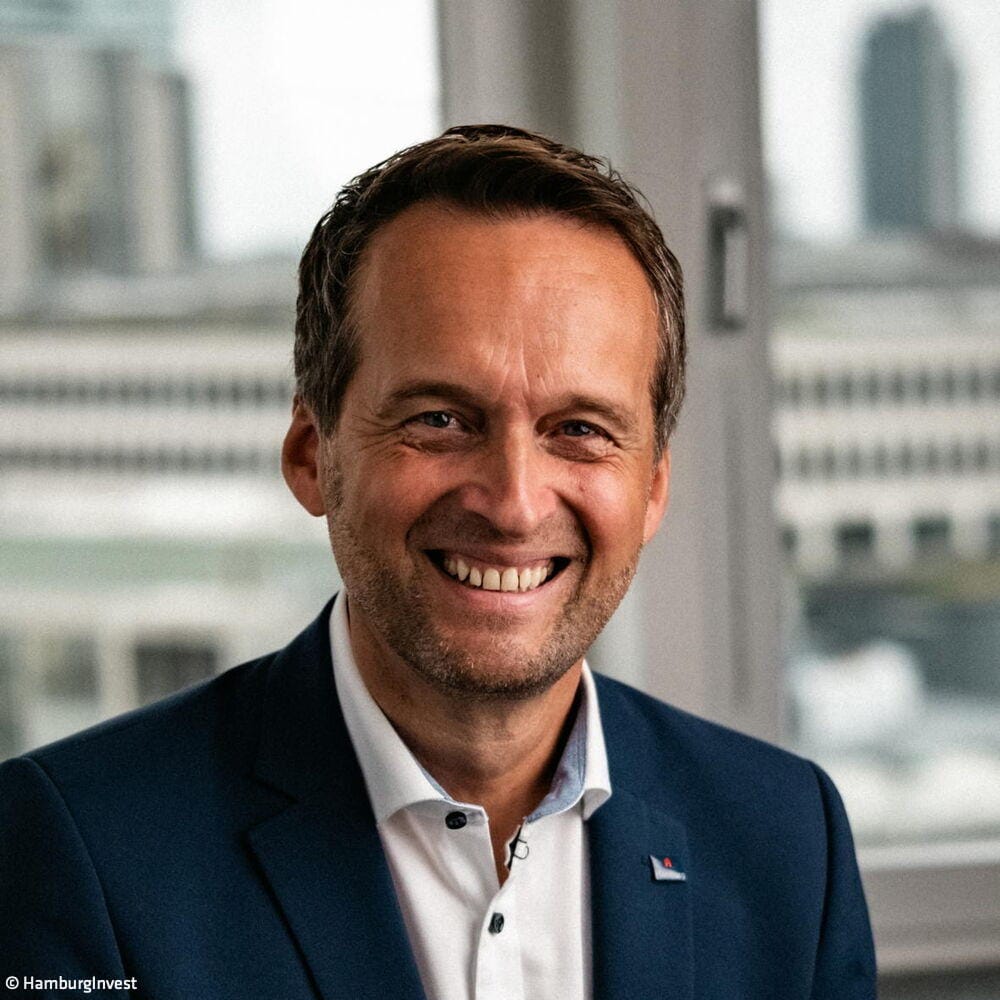
Dr Rolf Strittmatter
With creativity, strategic thinking and a willingness to embrace change, Dr Rolf Strittmatter has been leading the operations of Hamburg Invest and Hamburg Marketing GmbH since 2015. A graduate in economics with a PhD in economic geography, he has extensive experience in business development at local and regional level, as well as in industry.
By establishing innovation parks and actively developing strategic commercial sites, he is driving forward the implementation of the city’s innovation strategy: this is creating interconnected hubs for the future in the fields of research, technology and entrepreneurship, which will consolidate Hamburg’s international competitiveness in the long term. This raises the profile of the Hanseatic city and strengthens its economic power and quality of life.
(Published in CUBE Hamburg 01|26)
600 new parking spaces
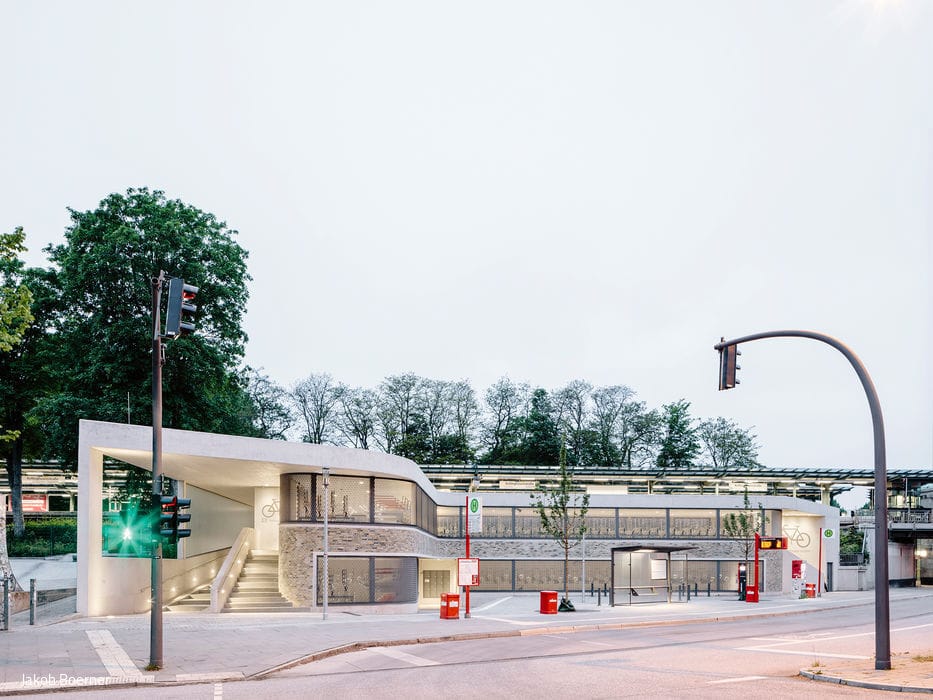
Hamburg's first bicycle parking facility marks a new mobility milestone at Kellinghusenstraße

A Smart Choice
Renovation Over New Construction—How Smart Planning Fulfilled a Homeowner's Vision
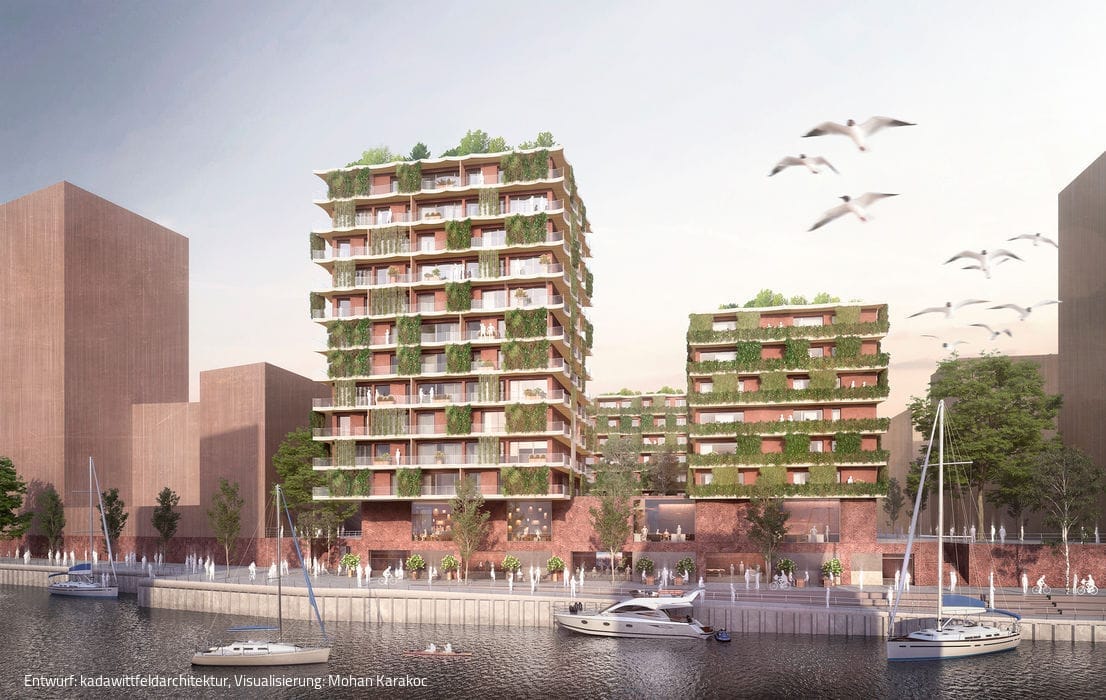
20 Years of the HafenCity Megaproject
Moringa, a 20,000 m² residential mixed-use development, was created in partnership with kadawittfeldarchitektur according to the...
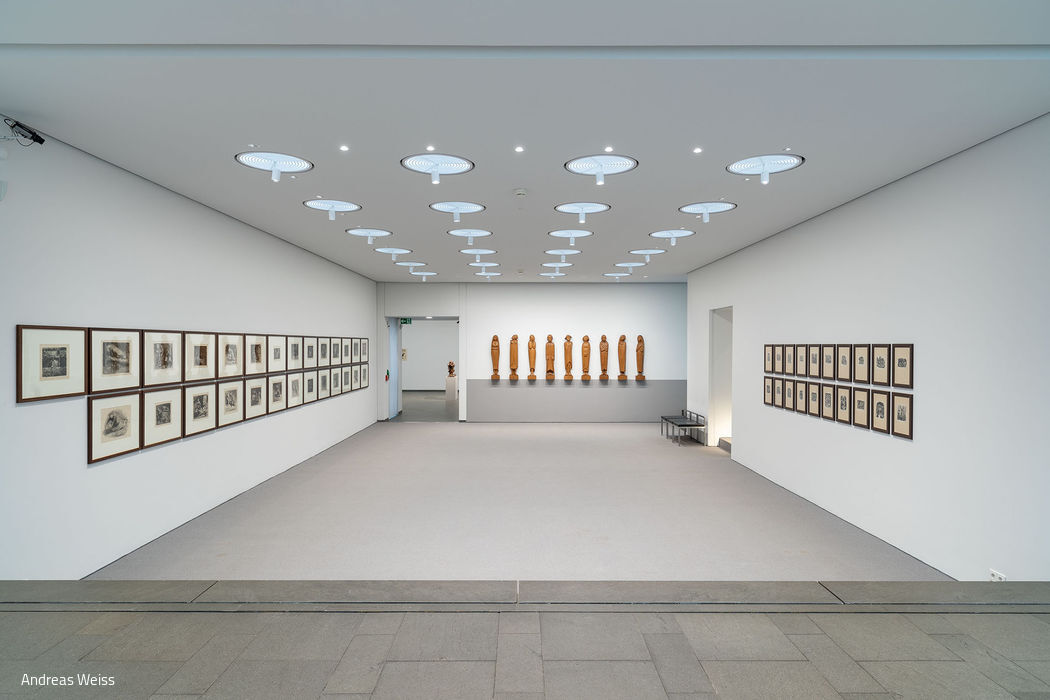
Art in New Light
Licht01 reimagined the museum's lighting at the Ernst Barlach House, honoring the building's architectural integrity while optimizing its luminous environment.