


Reimagining Urban Form
Four new residential buildings draw inspiration from local heritage to form a vibrant urban quarter along the riverfront

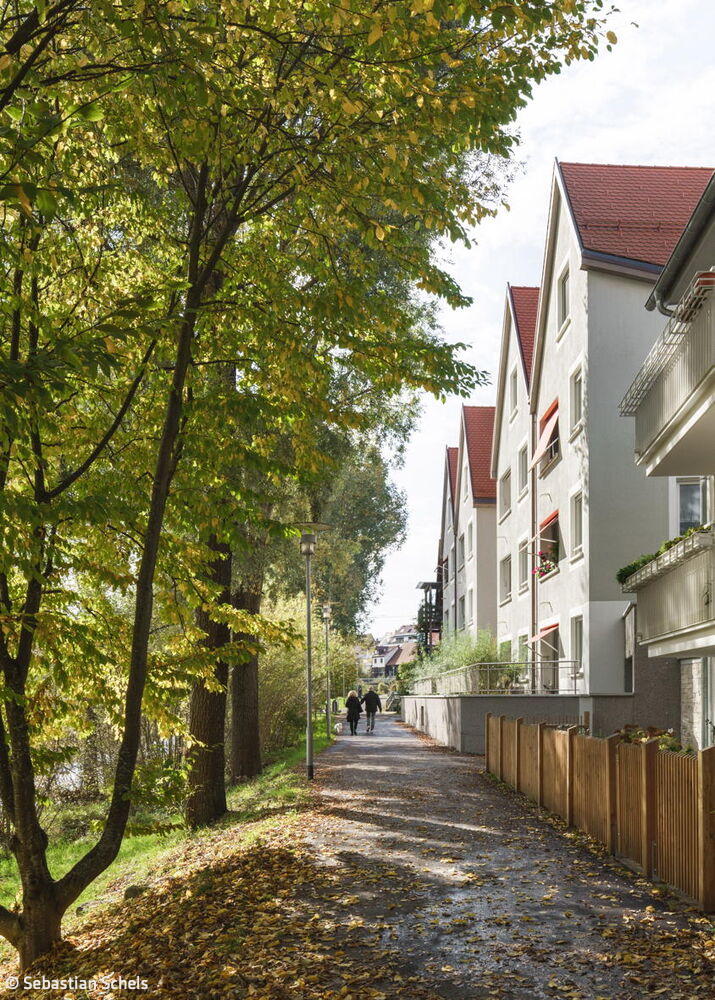
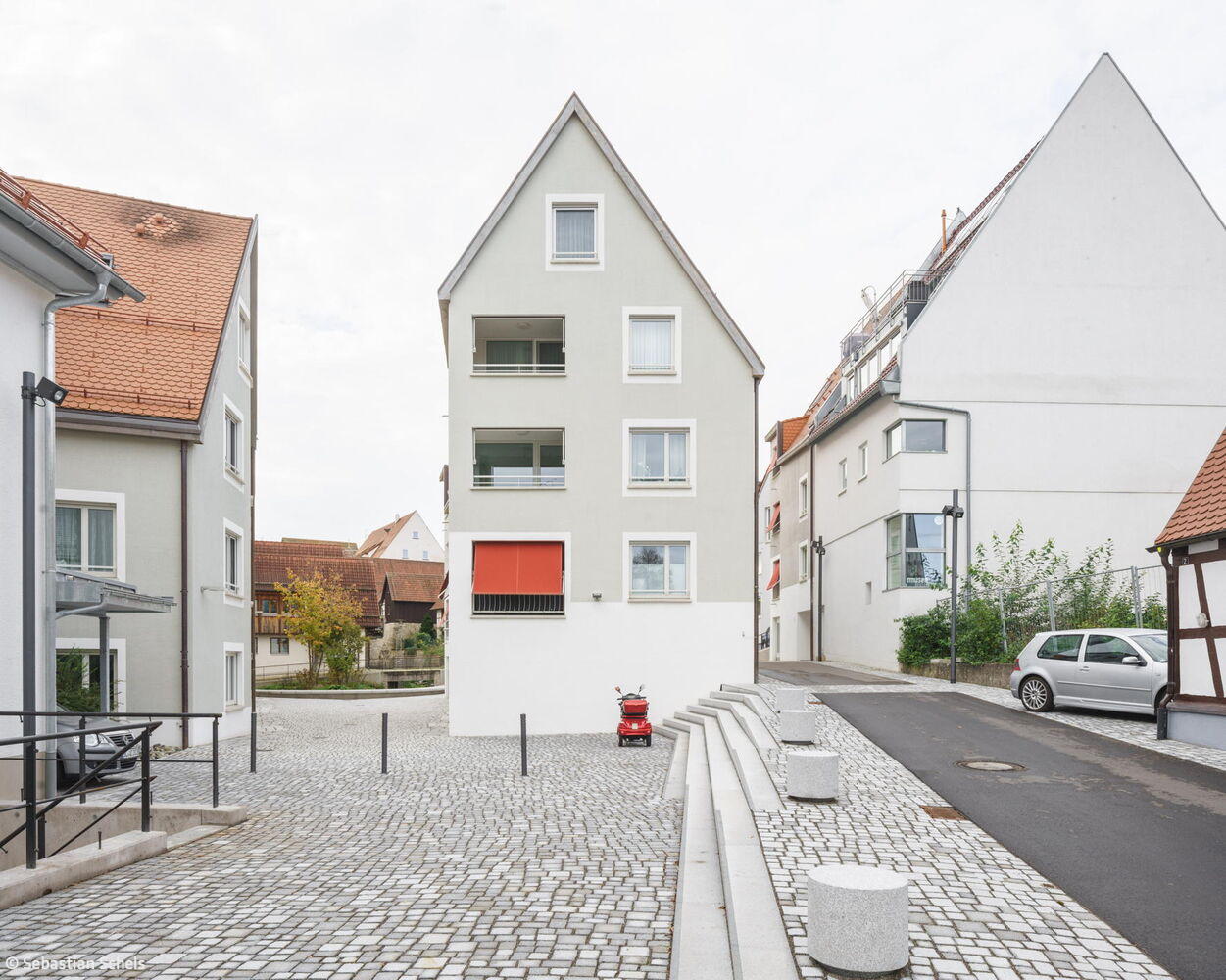
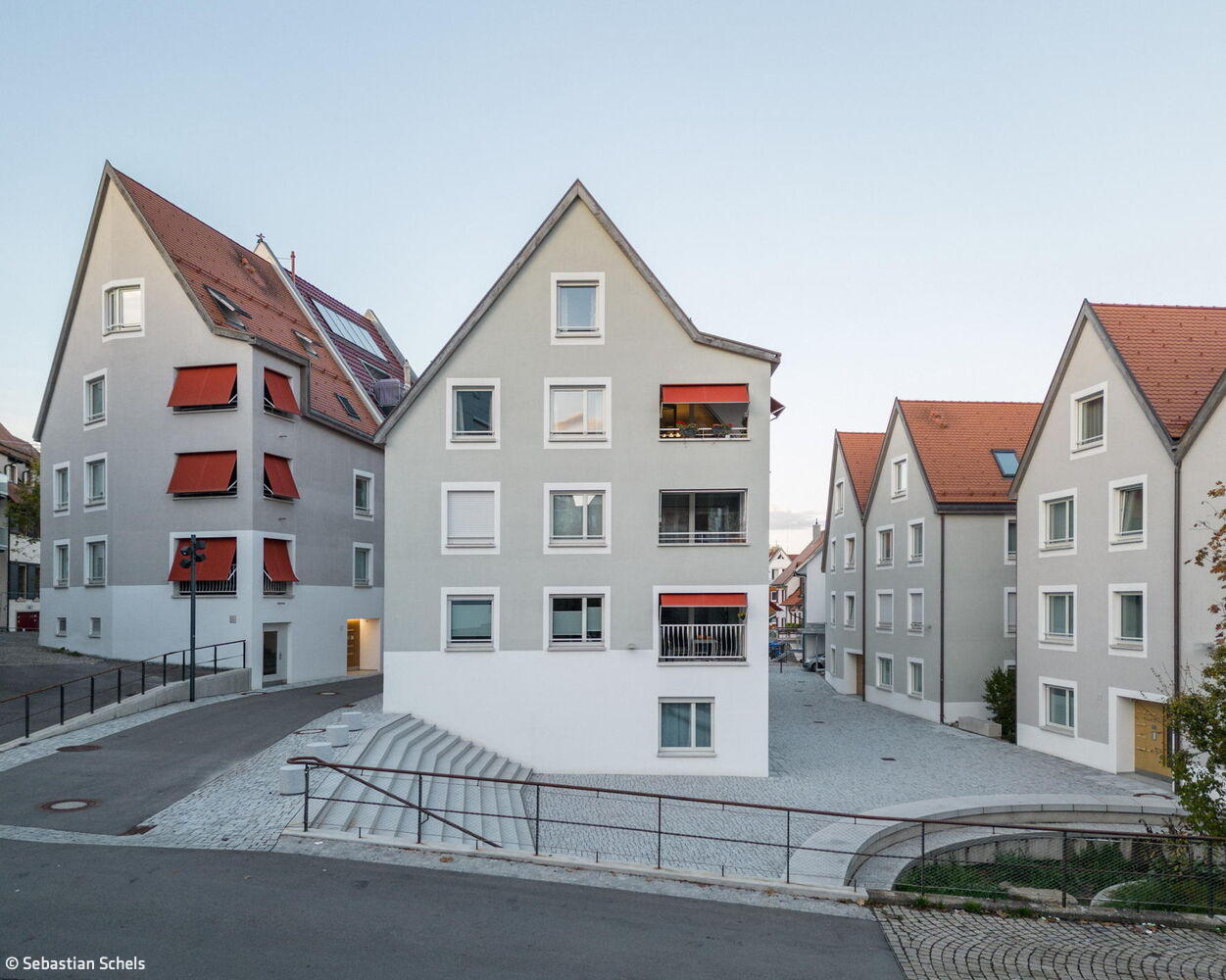
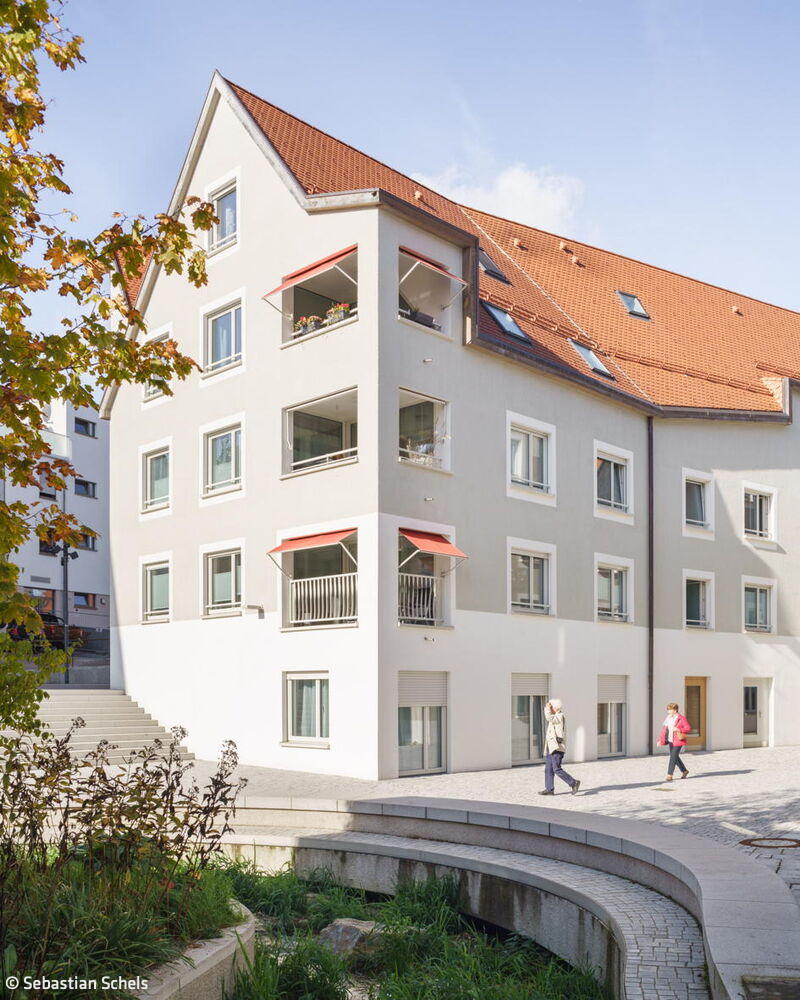
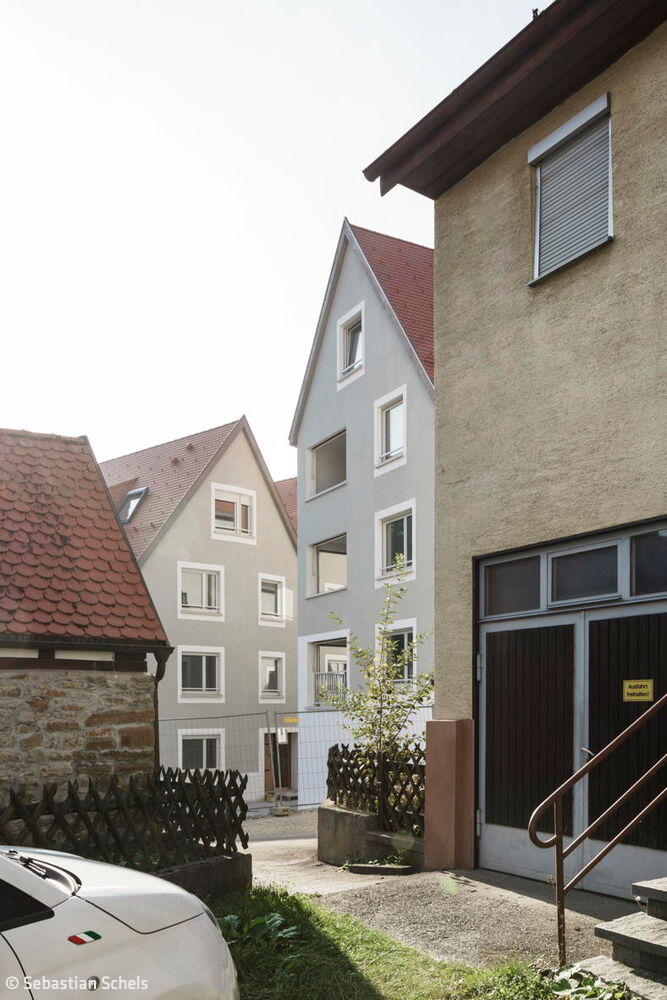

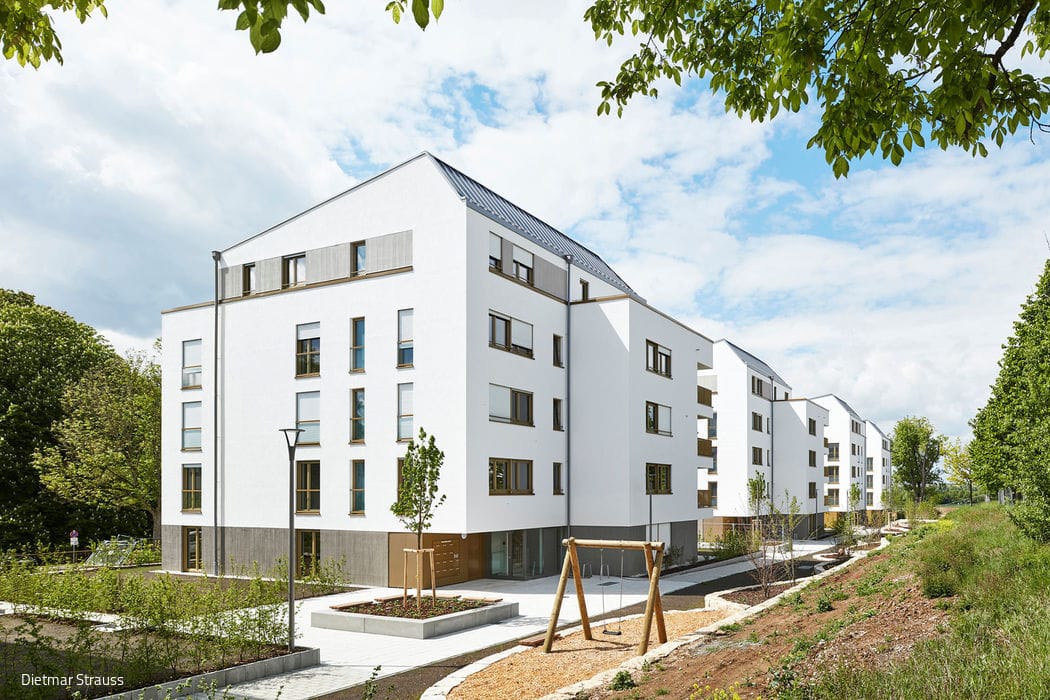
At this location in Balingen, remaining medieval urban structures meet directly with evidence of the classicist reorganisation of the early 19th century. The new residential development picks up on the small-scale urban structure of the former tanners' quarter on the riverbank and further develops the motif of the gabled tanners' houses. Sensitively integrated, the houses designed by nbundm* Neuburger, Bohnert and Müller Architects BDA and urban planners complete the city skyline and conclude the comprehensive redevelopment of the quarter between 1994 and 2004. A third house on the former site of a mill forms the conclusion of two public spaces. An extension "Beim Mühltor" complements the building ensemble and traces the course of the inner city wall.
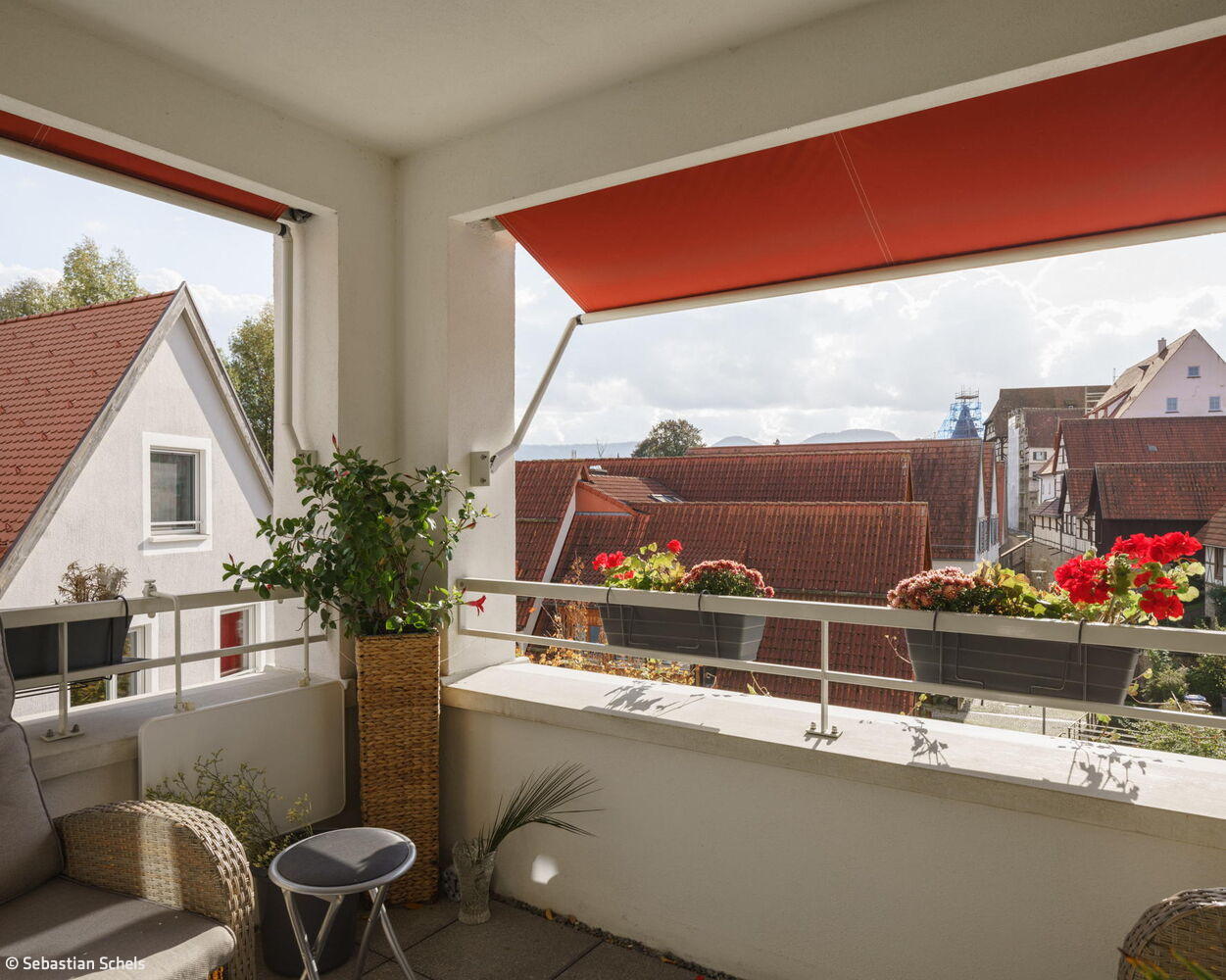
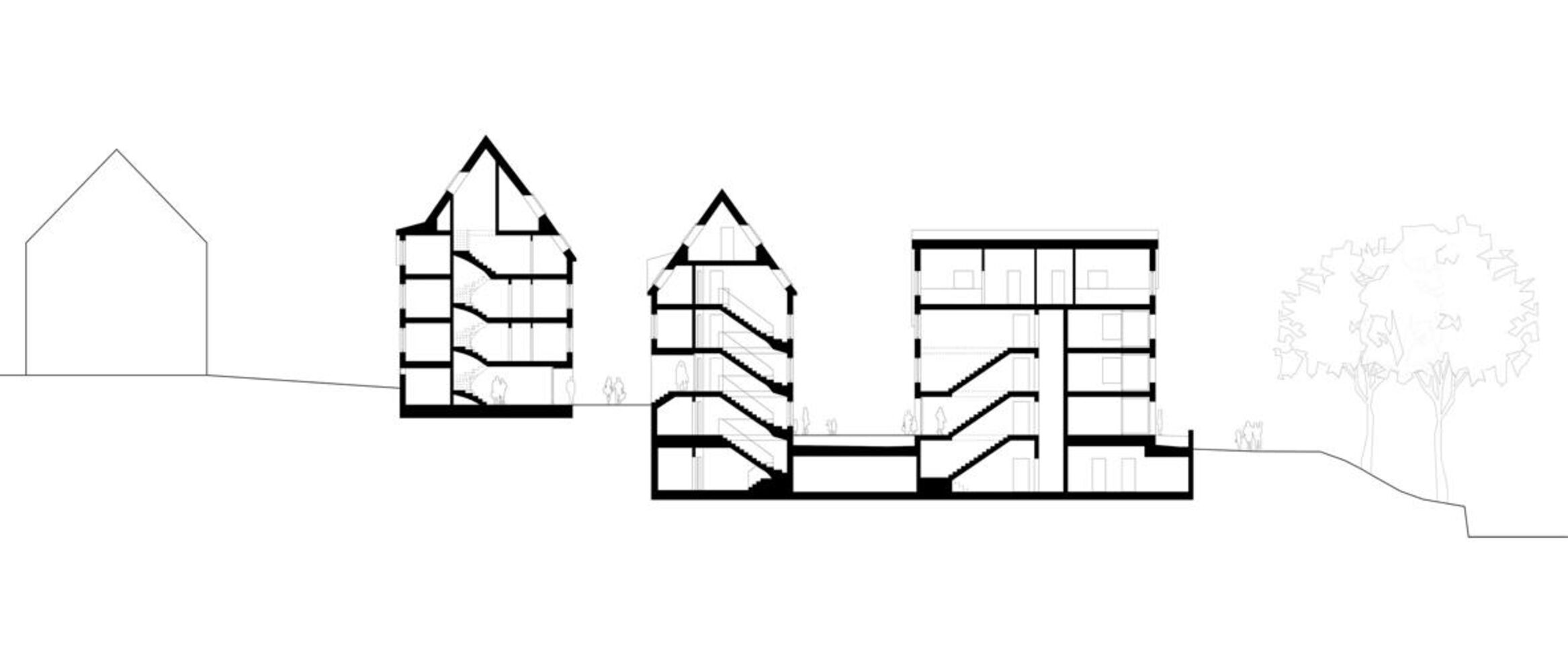
Building volumes and house forms respond to the surrounding context, following historical property lines and former canal routes. The result is a distinguished, multi-award-winning residential development at the edge of the old town, thoughtfully integrated into the public realm. The four buildings, part of a housing cooperative, share another connection above ground: a central staircase in the middle building provides access to a shared mezzanine level available to all residents—complete with bicycle storage, pram parking, and dedicated drying and workshop areas. Except for one extension, all buildings connect to underground parking via lift and are fully accessible. Each apartment is designed without barriers and enters through a generous foyer. The living spaces flow seamlessly, with cooking, dining, and living areas forming one open, flexible zone that can be subdivided with a self-contained kitchen when needed. Oak parquet adorns the living and sleeping areas, while bathrooms feature tiled floors. This essential communal heart communicates with the public realm through a loggia framed by striking red awnings. The penthouses in each building are laid out as maisonettes, tucking bedrooms and smaller rooms under the roof. In total, 22 apartments ranging from two to five rooms were created, spanning approximately 1,710 m² of living space.
Photography:
Sebastian Schels
www.schels.net
(Featured in CUBE Stuttgart 01|25)

Room to Discover
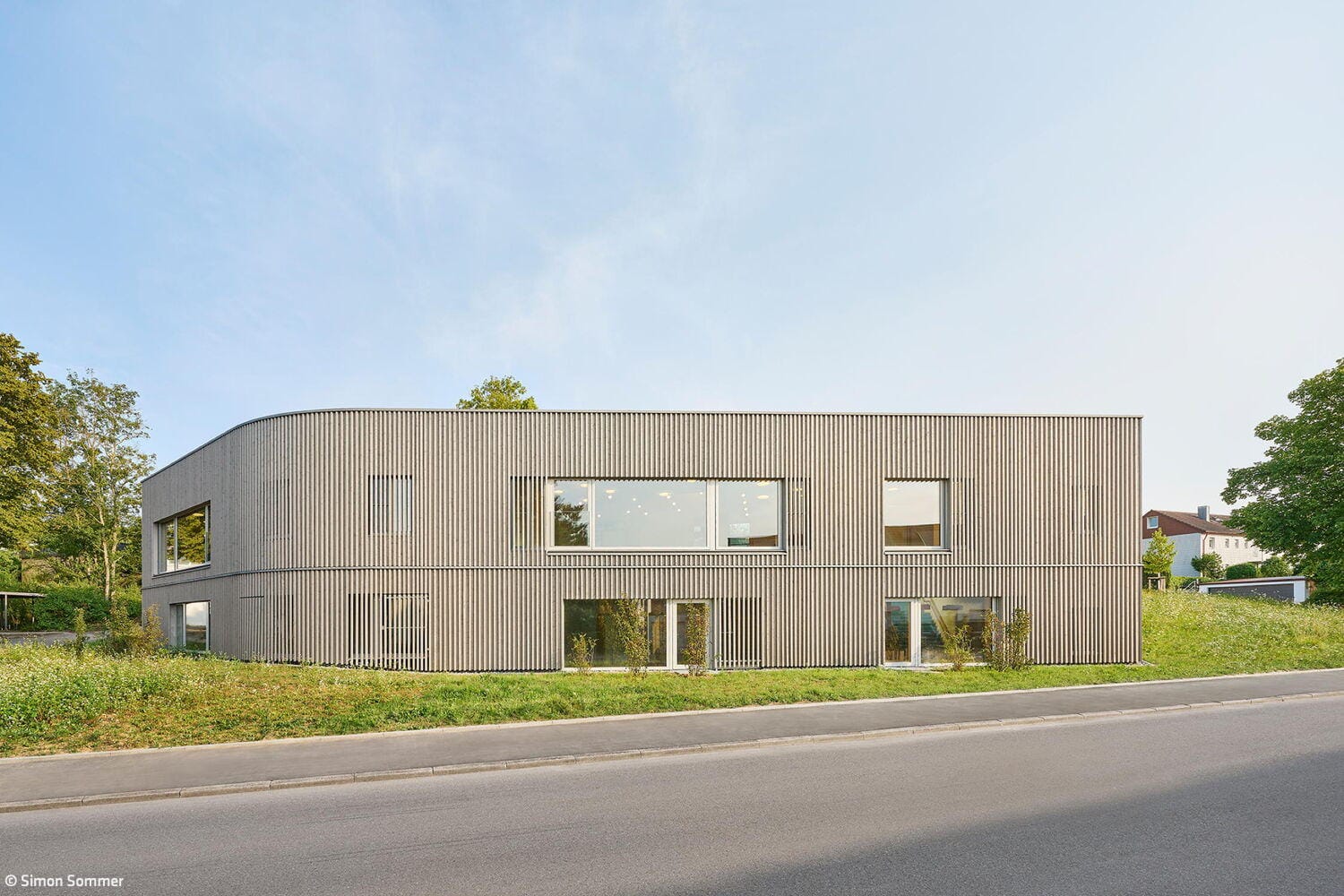
Thoughtful Expansion of a Childcare Center
Expansive Design on a Tight Budget
A monolithic building envelope featuring softened corners that frame carefully curated sightlines and choreograph an evolving interplay of light throughout the day.
Designing with Purpose
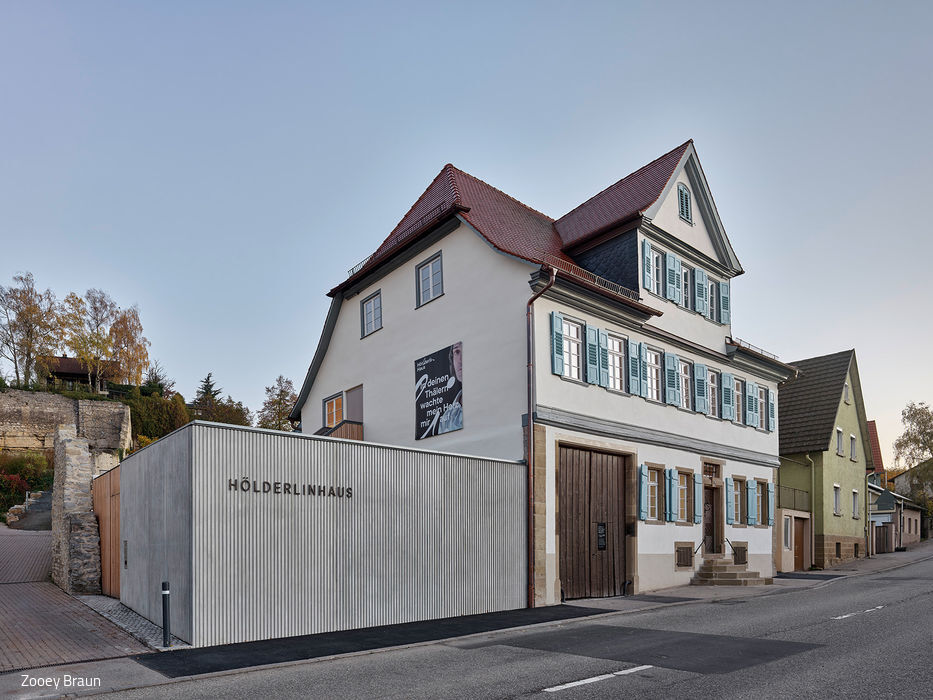
Hölderlin's Listed Residence: Restored, Expanded, and Reimagined as an Exhibition Space
Living with Vision
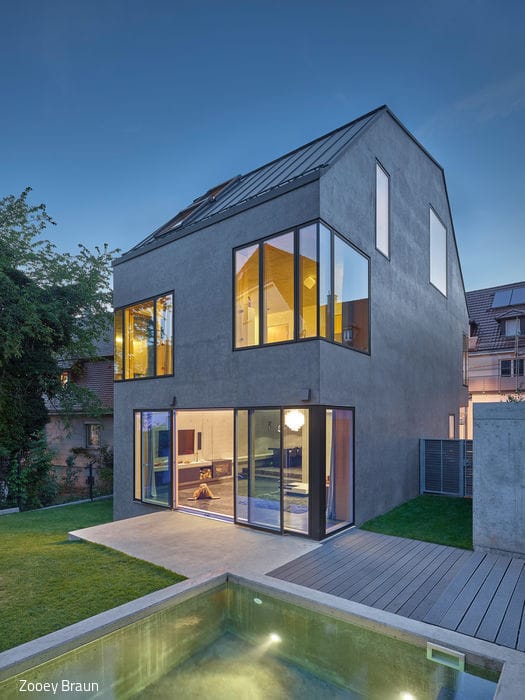
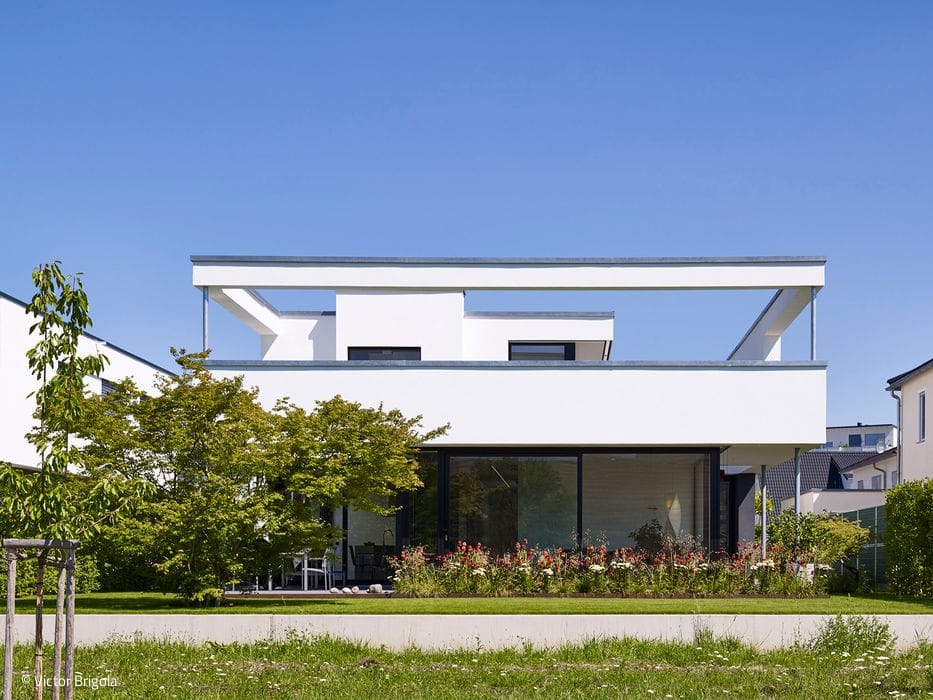
A new single-family home balancing privacy with prospect – sheltered spaces and expansive views