


Forest-Inspired Design
A sustainable education centre in the Black Forest harnesses the architectural and environmental potential of wood
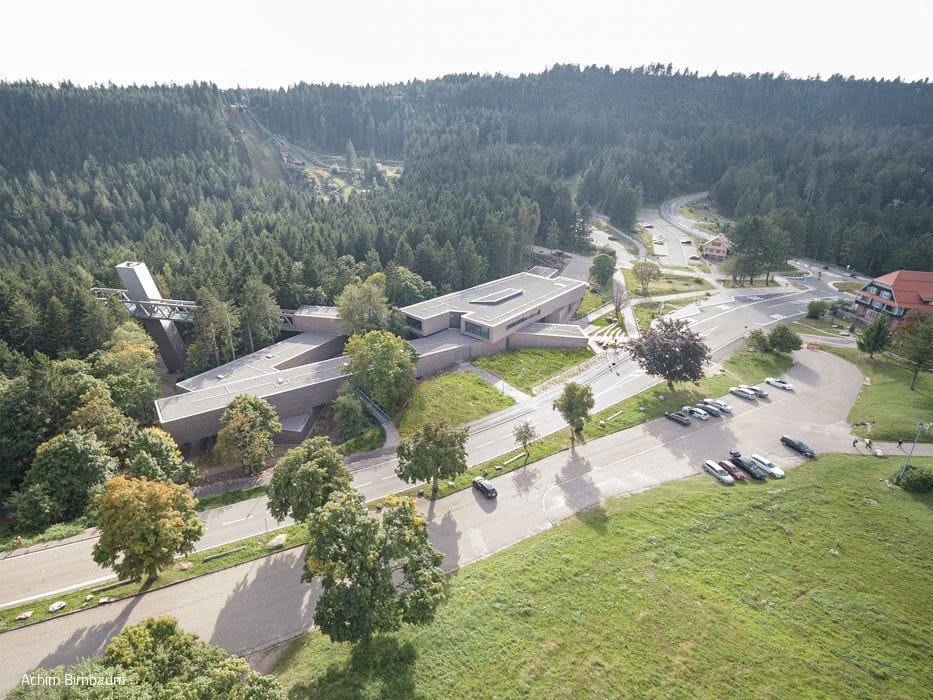
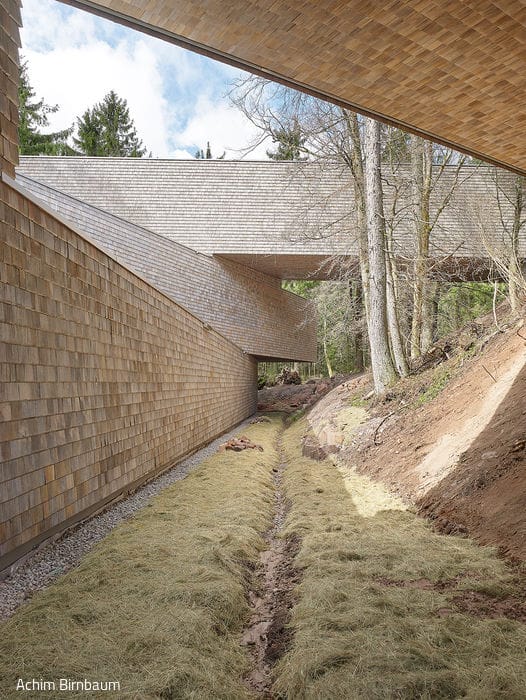
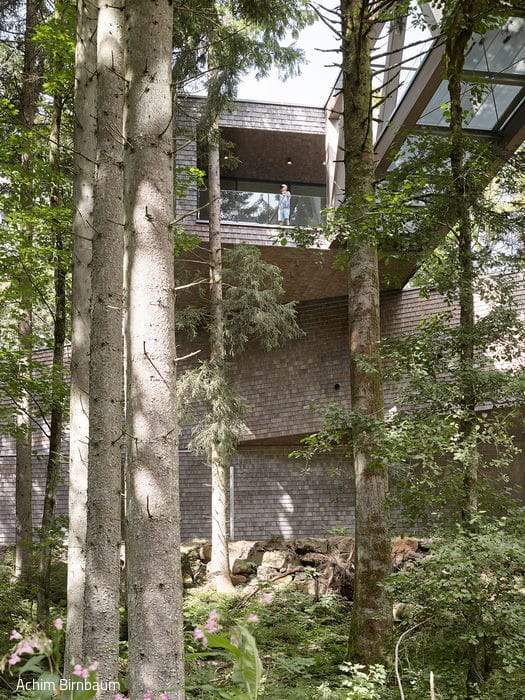
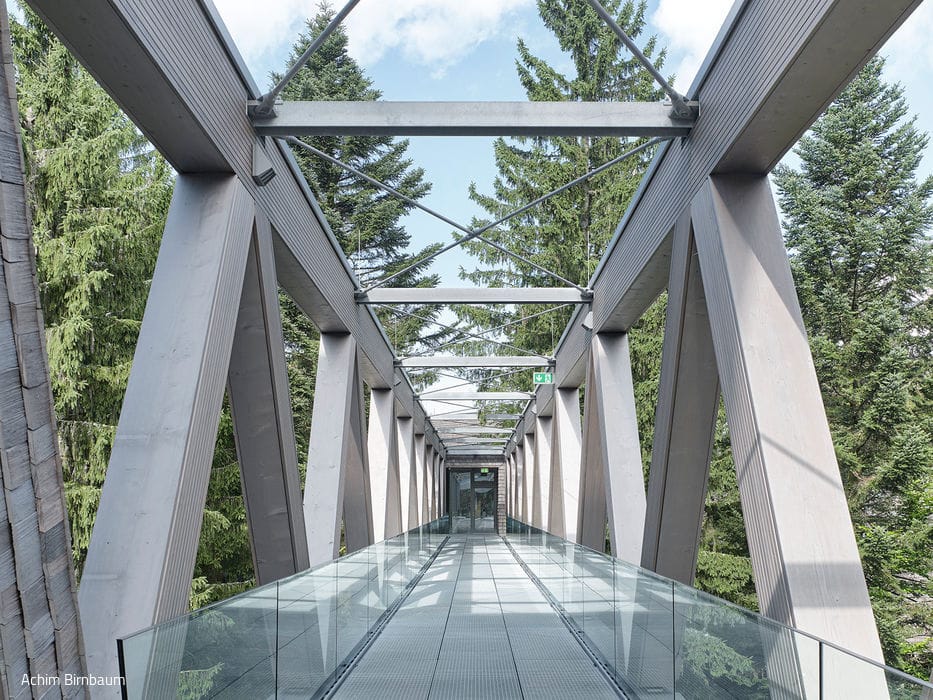
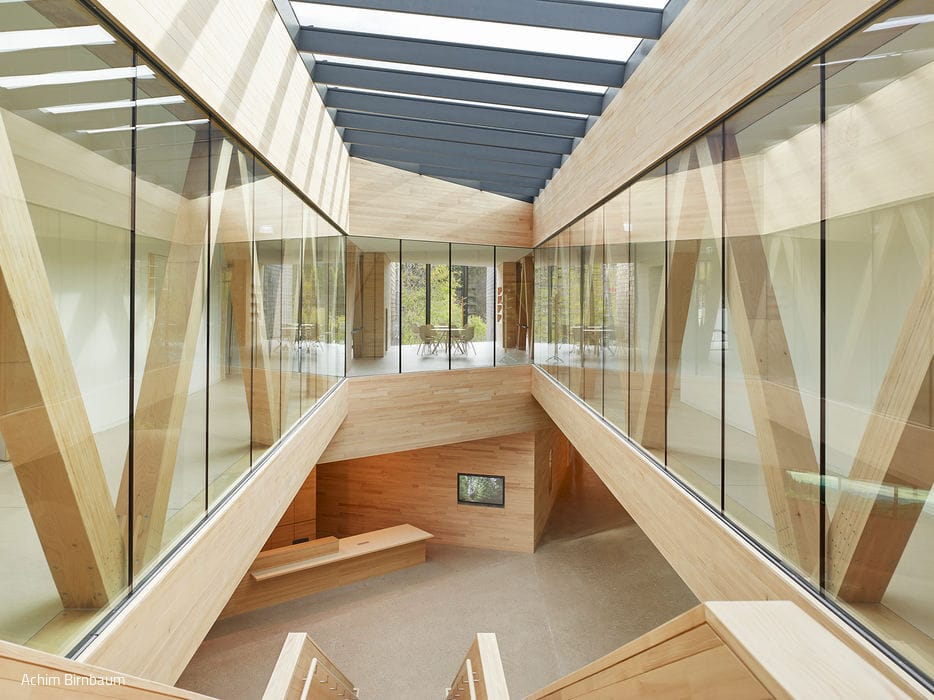
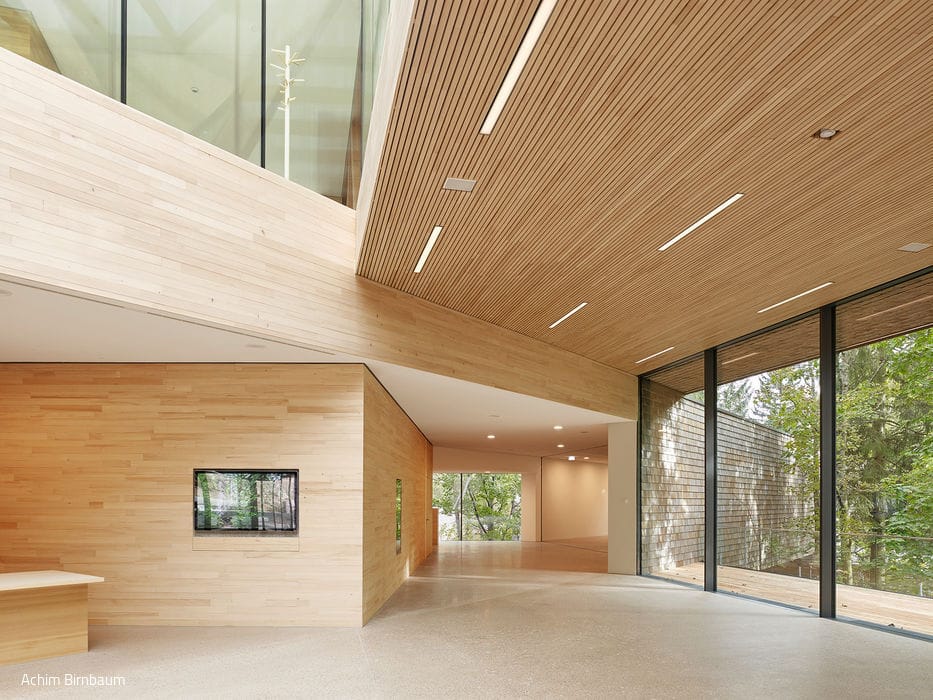
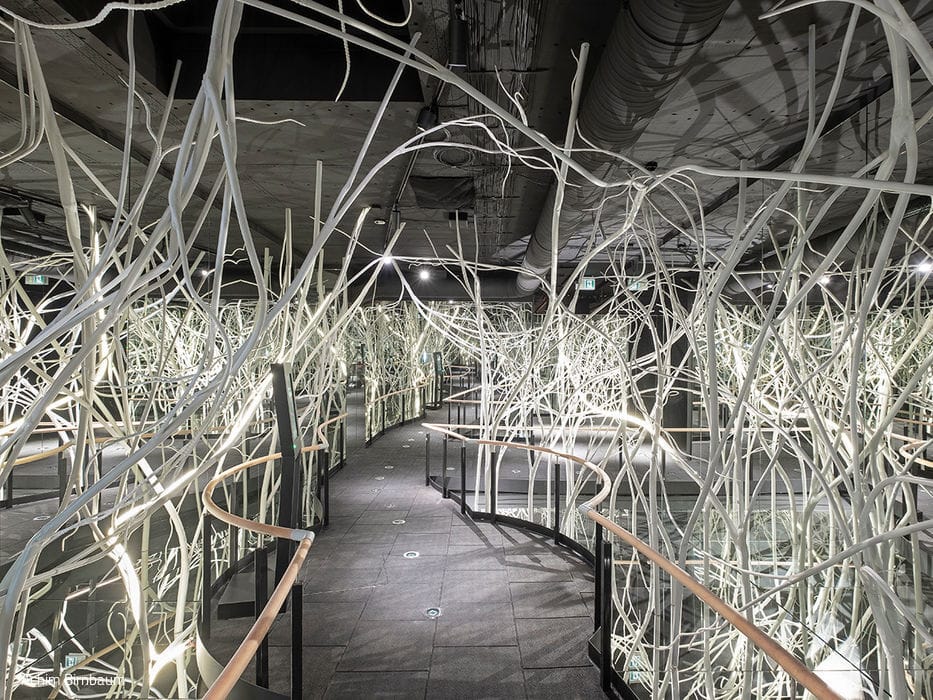
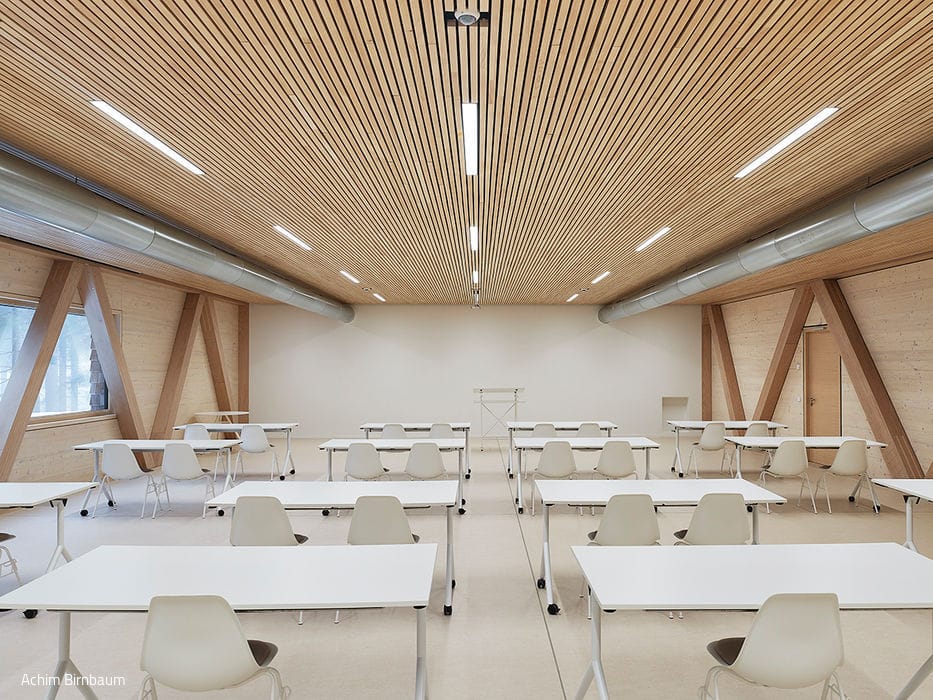
The concept for the new National Park Centre draws inspiration from the structure of a native primeval forest, where deadwood is a defining characteristic. This type of forest exists in the immediate vicinity of Ruhestein, around Wildsee lake, with its abundance of fallen and stacked tree trunks. The natural forest floor mirrors this pattern—its microstructure composed of layered branches creates a similar composition. Following this logic, architects Sturm & Wartzeck organized the National Park Centre as stacked horizontal volumes nestled within the woodland. This forest analogy extends to the building's exterior: silver-grey wooden shingles echo both the colour and texture of aged fir bark. The positioning of these volumes responds to multiple contextual factors—the sloping terrain, functional zones, visitor flow, and protection of existing trees. To minimize environmental impact, building placement became paramount. The main facilities—administration, foyer, and operations—occupy an existing tree-free plateau, while the exhibition areas and skywalk cantilever partially into the forest. Each structure sits precisely between trees designated for protection. High structural loads transfer through minimal foundation footprints; micropile foundations compress the ground as little as possible, leaving the forest floor and root systems largely undisturbed. The design employs various timber species (softwood, beech) and engineered wood products (solid wood, glued laminated timber, cross-laminated timber, and veneer-laminated timber)—sourced predominantly from local forests.
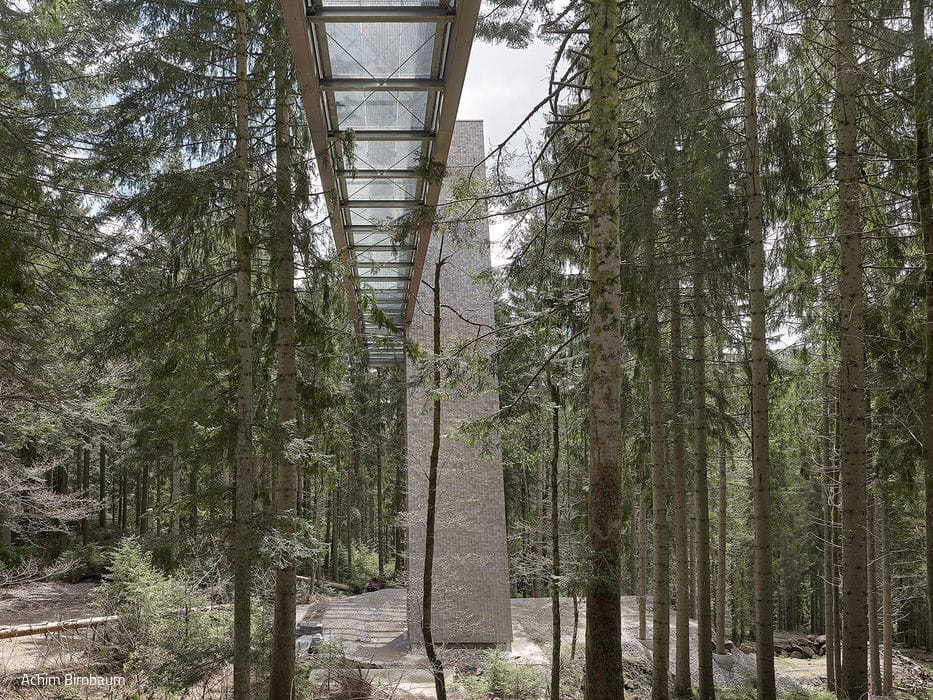
The interiors are characterized by expansive sightlines throughout. At the heart lies the foyer—anchoring a restaurant, terrace, and expansive panoramic window framing forest views. The foyer serves as a hub, connecting the temporary exhibitions, shop, cinema, permanent displays, skywalk, and internal passages to workshops and the restaurant kitchen. The staggered heights of each volume mirror the forest's vertical stratification, revealing the distinct "layers" of the woodland. From here, a 65-metre open-air skywalk extends outward, linking the National Park Centre to a 34-metre observation tower (tilted at 15 degrees) and a freely cantilevered viewing platform. At treetop height, the tower's summit opens sweeping vistas across the adjacent valley and deep into the national park.
Photography Credits:
Achim Birnbaum
www.achimbirnbaum.eu
(Published in CUBE Stuttgart 01|24)


By the Flowing Stream
A contemporary garden with pool surrounds a restored mill, thoughtfully echoing its historic character.
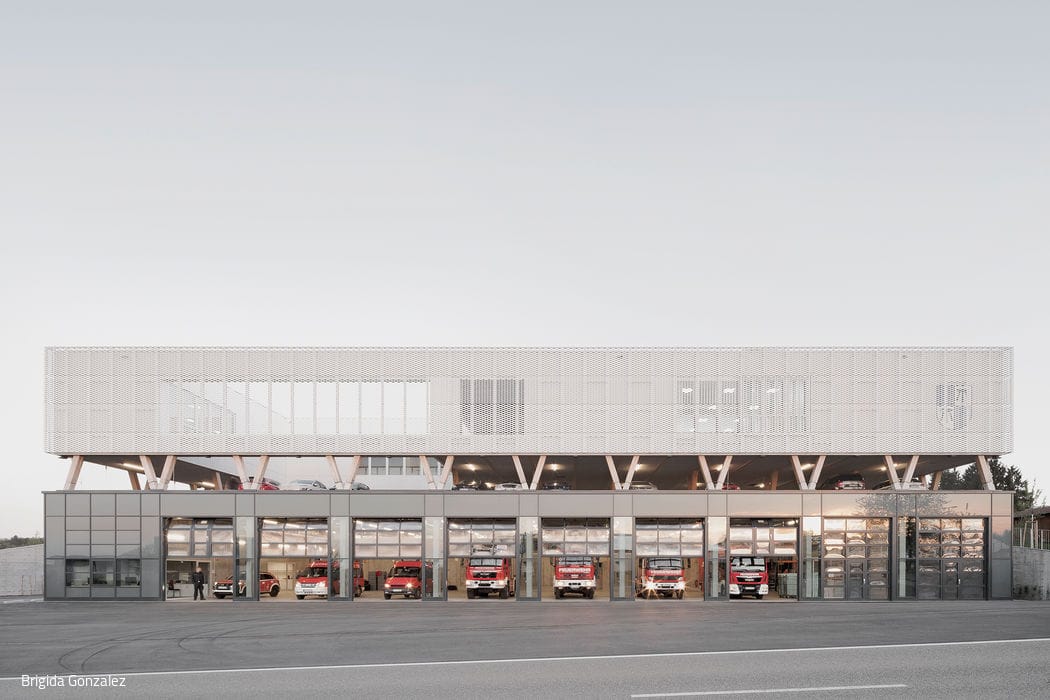
Exemplary Intelligence
A New Fire Station Built from Circular Materials—Designed as a Materials Bank

Living Above the City
A new building responds to its urban context and creates a unique quality of living