


A House That Folds
Two houses under one roof – live and work seamlessly
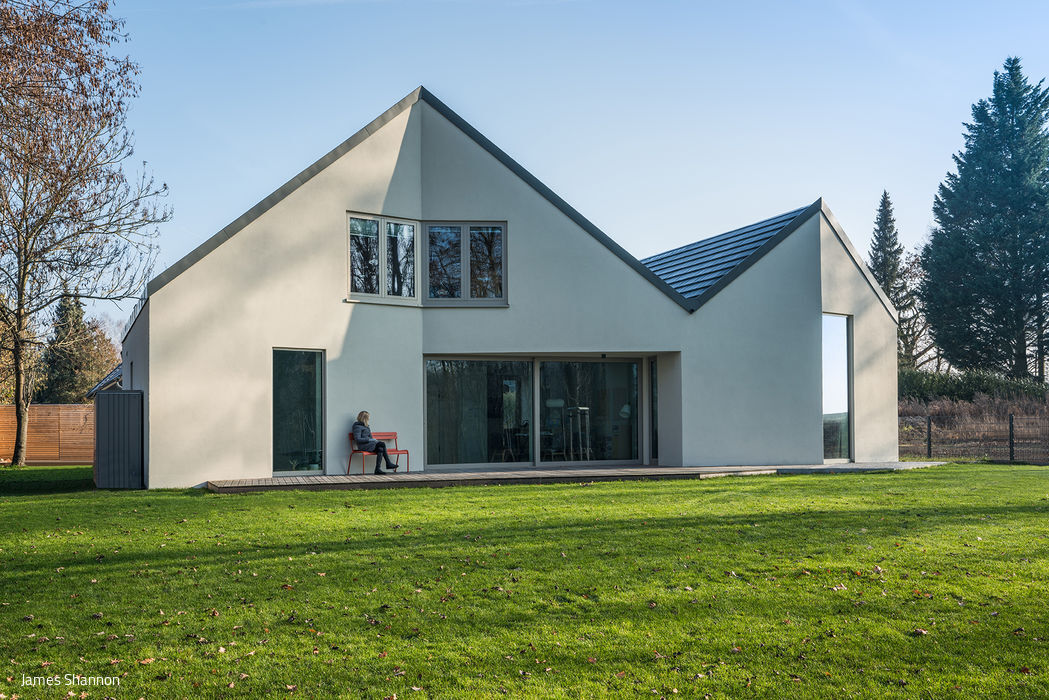
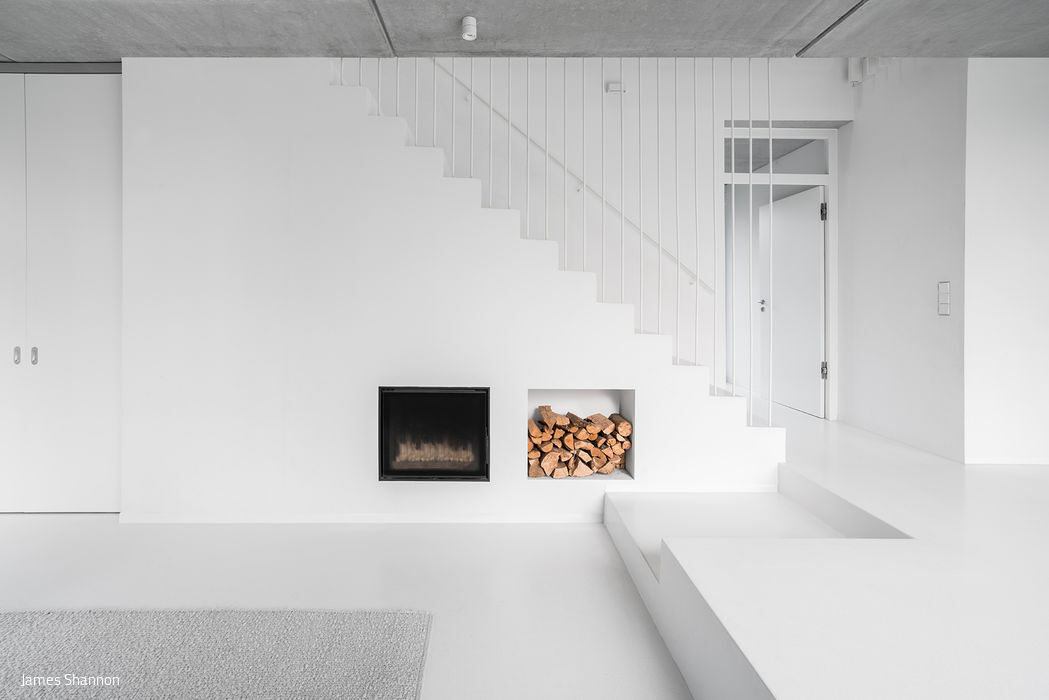
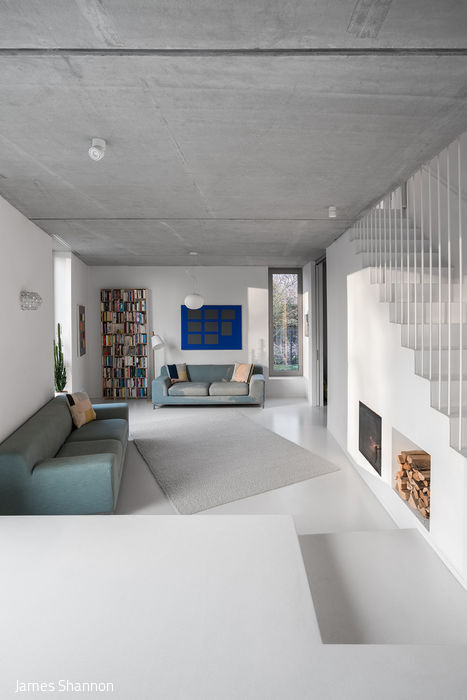
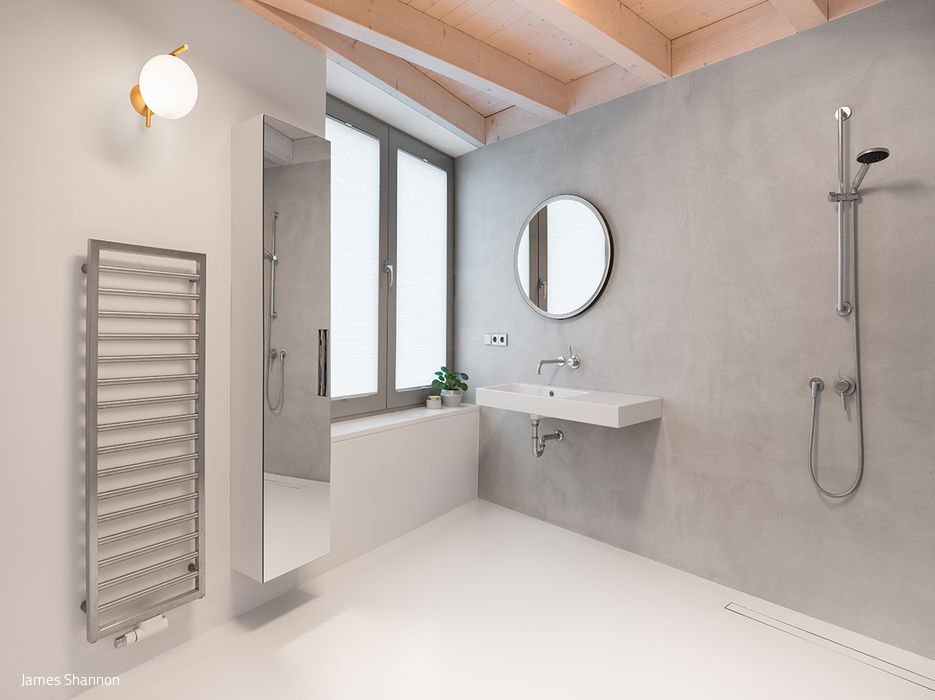
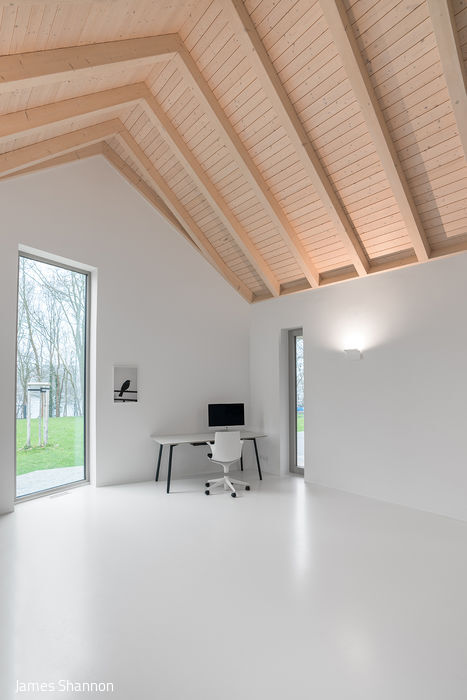
The pandemic accelerated the work-from-home revolution—and now, most people prefer to stay out of the office. When one family purchased a lakeside property south of Berlin, they had a vision: a home where living and working could coexist under one roof. They turned to the architectural firm Steiner Weißenberger to make it happen. With a graphic designer and photographer on the family, the need for generously proportioned studios was obvious from day one. The team explored numerous floor plan configurations before arriving at a solution: a sculptural, folded form that would transform how the space functioned.
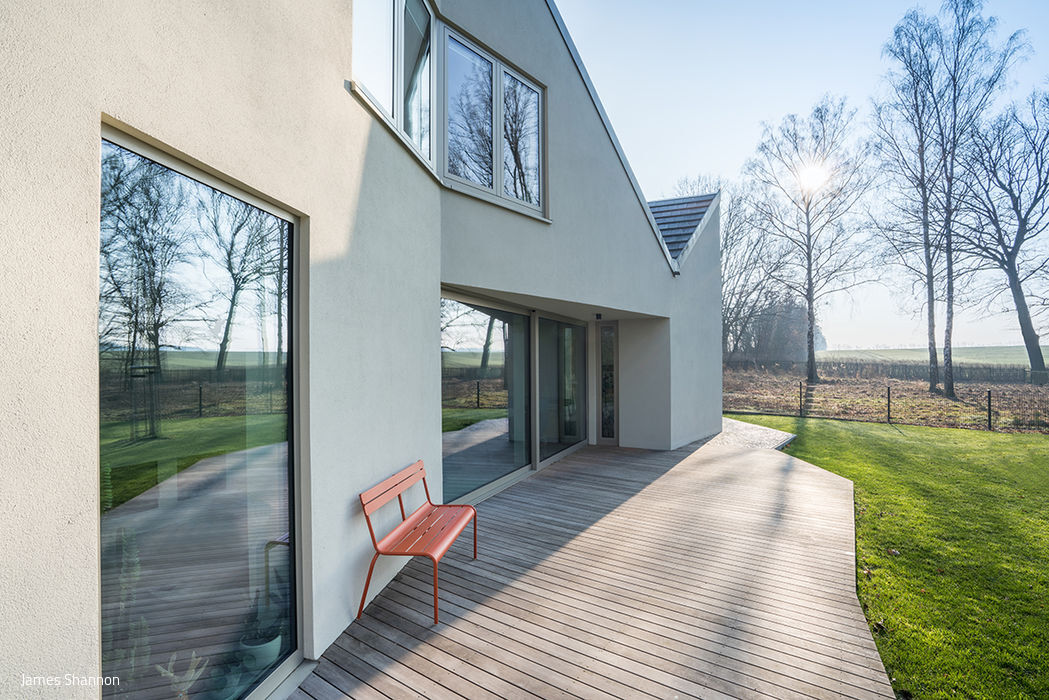
The design consists of two interlocking structures—one spacious residential wing, one compact workspace. Solar orientation became the guiding principle, resulting in a striking geometric form: the building appears to fold like paper, creating dynamic shifts in perspective. The large and small volumes connect through polygonal folds to achieve a cohesive sculptural presence. The folds strategically guide visitors toward the entrance while the rear façade opens to a private seating area overlooking the lake. Since the property runs east-west, the building's folded geometry subtly reorients the vista toward the southern sun.
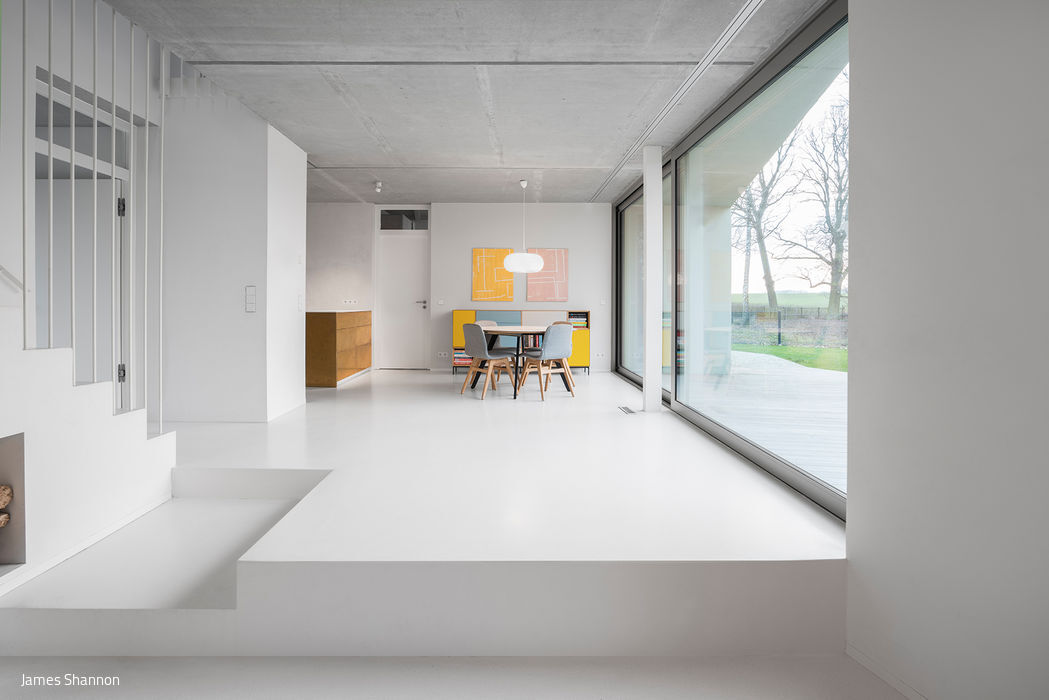
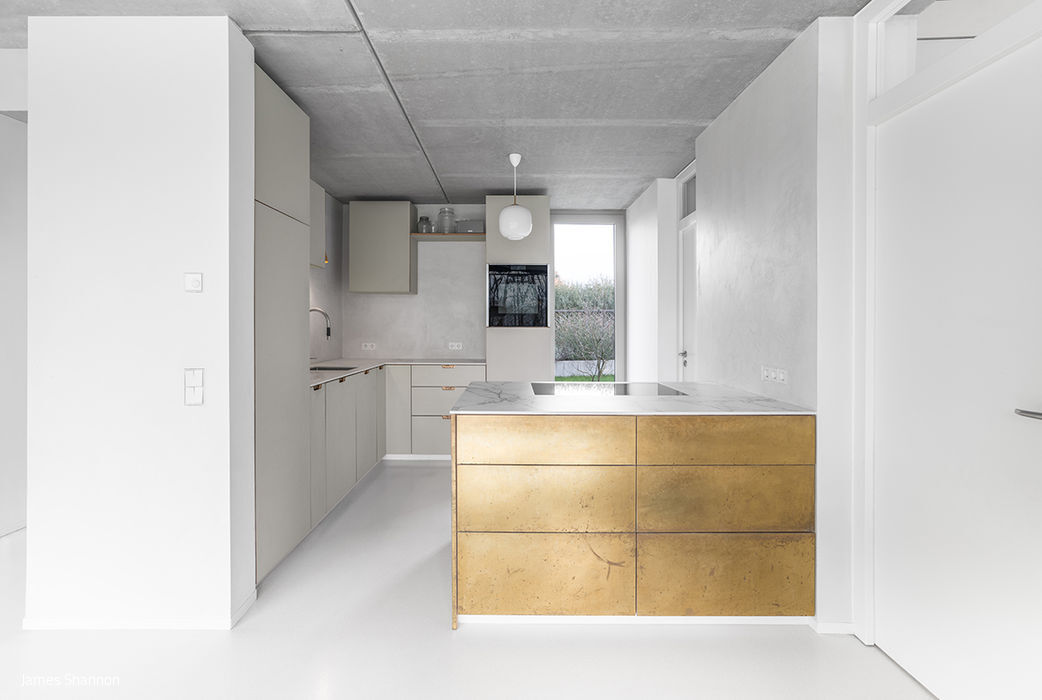
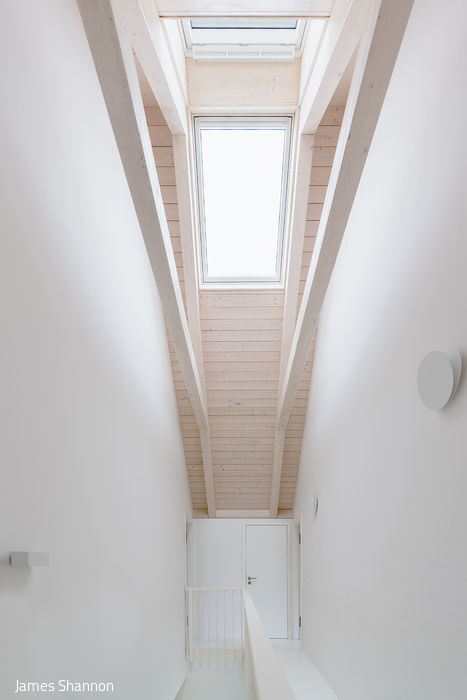
Inside, the architectural folds define the spatial experience. The ground floor flows between the living and dining zones and studio in an energized sequence. A steep staircase ascends to the upper floor, where the master suite and children's bedrooms nestle beneath exposed wooden roof trusses that extend to the ridge line. This creates an intimate, sculptural quality in each bedroom. The children's rooms even accommodate a built-in mezzanine within the sloped roofline.
Single-shell Poroton brick walls provide both structure and insulation, eliminating the need for additional thermal layers. The exterior receives a crisp white plaster finish. Combined with rooftop photovoltaics and a brine-water heat pump with heat recovery, the house achieves KfW Efficiency House 70 certification. The use of Poroton bricks—made from clay, sand, and water—plus the exposed wooden roof structure exemplifies thoughtful, sustainable building practice.
Photography Credits:
James Shannon
(Published in CUBE Berlin 04|21)


New District at Rathauspark
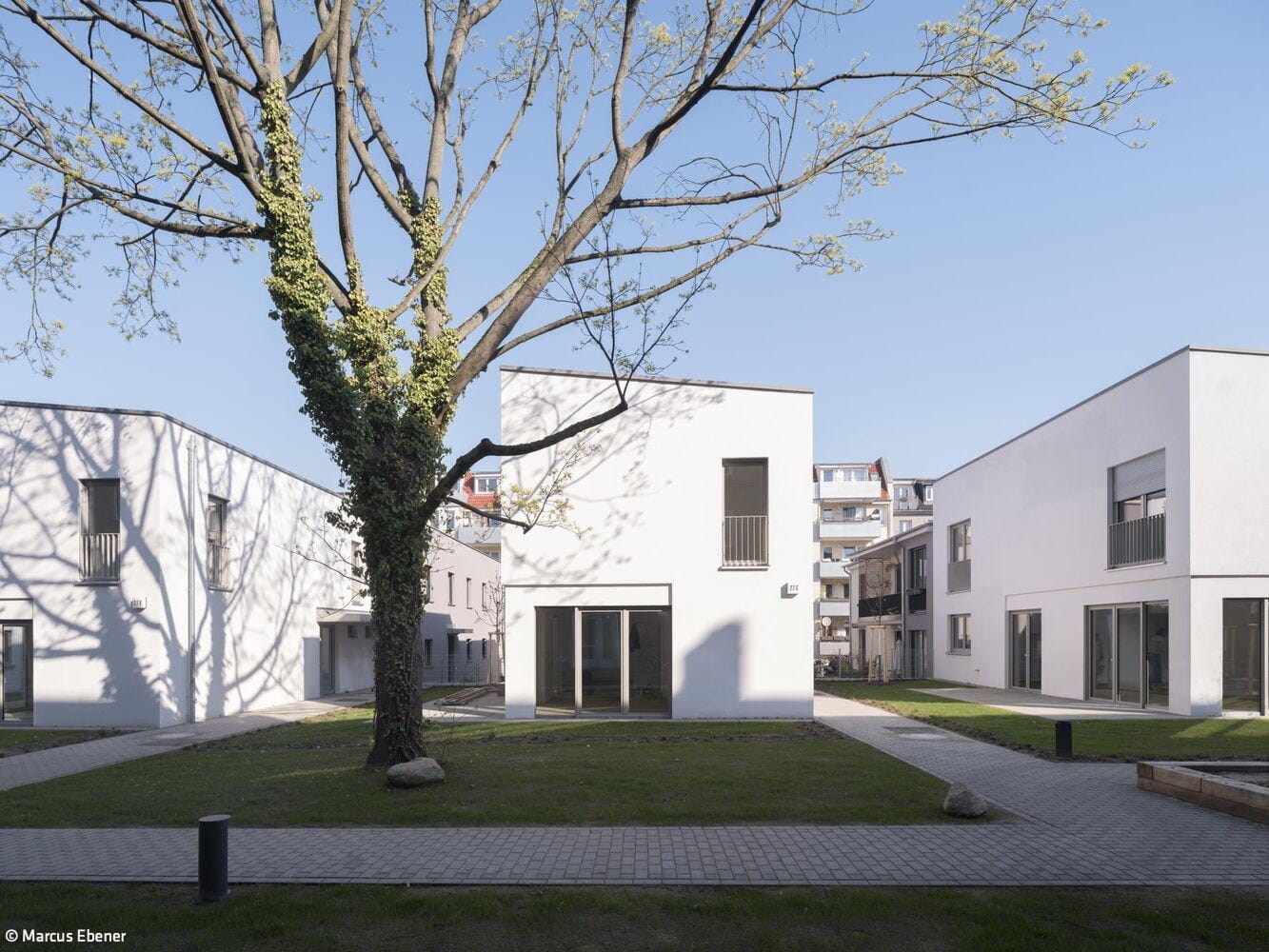
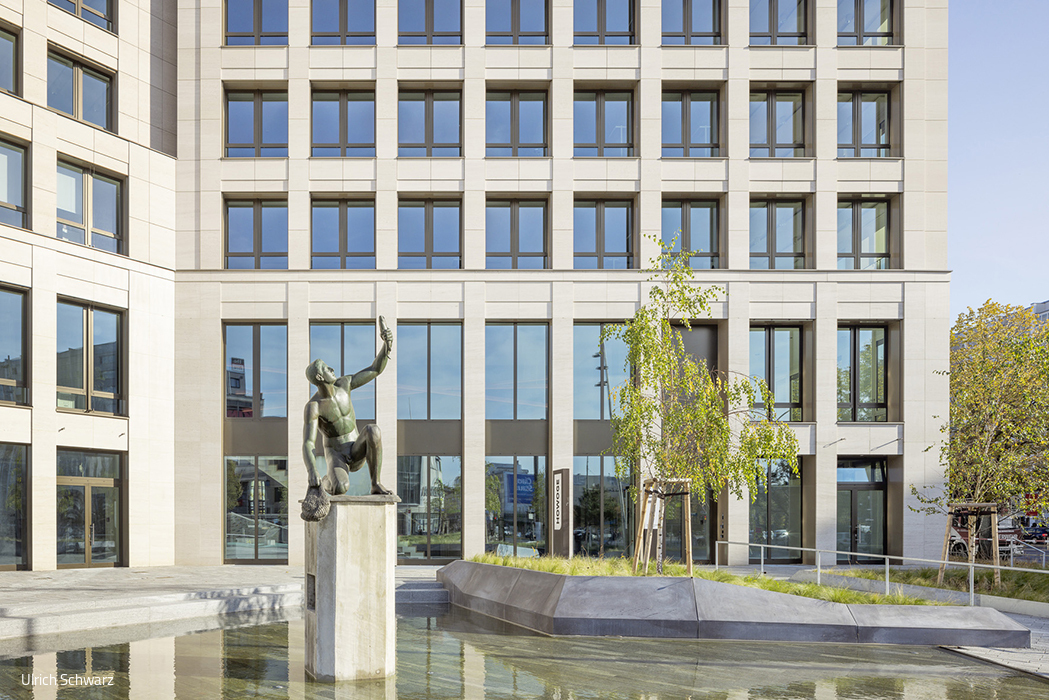
Six Buildings at Stefan-Heym-Platz—Setting the Standard for Urban Development
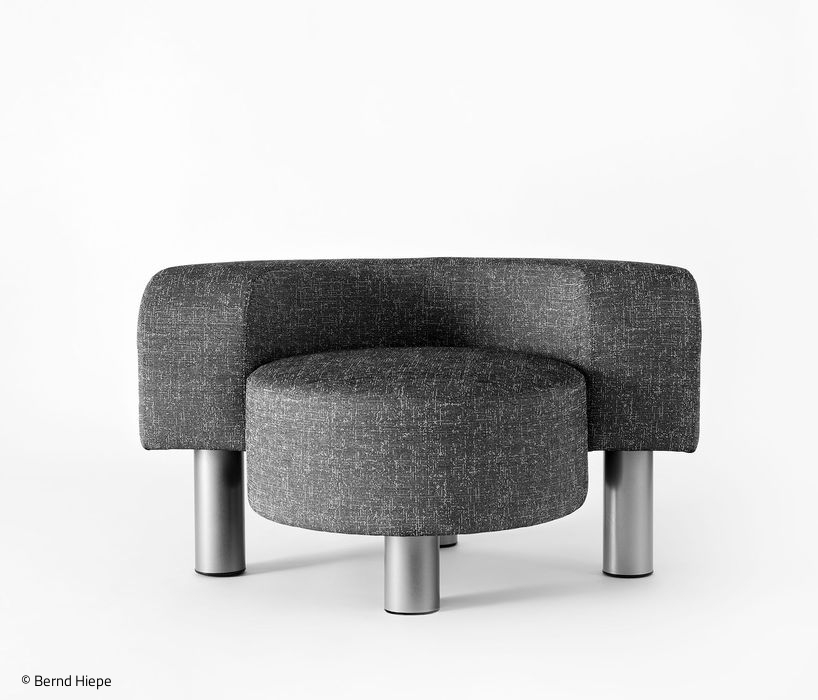
Hidden Champion
For years, Hermann August Weizenegger has ranked among Berlin's most accomplished designers.
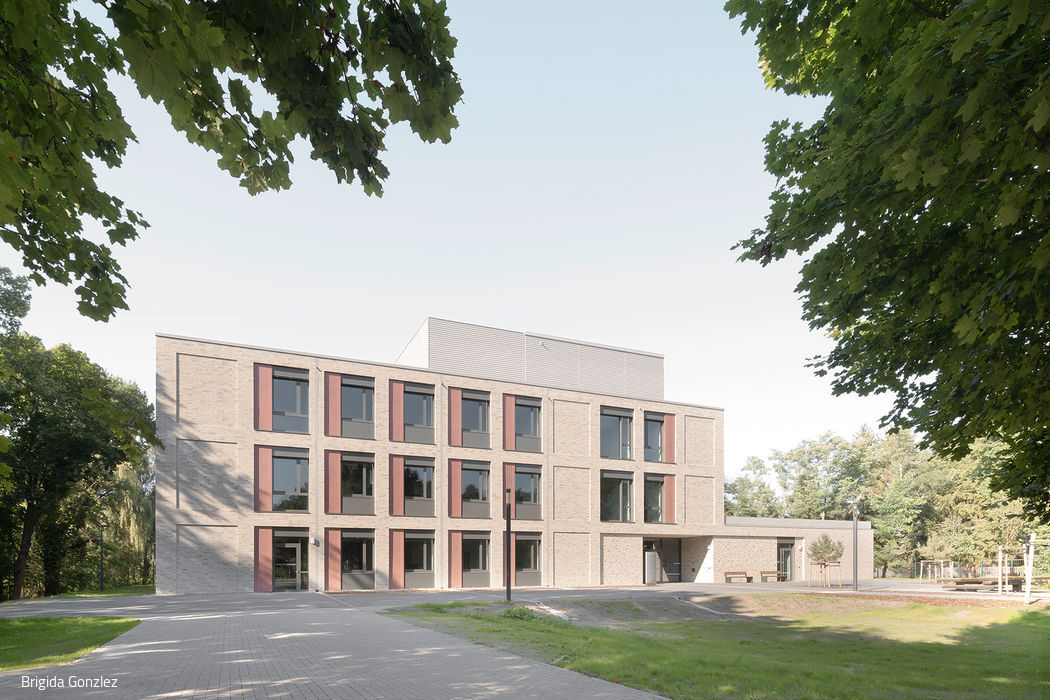
In service of health
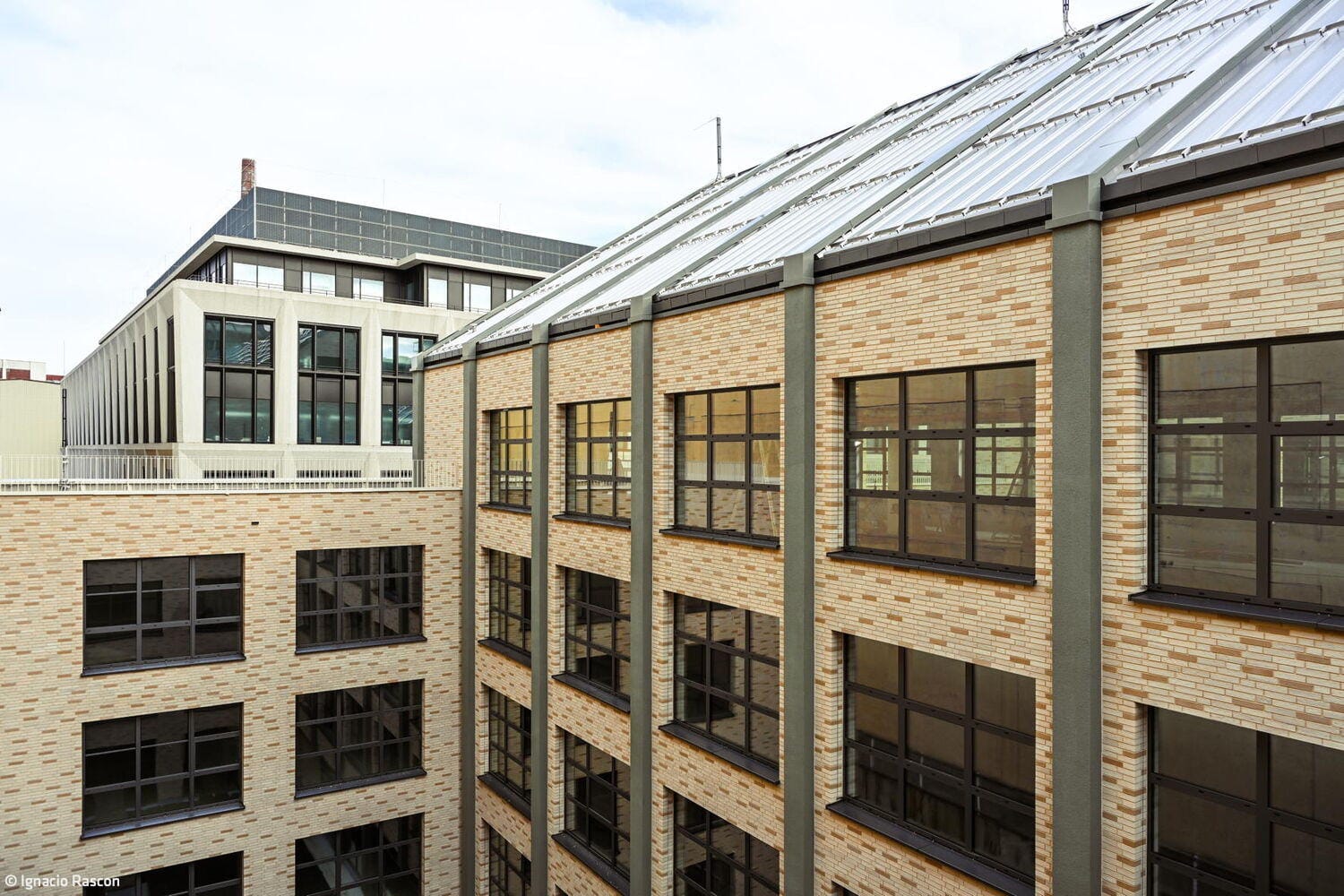
New research facility for the DIfE—a landmark unique to Germany
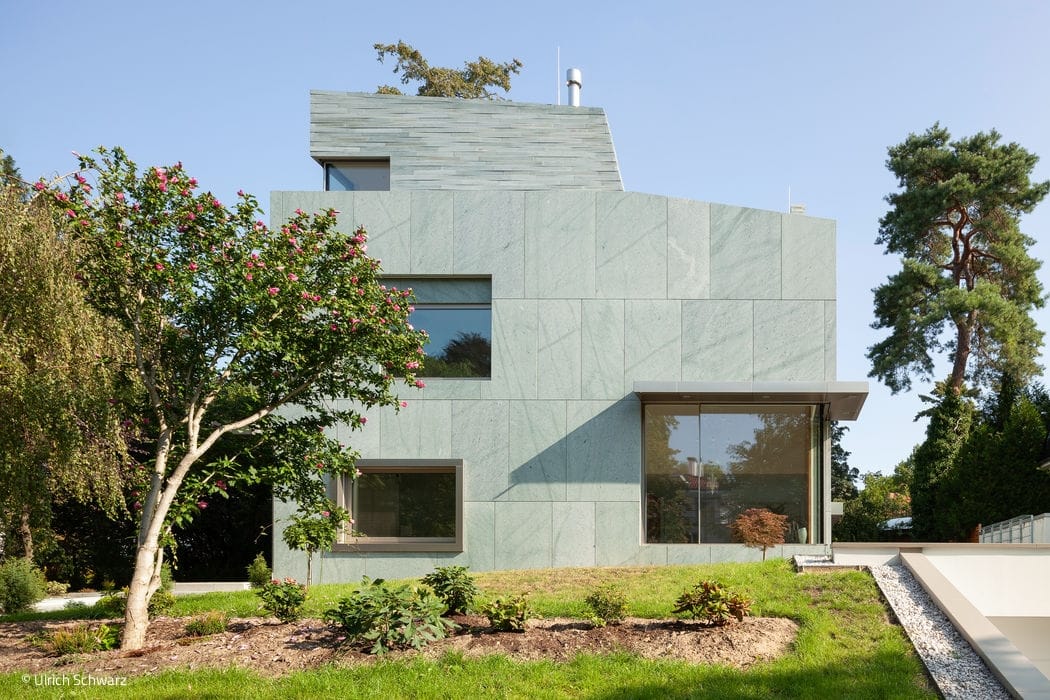
Sculpted from Stone
The Grunewald building strikes a distinctly abstract and reduced aesthetic, employing a restrained formal vocabulary that echoes Russian avant-garde architecture...