


Mobility is changing radically
"We take a very cautious approach to new technologies," says Thomas Willemeit.
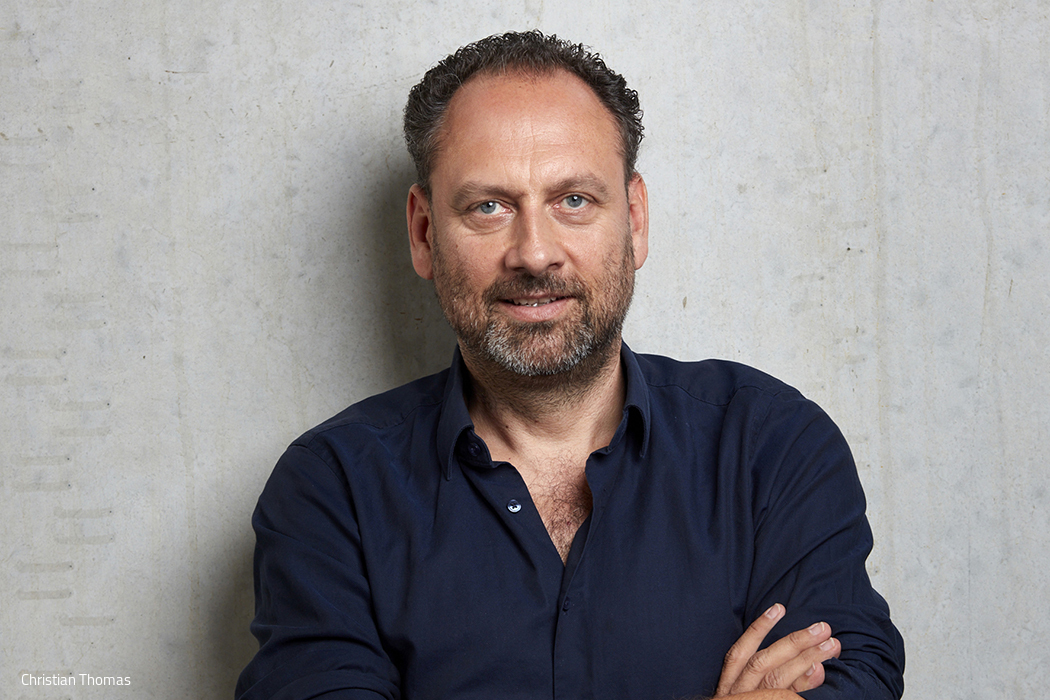
CUBE: Graft Architects has been working on innovative mobility concepts for quite some time. One example that comes to mind is the design of the Voloport for the Volocopter air taxi. Where does this unusual interest for an architecture firm come from?
Thomas Willemeit: It started with a Mercedes-Benz competition we won about a decade ago. Our challenge was to create a unified design concept for roughly 6,000 dealerships worldwide. That project taught us immensely about the automotive industry's evolving landscape. Over time, our interest deepened into genuine expertise in this space.
Further projects in the field of mobility followed. What are the key findings from this work?
The overarching insight is that mobility must—and will—transform fundamentally. It's clear the combustion engine will give way to alternative drive technologies, reshaping how we travel. I believe meaningful global exchange depends on this evolution. But we must do it responsibly.
The latest mobility project involves the redevelopment of the long-vacant International Congress Centre Berlin (ICC). The aim is to turn it into an unusually large mobility hub. What does the concept involve?
The total area of the ICC is enormous. We are talking about over 200,000 m² of gross floor space. That is equivalent to an entire city district. The complexity is enormous and the potential is very great. In short, the concept involves continuing to use the building as a conference venue, but above all as a mobility centre. Imagine a gigantic labyrinth of catacombs stretching over several floors beneath the building. Here, we are planning the possibility of an underpass tunnel system with Berlin's largest charging station. We envisage taking advantage of the ICC's excellent transport links to develop it into a transport hub and integrate the surrounding motorways and public transport. We also want to establish the ICC as a cultural venue, and this will only work if it has direct connections to all modes of transport.
The interview was conducted by Kelly Kelch.
Thomas Willemeit
Graduate engineer, architect, BDA
The founding partner of the Graft Society of Architects studied architecture at the Technical University of Braunschweig and graduated in 1997 with a degree in architecture. He also participated in the master class in architecture and urban planning at the Bauhaus Dessau. In addition to his work as an architect, he has won numerous national awards as a violinist. Although the core areas of the company are in the context of architecture and the built environment, Graft always pays special attention to transcending the boundaries between disciplines and exploiting the creative potential and methodology of different realities. This is reflected in the expansion of the areas of exhibition and product design, art installations and academic projects, as well as in the diversity of project locations around the world.
Listen to the full interview, excerpts of which are published here, as a podcast. Click here.
(Published in CUBE Berlin 04|23)


Restoration to Original State
The two-storey house, with its square floor plan and subtly sloped hipped roof, strikes an unassuming appearance – yet possesses a distinctly unmistakable character...
Breathtaking Views
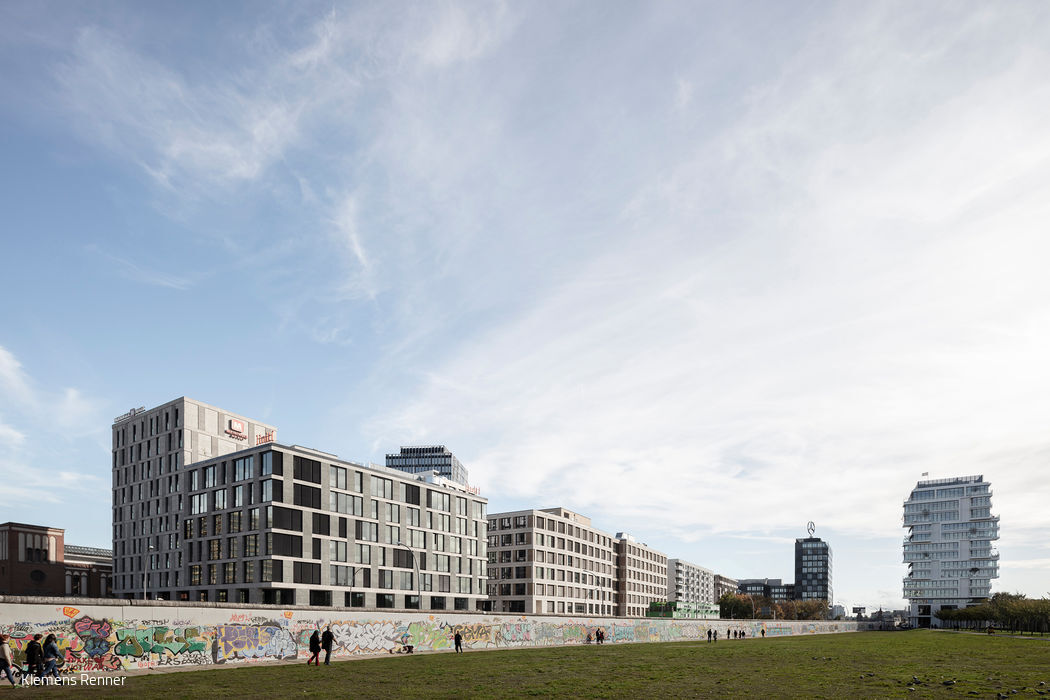
Spreeoffice sits between the East Side Gallery and the Spree riverfront.

Preserved with Care
Thoughtful restoration and renewal of a rural village dwelling
Undiscovered Residential Gem
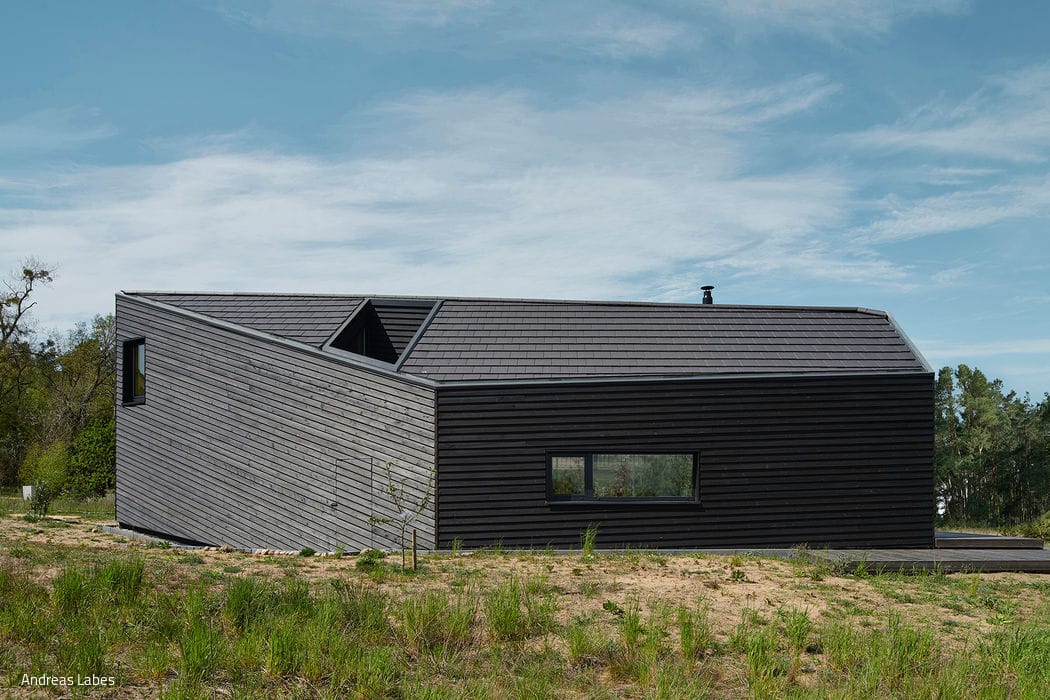
Polygonal form with surprising angles and edges.