


Siemensstadt Expands
A major portion of the sprawling site has been transformed into the "Techno Campus"
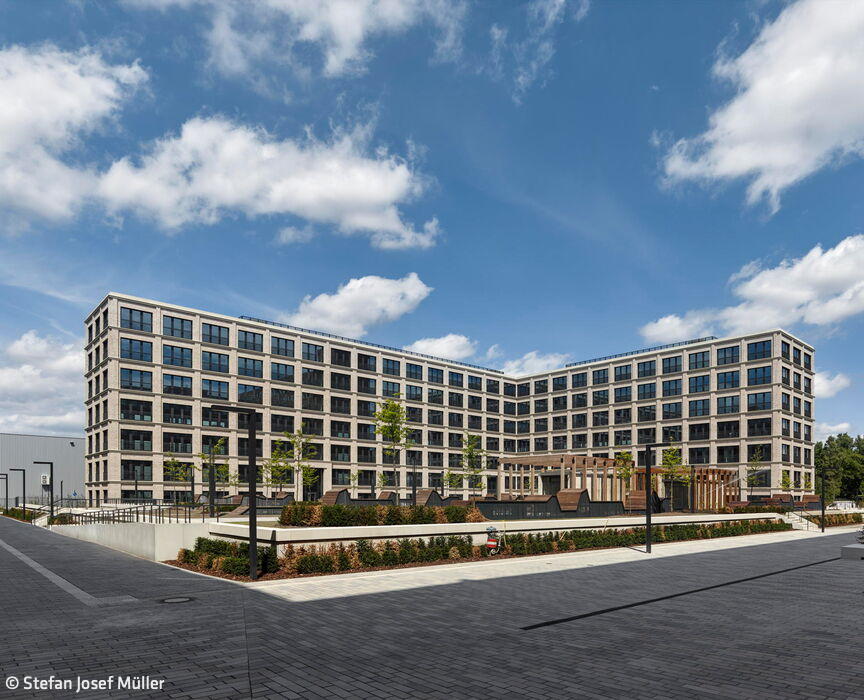
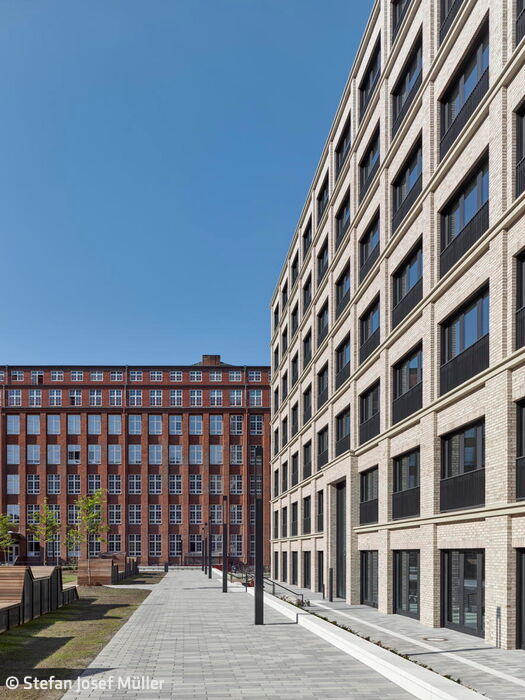
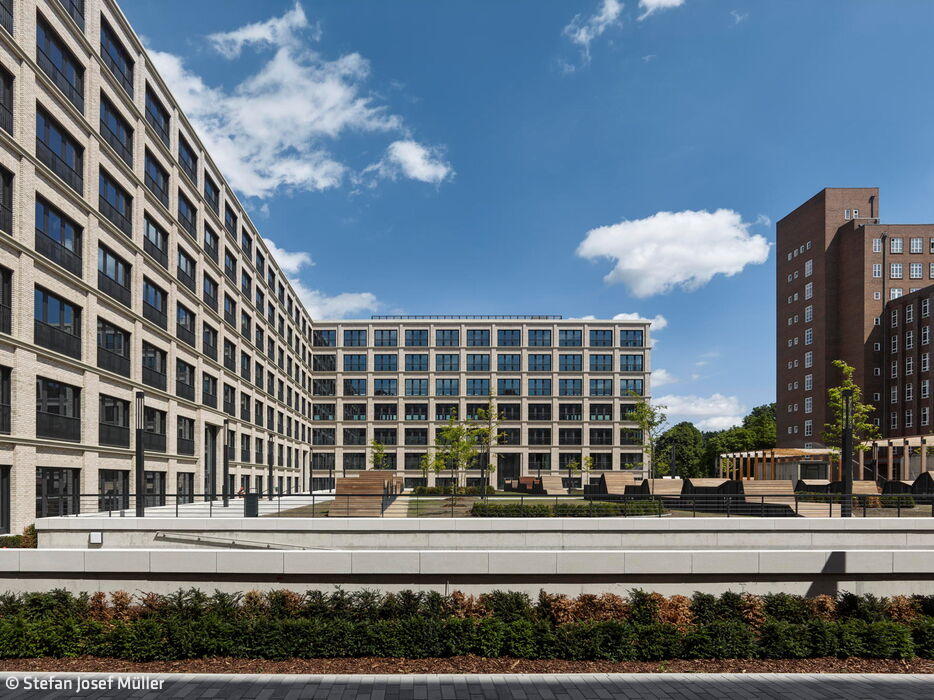
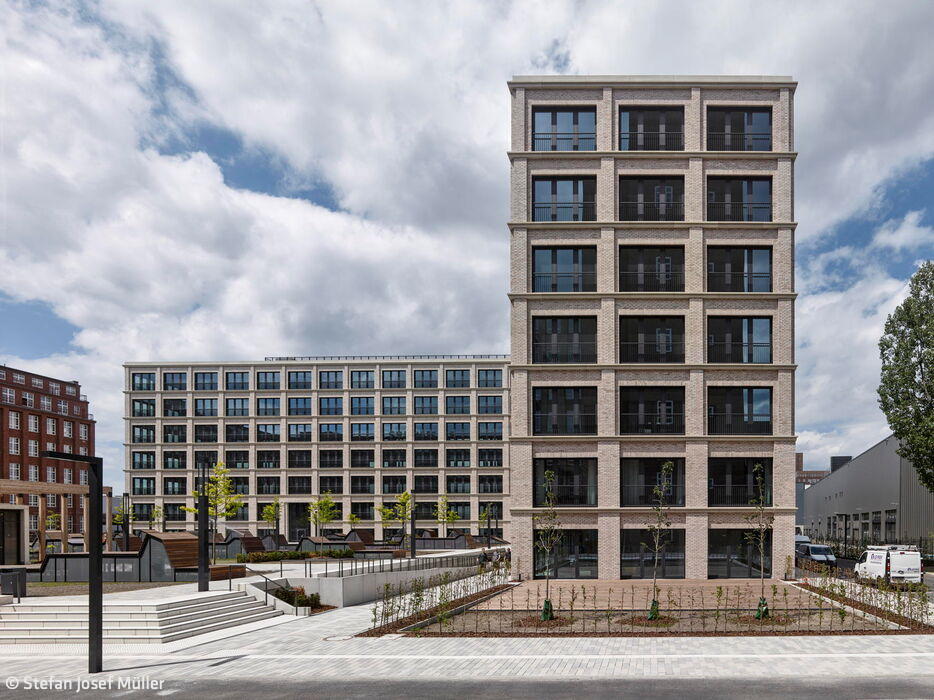
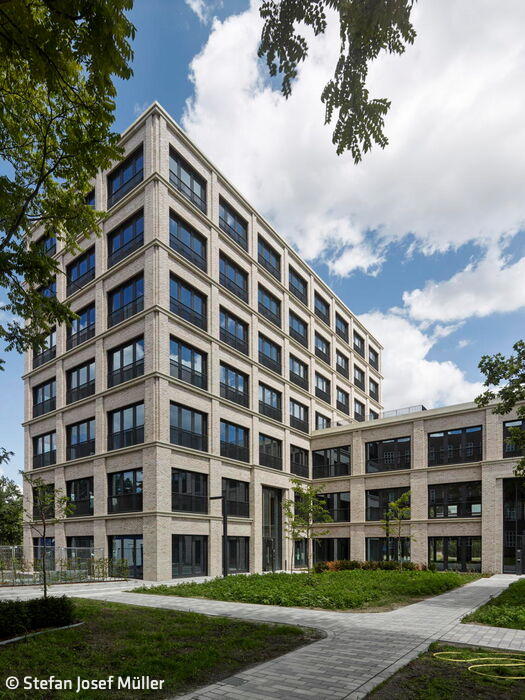
The former wasteland in western Berlin was once called "Nonnenwiesen" (nuns' meadows)—named after the Benedictine nuns who owned the area. That legacy remains today in the Nonnendamm street, where Siemensstadt began to flourish at the end of the 19th century.
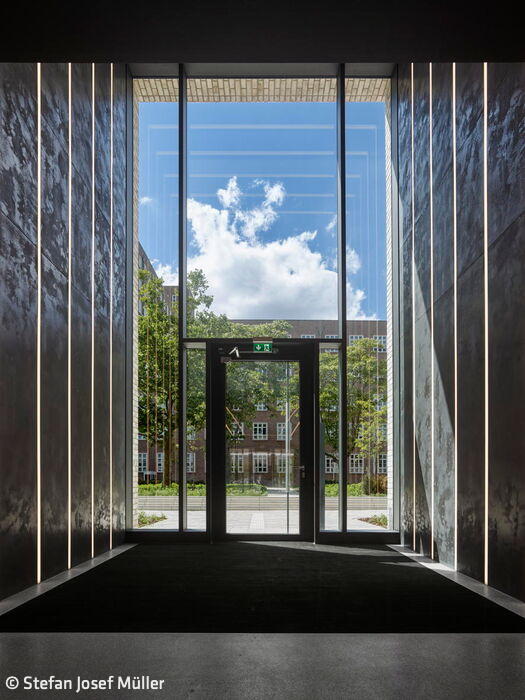
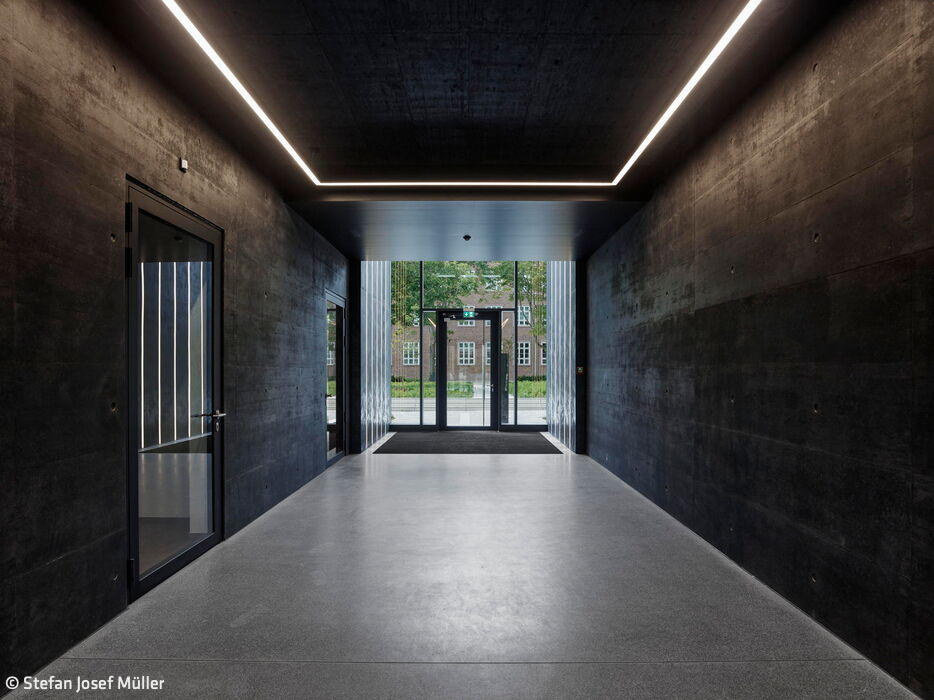
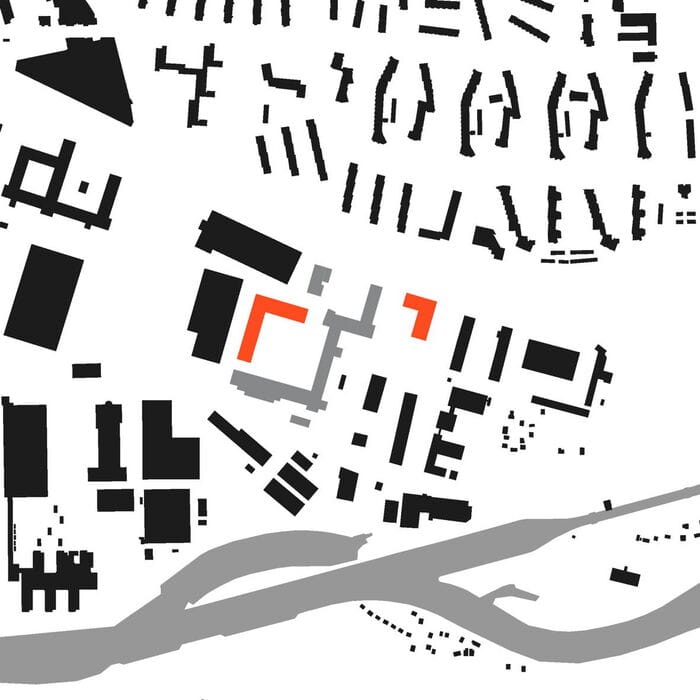
An L-shaped structure now anchors the eastern edge of the site: the "Techno Campus," completed between 2020 and 2022 by architect Sergei Tchoban. This seven-story addition respectfully complements the monumental brick buildings that architect Hans C. Hertlein designed for Siemens-Halske in the 1920s. Together, the two building complexes form a unified campus spanning over 50,000 m². Following the restoration of the original industrial structures in 2009, various companies began occupying the historic buildings. Tchoban also contributed a second, smaller L-shaped building at the opposite corner of the site. The result is two verdant courtyards that reinforce the campus character of the location. The new buildings' refined perforated façades offer a contemporary counterpoint to the quiet, confident presence of the historic clinker structures. Complementing Hertlein's iconic, rigorously minimalist Wernerwerk tower—now a protected cultural landmark—required a thoughtful approach. The solution came in the form of solid clinker brick, but in a lighter, sandstone tone rather than the traditional red. Landscaped inner courtyards provide employees with welcoming outdoor spaces, while ground-level amenities include a café, two restaurants, and various recreational facilities.
The office floors above offer flexible layouts suited to various needs—whether for companies relocating their entire teams or for co-working operations with hot desks, phone booths, kitchenettes, and communal spaces. Green roof terraces are accessible via operable skylights serving as exits. Beneath the campus courtyard lies an underground garage with 177 parking spaces, including 30 with electric charging stations. The project incorporates extensive energy-efficiency measures that earned it DGNB Platinum certification.
Photography:
Stefan Josef Müller
www.stefanjosefmueller.de
(Published in CUBE Berlin 03|24)

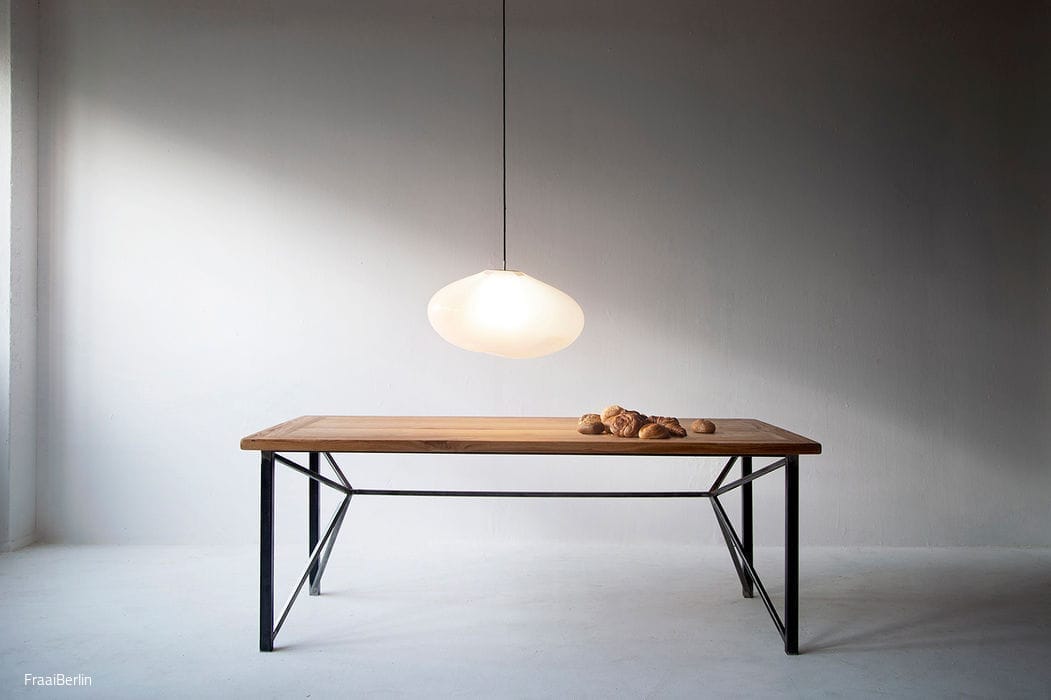
Handcrafted One-of-a-Kind Pieces
The range includes dining tables in industrial design and country house style, coffee tables, benches and stools, shelves, sideboards, chests of drawers, beds and...
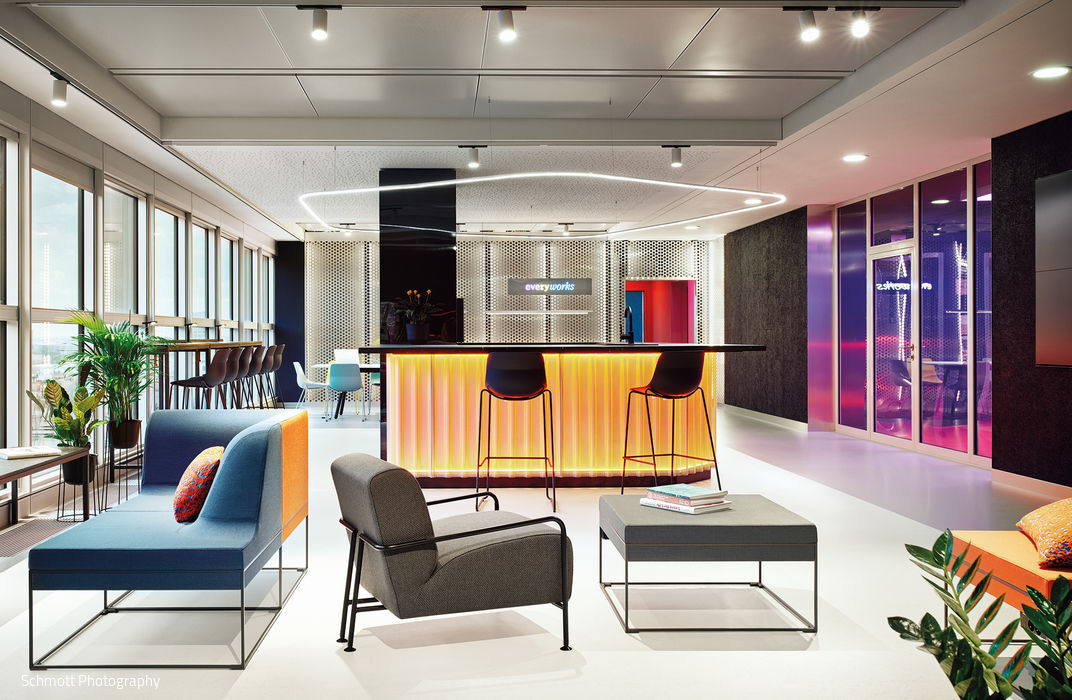
Arriving and Working
Deutsche Bahn's "everyworks" coworking space connects you directly from platform to productivity.
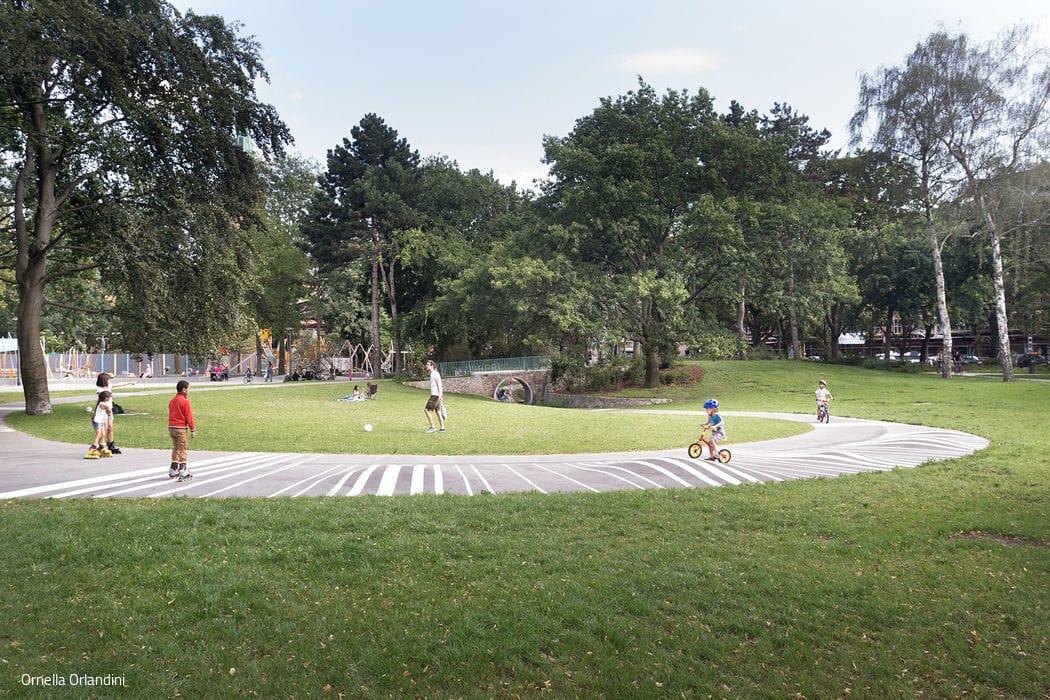
Little Zoo Garden
The Ottopark underwent a contemporary overhaul in its most recent phase. Latz + Partner won the implementation competition with its...
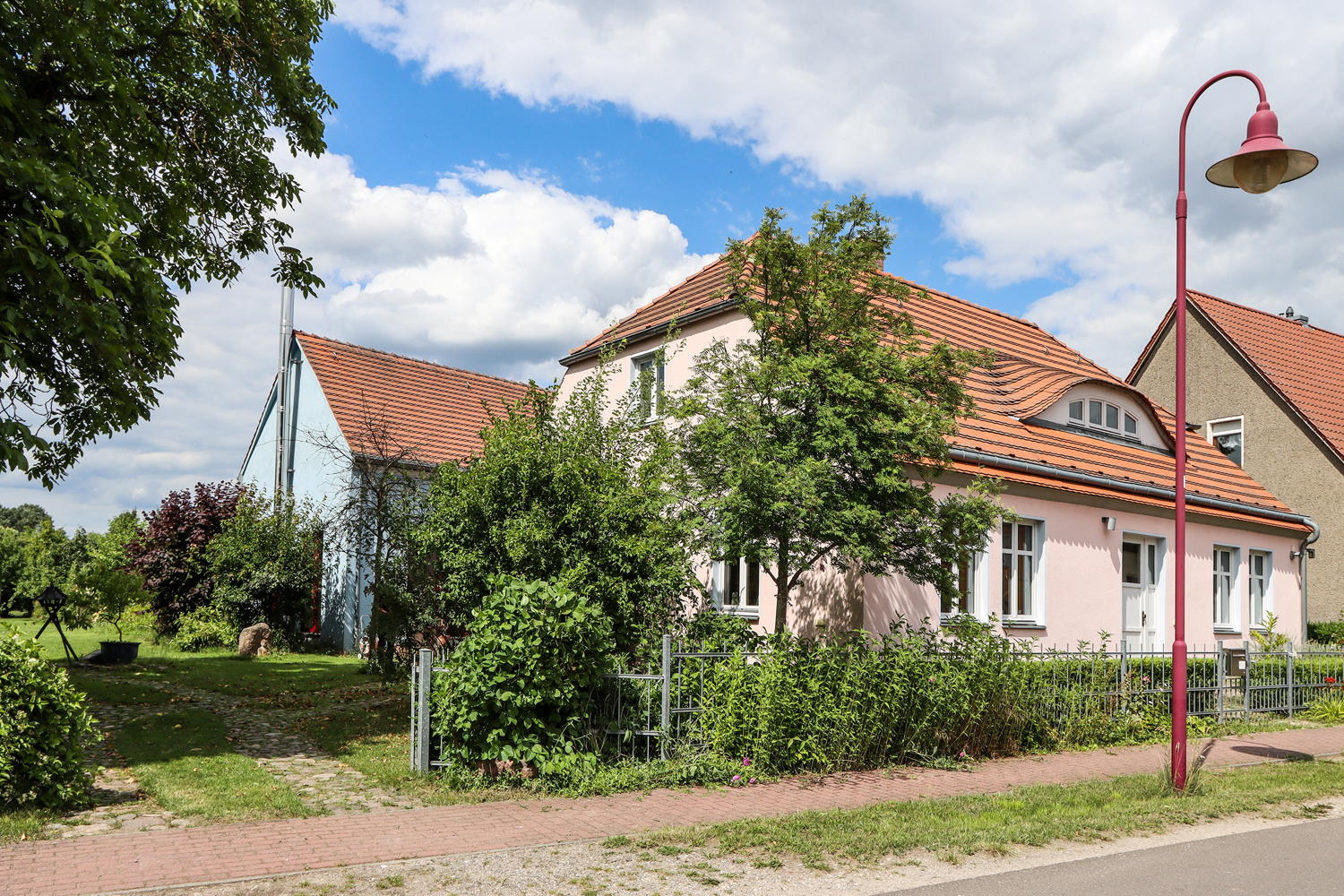
Unique Historic Property
A masterpiece of harmony and elegance