


Confident & respectful
The winery's guesthouse has deep local roots and a strong contemporary feel
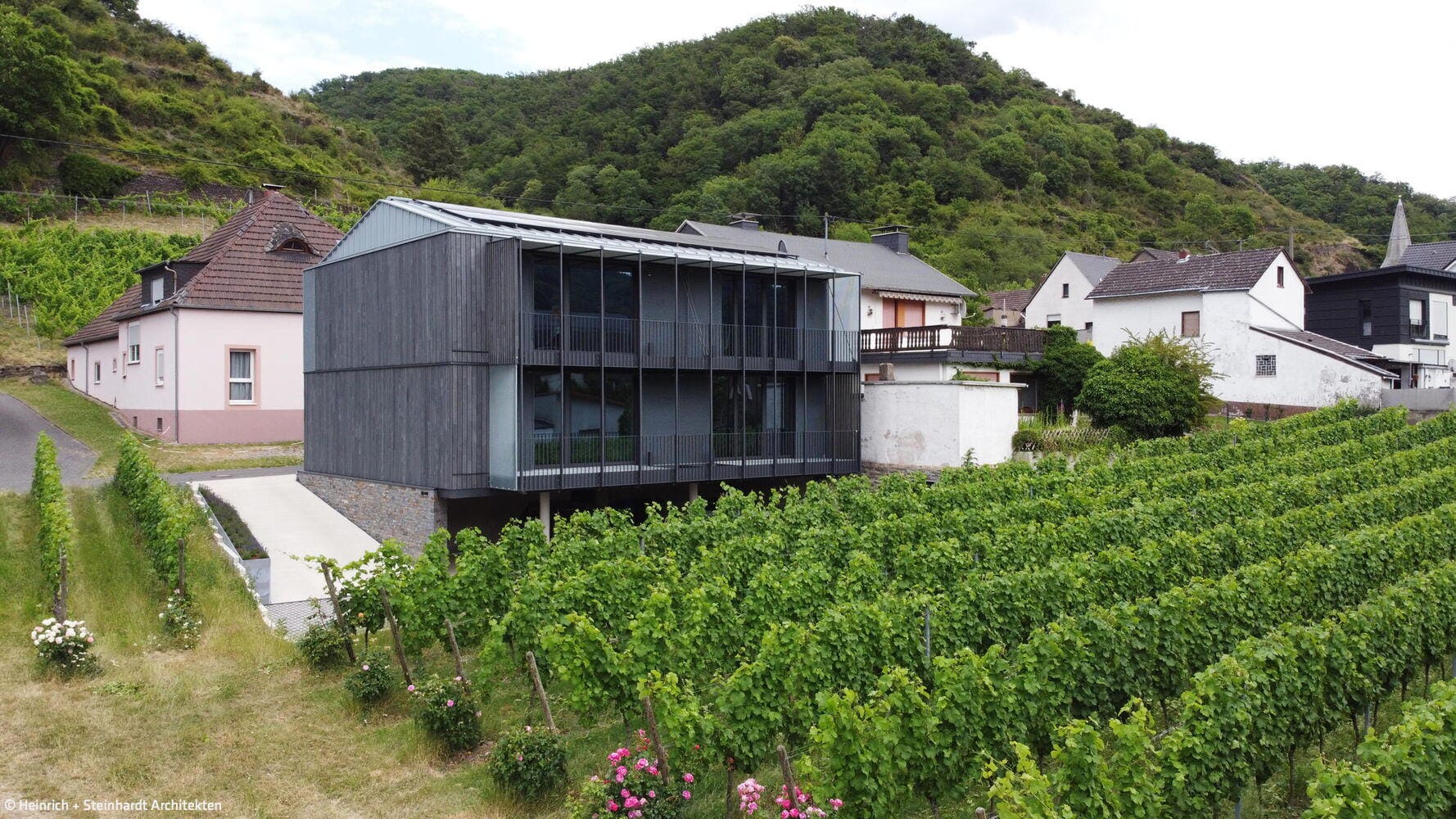
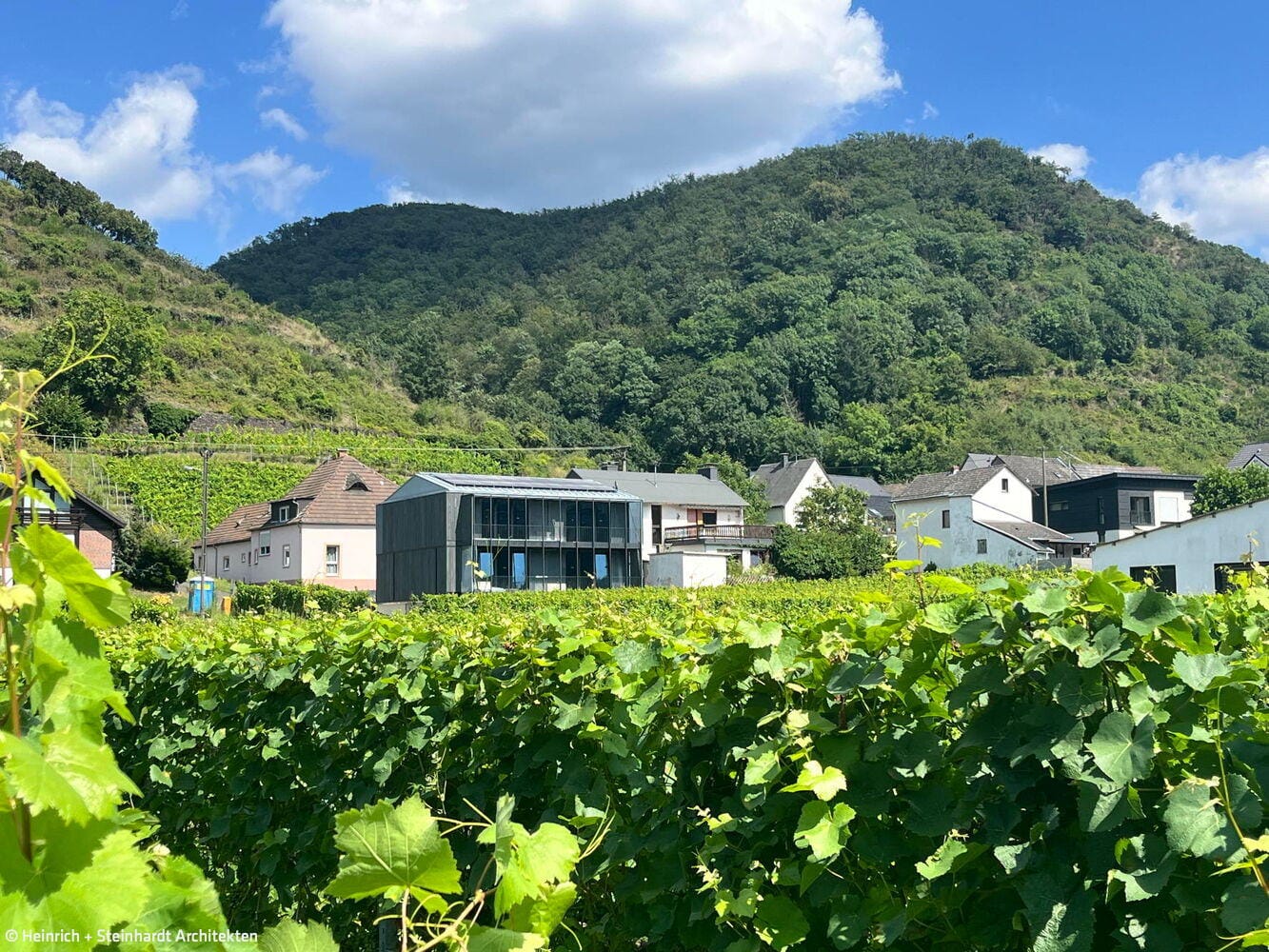
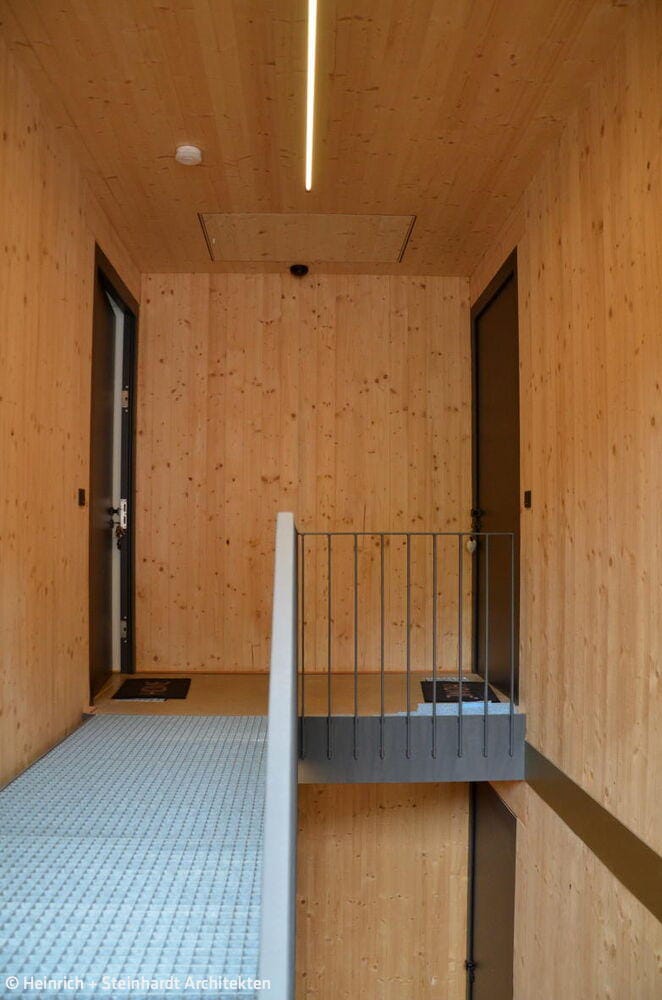
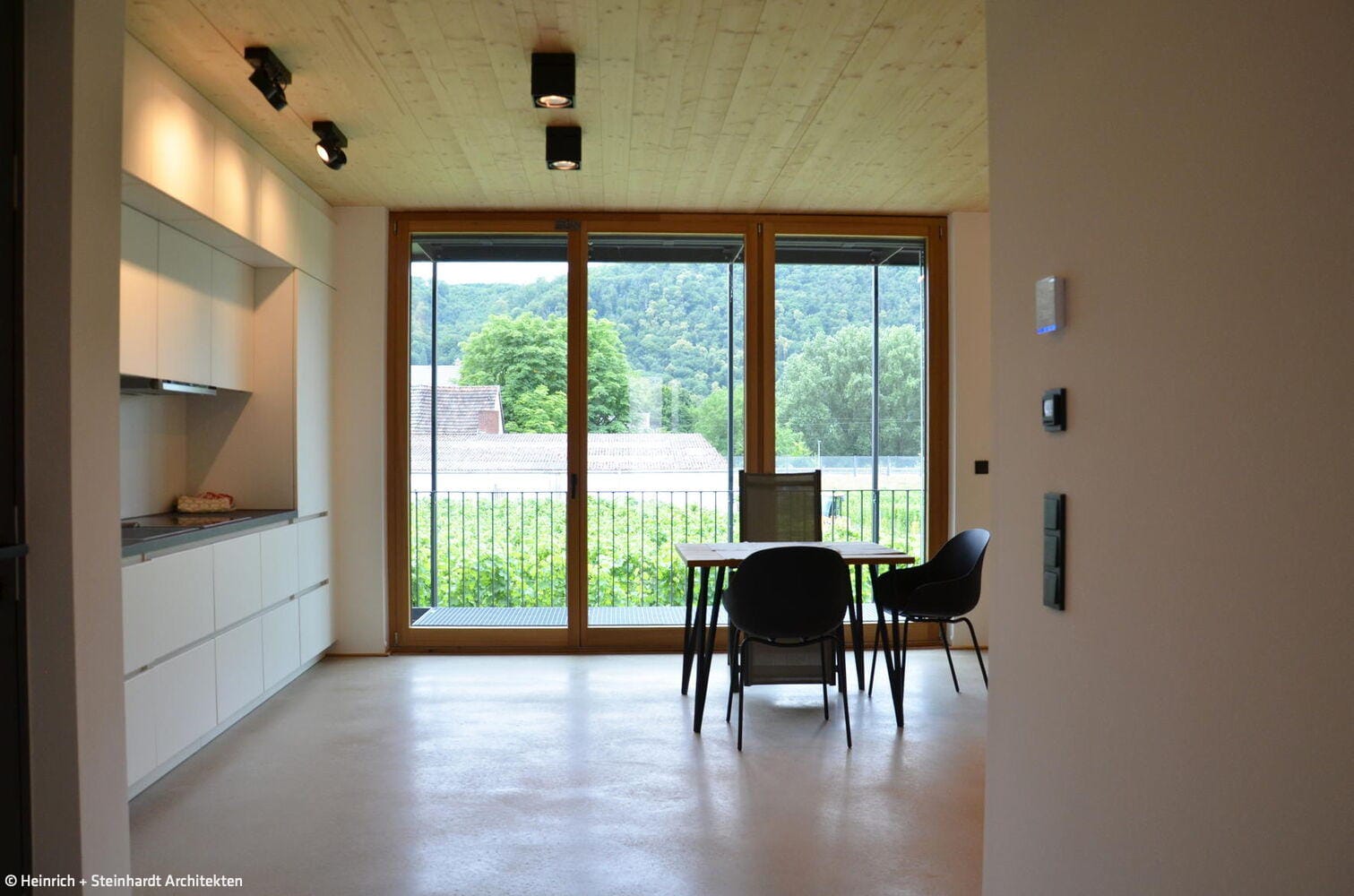
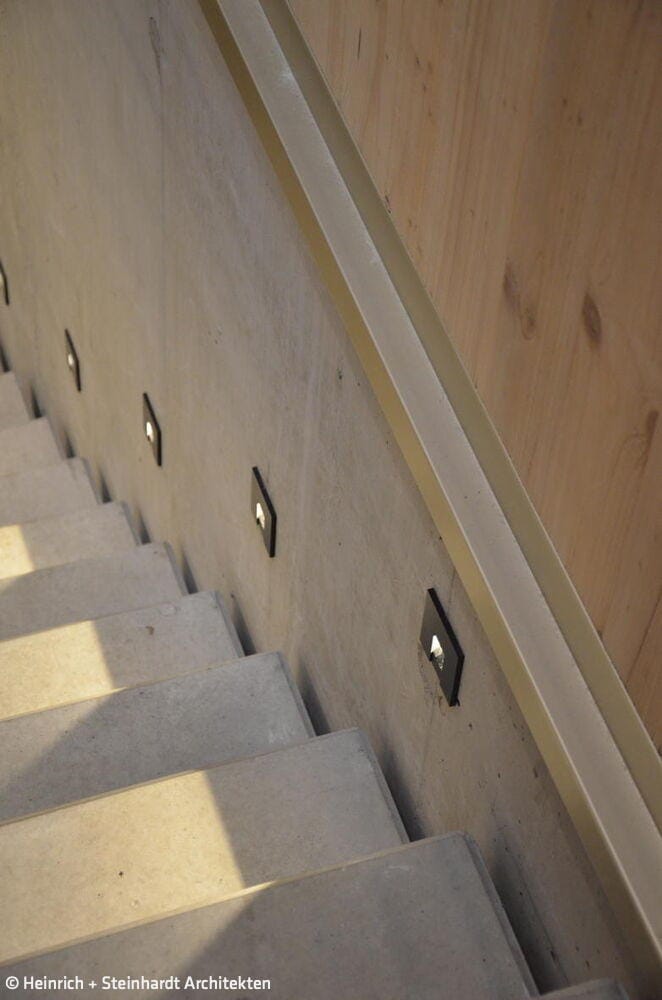
Within a delicate setting of sloping terrain and neighbouring houses, whose gables and eaves define the street scene, the architectural practice Heinrich + Steinhardt has created a compact building that presents a confident yet respectful presence. The new guest house of this historic winery thus demonstrates how contemporary architecture in rural areas can achieve high standards of design and environmental quality.
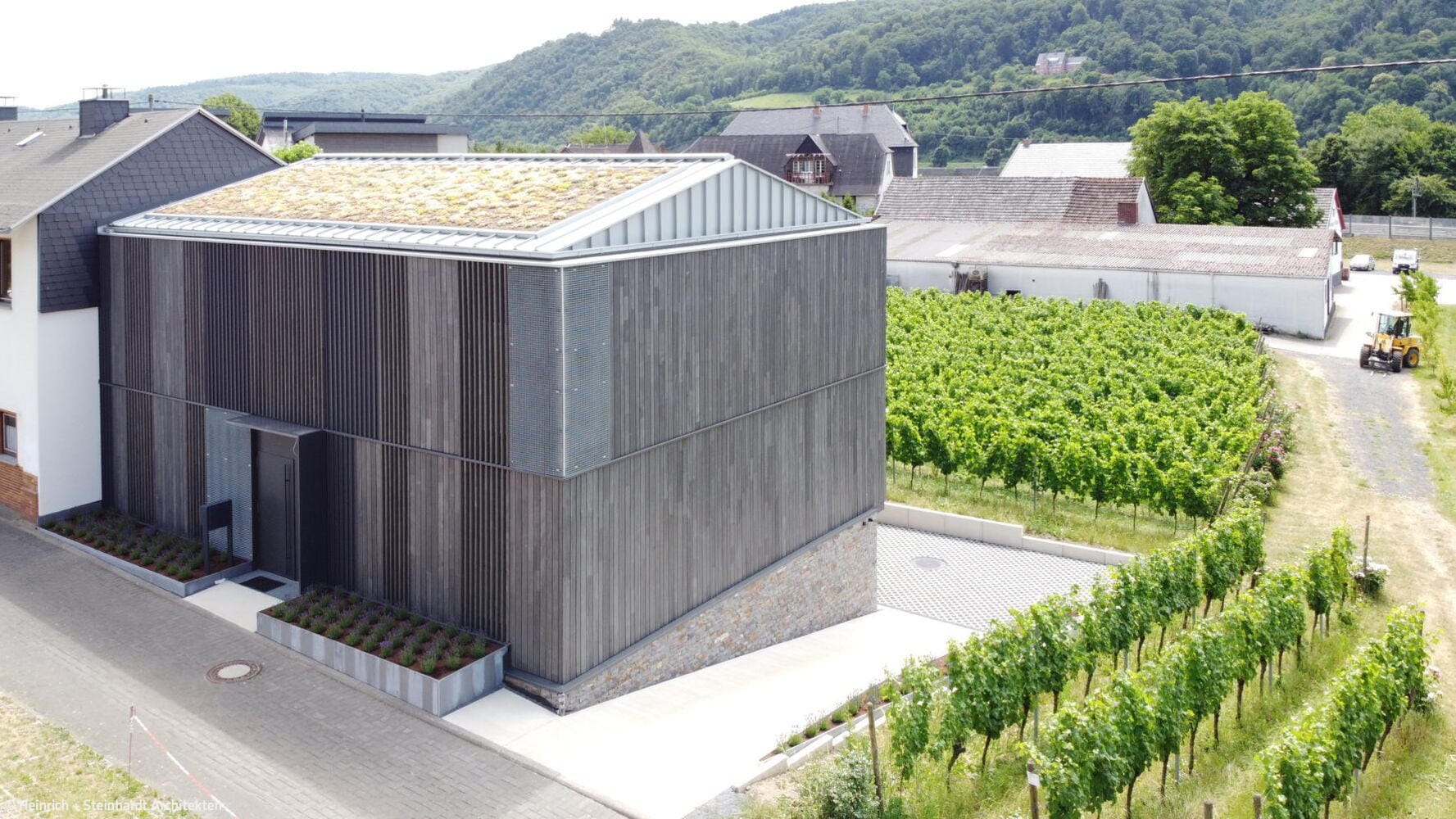
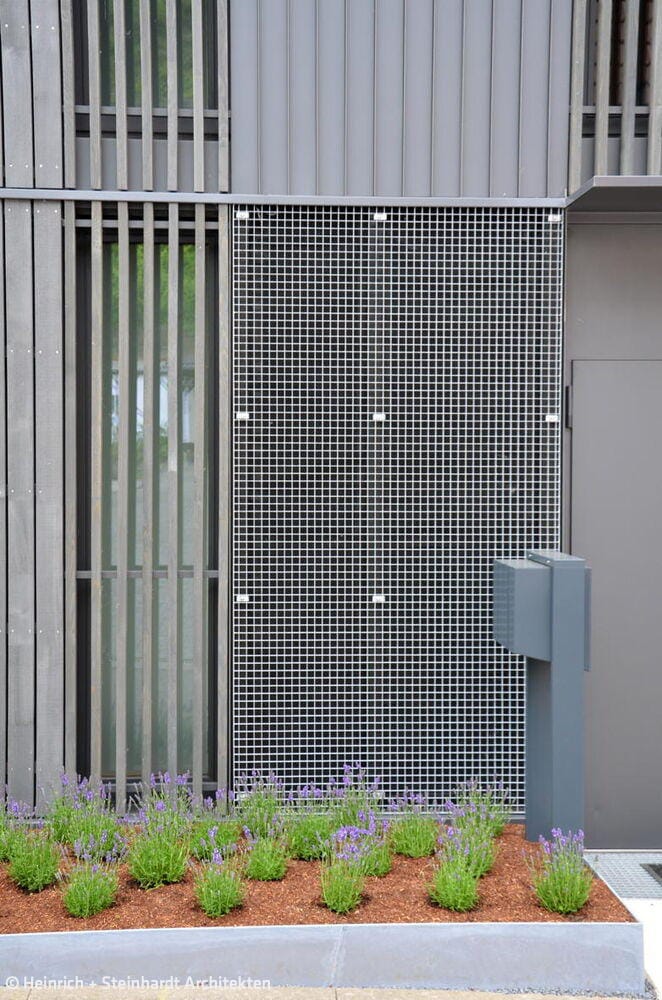
The clients wanted a space-saving solution for the building, comprising four residential units and associated parking spaces, as well as an architectural design that was rooted in the local context yet distinctly contemporary. The architects responded with a structure that appears monolithic, whose proportions are aligned with the surrounding buildings – from the stone plinth to the sloping roof. The ridge and eaves heights of the neighbourhood, the boundary walls and the 13.5 per cent gradient of the site determined the framework conditions. The architectural practice used these as the basis for their design, integrated the parking spaces into the basement and anchored the building precisely within the terrain. Externally, a solid plinth of natural stone conveys durability and a regional connection. Above this rises a timber-frame core, insulated with cellulose – renewable, energy-efficient and resource-conserving. Vertically arranged, grey-glazed timber elements frame the façade into a harmonious whole. Delicate balconies open up the view across the rows of vines and as far as the Rhine.
The roof makes an ecological statement: on the south side, an integrated photovoltaic system generates electricity, whilst on the north side, an extensively greened natural roof regulates the microclimate and gently integrates the building into its surroundings. The metal standing seam cladding draws inspiration from traditional farm buildings and reinterprets them. A high degree of prefabrication shortened the construction time, reduced emissions and increased precision. This was entirely in line with the client’s wishes, who comments: “In viticulture, sustainability is particularly important to us. And that is why it was only natural for us to incorporate the aspect of ‘sustainability’ into the construction project as well.”
Inside, holidaymakers and seasonal workers alike benefit from clearly defined layouts and warm, tactile materials. Wooden surfaces, strategically placed windows and well-designed lighting create bright, welcoming spaces within a compact layout.
Photos:
Heinrich + Steinhardt Architects
(Published in CUBE Frankfurt 01|26)
Making the Most of It
A 1950s Semi-Detached Home Transformed into a Family Dream
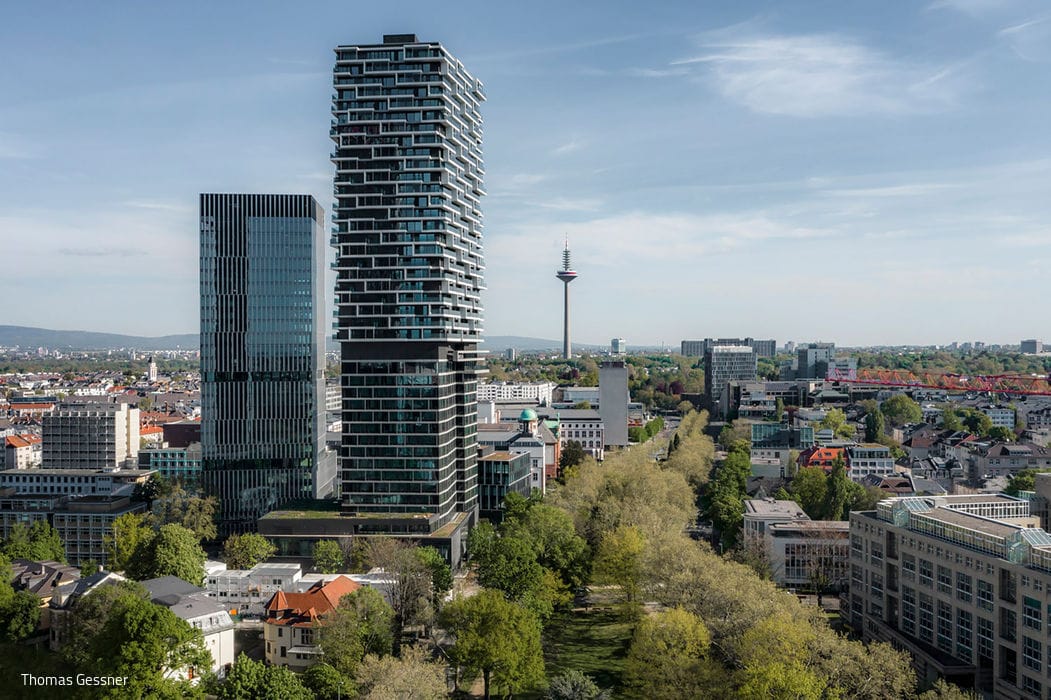
Vertical City
Hybrid High-Rise on the Cultural Campus: Part of a Larger Vision
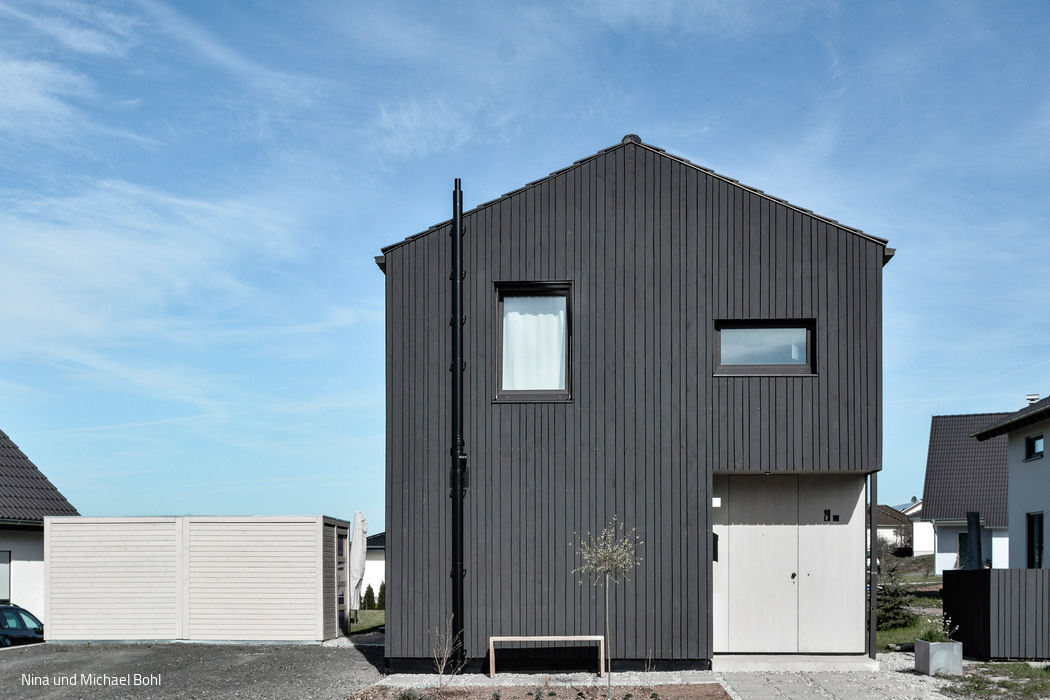
Distinctly Integrated
A single-family home that distinguishes itself while staying rooted in its context
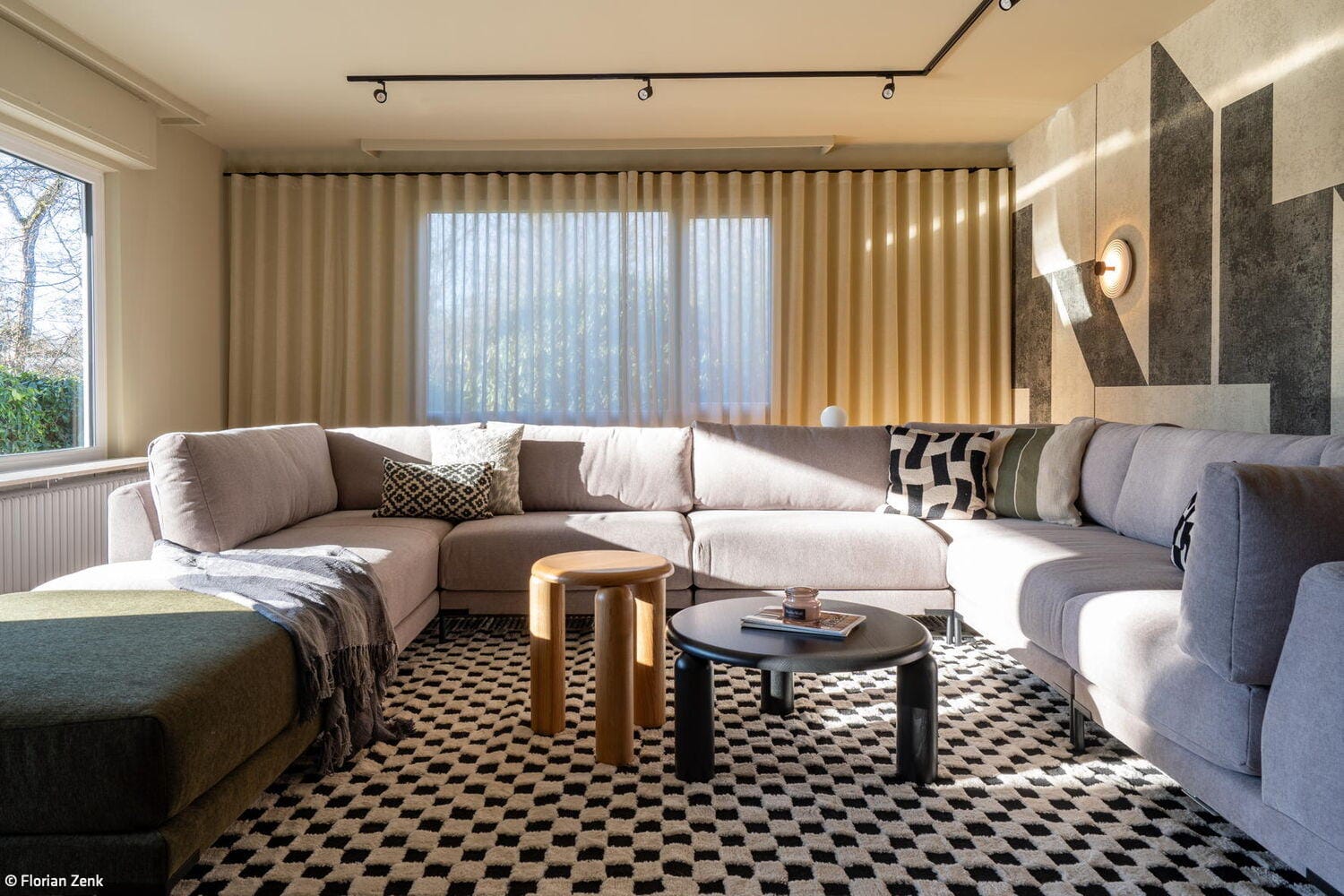
A Home for All
A 1960s Bungalow Reimagined as Inclusive Shared Living