


Bringing Nature Indoors
Thoughtful densification breathes new life into existing structures while creating additional living space.
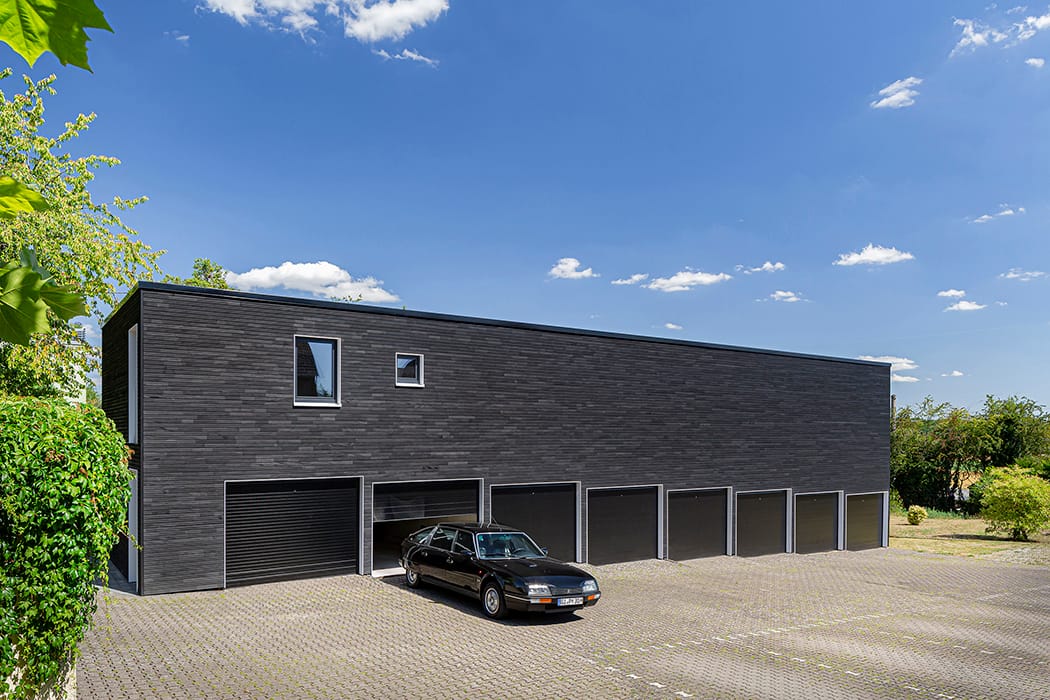



"Building within existing structures" will undoubtedly shape architecture's future. Existing buildings already contain significant embodied energy, and often hide untapped potential. This densification project in North Hesse exemplifies what's possible: nestled beside a former factory stood a row of aging, seemingly unremarkable garages. Architect Gerhard Schymik from Giessen recognized the opportunity. Having already transformed the adjacent factory, he seized on the space above the garages to create something unexpected—a generously proportioned residence that opens dramatically toward the landscape on the narrow end of the structure, effectively "drawing nature into the living spaces," as Schymik describes it. The interior unfolds intuitively, expanding in character with each step from entrance toward terrace.
Driven by considerations of weight, sustainability, and indoor climate, Schymik designed the entire structure using timber frame construction, deliberately showcasing the natural material overhead. The living quarters and garage facades are clad in jet-black spruce boarding—rear-ventilated, tongue-and-groove, sealed and oiled for durability. Refined white Corian accents frame the fenestration, lending visual sophistication to the exterior. A white circular steel column—strategically positioned off-center rather than at the loggia's corner—creates compositional elegance. From the slightly elevated living room, residents step through a seamless wall of frameless glass doors into the verdant surroundings.
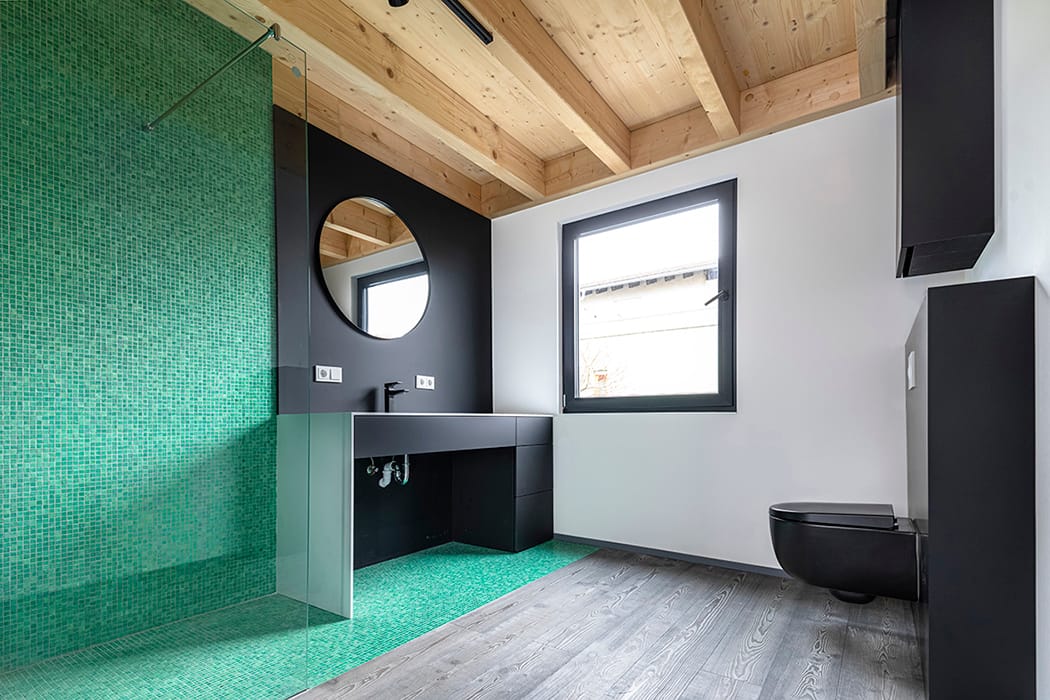
A masterclass in densification: architects recognizing overlooked resources, crafting compelling spaces, and revitalizing existing fabric. Schymik has woven nature into the residence threefold—as a framed view, as visual motif, and as living greenery. Deliberate selections of green and dark tones further blur the boundary between exterior landscape and interior environment.
Photography Credits:
Frank Schulte
www.schulte-photography.com
(Published in CUBE Frankfurt 04|22)
Functionality & Expression
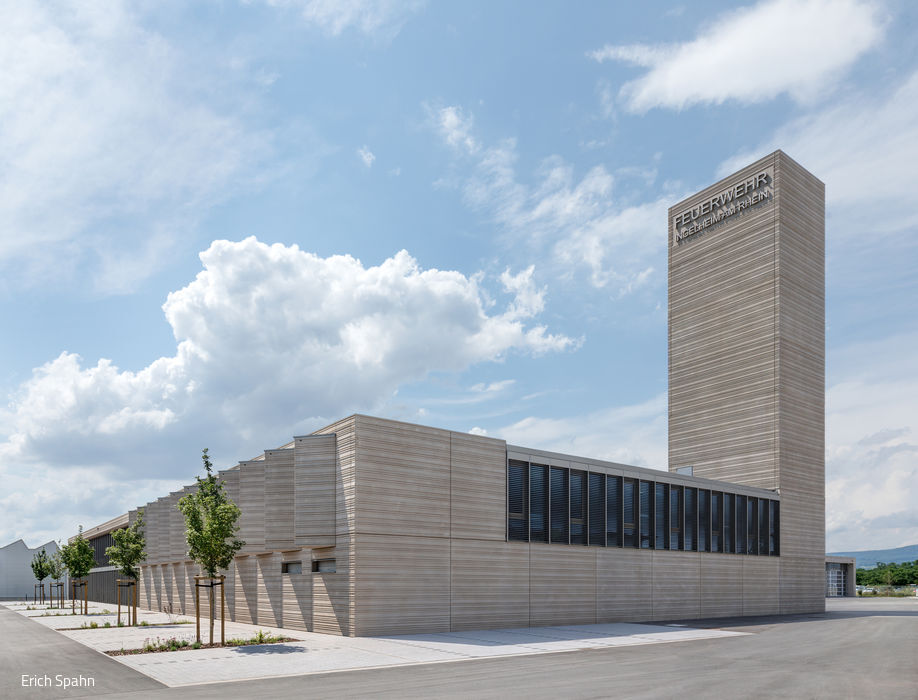
The new fire station in Ingelheim projects a strong, distinctive identity.

Allegro
String Instrument Accessory Manufacturer's New Wing Translates Bach into Architecture
For Perfect Acoustics
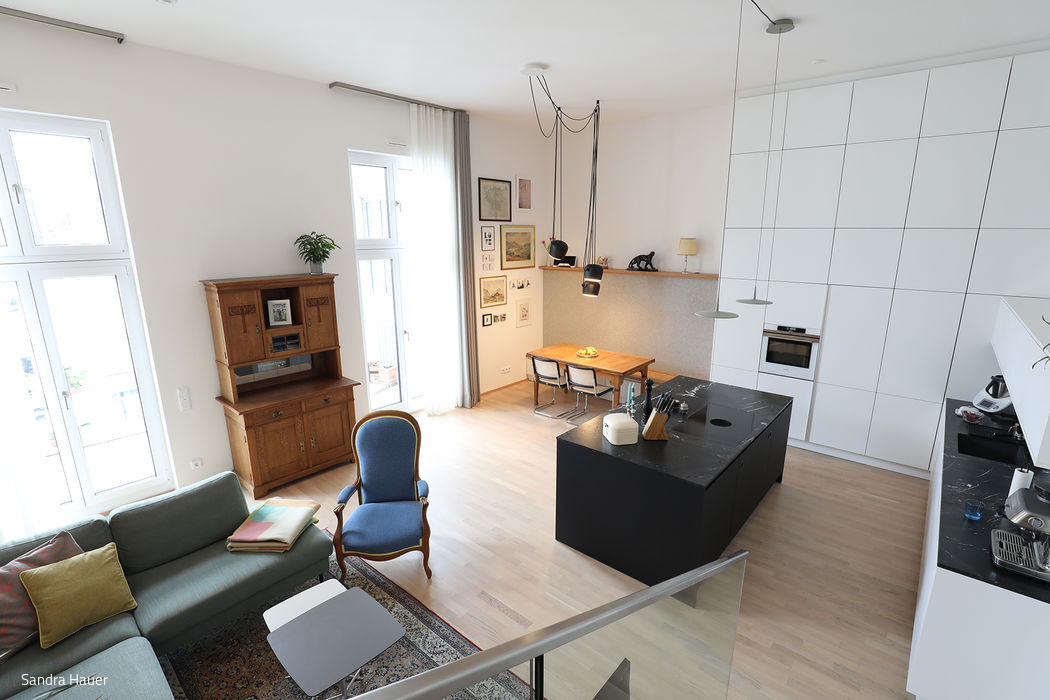
Acoustic comfort and thoughtful layouts create a welcoming home
Growth Potential
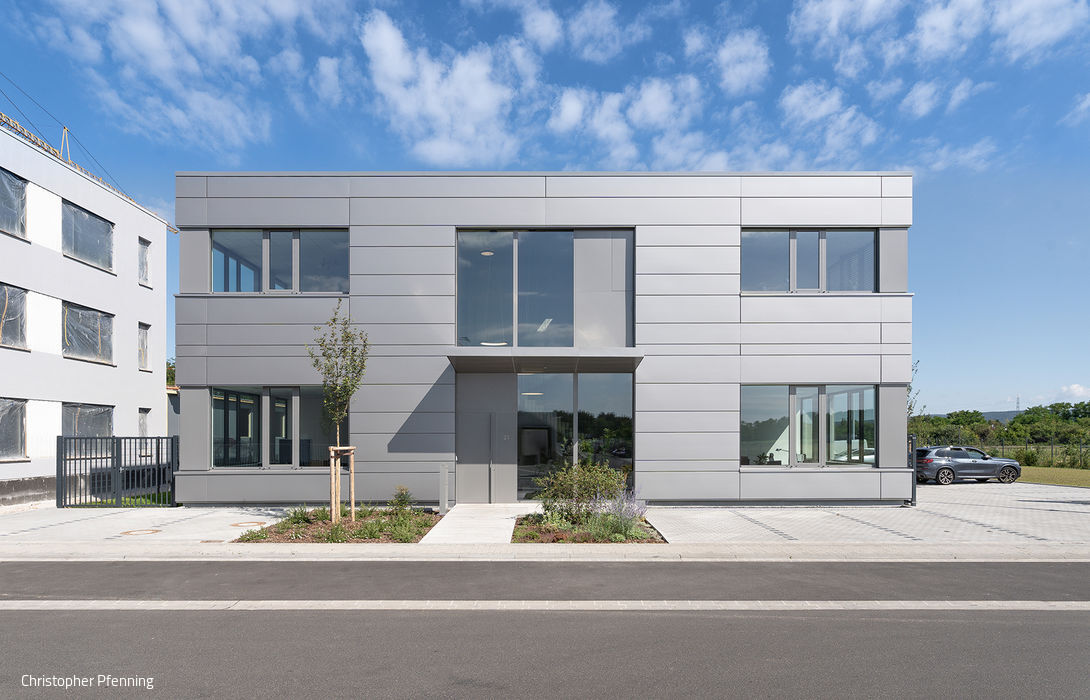
Two-storey commercial property designed to adapt—simply and smartly