


Living History: A Residential Sanctuary
Alte Porzellan Manufaktur establishes a distinctive landmark in the Zooviertel district, rooted in local heritage
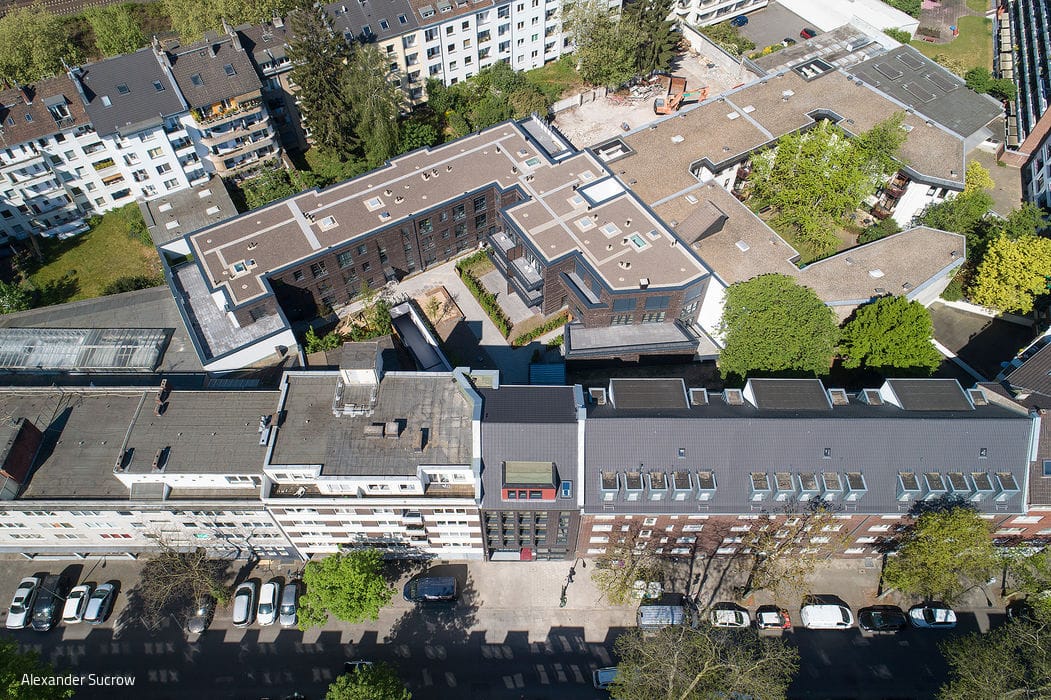
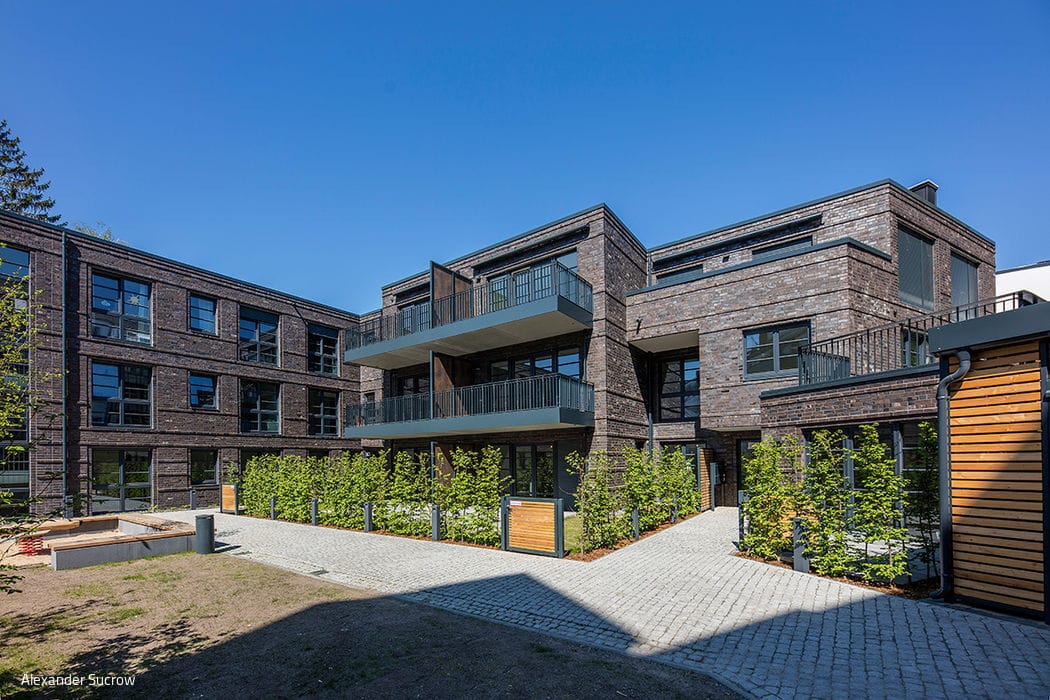
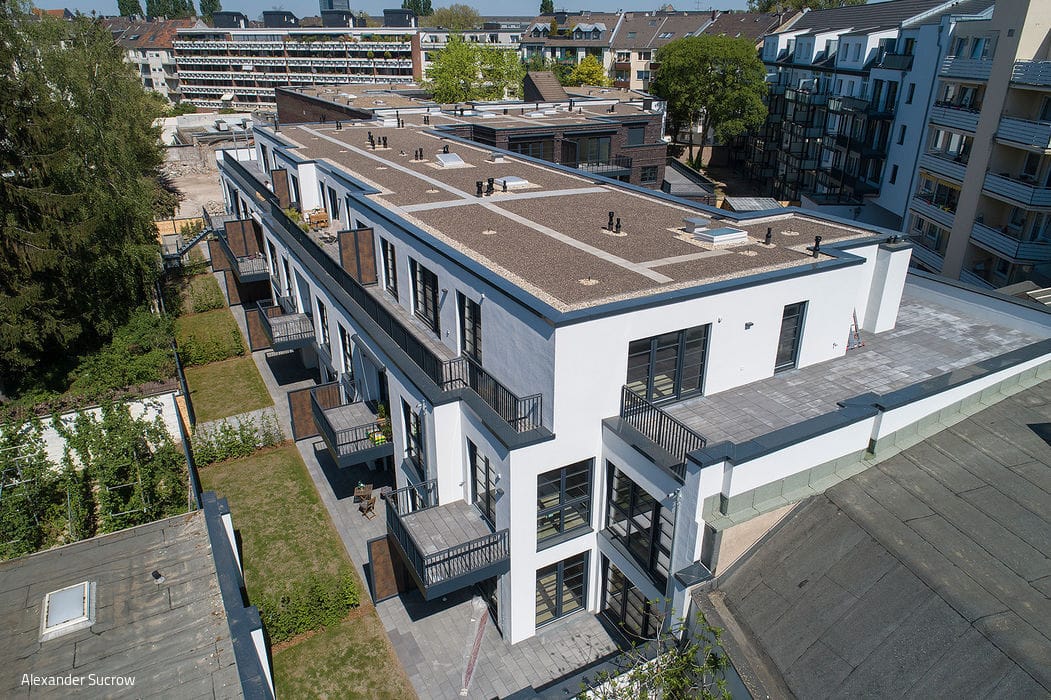
Most city dwellers dream of the same thing: living in a vibrant urban setting without sacrificing peaceful retreats and restorative spaces. The answer often lies in the city's inner blocks—underutilized commercial zones and garages that can be reimagined as residential sanctuaries. The latest testament to this transformation is Alte Porzellan Manufaktur, a new residential quarter in Düsseldorf's Zooviertel, developed by Schmeing Baugruppe from Bocholt. Designed by off.architekten, this three-story complex features an inventive U-shaped layout that anchors itself to the site's distinctive history. The architecture speaks to its past, creating a place where heritage and contemporary living converge.
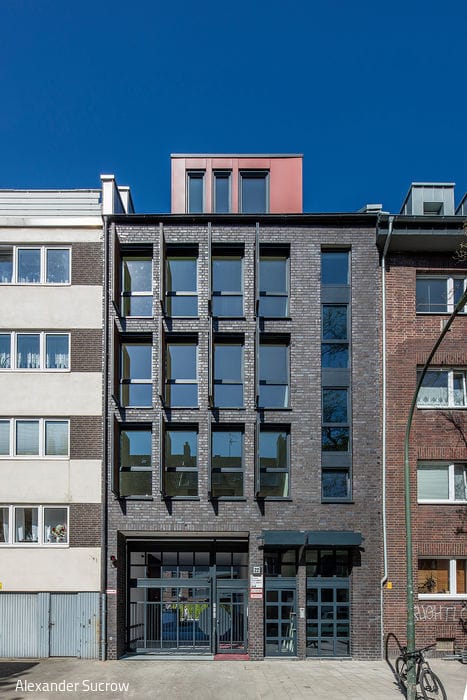
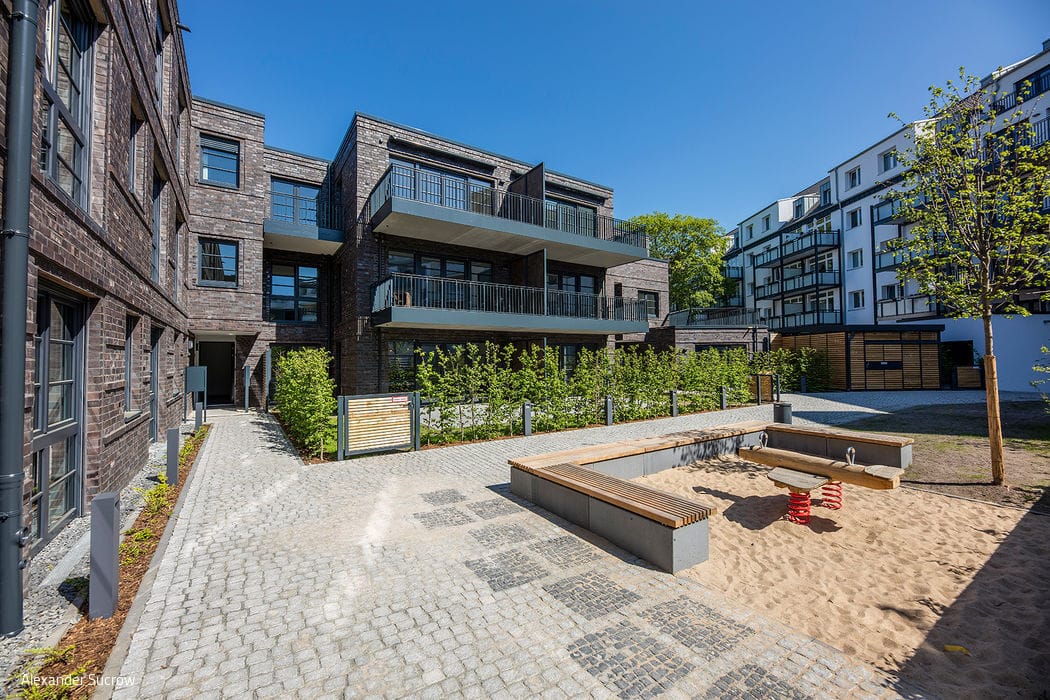
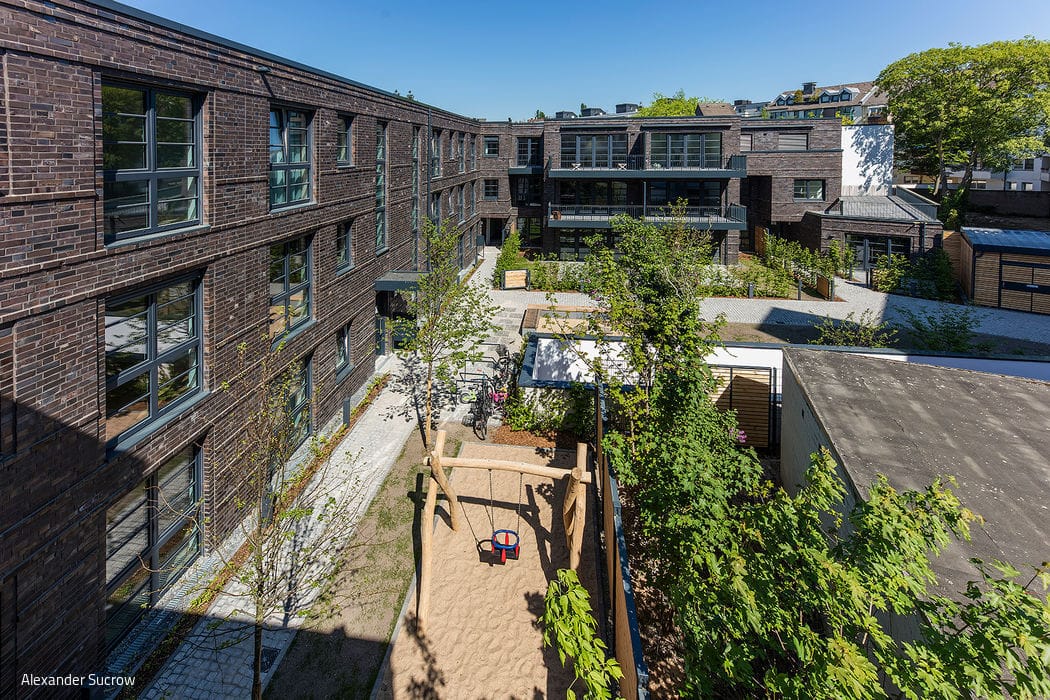
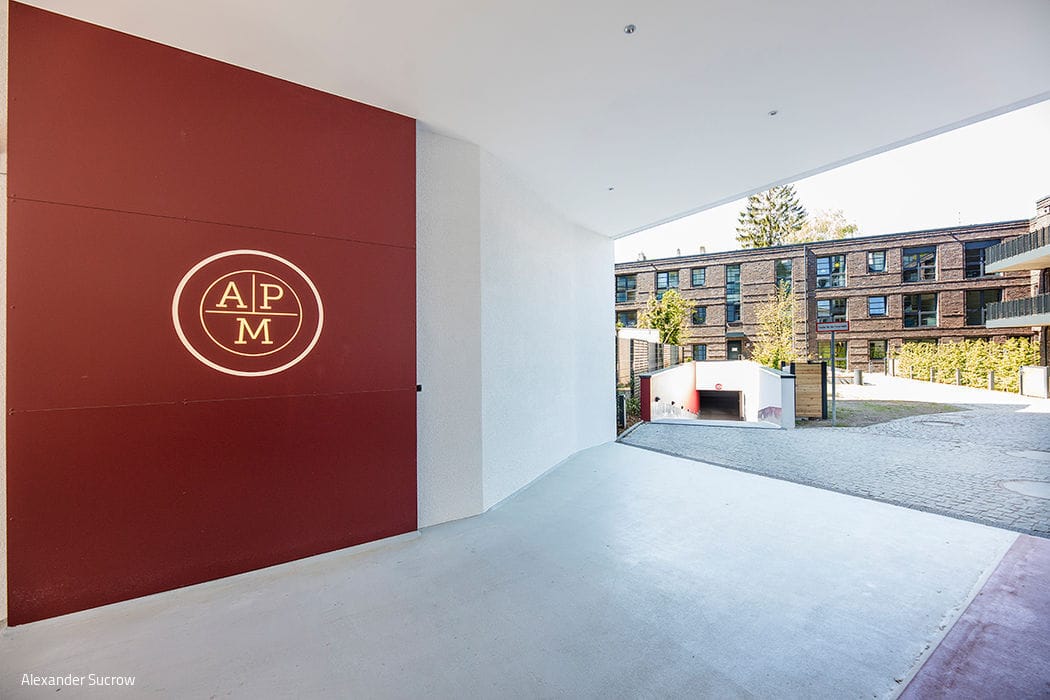
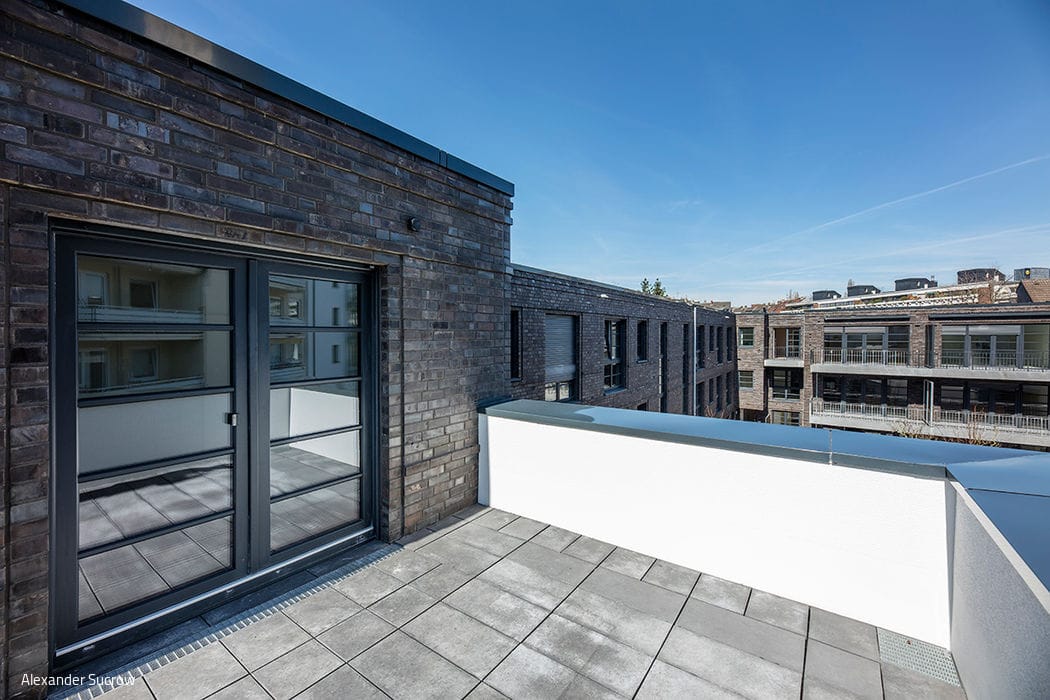
The evidence emerged during excavation of the underground garage: ceramic shards and clay pit remnants revealed a remarkable discovery. Since 1882, this block had been home to the Hohmann brothers' porcelain factory—renowned far beyond Düsseldorf for producing fine tableware and hotel china until roughly World War I. The new quarter honors this legacy through its name, logo, and notably, through its architecture. The preserved entrance structure on Mülheimer Strasse—once a post-war administrative building, now converted into five residential units—stands alongside a new inner-block structure housing 23 additional apartments. Both exude an industrial-loft aesthetic with character. Dark, robust ring kiln bricks from Gillrath clad the structured entry and courtyard façades, while floor-to-ceiling, acoustically shielded window frames in anthracite-toned profiles with horizontal muntins echo the industrial heritage—details once found in beloved factory halls.
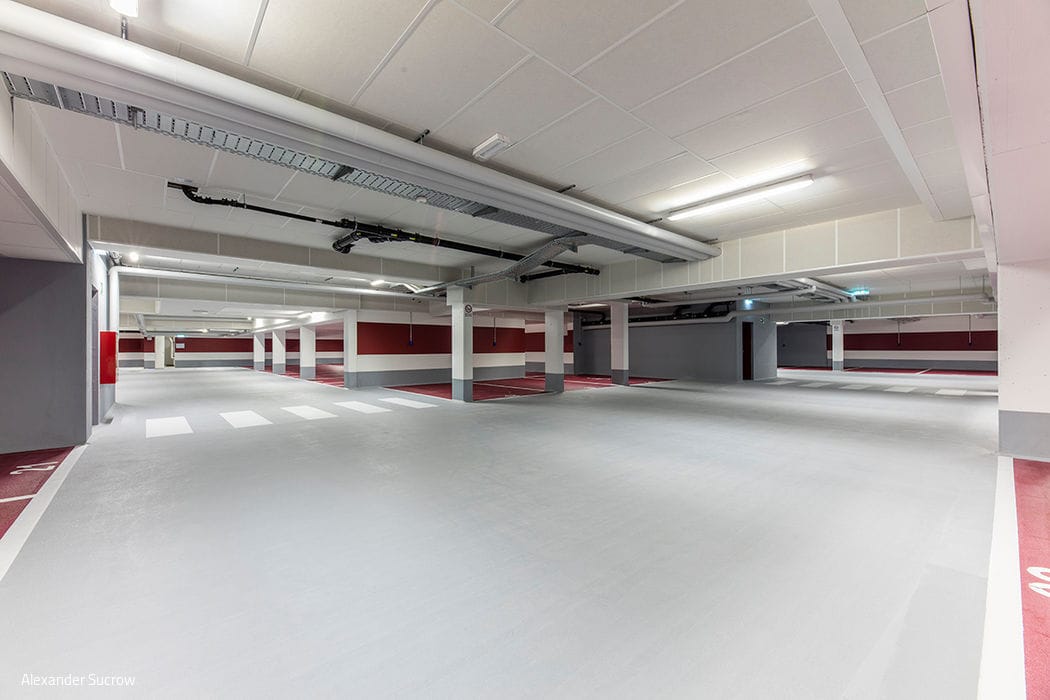
To weave the front and rear buildings into a cohesive whole, the ground-floor courtyard passage has been preserved and fitted with fully transparent, glazed doors. This achieves dual purpose: it regulates access to the underground parking while simultaneously creating a central fire escape route and offering glimpses into the courtyard from the street. Both building sections now feel like a unified address. The new apartments—ranging from 80 to 180 m²—are accessed through four lobbies, each with stairs and elevators. The three generous penthouses on the upper floors take convenience further, with private elevators descending directly from the underground garage into their private sanctums.
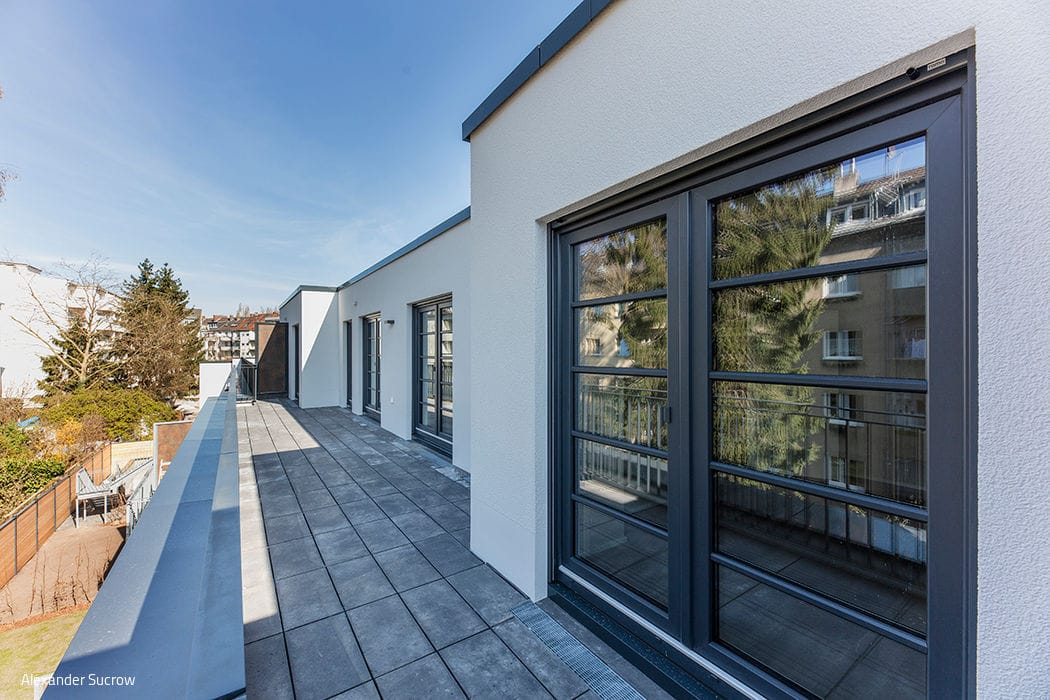
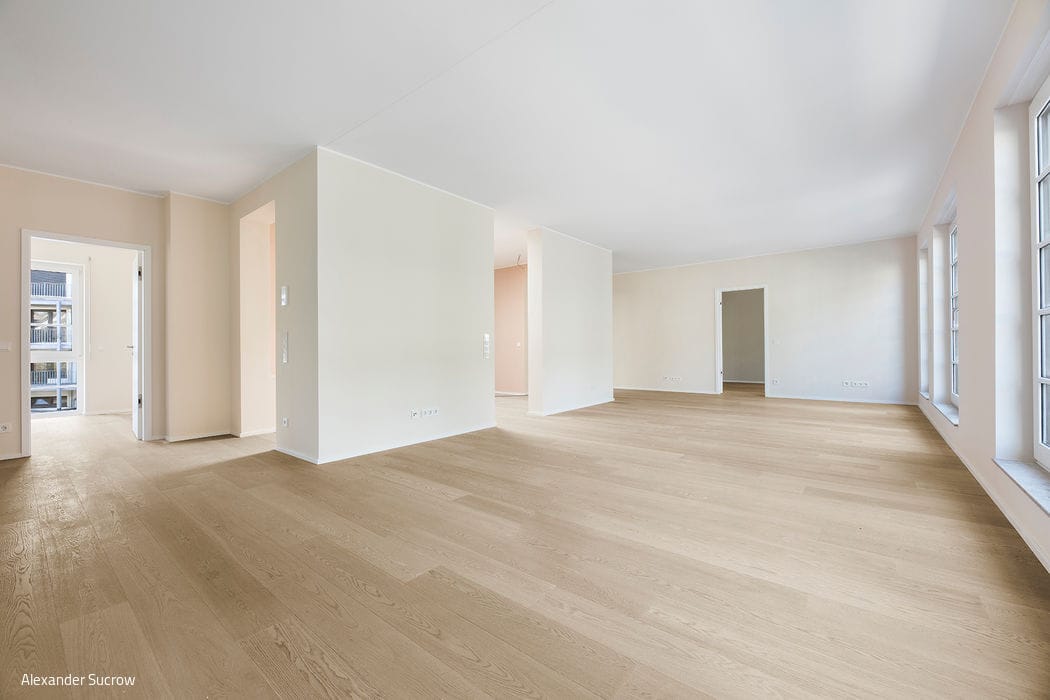
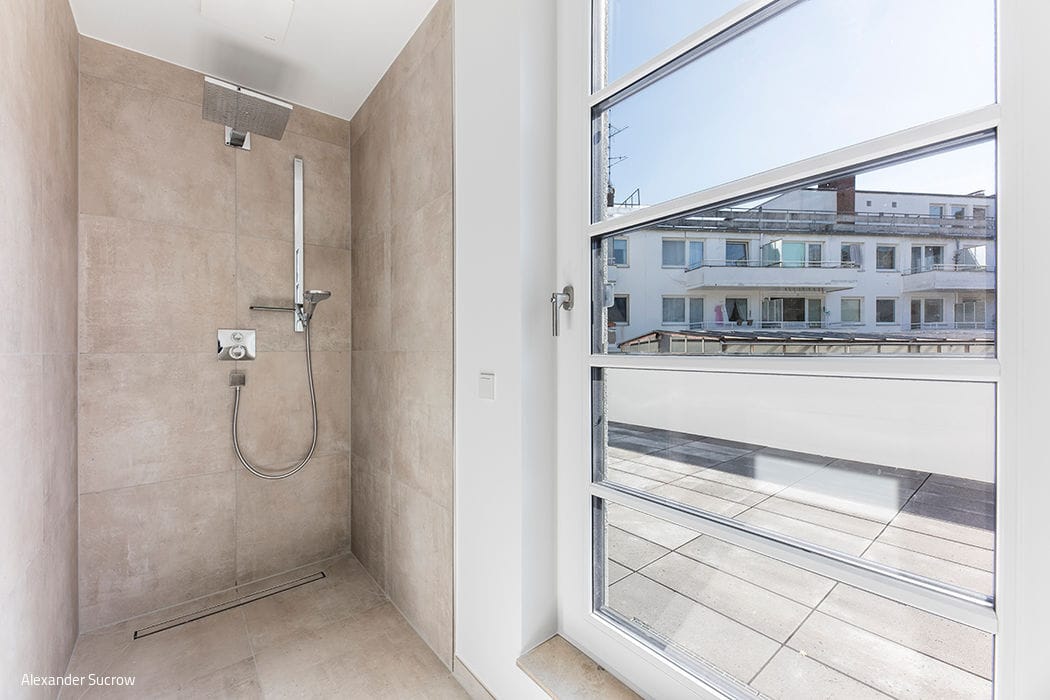
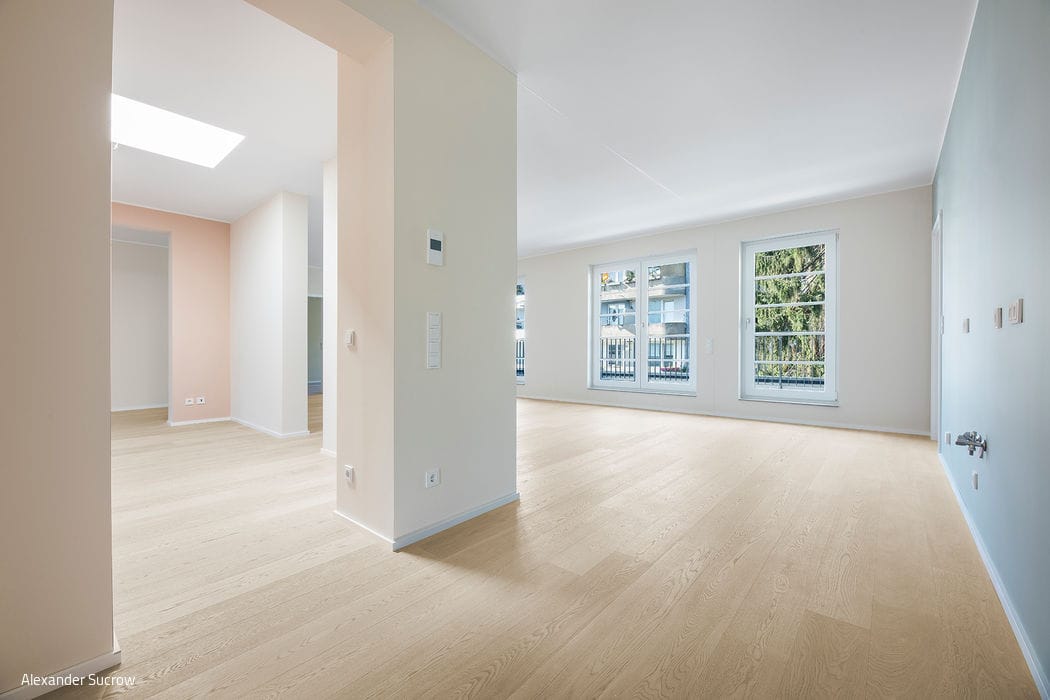
Every detail was considered to ensure bright, open-plan living—without compromising privacy from passersby. The building's strategic setbacks carve out protected outdoor spaces overlooking the courtyard and private rear gardens. Wide balconies, roof terraces, and ground-floor gardens blur the boundary between interior and exterior living. Whether housing singles, couples, or families, each condominium reflects a commitment to sophisticated finishes and modern comfort. Real wood parquet graces all living areas, while bathrooms showcase premium porcelain stoneware in concrete finishes. Ceiling heights range from 2.50 to 2.75 metres, enhancing the sense of spaciousness throughout.
The buildings draw on environmentally responsible district heating. A KNX control system infrastructure was pre-installed in all units for seamless management of heating, ventilation, shading, and security—with residents customizing final specifications to suit their preferences.
(Published in CUBE Düsseldorf 03|20)
The Wall as the Primary Element
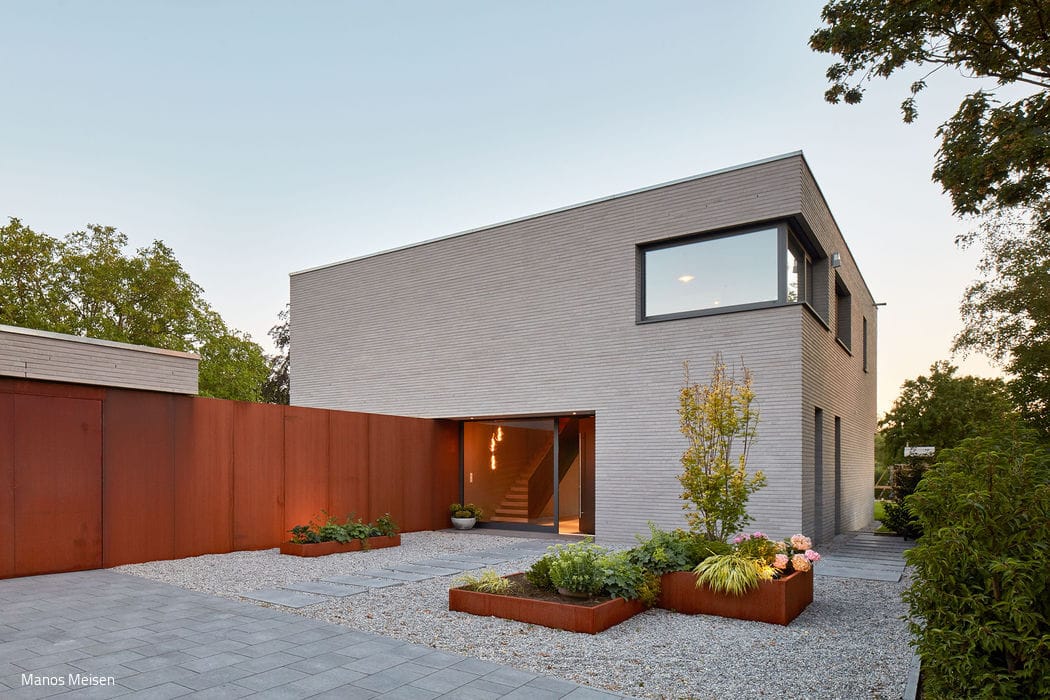
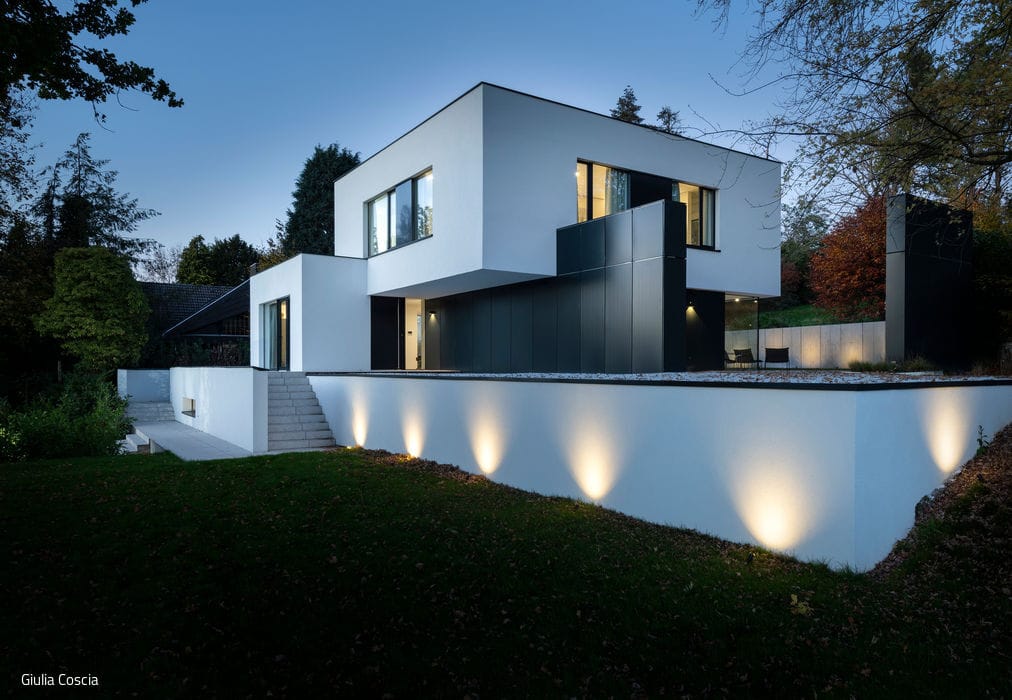
A town villa in Lank-Latum effectively combines openness and privacy.
A Piece of Neighborhood History
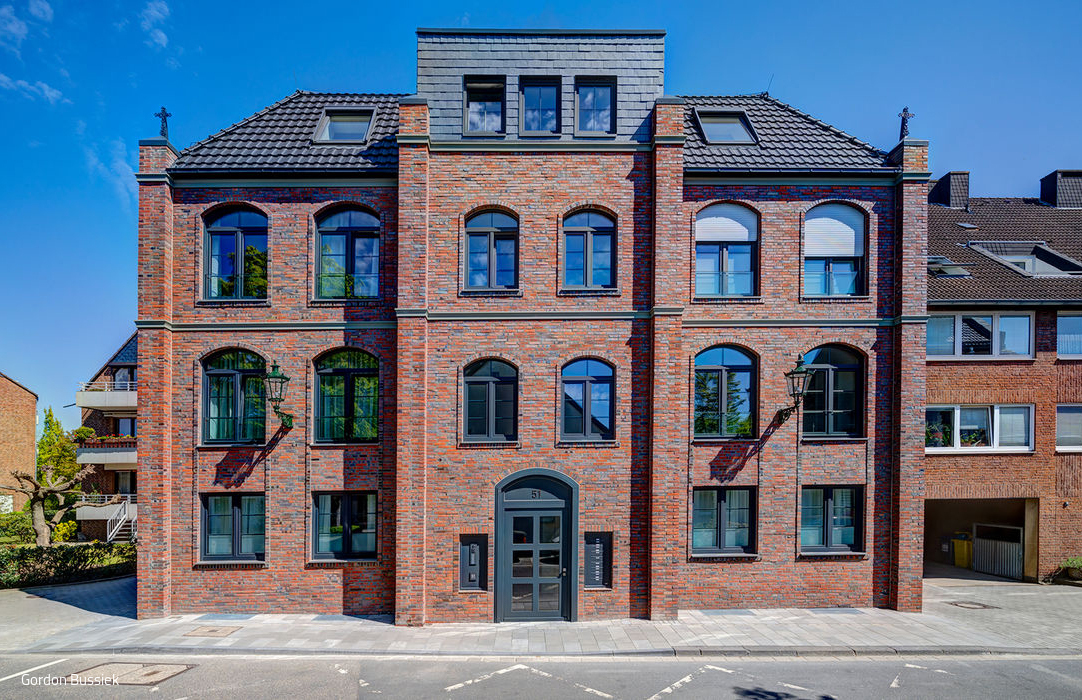
Drawing on the district's historic brick architecture, Bahners opted to reconstruct the site as a seven-unit residential building...
Spreading into the Garden
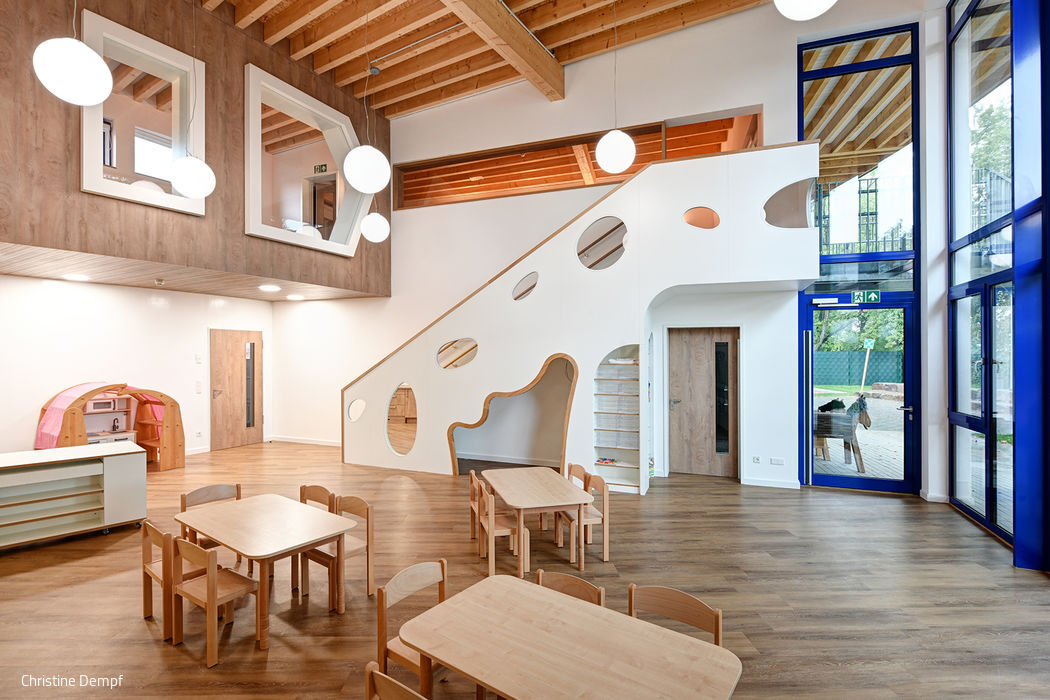
The ISR kindergarten in Niederkassel captivates with thoughtfully designed, individualized spaces.
Radical Reduction
A Minimalist Family Home with Substance to Discover