


Distinct & unified
The goal was to create individual residences unified by a coherent façade language. By varying façade materials, each address gains its own distinct identity.
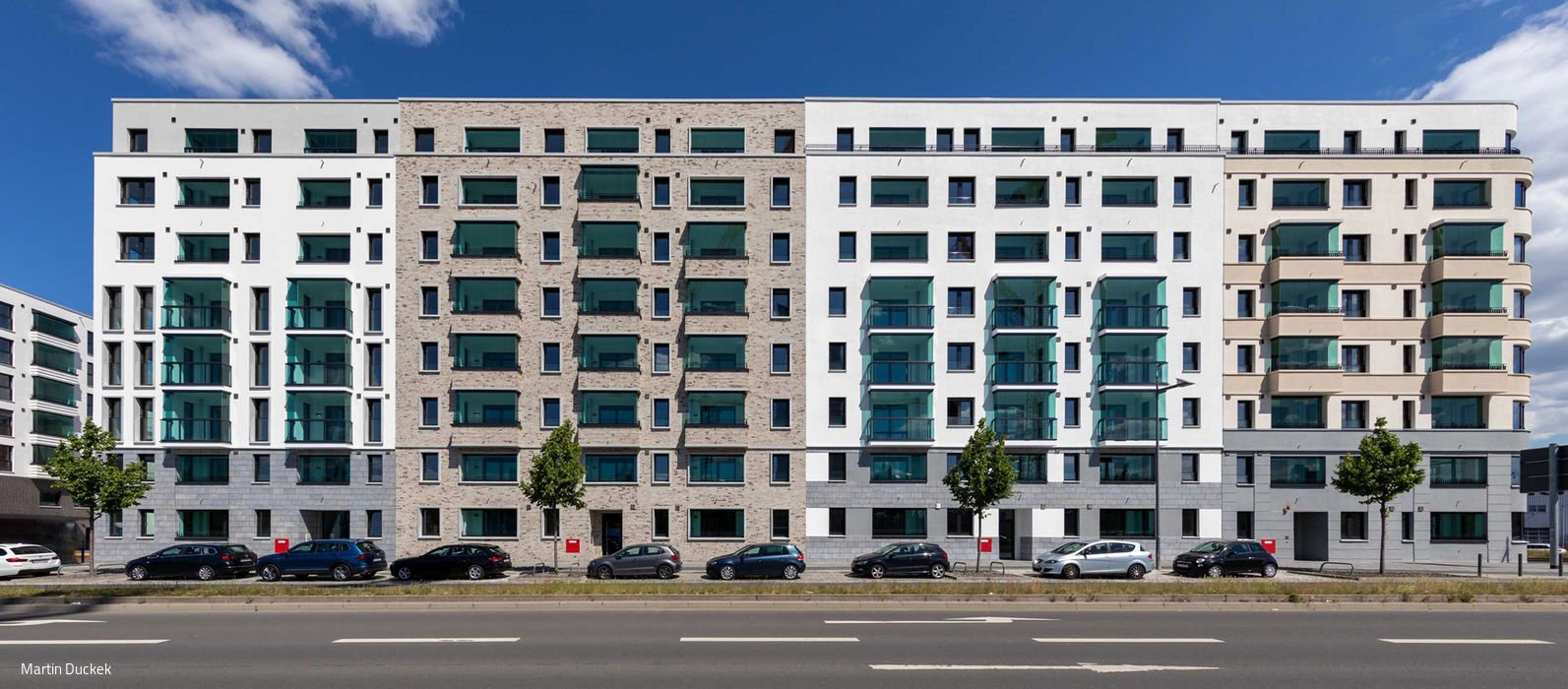


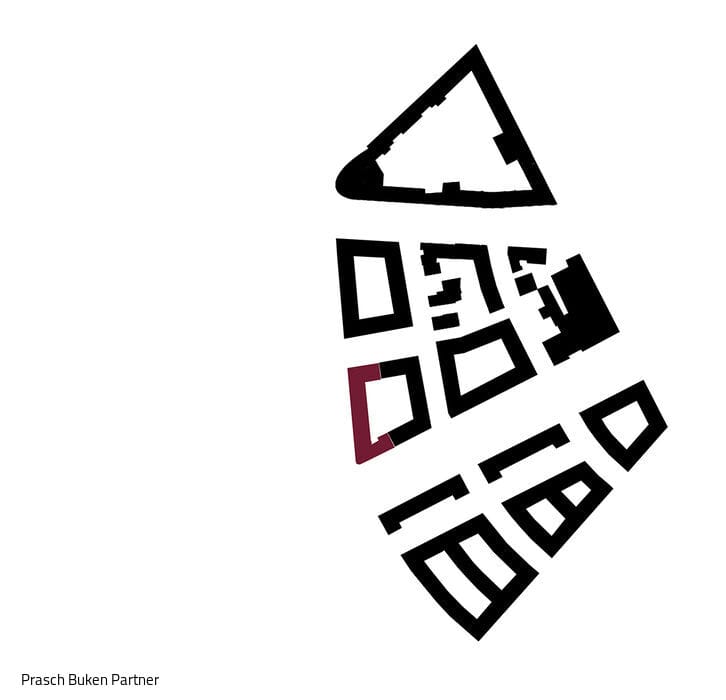


Frankfurt's Ostend is bustling with construction. The Hafenpark Quartier is taking shape here with residential units alongside hotels, offices, retail spaces, and childcare facilities. Two building blocks on the eastern site now house 182 apartments. For the southern block, architects Prasch Buken Partner joined forces with felsensteinproject to lead the master planning effort.
Beyond the client's requirement for distinctive façades, the architects tackled critical challenges in fire protection and acoustic design. Glazed loggias emerged as the sound solution—literally and figuratively, doubling as key façade elements. "The façade treatment references the recognizable, articulated structures of the Wilhelminian era," the architects explain. "We've interpreted these individually for each plot-bound building, yet unified them through a coherent design language. The result: vibrant streetscapes without jarring breaks—a vision many urban planners have sought to restore after post-WWII monotony." The robust two-story base responds to modest floor heights. Loggias extend as bay windows from floors 2-5, following a greenhouse-inspired logic, while clearly ordered perforated façades with balustrade character define the remaining sections. Notably, bedrooms eschew floor-to-ceiling glazing.
The goal was to create individual residences unified by a coherent façade language. Carefully orchestrated material shifts—clinker and plaster alternating in subtly different tones, each contrasting with the two-story base—establish distinct identities for each address. The setback crown story provides an elegant conclusion. "In the courtyard, the design strategy continues in simplified form. Despite east and north exposures, we've incorporated secondary balconies at the sleeping areas—a counterpoint to the street-facing loggias."
The interiors embody classical apartment design developed in close collaboration with the client. Cloakroom niches anchor each entrance. Kitchens integrate with living areas—some open with flexible partitioning, others fully enclosed. All three-bedroom units include a separate guest WC. Bathrooms typically feature both shower and tub, while laundry equipment finds its home in dedicated storage.
Photography Credits:
Martin Duckek
www.martinduckek.de
HJ Darlison
www.darlison.de
(Published in CUBE Frankfurt 01|21)


In the Spirit of Place
Sensitive restoration of the Northeast Church establishes new presence and modern standards
Protected Sanctuary
A family-friendly garden designed as a seamless extension of the home
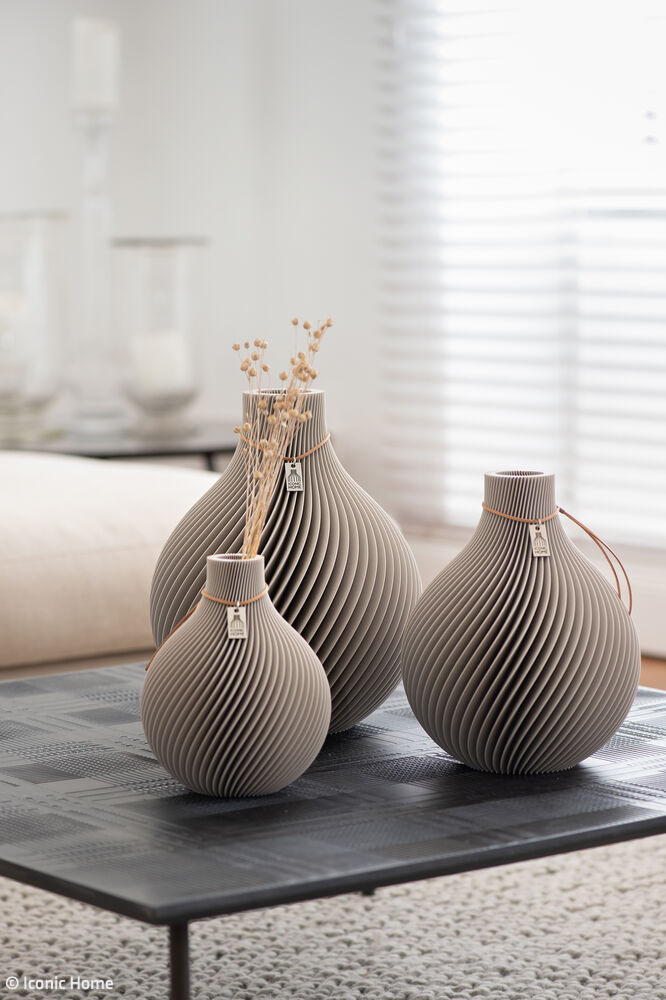
Individual and Timeless
Designer vases with distinctive surfaces, crafted from sustainable bioplastic using 3D printing technology
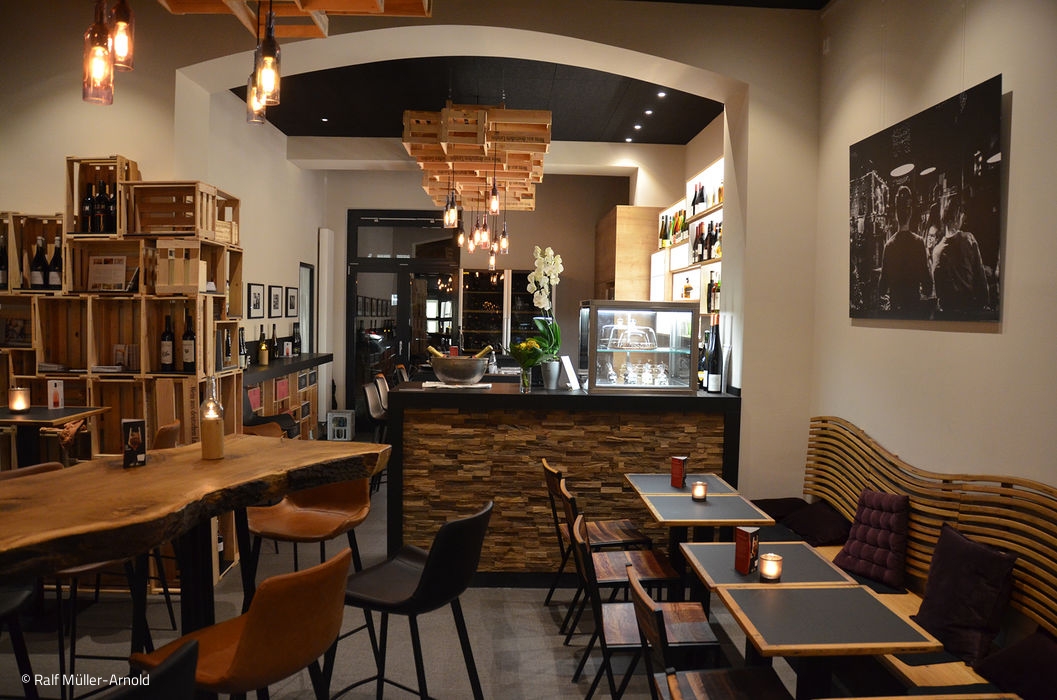
Wine is love. Love is life.
East Grape – Wine Bar in Ostend