


Architecture That Speaks
Icon and Symbol: The New Springer Headquarters
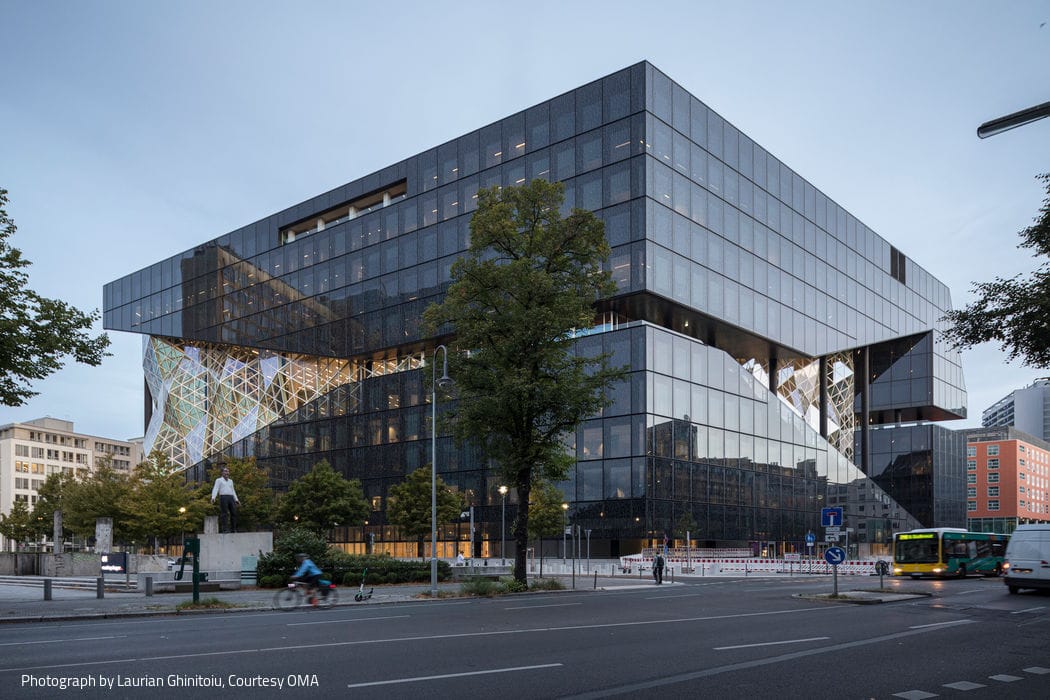
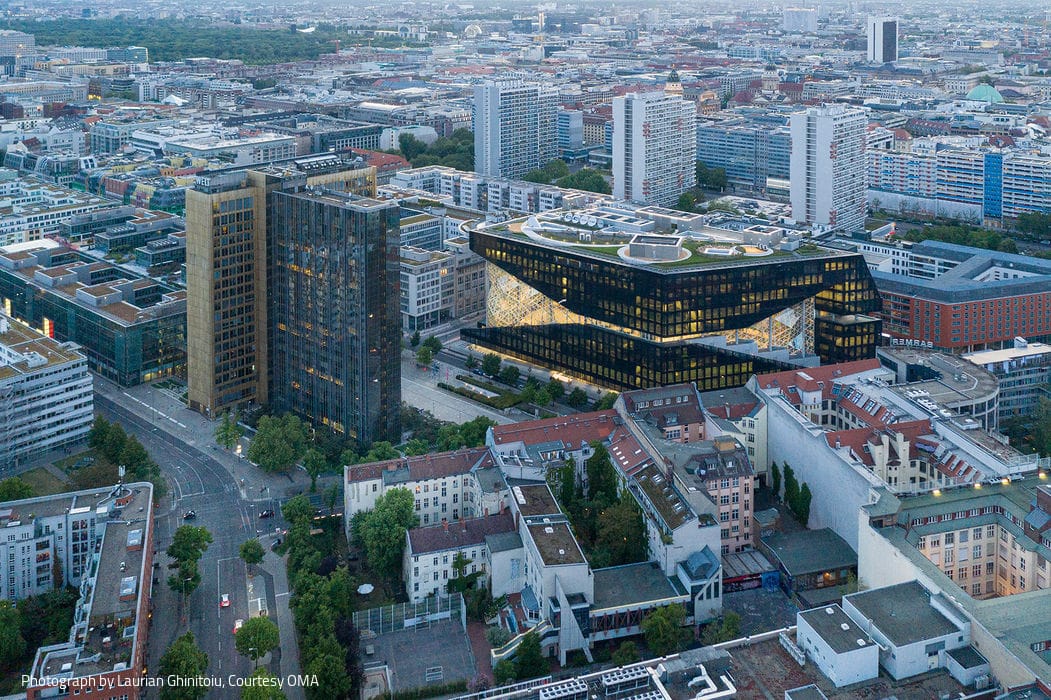
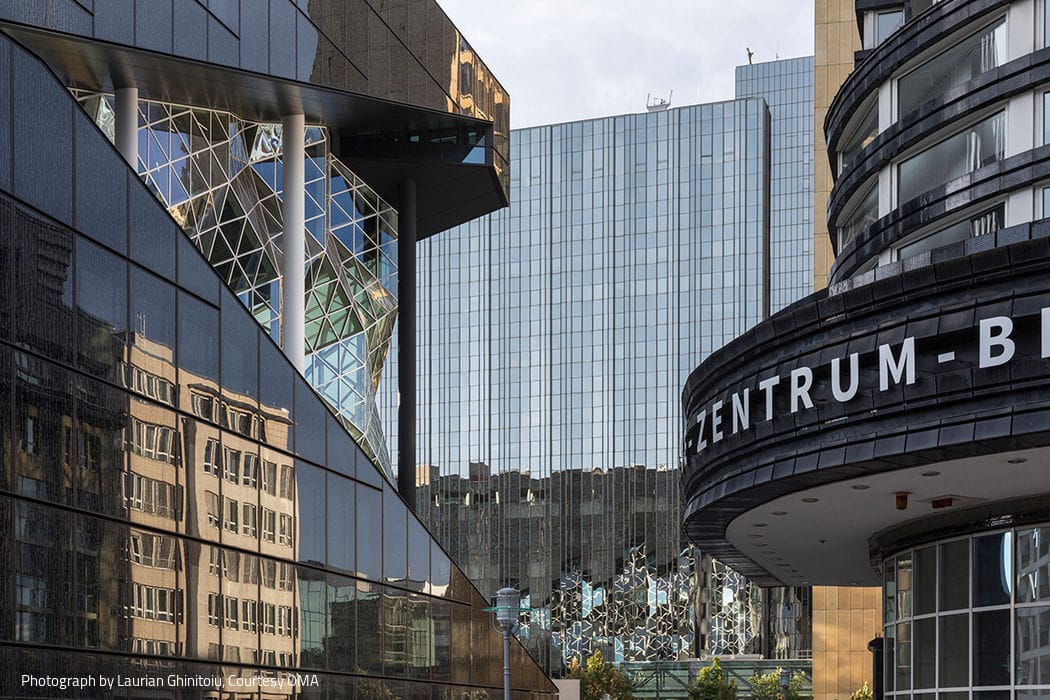
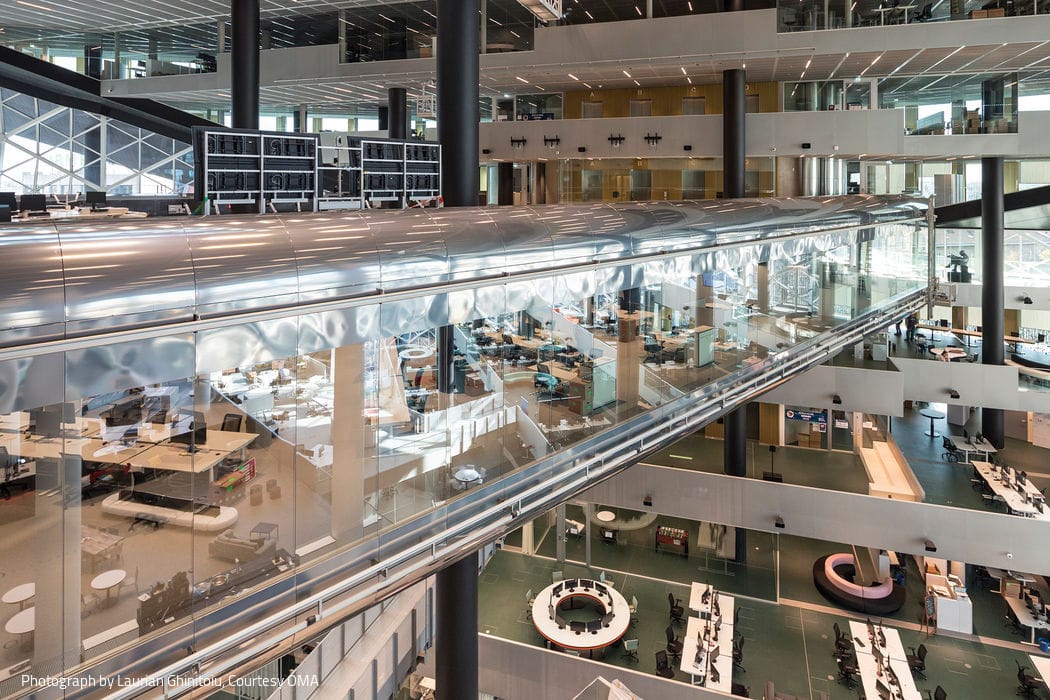
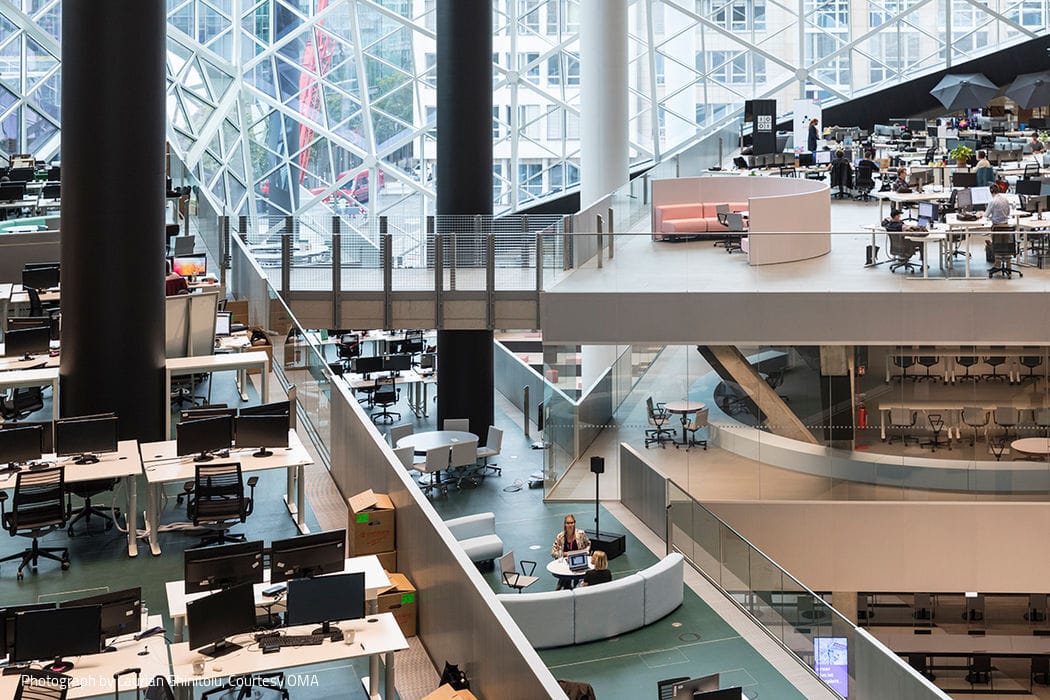
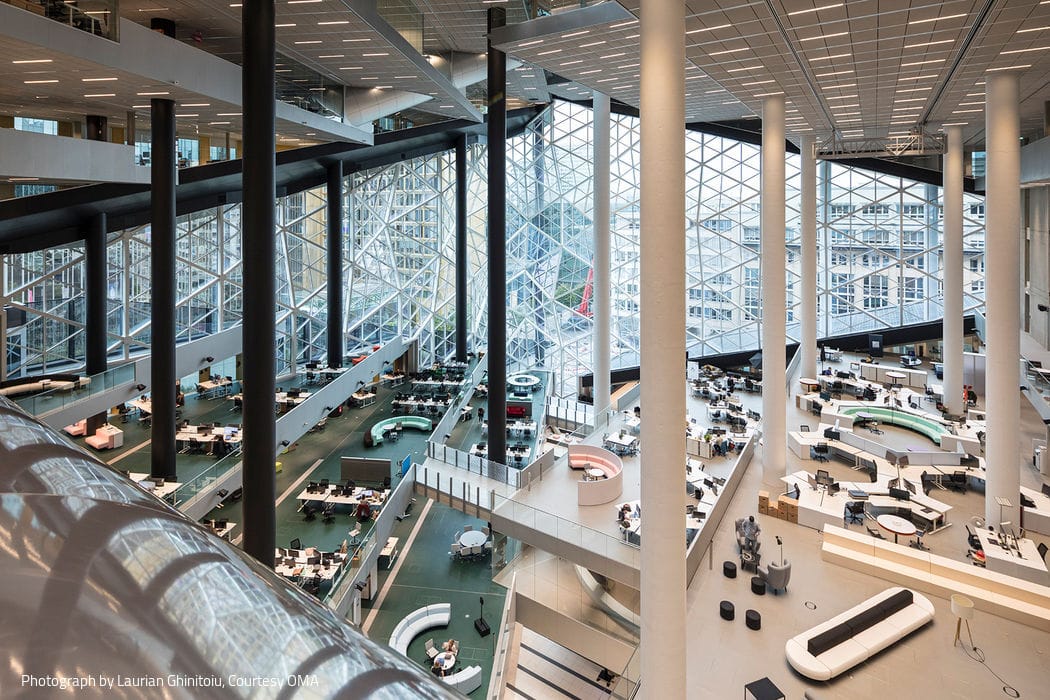
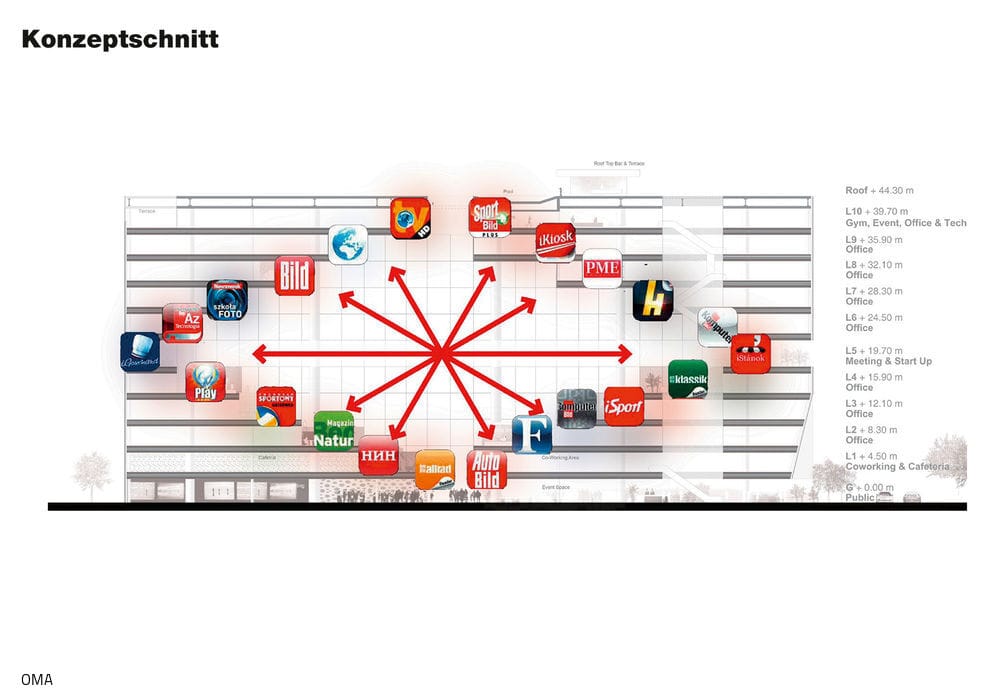
The Axel Springer publishing empire has grown into a sprawling campus along Zimmerstraße – where the Berlin Wall once divided the city. Placing the headquarters of "Freie Presse," the free press, at this symbolic location was itself a bold statement during the Cold War. When the iconic glass building rose in 1968, it became a flashpoint during student protests, condemned as a symbol of establishment power. Today, paradoxically, that same spirit of critical challenge defines the new headquarters – designed by Rem Koolhaas, the visionary leading the architectural avant-garde. His appointment to reimagine Springer's future seems almost contradictory, yet entirely fitting.
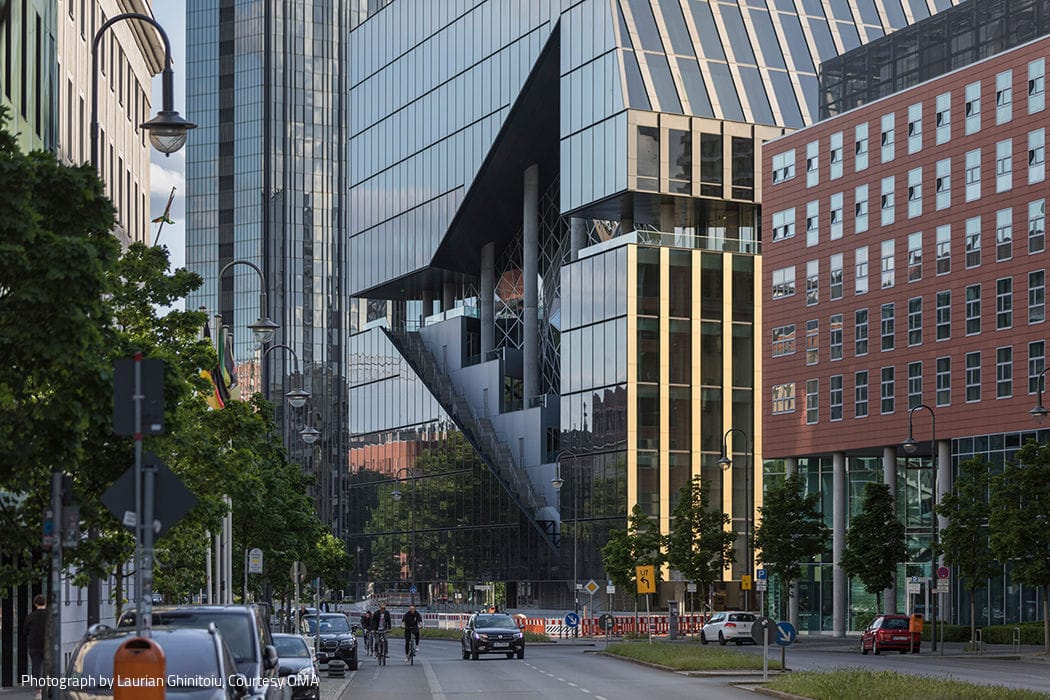
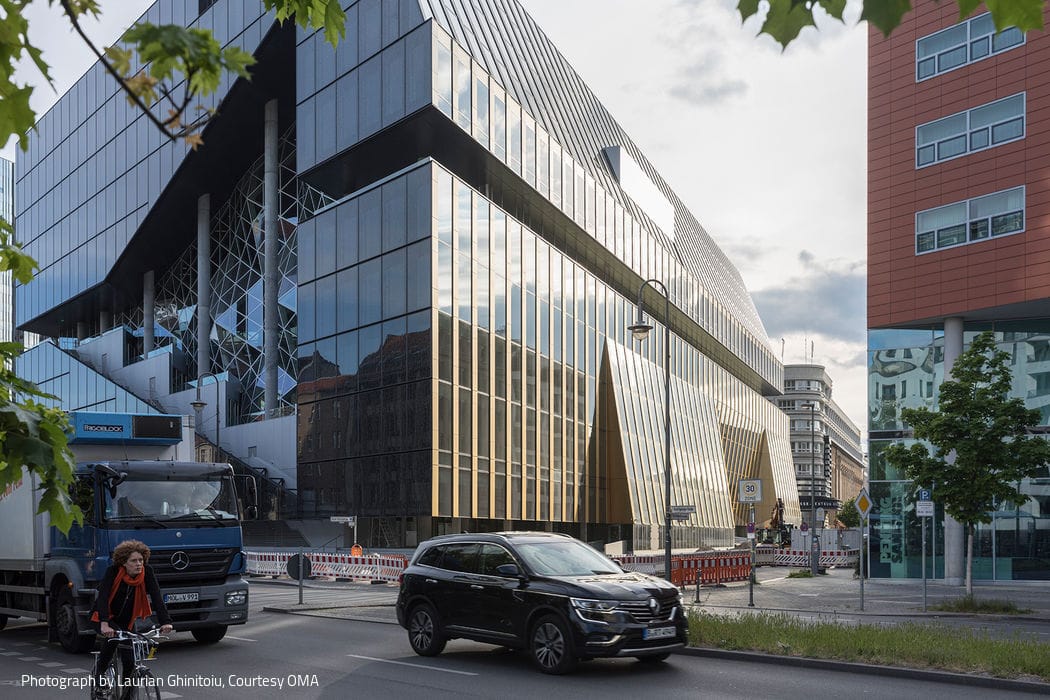
The new headquarters defies easy description – a bold form unlike anything built before. Situated on a 9,260 m² corner site at Zimmerstraße and Axel-Springer-Straße, the structure reads as a temple to the digital age. Koolhaas and his Rotterdam-based office crafted a building that translates the digital revolution into architectural language: the fundamental transformation of print media as it enters the electronic era. What makes this building extraordinary on multiple levels is how it embodies this shift both symbolically and functionally. Its sheer volume commands attention, representing Springer's media dominance. Its form symbolizes the reunification of a divided nation. Most strikingly, a massive glass core containing a soaring 42-metre atrium rises from two darker structural wings – as if the radiant future of media were breaking through. True to form, Koolhaas layered in critical commentary alongside functionality, creating an undeniable masterpiece. The organizational logic is elegant: editorial departments' offices are arranged in terraced tiers around the central atrium in a diamond pattern, transforming isolated desk work into collaborative coworking. That towering atrium – seemingly wasteful space – is actually the building's vital core: newsroom, event venue, meeting hub, public galleries, restaurant, lobby, and gateway to the rooftop terrace. Every element serves the vision of breaking down silos and opening the newsroom to the city.
Photograph by Laurian Ghinitoiu, courtesy of OMA
(Featured in CUBE Berlin 04|20)
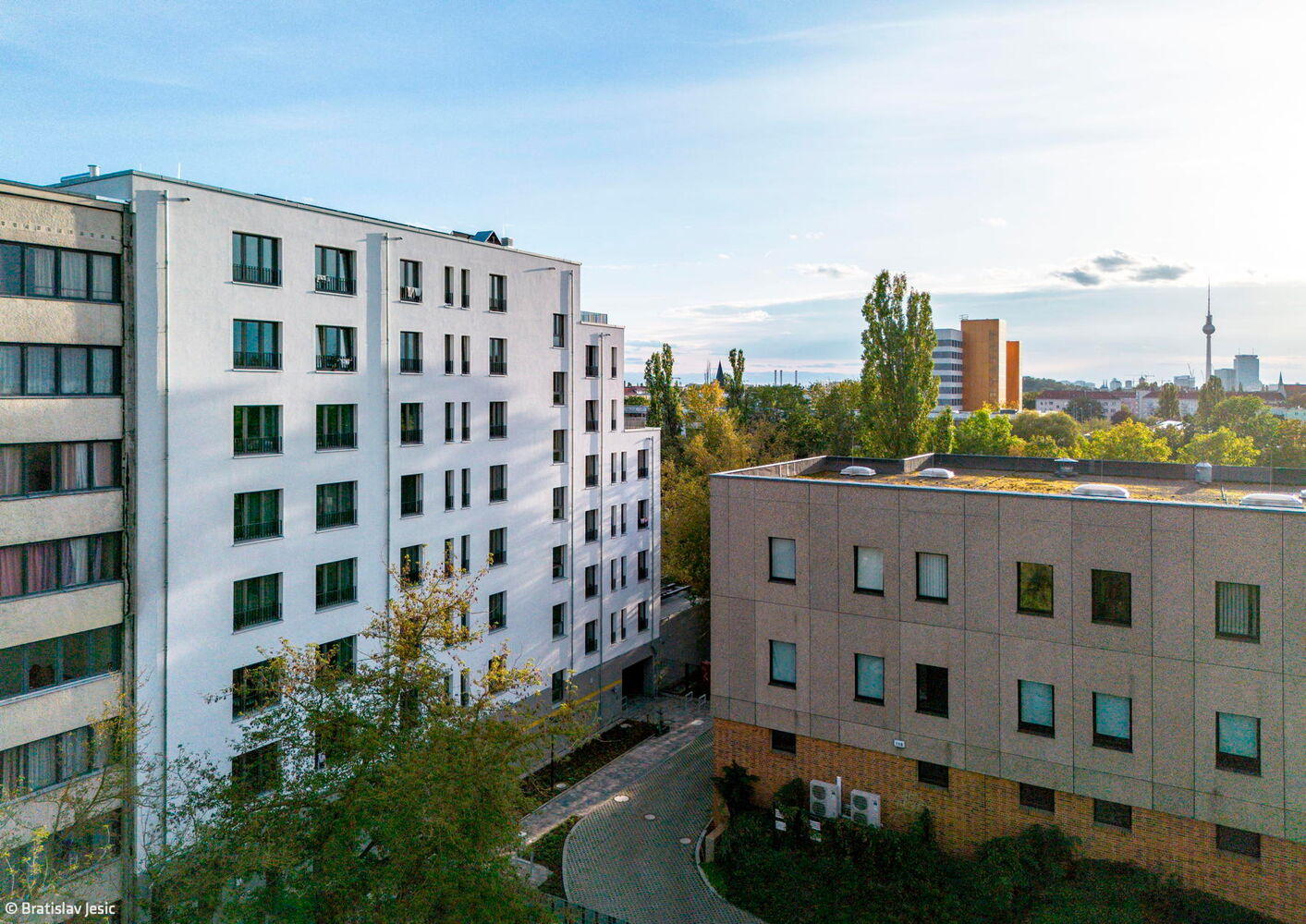
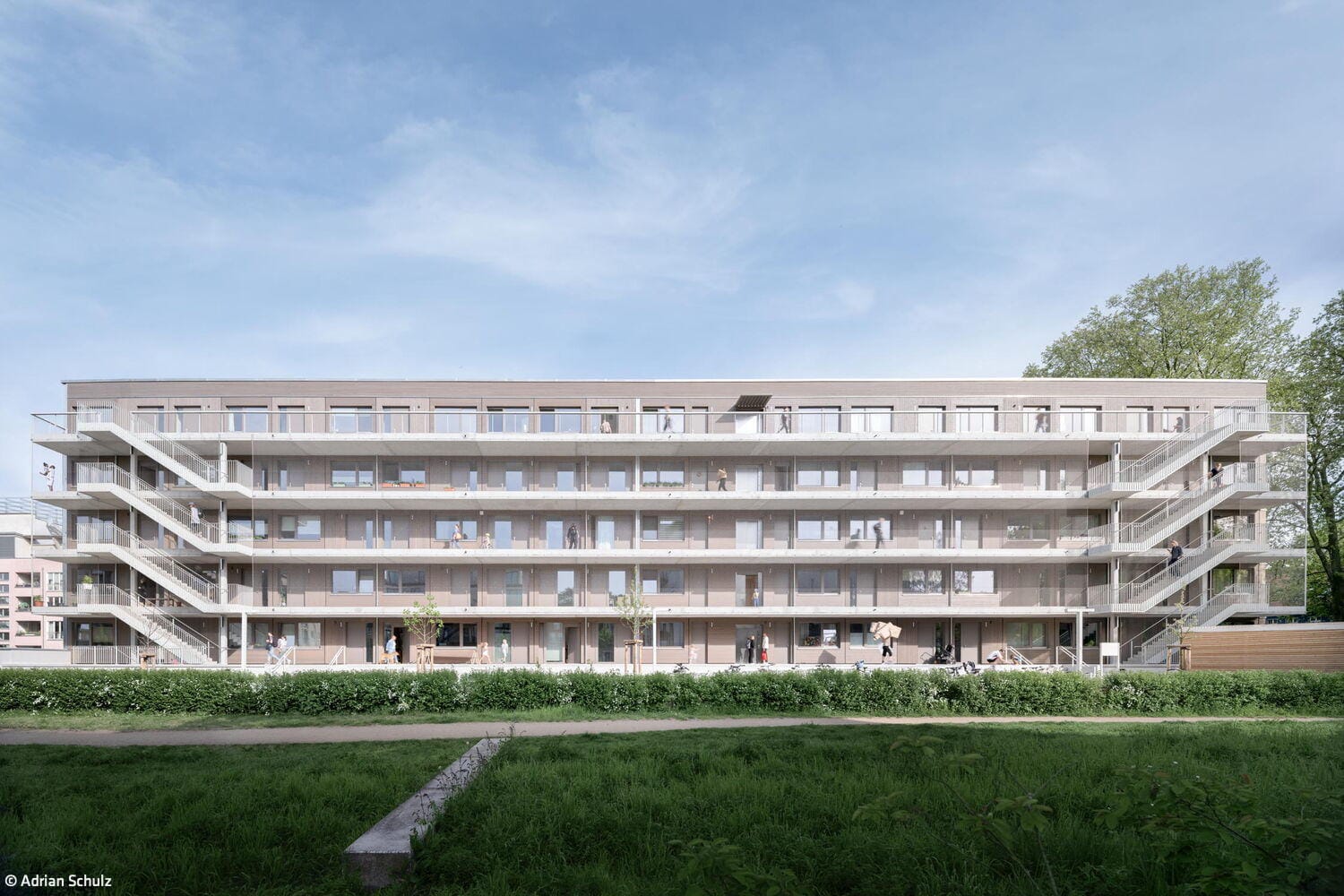
Living on the Peninsula
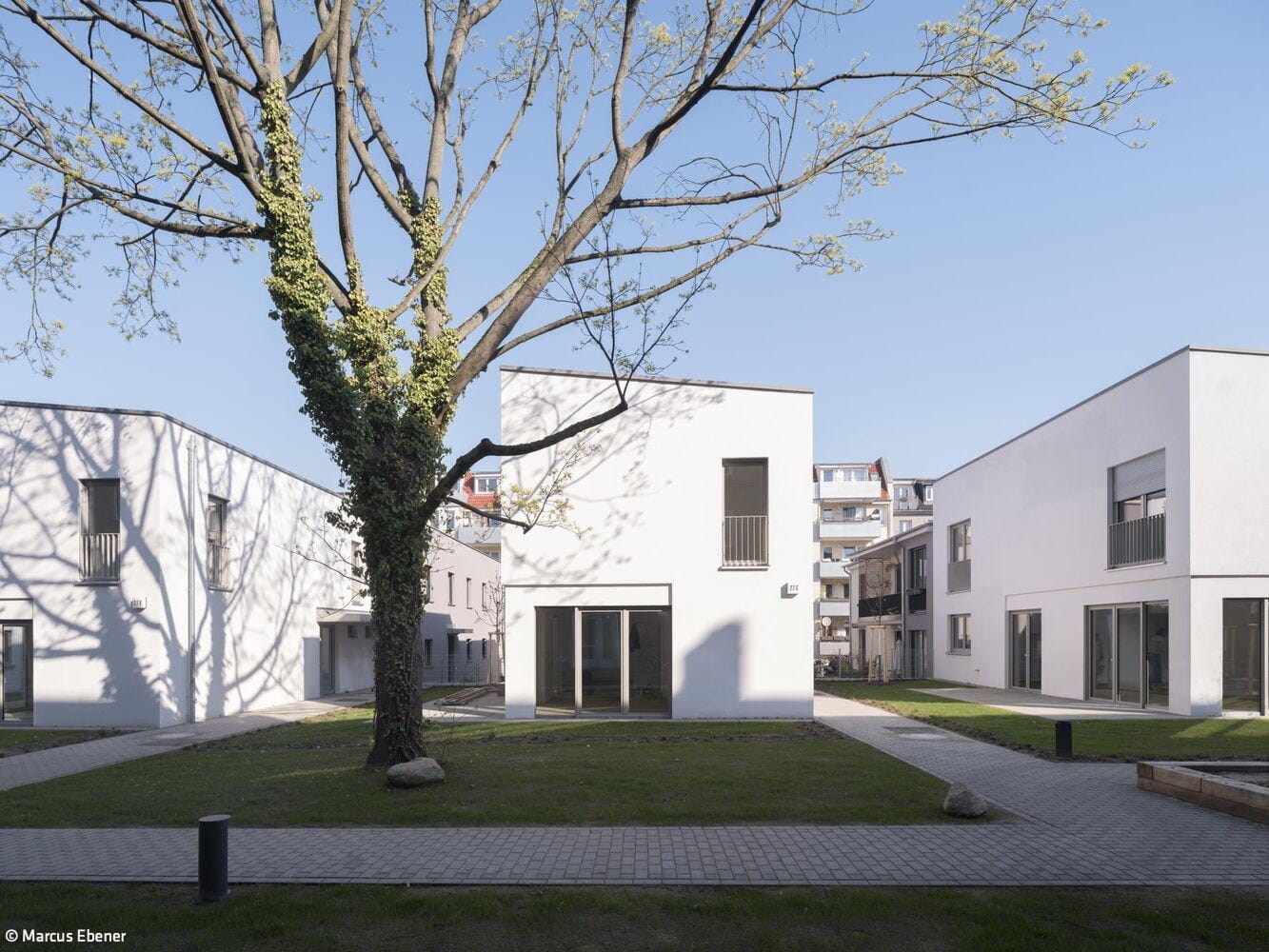
Sustainable Architecture Reimagines Community

Luxury Liner on the Spree
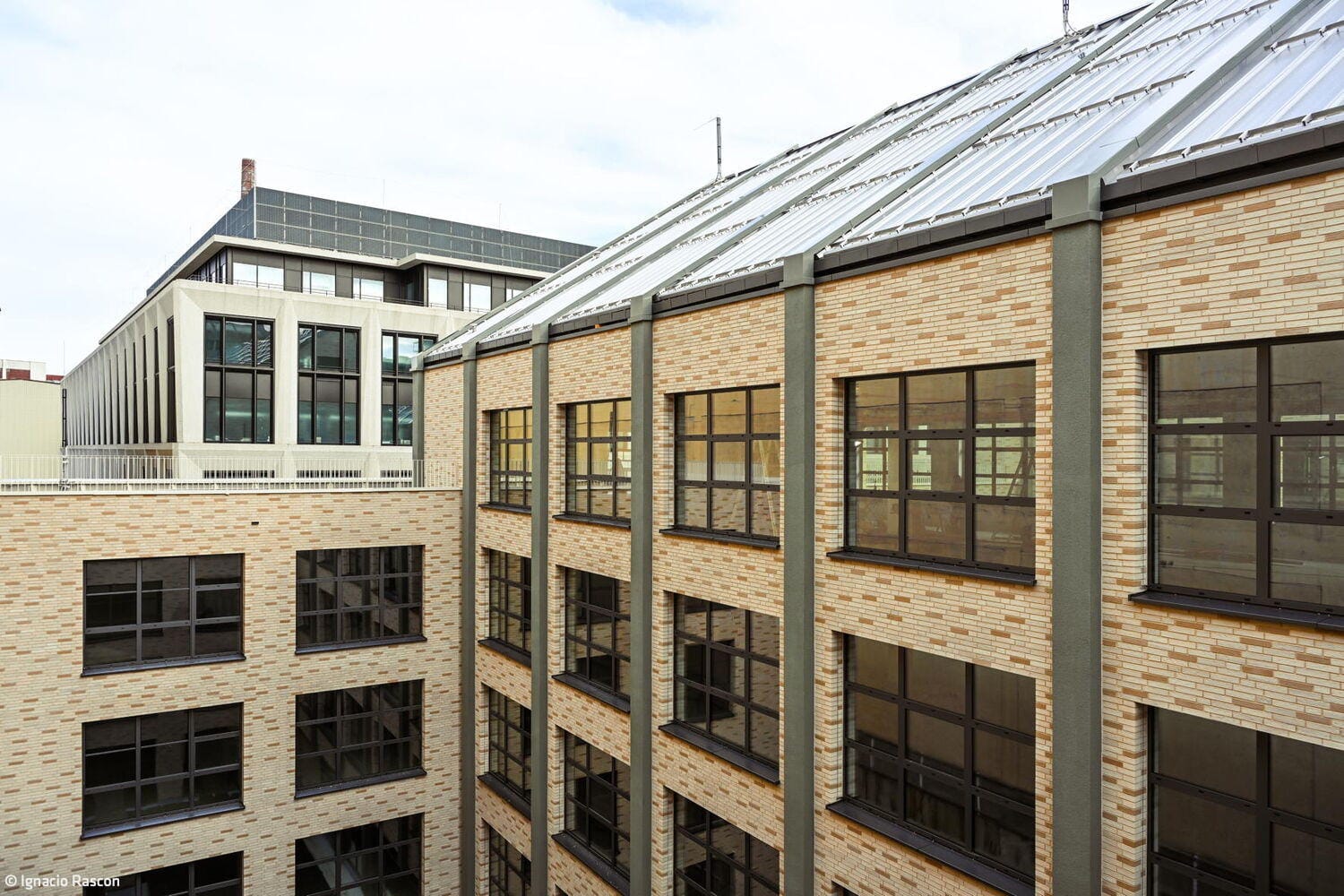
"Dockyard" – A visionary office building in Friedrichshain
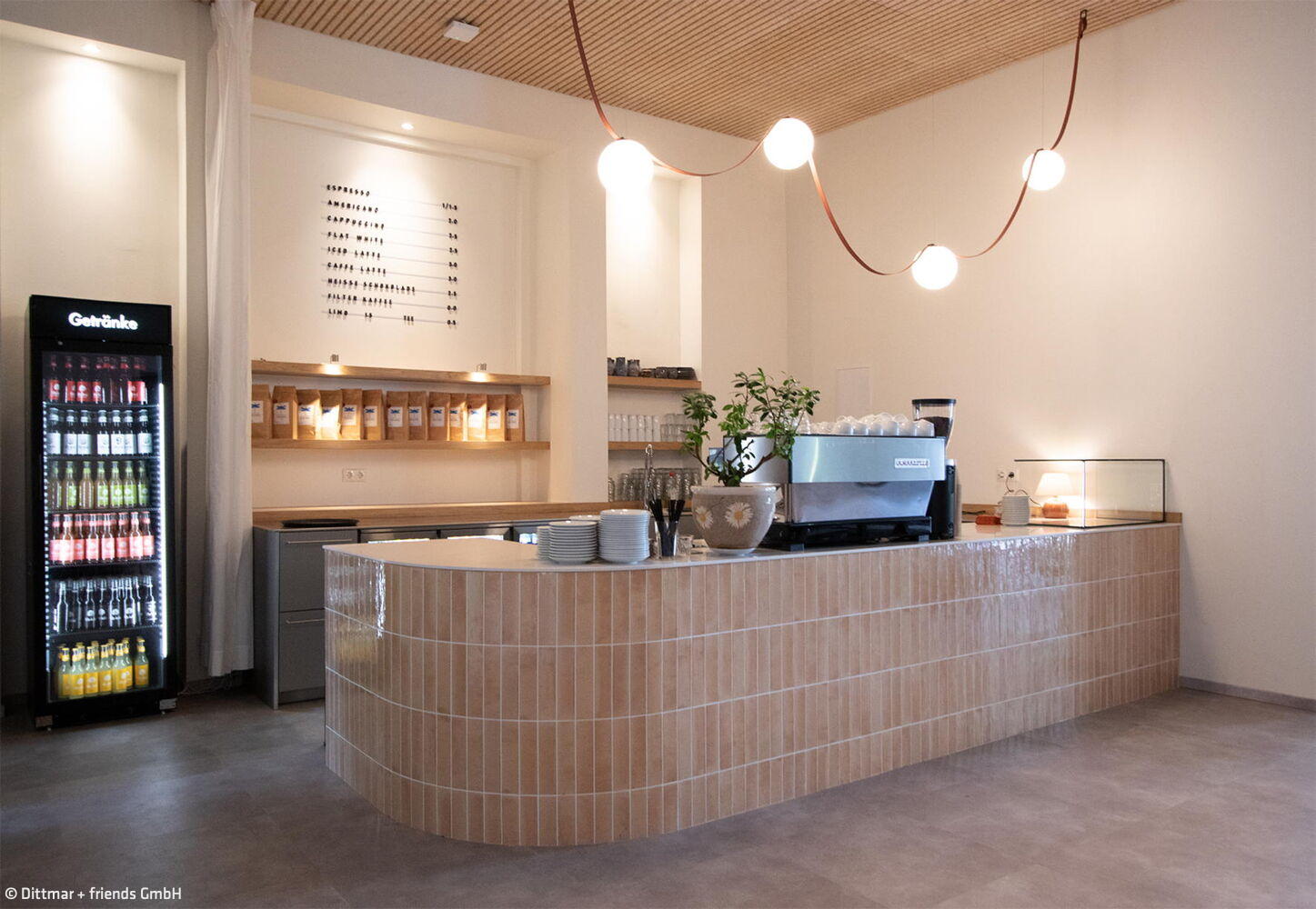
Bright, Modern and Dynamic
Café Lukasgemeinde – Where Design and Community Connect Effortlessly
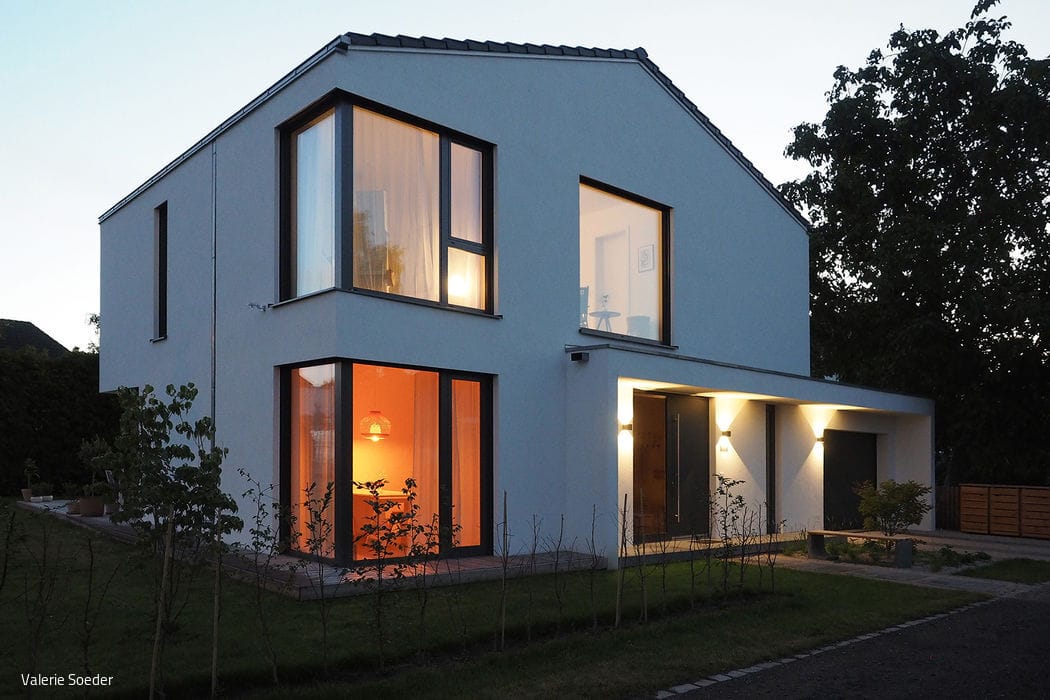
Maxima City House
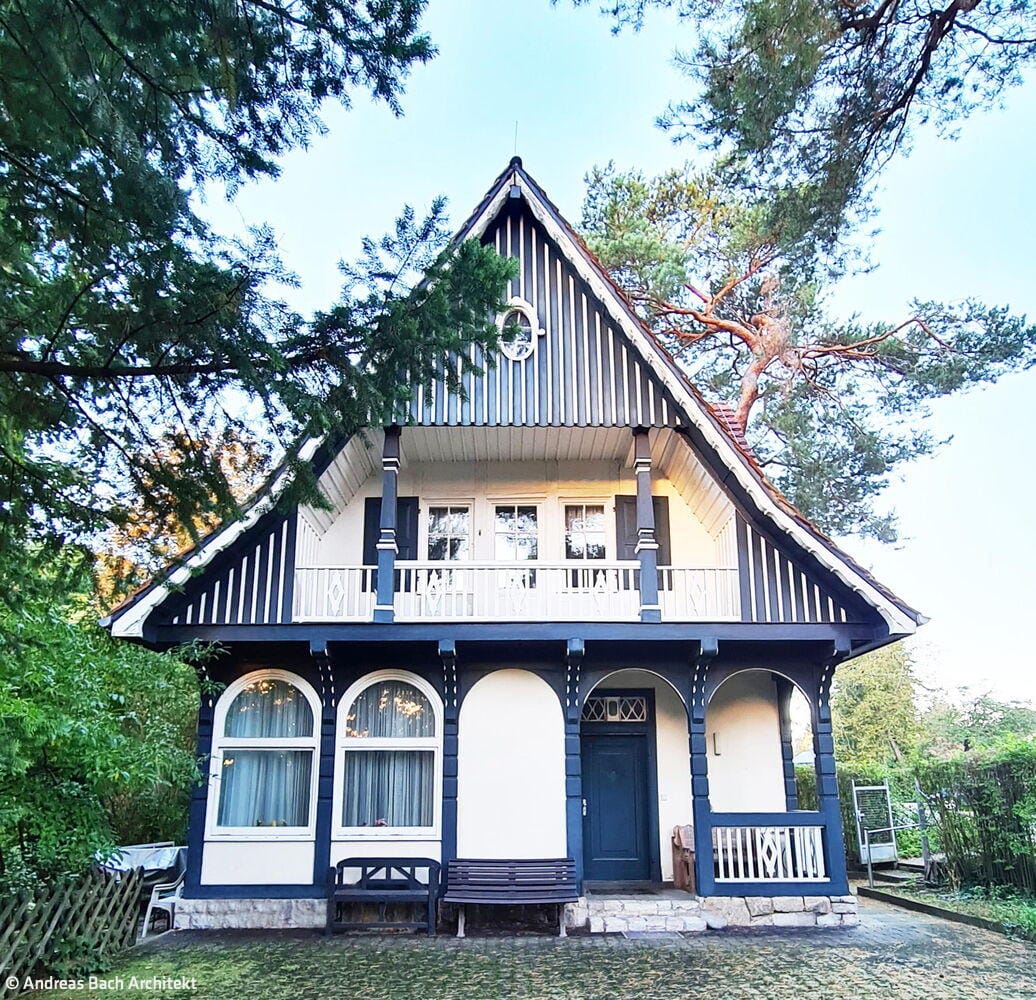
Understated Elegance – A Contemporary Cube with Classical Roots