


Open to Light
A 1960s bungalow transformed – radical openness inside and out
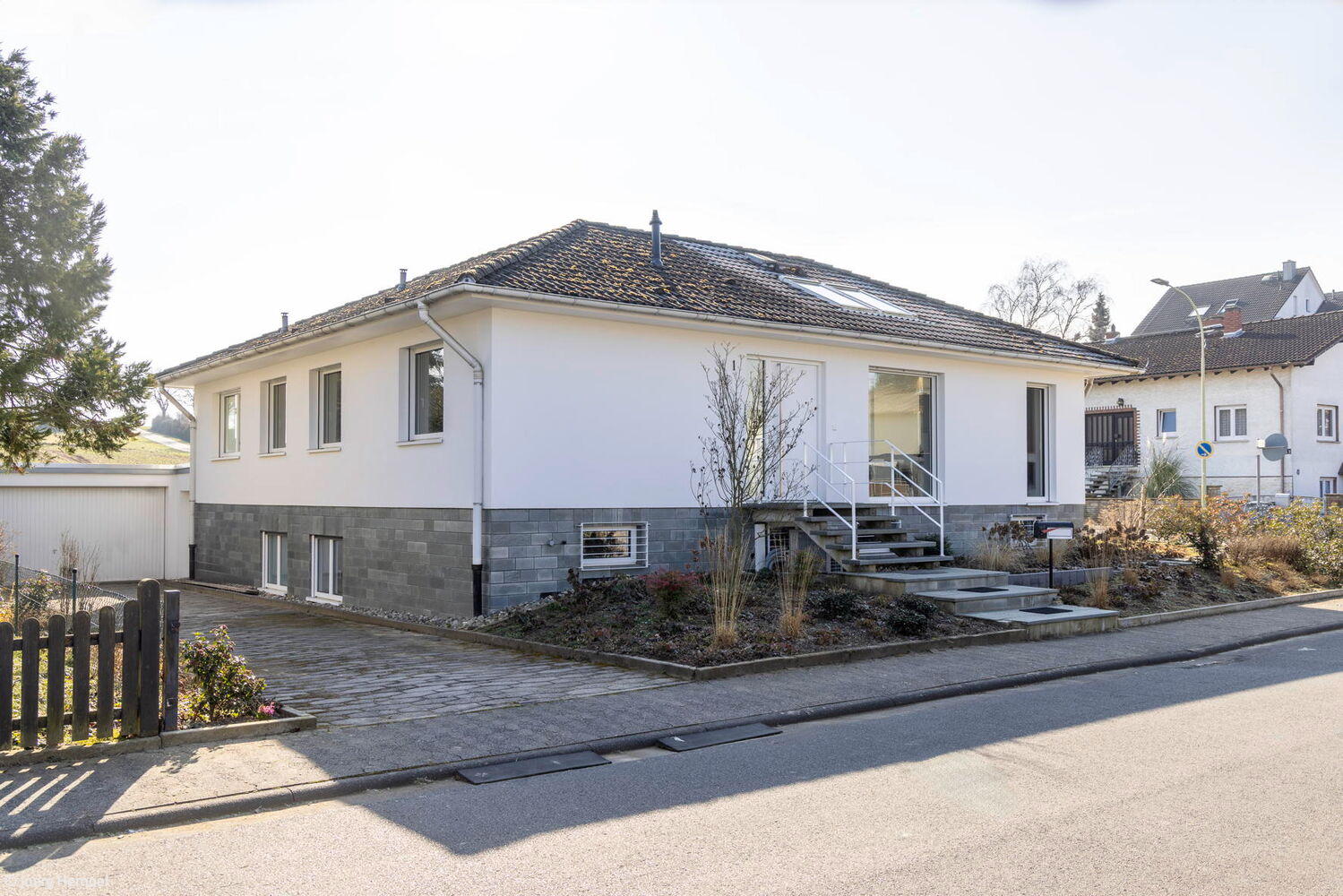
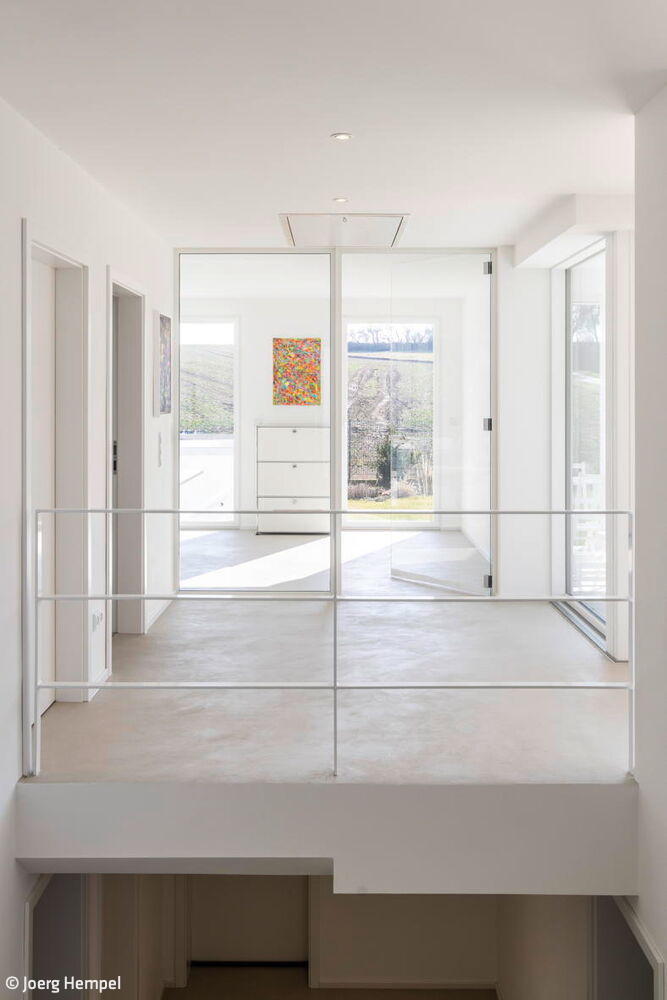
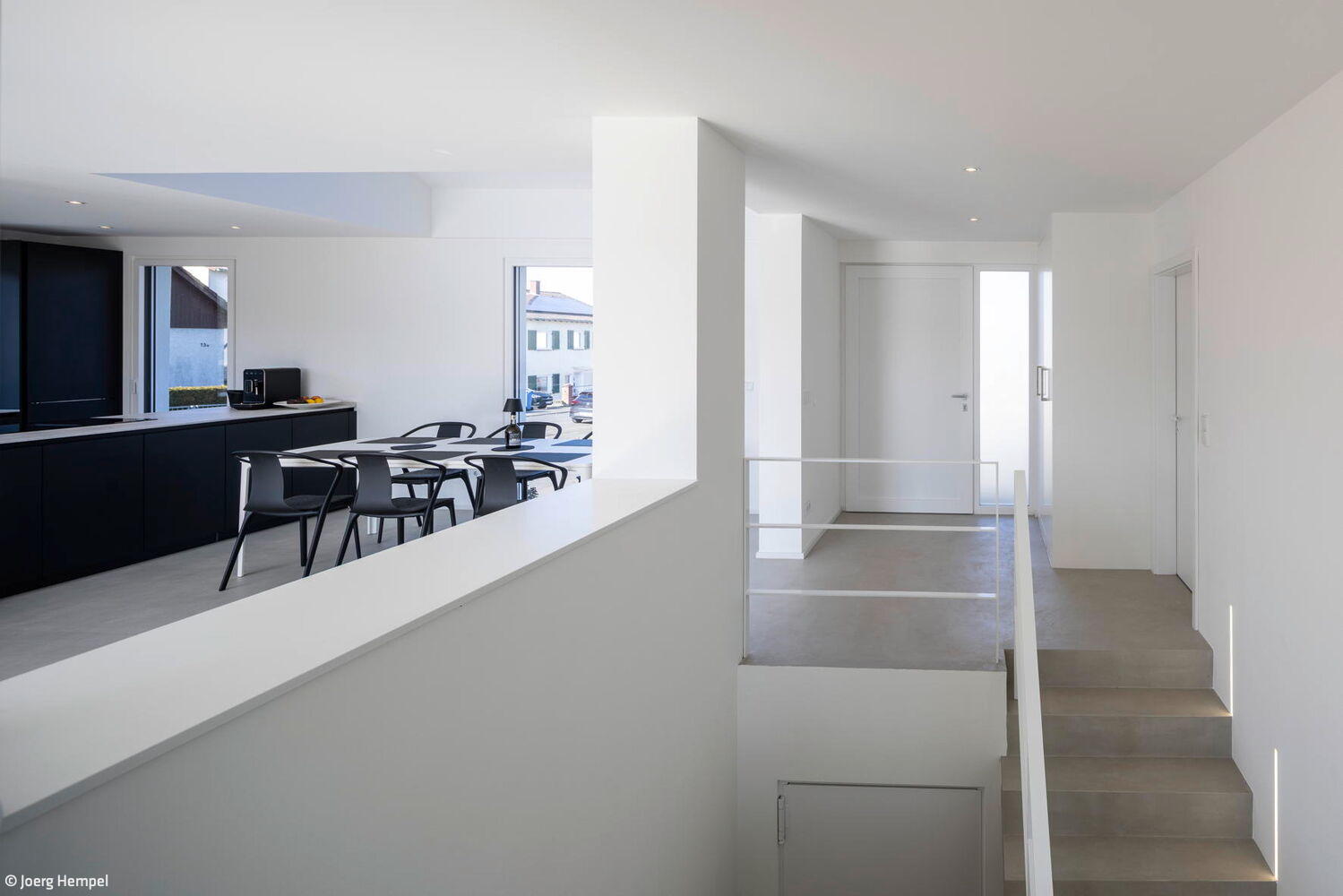
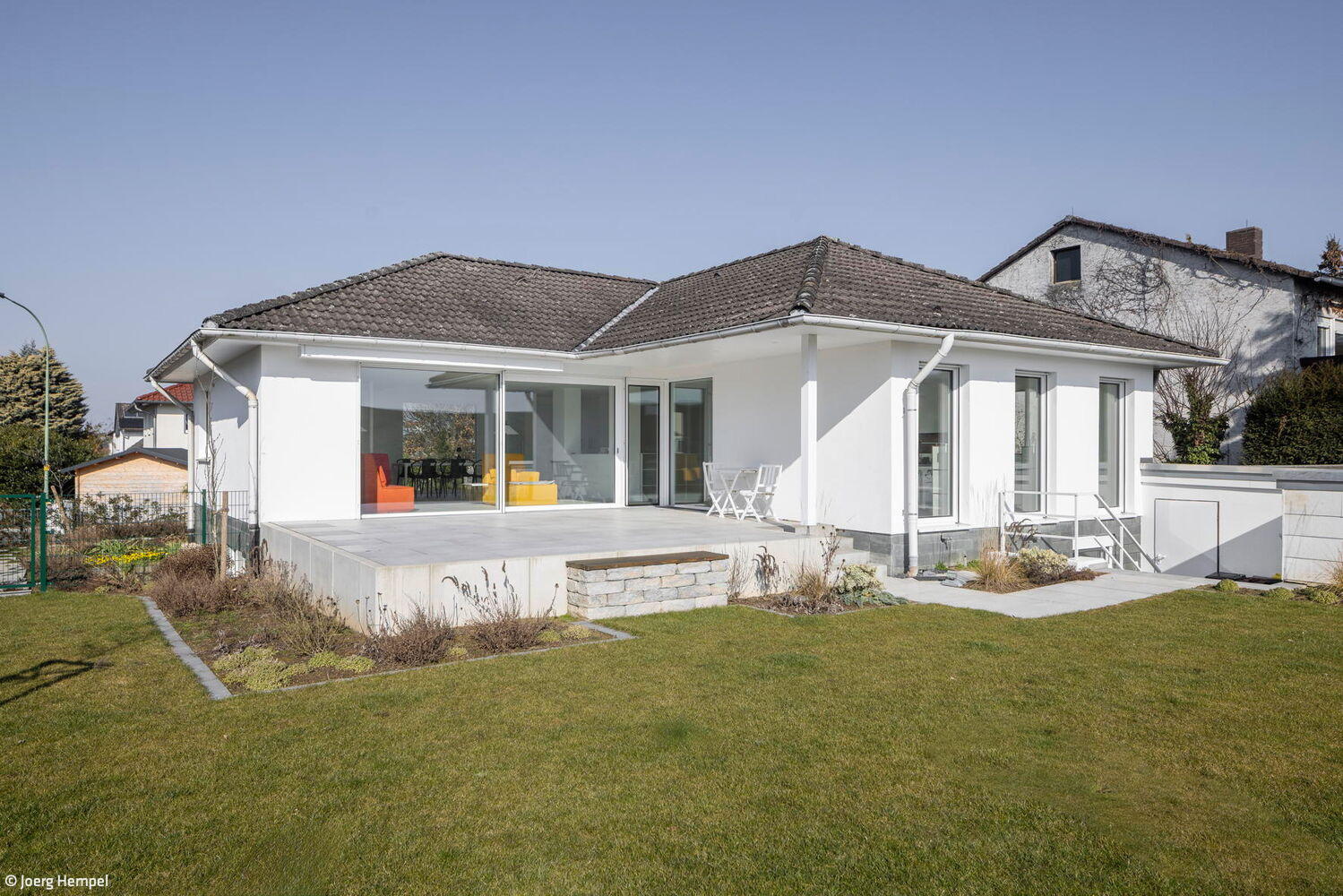
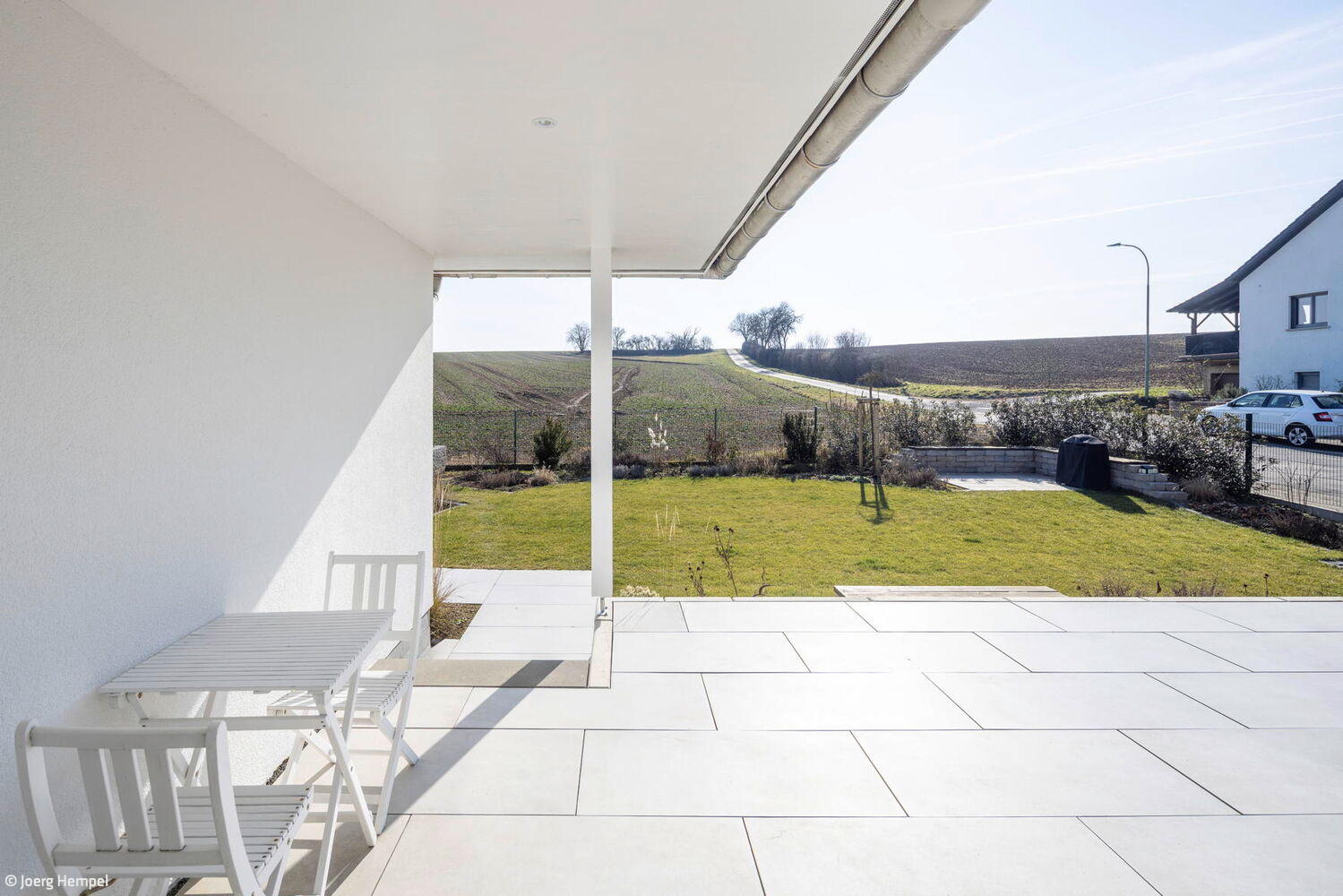
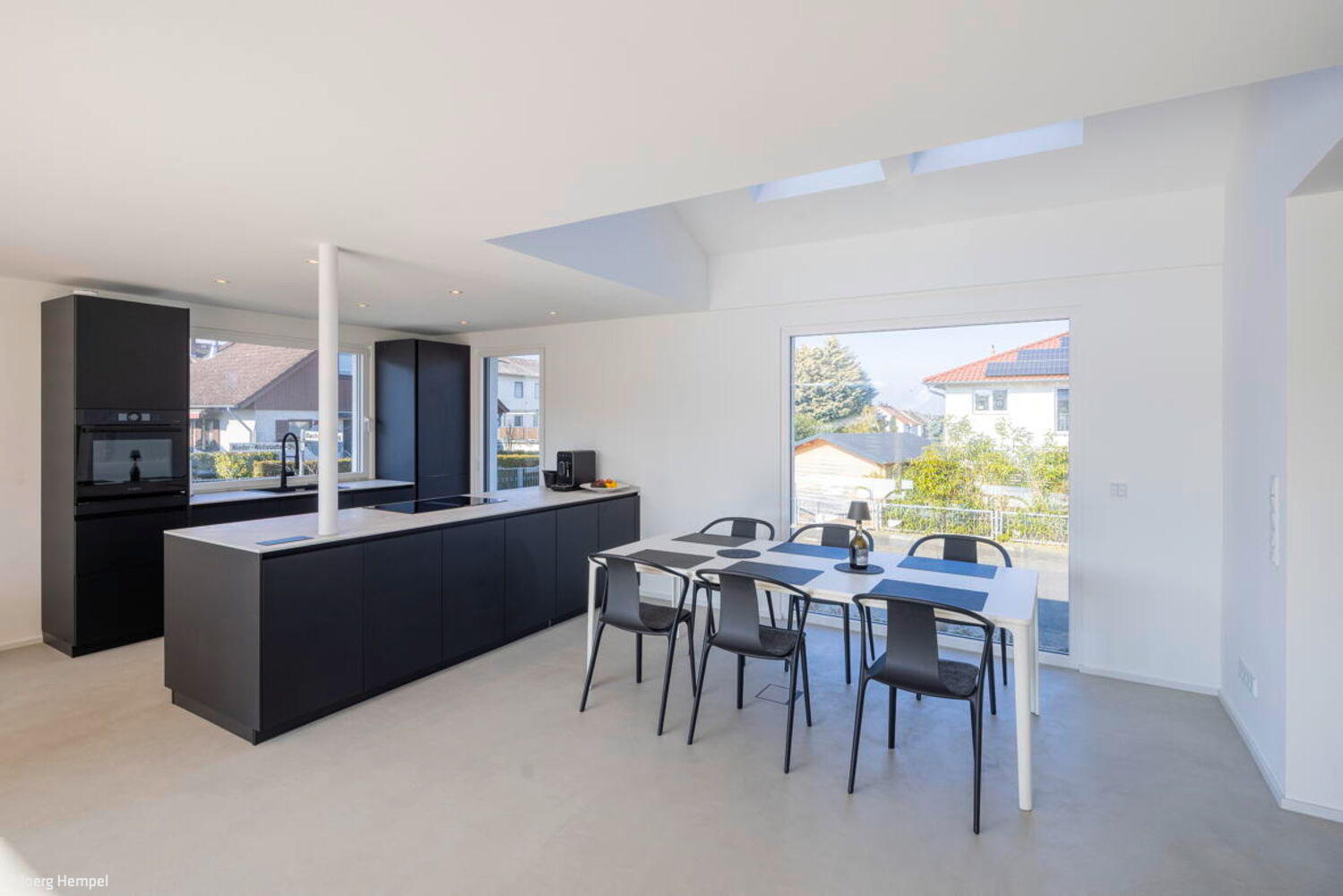
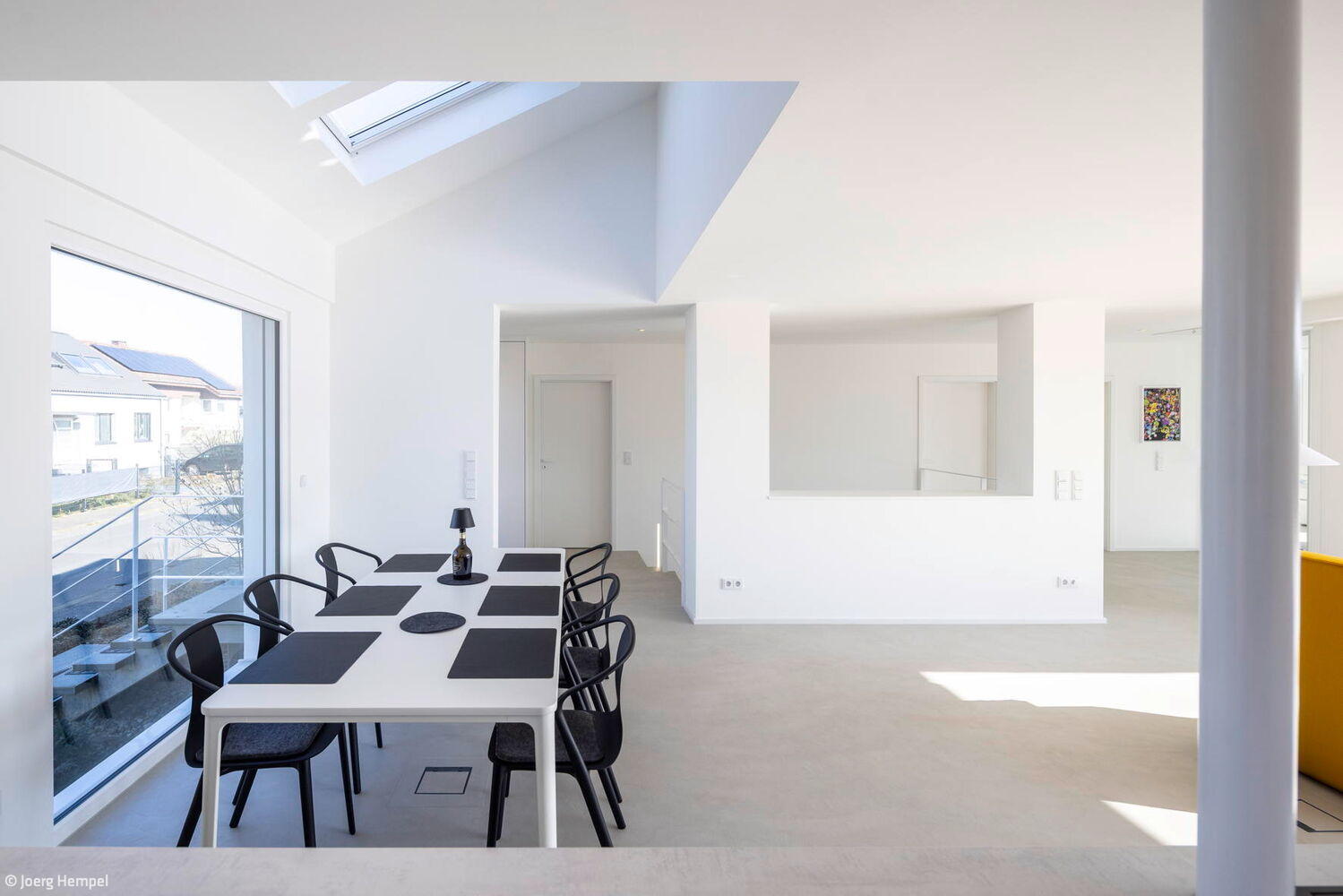
One glance tells the story: where walls once stood in the way, light now streams through an open, fluid spatial sequence. This renovated 1960s home has shed its cramped confines – and with them, the disconnect from its own garden. The task assigned to Friedberg-based Müller+Kölsch Architekten was deceptively simple yet boldly ambitious: open up all interior spaces, flood them with light, and create absolute clarity. Remove internal boundaries. Make the transition to the outdoors seamless. Achieving this demanded both vision and structural innovation. For the architects, this was as much a construction puzzle as it was a design challenge: load-bearing walls on the ground floor had to be removed to establish a generous flow of interconnected rooms.
The original ceiling structure presented an unexpected advantage: it was engineered as a two-span beam – uncommon for residential buildings of that era. The solution called for surgical precision: two double-T beams were installed and anchored through over 20 strategically placed holes, extending to the outer wall and a remaining steel support in the kitchen. The result: a luminous ground floor that opens sightlines without sacrificing structural integrity. Transparency became the design's guiding principle – horizontally and vertically. The ground floor and basement transformed from separate zones into one cohesive experience. An open connection now draws daylight down to the lower level, where the private parents' quarters and home cinema reside. Simultaneously, the ground floor dissolves outward through expansive façade openings to the newly landscaped garden. Inside and outside are no longer distinct worlds – they're woven into one continuous living environment.
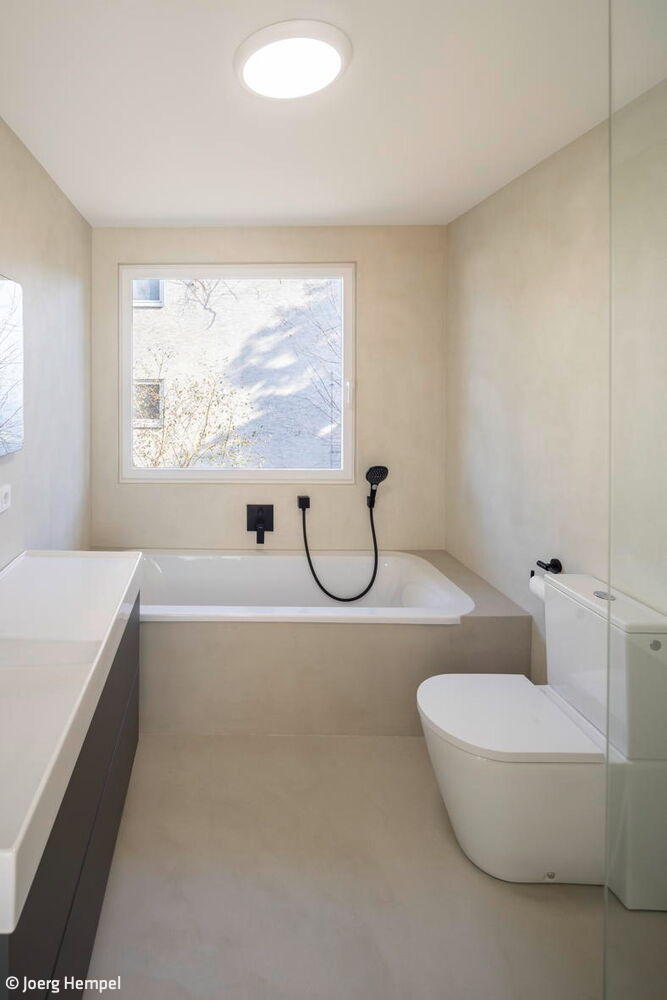
Material and tactile qualities reinforce this vision. Floors, walls, and even bathtub edges feature seamless mineral finishes. This unbroken surface cultivates a sense of calm and clarity, directing attention to space, light, and views rather than ornamental details. In the bathrooms, this philosophy extends to flush-mounted showers – consistent, stripped back, enduring. After 18 months of construction, the house is entirely transformed. Müller+Kölsch Architekten didn't simply modernize a 1960s structure – they gave it a new spirit: one that feels light, transparent, and deeply connected to itself and the world around it.
Photography:
Jörg Hempel
www.joerg-hempel.com
(Featured in CUBE Frankfurt 03|25)


Contrasts in Harmony
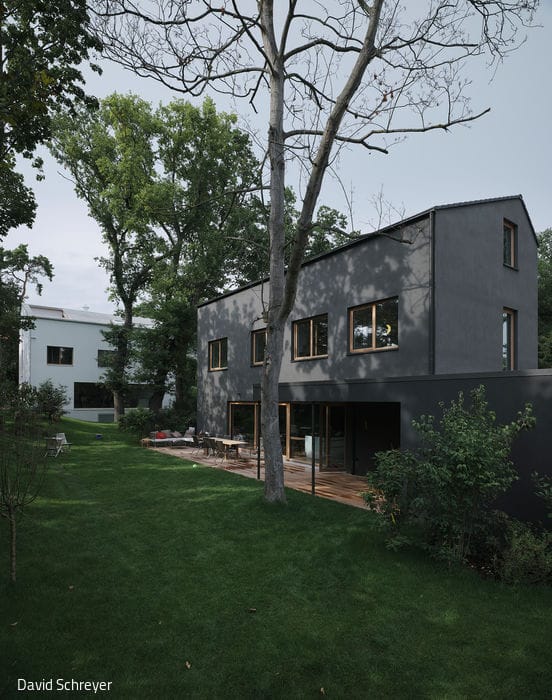
Set within lush surroundings, two residential homes create a striking architectural dialogue.
Creative Impulses
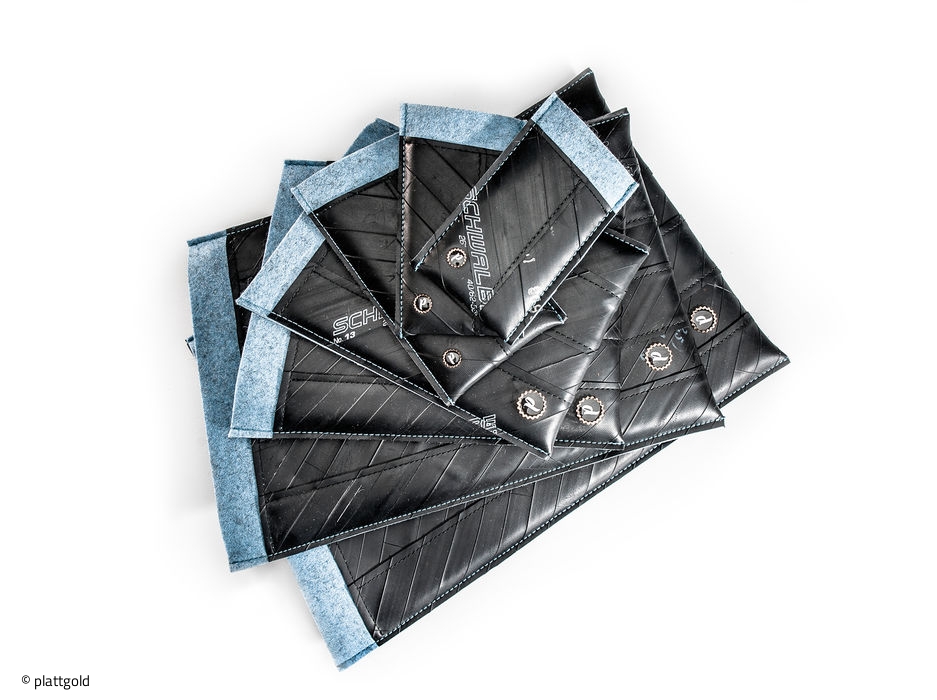
In designing and developing his products—which are invariably commissioned—he considers not only the specific needs of each user,...
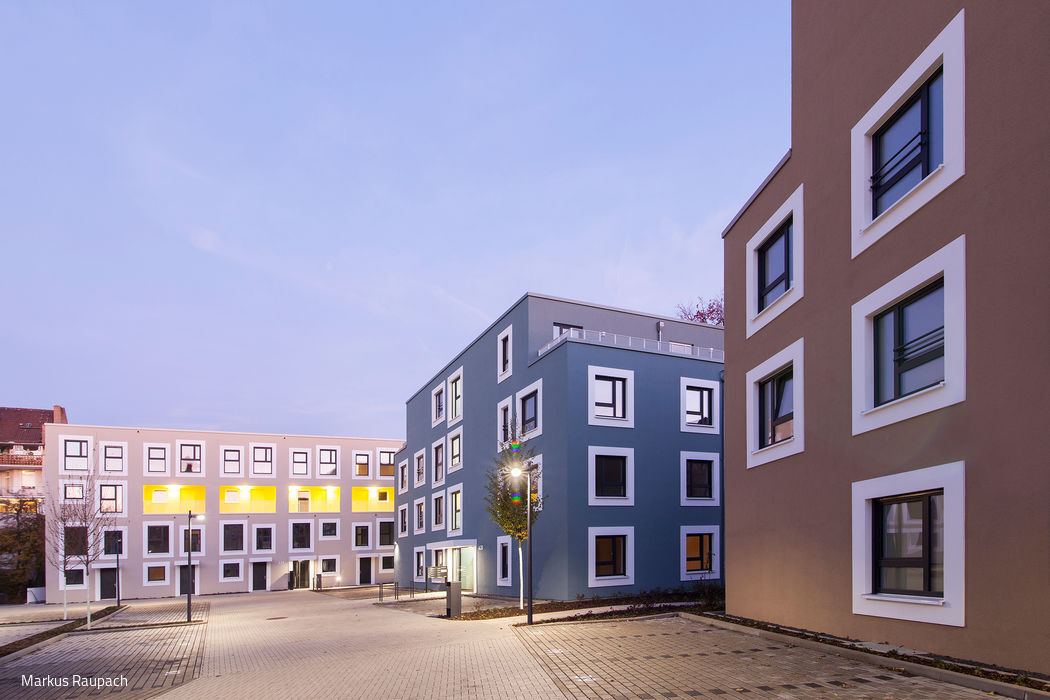
Bold in Colour with Faschen
Smart Redensification: 70 Apartments Rise on a Forgotten Site

Protection and Openness
Exposed concrete walls unite purism, generous proportions, and superior insulation in a contemporary villa.