


Learning Should Be Fun
Expansion and Restructuring of Augustenfeld Primary School in Dachau
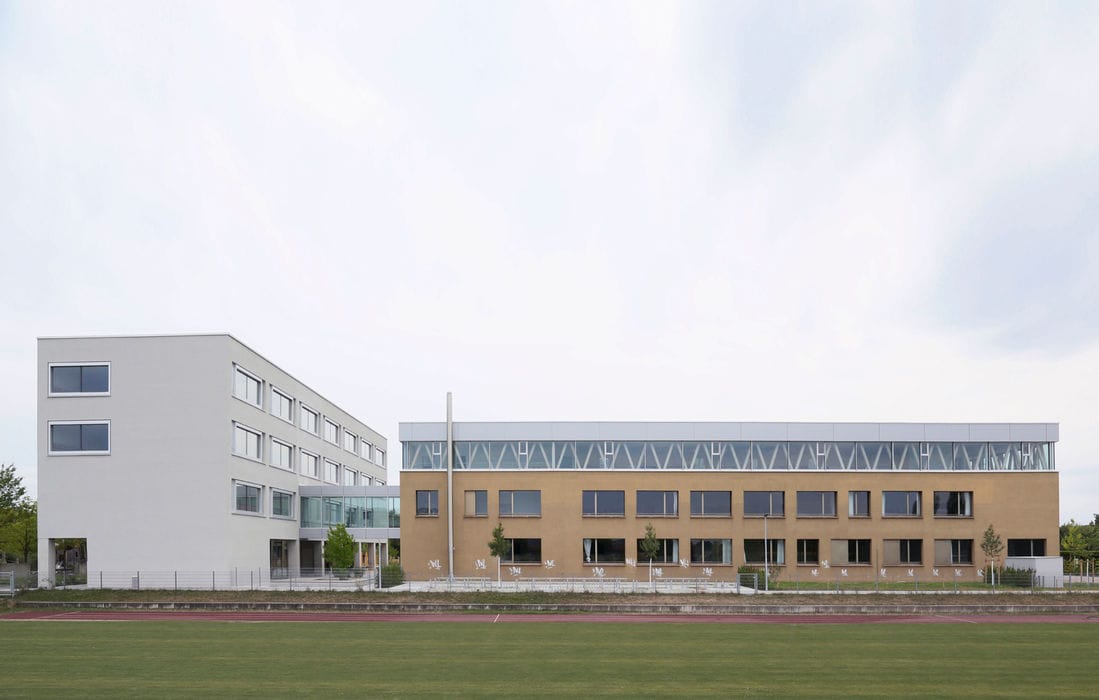
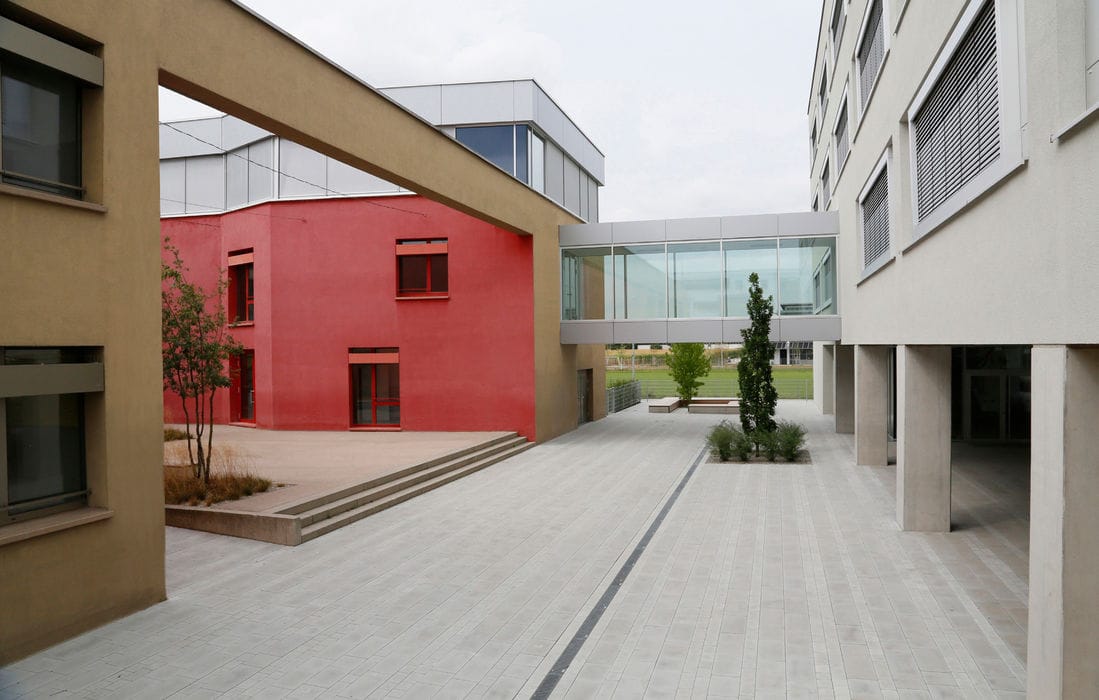
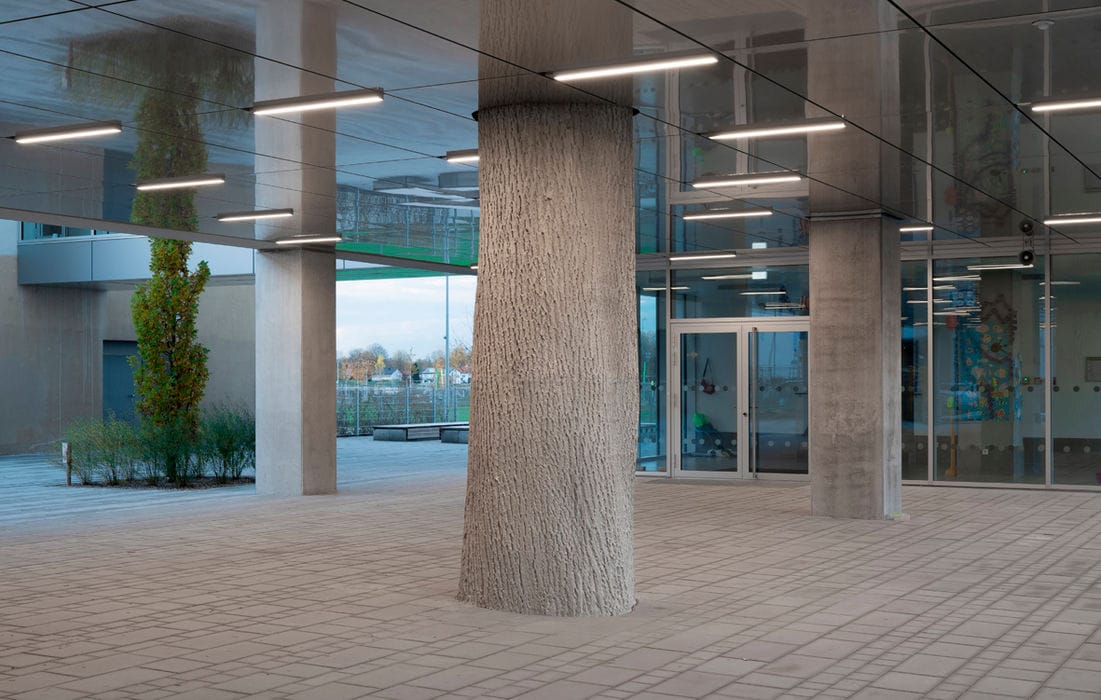
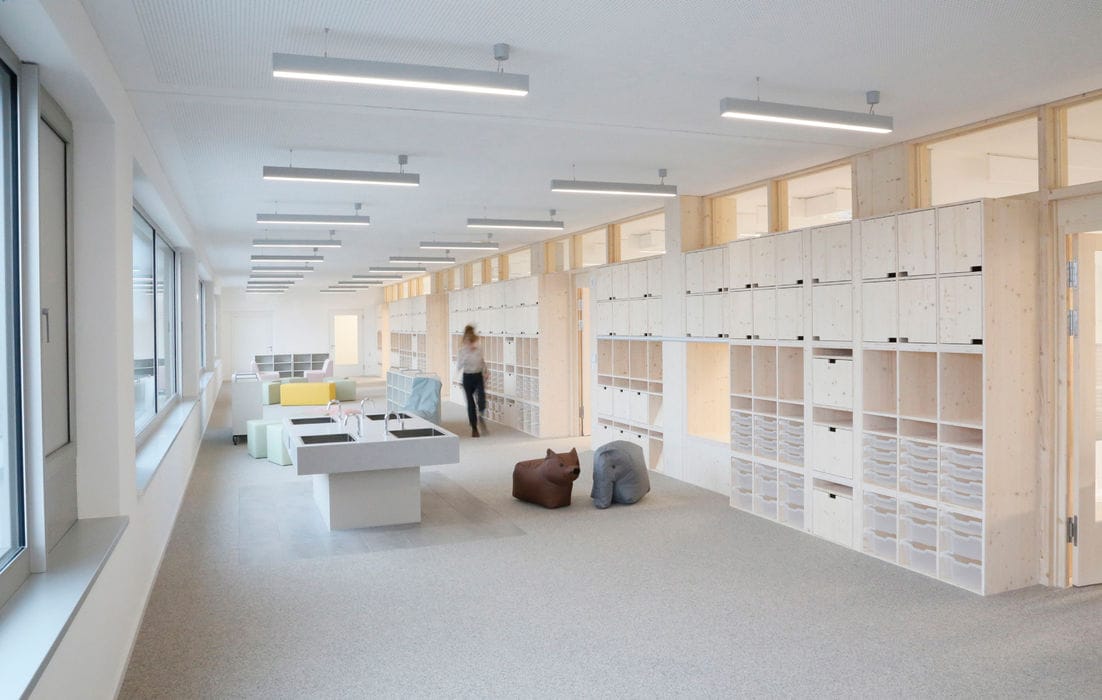
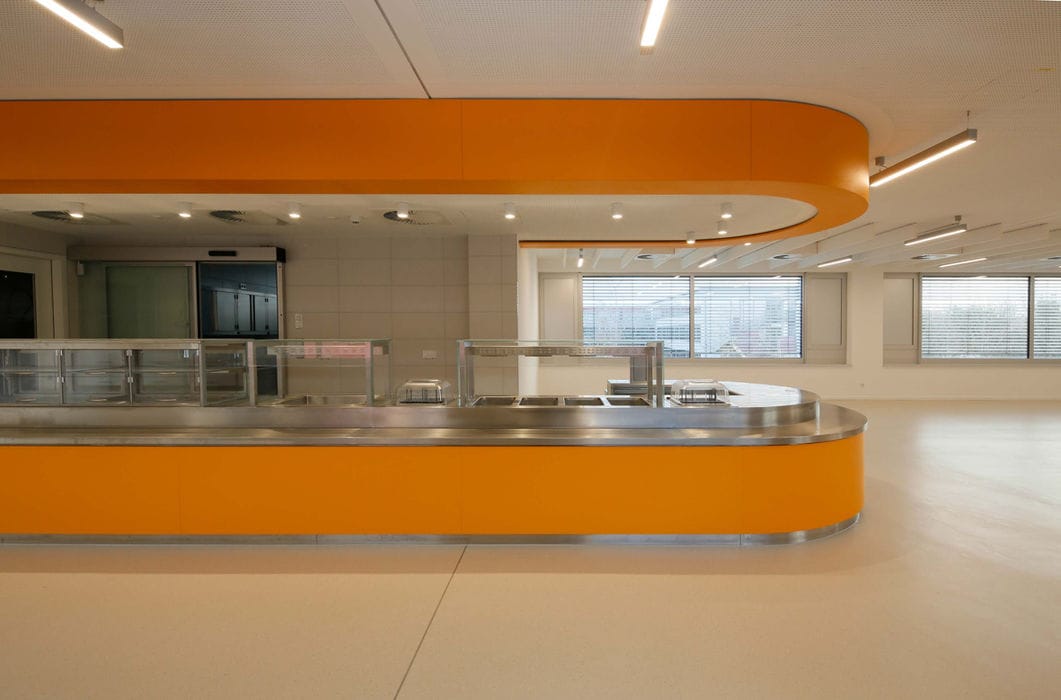
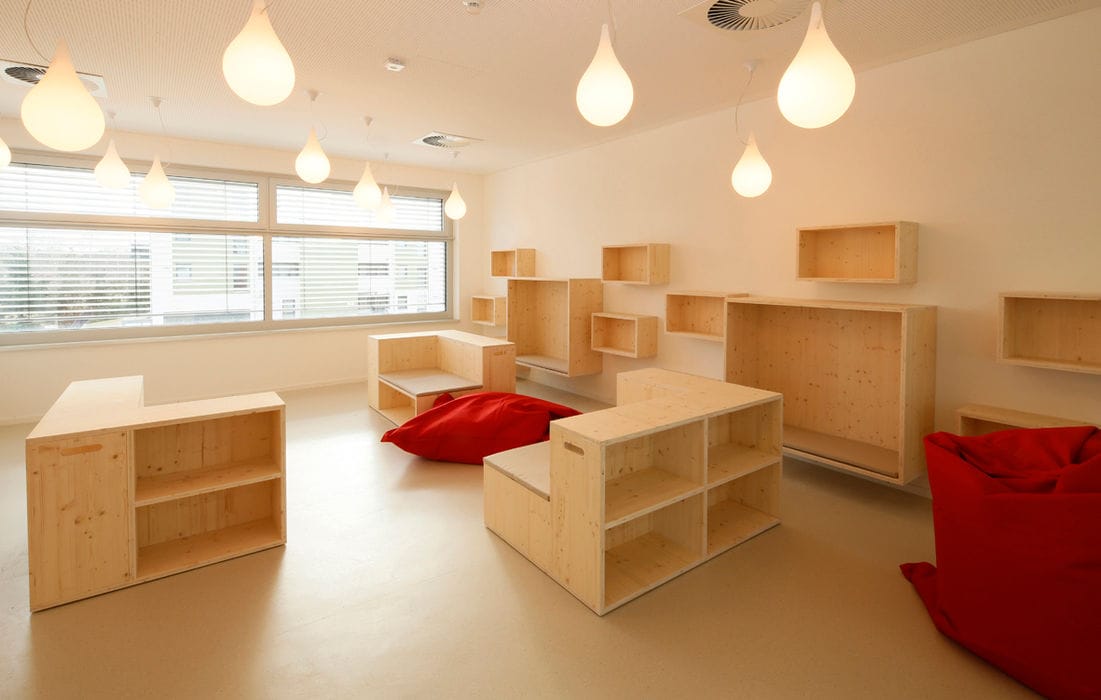
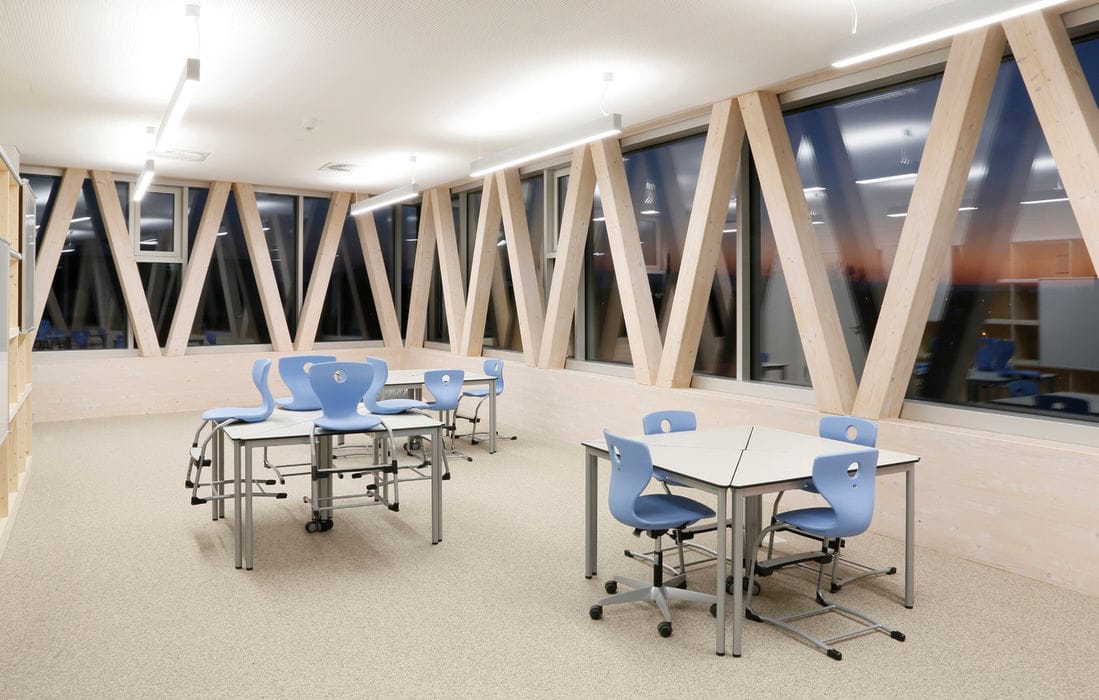
While many schools face declining enrollment, Augustenfeld Primary School in Dachau faced the opposite challenge: a complete restructuring and expansion to accommodate 100 additional students, plus 75 more spaces for after-school care and midday supervision. The school also needed to transition from traditional operations to an all-day educational model.
Traditional classrooms are out. Today's students learn in "learning clusters"—groups of three to four classes arranged around an expanded corridor called the "marketplace," which is enhanced with dedicated pedagogical activity zones. dv – Architects from Dachau achieved this through strategic expansion buildings. Multifunctional wall units separate each classroom from the marketplace, while continuous skylight glazing and glass-fronted seating alcoves create visual transparency and connection between spaces. Each cluster is further supported by breakout rooms, team spaces, cloakrooms, and restrooms. The all-day program demands a full-service cafeteria capable of serving 500 students in two lunch seatings, requiring a kitchen equipped for both meal reheating and full food production.
The existing building was reimagined to transform its wide corridors into vibrant "marketplaces." Former classrooms were converted into team rooms, while existing group spaces became differentiation areas. A lightweight timber-frame addition was constructed above—both for structural efficiency and to house the after-school care and midday supervision programs.
The new four-story extension rises on the eastern side of the campus, connecting to the existing school building via a first-floor bridge. Measuring 54 by 14 meters, the structure employs a column grid system with 7.5-meter spacing along its length and 6–7 meter spacing across its width. The ground floor opens entirely to the outdoors, providing a covered break and play area. The first floor houses the canteen, which extends beyond its dining function to include an adjacent reading room—a welcoming space for students. A teaching kitchen for collaborative cooking is integrated directly into the dining hall. The two upper floors contain classrooms organized according to the learning cluster pedagogical model described above.
Photography:
dv architects
(Published in CUBE Munich 01|24)


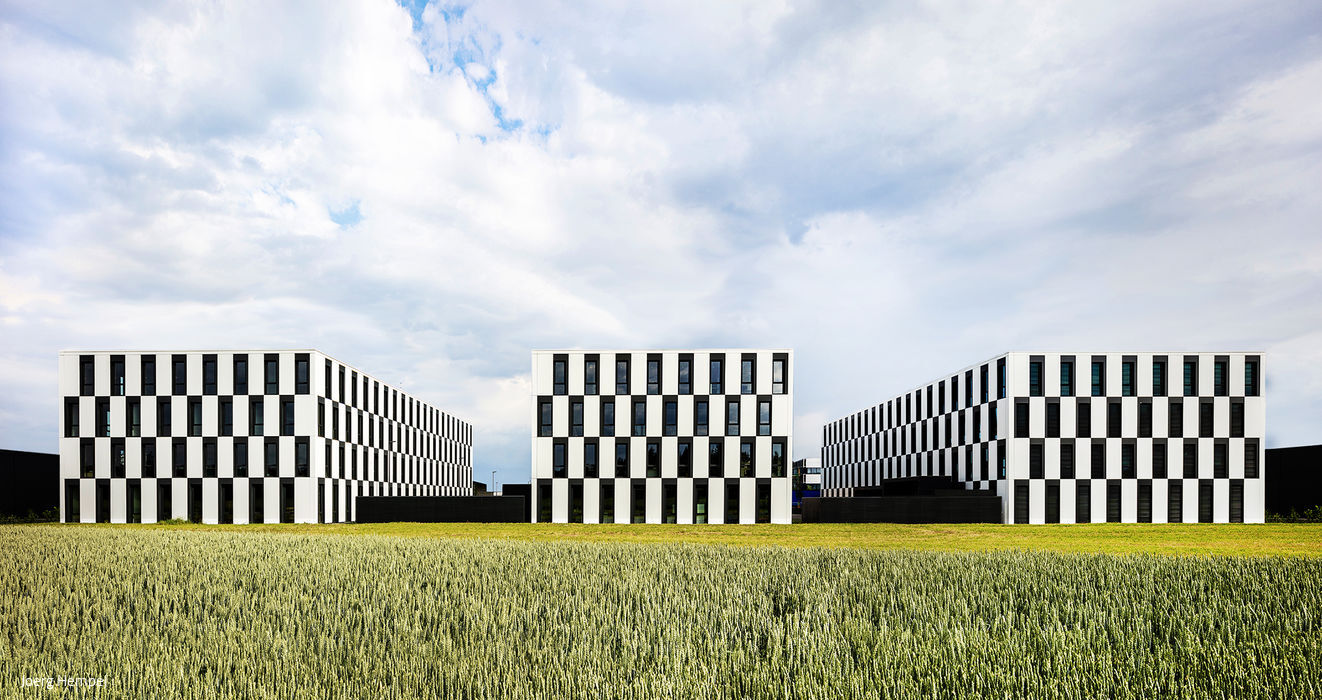
Simply stunning
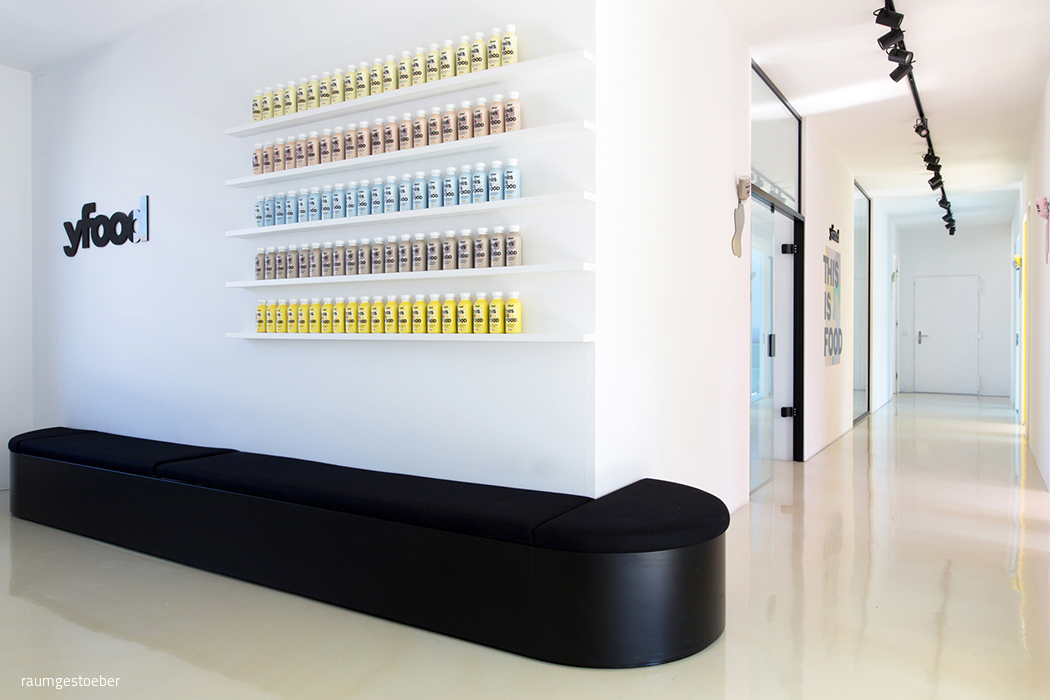
A Munich food start-up reimagines workspace through creative design
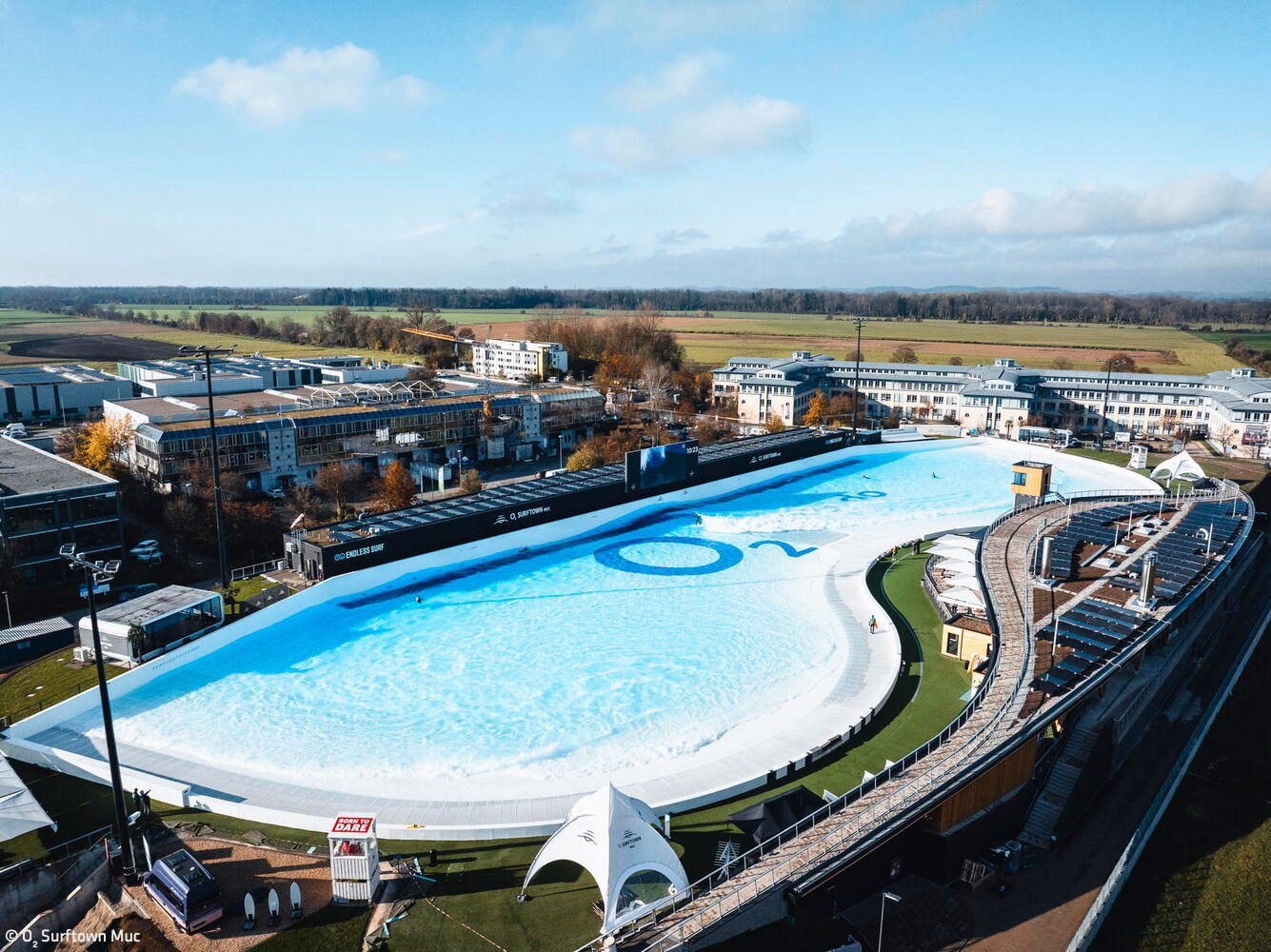
Ride the Wave
Europe's largest surf facility brings authentic beach vibes to Hallbergmoos.
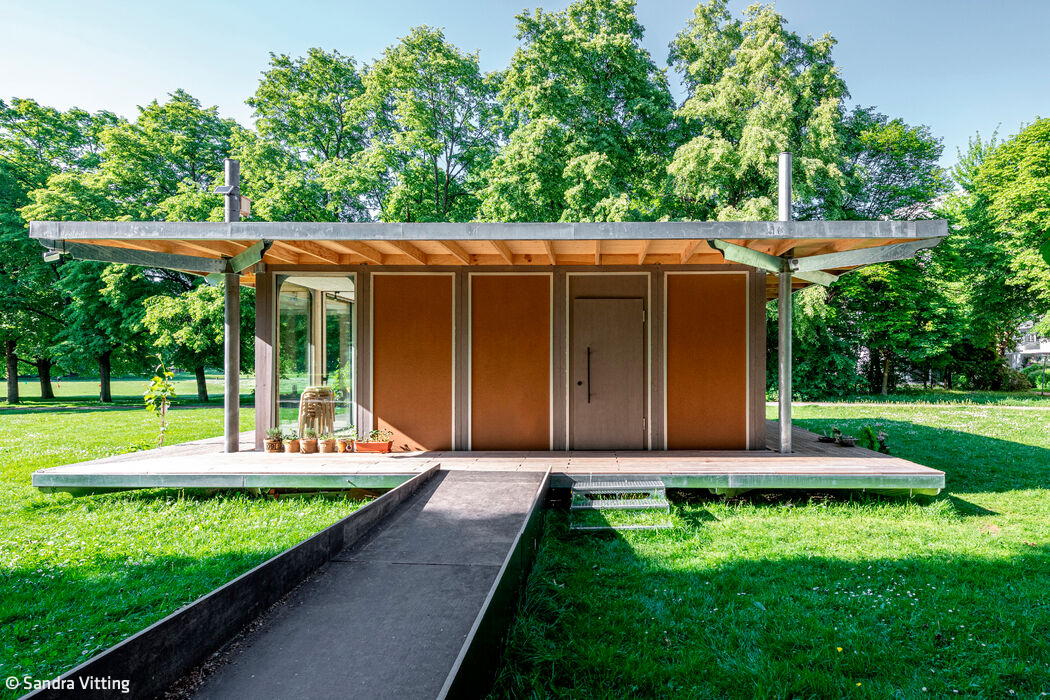
Far More Than a Tiny House
A Prototype for Tomorrow's Home
Furniture that works harder
A Munich label crafting beautifully designed, functional, and sustainably produced furniture