


Living on the Peninsula
Sustainable new construction reimagines community
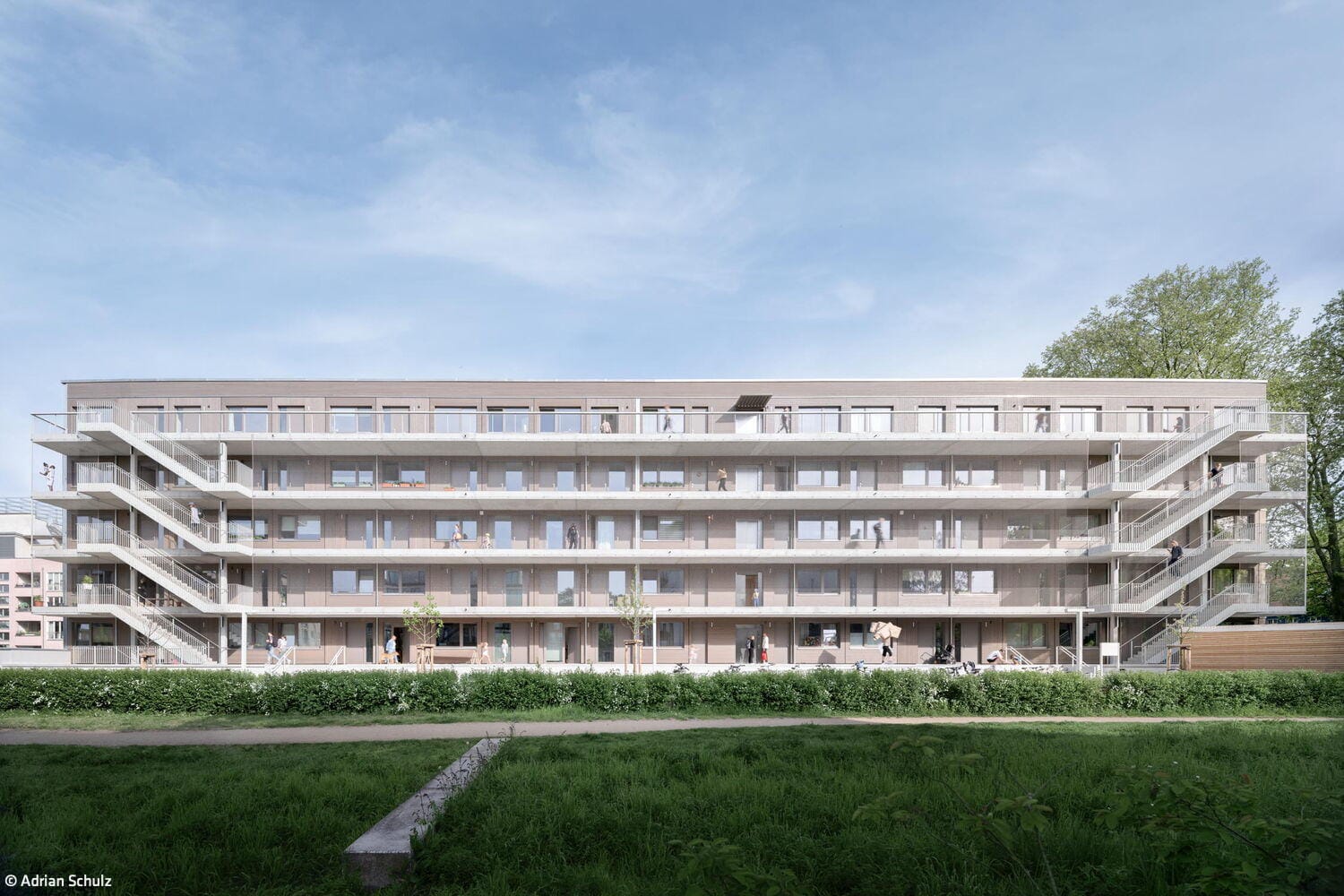
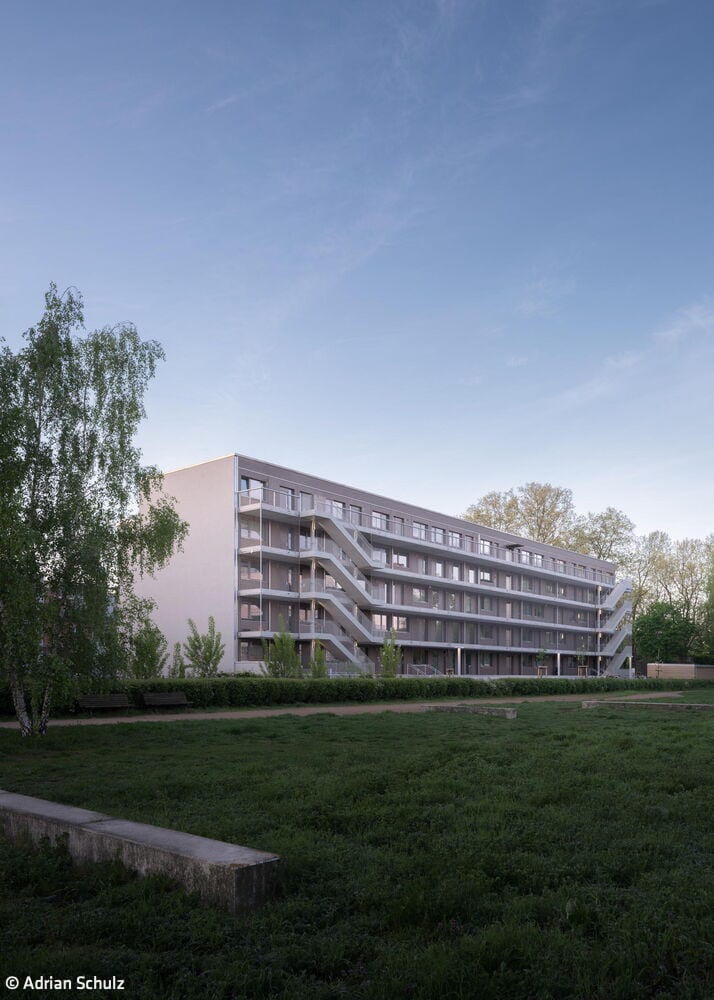
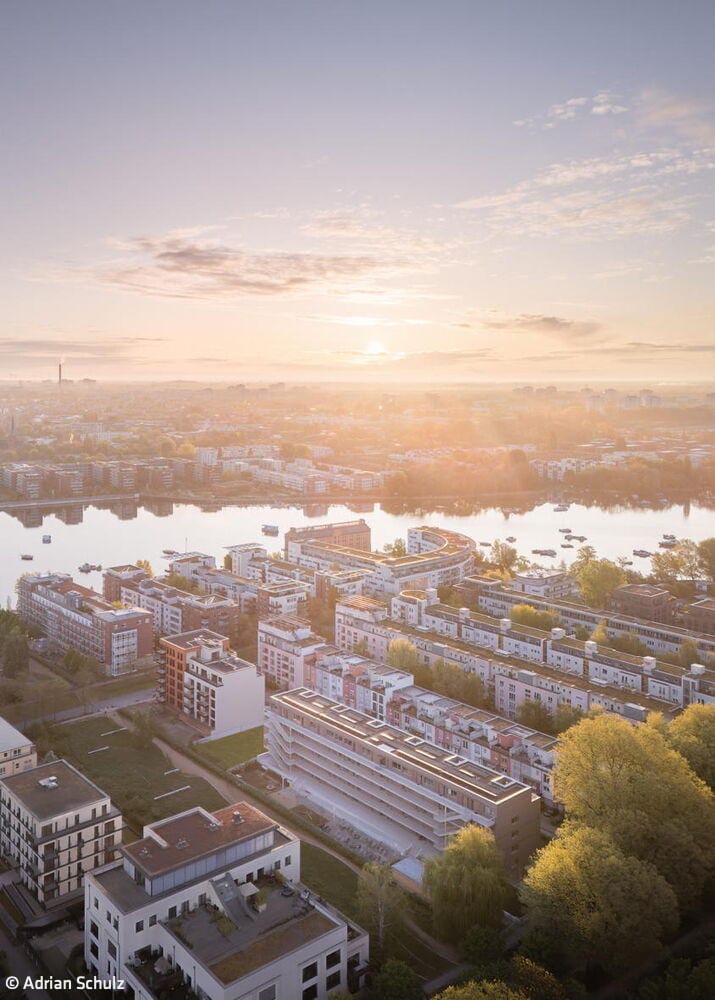
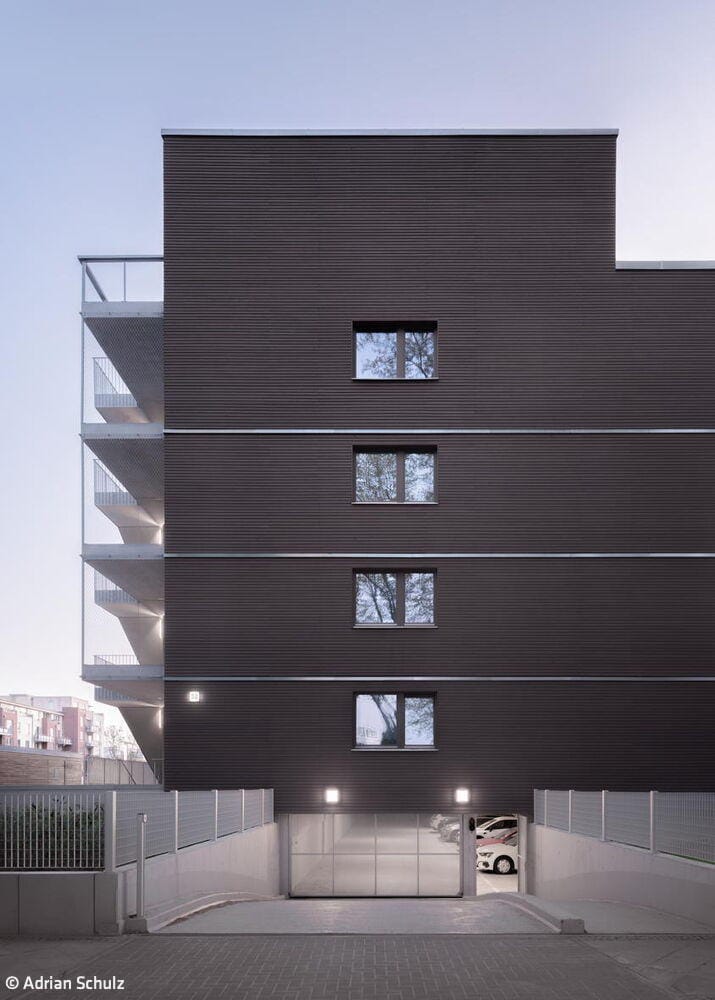
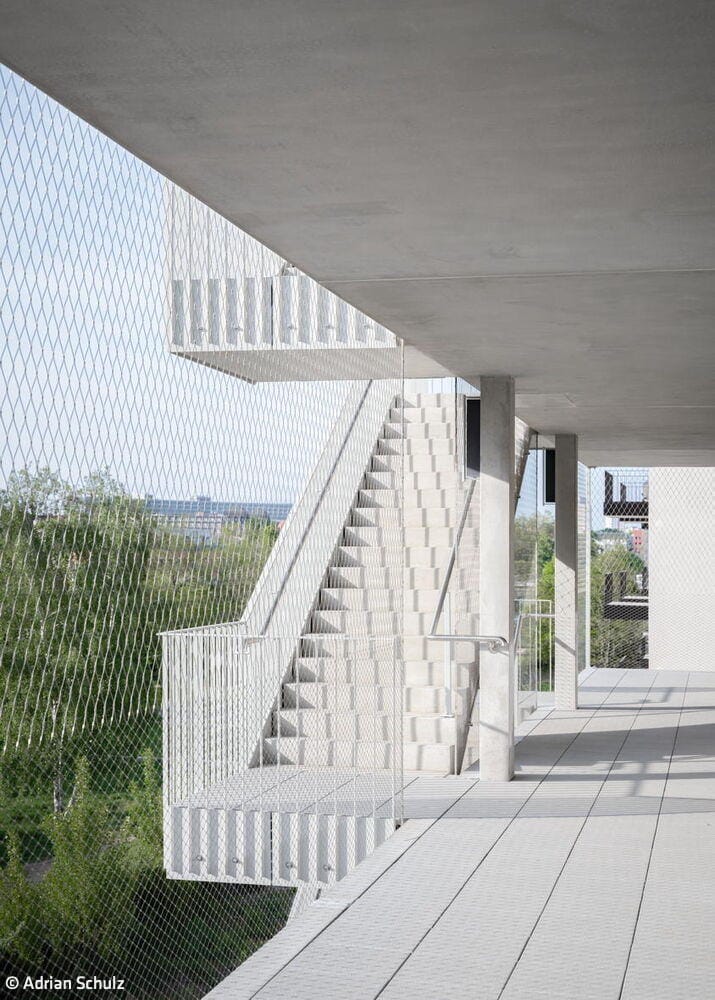
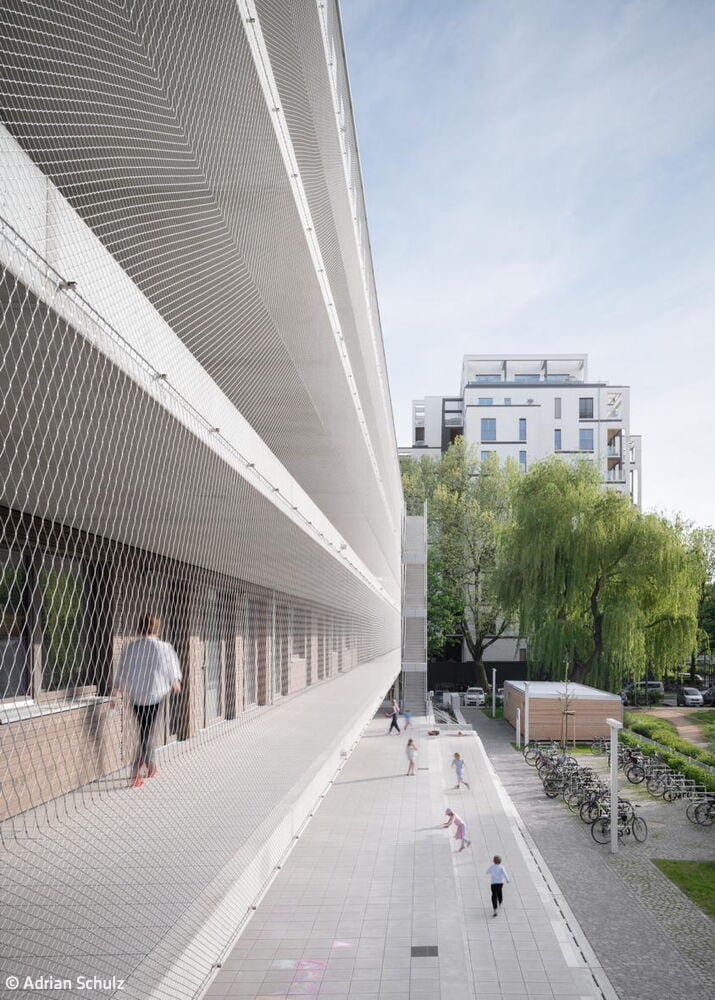
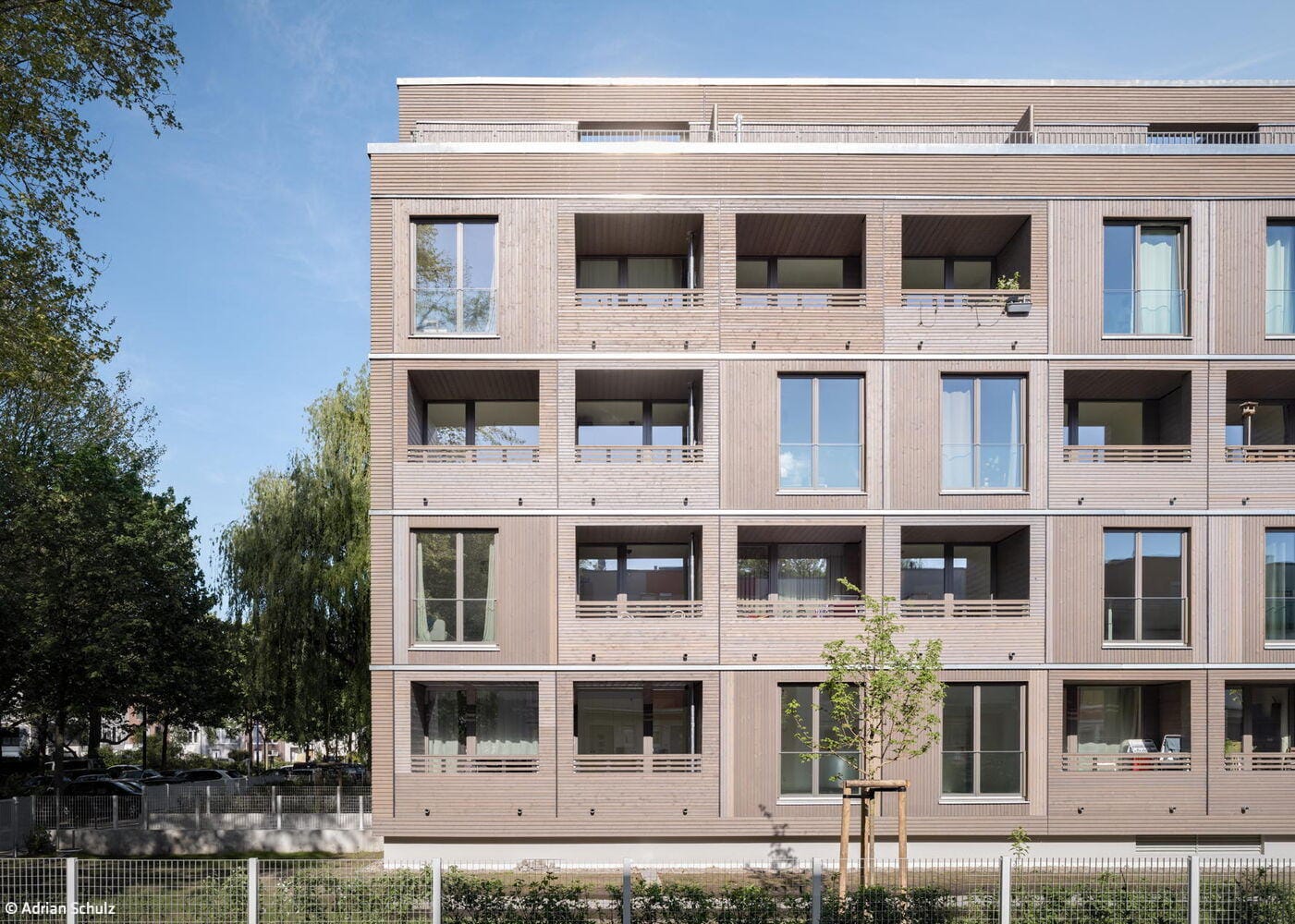
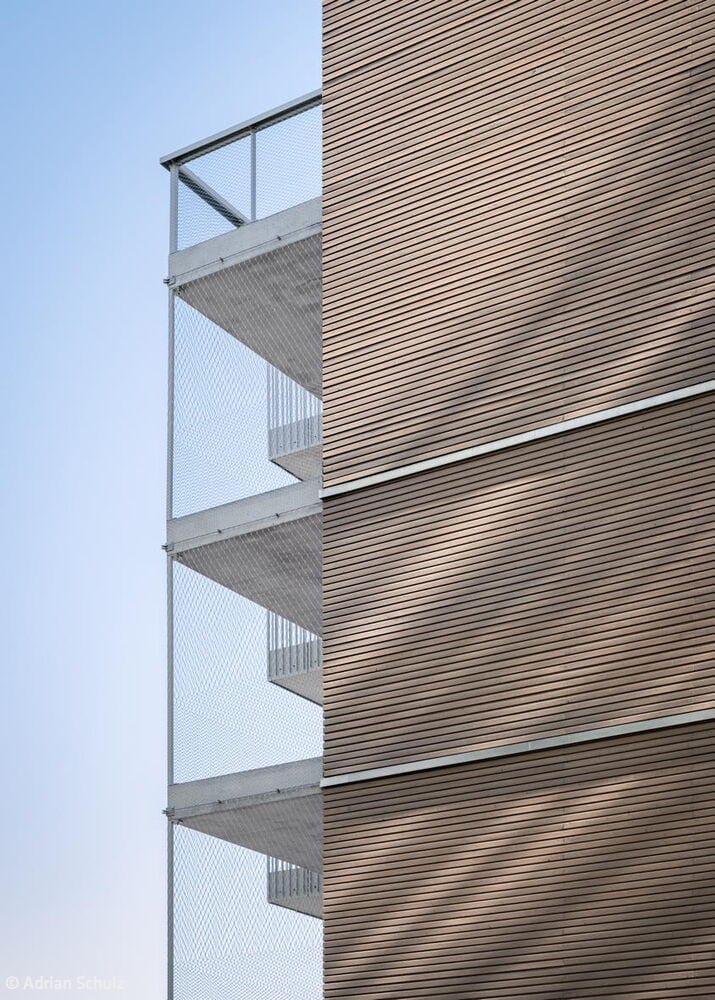
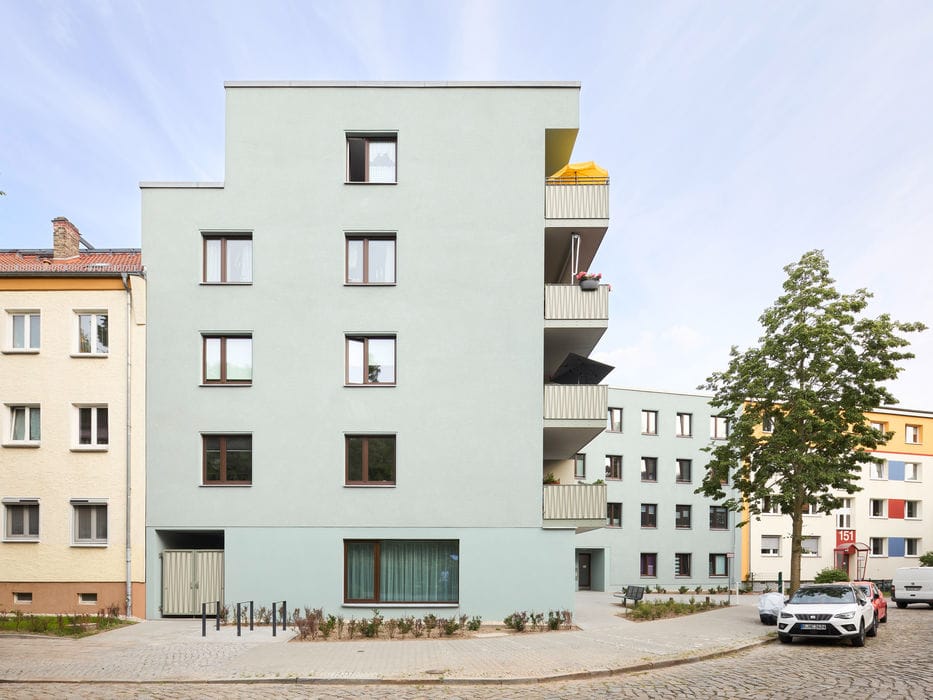
Life on a peninsula unfolds differently. Water surrounds you, distances shrink, and neighbourhoods feel closer. Yet despite the metropolis being just a short walk away, this place cultivates its own distinctive atmosphere—one of familiarity and belonging. This spirit of community inspired Zoom Architects to create a residential project that transcends mere housing provision. The new development on the Stralau peninsula demonstrates how sustainable building and visionary communal living models can work in concert. Commissioned by the municipal housing company Howoge, it proves a compelling point: social responsibility and architectural excellence are not opposing forces. Through affordable rents, robust materials, and thoughtful spatial organisation, the project crafts a genuinely durable piece of the city. Sustainability permeates every design decision. Renewable materials—wood in particular—form the building's structural backbone. The sponge city concept captures rainwater on-site, enabling natural infiltration and bolstering urban climate resilience. The elongated building form echoes the neighbourhood's linear character, settling seamlessly into its context. Along the park-facing side, a covered gallery opens to all residences—functioning as meeting space, social hub, and a shared outdoor room. Fine stainless steel safety netting will gradually disappear beneath climbing vegetation. Two sculptural stairs punctuate the façade, accentuating the building's distinctive form. Inside, this clarity of structure continues. Living kitchens orient toward the vibrant park; bedrooms toward the quieter adjacent street. Loggias provide private outdoor extension while maintaining an equilibrium between openness and privacy. The timber façade articulates the floor plans of the systematically varied apartment types, revealing how the design accommodates diverse lifestyles—families, singles, and older residents all find their place here. For Zoom Architects, this project represents a laboratory for communal building's future, demonstrating that architecture can be socially purposeful, ecologically sound, and aesthetically compelling simultaneously—while recognising community for what it truly is: the bedrock of every thriving city.
Photography:
Adrian Schulz
www.adrianschulz.de
(Published in CUBE Berlin 04|25)
A throne above the city
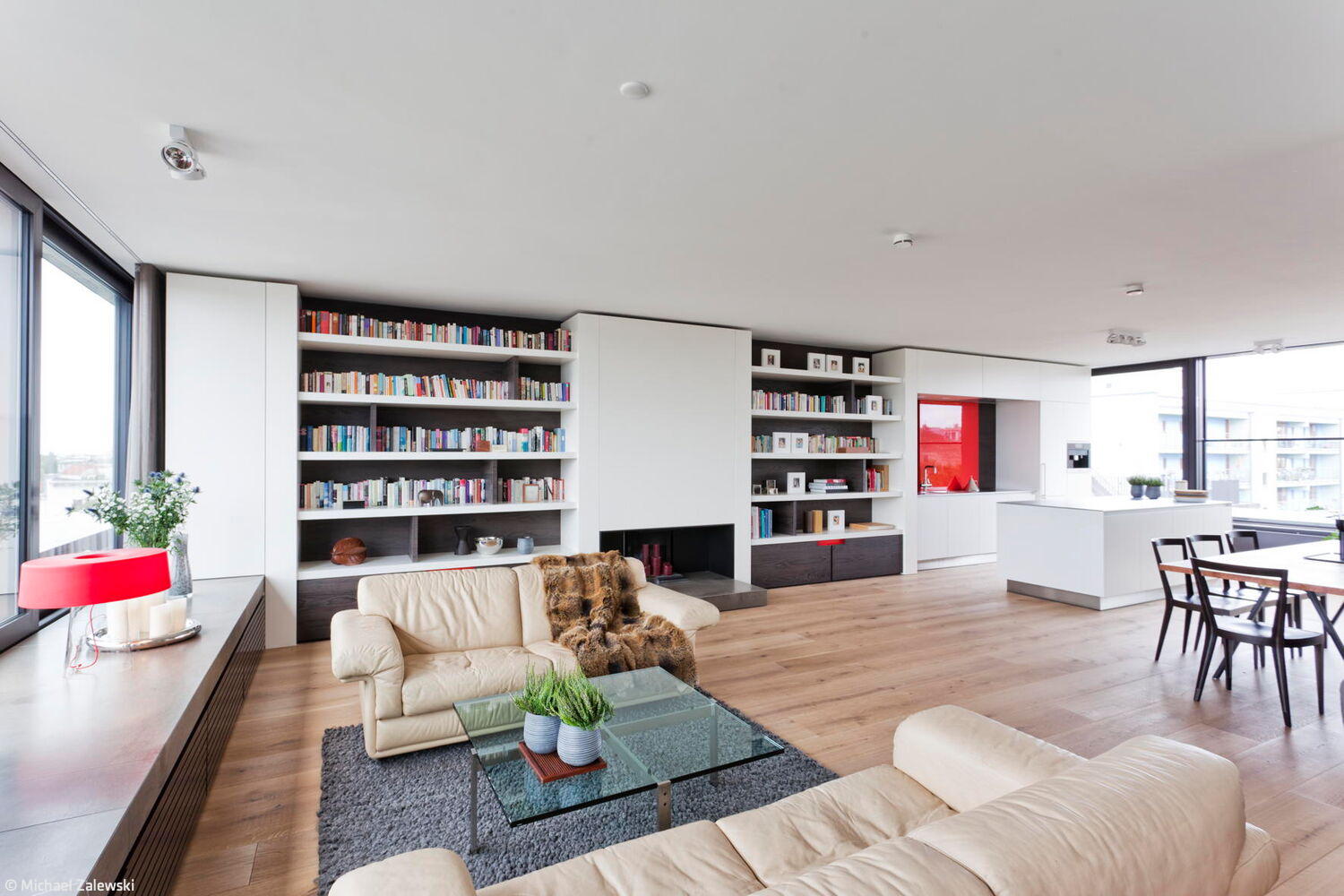
Exclusive Penthouse Maisonette in Mitte
Work & Lifestyle: Sport
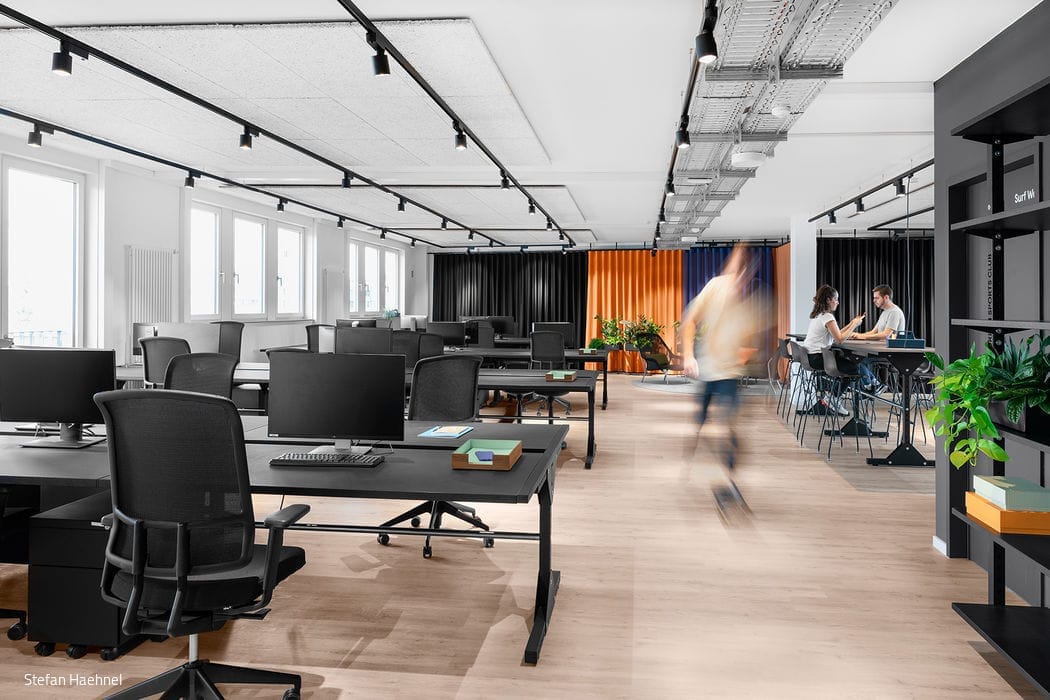
The interior merges work and sport into a cohesive design vision.
Between Focus and Warmth
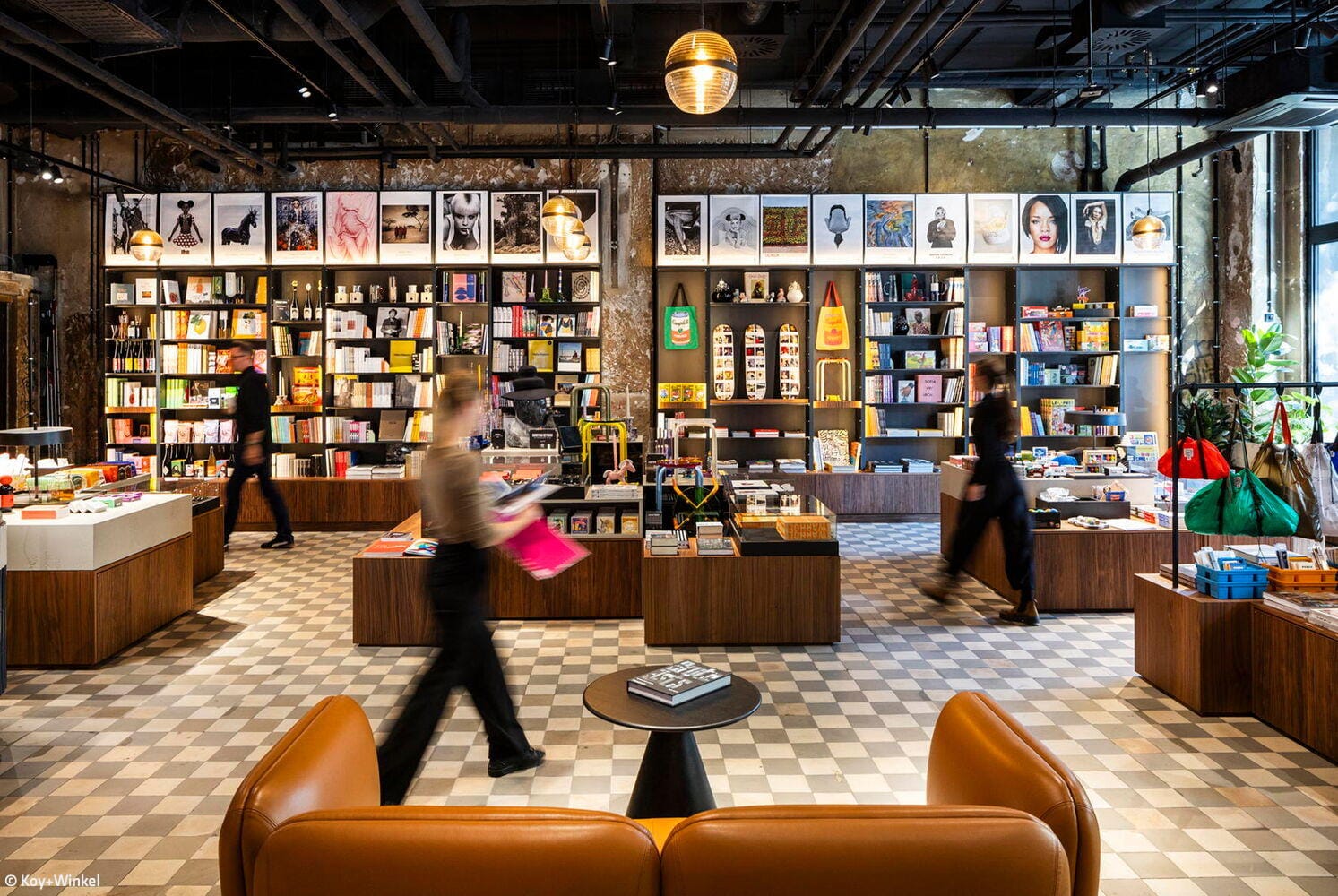
Adaptive lighting design for the iconic "Tacheles": where history and modernity converge