


From Monastery to Clinic
Transforming a Friedrich von Gärtner Masterpiece
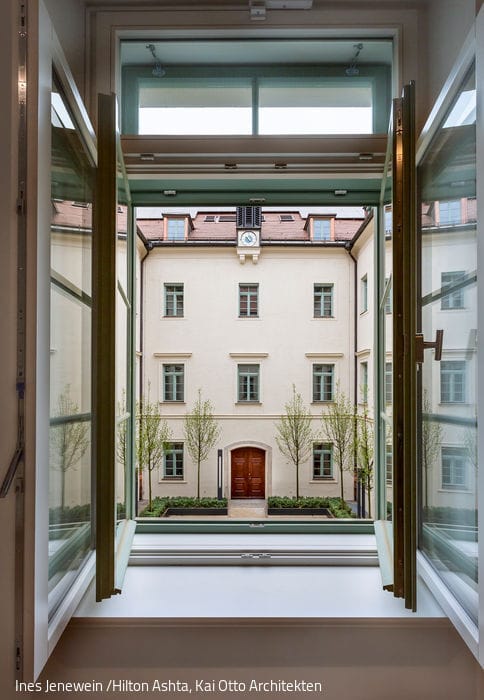
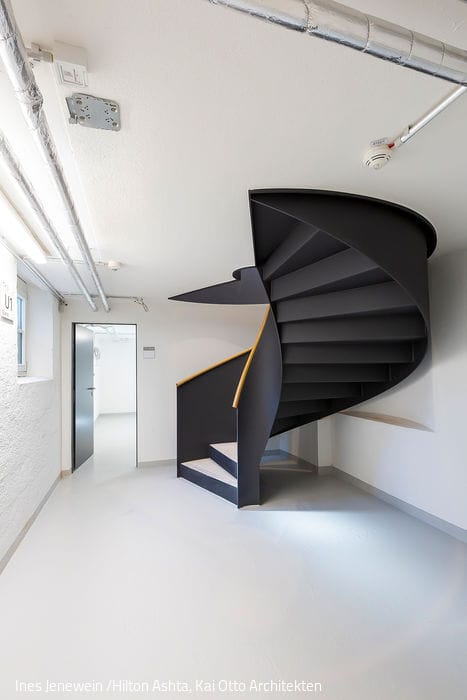
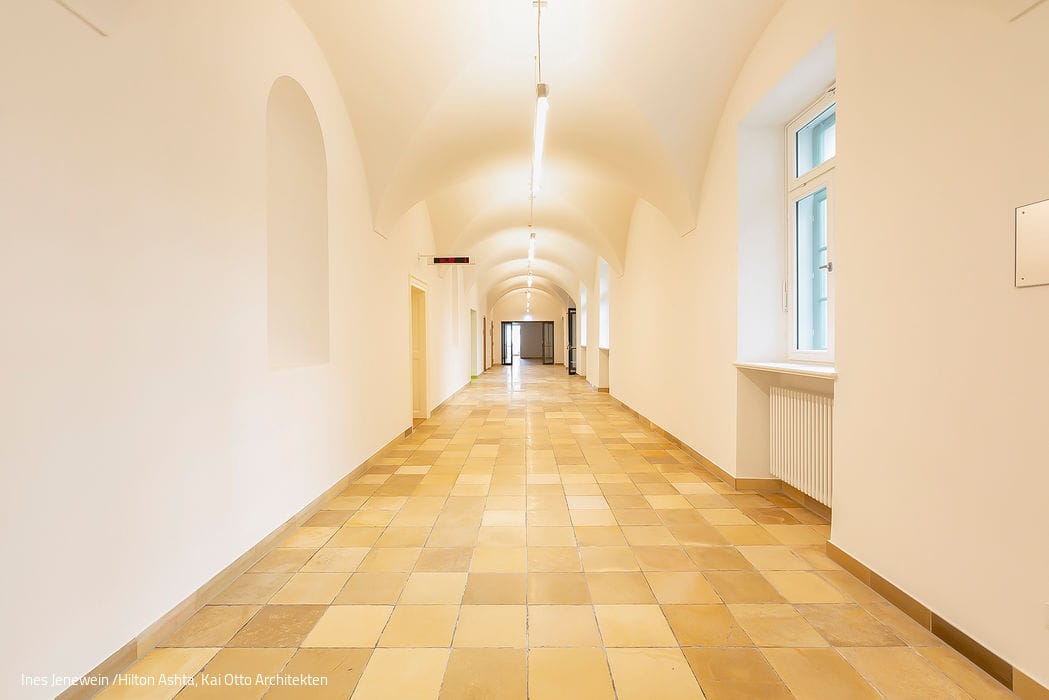
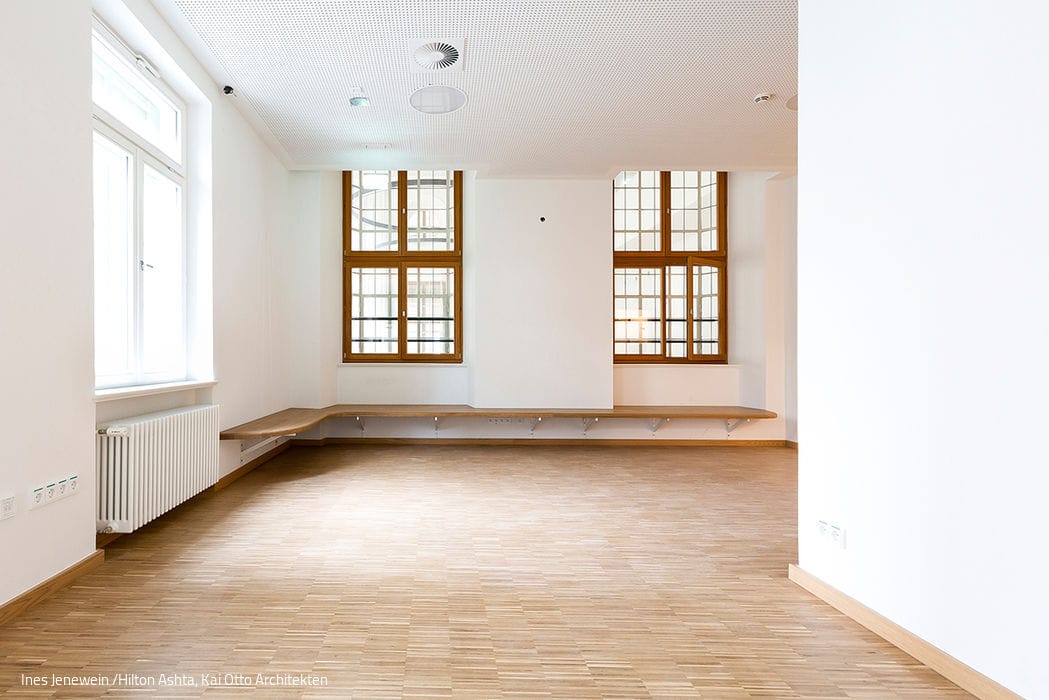
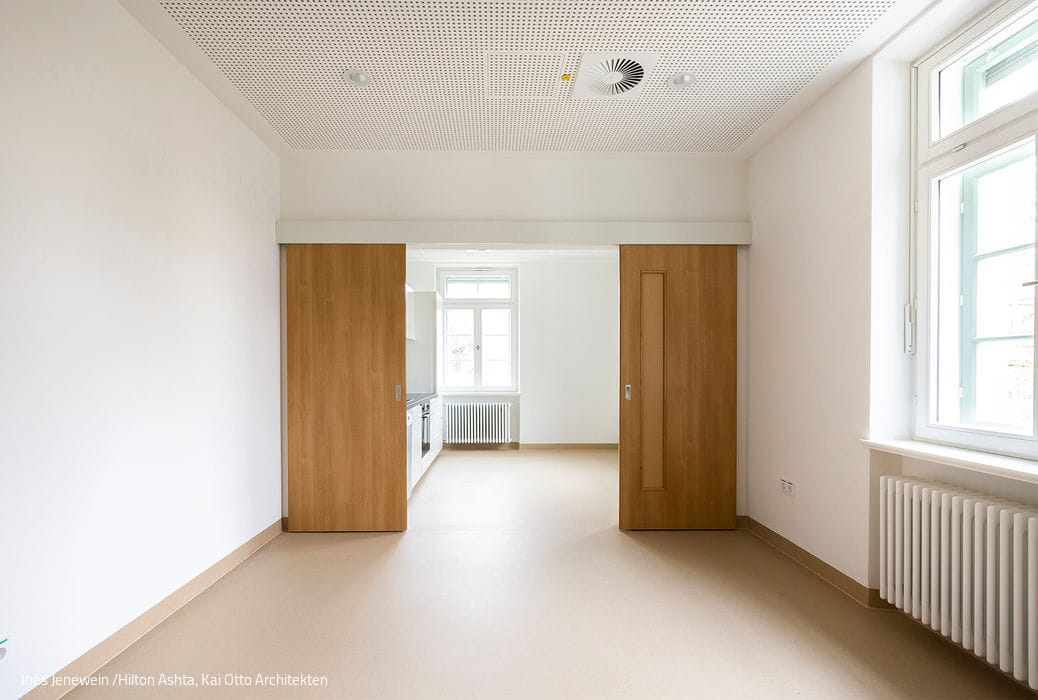

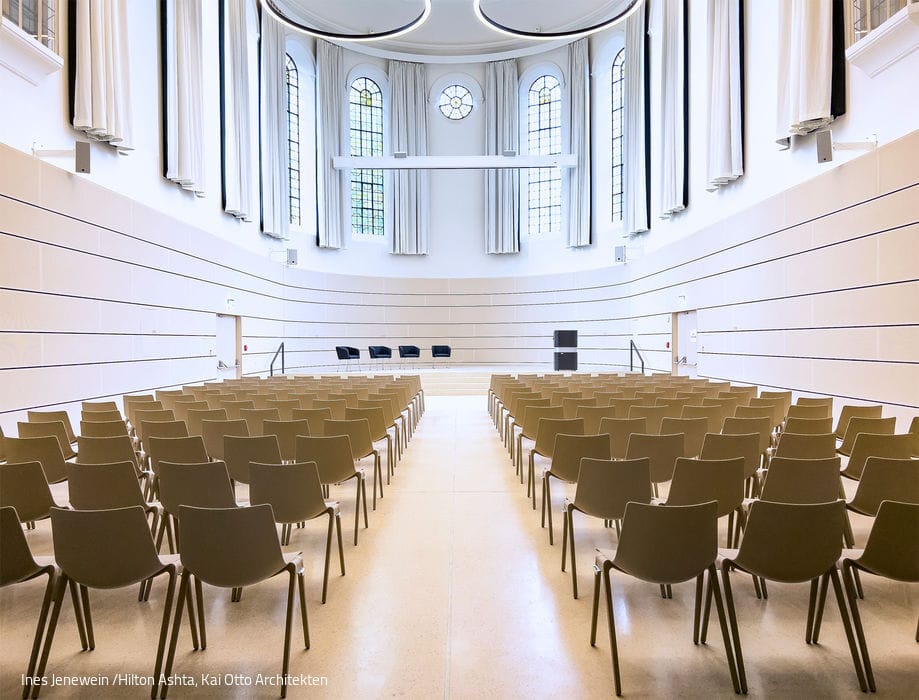
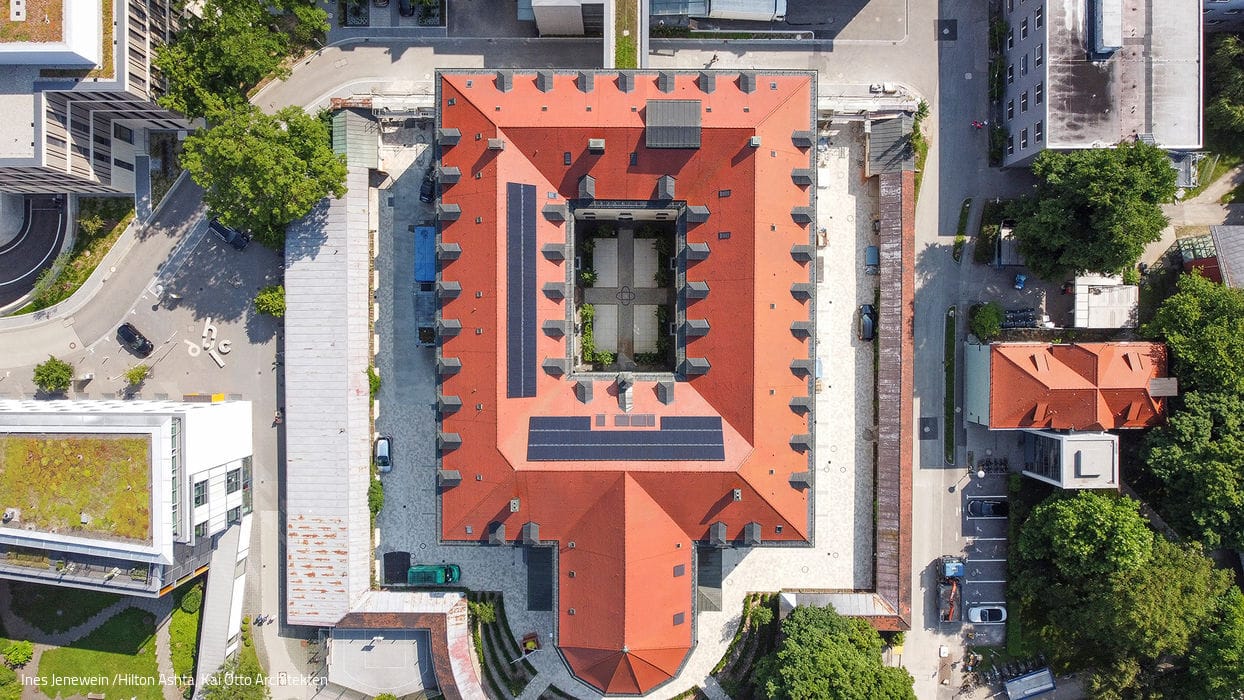
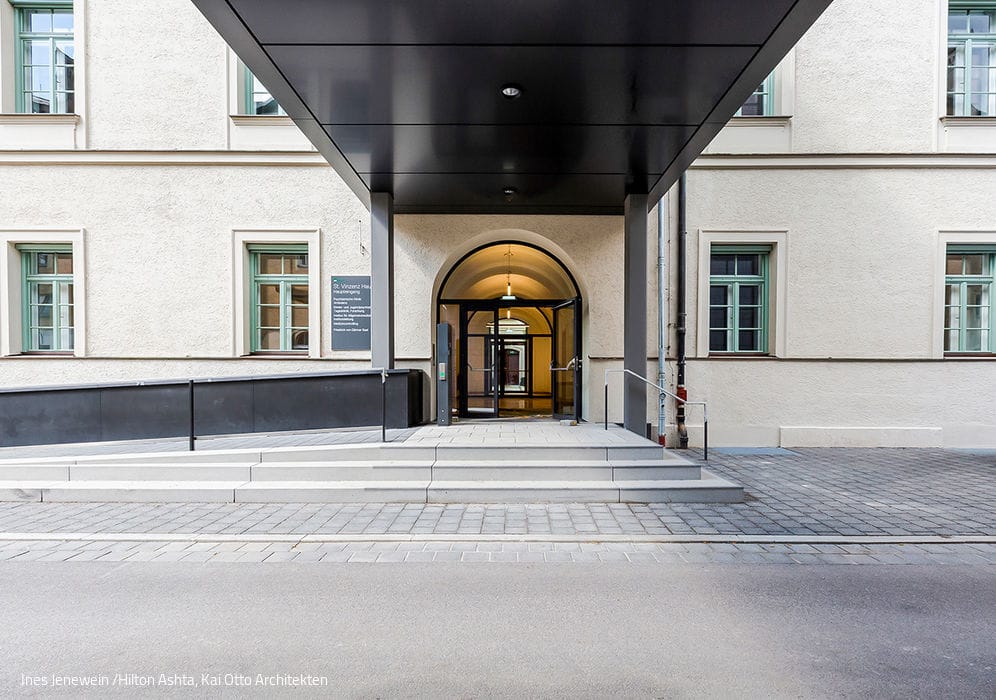
The hospital district near Sendlinger Tor has welcomed an extraordinary addition: St. Vinzenz Haus, formerly the "Mother House of the Sisters of Mercy," has undergone a comprehensive transformation into a modern clinical facility. Today it houses outpatient clinics, day programs, medical offices, and therapy spaces for LMU's Department of Child and Adolescent Psychiatry, Psychosomatics and Psychotherapy, plus the Institute for General Medicine.Built in 1837–39 by renowned architect Friedrich von Gärtner, this protected monument presented a complex challenge. After standing vacant for a decade, its conversion demanded meticulous coordination with heritage authorities and careful planning that began in autumn 2016 and lasted through spring 2018—with construction concluded in early 2022.The restoration's cornerstone was reinforcing the floor structures. Severe damage from dry rot and wood-destroying fungi necessitated replacing wooden beam ceilings with reinforced concrete from ground to third floor. The entire building systems were modernized and integrated into the vaulted cellars and pointed roof of the former monastery church. Eighteen original windows were carefully preserved, while others were replaced with historically accurate replicas. The historic cloister encircling the interior courtyard was subtly divided with glass elements, maintaining its spatial character while meeting contemporary fire safety standards. The former nave now functions as the "Friedrich von Gärtner Hall," a distinguished event space.At approximately 24 million euros, this project exemplifies sustainable architecture: preserving heritage while thoughtfully adapting it for contemporary use. As principal Kai Otto notes, "Adaptive restoration is the most sustainable building practice. It honors existing elements, minimizes new materials and resources, and protects precious land from further development." A powerful reminder that respecting the past and embracing the future need not be mutually exclusive.
Photography:
Ines Jenewein / Hilton Ashta, Kai Otto Architects
(Featured in CUBE Munich 03|23)

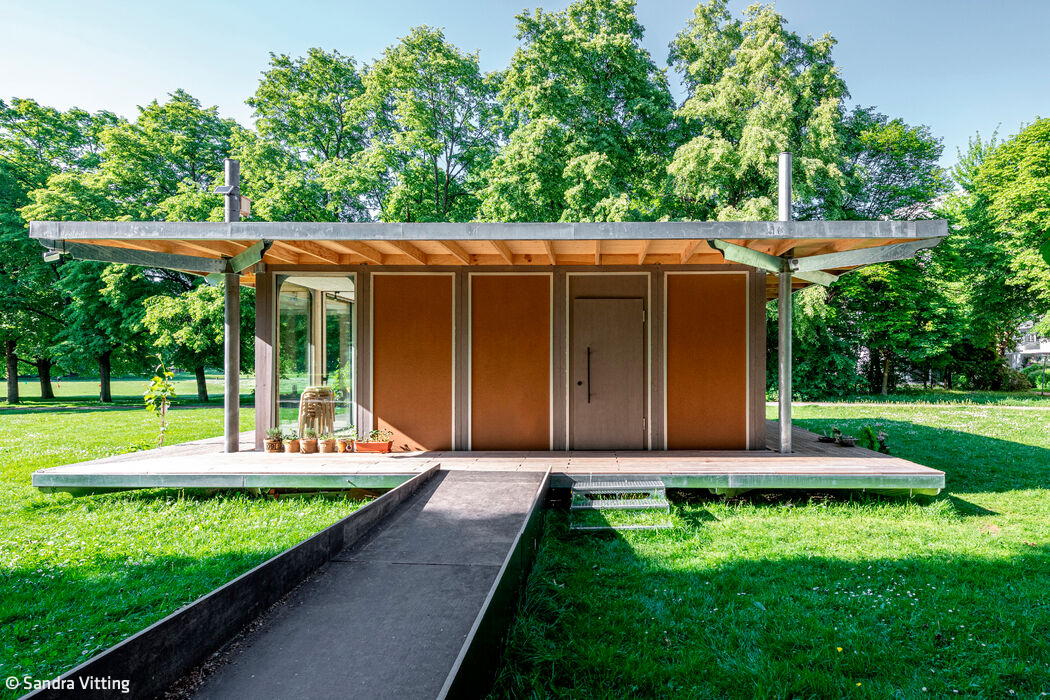
Far More Than a Tiny House
A Prototype for Tomorrow's Home
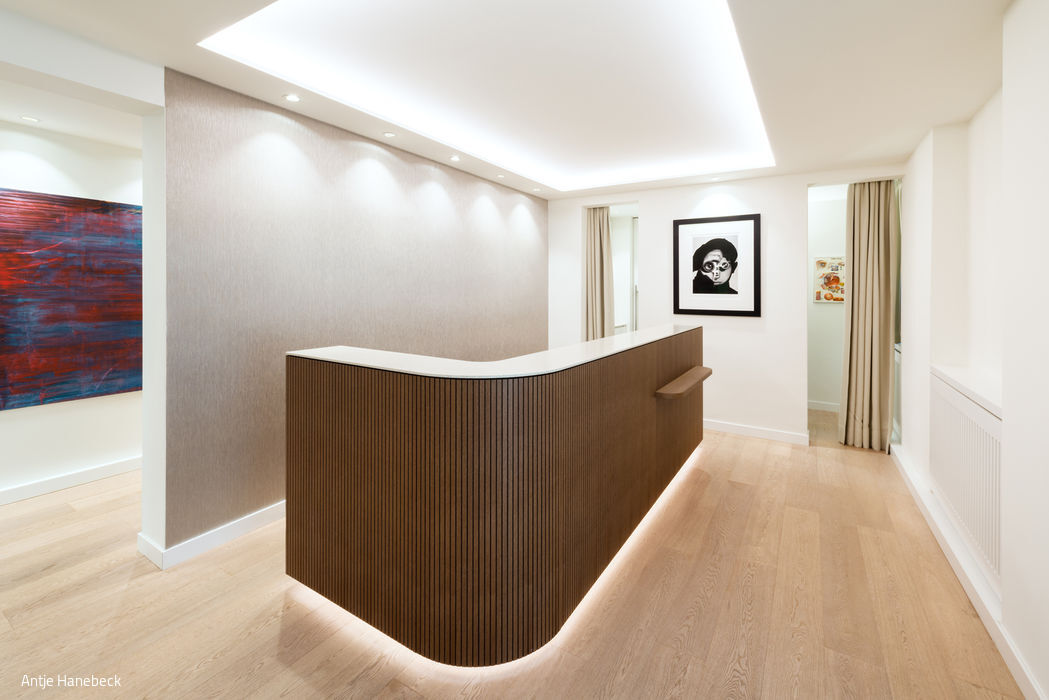
Hygge Meets Zen
This Munich ophthalmology practice is notable for far more than its striking design
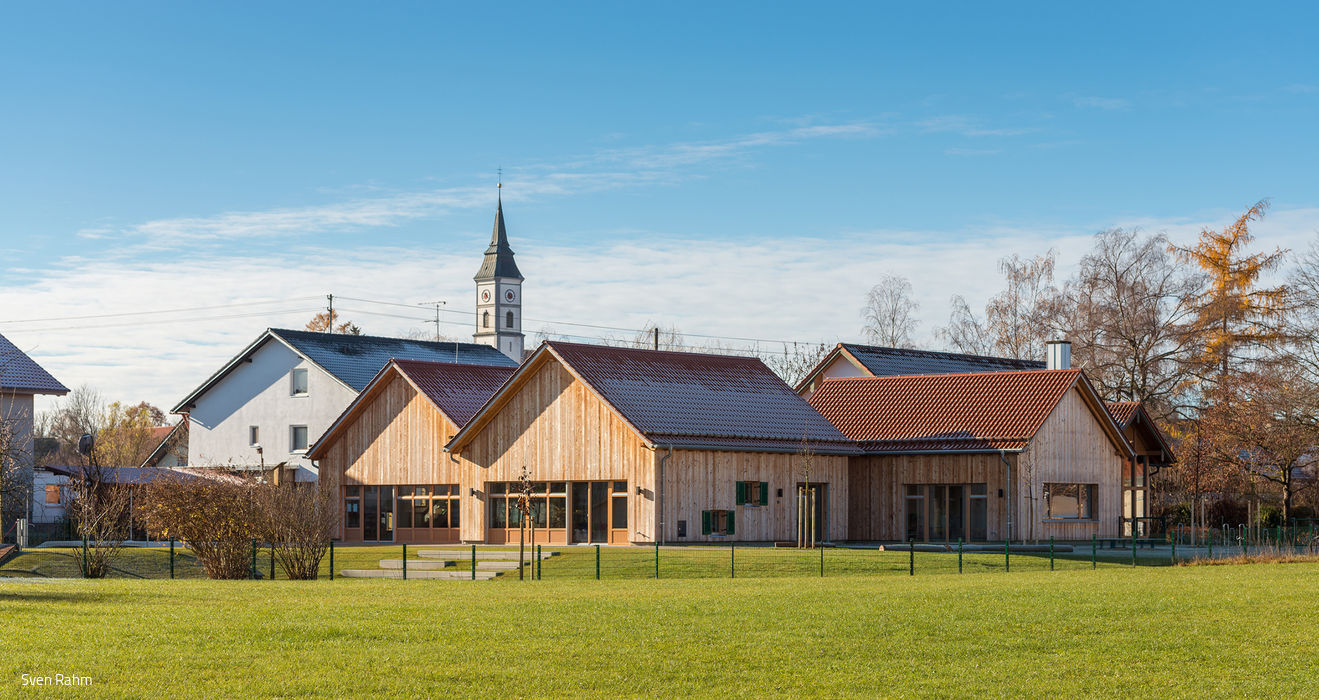
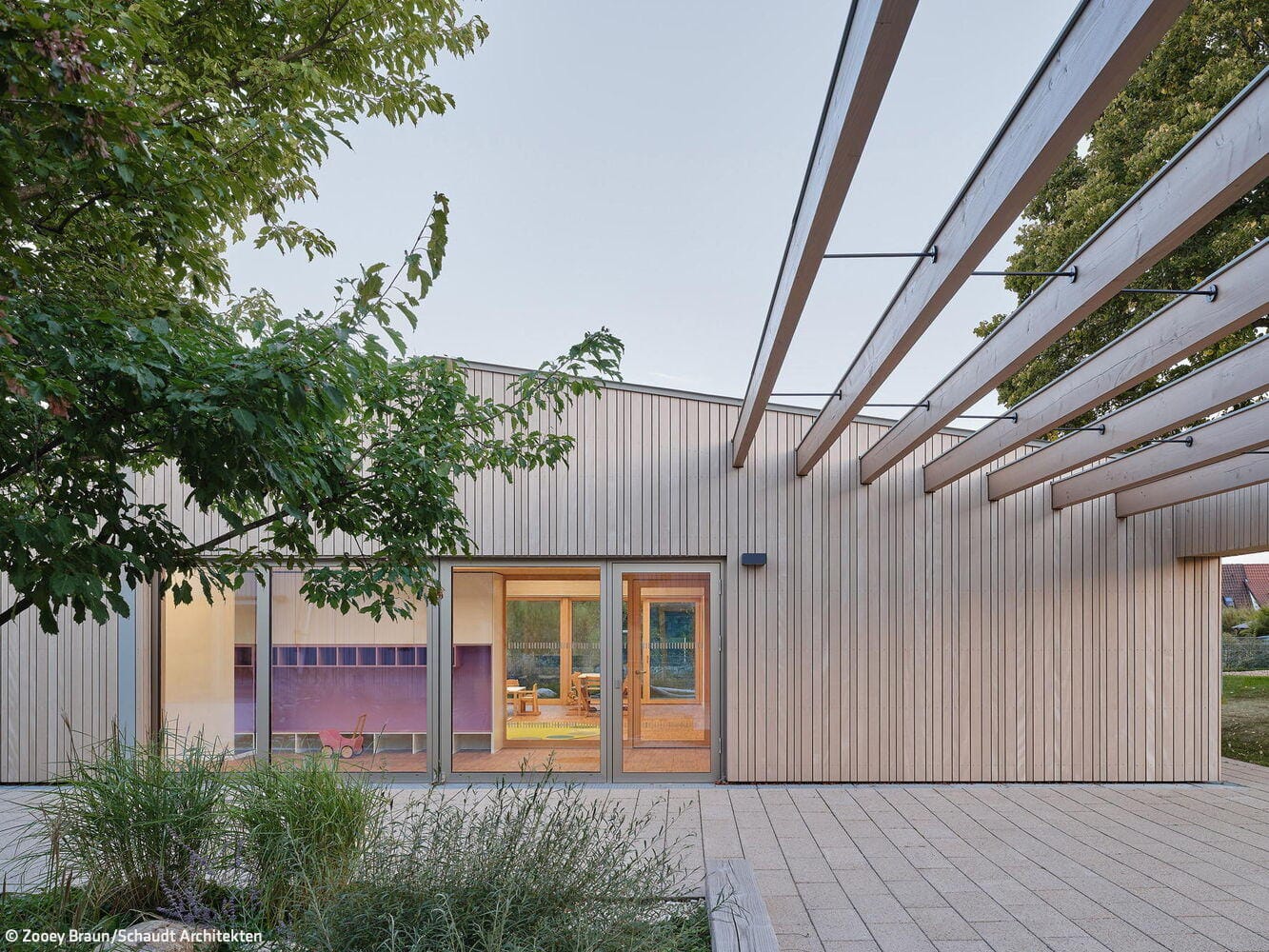
More Space for the Little Ones
Expanding a Rural Kindergarten: Responding to a Growing Need
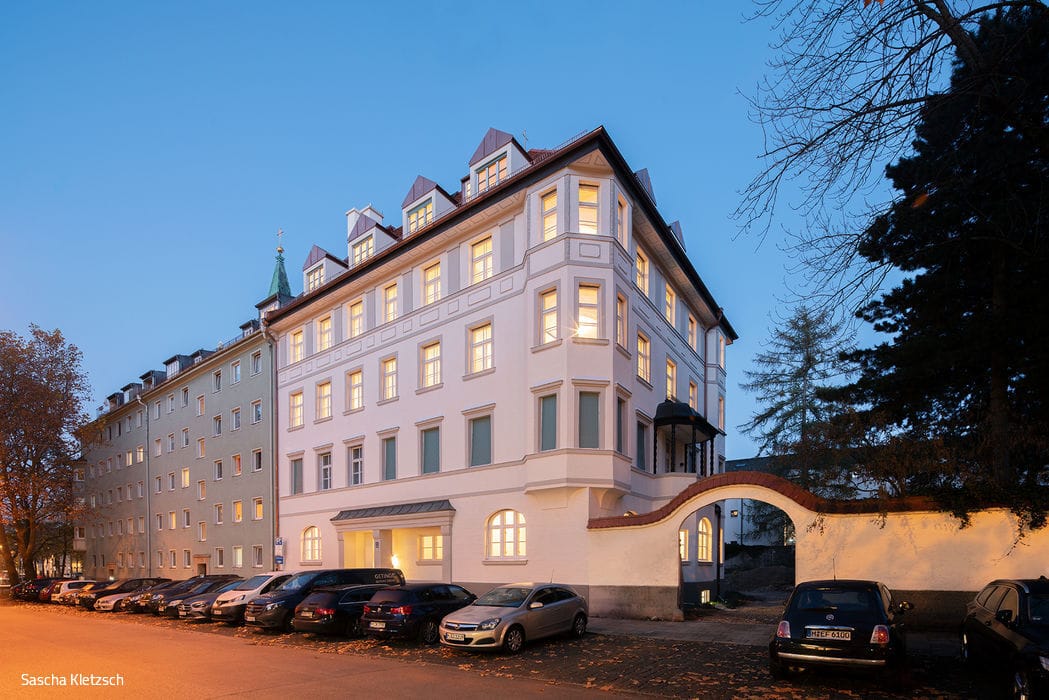
Sacred Becomes Secular
A Heritage Rectory Reimagined as Contemporary Housing