


Tower on Stilts
The Deutschlandfunk Tower in northern Marienburg is now a protected landmark
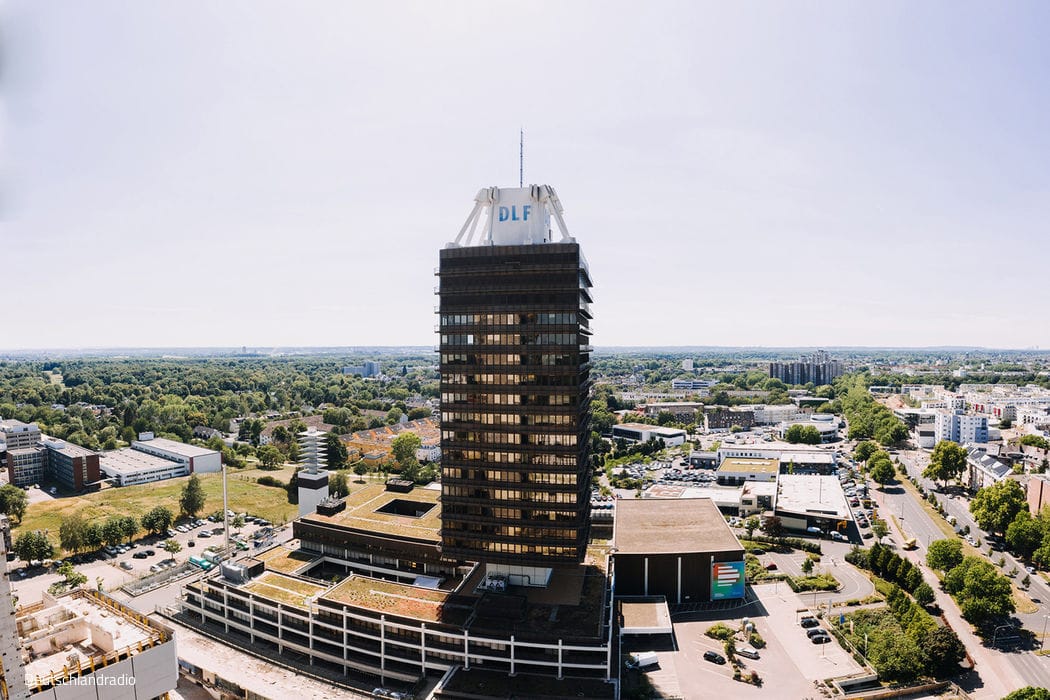
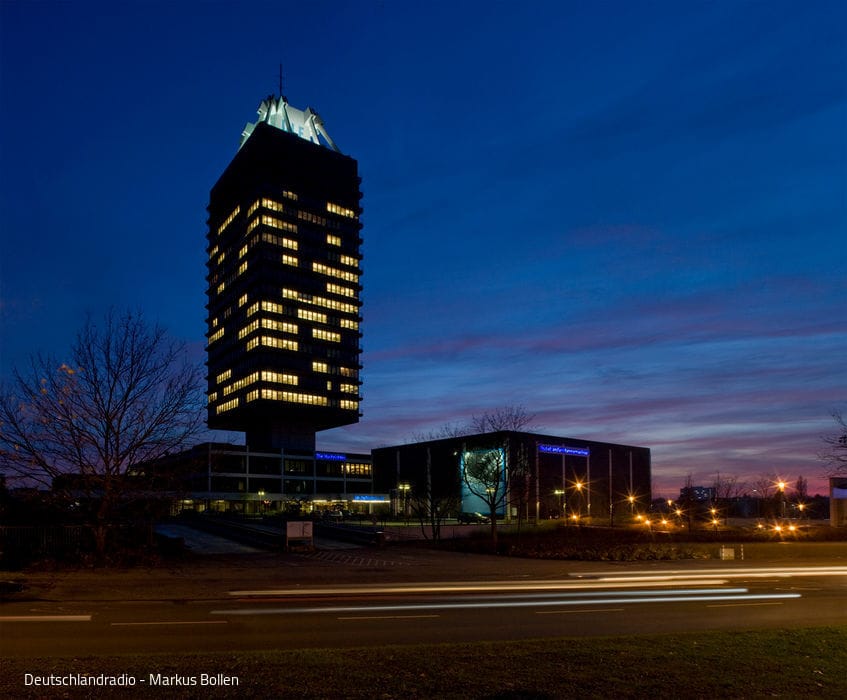
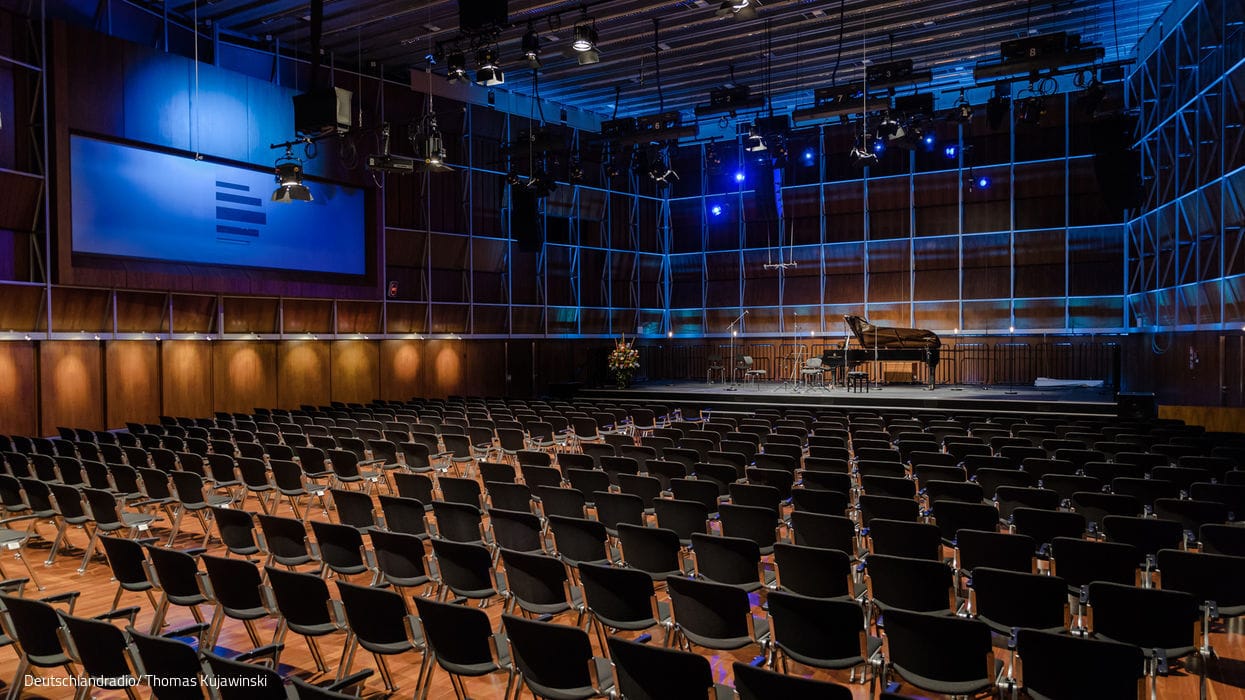
Earlier this year – coinciding with the 30th anniversary of the Deutschlandradio broadcasting group – word came out that the Deutschlandfunkhaus on Raderberggürtel has been designated a historic monument, including its chamber music hall. Though rarely featured in architectural histories, this building is now protected for its innovative structural design and its significance as a testament to postwar media architecture.
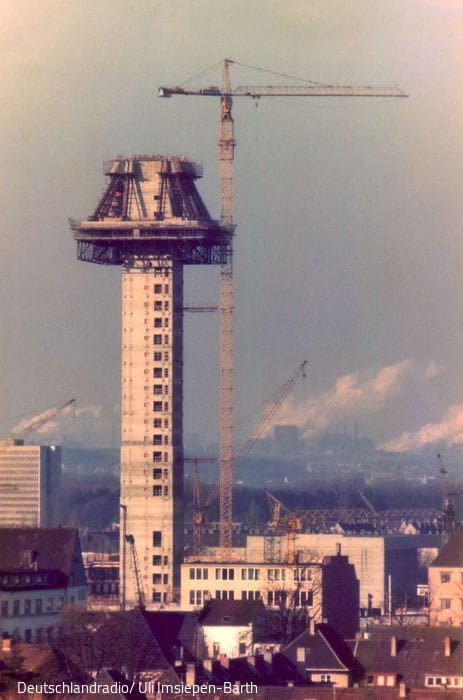
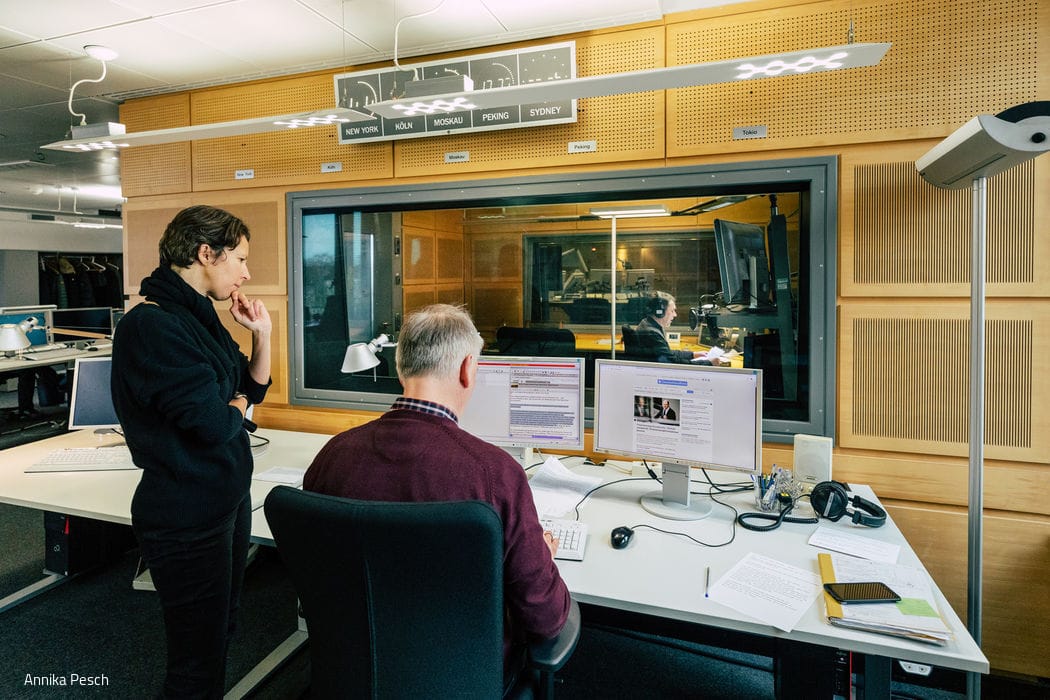
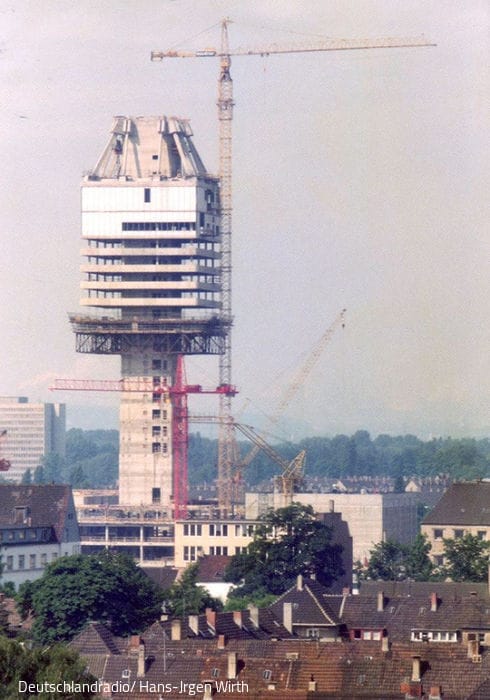
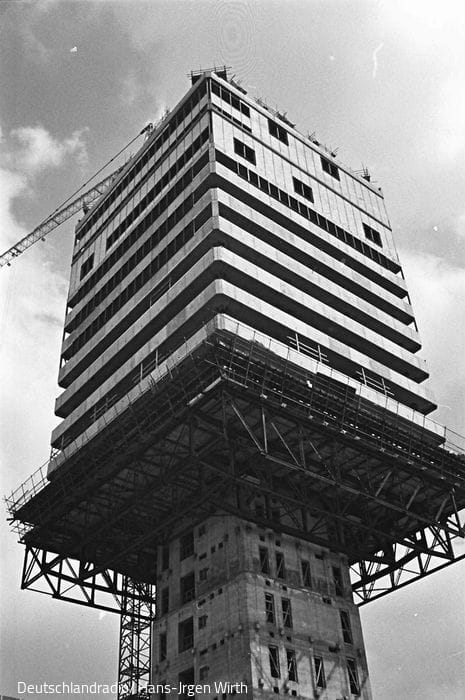
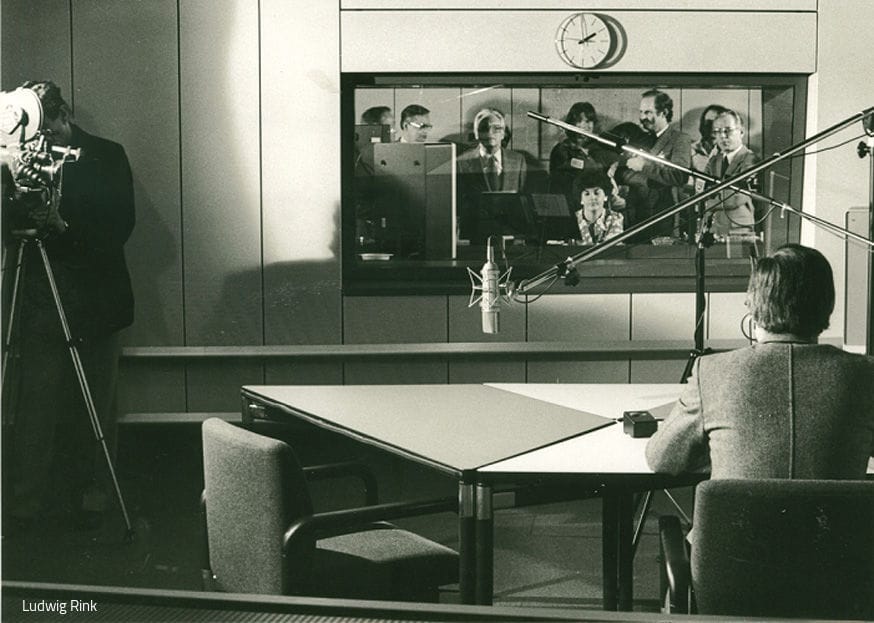
In 1969, architect Gerhard Weber (1909–86) designed the building. In the postwar period, Weber made his mark primarily through the construction of the National Theatre in Mannheim, and in 1957 he was appointed to design the brutalist "Atomei" nuclear reactor at the Garching research campus – his first major commission as a newly appointed professor at the Technical University of Munich. The architect, who had studied under Mies van der Rohe at the Bauhaus before 1933, conceived a building complex comprising a 15-storey high-rise (originally planned for 21 storeys) anchored to a three-storey base building that wraps around the central core. Editorial departments occupy the tower floors, while administration, studio facilities, and a generous, publicly accessible chamber music hall—celebrated for its exceptional acoustics—are housed in the expansive base structure, which reads as a unified volume beneath the tower thanks to its reduced mass. From a distance, the tower's distinctive suspended structure commands attention. Weber realized this design in collaboration with engineer Fritz Leonhardt, renowned for innovative structural solutions including the suspended bridges spanning Cologne, Düsseldorf, and beyond. The construction process was nothing short of spectacular: a concrete access core rising roughly 100 metres served as the foundation for the upper structural crown, anchored by striking diagonal steel hangers. Floor slabs were cast on-site, lowered by hydraulics, and then suspended from the upper frame with concrete-jacketed steel cables. By constructing this "tower on stilts" from top to bottom, complex scaffolding became unnecessary. The visual impact of this engineering feat proved equally significant: the cantilevered suspension system created a striking crown that gives the tower distinctive landmark presence within the city skyline—a quality now even more apparent following the recent demolition of the neighbouring Deutsche Welle tower. Remarkably, despite a construction period of just four years, the complex was completed in summer 1978. By 18 February 1979, the first news broadcast produced on-site was already on air.
While the 102-metre tower briefly ranked among Germany's tallest buildings, it has recently become known chiefly as a major renovation undertaking. The restoration scheme developed years ago must now be updated to meet heritage standards: through 2034, approximately 188.5 million euros in investment will be required to modernize the building's systems, bring it up to current standards, and secure its future as a media landmark – a facility that currently employs around 500 staff.
Photography Credits:
Deutschlandradio
Deutschlandradio – Markus Bollen
Deutschlandradio/ Thomas Kujawinski
Deutschlandradio/ Uli Imsiepen-Barth
Deutschlandradio/ Hans-Jürgen Wirth
Annika Pesch
Ludwig Rink
(Published in CUBE Cologne Bonn 01|24)
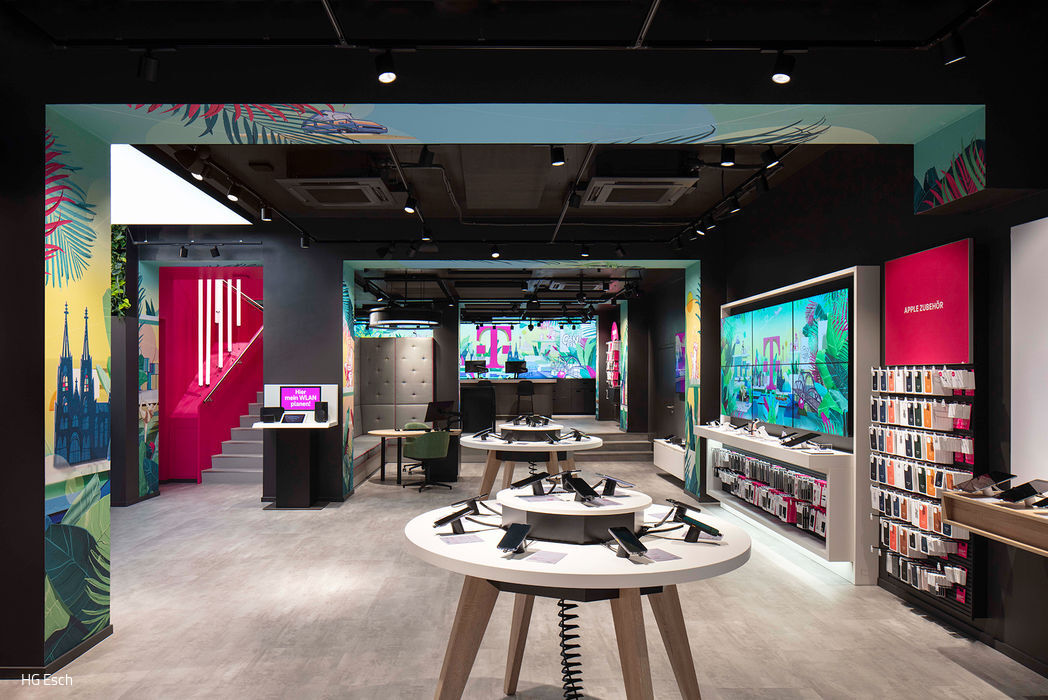
Magenta Goes Loft
The Telekom flagship store: scaled for impact, designed for sustainability
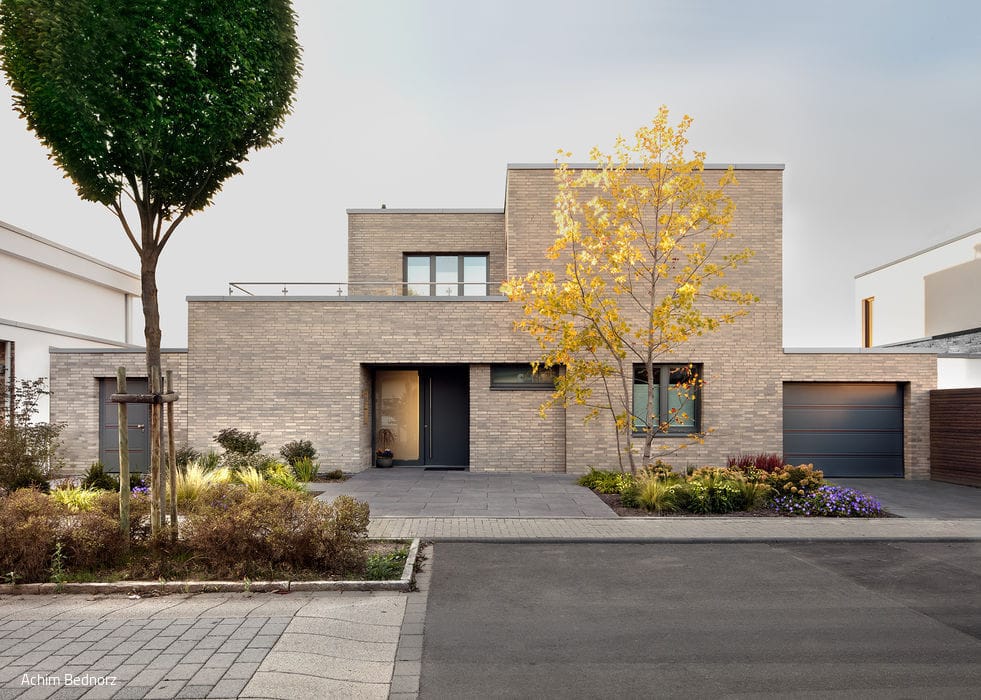
Dialogue with the Landscape
A Residential Home That Turns Its Back to the Street, Opens Its Heart to the Garden
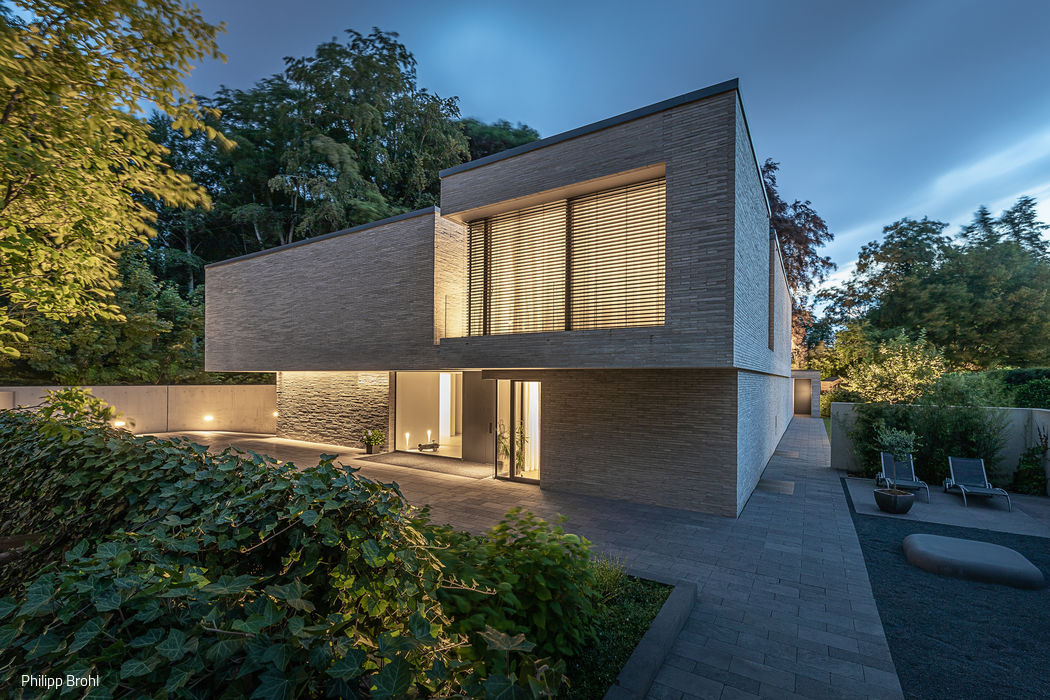
Conversing with Nature
A Braunsfeld residence that impresses through its sculptural presence—both inside and out.
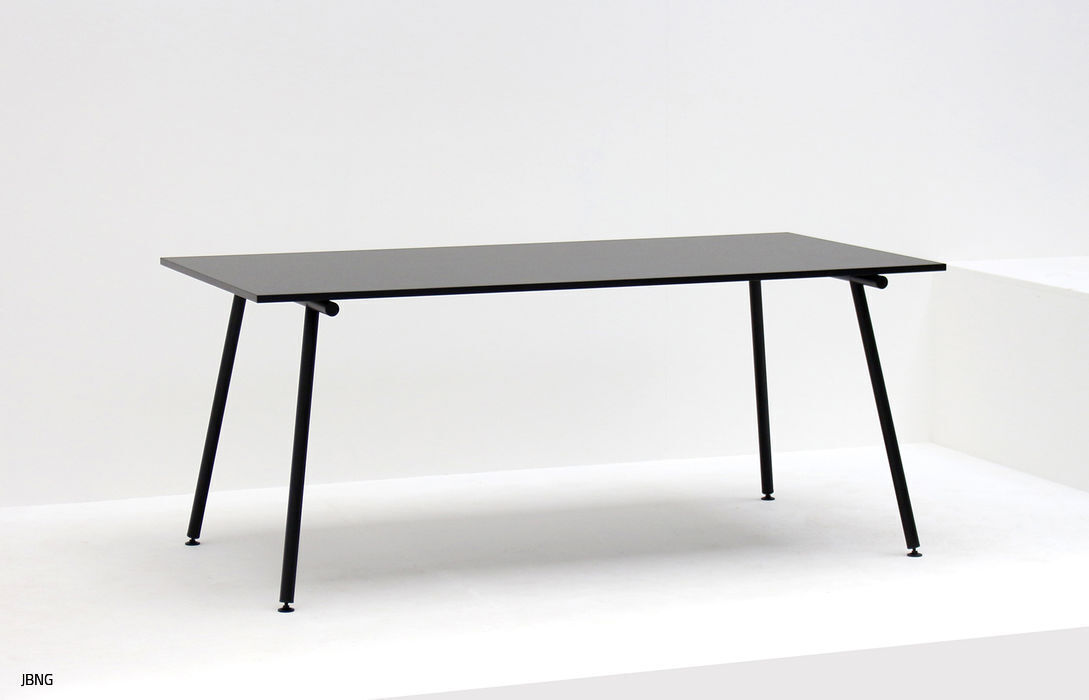
functional design
JBNG draws from product design, architecture, craftsmanship, and graphic design.