


Confident and Thoughtful
School extension in Westend harmonizes with its surroundings
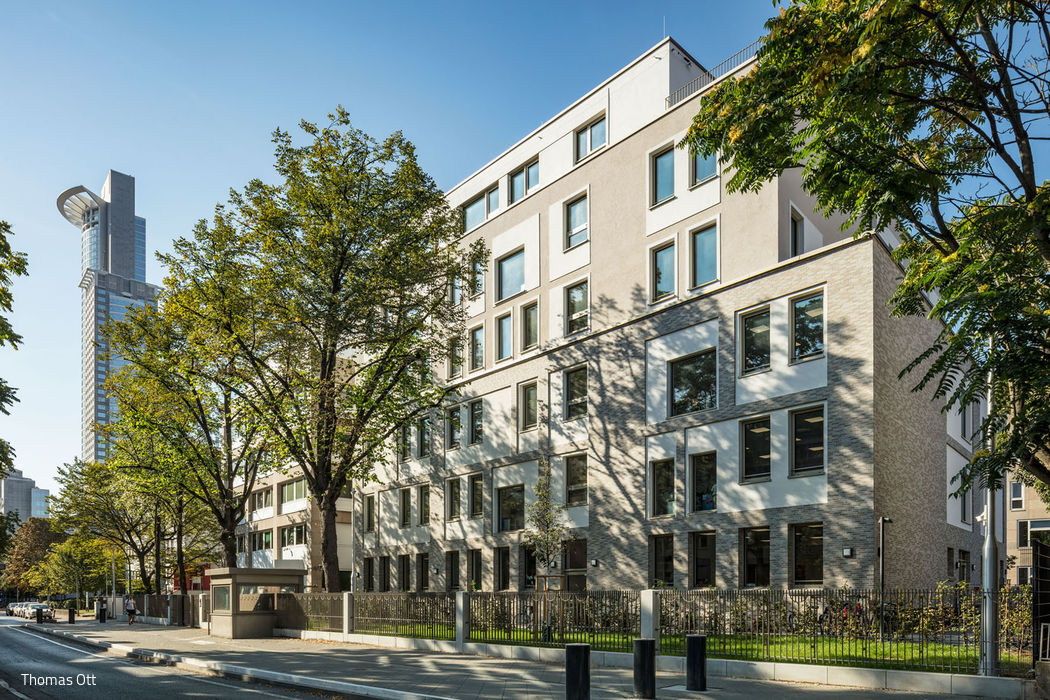
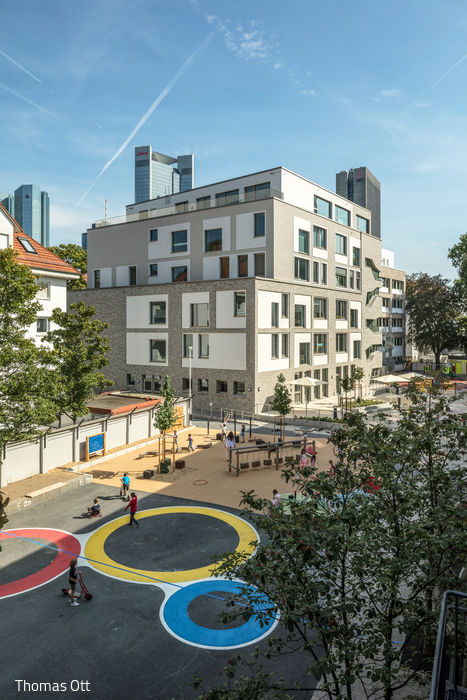
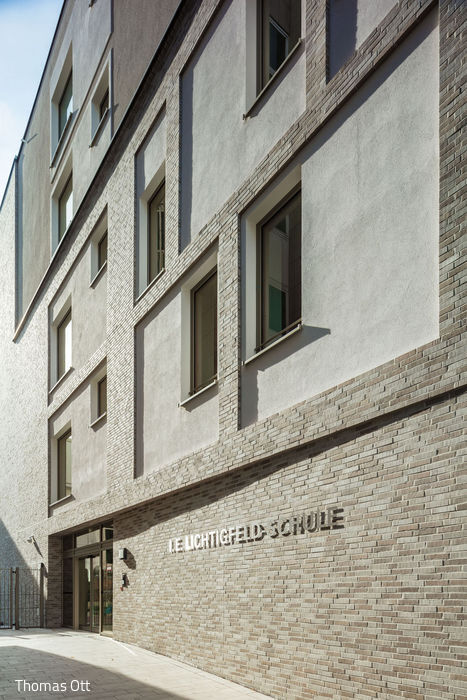
Cities rarely celebrate overcrowded schools—but the I. E. Lichtigfeld School tells a different story. In need of expansion, this institution carries profound historical significance: it was the first Jewish school to open in West Germany after National Socialism, the ban on Jewish schools, and the Shoah. When Rabbi Isaak Emil Lichtigfeld founded it in 1966, calling it an "experiment," few could have imagined it would one day outgrow its walls. The new extension by HGP Architects stands as testament to this successful venture. While security requirements are an unavoidable reality of our times—they have been integrated with remarkable discretion.
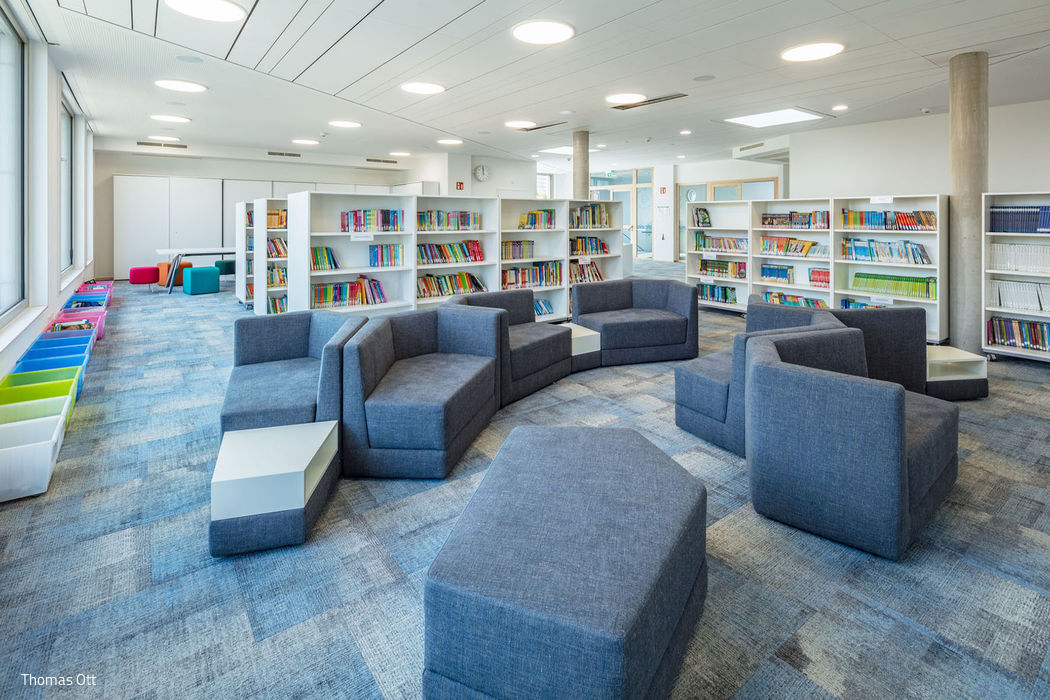
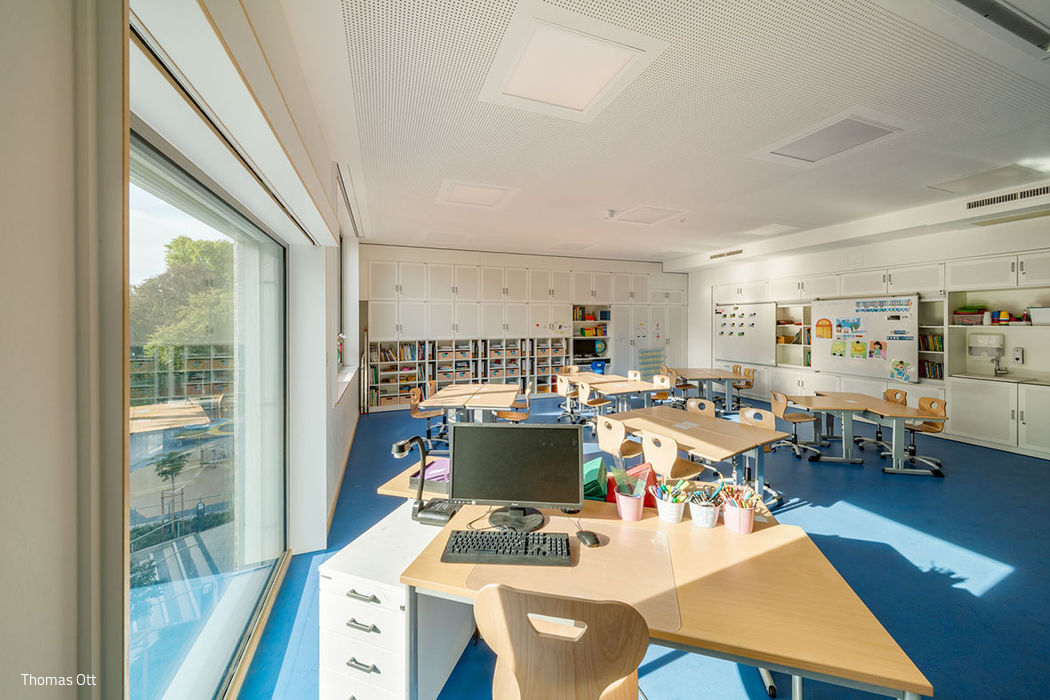
The Frankfurt architectural practice has designed a three-form primary school accommodating around 330 students, including an introductory stage. This private institution, with its full-day program, encompasses 20 classrooms, a cafeteria, and a learning landscape on the top floor—flexible spaces that encourage varied pedagogical approaches and nurture individual development. The distinction is particularly apt: Hesse has recognized the school with its seal of approval for exceptional support of highly gifted students.
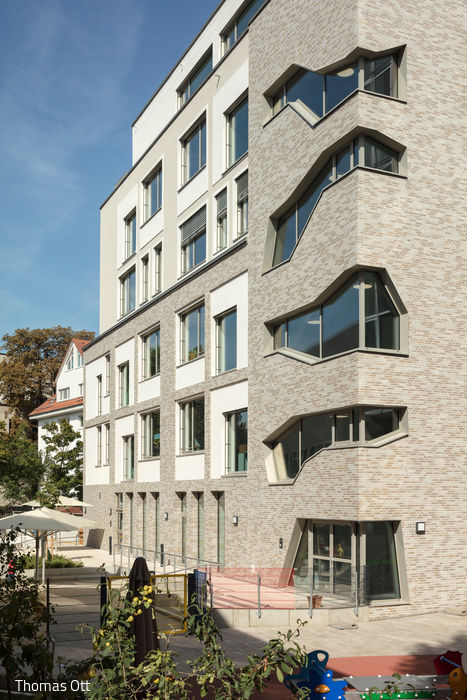
To create a cohesive ensemble with the surrounding Wilhelmine-era buildings, the new structure needed to echo their material language and formal vocabulary—but in contemporary terms. The architects achieved this through a staggered design and carefully articulated façade that creates fine-grained visual rhythm. "The extension integrates naturally with the existing ensemble," explains Markus Leben, managing partner and architect, "responding with both confidence and sensitivity to its context." The building base employs robust, varied-texture brickwork—a metaphor for individuality thriving within community, perfectly aligned with the school's mission. The middle section combines plaster and brick, while the staggered upper story features plaster in varying hues and depths.
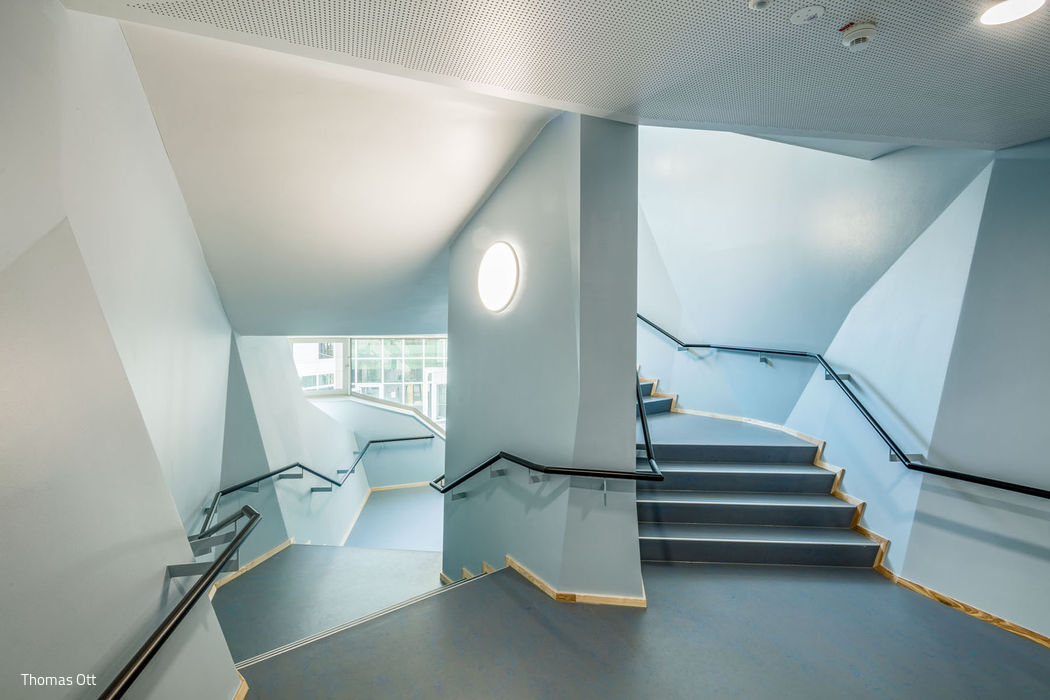
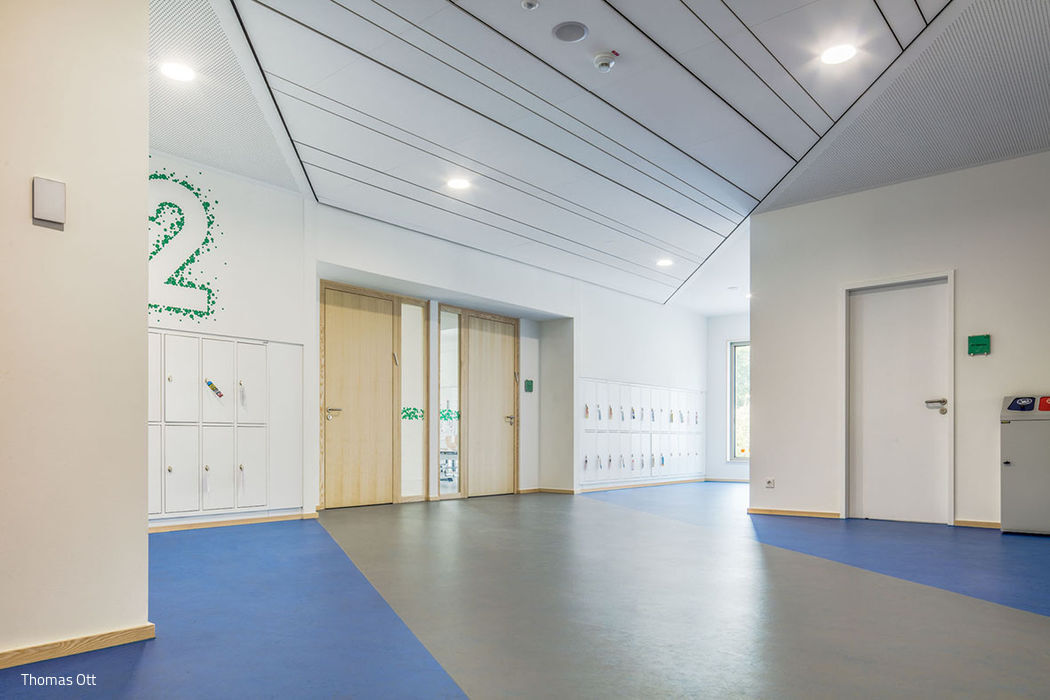
A sculptural staircase, nestled between gently sloping walls, spirals through all levels. Inspired by a marble run—a universal language for children worldwide, fitting for an international school—it creates visual interest and intuitive wayfinding. Generous corridors distribute students throughout the building, while floor-to-ceiling windows flood the spaces with natural daylight.
Photography Credits:
Thomas Ott
www.o2t.de
(Published in CUBE Frankfurt 04|21)

Exceptional Setting
Generous New Residence Atop the Freinsheim Winery
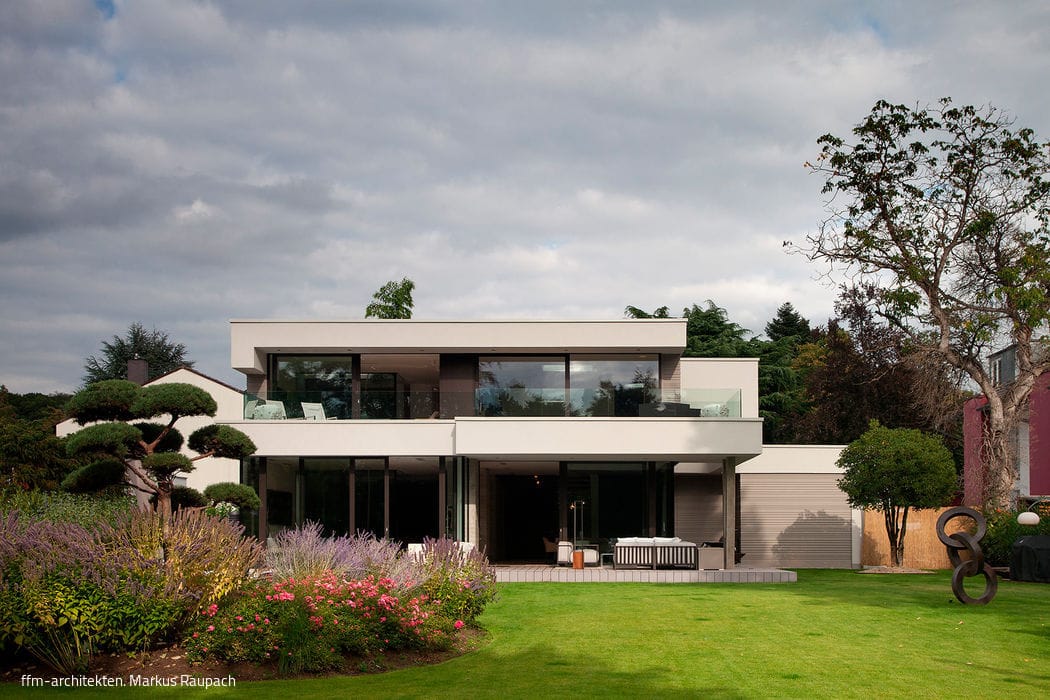
Seamless Integration
Modern Villa: Where Interior Design Captures the Beauty Beyond

Inspiring Learning Environment
A school designed for personalized and competency-based learning
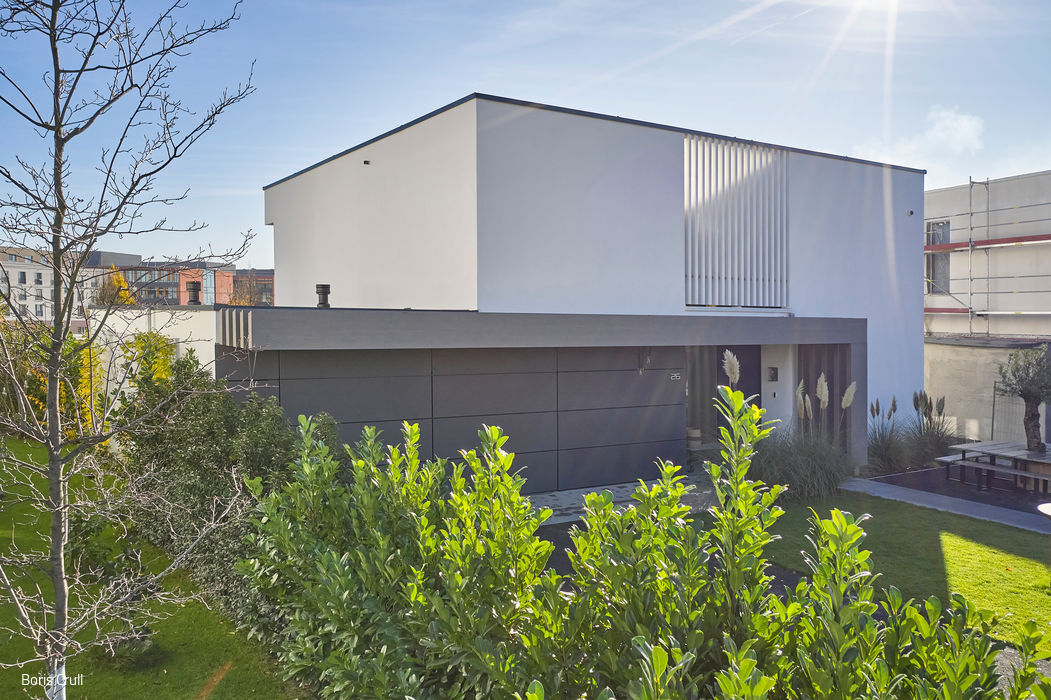
Clear, Calm, Minimalist
A Riedberg Villa: Distinct Volumes Unified in Harmony