


One House, Four Futures
An adaptable new build designed for flexible multi-generational living.
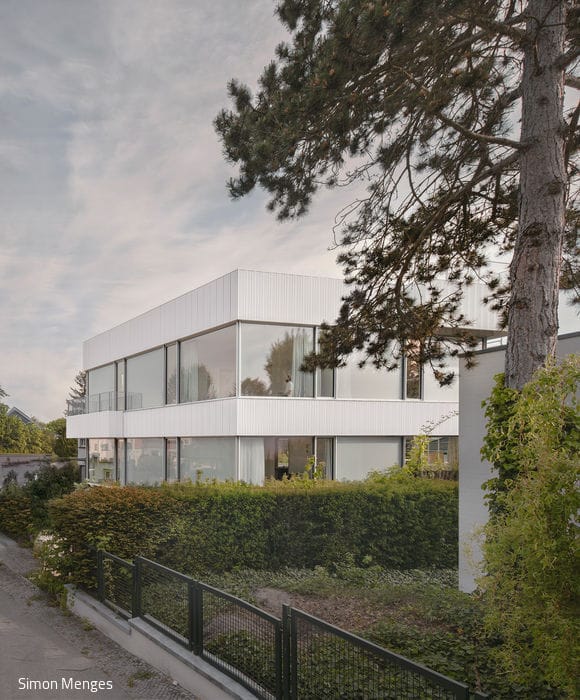
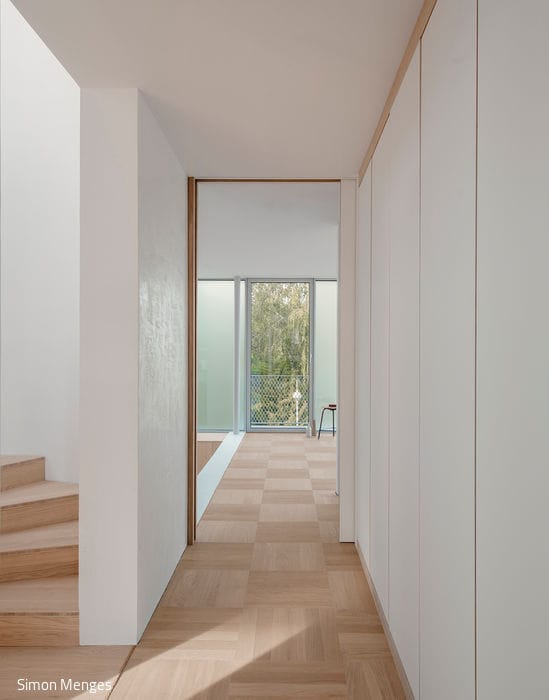
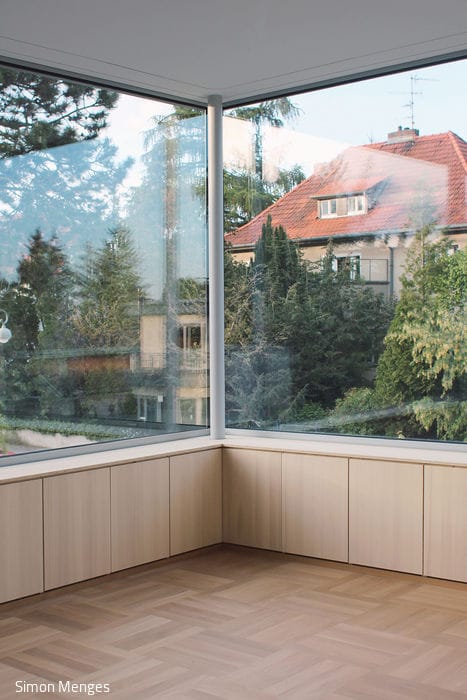
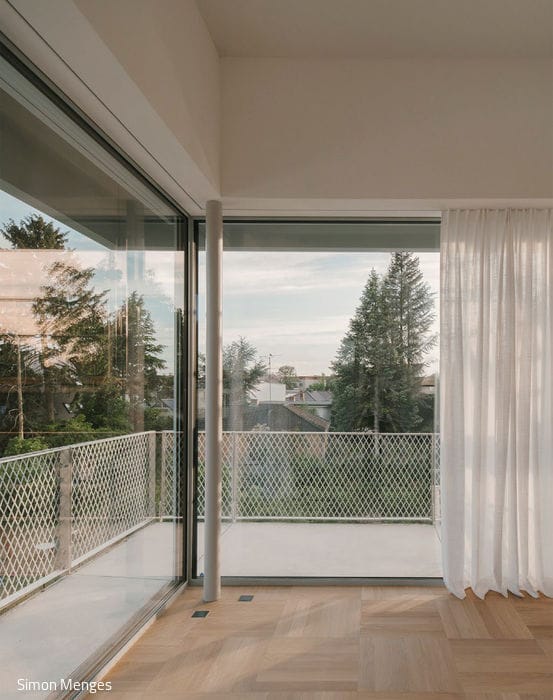
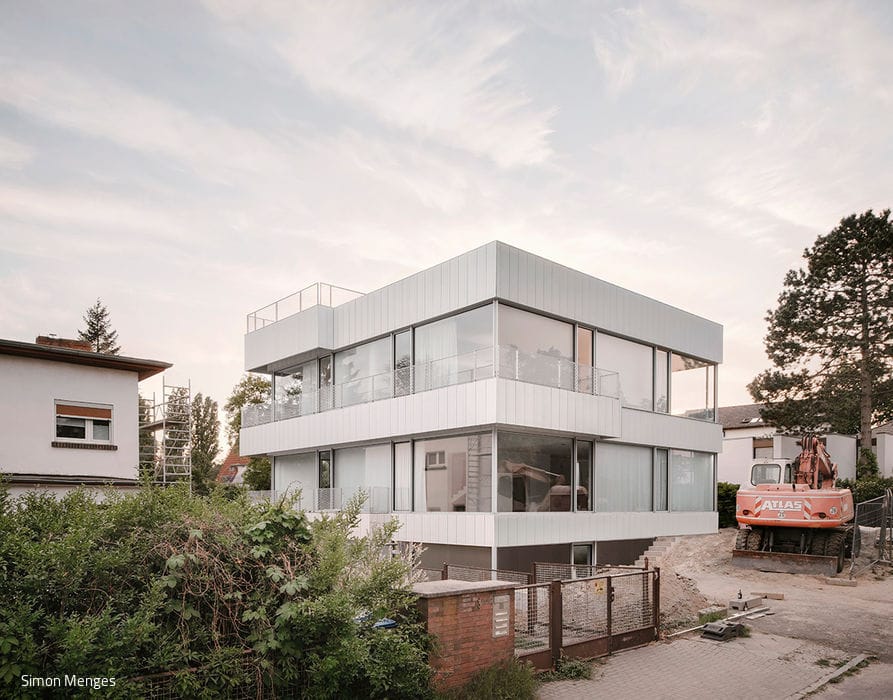
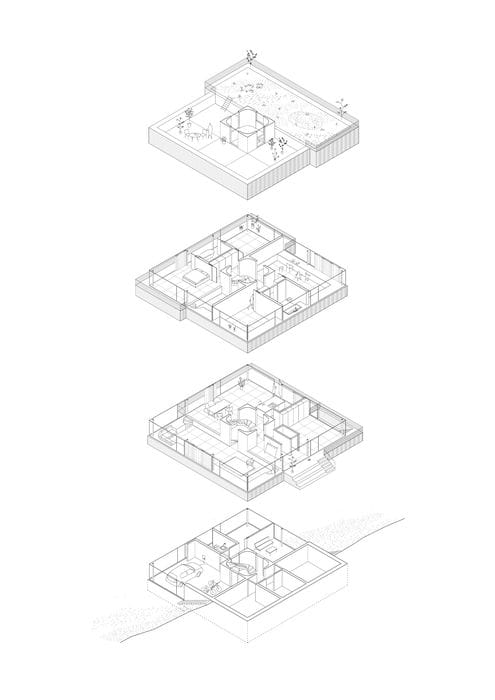
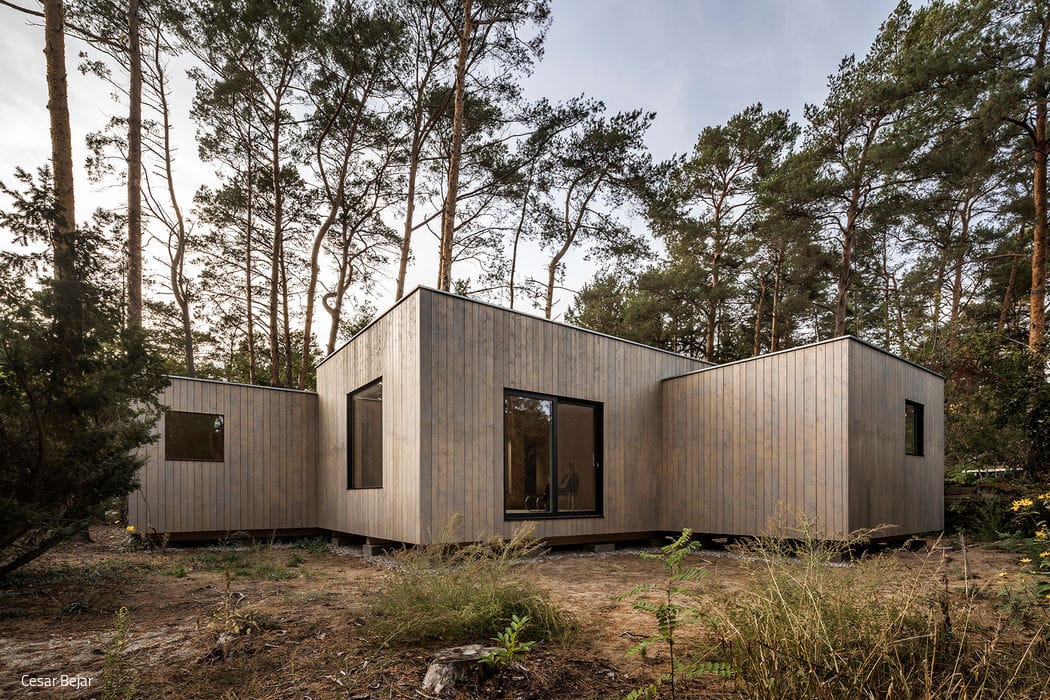
Die Bauherren wünschten sich für ihr neues Haus ein sehr variables Innenleben. Sie planten auf Jahre und Jahrzehnte hinaus, um die Immobilie später in ein Mehrgenerationenhaus verwandeln zu können. Damit konfrontierten sie die Architekten von FAKT aus Berlin – und es entwickelte sich daraus eine wahre Forschungsarbeit. Denn das, was die Kund:innen wollten, wird in Zukunft immer häufiger nachgefragt werden. Gleich zu Beginn wurde festgelegt, dass das Haus sowohl für einen Nutzer funktionieren, als auch in bis zu vier kleinere abgeschlossene Wohnungseinheiten teilbar sein sollte – sprich, es sollte für zukünftige Nutzungen flexibel bleiben.
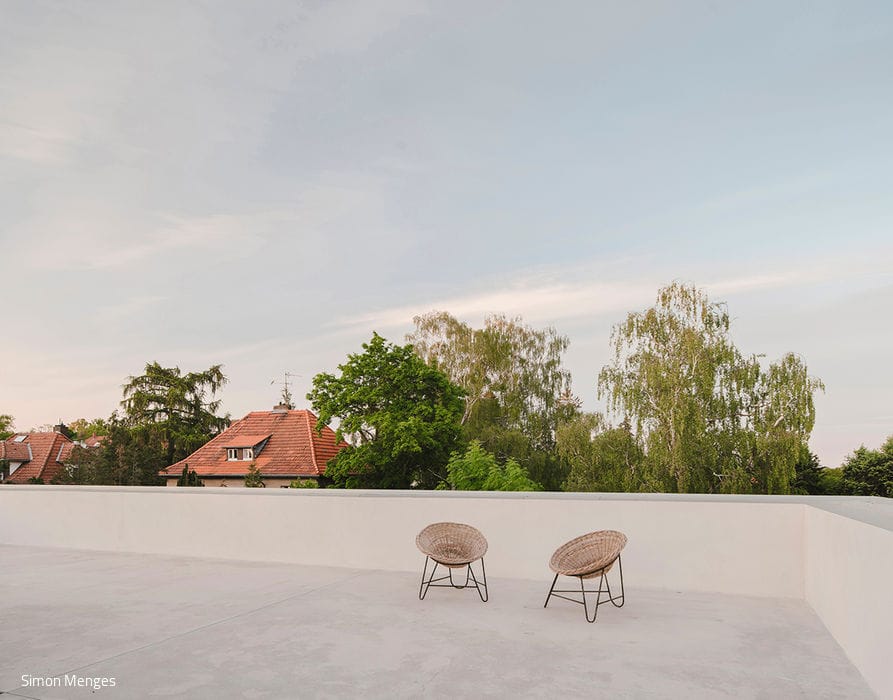
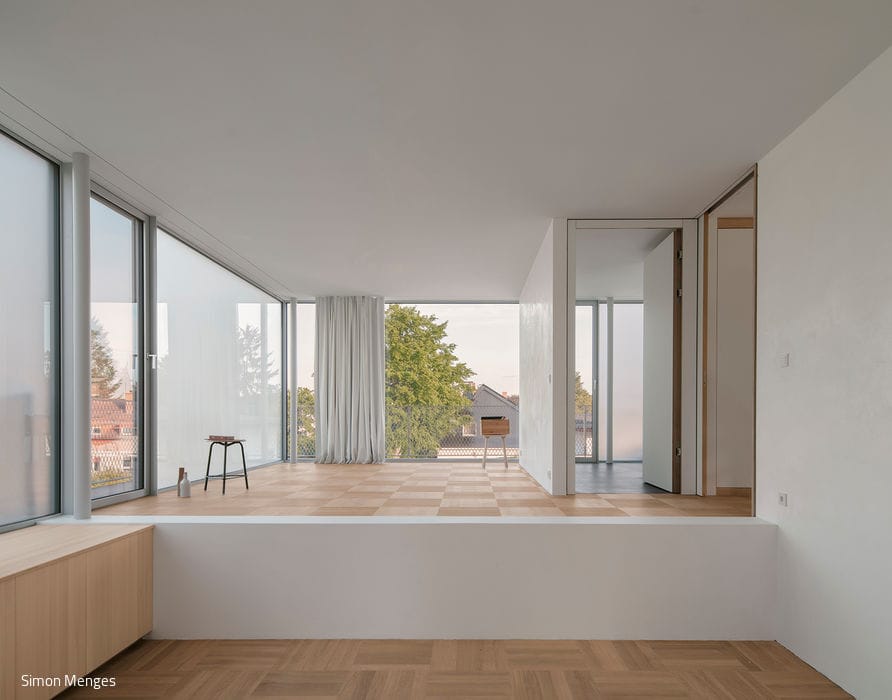
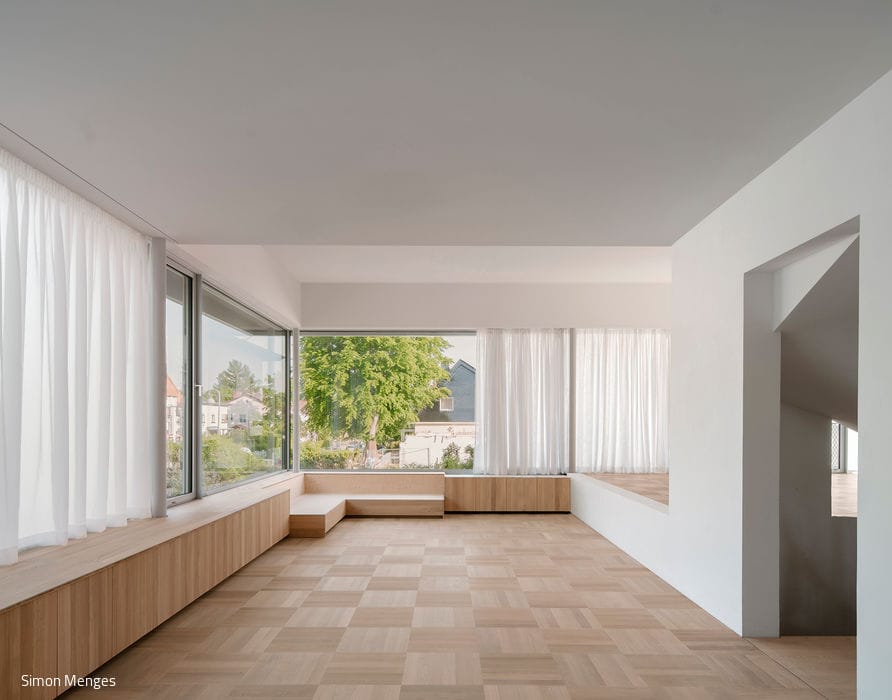
Der folgende architektonische Prozess war also gleichzeitig eine typologisch-räumliche Studie für ein wandelbares Mehrparteienwohnen. Der Neubau entstand in einer Siedlung mit Einfamilienhäusern aus verschiedenen Jahrzehnten. Es gab also kaum eine Notwendigkeit, sich vom Bautypus her an eine bestimmte Einheitlichkeit zu halten. Nachdem mehrere Lösungsansätze durchgespielt worden waren, fand man in der so genannten „Cross-Split-Konfiguration“ die passende Lösung: Mehrere gefaltete Geschossplatten wurden übereinander gestapelt und um jeweils 90 Grad zueinander verdreht. Somit ist jede Geschossplatte in zwei Höhenniveaus unterteilt. Es entstehen unterschiedliche Raumhöhen von 2,5 Metern im Foyer und in der Garage von 2,1 Metern sowie bis zu 4,6 Metern als polyvalenter Wohnraum. Das Ergebnis der zueinander verdrehten Splitlevels ist ein Haus ohne einheitlich festgelegte Geschosshöhe. Es ergeben sich vier unterschiedliche Raumhöhen pro Etage und damit verschiedene Grade von Privatheit – von der offenen Wohnlandschaft bis hin zu einem introvertierten Einzelzimmer. Die Erschließung des Hauses erfolgt durch einen mittigen Kern. Um ihn herum sind die Wohnräume so angeordnet, dass sich der Treppenkern später verschließen lässt und durch einen Aufzug erweitert werden kann. Das Flachdach beherbergt eine geschützte Terrasse mit einem dicht bepflanzten Dachgarten. Die Varianten, die sich nun für die Gegenwart und Zukunft ergeben, sind: Ein Einfamilienhaus für vier bis acht Personen, ein Mehrgenerationenhaus für fünf bis acht Personen als Wohngemeinschaft sowie ein Vier-Parteienhaus für bis zu zehn Personen. Insgesamt handelt es sich um ein Modell für künftiges platzgenerierendes Bauen.
Photography Credits:
Simon Menges
(Published in CUBE Berlin 02|23)



A World Tour in One Day
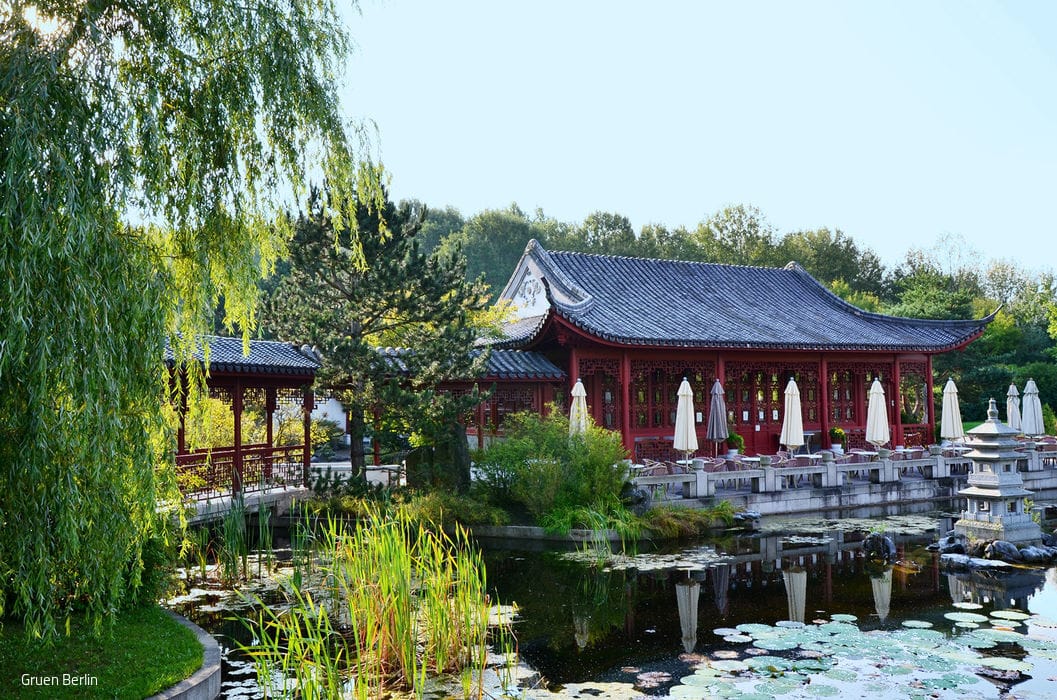
The "Gardens of the World" Remain an Unforgettable Experience—Six Years After the IGA
Small Town in the Big City
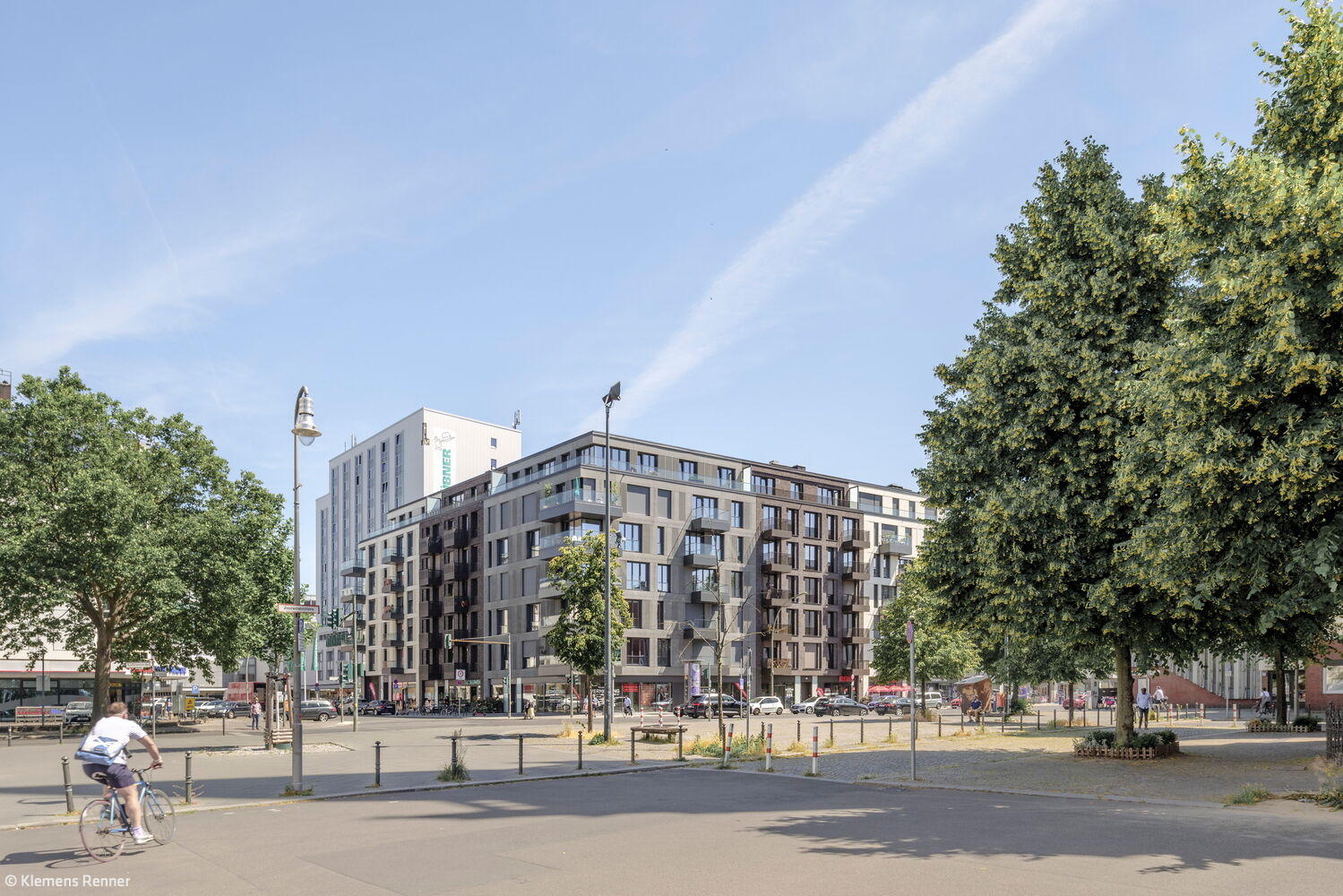
Schoenegarten: A Housing Project That Excels Through Thoughtful Design
From Warehouse to Workspace
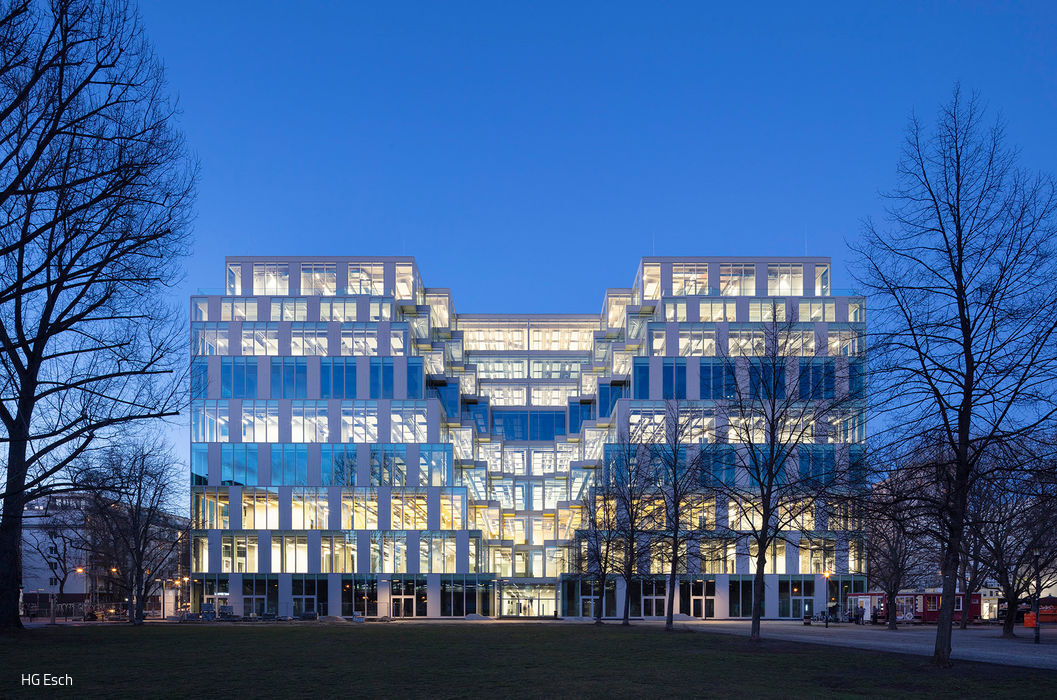
UP! Berlin stands as a striking office building distinguished by its inventive approach to lighting design.
A Model Home for Tomorrow
Five Elements, One Vision – A Residence on Lake Köris