


Energy Independent and Light
Sustainable Living in Grünau
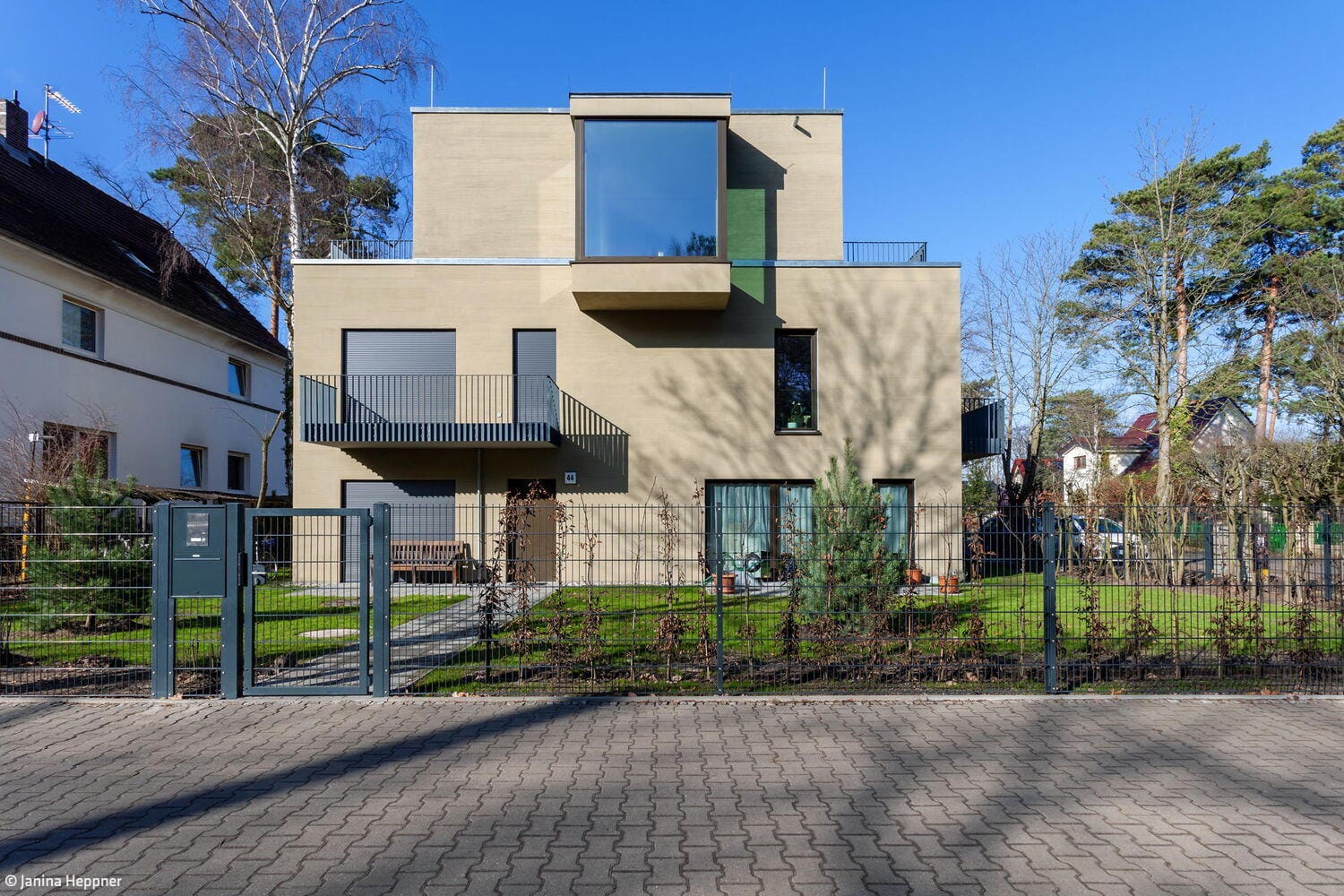
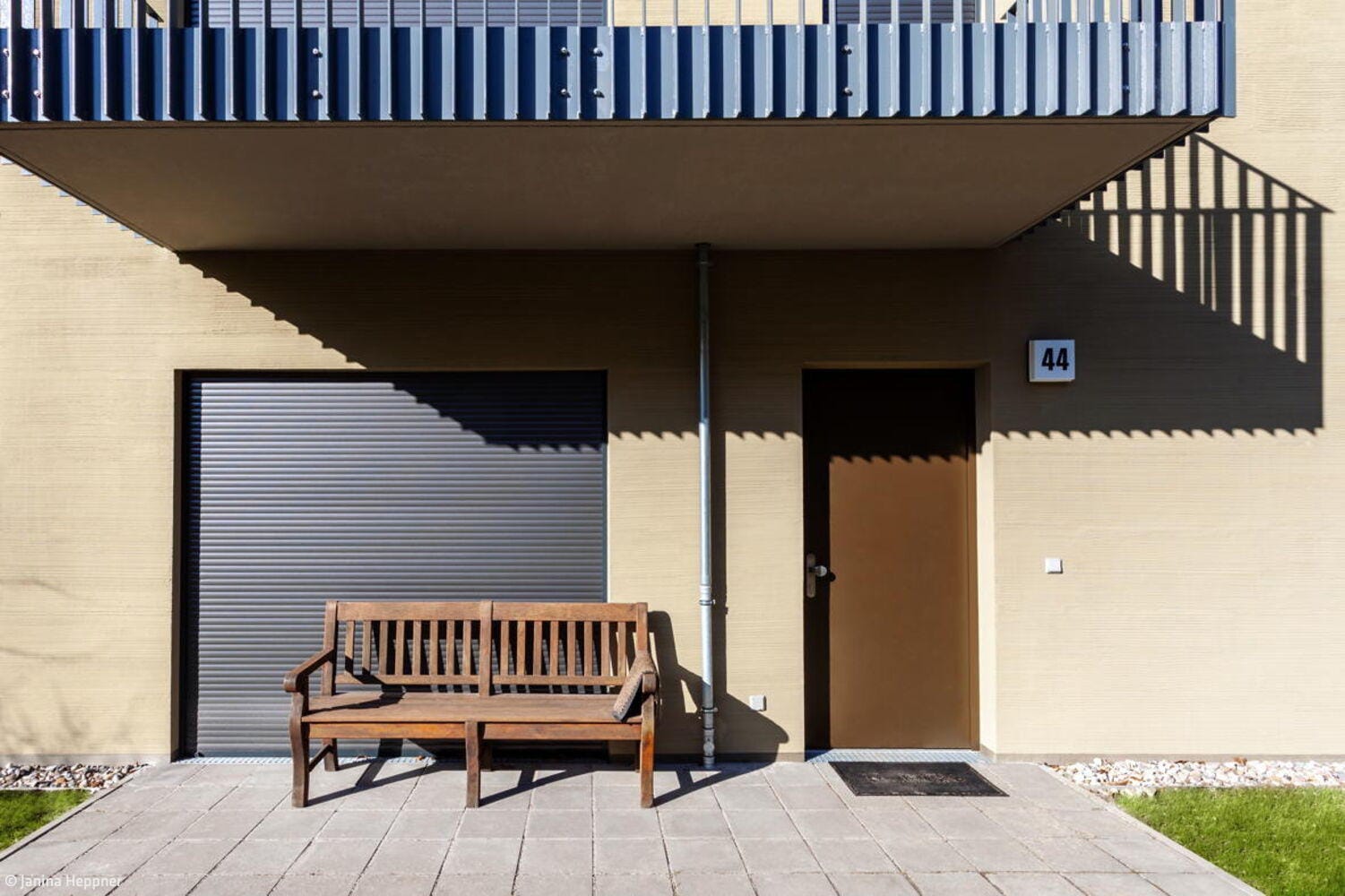
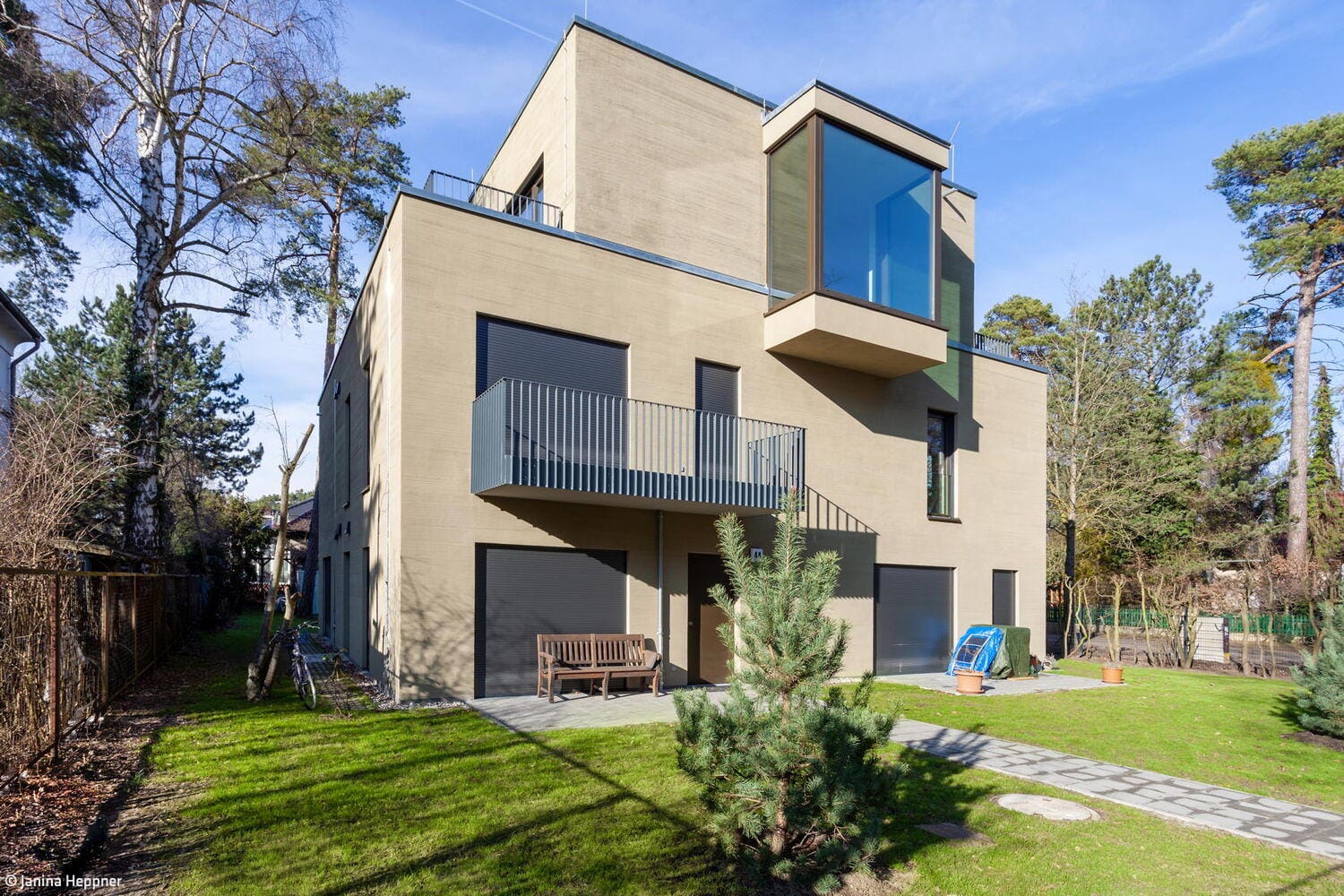
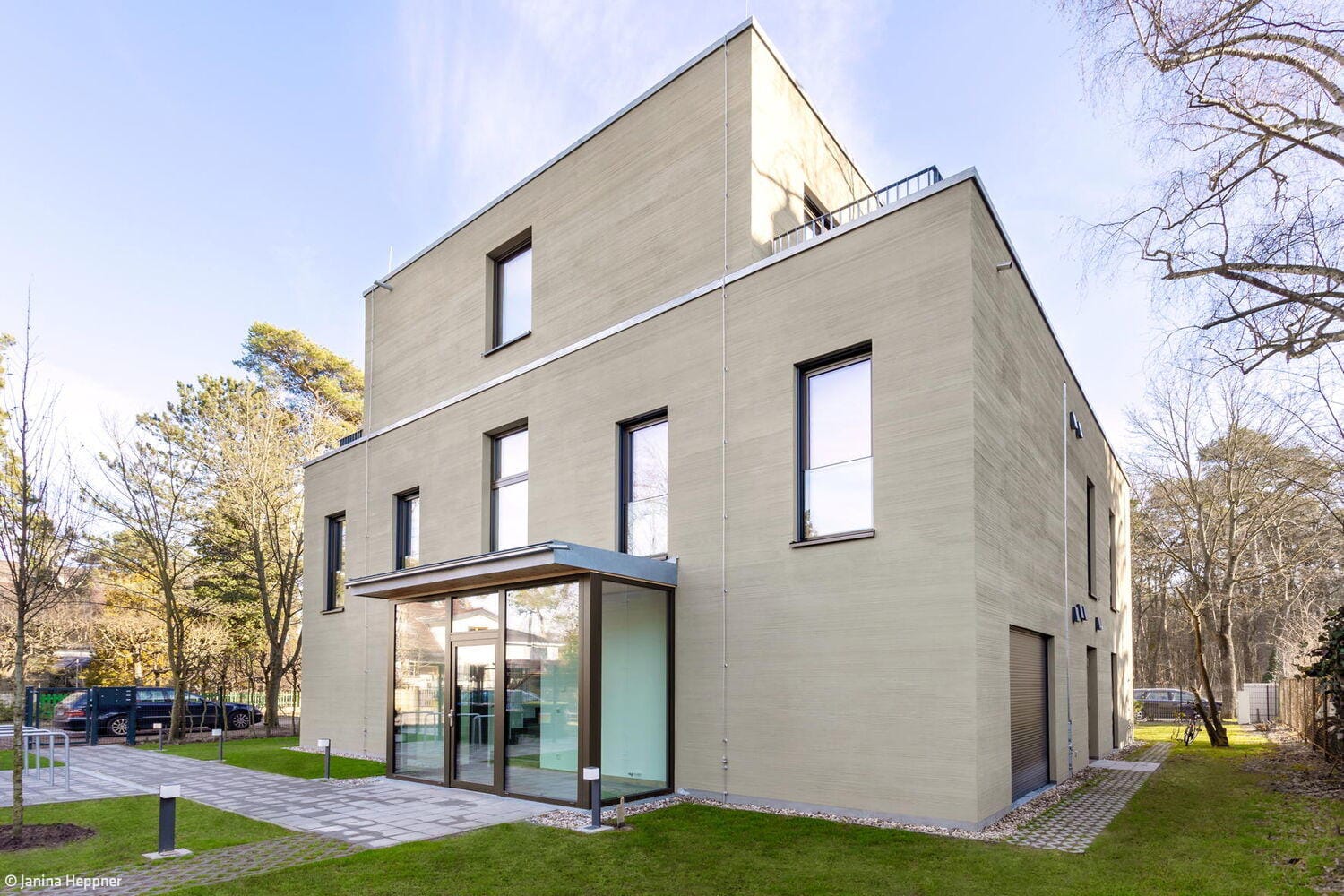
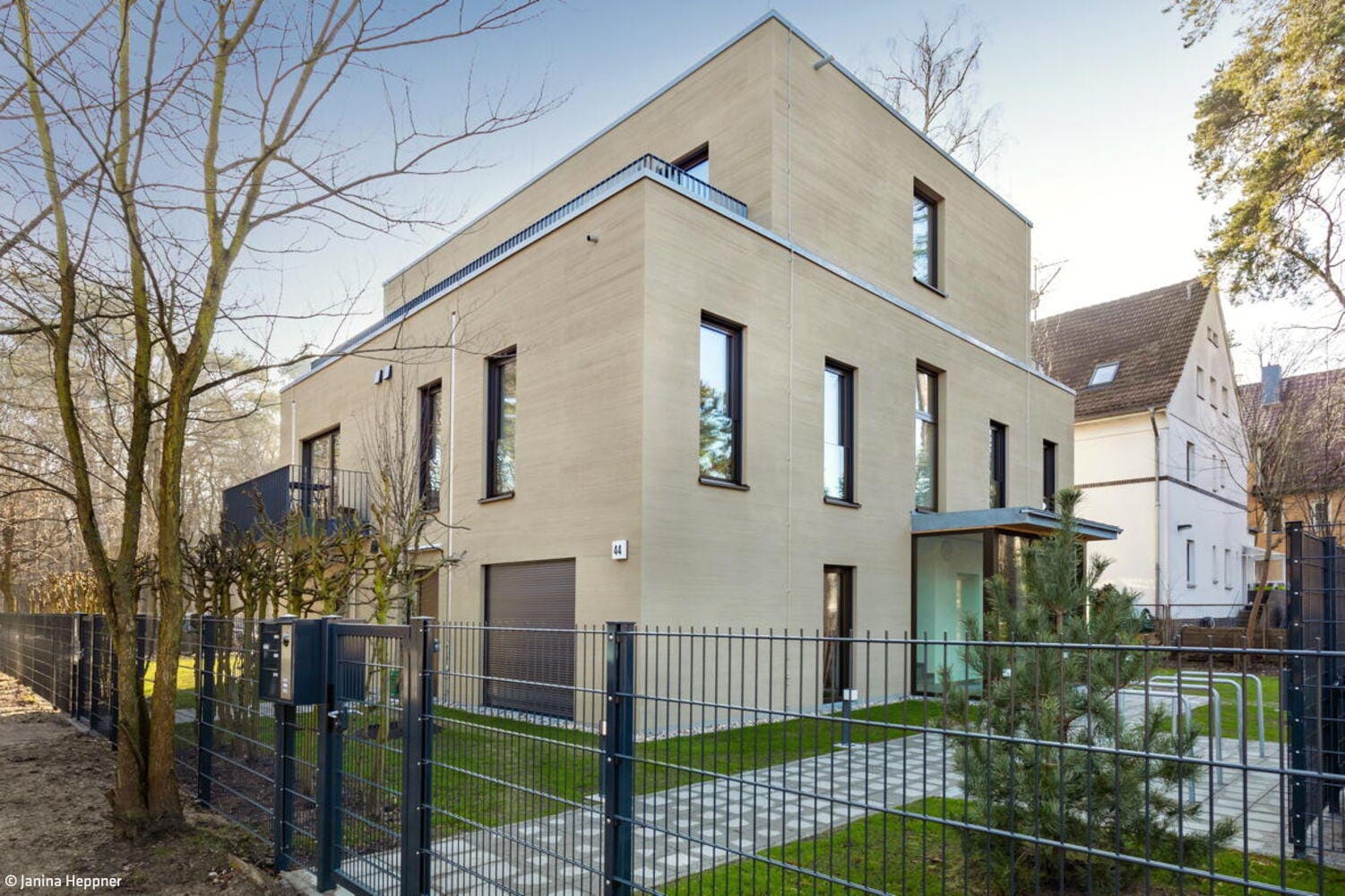
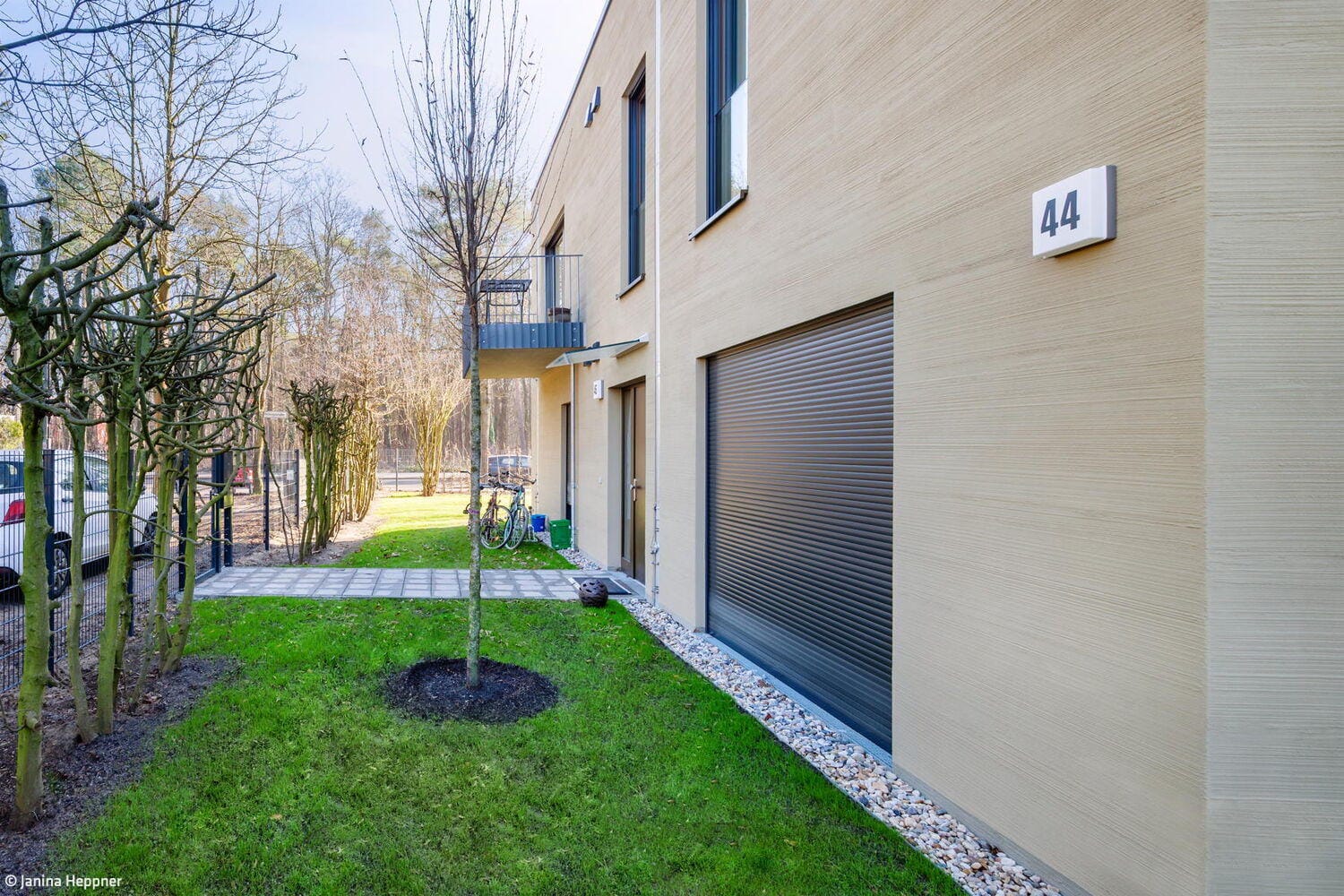
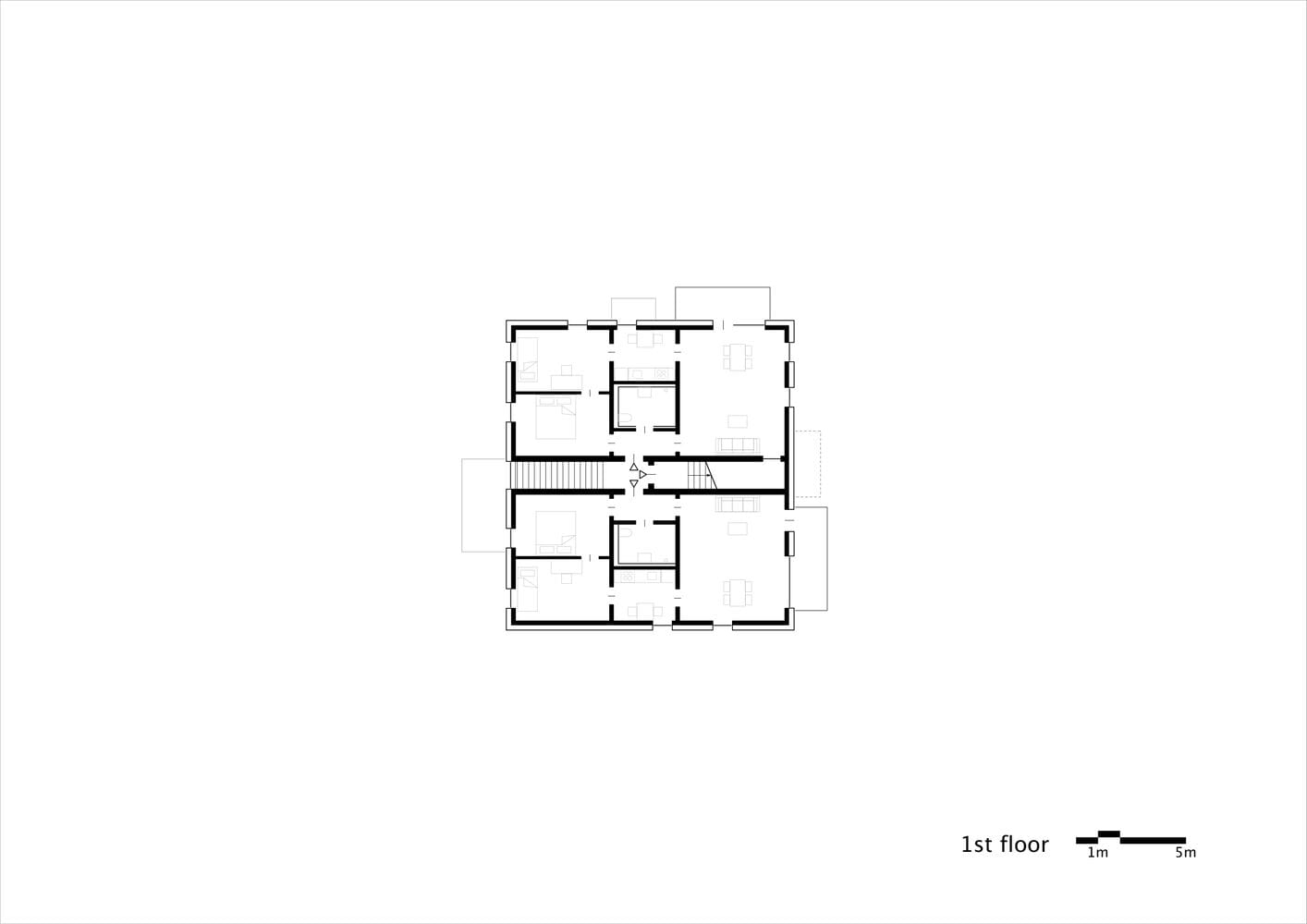
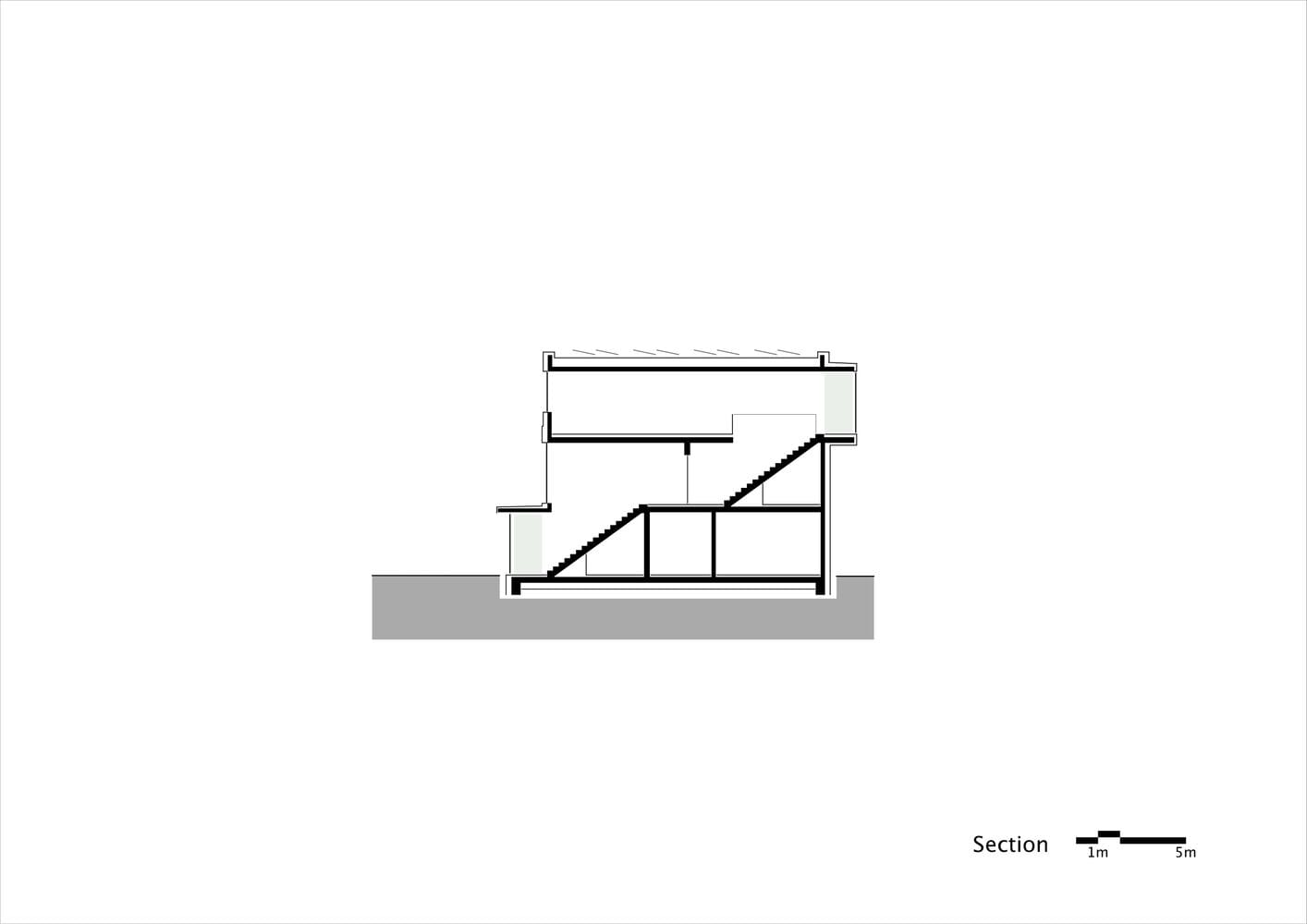
Grünau sits in Berlin's far southeastern corner, nestled between the Dahme River and Müggelsee lake – Berlin's counterpart to the western suburbs of Zehlendorf and Wannsee. On a corner plot here stands an apartment building that defies expectation: compared to the traditional two-family homes surrounding it, this five-unit residence reads more like a generous, contemporary single-family dwelling. Its ochre façade evokes earthen architecture – yet behind this appearance lies a sophisticated design: five apartments, three separate entrances, and nearly 500 m² of gross floor area. The units are distributed across three levels: two on the ground floor, two on the upper floor, and one set back on the second floor above.
Berlin architects Peter Ruge and Kayoko Uchiyama conceived the project as "regenerative living in Berlin-Grünau" – a compelling vision. The speed of construction speaks volumes: precast concrete elements allowed the shell to rise in just 14 days. These elements incorporate expanded clay as an aggregate – a ceramic-fired material that, thanks to its porous structure, weighs 40% less than conventional concrete while delivering superior thermal insulation. The material brings additional benefits: it's non-combustible, pest-resistant, provides excellent acoustic dampening through its porosity, and naturally regulates humidity. The façade itself is a study in subtlety: a broom-finished plaster with specialized pigments creates surfaces that shift with the seasons, transforming the building's appearance as light and weather change throughout the year.
The design draws inspiration from the modern city villa, reimagined through a functional core structure that maximizes living space through flexible, thoughtfully planned layouts. A distinctive box-shaped "pop-up window" on the second floor frames views of the surrounding landscape – the forest beyond and the river behind it – while generous balconies and terraces create inviting outdoor spaces. The energy concept is equally compelling: a synergy of geothermal heat pumps, photovoltaics, individual apartment ventilation, and heat recovery systems work in concert. The result is remarkable – on-site renewable energy production exceeds the building's annual operational needs, achieving net-zero greenhouse gas emissions. Measured in CO₂ equivalents per square meter of building area per year, this is a genuinely climate-neutral building.
Photos:
Janina Heppner
www.janinahappner.de
(Published in CUBE Berlin 03|25)


Efficient, Sustainable, and Cost-Effective
Innovative lighting design for open-plan offices
Bauhaus Beneath the Farmsteads
In this minimalist country residence, Dekton enables interior and outdoor spaces to flow together as one.
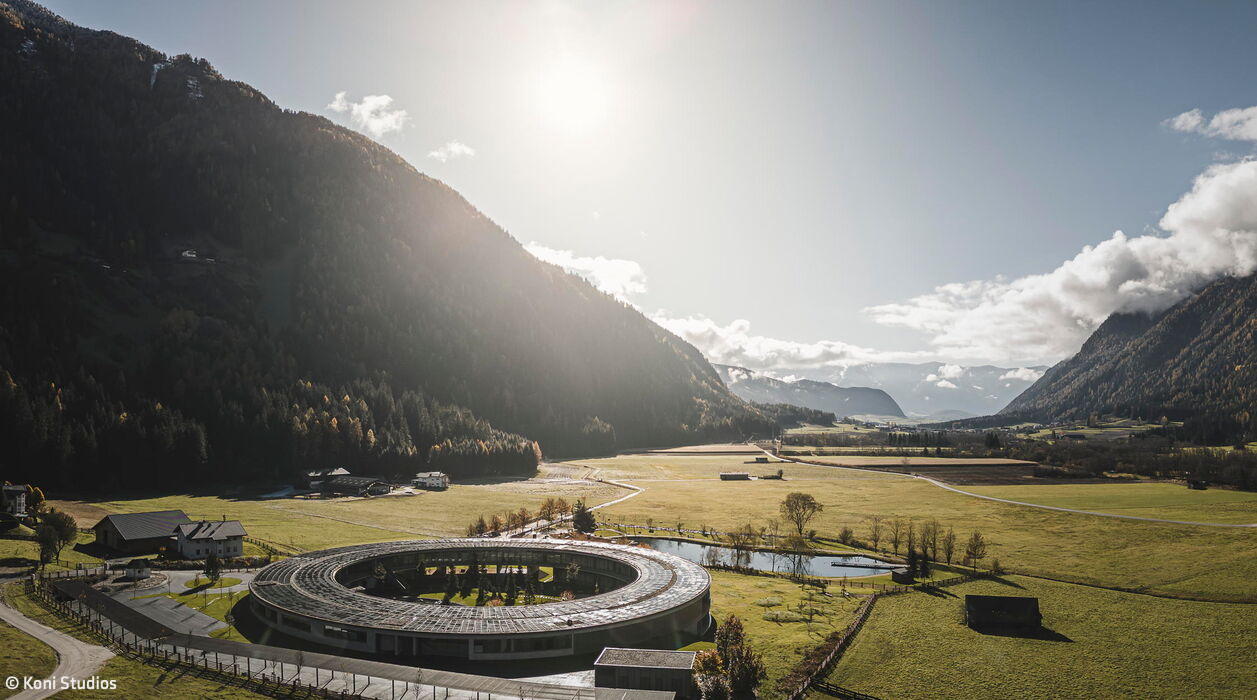
Mountain Retreat: Alpine Ambiance Awaits
The newly opened "Olm Nature Escape" is redefining South Tyrol's eco-hospitality scene with a bold vision...

Bridging the Gap with Confidence
Two Homes in One: Living Space Reimagined on an Ultra-Narrow Plot