


Heritage and Innovation in Timber
The German Alpine Club's New Home
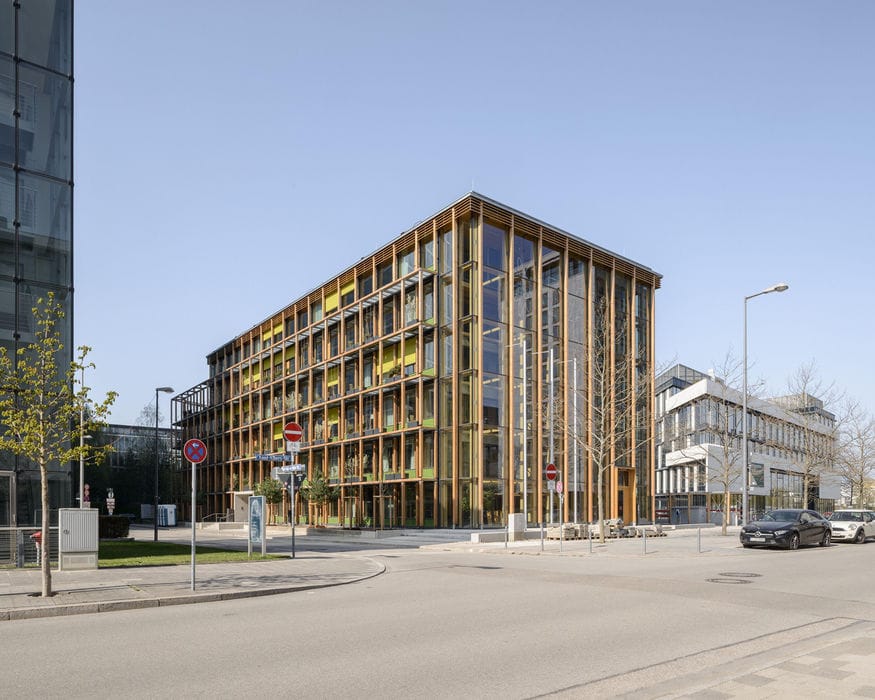
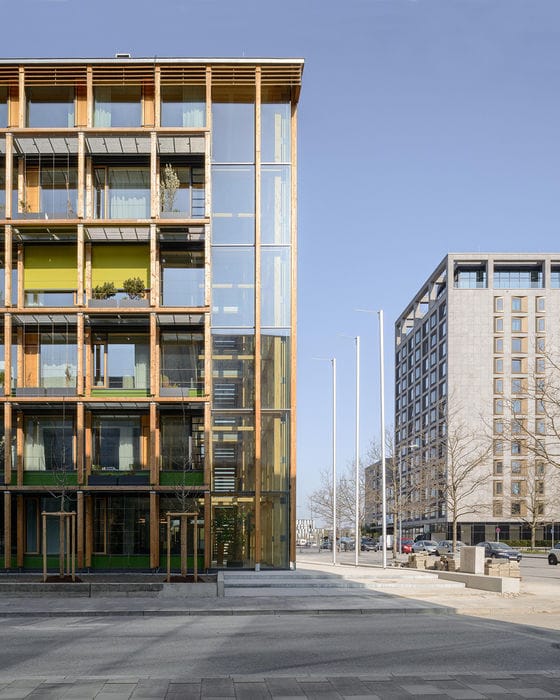
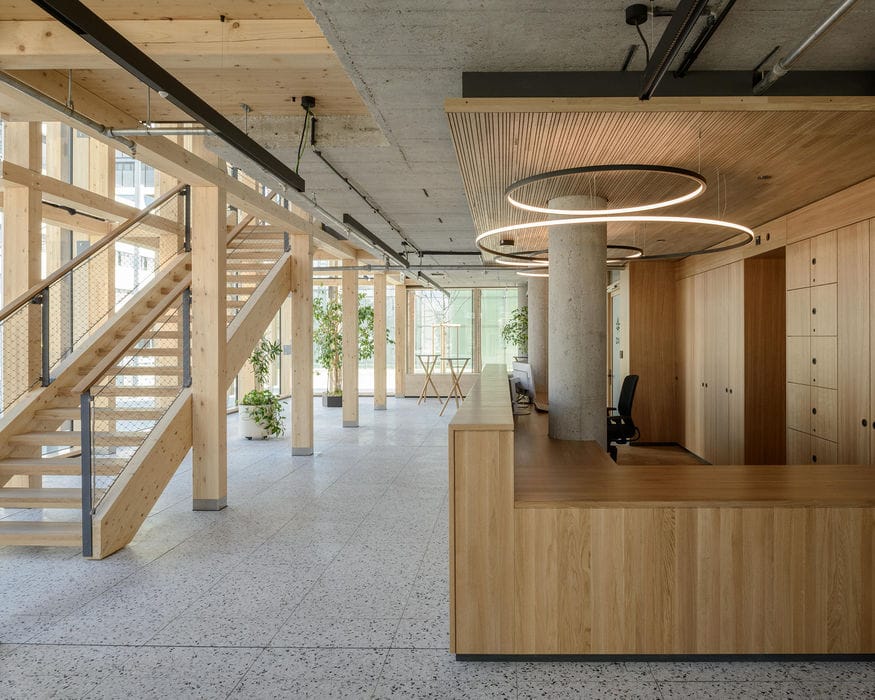
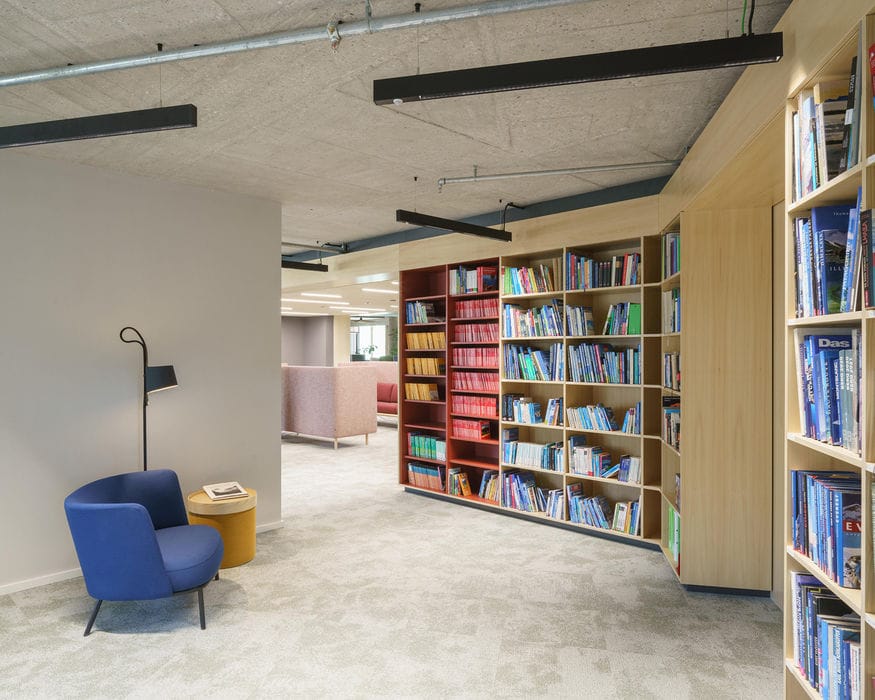
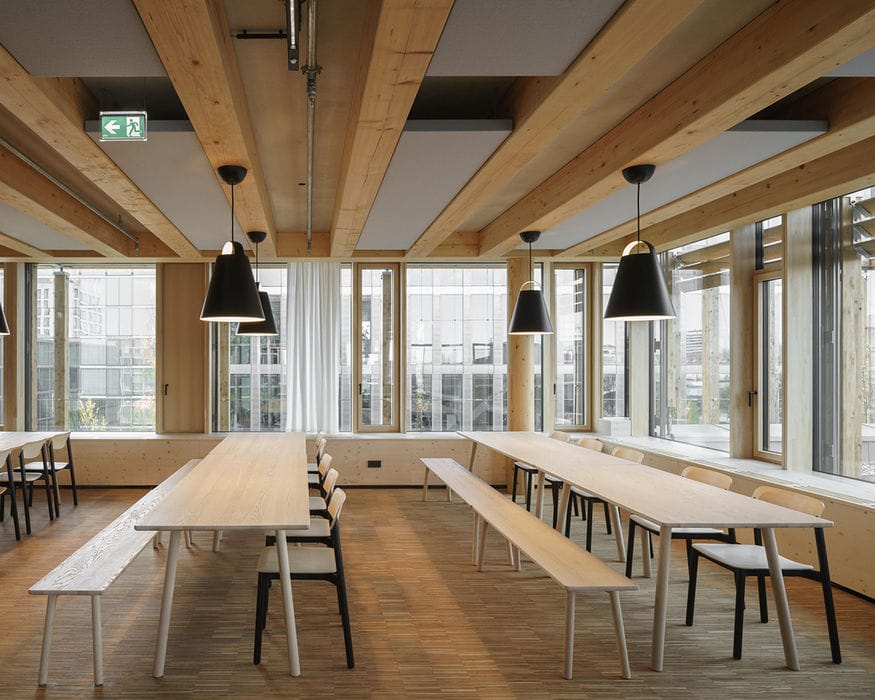
The German Alpine Club's federal headquarters relocated to a new home at the southern edge of Parkstadt Schwabing, nestled subtly between Helmut Jahn's iconic twin towers along the Mittlerer Ring. The club acquired a vacant office building, once headquarters of Langenscheidt Publishers. Substantial renovation, conversion, and expansion were essential to accommodate the organization's spatial needs.
Element A, the Munich and Heidelberg-based architecture firm, took on the challenging redesign. Transforming this conventional concrete structure into an ecologically and technically sophisticated office building seemed daunting at first. Yet today, it strikes a striking contrast with the steel, glass, and concrete landscape of Parkstadt Schwabing. The original building housed an underground garage with 33 spaces and four office levels (ground floor plus three upper floors). An adjoining modern structure to the south, originally built as Langenscheidt's new office space, now serves as headquarters for the CSU party. An emergency stairwell connects the two buildings.
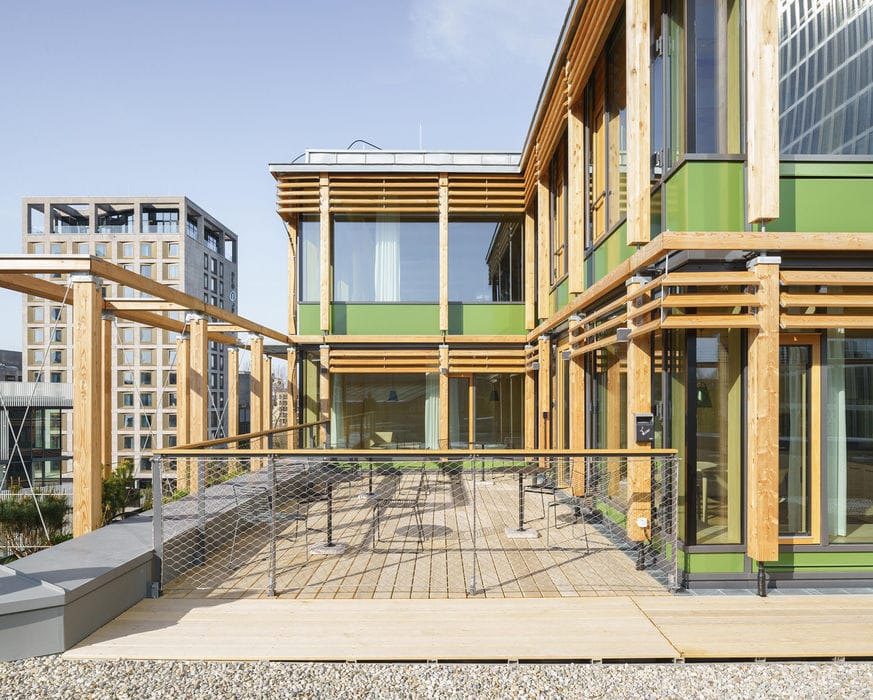
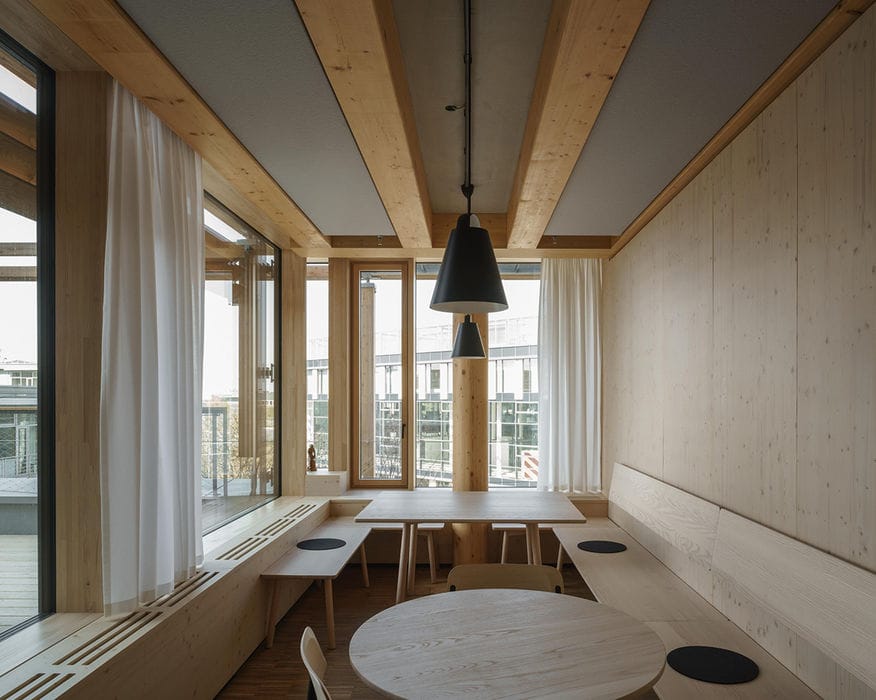
Two new timber-construction storeys cap the existing structure, complete with composite timber decks and a flat roof. Timber extends throughout the interior, framing a central core with stairs and elevators, plus a new atrium to the north. The ground floor gained a conference room opening onto the garden on the western side. A unified timber post-and-beam façade wraps the entire building, while slender timber verandas—each 1.5 meters deep—extend along the east and west elevations, designed as living green walls. Planters with climbing vegetation gradually cultivate this botanical skin. The decision to preserve and upgrade the existing structure avoided resource-intensive demolition, while a carefully balanced building philosophy integrates ecological, economic, and social priorities.
Wood and living vegetation signal the Alpine Club's ecological commitment—a philosophy that permeates the interior as well. An oversized edelweiss light sculpture anchors the entrance, a nod to the club's identity. Offices follow contemporary workplace psychology principles, designed as open-plan spaces with dedicated quiet zones for calls and meetings.
Photography Credits:
The Pk. Odessa Co
www.pk-odessa.com
(Published in CUBE Munich 04|22)
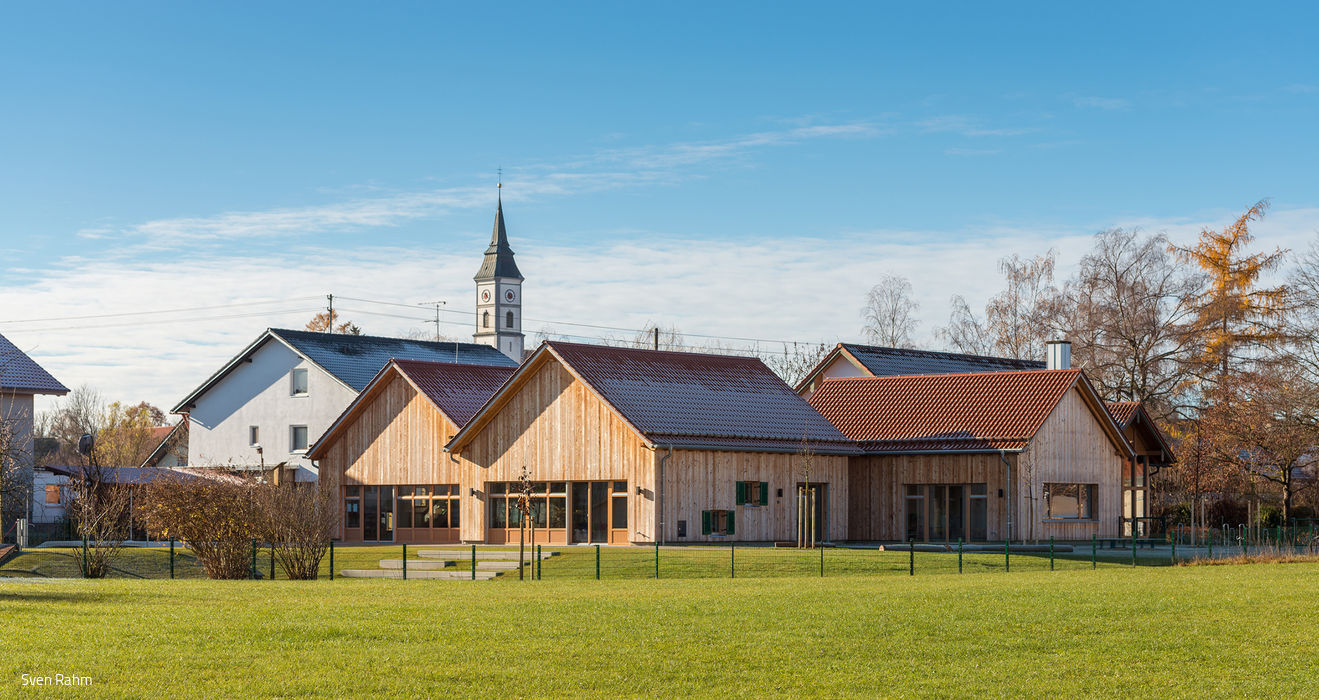
More Space for the Little Ones
Expanding a Rural Kindergarten: Responding to a Growing Need
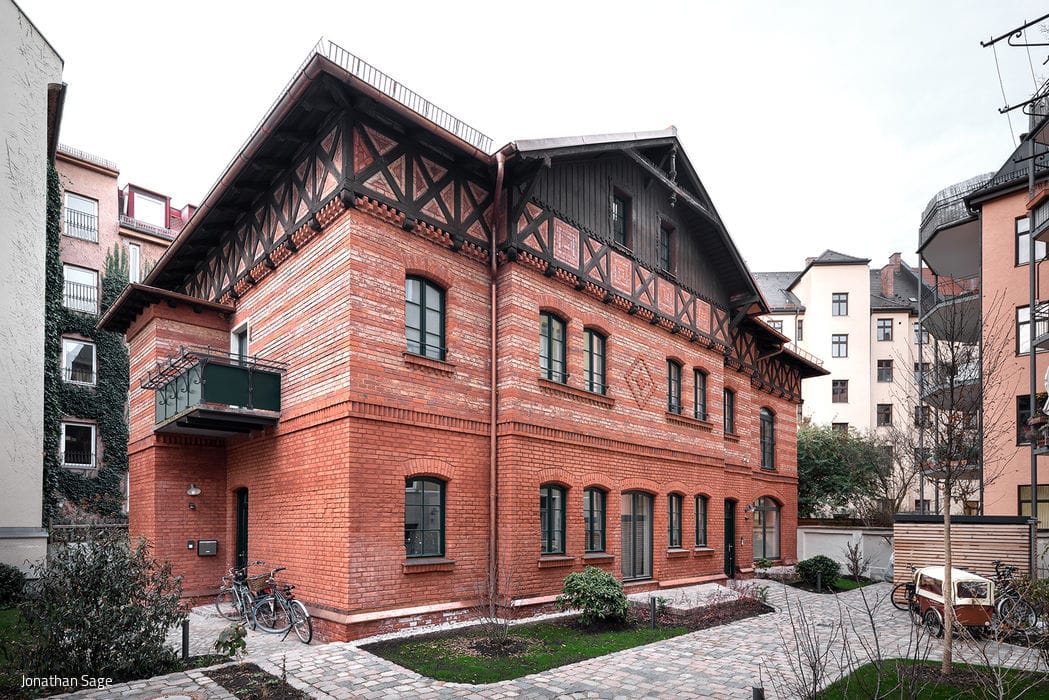
Not a Horse in the Stable
A historic barn and stable thoughtfully restored and converted into a model residence
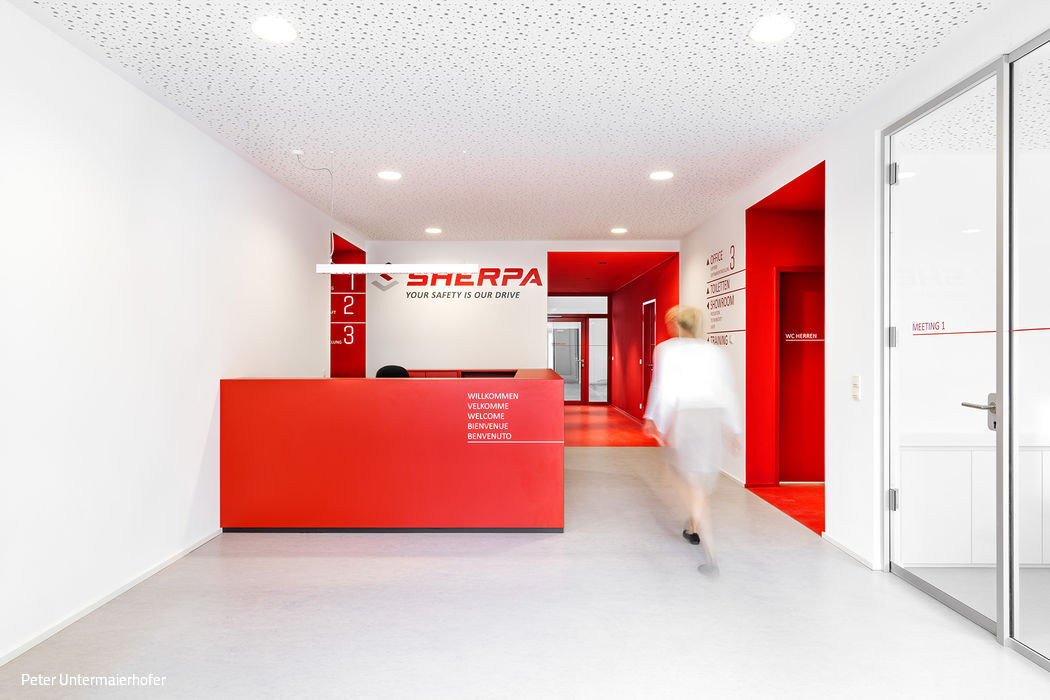
Mission Red in Ampfing
Sherpa automotive diagnostic equipment supplier at its comprehensively redesigned headquarters
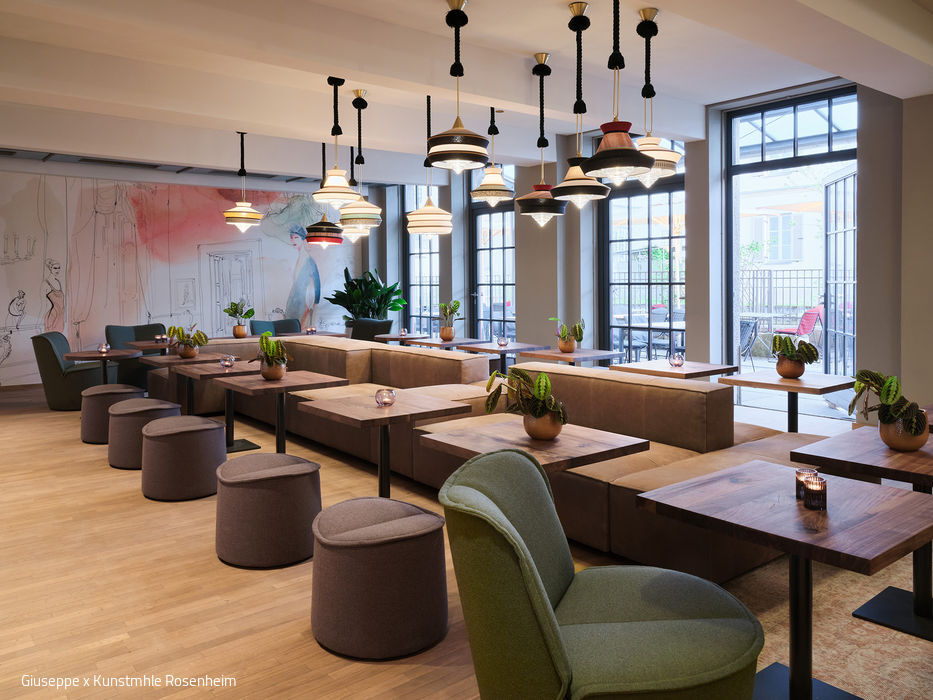
Mill in New Splendor
Breathing new life into an industrial landmark through thoughtful restoration and reimagining.