


A Wooden Dress
Space-Optimised Family Villa – The Art of Doing More With Less
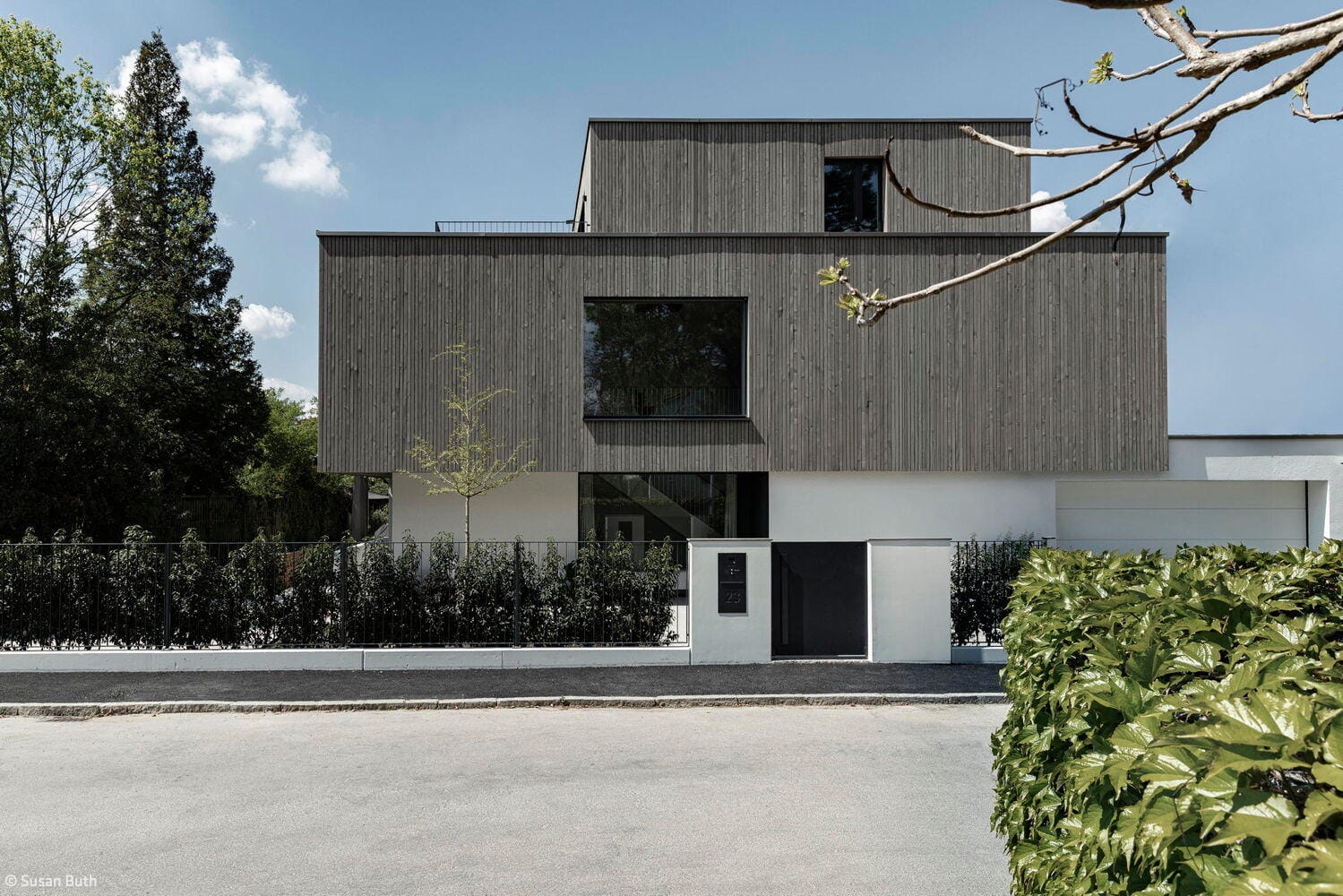
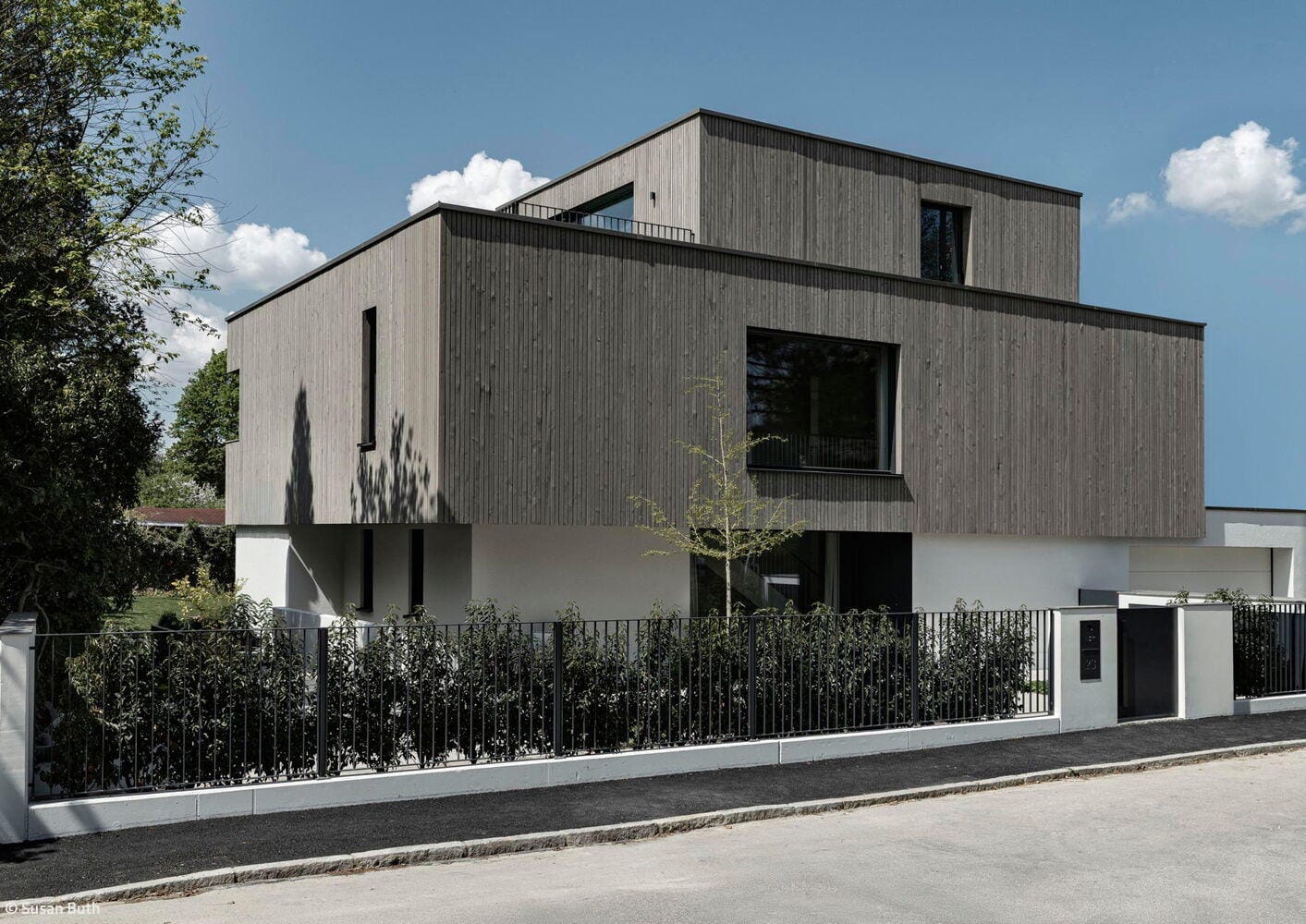
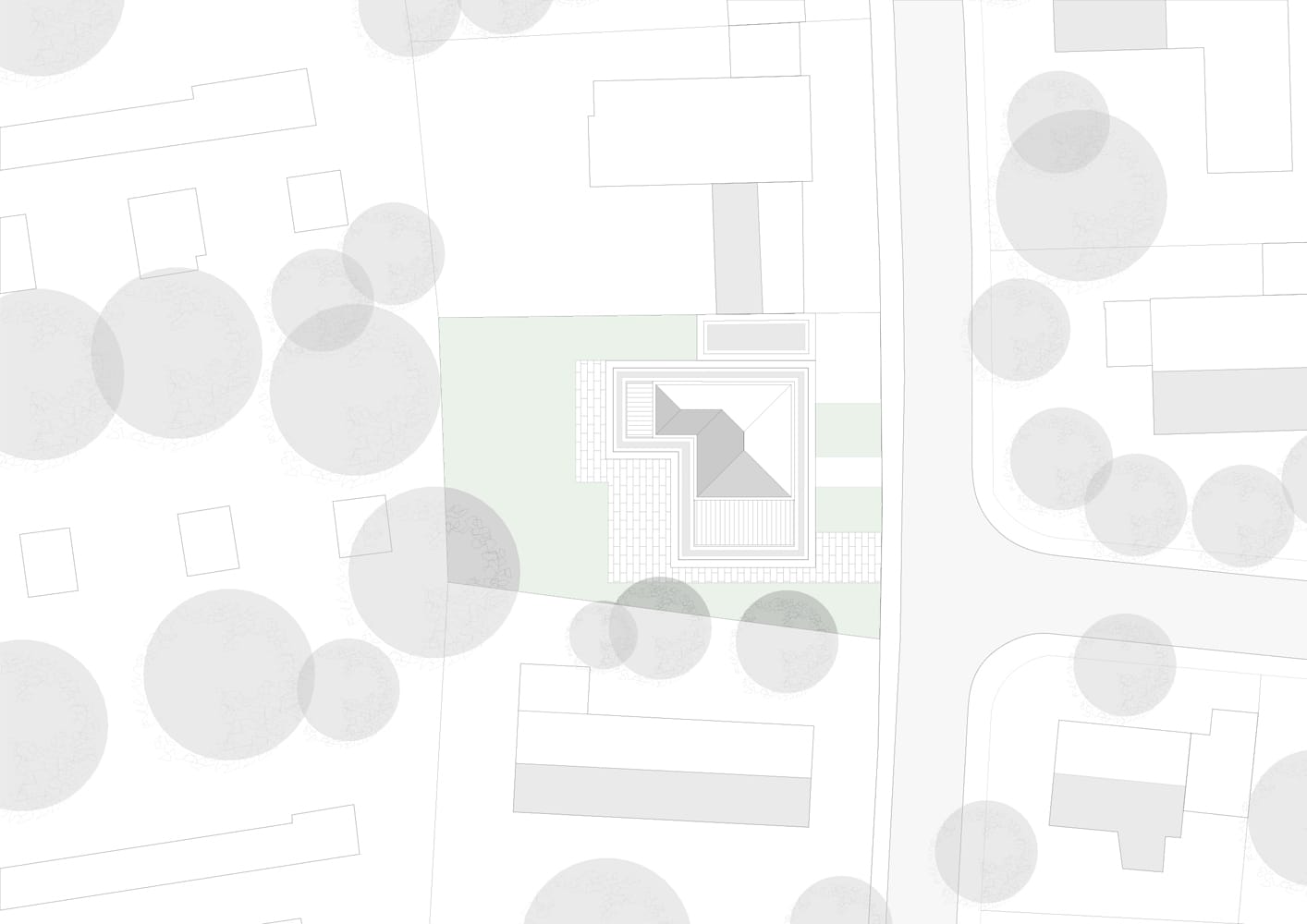
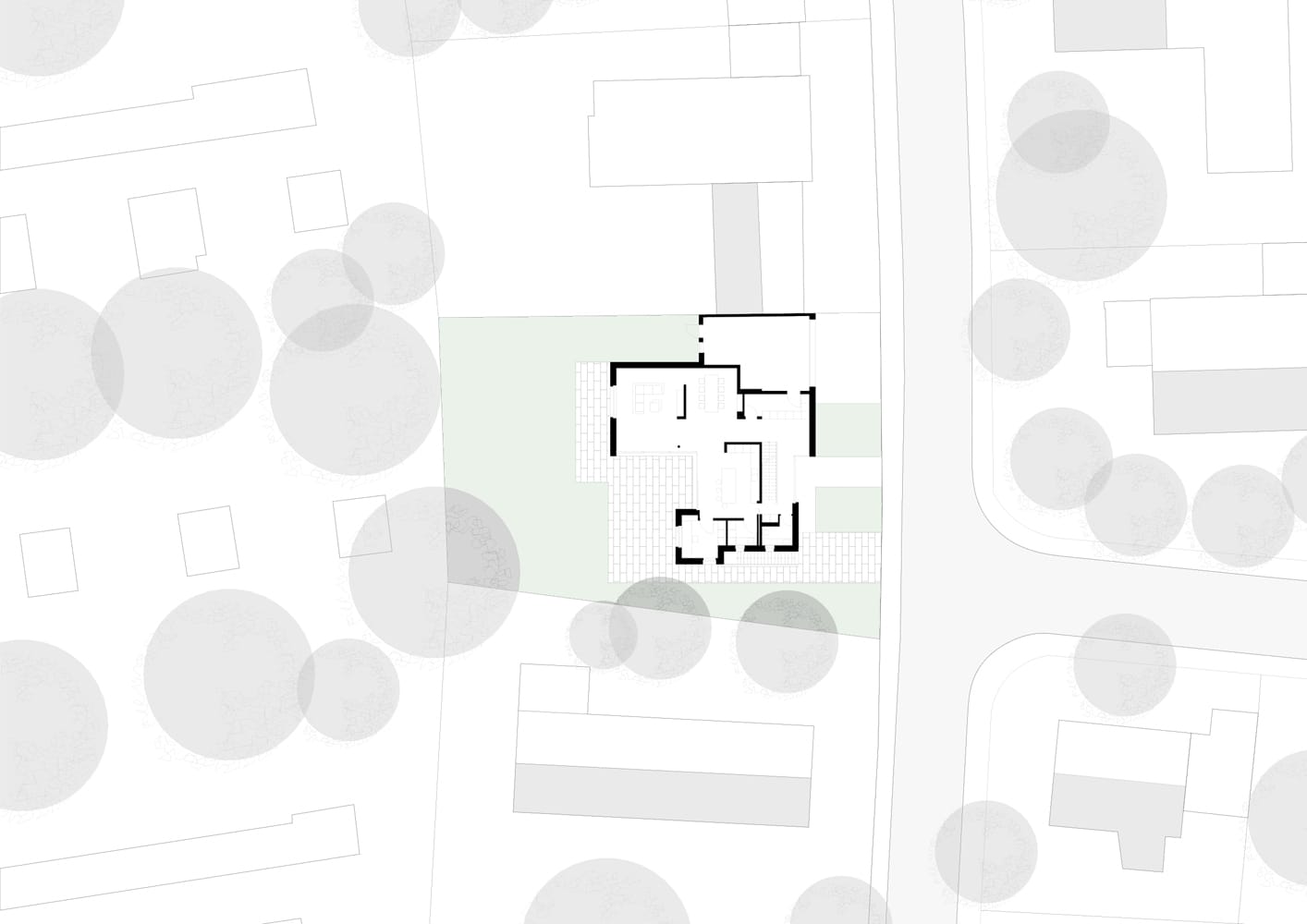
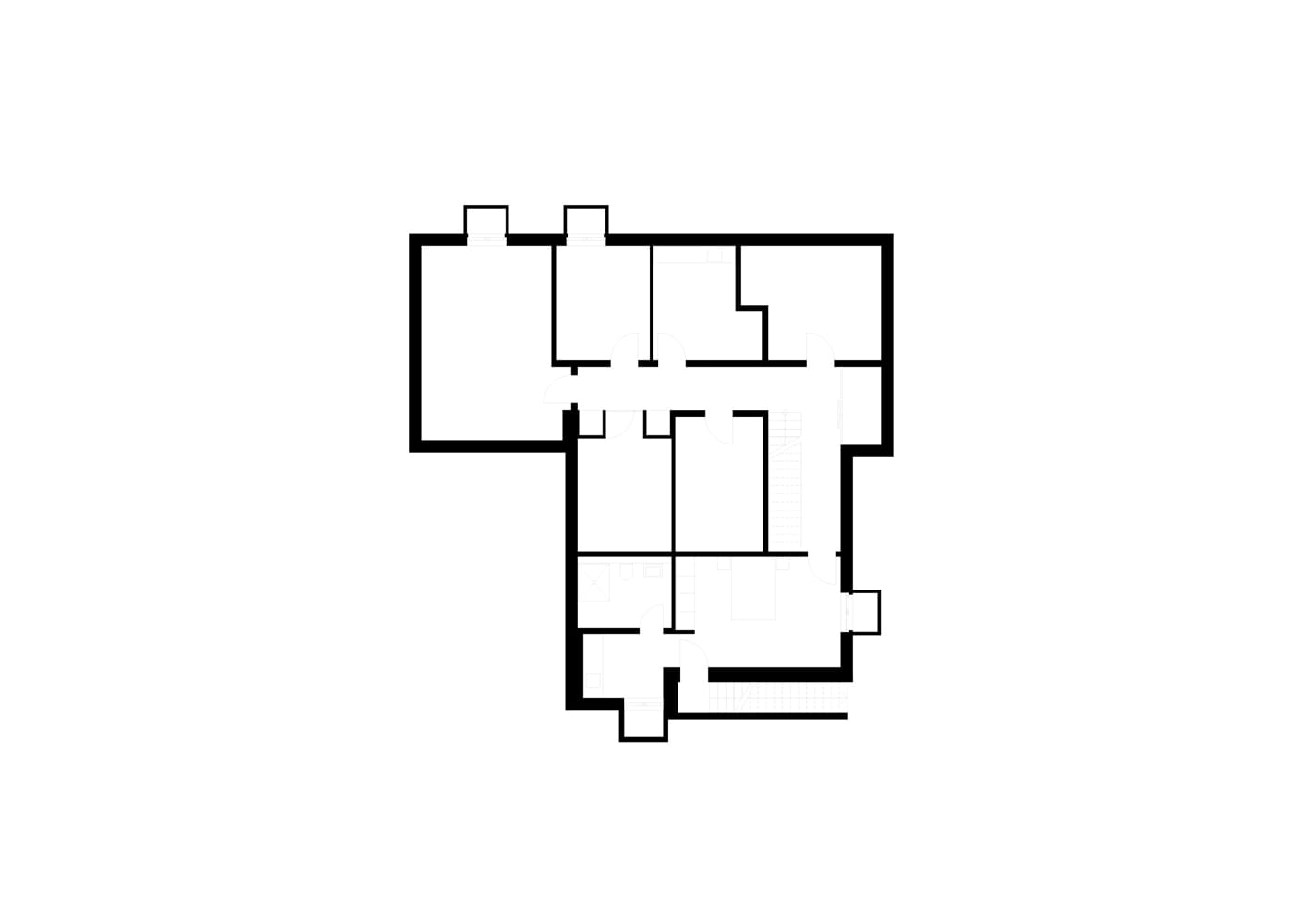
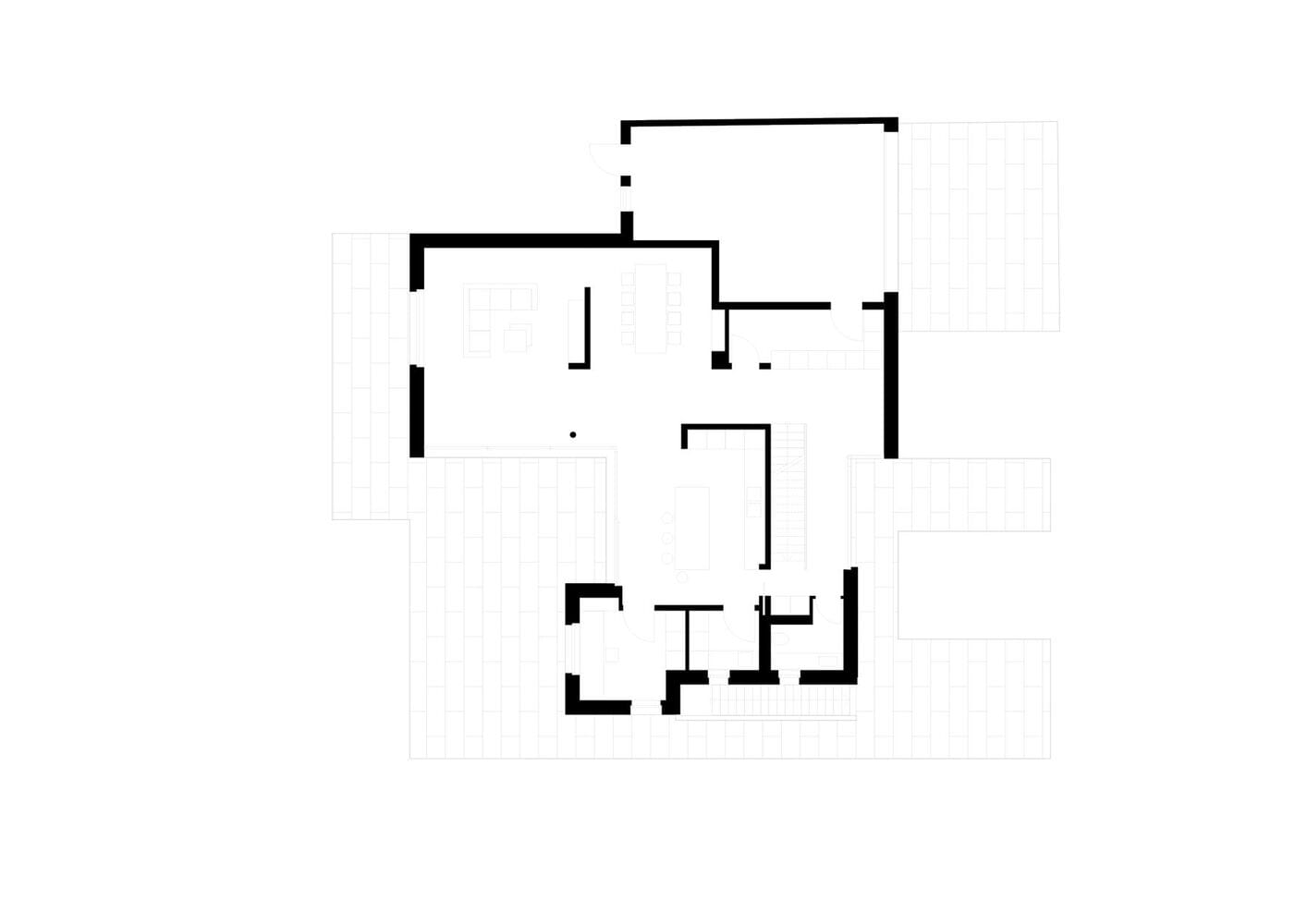
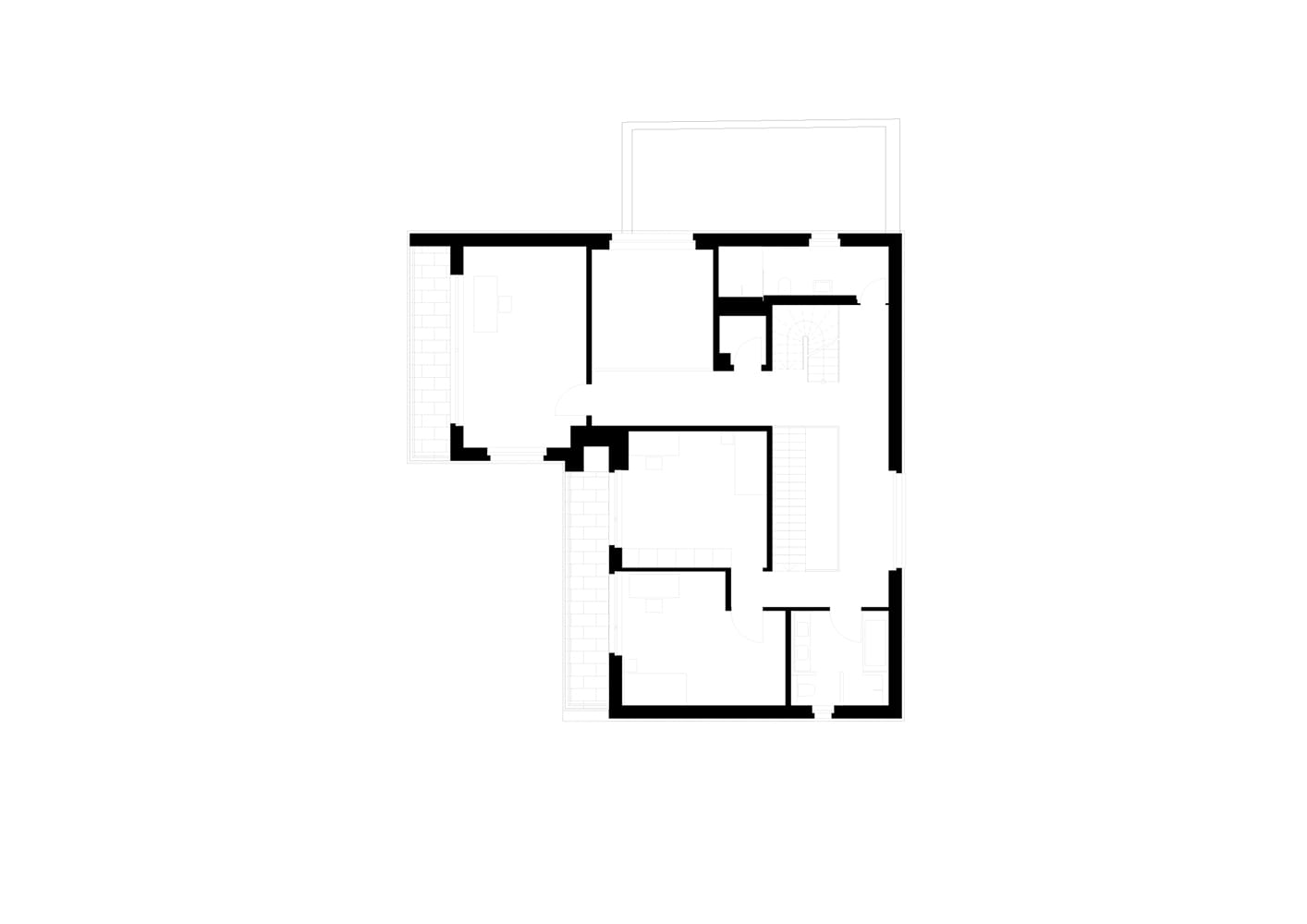
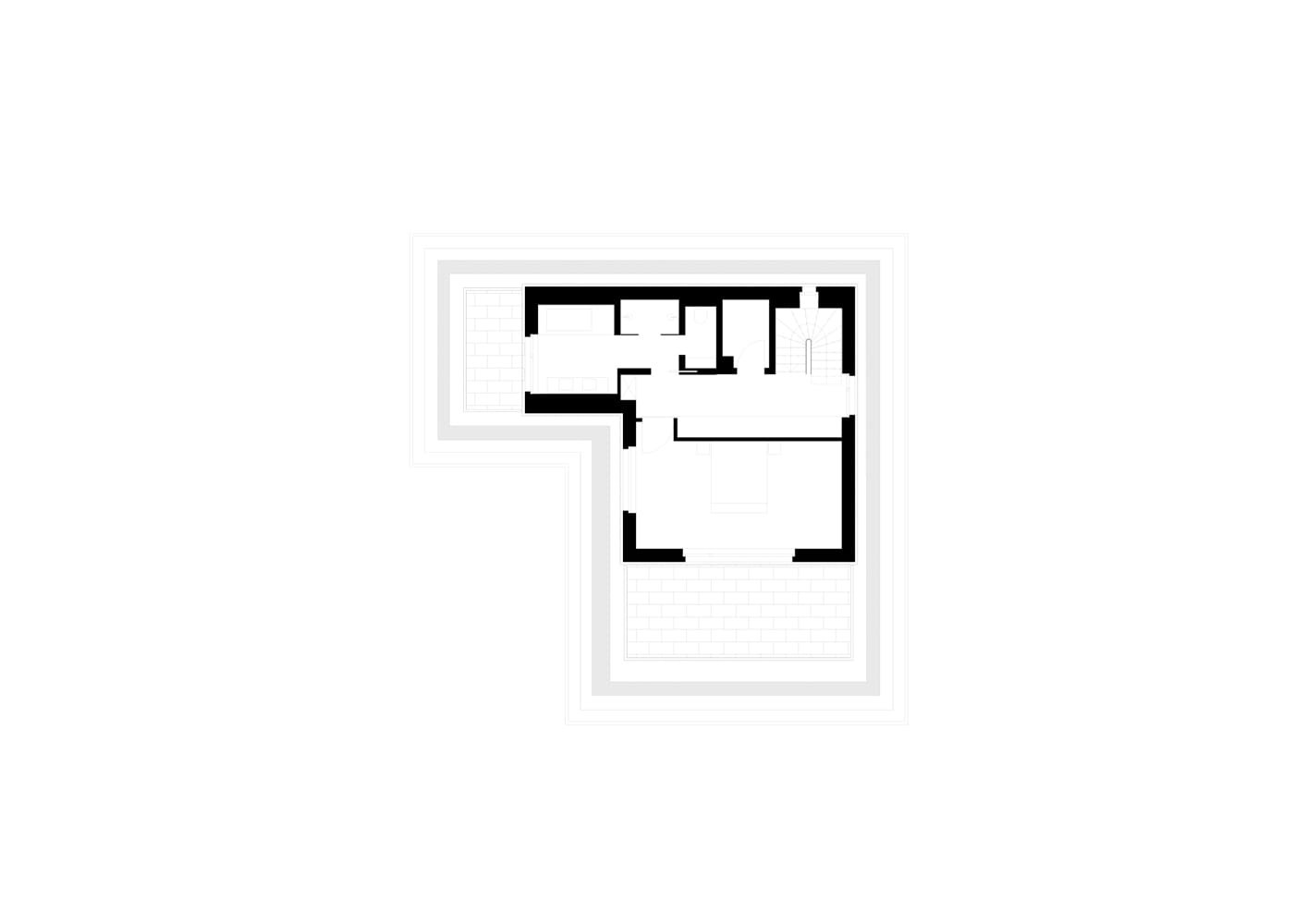
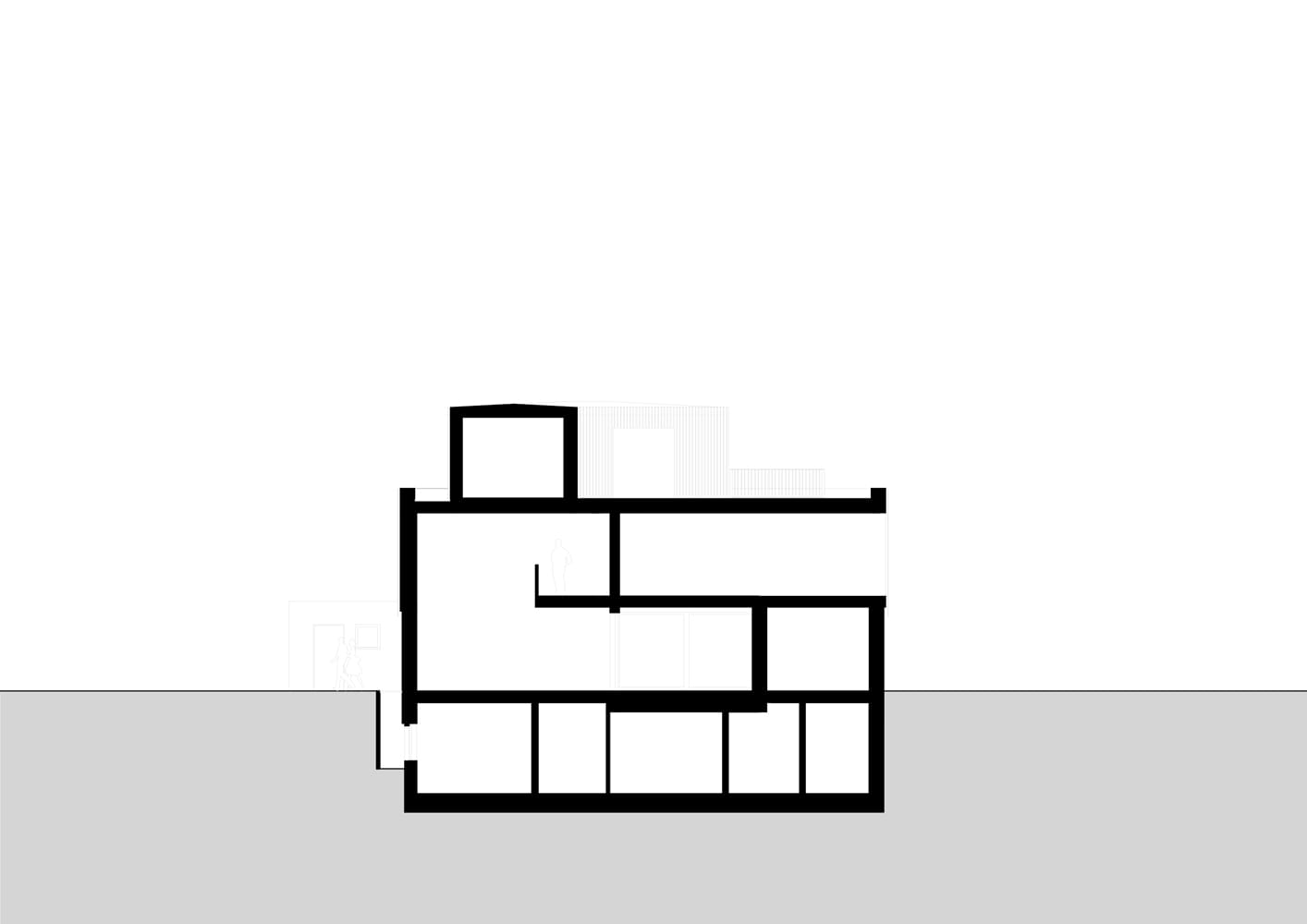
Before and after: where a modest detached house once stood, an ambitious new build now rises—with nearly double the volume and more than double the living space. In Munich's east end, nestled among characterful residential neighbourhoods, this three-storey residence stands out immediately. Harder Groh Architekten was commissioned to craft a contemporary take on the family villa for a four-person household, ingeniously filling a challenging gap site. The real puzzle: the clients' spatial aspirations far exceeded what a typical single-family plot would normally accommodate, while local building codes left little room for manoeuvre. Height became the only viable dimension to maximise—constrained, naturally, by local eaves regulations. The architects' solution: a concept that extracted every last inch of permissible building potential to realise the owners' vision. The result is a generously proportioned 400 m² residence offering boundless possibilities for modern family living. A basement level adds further utility, making every square metre count.
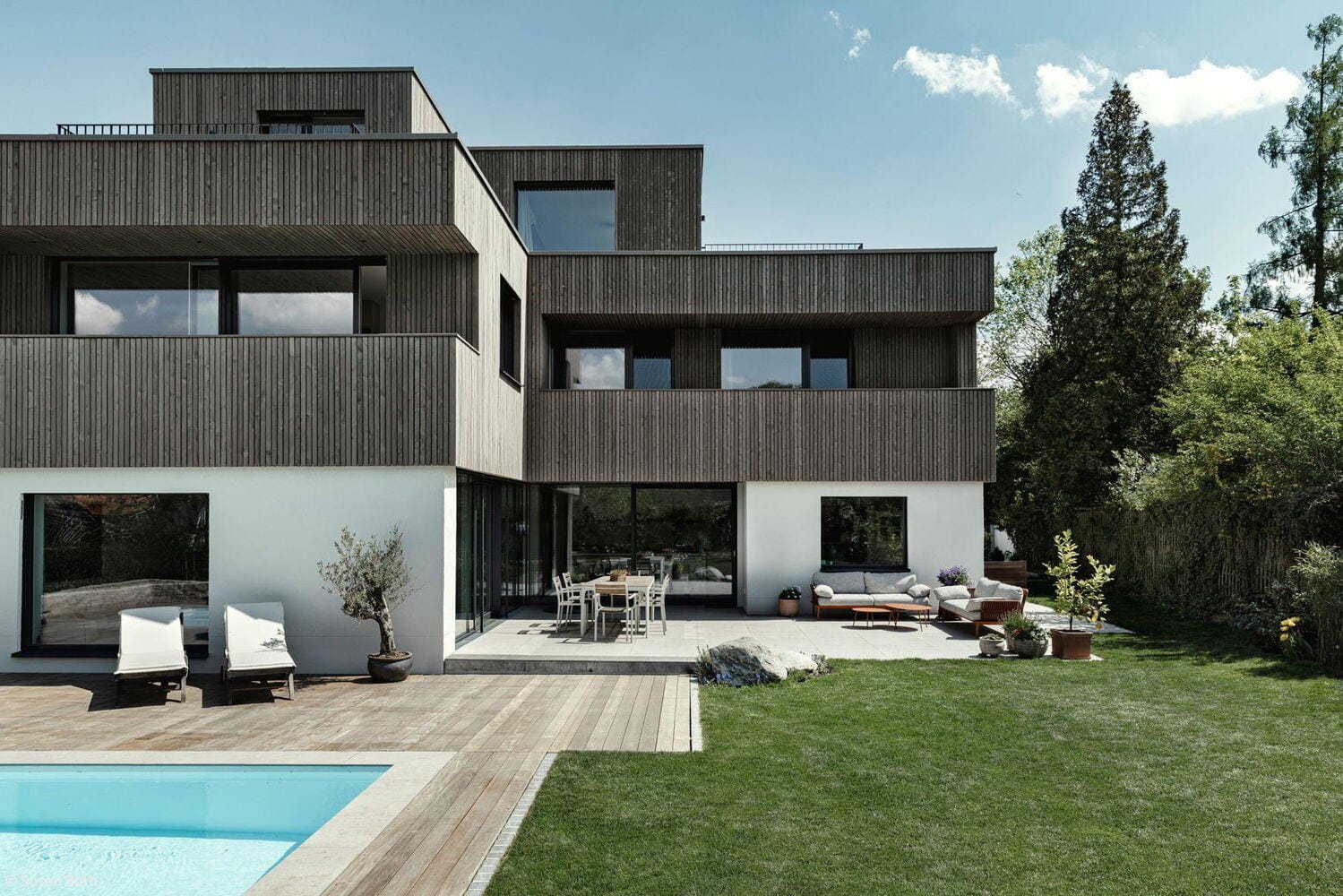
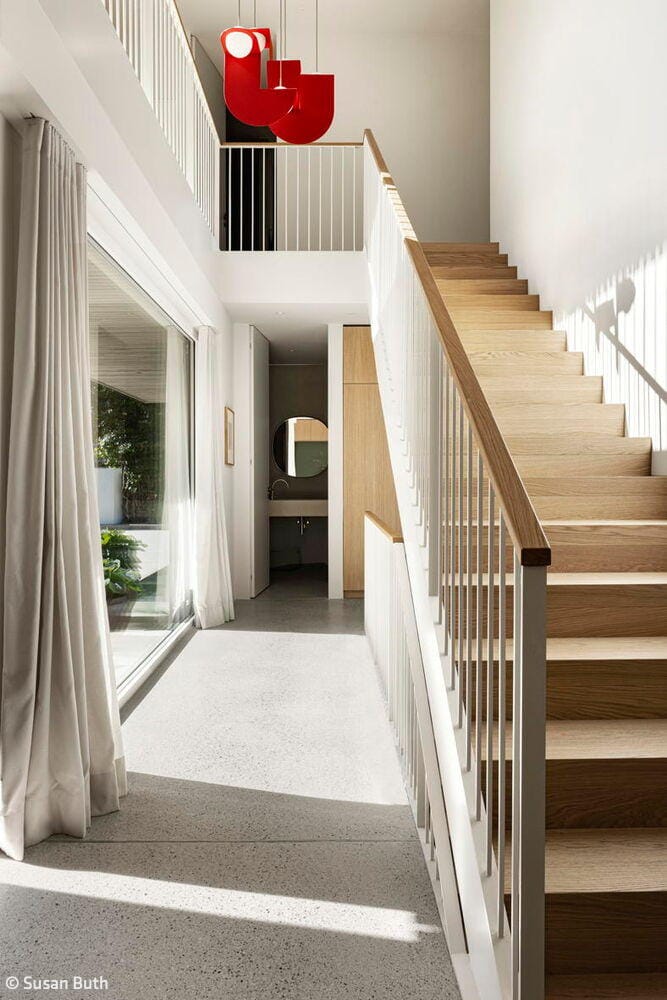
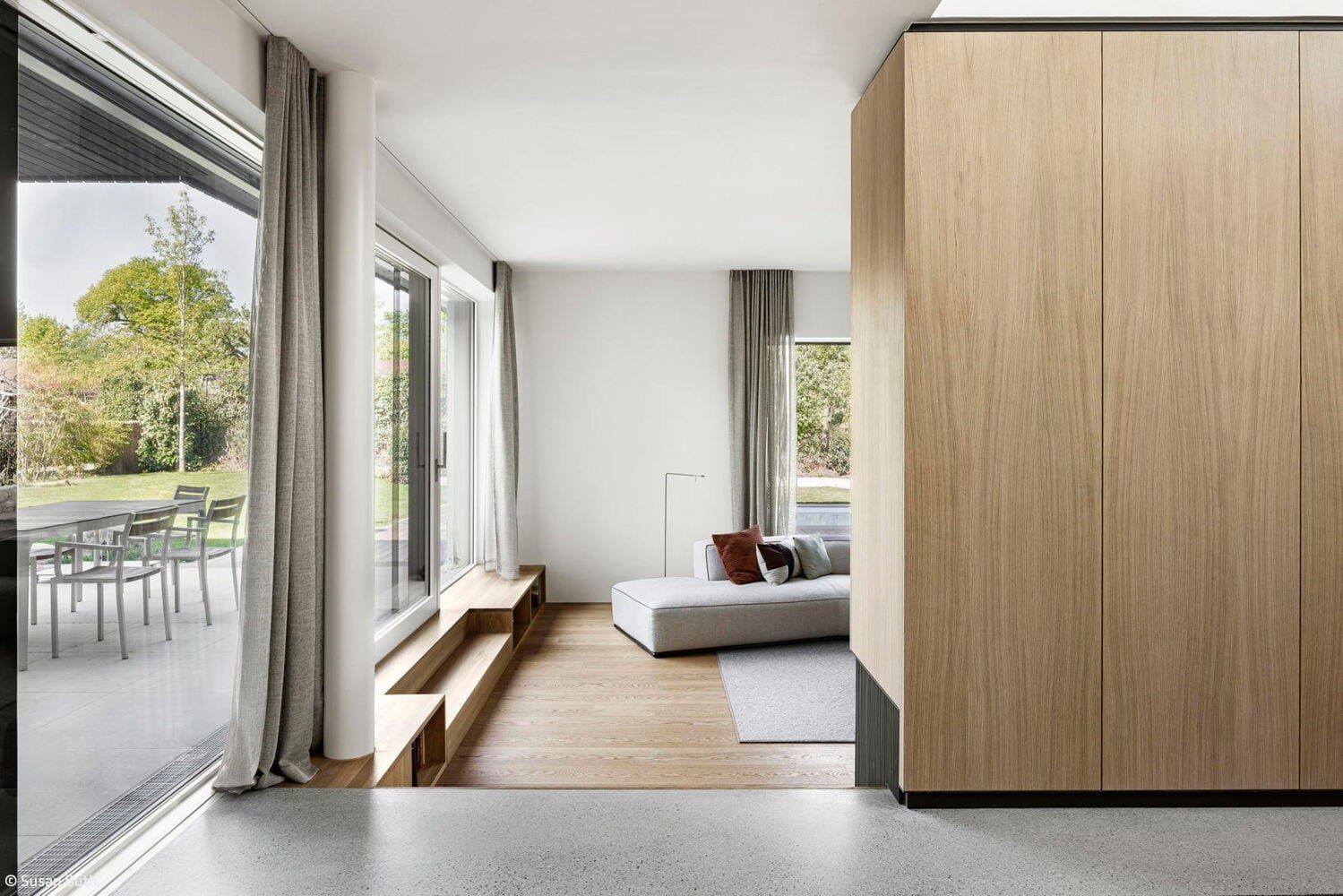
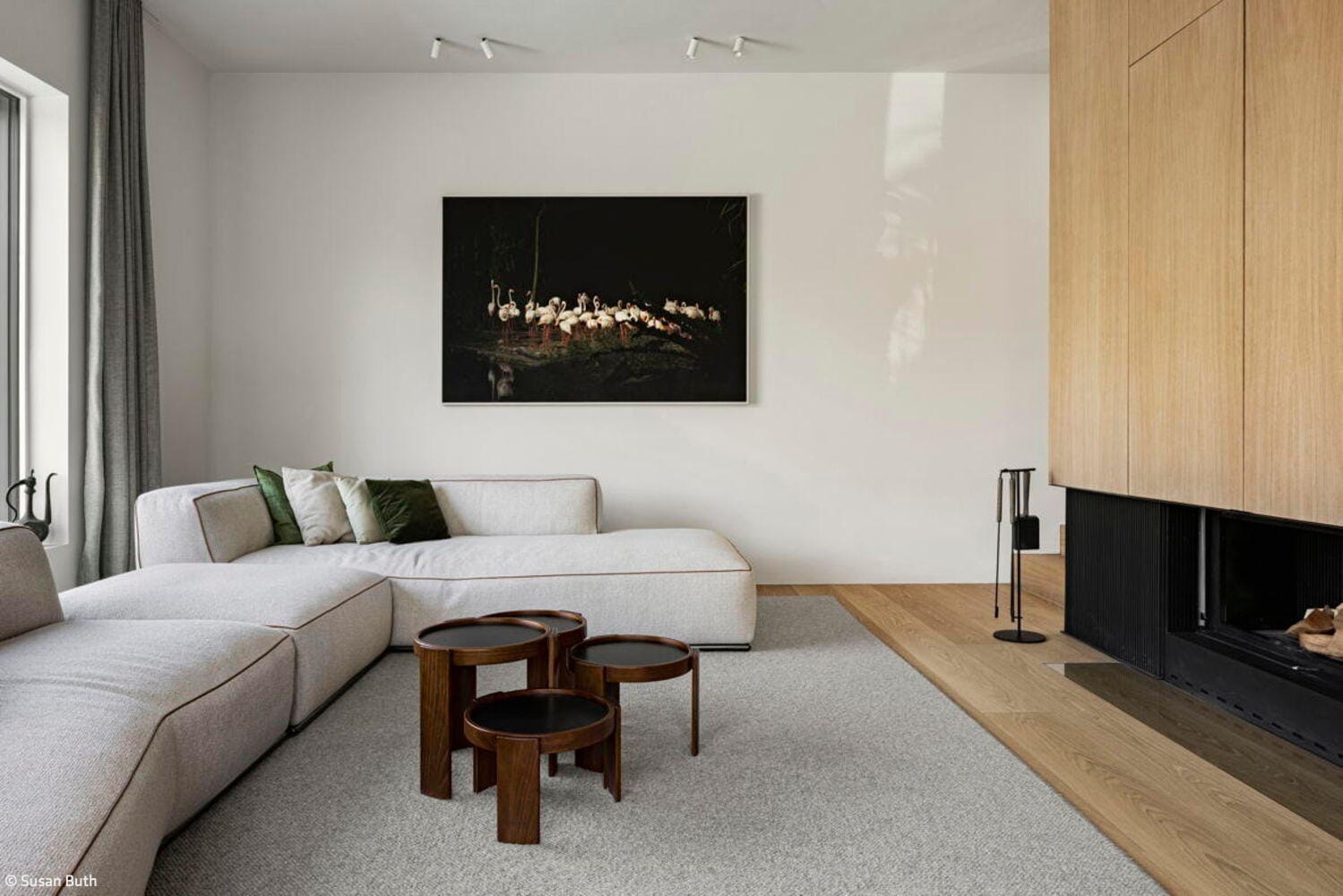
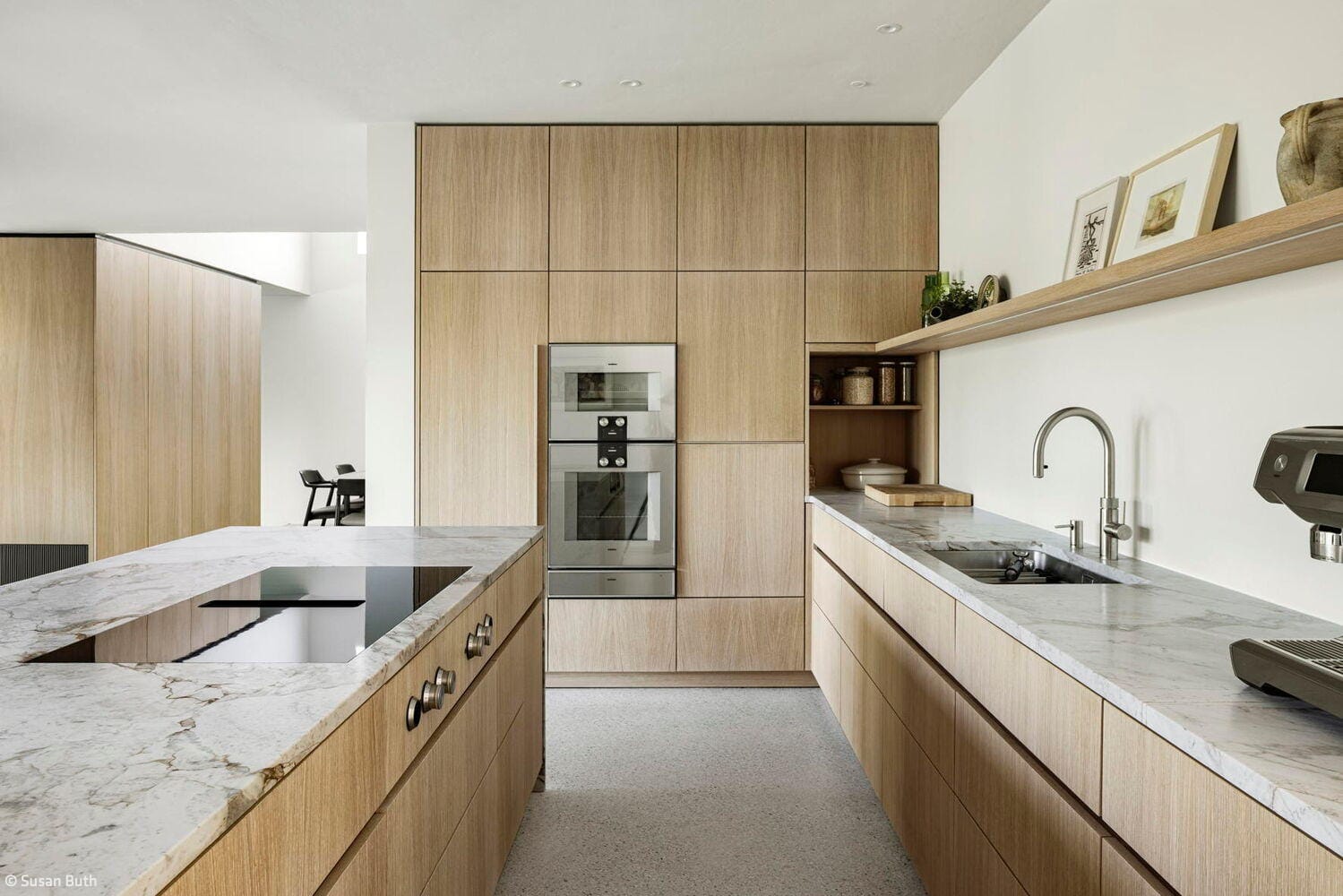
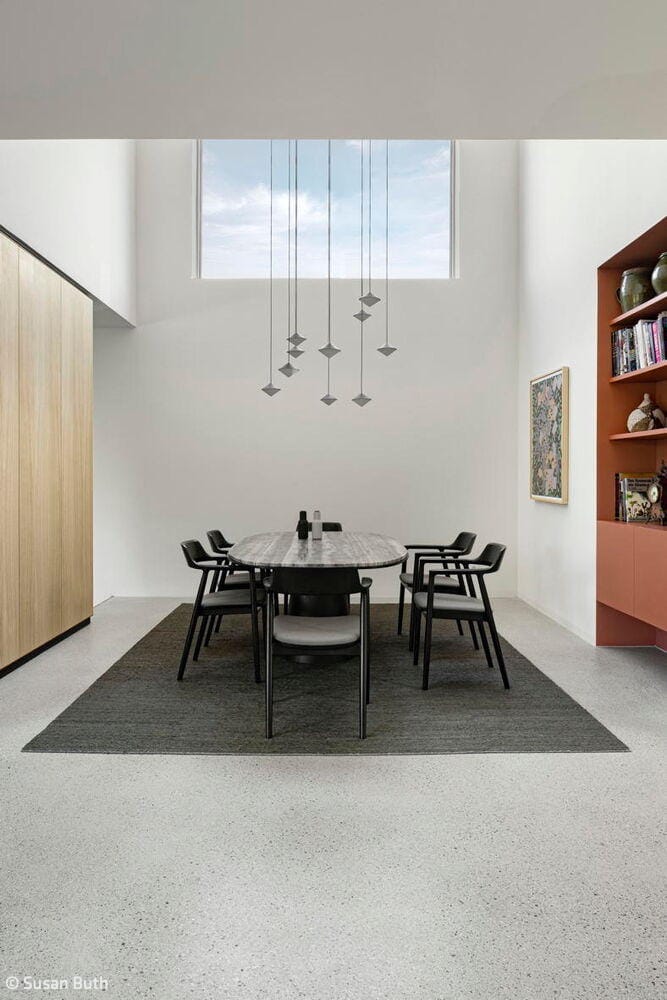
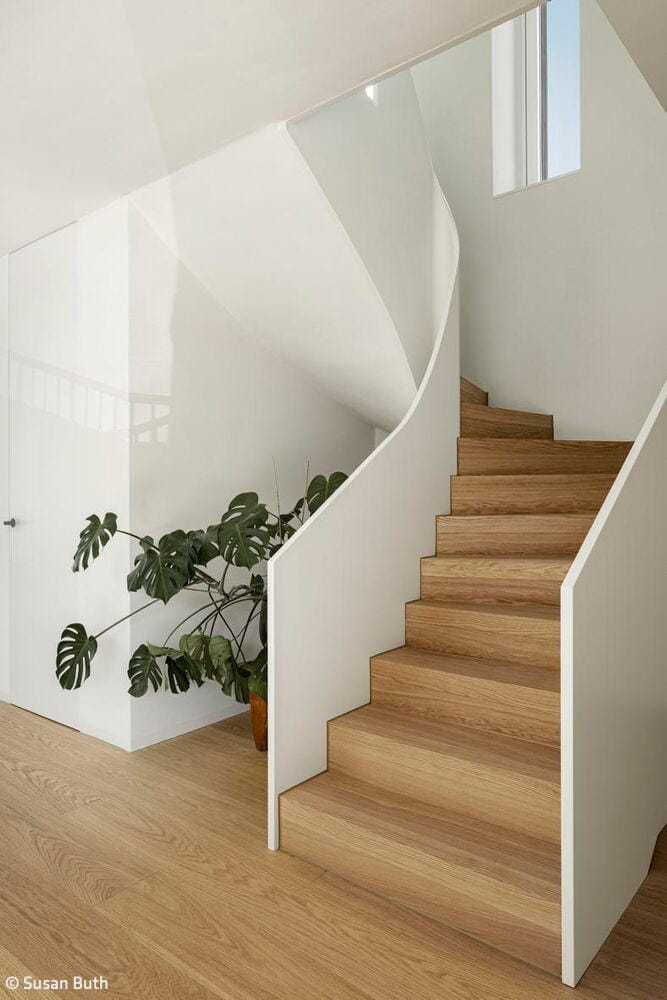
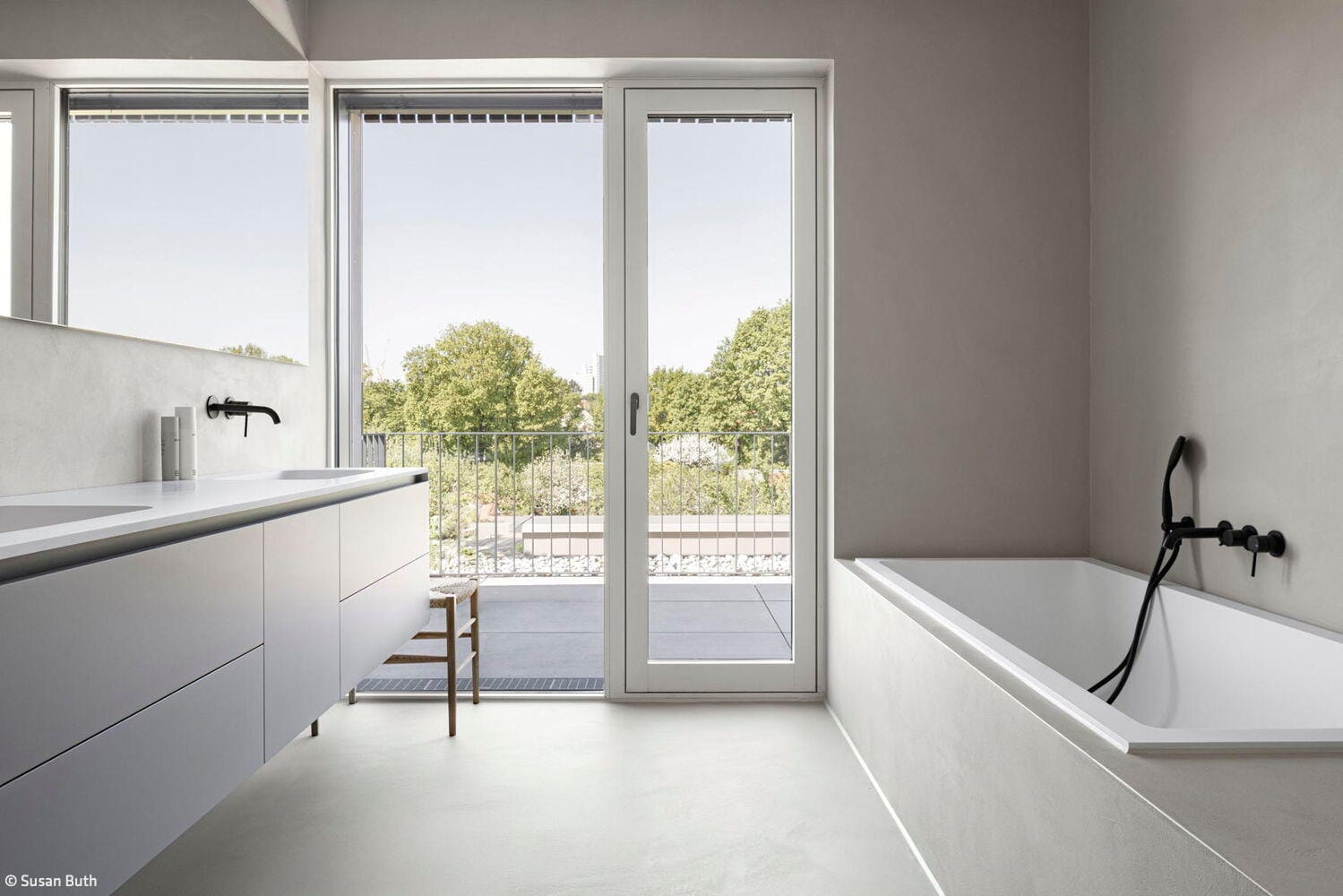
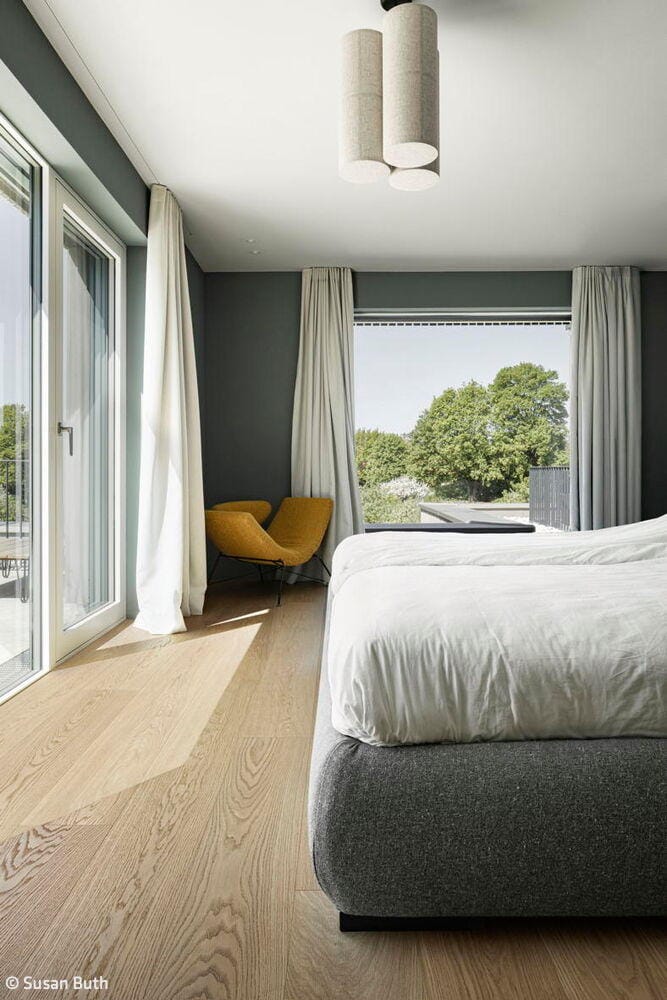
What immediately captures attention is the wooden cladding that wraps almost the entire façade—interrupted only by strategically placed window openings and the entrance. Step around to the rear, however, and the villa transforms: the façade opens to reveal an unobstructed garden view and swimming pool. The wooden battens are constructed from silver fir, treated with a weather-resistant pigmented finish. Running vertically, these slender battens create an optical illusion that diminishes the considerable mass of the upper floors, resulting in an elegantly proportioned appearance. The base and structural elements are rendered brick, plastered in a soft neutral tone. This foundation supports two upper stories, with the principal level extending slightly beyond the base edge—a subtle gesture that amplifies presence while strengthening the visual hierarchy. The second upper floor, considerably more modest, steps inward, creating a recessed south-facing terrace for the master suite. The roof deserves special mention: an exceptionally shallow hipped design without a parapet, reading to the eye as a clean flat roof—a rare and refined choice. Inside and out, a restrained contemporary language maximizes efficiency. The layout employs clear separation between living, parents', and children's zones, eliminating wasted corridors, redundant rooms, and awkward corners. Ground floor programming follows convention: living and dining only. The entrance flows naturally into the living spaces, with rooms connecting through generous, seamless transitions that feel almost liquid. Vertical voids punctuate the plan, creating compelling spatial dialogue. A bespoke carpentry element frames an imposing fireplace integrated into the built-in millwork. Premium materials—terrazzo polished concrete among them—define the interiors. An air-to-water heat pump paired with photovoltaics powers the residence. This family villa demonstrates a fundamental principle: thoughtful design transforms constraints into elegance.
Photography:
Susan Buth
www.susanbuth.com
(Published in CUBE Munich 03|25)
Honoring the Past, Living in the Present
A Postwar Home for Contemporary Living
Big, Bigger, Bergson
A likeable, megalomaniacal art and culture centre
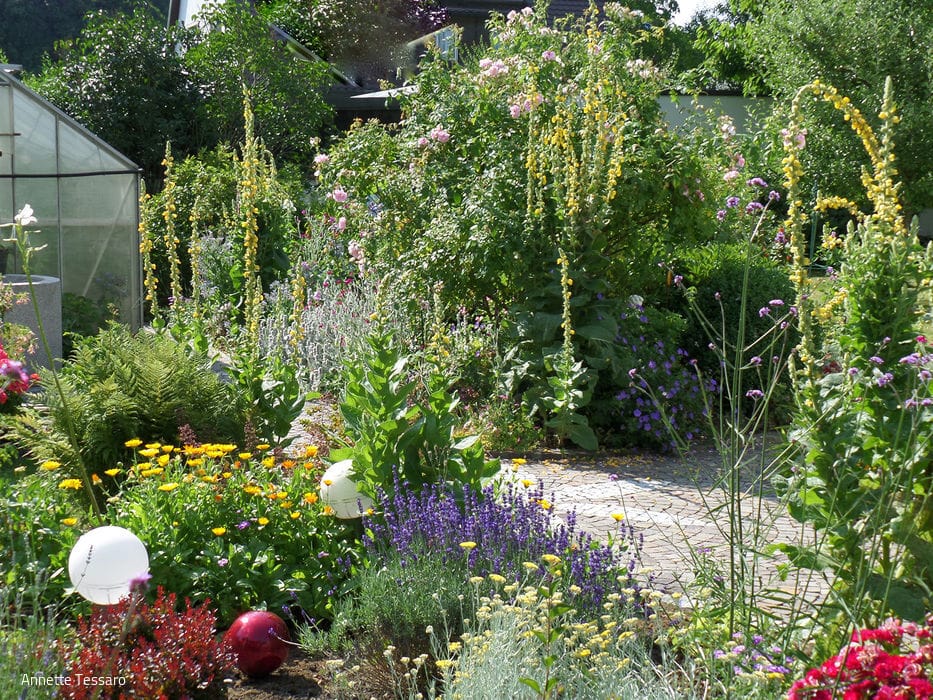
Peace, Relaxation, Contentment
A paradise garden at the edge of Munich

"I wanted to create something that would endure"
Marie Aigner: Designing for Sound—Discovering the Beauty in Acoustic Solutions