


Three Courtyards – Five Houses
A sprawling yet meticulously detailed office complex
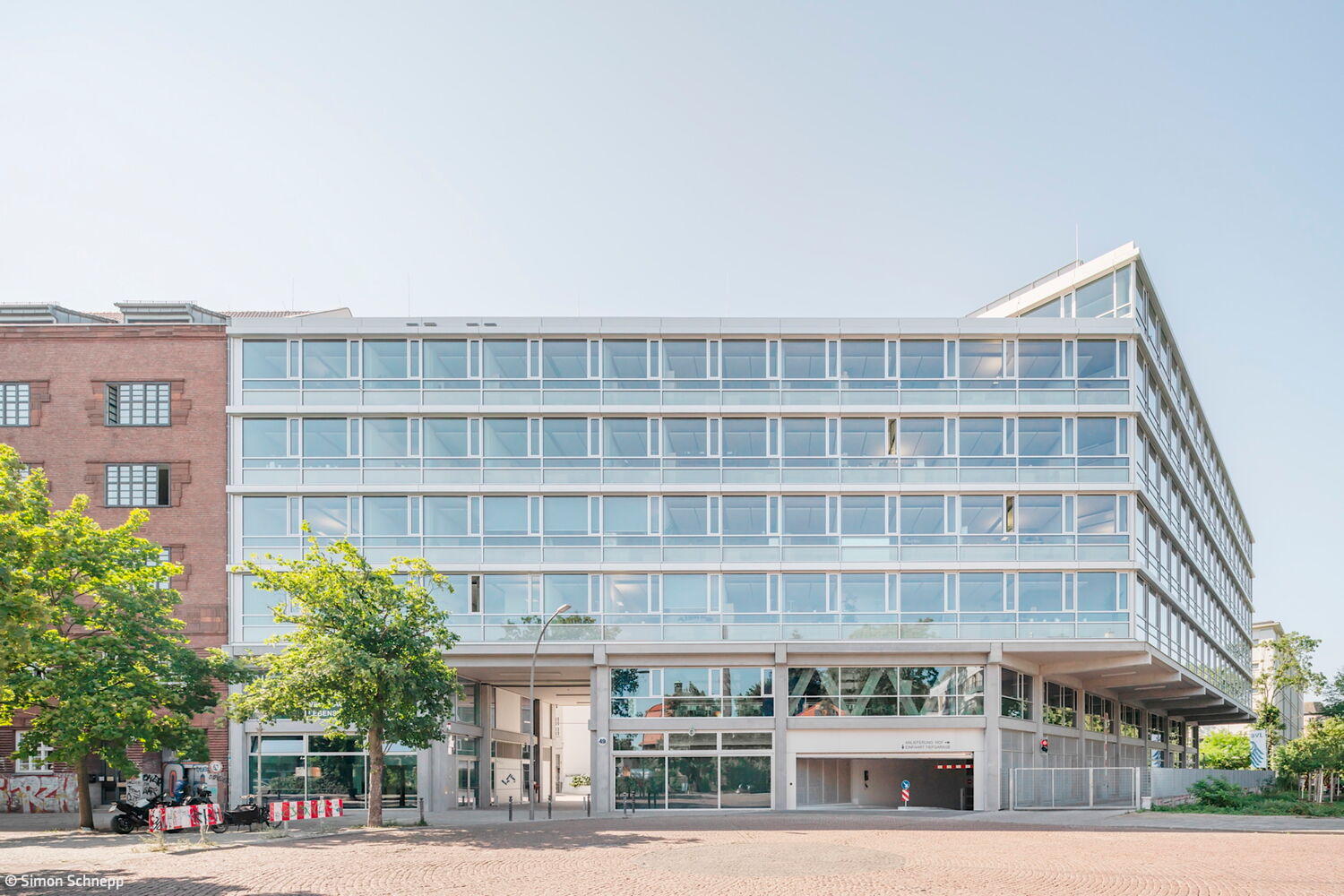
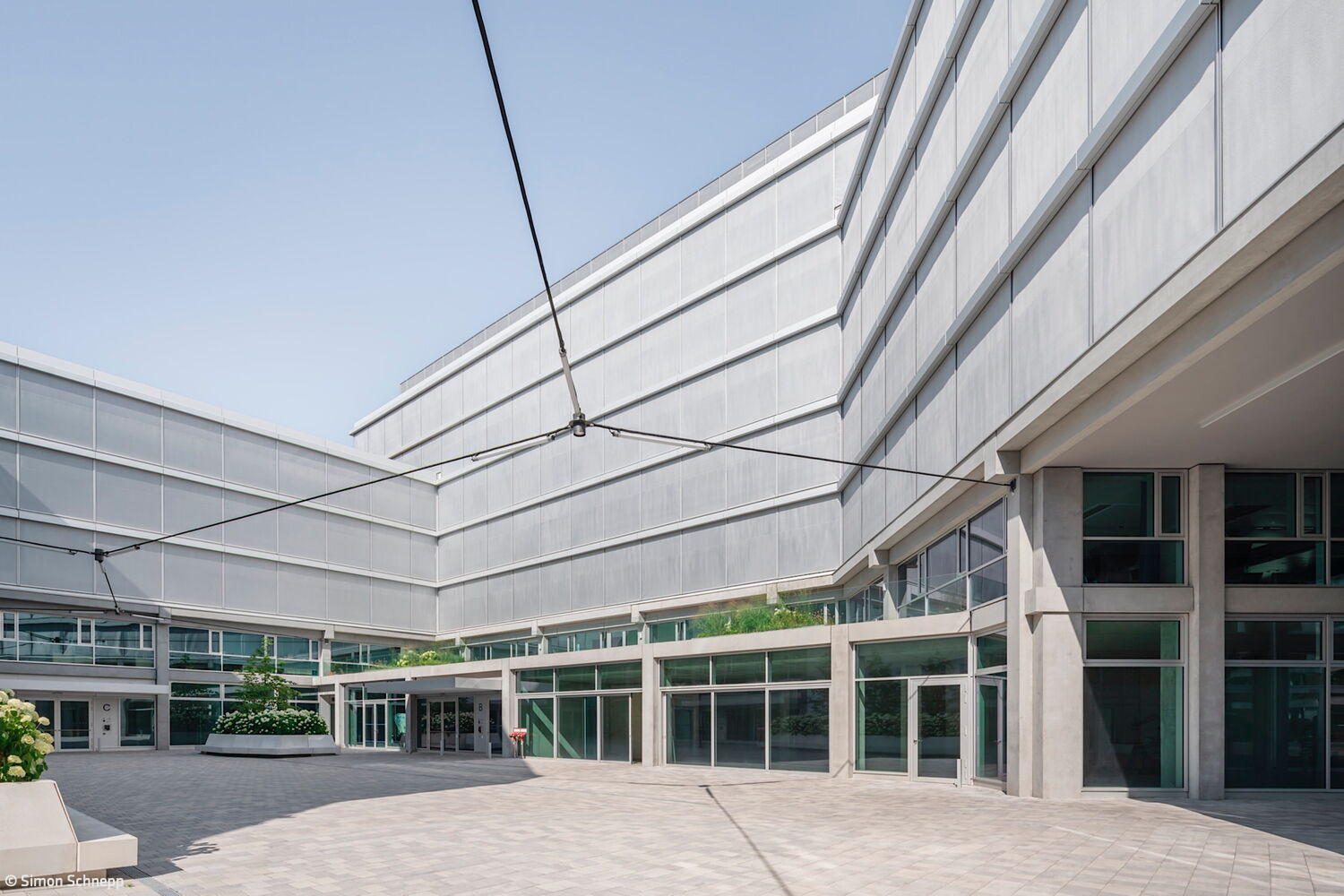
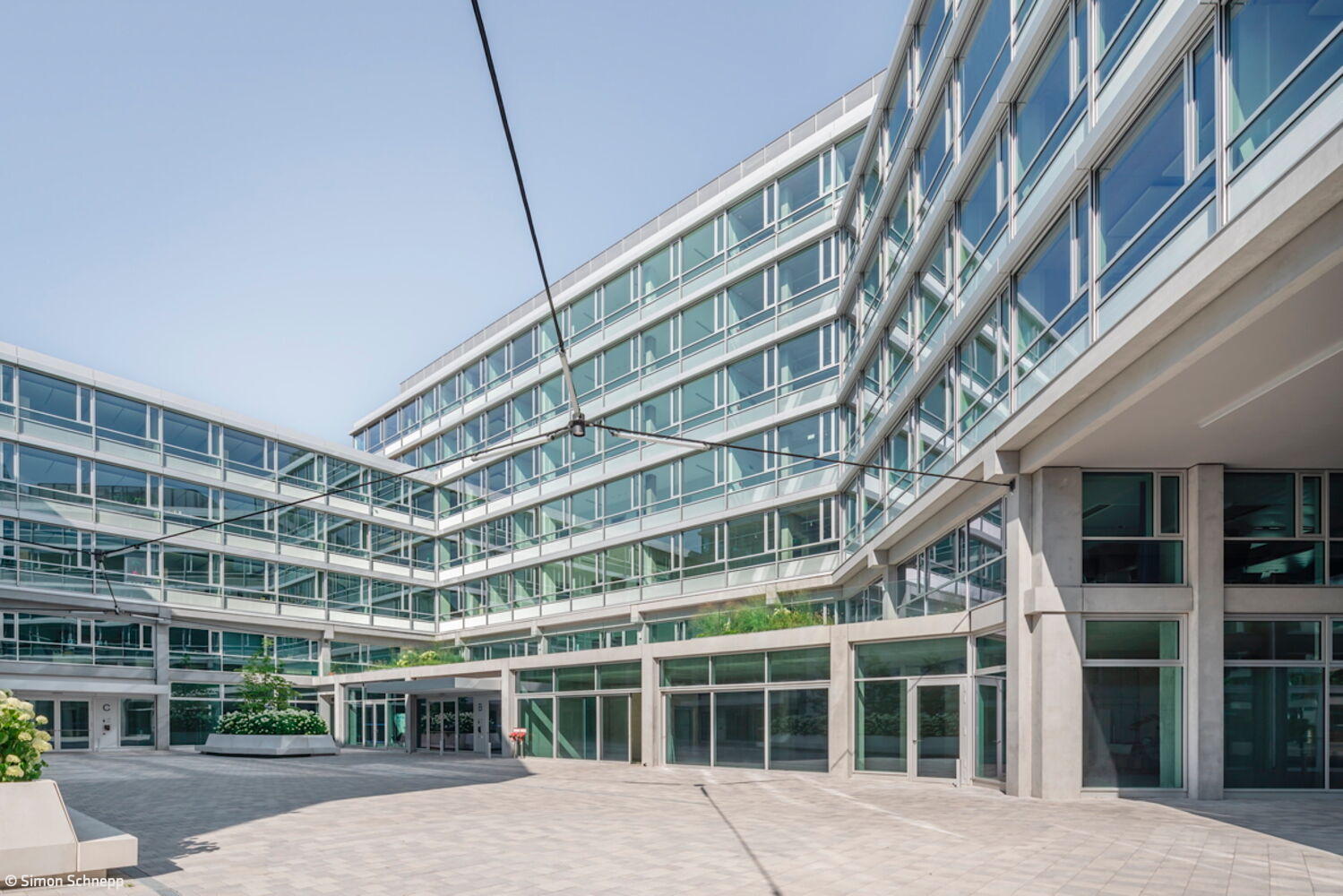
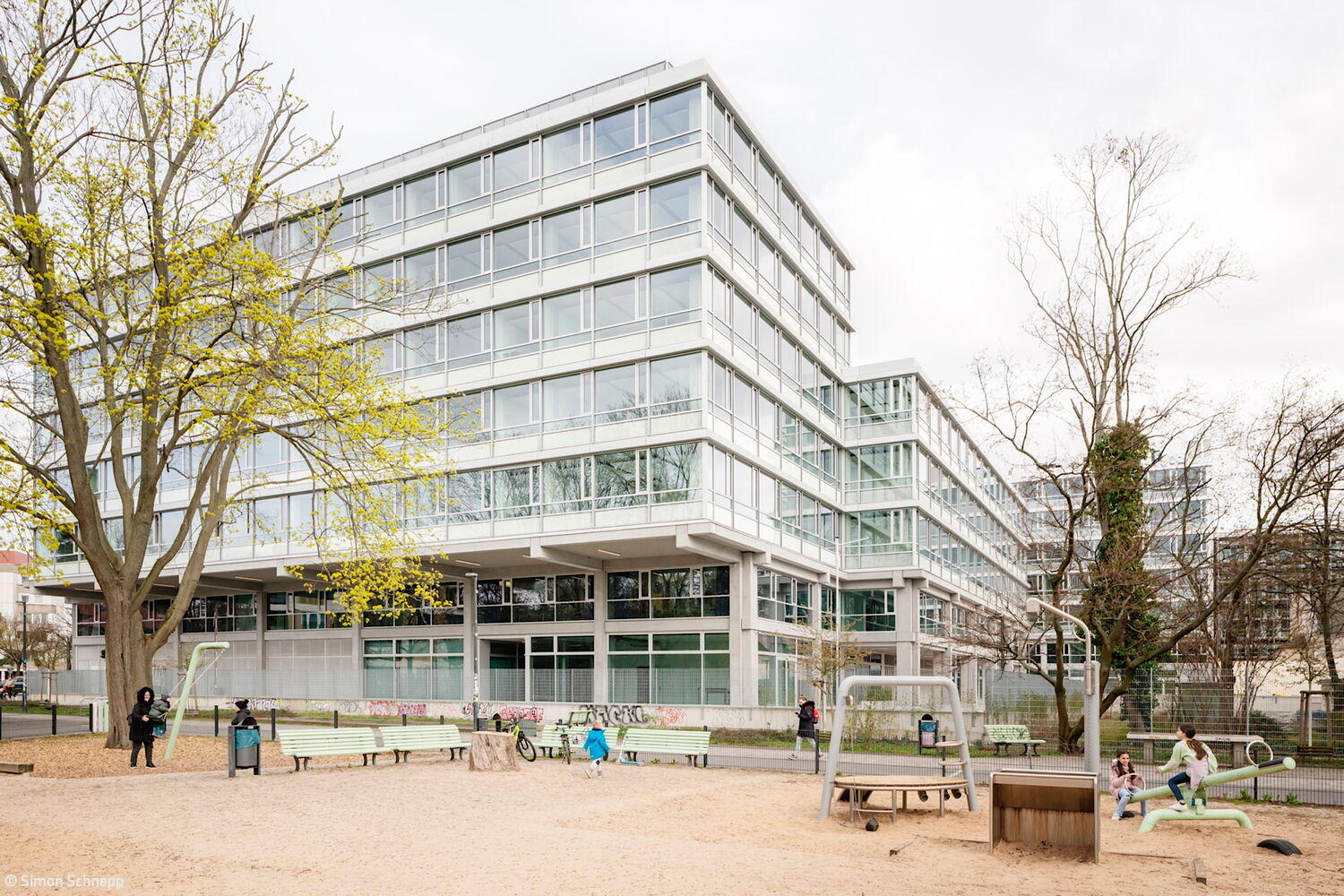
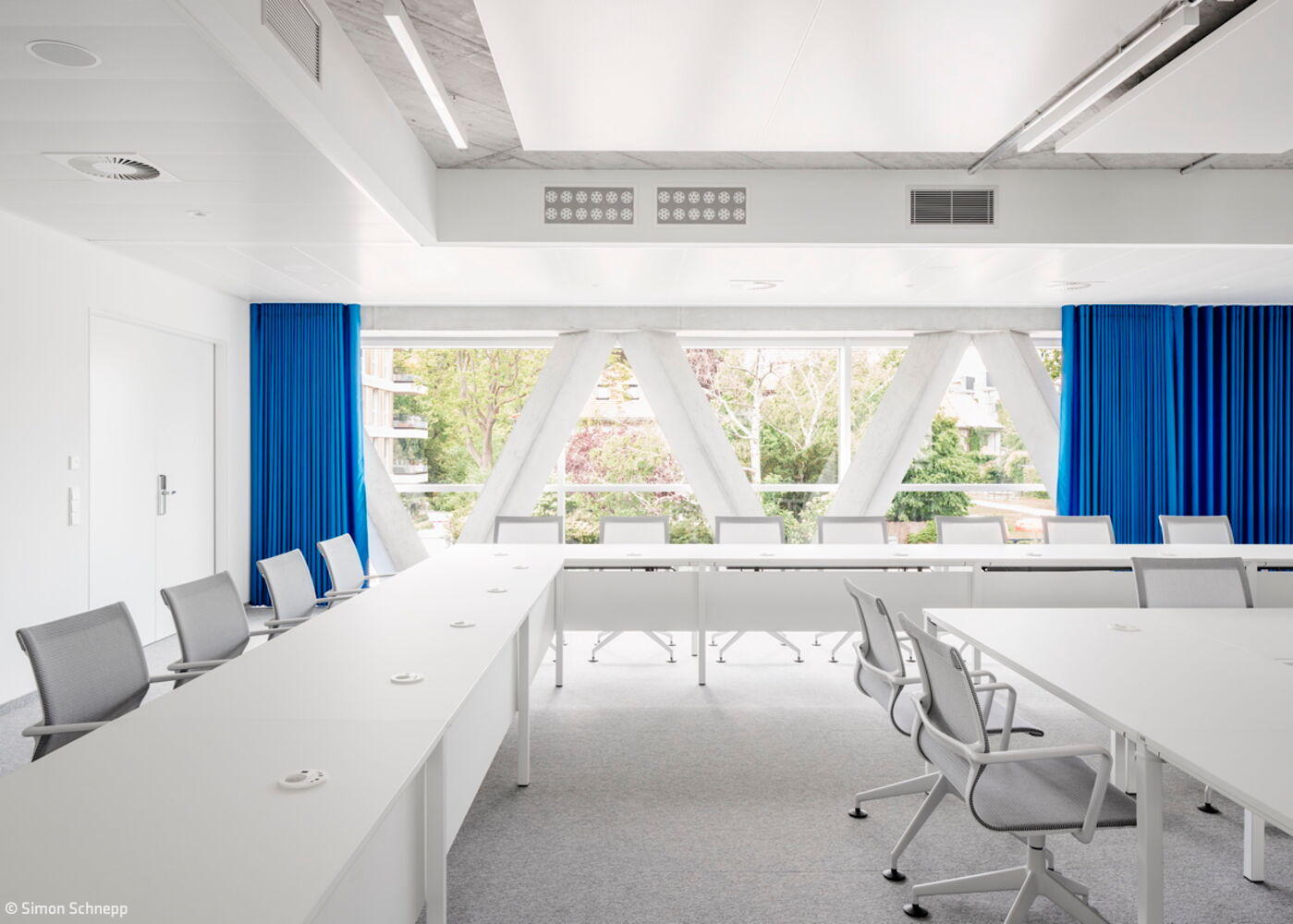
Standing at the main entrance on Gerichtsstraße in Wedding, one can barely sense the true scale of this office building. Five interlocking structures wind through the courtyard, encompassing three inner courtyards in total. Commissioned directly by the developers, Berlin-based architects Welter + Welter designed this expansive complex—spanning nearly 20,000 m² of floor area and 16,000 m² of usable space—which the developers branded as "New Courts." Despite being built amid a wave of new construction in the surrounding area, the "New Courts" became pivotal in reshaping the internal block structure and redefining spatial relationships with the street, adjacent properties, and the neighboring city park.
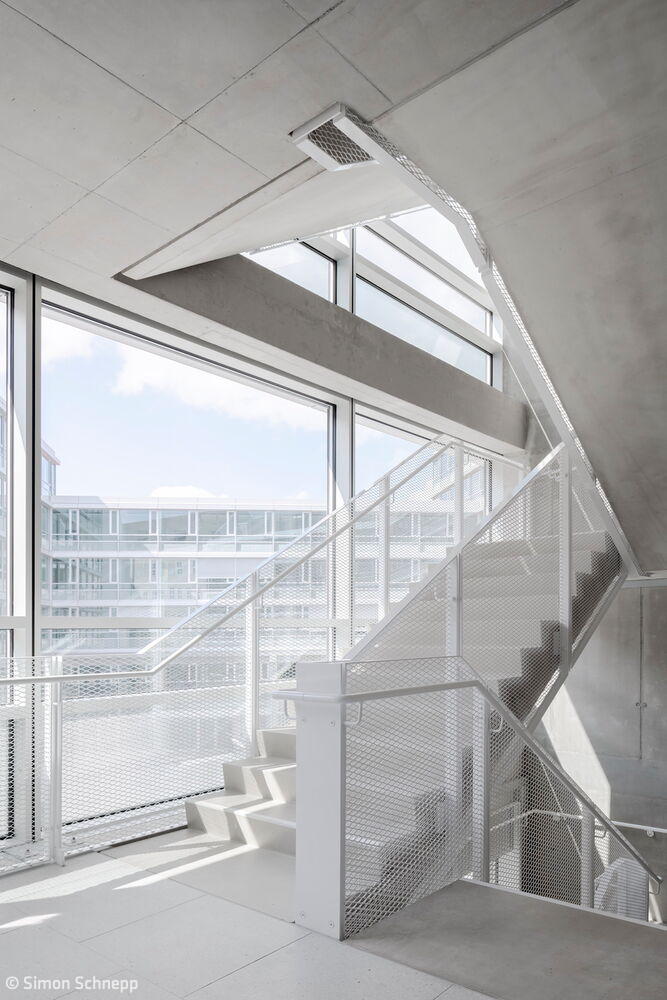
The 6,100 m² site was once a car park serving the neighboring post office. When demand for that scale of parking diminished—or disappeared entirely—the land became available for development. Five staggered structures, arranged diagonally and at right angles to one another, create visual rhythm across the ensemble. A continuous, delicate glass façade lends the massive structure an elegant, almost weightless quality. A two-story base zone grounds the complex, featuring exposed concrete columns and beams of surprising slenderness—supporting far more than their appearance suggests. This plinth houses lobbies, event spaces, and a press center, while office floors above are distributed across three, four, or five levels depending on the building section. Each volume responds thoughtfully to its specific context through variations in height and depth. The inner courtyards provide valuable gathering spaces for the building's occupants.
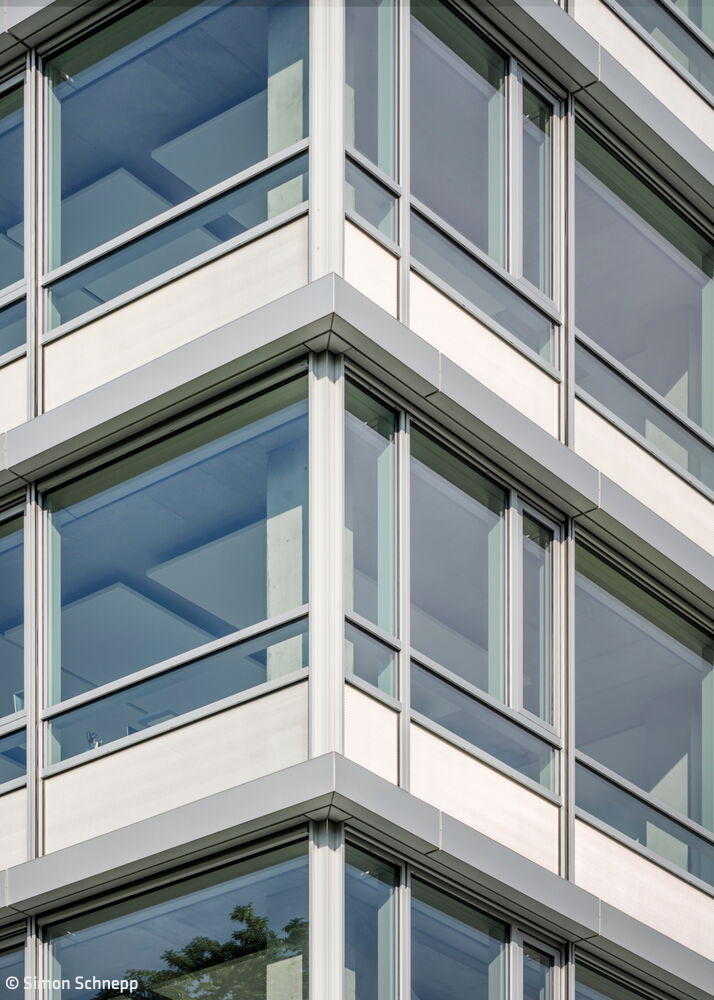
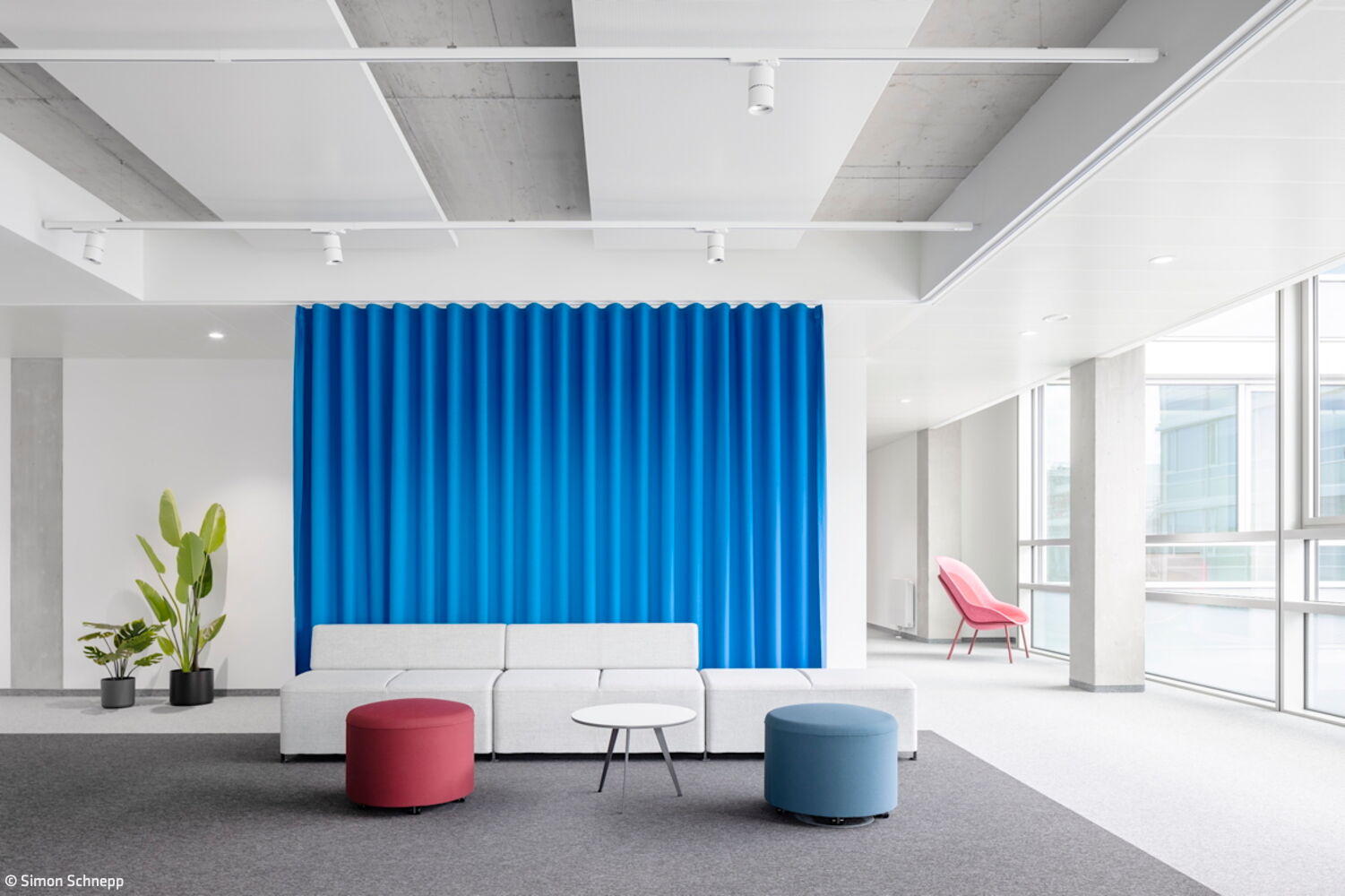
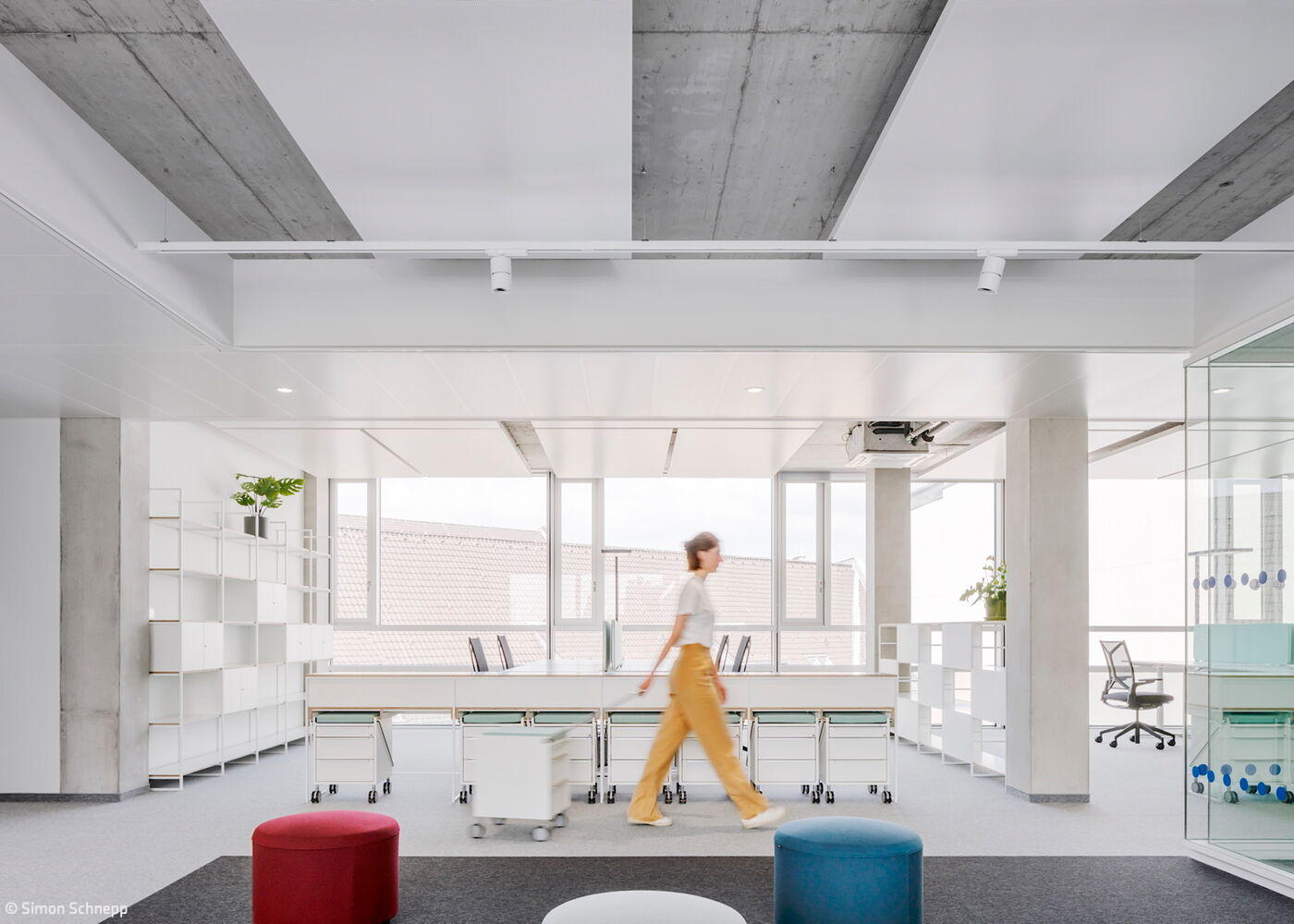
The project earned the DGNB Gold sustainability certification. The design prioritized maximum flexibility and future technical upgrades. The prefabricated windows feature a distinctive divided design with a semi-transparent panel at the center—housing a silvery sunscreen between the glass layers that shields interior views while maintaining outward visibility. These luminous aluminum bands create visual rhythm across the façade. The original plan anticipated multiple tenants, so expansive, open floorplates were designed to accommodate diverse office requirements. However, during construction (2019–2023), the Federal Office of Consumer Protection and Food Safety leased the entire building. Working closely with the architects, they adapted the spaces to blend private offices with open-plan areas—a custom solution developed specifically for their needs.
Photography:
Simon Schnepp
www.simonschnepp.de
(Published in CUBE Berlin 01|25)
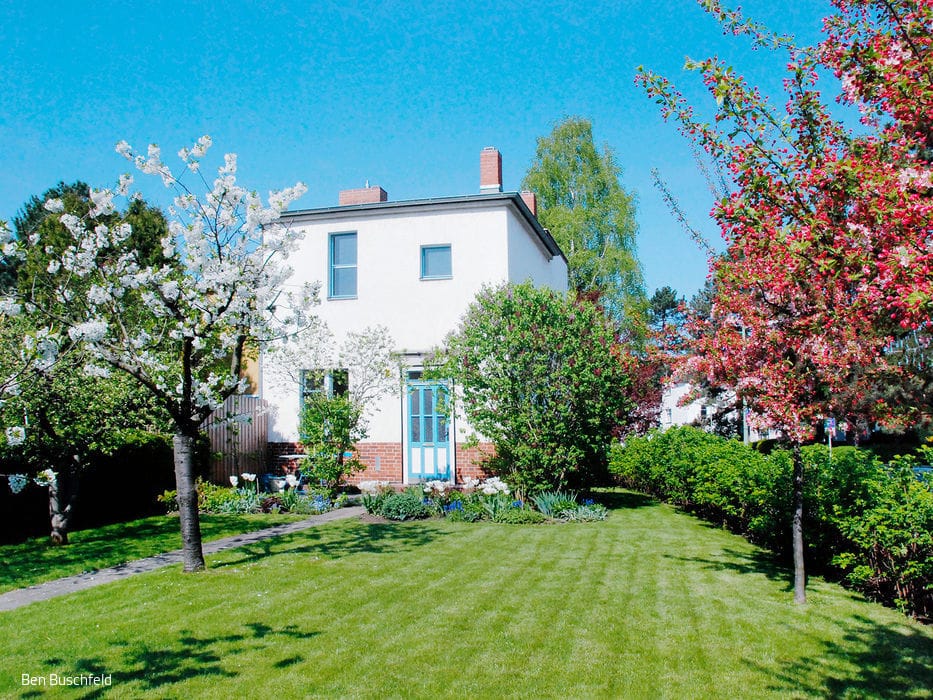
Light, Air and Sun for All
Experience an Authentic Bruno Taut Home in Britz—A Living Museum for Bauhaus Enthusiasts
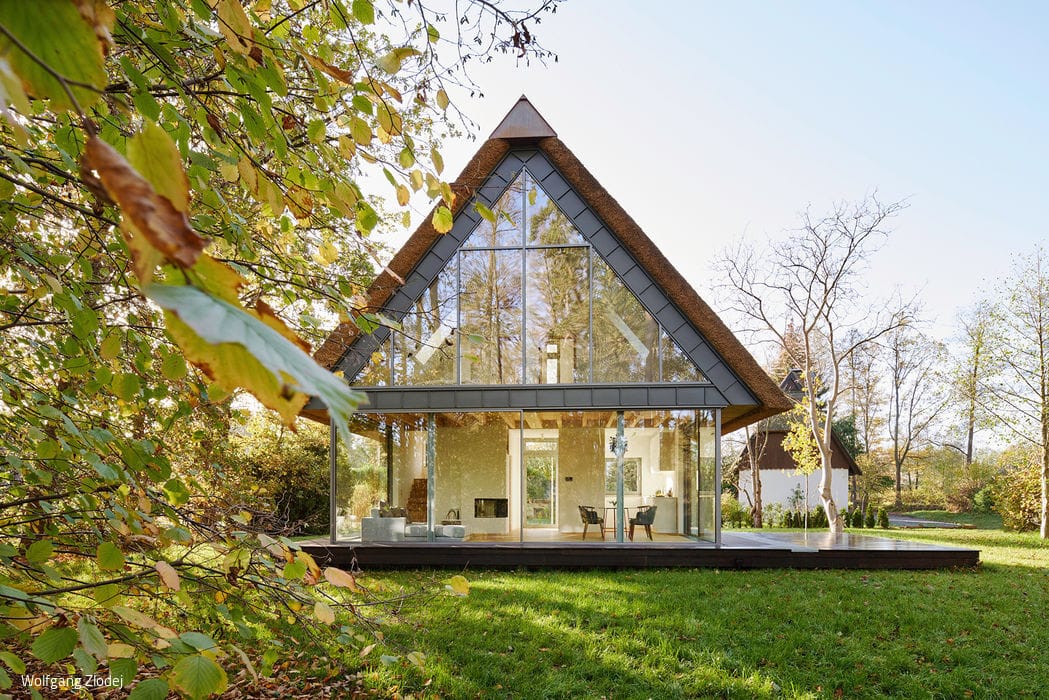
Dream house in miniature
In the Spreewald, tradition and cutting-edge design converge in one weekend retreat.
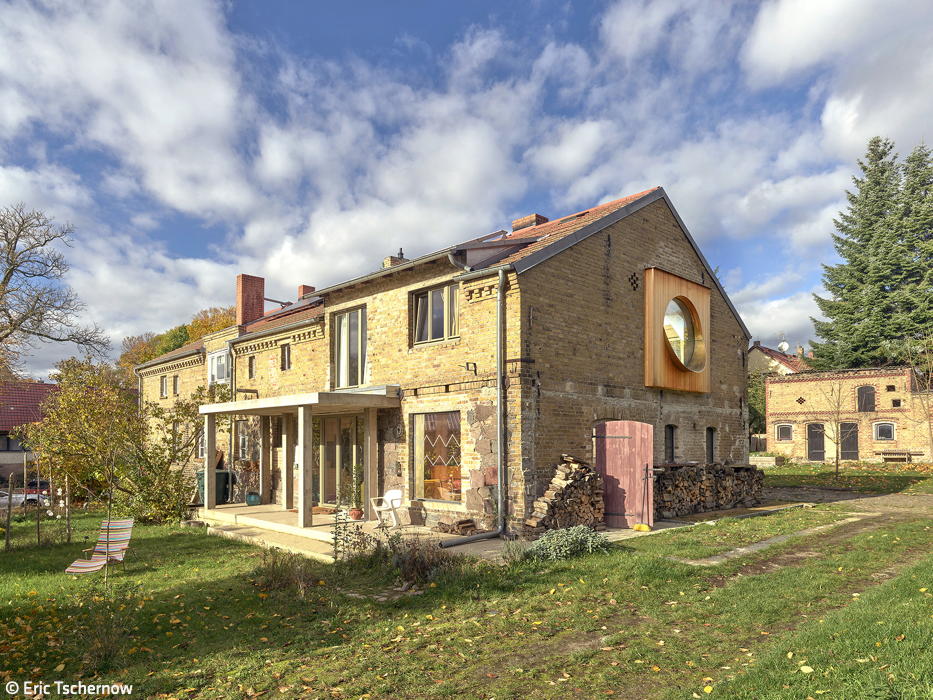
Reborn Anew
Through minimal intervention, an old farmhouse finds new life.

Pared Back to Essentials
Minimalism and geometric form define Nicolene van der Walt's design language