


Calm and dignity
75 apartments in passive house construction in Frankfurt-Nied
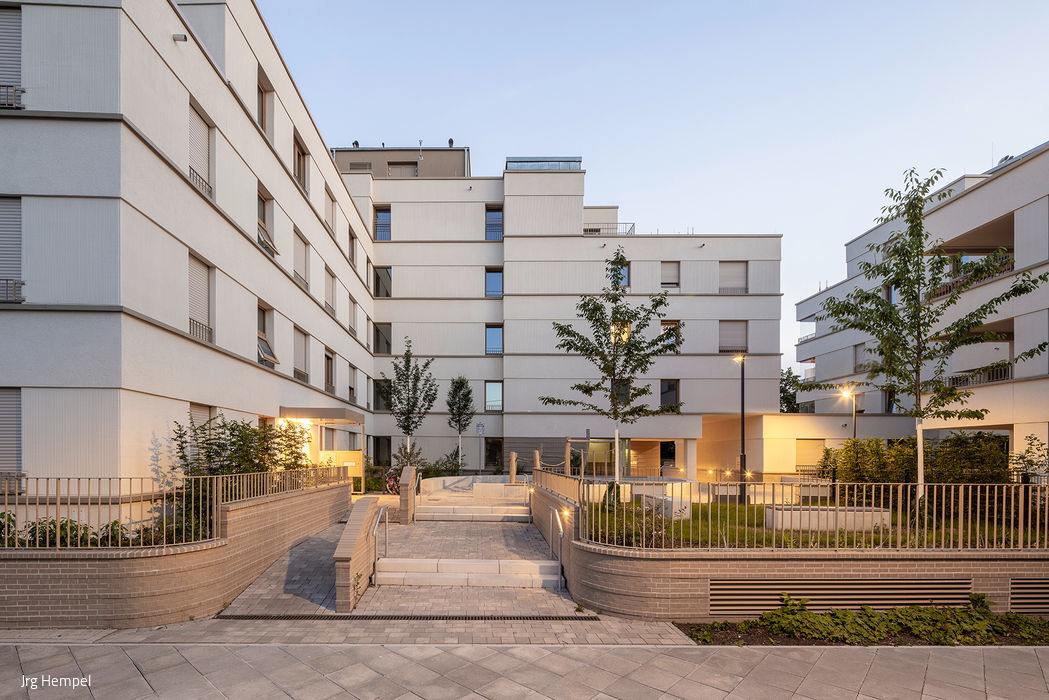
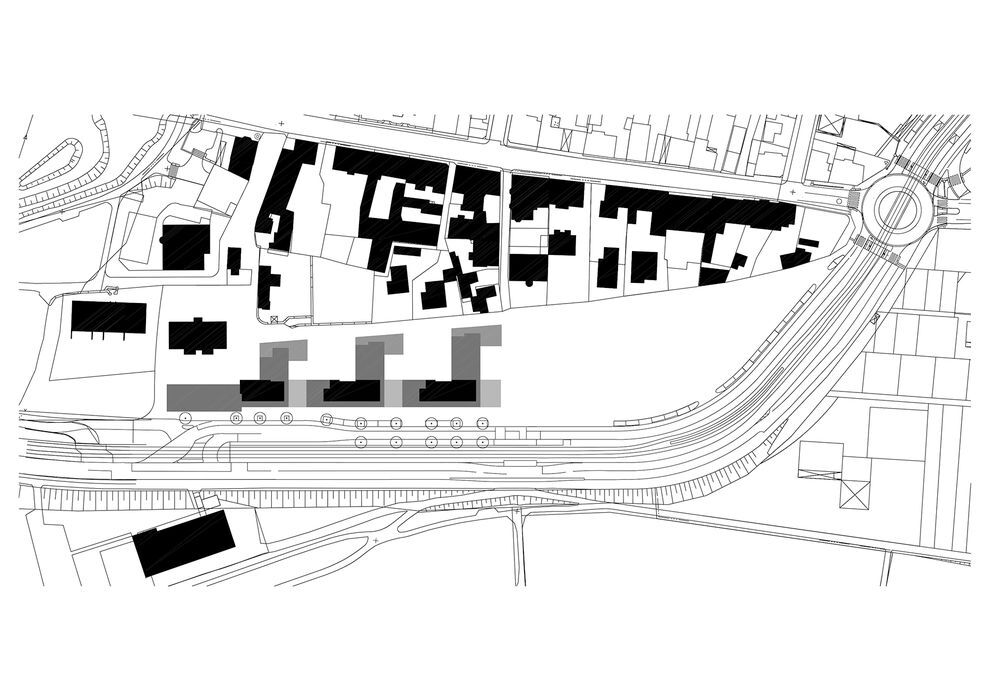
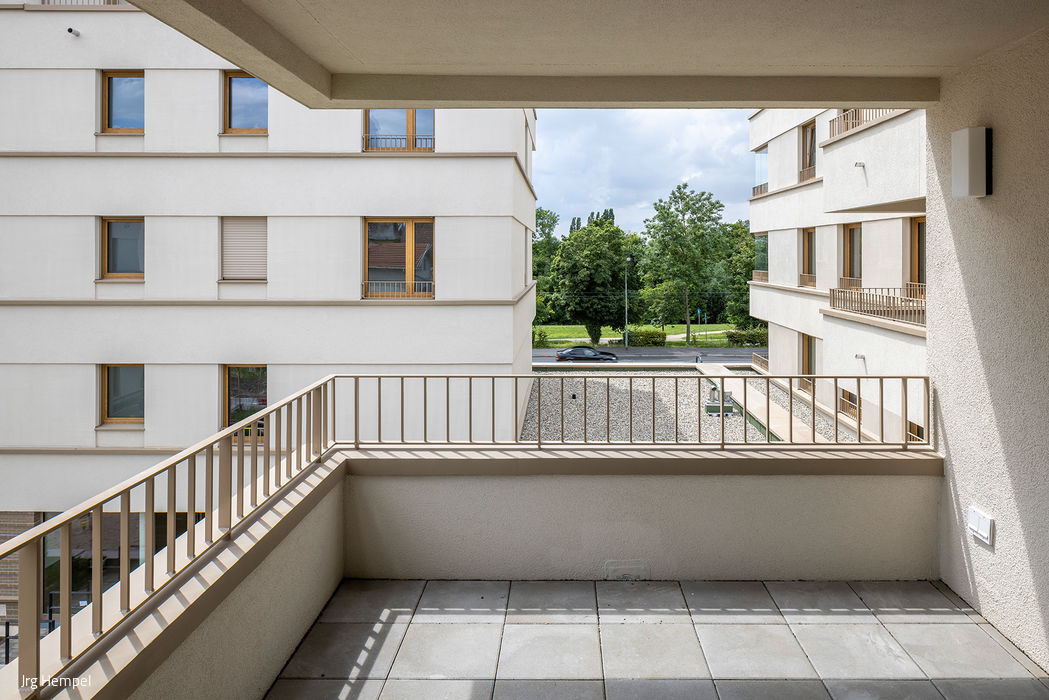
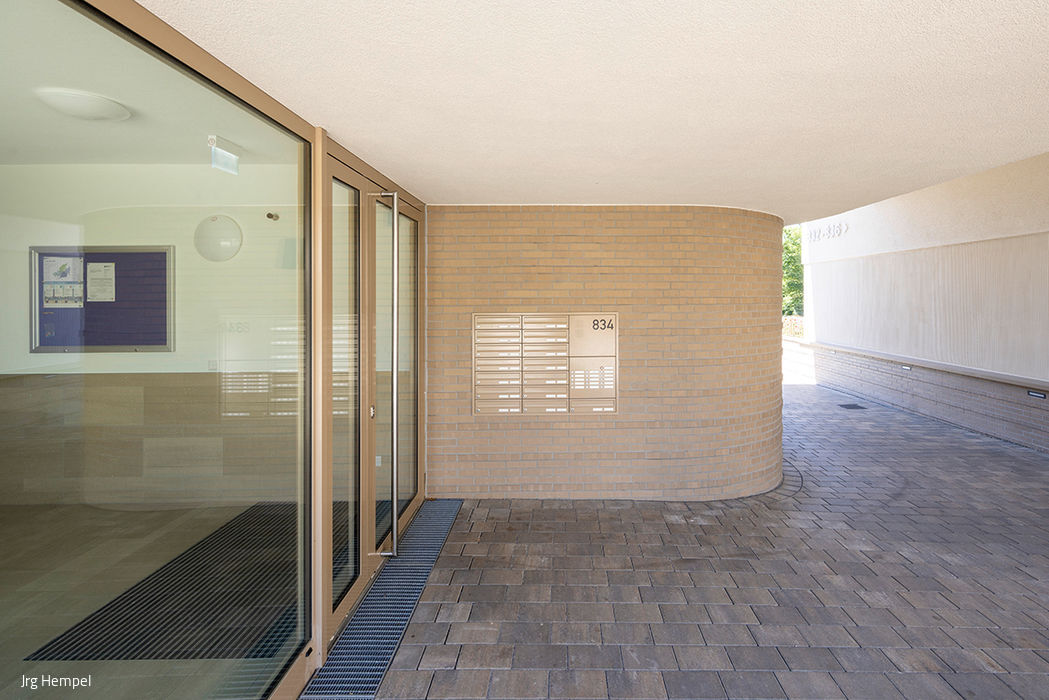
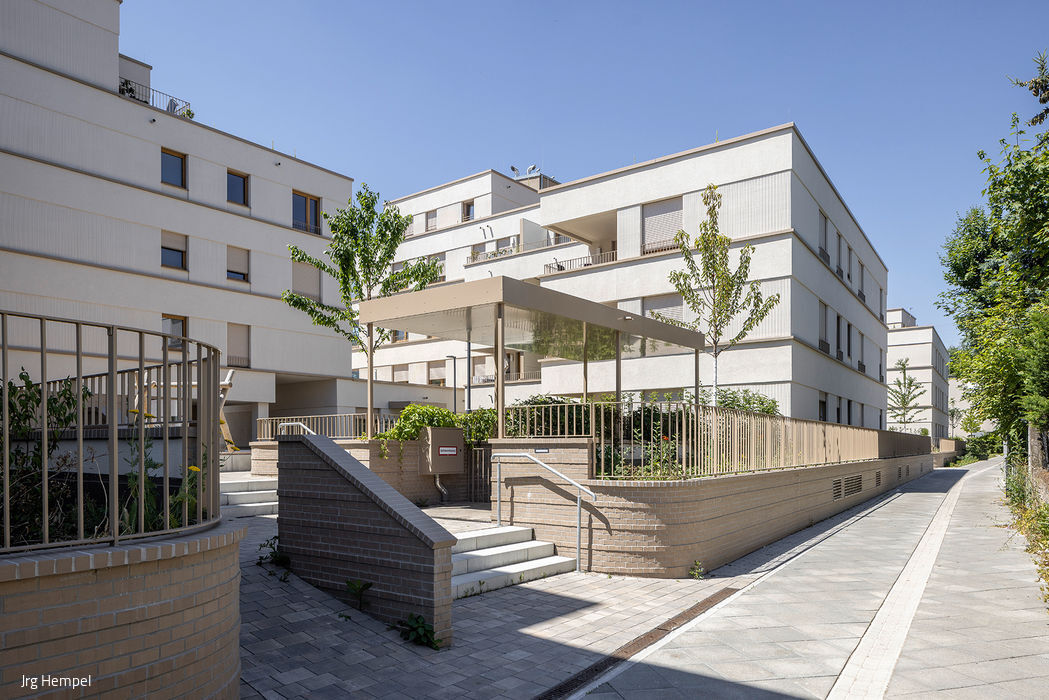
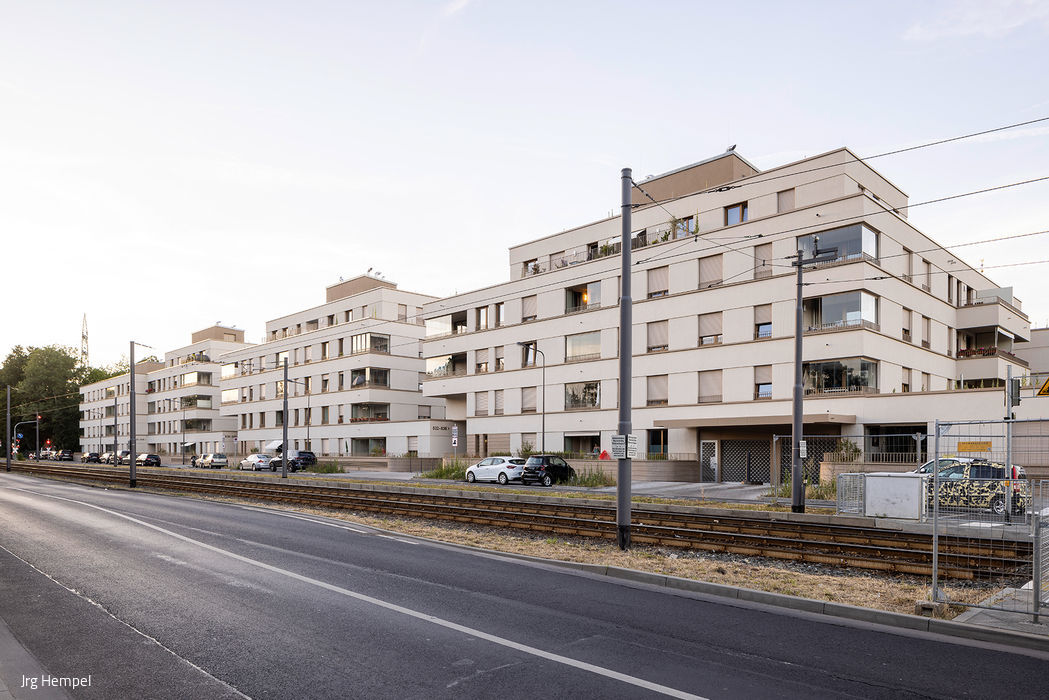
On a long-vacant site in Nied, dirschl.federle_architekten developed 75 of 132 passive house apartments for ABG Frankfurt Holding in the first phase of a three-phase project. The site's unique constraints demanded an innovative urban planning approach—one that ultimately won them the design competition. The location is bordered on three sides: by the tram's turning loop, the historic Alt-Nied neighborhood, and Mainzer Landstraße, a heavily trafficked thoroughfare that nonetheless offers unobstructed views toward the Main river and the landscape beyond.
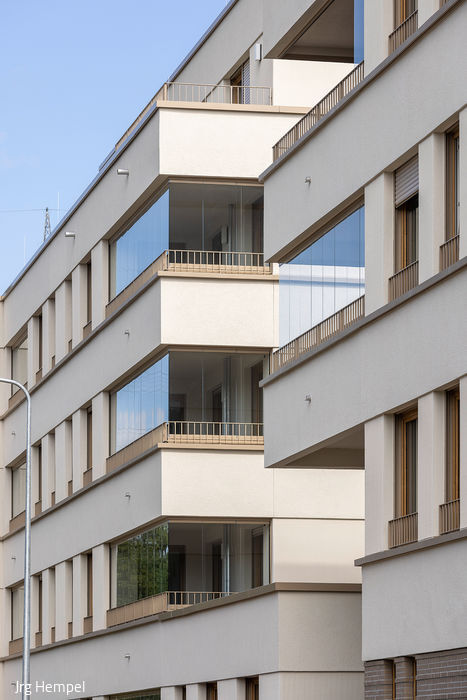
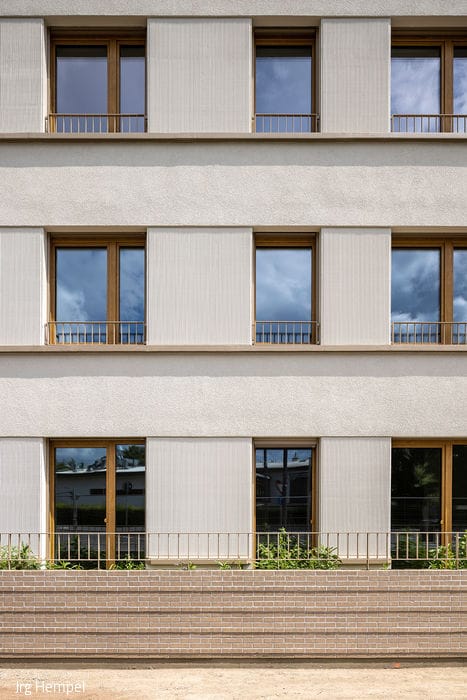
Four- to five-storey buildings now frame Mainzer Landstraße, with half-height clinker walls separating the neighborhood from the street. This approach achieves dual benefits: it provides privacy for ground-floor residents while creating space for intimate tenant gardens and terraces. The street-facing loggias feature specially designed acoustic glazing that opens for ventilation. Behind the primary façade, three- to four-storey structures define multiple residential courtyards. To respectfully integrate with Alt-Nied's existing urban fabric, the architects thoughtfully reduced building heights to three storeys and positioned them to preserve light access for neighboring properties. Reflecting the neighborhood's historical character, all new residential buildings adopt the distinctive hook or L-shaped form of the traditional "Hakenhöfe" courtyards. Horizontal articulation created by deep recesses across the building surfaces lends visual rhythm to these passive house structures. A composition of varied plaster textures—from broad to fine surfaces, comb-finish details, and continuous cornice bands—emphasizes this horizontal language. Clinker bricks detail the ground floors and building entries, while a carefully calibrated palette of natural tones bestows the façades with calm and dignity.
The buildings showcase diverse housing options: units ranging from two to five rooms, including barrier-free and subsidized apartments—each with its own balcony or terrace. The neighborhood concept amplifies livability: all open spaces remain free from traffic and parked cars, with courtyards, pathways, and connections reserved exclusively for pedestrians and cyclists. Phase two introduces retail alongside additional residential units. The final phase begins when the tram loop is decommissioned, transforming that space into a small, vibrant urban plaza with café seating.
Photography Credits:
Jörg Hempel
joerg-hempel.com
(Published in CUBE Frankfurt 03|23)


Statement of Art
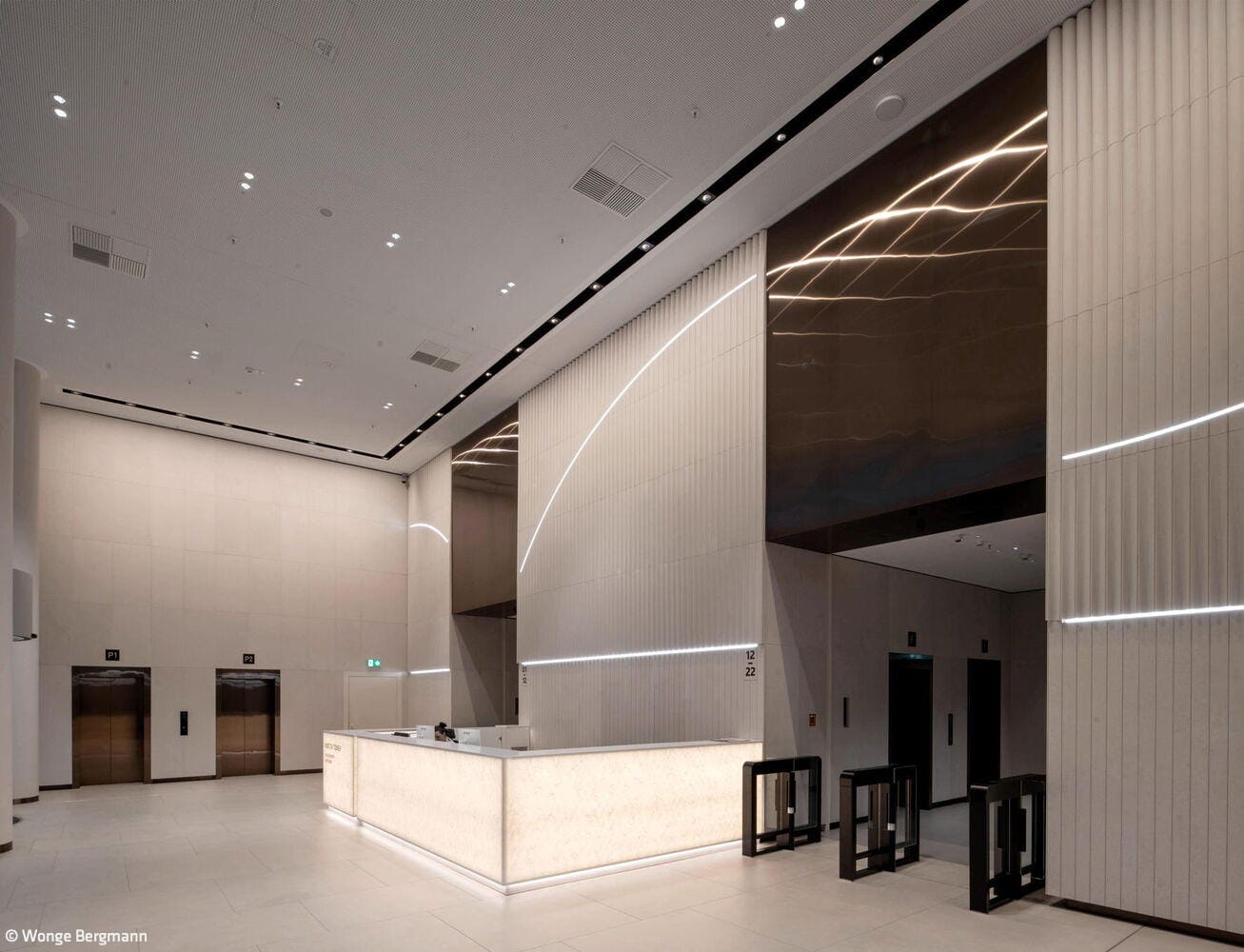
A new sense of lightness, elegance and precision for the entrance area of an office tower block
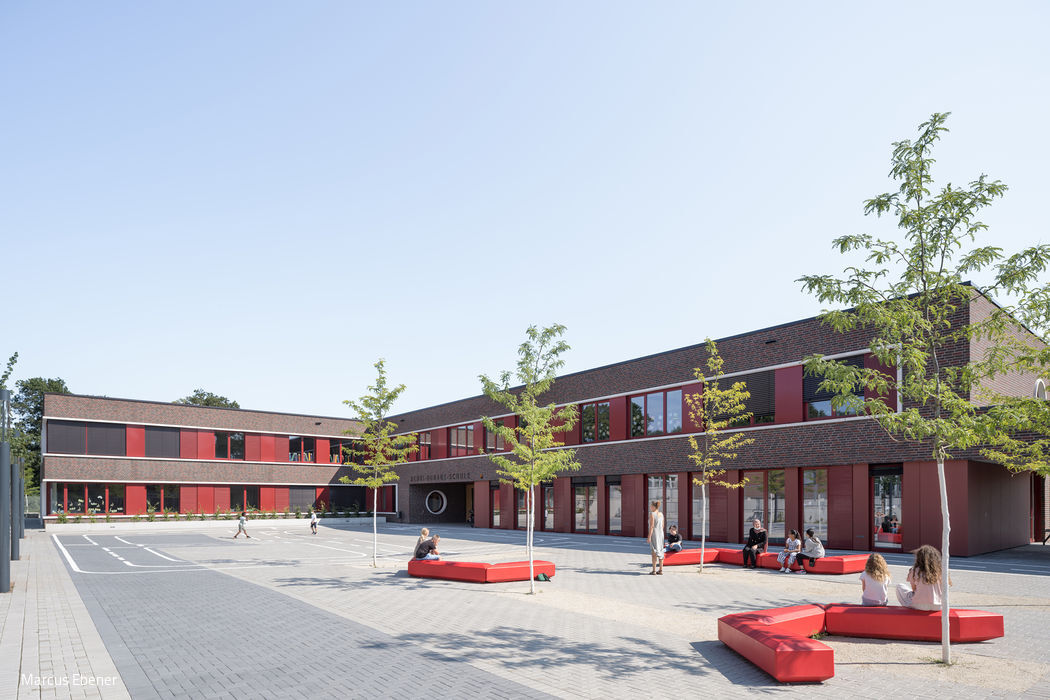
Learning and Living Space
Red Brick Innovation: How Thoughtful Site Design Creates Space
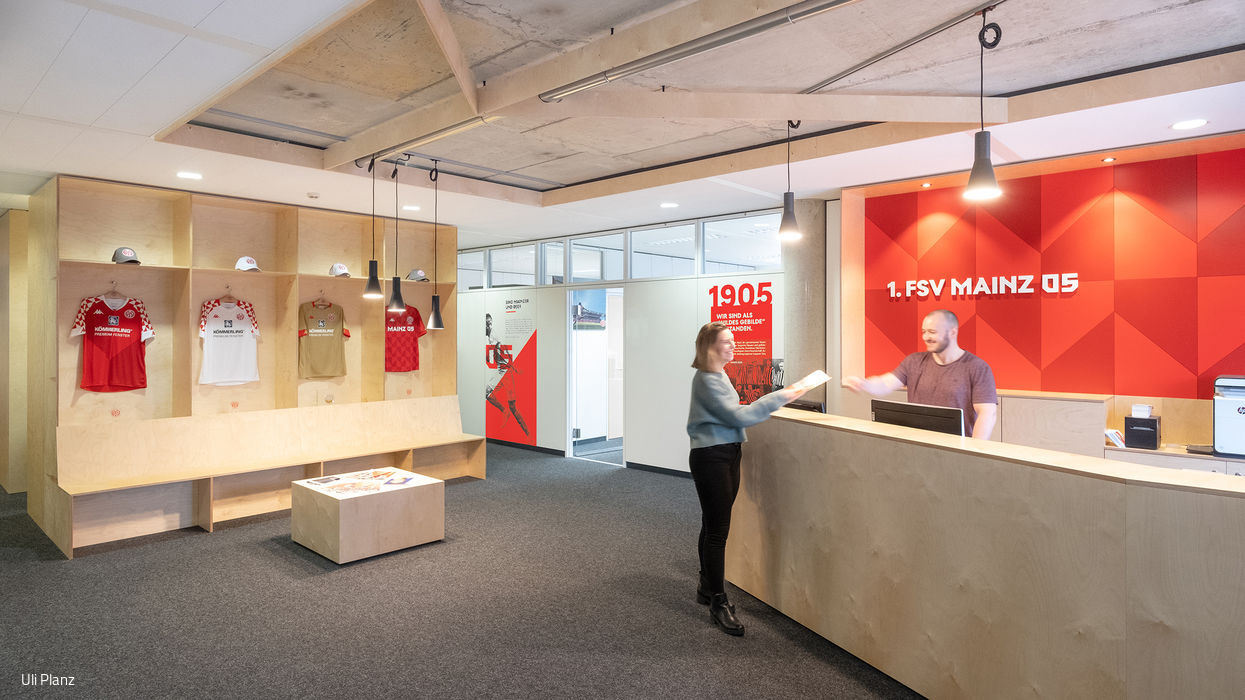
Mainz Takes All Five
Mainz 05's renovated office embodies the club's true identity
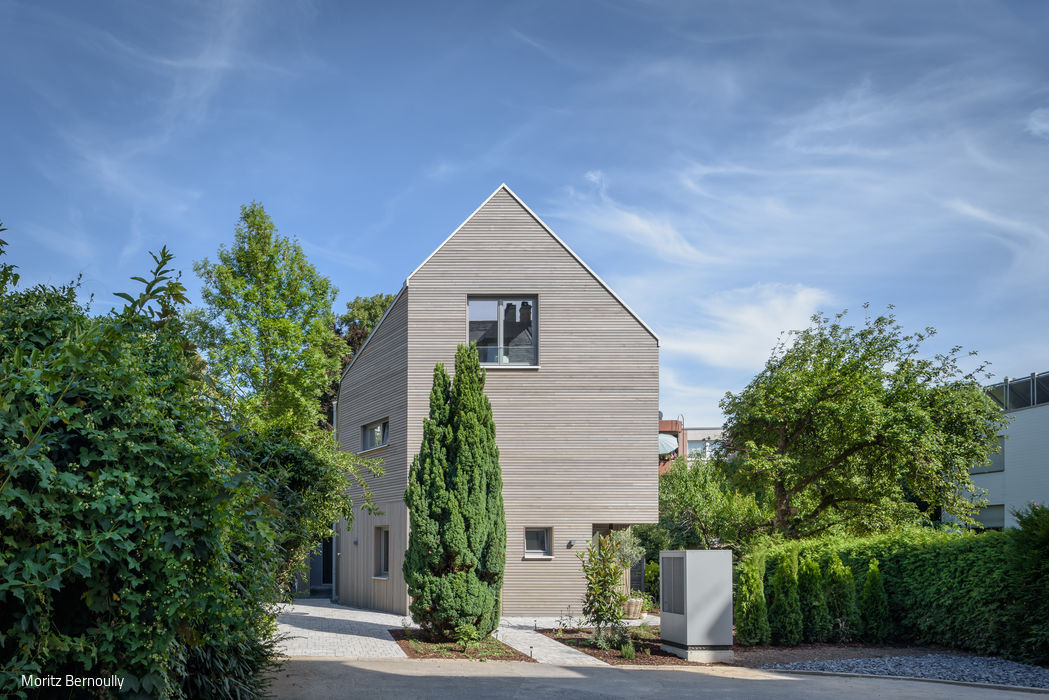
Weekend Every Day
This wooden home captures summer living in a remarkably compact footprint