


Character Woven Together
A bungalow in a Ratingen housing estate undergoes a thoughtful transformation


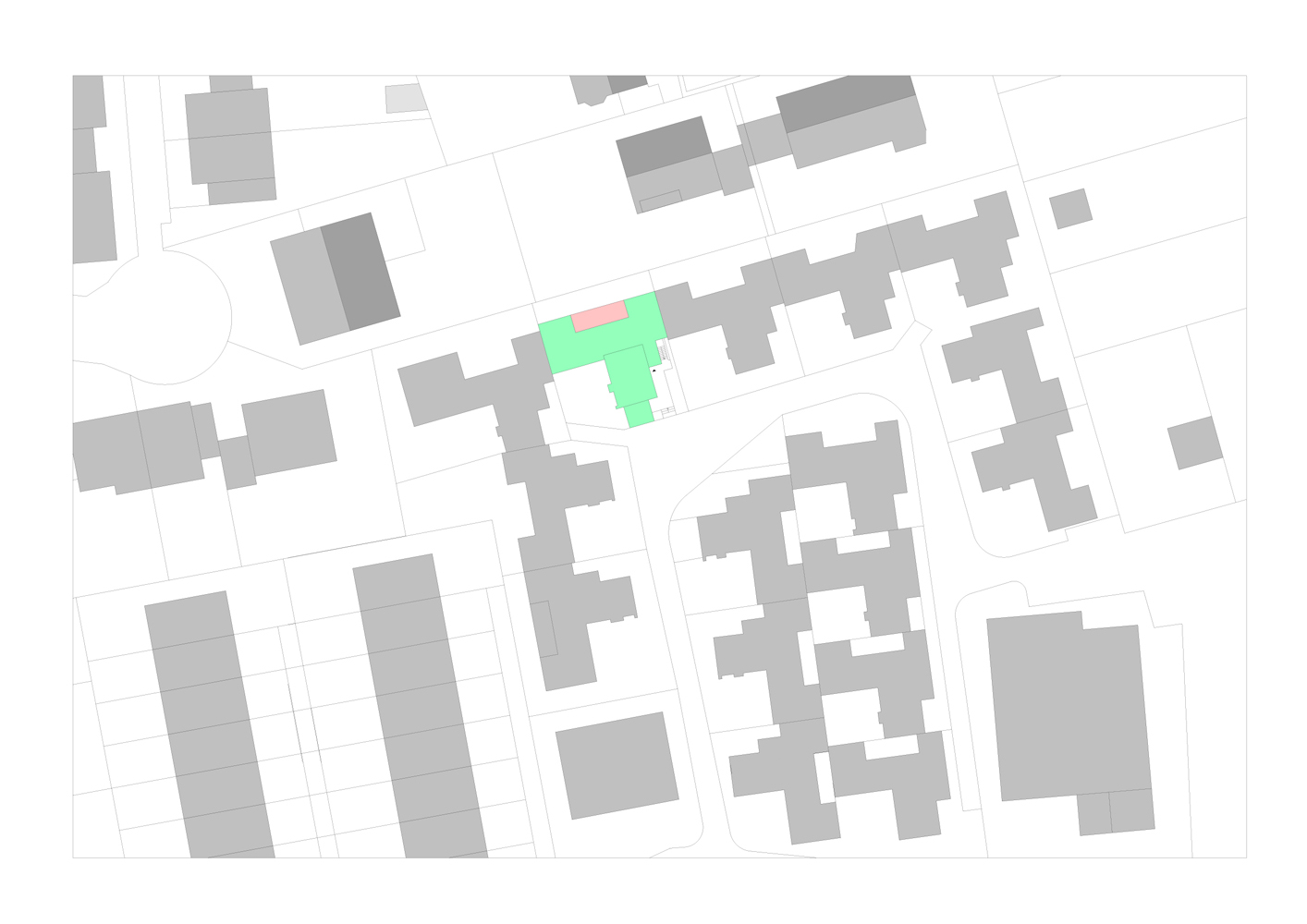

Single-storey living remains as appealing as ever – and for good reason. Whether for young families or aging in place, bungalows offer the ideal layout. But renovation doesn't always demand costly new construction; many post-war properties hold remarkable potential waiting to be reimagined. When Düsseldorf-based Böhme Bertossi Architekten took on a modest low-rise home in a dense 1960s housing estate, they transformed it for a family of four with a distinctly modern sensibility—yet one that honored the building's original character. The goal was clear: preserve and reveal the house's inherent qualities rather than erase them.
Beyond modernization, the primary goal was to reimagine the spatial layout: the previously divided living, dining, and kitchen areas were unified into one expansive, open gathering space. The brief also called for an additional children's room and a generous family bathroom. To accommodate these requirements, an extension was built at the rear, opening directly to the garden. An unused terrace provided the perfect location—constructed using prefabricated timber frame methods with generous glazing that floods the space with light. Inside the original structure, walls were carefully removed and repositioned to create a coherent whole with distinct functional zones and seamless transitions. The bedrooms and bath form a private sanctuary, while the 40 m² living-kitchen-dining area spans the building's full depth, offering garden views and natural light from every direction. A refined material palette creates an elegant backdrop that allows deliberately preserved elements to shine: the original brick fireplace with its natural stone surround and the steel spiral staircase with stone treads emerge as striking design features, infusing the rooms with authentic character and warmth. The exterior brick façade remains largely original, while the flooring was completely renewed for radiant heating, and a new, vegetated roof with integrated photovoltaics replaces the original structure.
Photography:
Jens Kirchner
www.jens-kirchner.com
(Published in CUBE Düsseldorf 01|25)
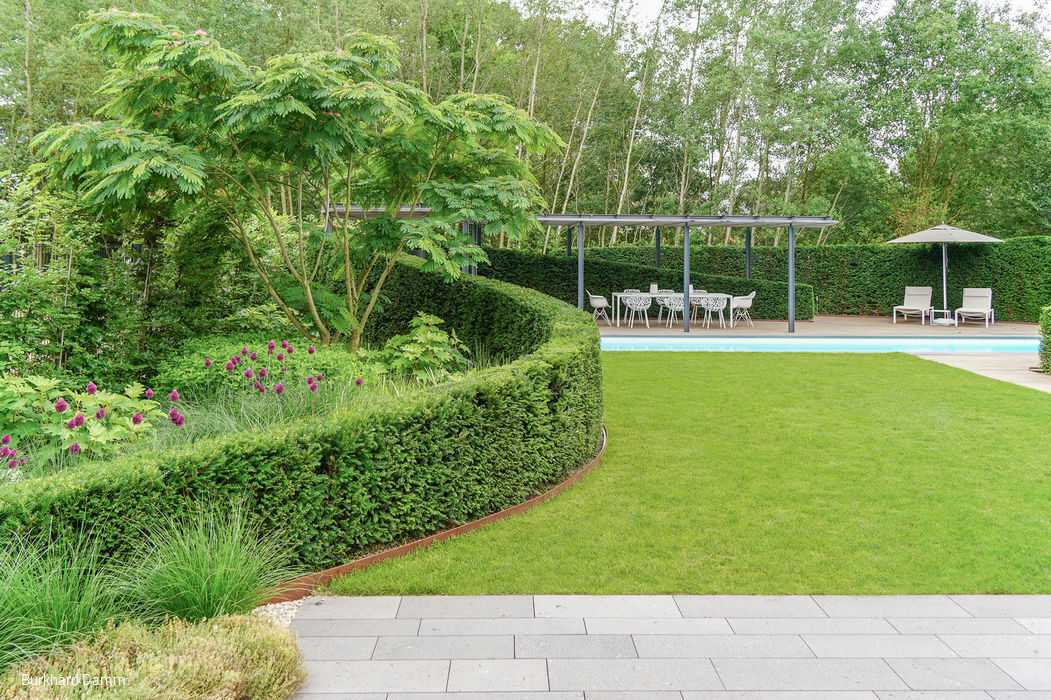
A View Framed by Living Walls
A Freshly Designed Garden That Captivates Every Season
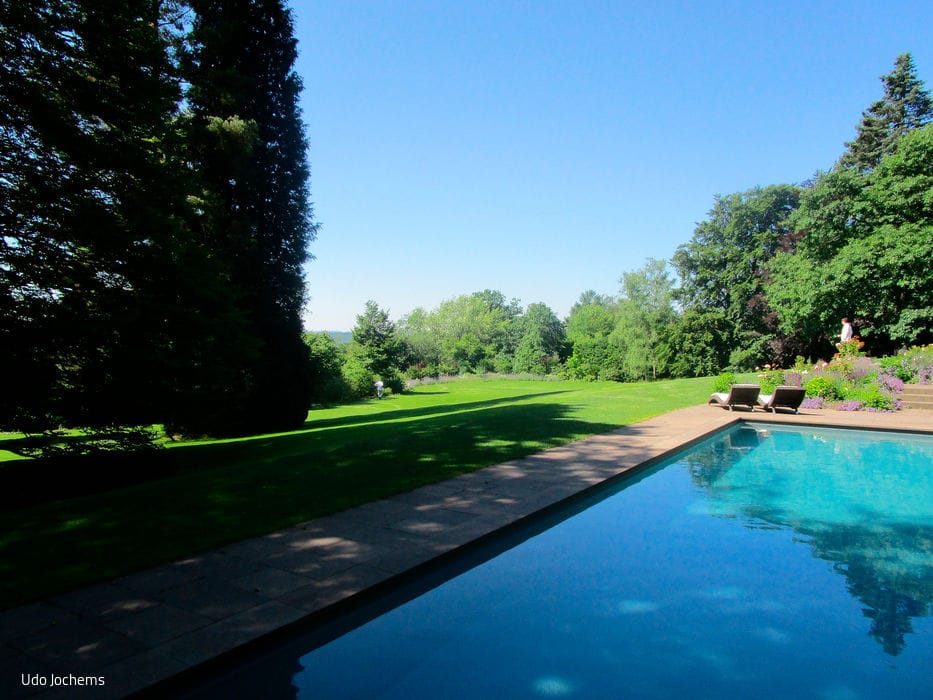
Spaces in Contrast
Expansive Views and Diverse Garden Spaces Define a Hillside Villa
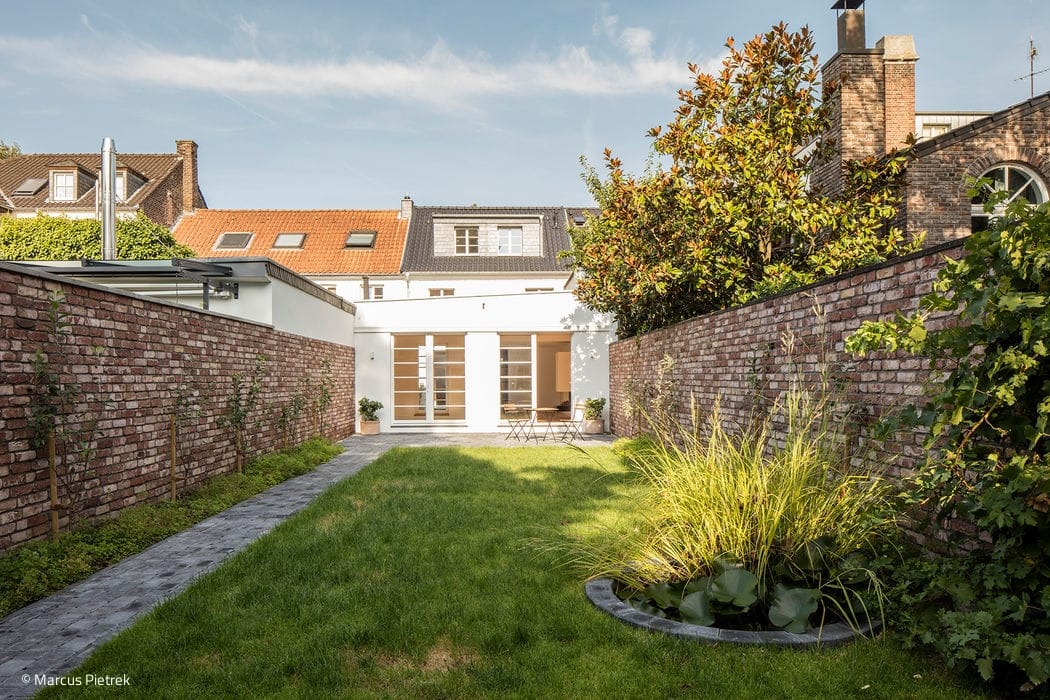
A Hidden Gem with a Twist
A historic residence in Kaiserswerth authentically restored and thoughtfully expanded
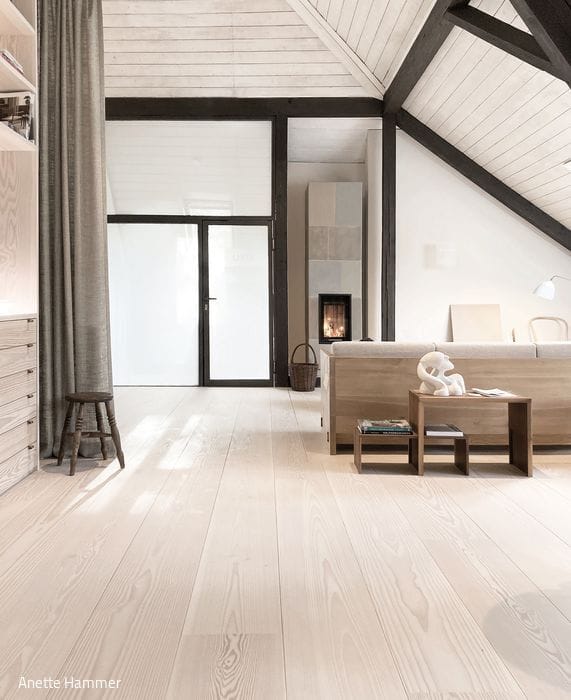
Curating Beauty: A Gathering Place
The new multifunctional showroom "Atelier 1907" at Lüntenbeck Castle