


Form follows function
The interior design of this eight-storey office building is built around a central networking concept.



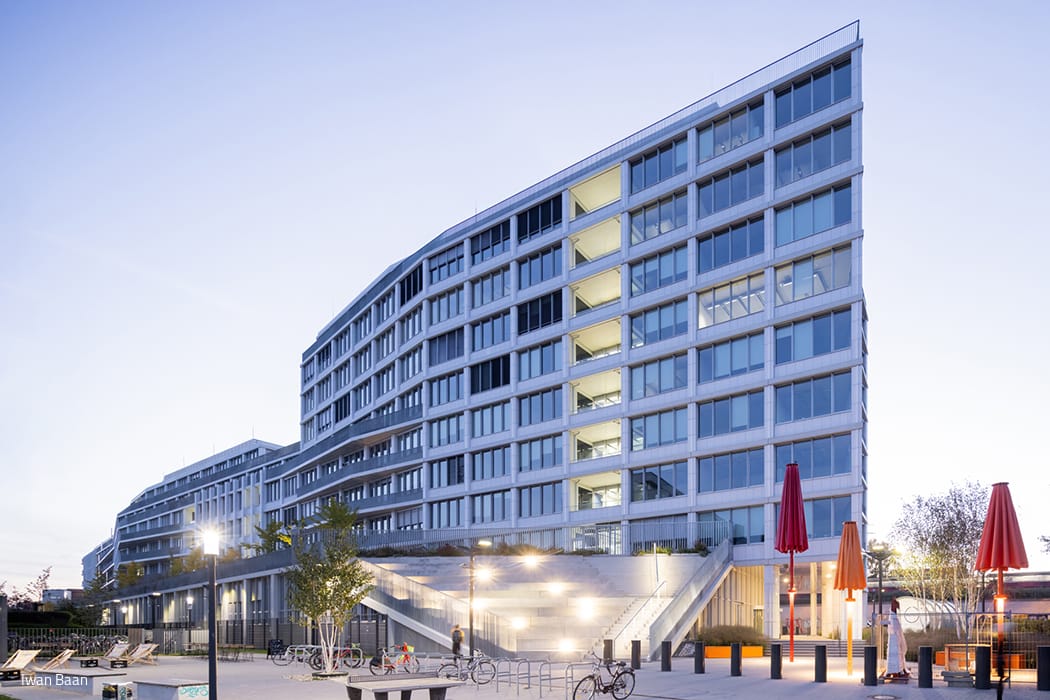
Designed by platena+jagusch Architects, this new building nestles strategically between the Charité and Ministry of Health on Invalidenstraße, ingeniously filling two gaps between existing structures. Its shimmering blue glass façade reflects the surrounding streetscape while establishing a striking architectural presence. The innovative "Helix Hub" healthcare center embodies the collaborative ethos of co-working—an increasingly vital model within the healthcare sector.
The Helix Hub brings together researchers, physicians, entrepreneurs, pharmacists, and healthcare legal specialists—all working toward systemic improvements in healthcare—under one roof. By fostering exchange and spurring innovation, it catalyzes meaningful collaboration. Cologne and Hamburg-based interior designers brandherm + krumrey were tasked with creating spaces that are both functionally efficient and aesthetically compelling. Throughout the eight-storey building, the design philosophy prioritizes connectivity. The layout balances open collaborative workspaces with quiet islands and enclosed zones for focused individual work. The offering spans temporary private offices, team work areas, and informal meeting zones alongside large-scale conference and event facilities. Across 3,500 m², the designers crafted bespoke spatial solutions using premium materials. Flexible floor plans adapt seamlessly to evolving spatial demands. Every detail—from material choices to spatial flow—serves a dual purpose: enhancing user well-being while fostering the creative dialogue necessary for cross-disciplinary innovation.
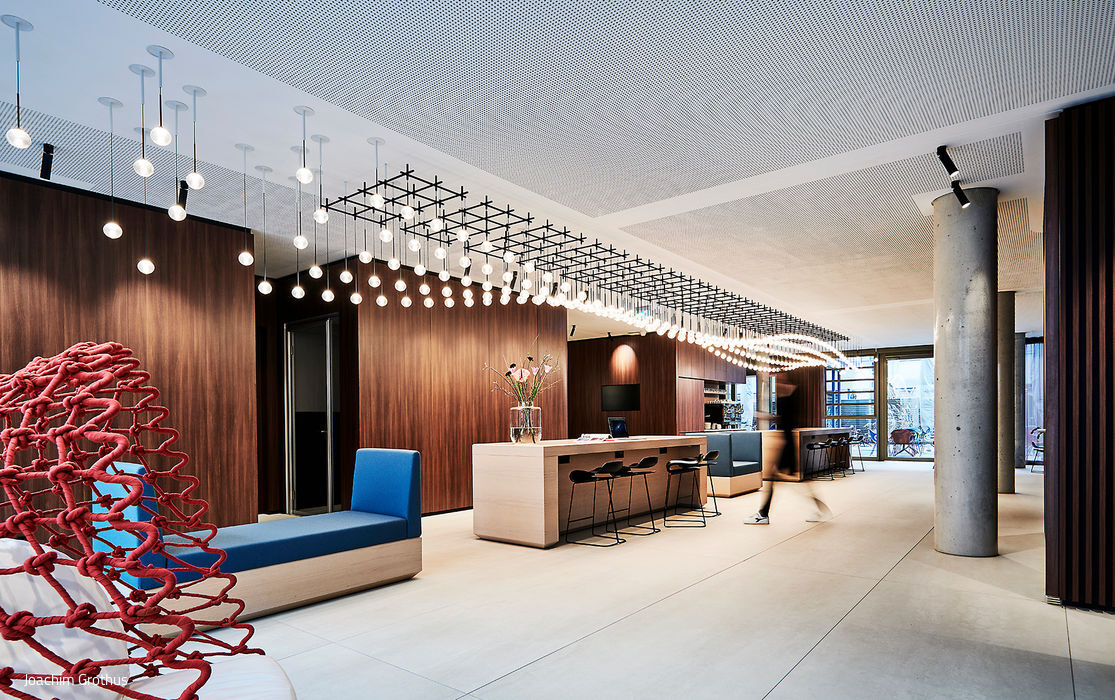
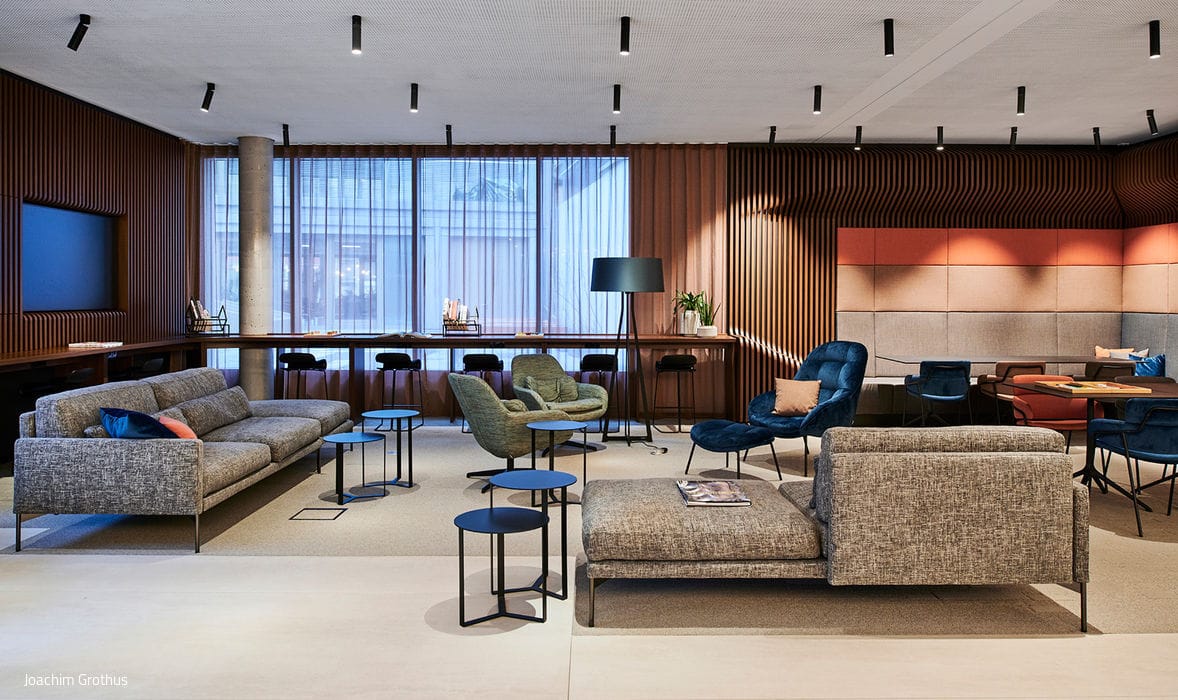
The entry immediately establishes the building's dual identity: reception and co-working hub in one. Refined wooden slat wall panels, timber counters, and wooden benches create an inviting first impression and encourage spontaneous gathering. A gracefully arcing light sculpture traces a helix through the foyer—a poetic nod to the building's namesake. The rear foyer demonstrates the designers' core principle of "inspiration": a communication zone furnished with blue and red upholstered pieces, open shelving, and carefully curated lighting, reinforced by the continuation of timber slats reimagined as built-in seating. The atmosphere feels both refined and decidedly human. The office levels maintain this same welcoming character. Soft grey walls and warm carpeting underscore a sense of openness and ease. Designer furniture and lighting fixtures provide sophisticated visual counterpoints throughout. Floor-to-ceiling glazing floods the spaces with natural light, framing views of either the internal courtyard or the bustling Invalidenstraße beyond.
Photography Credits:
Joachim Grothus
www.joachimgrothus.de
(Published in CUBE Berlin 02|20)
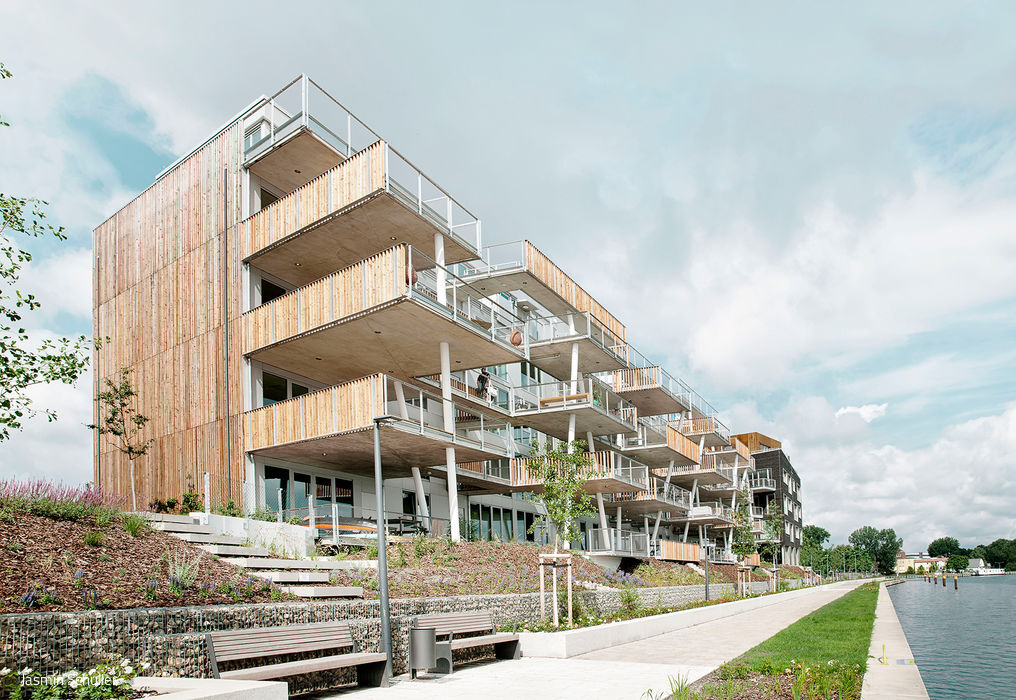
The Floating Walkways
Bold residential development on the Dahme
Where Focus Meets Warmth
Adaptive lighting design for the iconic "Tacheles": where history and modernity converge

The Yellow Wonder
Restructuring of the former BUFA site
Like a Holiday Getaway
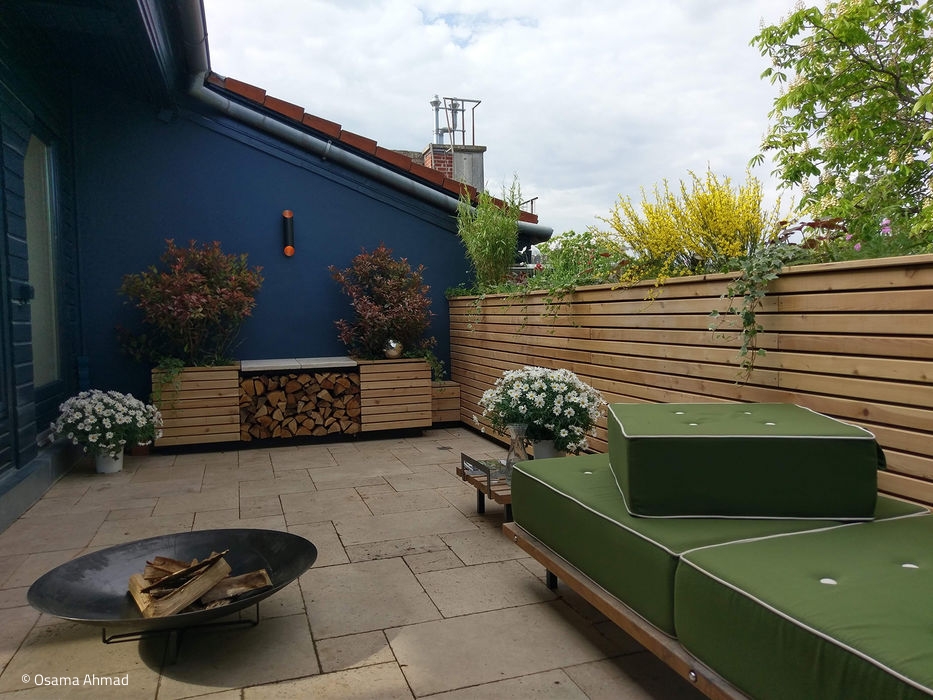
A maritime escape: Rooftop terrace in Kreuzberg flourishes among the treetops